
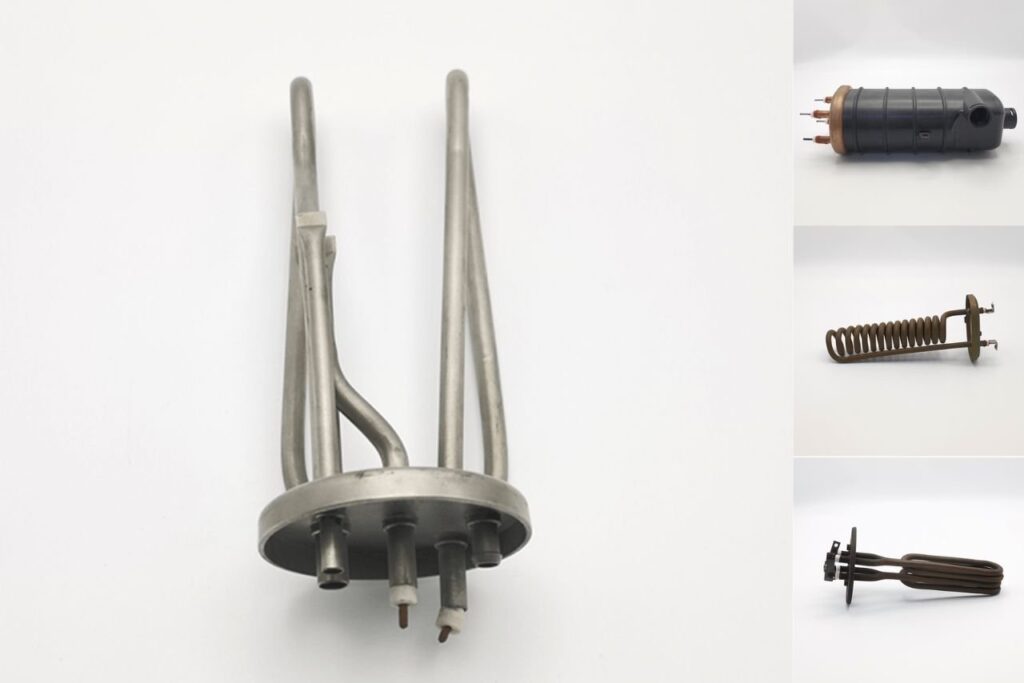
- OEM vs. Nachmarkt: Was "äquivalent" bedeuten sollte
- Wie Heizelemente von Trocknern ausfallen (und warum das für Käufer wichtig ist)
- Entscheidungsrahmen: Welche Option für welchen Nutzer am besten ist
- Prüfliste für Nachmarktelemente (praktisch, nicht theoretisch)
- Gesamtbetriebskosten (TCO): Die dominierenden versteckten Kosten
- Bezugskontext: Was Hersteller und Fabriken signalisieren (ohne Übertreibung)
- FAQ
- Referenzen und ausgehende Links
Bei Trocknerreparaturen bezieht sich "OEM" typischerweise auf eine Originalteilspezifikation, die für den Auslegungsbereich der Maschine vorgesehen ist. "Nachmarkt" bezieht sich auf ein kompatibles Ersatzteil, das von einem anderen Lieferanten verkauft wird.
- Übereinstimmung der elektrischen Nennwerte (Spannungs-/Leistungsprofil, das für die Geräteauslegung geeignet ist)
- Thermische Robustheit unter Zyklusbelastung (die Lebensdauer des Heizelements wird durch Oxidation, Verformung und Temperaturbelastung beeinflusst)
- Anschlussqualität (Leitungsanschlüsse/Klemmen müssen den Strom ohne Hotspots übertragen können)
- Isolations- und Rahmenintegrität (das Element ist eine Baugruppe, nicht nur Draht)
Ingenieurtechnischer Quellenkontext: https://tutco.com/conductive/heating-elements
TUTCO definiert ein Heizelement als eine Komponente, die aus elektrisch leitfähigem und isolierendem Material besteht, und betont, dass es "mehr als nur die Heizlegierung allein" ist und Rahmen sowie Anschlussleitungen umfasst.
A Samsung-Trockner-Heizelements handelt es sich um einen Widerstandsheizer, der wiederholt unter Luftstrom und Flusenbelastung zyklisch betrieben wird. Die technische Übersicht von TUTCO erläutert mehrere Ausfalltreiber, die direkt in Kaufkriterien übersetzt werden können.
- Durchbrennen/Unterbrechung im Laufe der Zeit durch Oxidation und thermische Belastung
- Verformung/Durchhängen wenn das Element nicht richtig abgestützt ist (Konstruktionsproblem)
- Heiße Anschlüsse durch schlechte Verbindungen (Anschlussqualität und Installation)
- Umgebungsbedingter Verschleiß (Verunreinigungen, Feuchtigkeit, Lint und Luftstromverhältnisse)
TUTCO hebt hervor, dass sich Materialeigenschaften mit den Betriebsbedingungen ändern und dass ähnliche Legierungen bei verschiedenen Lieferanten aufgrund von Spurenelementen (Verunreinigungen oder Zusätzen) unterschiedlich verhalten können. Das ist eine praktische Erklärung dafür, warum zwei "kompatible" Nachmarktteile sehr unterschiedliche Lebensdauern haben können.
| Szenario | Standardmäßig beste Wahl | Warum |
|---|---|---|
| Neuerer Trockner / Garantieempfindlichkeit | OEM | Passgenauigkeit und -spezifikation sowie weniger Streitigkeiten über Kompatibilität |
| Hohe Nutzungsintensität (Familie, Gemeinschaftswäscherei, Einrichtung) | OEM (oder geprüfter Aftermarket) | Gesamtbetriebskosten dominieren; wiederholte Reparaturen sind kostspielig |
| Älterer Trockner nahe dem Lebensende | Aftermarket | Kostenkontrolle kann marginale Zuverlässigkeitsunterschiede überwiegen |
| Aftermarket-Angebot mit schlechten Spezifikationen | Vermeiden | Fehlende Daten erhöhen das Risiko von Fehlanpassungen und vorzeitigen Ausfällen |
Eine glaubwürdige Aftermarket-Option sollte vor dem Kauf einer grundlegenden **Evidenzprüfung** standhalten:
- Klare Kompatibilitätsangabe (Modellfamilie und Revisionsklarheit)
- Angegebene elektrische Spezifikationen (Spannung/Leistung oder Äquivalent)
- Offenlegung von Materialien oder Konstruktion, sofern relevant
- Angemessene Garantie-/Rückgaberegelung
Hudson Reeds Angebot für einen 1000W Steckerheizer (für Heizkörper/Handtuchtrockner, nicht für Trockner) zeigt eine starke Offenlegungsdisziplin: es gibt an 1000 W, IP67, UL-zugelassen, Materialien, Kabellänge und eine 2 Jahre Garantie.
Beispielquelle: https://usa.hudsonreed.com/1000-plug-in-watt-electric-heating-element-76309
- Anschlüsse inspizieren und festziehen (schlechte Verbindungen erzeugen Wärme am Stecker)
- Luftweg auf Sauberkeit prüfen, um Überhitzung zu vermeiden
- Thermosicherungen/Thermostate nicht übersehen, wenn wiederholte Ausfälle auftreten
TUTCOs Artikel diskutiert die **weniger offensichtlichen Kosten** der Heizerwahl: Arbeit, Nacharbeit, Feldausfälle sowie Auswirkungen auf Reputation und Betrieb.
Gesamtkosten = Teilpreis + Installationszeit + (Wahrscheinlichkeit eines vorzeitigen Ausfalls × Kosten der Nacharbeit)
Deshalb kann ein etwas teureres Element die günstigere Option sein, wenn es die Wahrscheinlichkeit von Nacharbeit reduziert.
Für Verbraucher ist OEM vs. Aftermarket eine Einzelhandelsentscheidung. Für Händler und Marken ist es auch eine Entscheidung über Lieferkette und Qualitätssystem.
Jinzhongs Druckgusskategorie listet mehrere Geräteheizkörper und Wärmetauscherkomponenten auf (z. B. Boiler-Wärmetauscher und Kaffeemaschinen-Heizteile),.
Ist OEM immer besser als Aftermarket für einen Samsung-Trockner-Heizelements?
Nicht immer. OEM minimiert tendenziell Pass-/Spezifikationsunsicherheiten, aber ein hochwertiges Aftermarket-Teil kann einen ausgezeichneten Wert bieten, wenn es klare elektrische Spezifikationen, robuste Anschlüsse und konsistente Materialien aufweist.
Was sollte überprüft werden, bevor man das Heizelement für fehlende Wärme verantwortlich macht?
Luftstromeinschränkungen, Thermosicherungen/Thermostate, Verkabelung und Anschlusszustand sollten bewertet werden. Schlechte Verbindungen und eingeschränkter Luftstrom können Elemente überhitzen und die Lebensdauer verkürzen.
Warum haben zwei **kompatible** Elemente unterschiedliche Lebensdauern?
TUTCO erklärt, dass Legierungen zwischen Lieferanten unterschiedliche Eigenschaften aufweisen können aufgrund von Spurenelementen (Verunreinigungen oder Verbesserungen), und Umgebungsbedingungen können die Lebensdauer verkürzen, wenn die Legierung schlecht abgestimmt ist.
Was ist der sicherste Weg, Aftermarket online zu kaufen?
Bevorzugen Sie Verkäufer, die klare Kompatibilitätsdetails und elektrische Spezifikationen veröffentlichen, angemessene Rückgaben anbieten und Nachweise für Qualitätskontrolle liefern. Vermeiden Sie Angebote, die nur **passt für Samsung** ohne technische Details angeben.
- TUTCO – Definition von Heizelementen, Materialien, Integrationstypen, Spurenelementen und Diskussion der Qualitätskosten: https://tutco.com/conductive/heating-elements
- Hudson Reed – Beispiel für detaillierte Heizungsangebotsoffenlegung (1000W, IP67, UL-zugelassen, Garantie) und Preisreferenz: https://usa.hudsonreed.com/1000-plug-in-watt-electric-heating-element-76309
- Jinzhong-interne Referenzen für Hersteller-/Beschaffungskontext und erforderliche Anker: https://jinzho.com/, https://jinzho.com/product-category/heating-element/, https://jinzho.com/about/, https://jinzho.com/product-category/die-casting-heating-solutions/

