
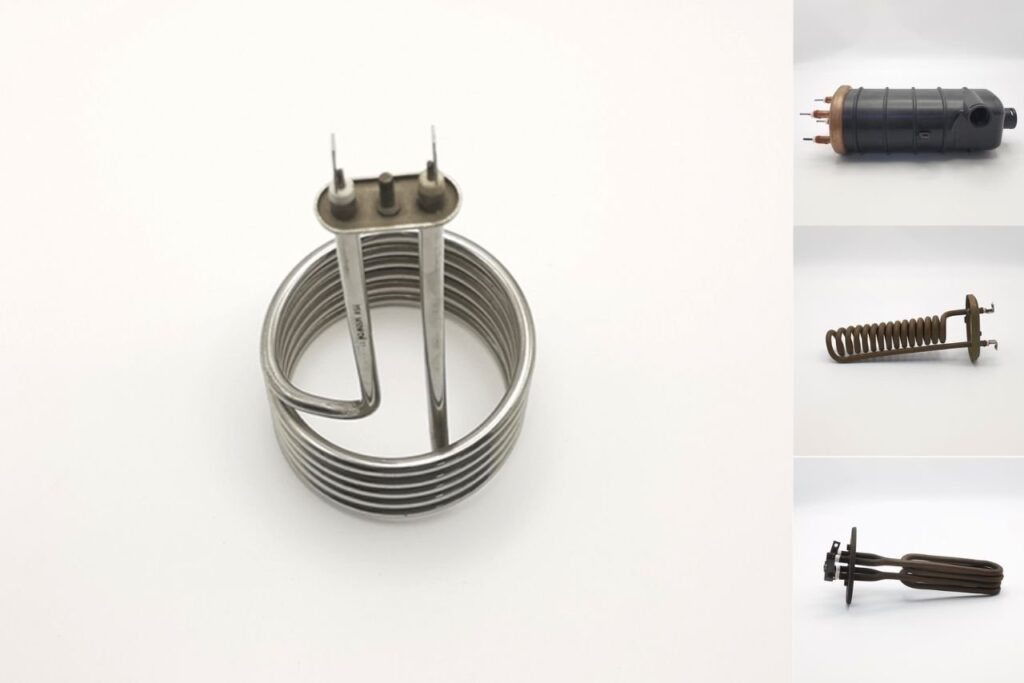
A Whirlpool oven that fails to heat is typically suffering from a continuity break in its heating circuit.
This professional walkthrough leverages the manufacturing expertise of Camewould (Jin Zhong) a global leader and Heating Element manufacturer to provide a safe, data-driven replacement strategy. With over 40 years of experience supplying heating cores to brands like Philips and Midea, we ensure your DIY repair meets industrial safety standards.
Technical Guide Chapters
I. Preparation & Safety Protocols
Replacing a Heating Element involves interacting with a 240V AC circuit. Before touching the appliance, ensure the power cord is physically disconnected or the dual-pole breaker is flipped. Confirm the oven is fully cooled to avoid thermal injury.
Required Engineering Tools
- Phillips Head Screwdriver: For mounting brackets.
- 1/4″ Nut Driver: For rear access panels (specific Whirlpool models).
- Digital Multimeter: For continuity verification.
- Needle-Nose Pliers: For secure spade connector handling.
II. Element Extraction & Disconnection
In most Whirlpool ranges, the Heating Element is held by a front mounting bracket and a rear terminal plate. Open the door and remove the oven racks to gain clear access to the bake (bottom) or broil (top) zone.
1. Unthreading Mounting Screws
Locate the two screws securing the element’s mounting feet to the oven floor or ceiling. Once removed, gently pull the element forward. You will see two wires connected to the terminals.
2. Terminal Isolation
Use needle-nose pliers to pull the female spade connectors off the male terminals. Warning: Ensure the wires do not slip back through the insulation holes into the oven’s rear cavity. Securing them with a small clamp or tape is a recommended industrial practice.
III. New Element Installation & Verification
When installing a replacement from a reputable Heating Element Factory, align the terminals with the porcelain insulators in the rear wall. Reconnect the wires, ensuring a “click” or firm seating on the terminals to prevent high-resistance arcing.
Pre-Installation Continuity Test
Before closing the unit, use your multimeter to verify the new part’s resistance. A standard Whirlpool 2600W element should measure approximately **20 C25 ohms**. An infinite reading indicates a factory defect.
Whirlpool Element Wattage & Resistance Reference
| Part Number Example | Wattage (240V) | Expected Resistance ( ) |
|---|---|---|
| WP308180 (Bake) | 2600W | 22 C 24 |
| W10201551 (Broil) | 3000W | 18 C 21 |
IV. Engineering Specifications: MgO & NiCr
Superior replacement elements, such as those integrated into Die Casting Heating Solutions, utilize high-purity materials to extend operational lifespan (typically 8 C10 years).
- Nickel-Chromium (NiCr) 80/20: The internal coil provides the resistance required for heat. Cheaper alloys oxidize faster, leading to the “pitting” seen in failed elements.
- Magnesium Oxide (MgO) Insulation: This ceramic powder must be vibration-loaded to high density to maximize thermal conductivity while maintaining electrical isolation from the outer sheath.
V. Industrial FAQ & Maintenance
Q1: Why does my new element smoke during its first use?
This is a standard “burn-off” of factory protective coatings. Run the oven at 350 F for 20 minutes to clear any residual smoke or odor.
Q2: Can I use an aftermarket element instead of a Genuine Whirlpool OEM part?
As long as the aftermarket part is from a certified Heating Element manufacturer with VDE or UL approval (like Camewould/Suli Technology), it is safe. Dimensions and wattage must match exactly.
Q3: My broiler works, but not the bake element. Is the board bad?
Unlikely. Since the broiler works, the control board is receiving power. The failure is almost certainly an “open circuit” in the bake element itself. Use a multimeter to confirm.
References & Technical Data:
- 1. Camewould (Jin Zhong) 2025 Manufacturing Guidelines. jinzho.com
- 2. Repair Clinic – Whirlpool Range Element Replacement Tutorial. repairclinic.com
- 3. Wikipedia – Heating Element Material Science. en.wikipedia.org
- 4. Parts Dr. – How to Test Oven Elements with a Multimeter. partsdr.com

