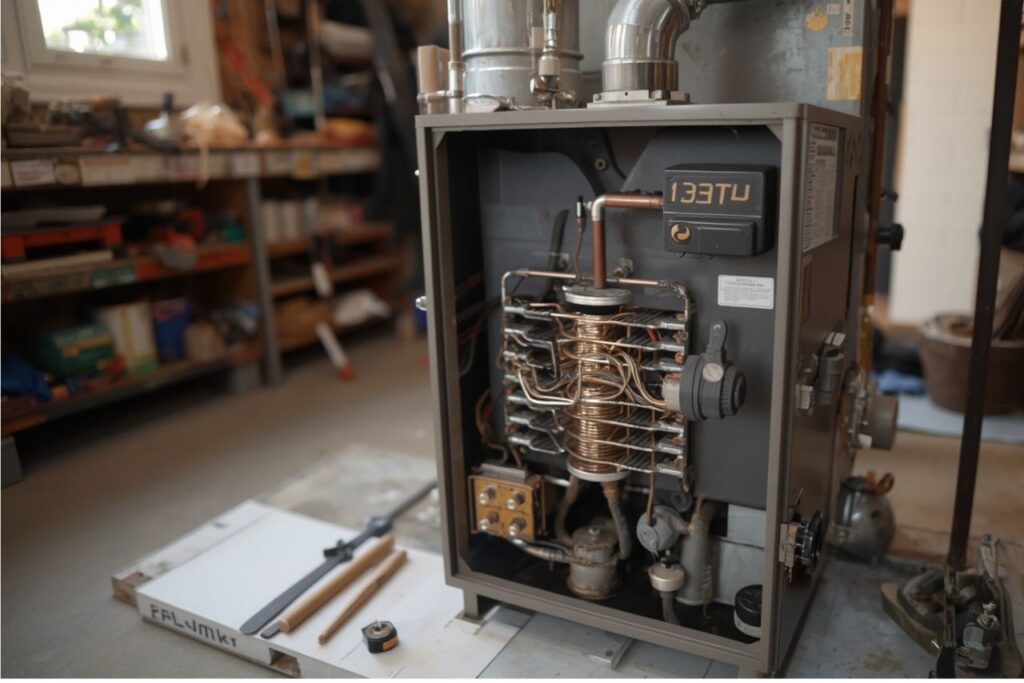
“More heat” upgrades for an electric fireplace are limited by the unit’s electrical design (voltage, current capacity, controls, wiring) and by safe airflow/temperature margins. The most reliable path is usually not installing a higher-wattage coil, but improving delivery: restoring airflow, reducing losses, and confirming the heater circuit is operating at its rated output. Heater engineering references describe a heating element as an assembly (conductive alloy + insulating framework + lead connectors), so any “upgrade” must consider terminals, insulation, and heat transfer—not just the coil.
Related product categories and capabilities: Heating Element, Heating Element manufacturer, Heating Element Factory, Die Casting Heating Solutions.
Understand the real limits: watts, wiring, and airflow
Electric fireplaces produce heat through resistive (Joule) heating. More heat generally means more electrical power. But power is constrained by the fireplace’s supply circuit, internal wiring, control board/relays, and thermal safety devices. Engineering guidance notes that heater design is about manipulating alloys and insulators into a useful component; if power increases without redesigning heat transfer and protection, the element can run hotter, shorten life, or trip thermal cutoffs.
| Constraint | What it controls | What happens if exceeded |
|---|---|---|
| Electrical rating (voltage/wattage) | Current draw and heat output | Overheated wiring/relays, nuisance trips, unsafe operation |
| Airflow (fan + clear path) | Element temperature and usable heat delivery | Thermal cutoffs open; element runs hotter and fails sooner |
| Terminal integrity | Low-resistance connections | Arcing, connector burn, intermittent heat |
Section summary
A “more heat” goal is constrained by electrical and thermal safety margins; airflow and connections often determine whether rated watts become usable room heat.
Upgrade options ranked by safety and ROI
Below is a practical ranking of common “upgrade” actions, from safest/highest-return to highest risk. For most owners, the top two deliver the biggest perceived improvement.
Upgrade actions (value vs. risk)
| Option | What changes | Who it fits |
|---|---|---|
| Airflow restoration | Improves convection; lowers element temperature while delivering more heat into the room | Most households; especially dusty environments |
| Connector/terminal refresh | Reduces connection resistance heating; stabilizes output | Units with odor, discoloration, intermittent heat |
| Element replacement (same rating) | Restores designed performance if element aged/open | Confirmed open/weak element via testing |
| System redesign / custom module | Re-engineers heat transfer and safety margins | Manufacturers/OEMs, not typical end users |
Section summary
The “best upgrade” is typically restoring airflow and electrical connections so the fireplace can safely deliver its intended heat output.
Quick sizing math: wattage and what it feels like
Heating power is often described in watts (W). A consumer product listing example shows a plug-in electric heating element rated at 1000W, illustrating how wattage is the primary headline spec in many markets. In fireplaces, the practical question is whether the unit can safely supply additional watts and whether airflow can carry that heat.
Quick rule: higher watts generally means more heat, but only if the unit’s wiring, controls, and airflow were designed for that load. If the element runs hotter due to poor airflow, the system may cycle off via thermal protection.
Section summary
Watts are the “engine size,” but airflow and safety controls determine how much of that power becomes comfortable room heat.
When (and when not) to swap to a “higher power” element
Swapping to a higher-wattage element is risky because it changes the electrical load where the heater “takes” power. Engineering guidance explains the heating element is where the electrical load occurs, and that material properties and integration with insulators/supports matter. Increasing wattage can raise element temperature and stress terminals and nearby plastics/insulation.
High-watt swaps are usually NOT recommended unless all of these are true
- Manufacturer documentation explicitly supports a higher-heat configuration
- Internal wiring, relays, and connectors are rated for the increased current
- Thermal cutoffs/limit controls remain appropriate for the new heat flux
- Airflow margin exists (fan capacity and clear air path)
- Physical clearances and supports prevent sag/contact
For OEM-level projects, “upgrade” often means adopting a different heater architecture (e.g., integrated thermal modules). For example, die-cast heater solutions are described as combining heating elements with metal die-casting (aluminum/copper alloys) to form integrated modules with higher heat transfer efficiency and strong mechanical properties, while other families emphasize surface uniformity (heating plates) or thin, flexible low-voltage heating (heating films). Those are typically design-stage choices, not aftermarket swaps.
Section summary
Without explicit design support, increasing wattage can create overheating, nuisance shutdowns, and premature failure; consider “delivery upgrades” first.
Installation discipline that prevents failures
Even when replacing like-for-like, installation quality determines safety and durability. Appliance heater service guidance stresses verifying the new element is correct by checking voltage and wattage, and ensuring all wire connections are tight; it also warns that protective covers must be secured to reduce fire and shock risk.
| Control step | Why it matters |
|---|---|
| Verify rating (voltage/wattage) | Prevents wrong-load installs and overheating |
| Replace heat-damaged terminals | Loose/high-resistance joints cause localized heating and arcing |
| Restore covers and insulation | Reduces shock/fire risk and preserves airflow paths |
Section summary
“More heat” attempts fail most often due to poor connections and missing covers/airflow control, not because the element technology is inadequate.
FAQ (7)
1) Will a higher-watt element always make the room warmer?
Not necessarily. If the fireplace cycles off due to thermal protection or airflow limits, the average delivered heat can stay the same—or become worse.
2) What is the safest way to get “more heat” from an existing unit?
Restore airflow (clean intake/outlet, blower area) and fix any loose/burned terminals so the unit can consistently deliver its rated output.
3) Why do terminals matter in a heat upgrade?
Heater engineering references define a heating element as an assembly that includes lead connectors. High-resistance terminals can overheat and fail before the element does.
4) Can I mix heating technologies (tube/plate/film) inside a fireplace?
In consumer retrofits, usually no. Those architectures are design-stage decisions. Heating plates emphasize uniform surface heating, while films emphasize thin, flexible, often low-voltage applications.
5) How do I avoid buying the wrong replacement element?
Confirm physical fit and match voltage/wattage to the unit’s data/spec plate. Service guidance for other heaters explicitly recommends checking those values before installation.
6) Are “higher power” elements more likely to fail?
They can be if watt density and operating temperature rise without improved heat transfer and airflow. Engineering discussions note that heater life is affected by temperature, oxidation, and integration details.
7) What are good “quality signals” in heater parts shopping?
Clear specifications (wattage, materials, approvals), plus warranty/returns. For example, a retail listing may specify wattage, materials, ingress protection rating, UL approval, and a stated warranty.
Conclusion
Upgrading an electric fireplace for more heat is primarily an engineering constraint problem: the heater is the electrical load, and safe output depends on wiring, controls, and airflow. The highest-return upgrades are typically maintenance and restoration—clean airflow paths and ensure tight, healthy connections—so the unit can reach and sustain its designed heat output. Higher-watt element swaps should be approached cautiously and only when the manufacturer’s design supports the increased load.
References
-
Heating element definition, architectures (suspended/embedded/supported), material selection, watt density and life considerations:
https://tutco.com/conductive/heating-elements -
Installation discipline concepts (verify voltage/wattage; tight wire connections; covers secured) from heater service guidance:
https://www.whirlpoolwaterheaters.com/support/help/element-was-out-of-range/24 -
Example retail element specification fields (1000W, materials, IP rating, UL approval, warranty/returns):
https://usa.hudsonreed.com/1000-plug-in-watt-electric-heating-element-76309 -
Product-family context for heater architectures and integrated modules:
https://jinzho.com/
https://jinzho.com/about/
https://jinzho.com/product-category/heating-element/
https://jinzho.com/product-category/heating-element/heating-tubes/
https://jinzho.com/product-category/heating-element/heating-plate/
https://jinzho.com/product-category/heating-element/heating-film/
https://jinzho.com/product-category/die-casting-heating-solutions/
https://jinzho.com/product-category/electric-heater-parts/electric-boiler-heater/
Disclaimer: General educational content. Electric fireplace designs vary; follow the specific model’s documentation and local electrical safety requirements.