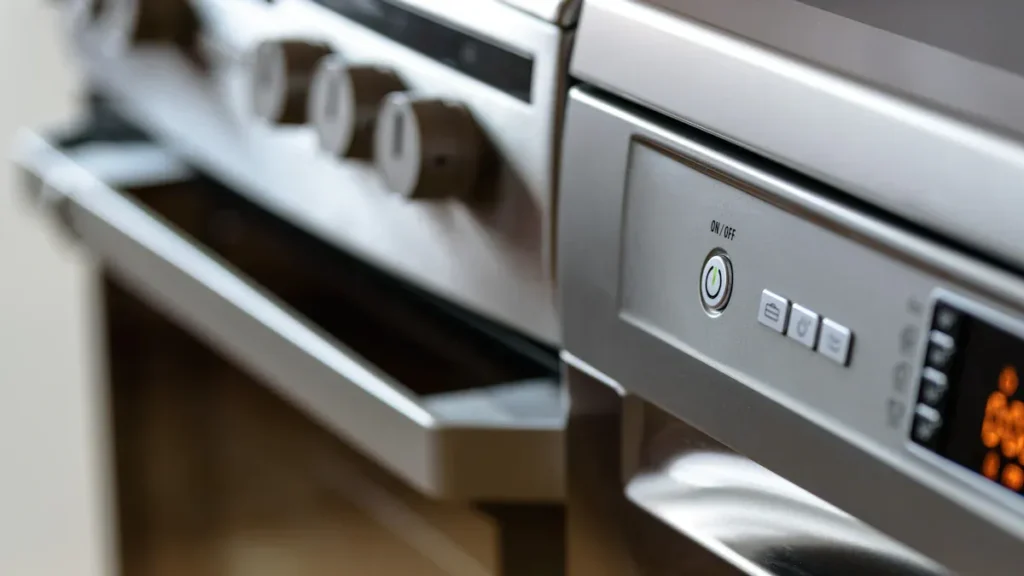

Replacing an oven bộ phận làm nóng at home requires only basic tools and careful attention to safety. You can handle this task with confidence if you follow the proper steps. Always disconnect power before you work with any heating element to prevent accidents. Hệ thống sưởi điện Jinzhong offers reliable bộ phận làm nóng thiết bị gia dụng trusted by Nhà sản xuất bộ phận làm nóng.
Oven Heating Element Safety Steps

Power Off Before Heating Element Replacement
Unplug Oven or Switch Off Circuit Breaker
Bạn phải luôn luôn turn off the power before starting any oven element repair. Unplug the oven from the wall outlet or switch off the dedicated circuit breaker in your electrical panel. This step prevents electrical shock, which is one of the most common hazards during heating element replacement. Many accidents occur because people forget to disconnect the appliance from its power source. Never skip this step, even if you feel confident about your skills.
Double-Check No Power to Oven Element
After you disconnect the power, confirm that no electricity remains in the oven. Sử dụng máy kiểm tra điện áp không tiếp xúc to check the terminals and wires connected to the heating element. This tool helps you verify that the oven is safe to handle. If you do not have a non-contact voltage tester, consider borrowing one or purchasing it for future repairs. Double-checking ensures you avoid electrical shock and reduces the risk of fire hazards caused by faulty wiring or accidental contact.
Mẹo: Always keep the oven unplugged or the breaker off until you finish the entire repair process.
Personal Protection During Oven Element Repair
Wear Gloves and Safety Glasses
Protect yourself by wearing insulated gloves and safety glasses. Gloves shield your hands from sharp edges and hot surfaces, while safety glasses guard your eyes against debris or accidental sparks. Many injuries happen when people handle heating element parts without proper protection. You can avoid cuts, burns, and eye injuries by using the right gear.
Avoid Wet Hands or Surfaces
Make sure your hands and the area around the oven are dry before you begin. Water increases the risk of electrical shock, especially when working with exposed wires. If you notice any moisture, dry the surfaces thoroughly. Never attempt oven element repair in damp conditions.
Safe Workspace for Heating Element Replacement
Clear the Area Around the Oven
Create a safe and organized workspace before you start. Remove any flammable materials, kitchen towels, or clutter from around the oven. A clean area helps you move freely and reduces the chance of accidents. Proper ventilation also helps prevent overheating and fire hazards during the repair.
Keep Children and Pets Away
Keep children and pets out of the kitchen while you work. They can accidentally bump into you or touch dangerous parts. Limiting access to the workspace ensures everyone’s safety and allows you to focus on the repair without distractions.
Ghi chú: If you notice signs like sparks, smoke, or unusual noises during or after the repair, stop immediately and consult a professional. Safety always comes first.
Tools and Materials for Oven Heating Element Replacement
更换加热元件的基本工具
Phillips or Flathead Screwdriver
您需要一把 Phillips or flathead screwdriver to remove the screws that secure the heating element. Most ovens use Phillips-head screws, but some models require a flathead. Always check your oven’s hardware before you begin. Using the right screwdriver prevents stripping the screw heads and makes the process smoother.
Nut Driver (if required)
Some ovens use nuts instead of screws to hold the heating element in place. In these cases, a nut driver becomes essential. This tool allows you to loosen and tighten nuts without damaging the mounting hardware. Appliance repair experts also recommend needle-nose pliers for gripping wires and connectors safely.
Mẹo: 使用 correct tools required for the job, such as screwdrivers, nut drivers, and pliers, helps you avoid damaging wires or connectors. Proper tools also make it easier to disconnect and reconnect electrical components, reducing the risk of electrical shorts or fire hazards.
Finding the Right Oven Heating Element
Locate Correct Part Number for Your Oven
To ensure you purchase the correct replacement part, start by locating your oven’s model number and manufacturer details. You can usually find this information inside the oven door or on the back panel. Next, identify whether you need a bake or broil heating element. Measure the shape, size, and mounting style of your current element, including connector spacing. Check the wattage and voltage requirements to match your oven’s specifications. Confirm the connector type—push-on, screw-in, or plug-in—so your new element fits perfectly.
松下官方零件经销商
You can buy a replacement oven element from appliance parts stores, authorized service centers, or reputable online retailers. Always verify compatibility with your oven model before purchasing. Look for elements made from durable materials like nickel-chromium alloy for long-lasting performance. Consider factors such as oven type, heat distribution needs, temperature range, and regulatory standards. Choosing the right heating element ensures safe and efficient operation.
Helpful Supplies for Oven Element Repair
Multimeter for Testing Heating Element
A multimeter helps you test the old heating element and wiring for continuity. This tool lets you confirm whether the element has failed before you install a new one. Testing with a multimeter also ensures that your repair will solve the heating issue. Always disconnect power before using a multimeter on any electrical component.
手电筒能提升照明效果,特别是在电器后方光线昏暗的区域。您可以更轻松地发现加热元件及电线上的损坏或变色迹象。良好的照明能降低检查过程中遗漏关键问题的风险。
A flashlight improves visibility inside the oven, especially when you work in low-light conditions. Good lighting helps you see screws, connectors, and mounting points clearly. This reduces the chance of mistakes and speeds up the repair process.
Ghi chú: 始终 wear gloves and safety glasses when handling heating elements. Keep a fire extinguisher nearby and follow manufacturer instructions for installation and maintenance. These extra supplies improve safety and efficiency during your repair.
烤箱加热元件更换分步指南

Step 1: Turn Off Power and Unplug Oven
Locate Power Source for Oven Element
You must always begin by ensuring complete safety. Locate your oven’s power source. Most ovens connect either through a standard wall outlet or a dedicated circuit breaker in your electrical panel. Go to your electrical panel and identify the breaker labeled for your oven or kitchen appliances. If your oven plugs into an outlet, unplug it directly. This step is critical because ovens operate on 维修或更换烤箱加热元件时必须安全第一。电烤箱元件维修涉及高压高电流——, which poses a severe electrical hazard. Never attempt to replace an oven element with the power on.
Confirm Power is Off Before Heating Element Replacement
After disconnecting the oven, confirm that no electricity remains. Use a non-contact voltage tester to check the terminals and wires inside the oven. This tool helps you verify that the oven is safe to touch. Always allow the oven and the heating element to cool completely before you proceed. Wear safety glasses and insulated gloves for extra protection. Failing to disconnect power can cause electric shock, burns, or even fire hazards. You also risk damaging the oven’s electrical components and causing personal injury. Safety precautions, such as unplugging the oven or switching off the breaker, are essential before you begin any heating element replacement.
⚠️ Mẹo: Never skip this step. Even a brief lapse can result in serious injury or damage.
Step 2: Remove Oven Racks and Access Heating Element
Take Out All Oven Racks
Open the oven door fully. 取出所有烤箱烤架 and trays to create a clear workspace. Set them aside in a safe location. This step gives you unobstructed access to the heating element and prevents accidental damage to the racks during the repair. Always ensure the oven is completely powered off before you start removing the heating element.
Locate the Bake or Broil Heating Element
Identify the heating element you need to replace. In most ovens, the bake heating element sits at the bottom of the oven cavity, sometimes hidden under a metal shell or bake tray. The broil heating element usually mounts at the top and remains exposed. In convection ovens, the bake element may be hidden, while the broil element stays visible at the top. Visual inspection and your oven’s parts diagram can help you distinguish between the two. During preheating, the broil element cycles on and off, while the bake element often stays on continuously. Understanding the location and function of each element ensures you replace the correct part.
🔍 Ghi chú: If you need to replace the baking coil, look for the element at the bottom of the oven. For broil repairs, focus on the top element.
Step 3: Unscrew and Disconnect Old Heating Element
Remove Mounting Screws from Oven Element
Locate the screws or nuts securing the heating element to the oven wall. Use a Phillips-head screwdriver or nut driver to remove these fasteners. Keep the screws in a safe place for reinstallation. Some ovens may require you to remove a mounting plate or bracket as well. Removing the element’s mounting hardware allows you to gently pull the heating element forward.
Gently Pull Heating Element Forward
Carefully pull the heating element out about three inches from the oven wall. Avoid using excessive force, as this can damage the wires connected to the element. If your oven has a mounting bracket, slide it forward along with the element. This step exposes the wires and connectors attached to the heating element terminals.
Disconnect Wires from Heating Element Carefully
Before you disconnect the heating element, use a non-contact voltage tester again to confirm no electricity is present in the wires. Wear insulated gloves and safety glasses for protection. Disconnect the wires by pulling the metal spade connectors straight off the terminals. Do not twist or yank the wires, as this can cause damage. Inspect the wires and connectors for any signs of burning or oxidation. If you find damaged ends, cut back the affected section and extend the wire using high-temperature rated wire. Secure the disconnected wires with tape or clips to prevent them from slipping back into the oven cavity. Avoid soldering wires; use high-temperature ceramic wire connectors and proper crimping tools for any splicing.
🛠️ Mẹo: Take a photo of the wire connections before removing the heating element. This reference will help you reconnect everything correctly during installation.
By following these steps, you can safely remove the old element and prepare for the next phase of your oven heating element repair. Removing the heating element with care ensures you avoid damaging the oven’s wiring and makes the installation of the new part much easier. If you encounter resistance or notice any unusual issues while removing the element, stop and double-check your process before proceeding.
Step 4: Install the New Heating Element
Attach Wires to New Heating Element
Begin by matching the new 烤箱加热元件 to the one you removed. You must connect the wires to the new element exactly as they were attached to the old one. Slide each wire connector onto the element probes. Use pliers if you need to ensure a snug fit, but avoid excessive force. Proper alignment prevents loose connections and ensures safe operation. Double-check that each connector sits firmly on the terminal. If you notice any corrosion or damage on the wires, address it before proceeding. Secure connections help the 烤箱加热元件 function reliably.
Mẹo: Take a moment to compare the new and old elements side by side. This step helps you confirm compatibility and correct wiring.
Secure Heating Element with Screws
Once you finish attaching the wires, gently slide the new element into position. Align the mounting bracket and screw holes with the oven wall. Use the screws you set aside earlier to secure the element firmly. Tighten each screw until the element sits flush against the oven wall. Avoid over-tightening, which can strip the threads or crack the mounting plate. A stable installation prevents movement during operation and reduces the risk of electrical faults.
Kiểm tra lại tất cả các kết nối
Before you restore power, inspect every connection. Confirm that the wires are fully seated and the screws are tight. Check the mounting bracket for stability. If your oven has a mounting plate, ensure it is anchored securely. You can use a multimeter to verify continuity across the element terminals. This step helps you catch any loose wires or incomplete connections. For added safety, measure voltage at the breaker terminals to confirm proper supply. If you find any issues, correct them before moving forward. Careful inspection at this stage prevents future repair needs and ensures the new element will operate as intended.
⚡ Ghi chú: A thorough check now saves time and trouble later. Never skip this step before restoring power.
Step 5: Restore Power and Test Oven Element Repair
Plug In Oven or Switch On Breaker
After you install the new oven element and confirm all connections, restore power to the appliance. Plug the oven back into the wall outlet or switch the circuit breaker to the “on” position. Make sure the breaker is fully engaged and not tripped. If you use a voltage tester, expect to see around 240 volts across the main terminals. This voltage confirms that the oven receives the correct power supply.
Set Oven to Bake and Observe Heating Element
Turn the oven control to the “Bake” setting at a low temperature. Watch the new element as the oven begins to heat. You should see the element start to glow orange within a few minutes. Even heating and a consistent glow indicate proper installation. If the element does not heat, reset the breaker and try again. Sometimes, a breaker may need a full reset to restore function.
- Monitor the oven for any unusual sounds or smells.
- Check the new element for signs of sparking or smoke.
- If you notice any issues, turn off the power immediately and re-inspect your work.
Look for Even Heating and Element Glow
Continue to test the new oven element by observing its performance. The element should heat evenly along its entire length. Uneven heating or cold spots may signal a loose connection or a defective part. For a final test, set the oven to different temperatures and watch for consistent operation. If the oven heats as expected and the element glows steadily, your repair is complete.
🛠️ Final Check: Replace the oven racks and trays you removed earlier. Close the oven door and enjoy reliable performance from your newly installed heating element.
Troubleshooting Oven Heating Element Replacement
If Oven Doesn’t Heat After Heating Element Replacement
Check Power Connection to Oven Element
If your oven does not heat after you complete the 烤箱元件 repair, start by checking the power connection. Make sure the oven is plugged in and the circuit breaker labeled for the oven is not tripped. Reset the breaker if needed. Confirm the oven door closes properly, as a faulty hinge or a self-cleaning lock can prevent operation. For electric ovens, observe if the oven heating element glows red when you turn the oven on. If it does not, you may have a defective replacement part or an electrical issue.
Inspect Wire Connections on Heating Element
Next, inspect the wire connections on the heating element. Loose or improperly attached wires can prevent the element from working. Use a multimeter to test for electrical continuity between the terminals. If you find no continuity, the element or related components like thermostats or thermal cut-offs may have failed. Also, check the temperature sensor. It should not touch the oven wall. Test it with a multimeter and replace it if defective. If you use a gas oven, check the igniter and gas line. For persistent issues, consult your owner’s manual or contact a professional technician.
Mẹo: Use an oven thermometer to verify that your oven reaches and maintains the correct temperature. If you notice a difference, recalibrate the oven following the manual.
If Heating Element Sparks or Smokes
Turn Off Power Immediately
If you see sparks or smoke after installing a new heating element, 立即关闭电源. 拔掉烤箱插头或关闭断路器以确保安全。在加热元件冷却前请勿触碰。.
重新检查加热元件安装情况
确认烤箱处于安全状态后,检查加热元件及周围区域是否存在潮湿、食物残渣或可见损坏。用干布清洁该区域。检查所有电气连接是否紧固且绝缘良好。首次使用时因工厂涂层烧毁产生少量烟雾属正常现象。但持续火花或浓烟则表明存在问题。必要时更换损坏的导线或元件本身。检查维修时请始终佩戴防护手套和护目镜。.
确认烤箱元件修复成功
在不同温度下测试烤箱
完成维修后,请将烤箱设置为多个温度进行测试。加热元件应在 十分钟内呈现明亮的橙红色 且均匀发热。烹饪时间应恢复正常,不应出现任何冷点或加热不均现象。.
注意错误代码或异常噪音
监测烤箱是否出现错误代码或异常噪音。数字烤箱可能显示指向特定问题的代码。请查阅用户手册获取指导。注意听任何异常声响,这可能表明连接松动或部件故障。若发现任何异常,请关闭烤箱并重新检查安装情况。.
成功的修复意味着烤箱能够 高效加热, ,元件均匀发光,且不会出现意外问题。.
加热元件更换的安全提醒与常见错误
切勿跳过烤箱元件维修的断电步骤
更换烤箱元件时必须始终将安全放在首位。电烤箱工作电压较高,若忽略断电程序可能导致严重伤害。开始前务必 拔掉烤箱插头或关闭断路器 。确认烤箱已完全冷却以防烫伤。使用非接触式电压测试仪检查是否残留电流。此步骤可防止意外触电,确保维修过程安全。.
⚠️ Mẹo: 切勿仅因显示屏熄灭就认为烤箱已断电。接触任何电线前务必进行电压测试。.
使用正确的替换加热元件
为每个家用电器选择正确的 heating element for your oven model prevents installation errors and future malfunctions. Check your oven’s manual or the manufacturer’s website to find the exact part number. Gather all necessary tools and safety equipment before you start, such as work gloves, screwdrivers, and needle-nose pliers. Remove the oven racks to clear your workspace. Identify the correct element—bake or broil—by consulting your oven’s diagram. When you remove the old element, handle it gently and avoid damaging the wire connectors. Attach the new element by connecting the wires securely and fastening it with the proper screws. Double-check that you have not left any tools or debris inside the oven before restoring power.
Ghi chú: 使用不匹配的加热元件可能导致加热不均、短路甚至损坏烤箱控制板。.
避免强行连接加热元件
安装时切勿强行插拔电线连接器或拧紧安装螺丝。强行操作可能导致端子弯曲、连接器断裂或螺丝螺纹滑丝。使用尖嘴钳轻柔地断开和重接电线。若连接器过紧,请检查对齐情况而非施加更大压力。用原装螺丝固定新元件,拧紧至足以稳固固定即可。安装后检查所有连接的稳定性。松动或强制的连接可能导致火花、冒烟或烤箱性能下降。.
- 将旧元件从烤箱壁轻轻拉出。.
- 小心断开电线,避免扭转或猛拉。.
- 将电线连接到新元件时应贴合紧密,但勿强行插入。.
🔧 专业建议: 若遇到阻力,请停止操作并重新检查对齐情况。强行连接常导致后续昂贵的维修。.
何时应联系专业人员维修烤箱元件
You may feel confident handling most 烤箱加热元件更换. However, some situations require the expertise of a licensed appliance technician. Recognizing these scenarios helps you avoid costly mistakes and ensures your safety.
应联系专业人员的迹象
电气问题:
若维修时发现断路器跳闸、灯光闪烁或烧焦气味,请立即停止。这些迹象通常表明存在更深层的电气问题,只能由合格电工或电器技师处理。.复杂烤箱型号:
部分烤箱(特别是高端或智能型号)具有复杂线路或集成电子元件。若看到电路板、陌生连接器或密封面板,不应尝试自行维修。此类设备需要专业工具和知识。.更换后持续存在的问题:
若更换新元件后烤箱仍无法正常加热,问题可能涉及温控器、控制板或线束。这些部件需要诊断技能和专业级设备。.物理损坏或腐蚀:
若发现烤箱内部存在熔化电线、烧焦端子或严重腐蚀,请勿继续操作。这些隐患可能导致电气火灾或进一步损坏设备。.保修或保险相关问题:
对新烤箱或保修期内烤箱进行维修可能使保修失效。请务必核对保修条款。许多制造商要求保修期内维修必须由专业人员进行。.
⚠️ Báo động:
若对任何步骤存疑,或缺乏合适工具及安全设备,请致电专业人员。您的安全与设备的长期使用寿命至关重要。.
如何选择合格技师
| Tiêu chí | Những điều cần chú ý |
|---|---|
| 认证 | 持证且投保的专业人员 |
| Kinh nghiệm | 对您烤箱类型有丰富维修经验 |
| 用户评价 | 其他客户的正面反馈 |
| 保修支持 | 获得烤箱制造商授权 |
可通过烤箱制造商网站或信誉良好的电器维修服务寻找合格技师。预约维修前务必核实资质。.
Mẹo:
记录烤箱型号编号及问题描述。这些信息有助于技师更快诊断和解决问题。.
了解何时求助专业人员可避免受伤并防止烤箱进一步损坏。将复杂维修委托给专家可节省时间并让您安心。.
延长烤箱加热元件寿命的维护建议
及时清洁加热元件周围溢溅物
通过 及时清理溢溅物. 可保护烤箱加热元件。食物残渣和油脂会快速积聚(频繁烘焙或烘烤时尤其如此)。若溢溅物残留在元件上或附近,可能因烧焦产生烟雾、异味甚至损坏元件本身。.
每次使用后擦拭所有滴落或飞溅物。使用柔软湿布,避免使用可能腐蚀元件或其他部件的强化学剂。对于顽固污渍,请遵循烤箱制造商的清洁指南。.
Mẹo: 每三到六个月对烤箱进行一次深度清洁, ,具体频率取决于您的烹饪频次。定期清洁可防止油污和积垢堆积,并确保加热元件高效工作。.
避免使烤箱元件过载
You extend the life of your oven’s heating element by using the appliance properly. Overloading the oven with heavy or oversized cookware puts extra stress on the element. Large pans can block heat flow, forcing the element to work harder and increasing the risk of uneven heating or premature failure.
遵循以下最佳实践以 避免过载::
- 仅使用尺寸合适且适用于烤箱的耐热炊具。.
- 避免将锡纸直接铺在烤箱底部,因为它可能反射热量并损坏元件。.
- 仅在必要时预热烤箱,并避免设置高于推荐值的温度。.
- 不要过于频繁使用自清洁功能,因为极端高温可能使元件过度负荷。.
养成这些习惯可减少不必要的磨损,帮助烤箱保持稳定的性能。.
定期检查加热元件
定期检查有助于在问题导致昂贵维修前及时发现。注意观察损坏迹象,例如元件上的裂纹、起泡或加热不均。如果发现任何此类问题,请及时更换元件,以防止对烤箱造成进一步损坏。.
检查电气连接是否有电线磨损或端子松动。拧紧所有松动的螺丝并更换损坏的电线,以确保安全运行。.
您还应检查烤箱门的密封条和垫圈。磨损或开裂的密封条会导致热量散失,使元件更费力地维持温度。更换有问题的密封条可提高效率并延长加热元件的使用寿命。.
Ghi chú: 如果您经常使用烤箱,建议每年安排一次专业维护检查。技术人员可以校准温度、检查内部线路并进行预防性维修,确保烤箱平稳运行。.
通过及时清洁洒溢物、避免过载以及定期检查加热元件,您可以 预防意外故障 并享受多年可靠的烤箱性能。.
Bạn có thể 更换烤箱加热元件 quickly and safely when you follow the right steps. Always put safety first and double-check every connection before restoring power. This approach helps you avoid common mistakes and ensures reliable results.
- 节省维修费用
- 保持烤箱高效运行
- 增强您的DIY信心
只要细心维护,您就能让厨房电器保持最佳状态。.
Câu hỏi thường gặp
应该多久更换一次烤箱加热元件?
Bạn nên replace your oven heating element when you notice uneven heating, visible damage, or if the oven fails to reach the set temperature. Most elements last several years with normal use.
Bạn có thể sử dụng lò nướng nếu chỉ có một thanh nhiệt hoạt động không?
您可以继续使用烤箱,但性能会受到影响。烘焙或炙烤功能可能无法正常工作。请及时更换故障元件以恢复全部功能并确保烹饪均匀。.
哪些迹象表明烤箱加热元件出现故障?
Hãy tìm những dấu hiệu sau:
- 元件通电时不发红。.
- 食物受热不均。.
- 元件上出现可见的裂纹或起泡。.
如果您注意到这些迹象,请考虑更换元件。.
自行更换烤箱加热元件安全吗?
Yes, you can safely 更换烤箱加热元件 if you follow all safety steps. Always disconnect power, wear protective gear, and use the correct tools. If you feel unsure, contact a professional.
更换烤箱加热元件需要特殊工具吗?
大多数更换操作只需要螺丝刀,可能还需要螺母起子。万用表有助于测试元件。对于标准电烤箱,您不需要专用工具。.
更换加热元件会影响烤箱的保修吗?
请查看烤箱的保修条款。一些制造商要求在保修期内进行专业维修。自行维修可能导致保修失效。在进行任何更换前,请务必仔细阅读您的保修条款。.
更换前可以测试烤箱加热元件吗?
可以。使用万用表检查电气连通性。若无连通性,则表示元件已损坏。更换前进行测试有助于确认问题根源。.