
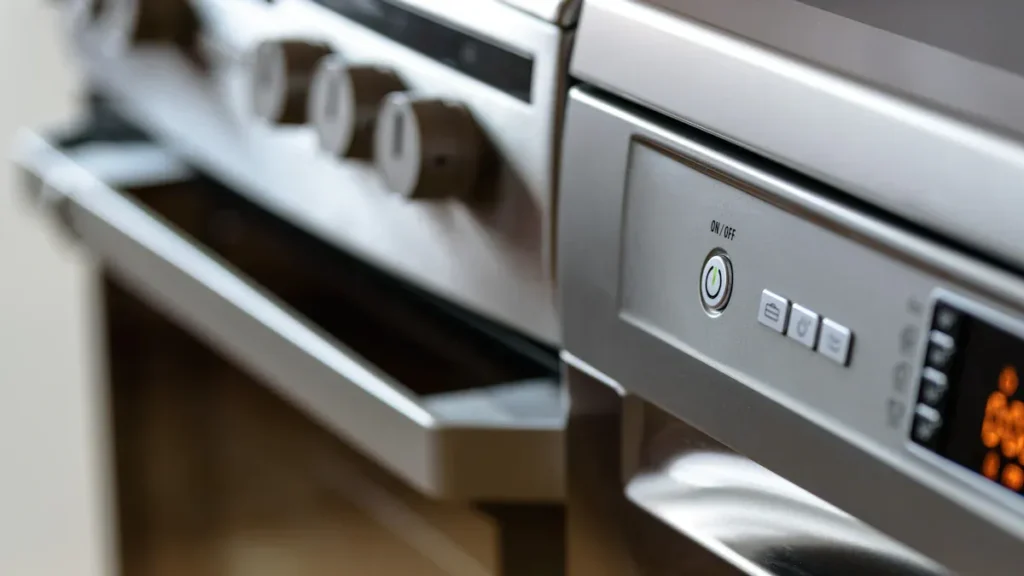

Reemplazar un horno elemento calefactor en casa solo requiere herramientas básicas y una atención cuidadosa a la seguridad. Puede realizar esta tarea con confianza si sigue los pasos adecuados. Siempre desconecte la corriente antes de trabajar con cualquier elemento calefactor para evitar accidentes. Calefacción eléctrica Jinzhong ofrece confiabilidad elementos calefactores de electrodomésticos confiado por Fabricantes de elementos calefactores.
Pasos de seguridad para el elemento calefactor del horno

Apague la corriente antes de reemplazar el elemento calefactor
Desenchufe el horno o apague el disyuntor
Siempre debes apague la corriente antes de comenzar cualquier reparación del elemento del horno. Desenchufe el horno de la toma de corriente o apague el disyuntor dedicado en su panel eléctrico. Este paso previene descargas eléctricas, que son uno de los peligros más comunes durante el reemplazo del elemento calefactor. Muchos accidentes ocurren porque las personas olvidan desconectar el aparato de su fuente de alimentación. Nunca omita este paso, incluso si se siente seguro de sus habilidades.
Verifique dos veces que no haya corriente en el elemento del horno
Después de desconectar la corriente, confirme que no quede electricidad en el horno. Utilice un comprobador de tensión sin contacto para verificar los terminales y cables conectados al elemento calefactor. Esta herramienta le ayuda a verificar que el horno sea seguro de manipular. Si no tiene un probador de voltaje sin contacto, considere pedir uno prestado o comprarlo para futuras reparaciones. La doble verificación asegura que evite descargas eléctricas y reduce el riesgo de peligros de incendio causados por cableado defectuoso o contacto accidental.
Consejo: Mantenga siempre el horno desenchufado o el disyuntor apagado hasta que termine todo el proceso de reparación.
Protección personal durante la reparación del elemento del horno
Use guantes y gafas de seguridad
Protéjase usando guantes aislantes y gafas de seguridad. Los guantes protegen sus manos de bordes afilados y superficies calientes, mientras que las gafas de seguridad protegen sus ojos contra residuos o chispas accidentales. Muchas lesiones ocurren cuando las personas manipulan piezas del elemento calefactor sin la protección adecuada. Puede evitar cortes, quemaduras y lesiones oculares usando el equipo correcto.
Evite manos o superficies mojadas
Asegúrese de que sus manos y el área alrededor del horno estén secas antes de comenzar. El agua aumenta el riesgo de descarga eléctrica, especialmente al trabajar con cables expuestos. Si nota alguna humedad, seque las superficies completamente. Nunca intente reparar el elemento del horno en condiciones de humedad.
Espacio de trabajo seguro para el reemplazo del elemento calefactor
Despeje el área alrededor del horno
Cree un espacio de trabajo seguro y organizado antes de comenzar. Retire cualquier material inflamable, toallas de cocina o desorden alrededor del horno. Un área limpia le ayuda a moverse libremente y reduce la probabilidad de accidentes. Una ventilación adecuada también ayuda a prevenir el sobrecalentamiento y los peligros de incendio durante la reparación.
Mantenga a los niños y mascotas alejados
Mantenga a los niños y mascotas fuera de la cocina mientras trabaja. Pueden chocar accidentalmente con usted o tocar partes peligrosas. Limitar el acceso al espacio de trabajo garantiza la seguridad de todos y le permite concentrarse en la reparación sin distracciones.
Nota: Si nota señales como chispas, humo o ruidos inusuales durante o después de la reparación, deténgase inmediatamente y consulte a un profesional. La seguridad siempre es lo primero.
Herramientas y materiales para el reemplazo del elemento calefactor del horno
Herramientas esenciales para la sustitución del elemento calefactor
Destornillador Phillips o de punta plana
Necesita un Destornillador Phillips o de punta plana para retirar los tornillos que aseguran el elemento calefactor. La mayoría de los hornos usan tornillos Phillips, pero algunos modelos requieren uno de punta plana. Siempre verifique el hardware de su horno antes de comenzar. Usar el destornillador correcto evita dañar las cabezas de los tornillos y facilita el proceso.
Llave de vaso (si es necesaria)
Algunos hornos usan tuercas en lugar de tornillos para sujetar el elemento calefactor. En estos casos, una llave de vaso se vuelve esencial. Esta herramienta le permite aflojar y apretar tuercas sin dañar el hardware de montaje. Los expertos en reparación de electrodomésticos también recomiendan alicates de punta fina para sujetar cables y conectores de manera segura.
Consejo: Utilización de la herramientas correctas requeridas para el trabajo, como destornilladores, llaves de vaso y alicates, le ayuda a evitar dañar cables o conectores. Las herramientas adecuadas también facilitan la desconexión y reconexión de componentes eléctricos, reduciendo el riesgo de cortocircuitos o peligros de incendio.
Encontrar el elemento calefactor correcto para el horno
Localice el número de pieza correcto para su horno
Para asegurarse de comprar la pieza de repuesto correcta, comience por localizar el número de modelo de su horno y los detalles del fabricante. Generalmente puede encontrar esta información dentro de la puerta del horno o en el panel trasero. A continuación, identifique si necesita un elemento calefactor de horneado o de asado. Mida la forma, el tamaño y el estilo de montaje de su elemento actual, incluida la separación de los conectores. Verifique los requisitos de vataje y voltaje para que coincidan con las especificaciones de su horno. Confirme el tipo de conector (de presión, de tornillo o de enchufe) para que su nuevo elemento encaje perfectamente.
Dónde comprar un elemento calefactor de repuesto
Puede comprar un elemento de repuesto para horno en tiendas de piezas de electrodomésticos, centros de servicio autorizados o minoristas en línea de buena reputación. Siempre verifique la compatibilidad con su modelo de horno antes de comprar. Busque elementos fabricados con materiales duraderos como aleación de níquel-cromo para un rendimiento duradero. Considere factores como el tipo de horno, necesidades de distribución de calor, rango de temperatura y normas regulatorias. Elegir el elemento calefactor correcto garantiza un funcionamiento seguro y eficiente.
Suministros útiles para la reparación del elemento del horno
Multímetro para probar el elemento calefactor
Un multímetro le ayuda a probar la continuidad del elemento calefactor viejo y el cableado. Esta herramienta le permite confirmar si el elemento ha fallado antes de instalar uno nuevo. Probar con un multímetro también asegura que su reparación resolverá el problema de calentamiento. Siempre desconecte la corriente antes de usar un multímetro en cualquier componente eléctrico.
Linterna para una mejor visibilidad
Una linterna mejora la visibilidad dentro del horno, especialmente cuando trabaja en condiciones de poca luz. Una buena iluminación le ayuda a ver claramente los tornillos, conectores y puntos de montaje. Esto reduce la probabilidad de errores y acelera el proceso de reparación.
Nota: Siempre use guantes y gafas de seguridad al manipular elementos calefactores. Mantenga un extintor de incendios cerca y siga las instrucciones del fabricante para la instalación y el mantenimiento. Estos suministros adicionales mejoran la seguridad y la eficiencia durante su reparación.
Guía paso a paso para reemplazar el elemento calefactor del horno

Paso 1: Apague la corriente y desenchufe el horno
Localice la fuente de alimentación del elemento del horno
Siempre debe comenzar asegurando la seguridad completa. Localice la fuente de alimentación de su horno. La mayoría de los hornos se conectan a través de una toma de corriente estándar o un disyuntor dedicado en su panel eléctrico. Vaya a su panel eléctrico e identifique el disyuntor etiquetado para su horno o electrodomésticos de cocina. Si su horno se enchufa a una toma de corriente, desenchúfelo directamente. Este paso es crítico porque los hornos funcionan con 240 voltios a 30 amperios, lo que representa un grave peligro eléctrico. Nunca intente reemplazar un elemento del horno con la corriente encendida.
Confirme que la corriente esté apagada antes de reemplazar el elemento calefactor
Después de desconectar el horno, confirme que no quede electricidad. Use un probador de voltaje sin contacto para verificar los terminales y cables dentro del horno. Esta herramienta le ayuda a verificar que el horno sea seguro de tocar. Siempre permita que el horno y el elemento calefactor se enfríen completamente antes de continuar. Use gafas de seguridad y guantes aislantes para una protección adicional. No desconectar la alimentación puede provocar descargas eléctricas, quemaduras o incluso riesgos de incendio.. También corre el riesgo de dañar los componentes eléctricos del horno y causar lesiones personales. Las precauciones de seguridad, como desenchufar el horno o apagar el disyuntor, son esenciales antes de comenzar cualquier reemplazo del elemento calefactor.
⚠️ Consejo: Nunca omita este paso. Incluso una breve omisión puede provocar lesiones graves o daños.
Paso 2: Retire las rejillas del horno y acceda al elemento calefactor
Saque todas las rejillas del horno
Abra la puerta del horno por completo. Retire todas las rejillas del horno y las bandejas para crear un espacio de trabajo despejado. Colóquelas en un lugar seguro. Este paso le brinda acceso sin obstrucciones al elemento calefactor y evita daños accidentales a las rejillas durante la reparación. Asegúrese siempre de que el horno esté completamente apagado antes de comenzar a retirar el elemento calefactor.
Localice el elemento calefactor de horneado o asado
Identifique el elemento calefactor que necesita reemplazar. En la mayoría de los hornos, el elemento calefactor de horneado se encuentra en la parte inferior de la cavidad del horno,, a veces oculto bajo una cubierta metálica o una bandeja de horneado. El elemento calefactor de asado generalmente se monta en la parte superior y permanece expuesto. En los hornos de convección, el elemento de horneado puede estar oculto, mientras que el elemento de asado permanece visible en la parte superior. La inspección visual y el diagrama de piezas de su horno pueden ayudarle a distinguir entre ambos. Durante el precalentamiento, el elemento de asado se enciende y apaga cíclicamente, mientras que el elemento de horneado a menudo permanece encendido de forma continua. Comprender la ubicación y función de cada elemento asegura que reemplace la pieza correcta.
🔍 Nota: Si necesita reemplazar la resistencia de horneado, busque el elemento en la parte inferior del horno. Para reparaciones de asado, concéntrese en el elemento superior.
Paso 3: Desatornille y desconecte el elemento calefactor antiguo
Retire los tornillos de montaje del elemento del horno
Localice los tornillos o tuercas que aseguran el elemento calefactor a la pared del horno. Use un destornillador de estrella o una llave de dados para retirar estos sujetadores. Guarde los tornillos en un lugar seguro para su reinstalación. Algunos hornos pueden requerir que retire también una placa de montaje o un soporte. Retirar el hardware de montaje del elemento le permite tirar suavemente del elemento calefactor hacia adelante.
Tire suavemente del elemento calefactor hacia adelante
Saque con cuidado el elemento calefactor unos tres pulgadas de la pared del horno. Evite usar fuerza excesiva, ya que esto puede dañar los cables conectados al elemento. Si su horno tiene un soporte de montaje, deslícelo hacia adelante junto con el elemento. Este paso expone los cables y conectores unidos a los terminales del elemento calefactor.
Desconecte los cables del elemento calefactor con cuidado
Antes de desconectar el elemento calefactor, use un comprobador de voltaje sin contacto nuevamente para confirmar que no haya electricidad presente en los cables. Use guantes aislantes y gafas de seguridad para protegerse. Desconecte los cables tirando de los conectores de espada metálica directamente de los terminales. No tuerza ni tire bruscamente de los cables, ya que esto puede causar daños. Inspeccione los cables y conectores en busca de signos de quemaduras u oxidación. Si encuentra extremos dañados, corte la sección afectada y extienda el cable utilizando cable clasificado para altas temperaturas. Asegure los cables desconectados con cinta o clips para evitar que se deslicen de nuevo hacia la cavidad del horno. Evite soldar cables; use conectores cerámicos para altas temperaturas y herramientas de engaste adecuadas para cualquier empalme.
🛠️ Consejo: Tome una foto de las conexiones de los cables antes de retirar el elemento calefactor. Esta referencia le ayudará a reconectar todo correctamente durante la instalación.
Siguiendo estos pasos, puede retirar de forma segura el elemento antiguo y prepararse para la siguiente fase de su reparación del elemento calefactor del horno. Retirar el elemento calefactor con cuidado asegura que evite dañar el cableado del horno y facilita mucho la instalación de la nueva pieza. Si encuentra resistencia o nota algún problema inusual al retirar el elemento, deténgase y verifique nuevamente su proceso antes de continuar.
Paso 4: Instale el nuevo elemento calefactor
Conecte los cables al nuevo elemento calefactor
Comience emparejando el nuevo elemento calefactor para horno con el que retiró. Debe conectar los cables al nuevo elemento exactamente como estaban conectados al antiguo. Deslice cada conector de cable en las sondas del elemento. Use alicates si necesita asegurar un ajuste firme, pero evite la fuerza excesiva. Una alineación adecuada evita conexiones sueltas y garantiza un funcionamiento seguro. Verifique que cada conector esté firmemente colocado en el terminal. Si nota corrosión o daños en los cables, resuélvalo antes de continuar. Las conexiones seguras ayudan a que el elemento calefactor para horno funcione de manera confiable.
Consejo: Tómese un momento para comparar el elemento nuevo y el antiguo lado a lado. Este paso le ayuda a confirmar la compatibilidad y el cableado correcto.
Asegure el elemento calefactor con tornillos
Una vez que termine de conectar los cables, deslice suavemente el nuevo elemento en su posición. Alinee el soporte de montaje y los orificios para tornillos con la pared del horno. Use los tornillos que guardó anteriormente para asegurar firmemente el elemento. Apriete cada tornillo hasta que el elemento quede al ras contra la pared del horno. Evite apretar en exceso, ya que esto puede dañar las roscas o agrietar la placa de montaje. Una instalación estable evita movimientos durante el funcionamiento y reduce el riesgo de fallos eléctricos.
Vuelva a verificar todas las conexiones
Antes de restaurar la alimentación, inspeccione cada conexión. Confirme que los cables estén completamente asentados y los tornillos apretados. Verifique la estabilidad del soporte de montaje. Si su horno tiene una placa de montaje, asegúrese de que esté anclada de forma segura. Puede usar un multímetro para verificar la continuidad en los terminales del elemento. Este paso le ayuda a detectar cables sueltos o conexiones incompletas. Para mayor seguridad, mida el voltaje en los terminales del disyuntor para confirmar el suministro adecuado. Si encuentra algún problema, corríjalo antes de continuar. Una inspección cuidadosa en esta etapa evita futuras necesidades de reparación y garantiza que el nuevo elemento funcione según lo previsto.
⚡ Nota: Una revisión exhaustiva ahora ahorra tiempo y problemas después. Nunca omita este paso antes de restaurar la alimentación.
Paso 5: Restaure la alimentación y pruebe la reparación del elemento calefactor del horno
Enchufe el horno o encienda el disyuntor
Después de instalar el nuevo elemento del horno y confirmar todas las conexiones, restaure la alimentación del electrodoméstico. Vuelva a enchufar el horno en la toma de corriente o coloque el disyuntor en la posición “encendido”. Asegúrese de que el disyuntor esté completamente activado y no disparado. Si usa un comprobador de voltaje, espere ver alrededor de 240 voltios en los terminales principales. Este voltaje confirma que el horno recibe la fuente de alimentación correcta.
Configure el horno en horneado y observe el elemento calefactor
Gire el control del horno a la configuración de “Hornear” a una temperatura baja. Observe el nuevo elemento mientras el horno comienza a calentar. Debería ver el elemento comenzar a brillar en naranja en unos minutos. Un calentamiento uniforme y un brillo constante indican una instalación adecuada. Si el elemento no calienta, restablezca el disyuntor e intente nuevamente. A veces, un disyuntor puede necesitar un restablecimiento completo para restaurar la función.
- Monitoree el horno en busca de sonidos u olores inusuales.
- Verifique el nuevo elemento en busca de signos de chispas o humo.
- Si nota algún problema, apague la alimentación de inmediato y vuelva a inspeccionar su trabajo.
Busque un calentamiento uniforme y el brillo del elemento
Continúe probando el nuevo elemento del horno observando su rendimiento. El elemento debe calentar de manera uniforme en toda su longitud. Un calentamiento desigual o puntos fríos pueden indicar una conexión suelta o una pieza defectuosa. Para una prueba final, configure el horno a diferentes temperaturas y observe un funcionamiento consistente. Si el horno calienta según lo esperado y el elemento brilla de manera constante, su reparación está completa.
🛠️ Verificación Final: Vuelva a colocar las rejillas y bandejas del horno que retiró anteriormente. Cierre la puerta del horno y disfrute de un rendimiento fiable de su nuevo elemento calefactor instalado.
Solución de Problemas en la Sustitución del Elemento Calefactor del Horno
Si el Horno No Calienta Después de Sustituir el Elemento Calefactor
Verifique la Conexión Eléctrica del Elemento del Horno
Si su horno no calienta después de completar la calefactor de horno reparación, comience por verificar la conexión eléctrica. Asegúrese de que el horno esté enchufado y de que el disyuntor etiquetado para el horno No está disparado. Restablezca el interruptor si es necesario. Confirme que la puerta del horno cierre correctamente, ya que una bisagra defectuosa o un bloqueo de autolimpieza pueden impedir el funcionamiento. En hornos eléctricos, observe si elemento calefactor para horno se enciende en rojo al encender el horno. Si no lo hace, es posible que tenga una pieza de repuesto defectuosa o un problema eléctrico.
Inspeccione las Conexiones de los Cables en el Elemento Calefactor
A continuación, inspeccione las conexiones de los cables en el elemento calefactor. Los cables sueltos o mal conectados pueden impedir que el elemento funcione. Utilice un multímetro para comprobar la continuidad eléctrica entre los terminales. Si no encuentra continuidad, es posible que el elemento o componentes relacionados, como termostatos o cortes térmicos, hayan fallado. Además, verifique el sensor de temperatura. No debe tocar la pared del horno. Pruébelo con un multímetro y sustitúyalo si está defectuoso. Si utiliza un horno de gas, revise el encendedor y la línea de gas. Para problemas persistentes, consulte el manual del propietario o contacte a un técnico profesional.
Consejo: Utilice un termómetro de horno para verificar que su horno alcanza y mantiene la temperatura correcta. Si nota alguna diferencia, recalibre el horno siguiendo el manual.
Si el Elemento Calefactor Produce Chispas o Humo
Apague la Alimentación Inmediatamente
Si ve chispas o humo después de instalar un nuevo elemento calefactor, apague la alimentación inmediatamente. Desenchufe el horno o desconecte el disyuntor para garantizar la seguridad. No toque el elemento hasta que se enfríe.
Vuelva a Verificar la Instalación del Elemento Calefactor
Una vez que el horno sea seguro, inspeccione el elemento calefactor y el área circundante en busca de humedad, residuos de alimentos o daños visibles. Limpie el área con un paño seco. Verifique que todas las conexiones eléctricas estén apretadas y tengan un aislamiento adecuado. A veces, una pequeña cantidad de humo es normal durante el primer uso, ya que los recubrimientos de fábrica se queman. Sin embargo, las chispas persistentes o el humo intenso indican un problema. Reemplace cualquier cableado dañado o el elemento mismo si es necesario. Use siempre guantes protectores y gafas de seguridad durante la inspección y reparación.
Confirmación de una Reparación Exitosa del Elemento del Horno
Pruebe el Horno a Diferentes Temperaturas
Después de finalizar la reparación, pruebe el elemento de su horno configurándolo a varias temperaturas. El elemento debería brillar en un color naranja intenso en un plazo de diez minutos y calentar de manera uniforme. Los tiempos de cocción deberían volver a la normalidad y no debería ver puntos fríos ni calentamiento desigual.
Esté Atento a los Códigos de Error o Ruidos Inusuales
Supervise el horno en busca de códigos de error o ruidos inusuales. Los hornos digitales pueden mostrar códigos que señalan problemas específicos. Consulte el manual del propietario para obtener orientación. Escuche cualquier sonido extraño, que podría indicar conexiones sueltas o componentes defectuosos. Si nota algo anormal, apague el horno y revise su instalación.
Una reparación exitosa significa que el horno calienta de manera eficiente, el elemento brilla uniformemente y no experimenta problemas inesperados.
Recordatorios de Seguridad y Errores Comunes en la Sustitución del Elemento Calefactor
No Omita los Pasos de Desconexión Eléctrica para la Reparación del Elemento del Horno
Siempre debe priorizar la seguridad al reemplazar el elemento de su horno. Los hornos eléctricos funcionan a alto voltaje, lo que puede causar lesiones graves si ignora los procedimientos de desconexión eléctrica. Siempre desenchufe el horno o desconecte el disyuntor antes de comenzar. Confirme que el horno esté completamente frío para evitar quemaduras. Utilice un comprobador de voltaje sin contacto para verificar si queda corriente eléctrica. Este paso lo protege de descargas accidentales y garantiza un proceso de reparación seguro.
⚠️ Consejo: Nunca confíe en que el horno está apagado solo porque la pantalla está oscura. Siempre verifique el voltaje antes de tocar cualquier cable.
Utilice el Elemento Calefactor de Repuesto Correcto
Seleccionar la El elemento calefactor correcto para su modelo de horno previene errores de instalación y futuros fallos de funcionamiento. Consulte el manual de su horno o el sitio web del fabricante para encontrar el número de pieza exacto. Reúna todas las herramientas necesarias y el equipo de seguridad antes de comenzar, como guantes de trabajo, destornilladores y alicates de punta fina. Retire las rejillas del horno para despejar su espacio de trabajo. Identifique el elemento correcto (de horneado o de asado) consultando el diagrama de su horno. Al retirar el elemento viejo, manéjelo con cuidado y evite dañar los conectores de los cables. Fije el nuevo elemento conectando los cables de forma segura y sujetándolo con los tornillos adecuados. Verifique dos veces que no haya dejado herramientas ni residuos dentro del horno antes de restaurar la alimentación.
Nota: El uso de un elemento calefactor incorrecto puede causar calentamiento desigual, cortocircuitos o incluso daños en la placa de control de su horno.
Evite Forzar las Conexiones del Elemento Calefactor
Nunca debe forzar los conectores de los cables ni los tornillos de montaje durante la instalación. Forzar las piezas puede doblar los terminales, romper los conectores o pelar las roscas de los tornillos. Utilice alicates de punta fina para desconectar y reconectar los cables suavemente. Si un conector se siente apretado, verifique la alineación en lugar de aplicar más presión. Asegure el nuevo elemento con los tornillos originales, apretándolos lo suficiente para mantener el elemento firmemente en su lugar. Después de la instalación, inspeccione todas las conexiones para verificar su estabilidad. Las conexiones sueltas o forzadas pueden provocar chispas, humo o un rendimiento deficiente del horno.
- Separe suavemente el elemento viejo de la pared del horno.
- Desconecte los cables con cuidado, sin torcerlos ni tirar de ellos.
- Conecte los cables al nuevo elemento con un ajuste firme, no forzado.
🔧 Consejo profesional: Si encuentra resistencia, deténgase y reevalúe la alineación. Forzar las conexiones a menudo conduce a reparaciones costosas más adelante.
Cuándo Llamar a un Profesional para la Reparación del Elemento del Horno
Es posible que se sienta seguro manejando la mayoría de los pasos de elementos calefactores para hornos residenciales. Sin embargo, algunas situaciones requieren la experiencia de un técnico de electrodomésticos autorizado. Reconocer estos escenarios le ayuda a evitar errores costosos y garantiza su seguridad.
Señales de que Debe Contactar a un Profesional
Problemas eléctricos:
Si nota disyuntores disparados, luces parpadeantes u olores a quemado al intentar una reparación, deténgase de inmediato. Estas señales a menudo indican problemas eléctricos más profundos que solo un electricista calificado o un técnico de electrodomésticos debe abordar.Modelos de Horno Complejos:
Algunos hornos, especialmente los de gama alta o inteligentes, tienen cableado complicado o electrónica integrada. Si ve placas de circuito, conectores desconocidos o paneles sellados, no debe intentar una reparación por su cuenta. Se requieren herramientas y conocimientos especializados para estas unidades.Problemas persistentes tras la sustitución:
Si su horno aún no calienta correctamente después de instalar un nuevo elemento, el problema puede involucrar el termostato, la placa de control o el arnés de cableado. Estos componentes requieren habilidades de diagnóstico y equipo de grado profesional.Daños Físicos o Corrosión:
Si encuentra cables derretidos, terminales carbonizados o corrosión intensa dentro de su horno, no continúe. Estos peligros pueden provocar incendios eléctricos o daños adicionales al electrodoméstico.Preocupaciones sobre la Garantía o el Seguro:
Intentar una reparación en un horno nuevo o bajo garantía puede anular su cobertura. Siempre verifique los términos de su garantía. Muchos fabricantes requieren servicio profesional para las reparaciones durante el período de garantía.
⚠️ Alerta:
Si alguna vez se siente inseguro acerca de algún paso, o si carece de las herramientas adecuadas y el equipo de seguridad, llame a un profesional. Su seguridad y la salud a largo plazo de su electrodoméstico son lo más importante.
Cómo Elegir un Técnico Calificado
| Criterios | Qué buscar |
|---|---|
| Proceso de dar un título | Profesionales con licencia y seguro |
| Experiencia | Trayectoria comprobada con su tipo de horno |
| Reseñas | Comentarios positivos de otros clientes |
| Soporte de garantía | Autorizado por el fabricante de su horno |
Puede encontrar técnicos calificados a través del sitio web del fabricante de su horno o servicios de reparación de electrodomésticos de buena reputación. Siempre verifique las credenciales antes de programar una reparación.
Consejo:
Mantenga un registro del número de modelo de su horno y una descripción del problema. Esta información ayuda al técnico a diagnosticar y solucionar el problema más rápidamente.
Saber cuándo llamar a un profesional lo protege de lesiones y evita daños mayores en su horno. Ahorra tiempo y obtiene tranquilidad al confiar las reparaciones complejas a expertos.
Consejos de mantenimiento para una mayor vida útil del elemento calefactor del horno
Limpie los derrames inmediatamente alrededor del elemento calefactor
Usted protege el elemento calefactor de su horno limpiando los derrames tan pronto como ocurran. Las partículas de comida y la grasa pueden acumularse rápidamente, especialmente si hornea o asa con frecuencia. Cuando los derrames permanecen sobre o cerca del elemento, pueden quemarse, causando humo, olores e incluso dañando el elemento mismo.
Limpie cualquier goteo o salpicadura después de cada uso. Use un paño suave y húmedo y evite productos químicos agresivos que puedan corroer el elemento u otros componentes. Para residuos difíciles, siga las pautas de limpieza del fabricante de su horno.
Consejo: Limpie profundamente su horno cada tres a seis meses, dependiendo de la frecuencia con la que cocine. Esta rutina evita que la grasa y la suciedad se acumulen y mantiene su elemento calefactor funcionando eficientemente.
Evite sobrecargar el elemento del horno
Usted extiende la vida útil del elemento calefactor de su horno utilizando el aparato correctamente. Sobrecargar el horno con utensilios de cocina pesados o demasiado grandes ejerce una tensión adicional en el elemento. Las bandejas grandes pueden bloquear el flujo de calor, obligando al elemento a trabajar más y aumentando el riesgo de calentamiento desigual o fallo prematuro.
Siga estas mejores prácticas para evitar la sobrecarga:
- Utilice únicamente utensilios de cocina aptos para horno que quepan cómodamente en su interior.
- Evite colocar papel de aluminio directamente en el suelo del horno, ya que puede reflejar el calor y dañar el elemento.
- Precaliente el horno solo cuando sea necesario y evite establecer temperaturas superiores a las recomendadas.
- No utilice el ciclo de autolimpieza con demasiada frecuencia, ya que el calor extremo puede sobrecargar el elemento.
Siguiendo estos hábitos, usted reduce el desgaste innecesario y ayuda a que su horno mantenga un rendimiento constante.
Inspeccione el Elemento Calefactor Regularmente
La inspección regular le ayuda a detectar problemas antes de que conduzcan a reparaciones costosas. Busque signos de daño, como grietas, ampollas o calentamiento desigual a lo largo del elemento. Si observa alguno de estos problemas, reemplace el elemento con prontitud para evitar daños mayores en su horno.
Revise las conexiones eléctricas en busca de cables desgastados o terminales sueltos. Apriete cualquier tornillo flojo y reemplace los cables dañados para garantizar un funcionamiento seguro.
También debe inspeccionar los sellos y juntas de la puerta del horno. Los sellos desgastados o agrietados permiten que escape el calor, haciendo que el elemento trabaje más para mantener la temperatura. Reemplace los sellos defectuosos para mejorar la eficiencia y prolongar la vida útil de su elemento calefactor.
Nota: Programe una revisión de mantenimiento profesional una vez al año si utiliza su horno con frecuencia. Un técnico puede calibrar la temperatura, inspeccionar el cableado interno y realizar reparaciones preventivas que mantengan su horno funcionando sin problemas.
Al limpiar los derrames de inmediato, evitar la sobrecarga e inspeccionar regularmente su elemento calefactor, usted puede prevenir fallos inesperados y disfrutar de un rendimiento fiable del horno durante años.
Puede reemplace un elemento calefactor de horno de manera rápida y segura cuando siga los pasos correctos. Siempre priorice la seguridad y verifique cada conexión antes de restablecer la energía. Este enfoque le ayuda a evitar errores comunes y garantiza resultados confiables.
- Ahorre dinero en reparaciones
- Mantenga su horno funcionando eficientemente
- Aumente su confianza en las reparaciones DIY (Hágalo Usted Mismo)
Con atención cuidadosa, usted mantiene sus electrodomésticos de cocina en óptimas condiciones.
PREGUNTAS FRECUENTES
¿Con qué frecuencia debe reemplazar el elemento calefactor de su horno?
Debería reemplace el elemento calefactor de su horno cuando note calentamiento desigual, daño visible, o si el horno no alcanza la temperatura establecida. La mayoría de los elementos duran varios años con un uso normal.
¿Puede usar su horno si solo funciona un elemento?
Puede usar su horno, pero el rendimiento se verá afectado. Hornear o gratinar puede no funcionar correctamente. Reemplace el elemento defectuoso con prontitud para restaurar la funcionalidad completa y garantizar una cocción uniforme.
¿Qué signos indican un elemento calefactor de horno defectuoso?
Busca estas señales:
- El elemento no se pone al rojo vivo cuando está encendido.
- La comida se cocina de manera desigual.
- Aparecen grietas o ampollas visibles en el elemento.
Si observa esto, considere reemplazar el elemento.
¿Es seguro reemplazar uno mismo un elemento calefactor de horno?
Sí, puede hacerlo de forma segura reemplace un elemento calefactor de horno si sigue todos los pasos de seguridad. Siempre desconecte la alimentación, use equipo de protección y utilice las herramientas correctas. Si se siente inseguro, contacte a un profesional.
¿Necesita herramientas especiales para reemplazar un elemento calefactor de horno?
La mayoría de los reemplazos requieren solo un destornillador y posiblemente una llave de tuercas. Un multímetro ayuda a probar el elemento. No necesita herramientas especializadas para hornos eléctricos estándar.
¿Reemplazar el elemento calefactor afectará la garantía de su horno?
Consulte los términos de la garantía de su horno. Algunos fabricantes requieren reparaciones profesionales durante el período de garantía. Las reparaciones DIY pueden anular la cobertura. Revise siempre su garantía antes de comenzar cualquier reemplazo.
¿Puede probar un elemento calefactor de horno antes de reemplazarlo?
Sí. Use un multímetro para verificar la continuidad eléctrica. La falta de continuidad significa que el elemento ha fallado. Probar antes del reemplazo ayuda a confirmar la fuente del problema.

