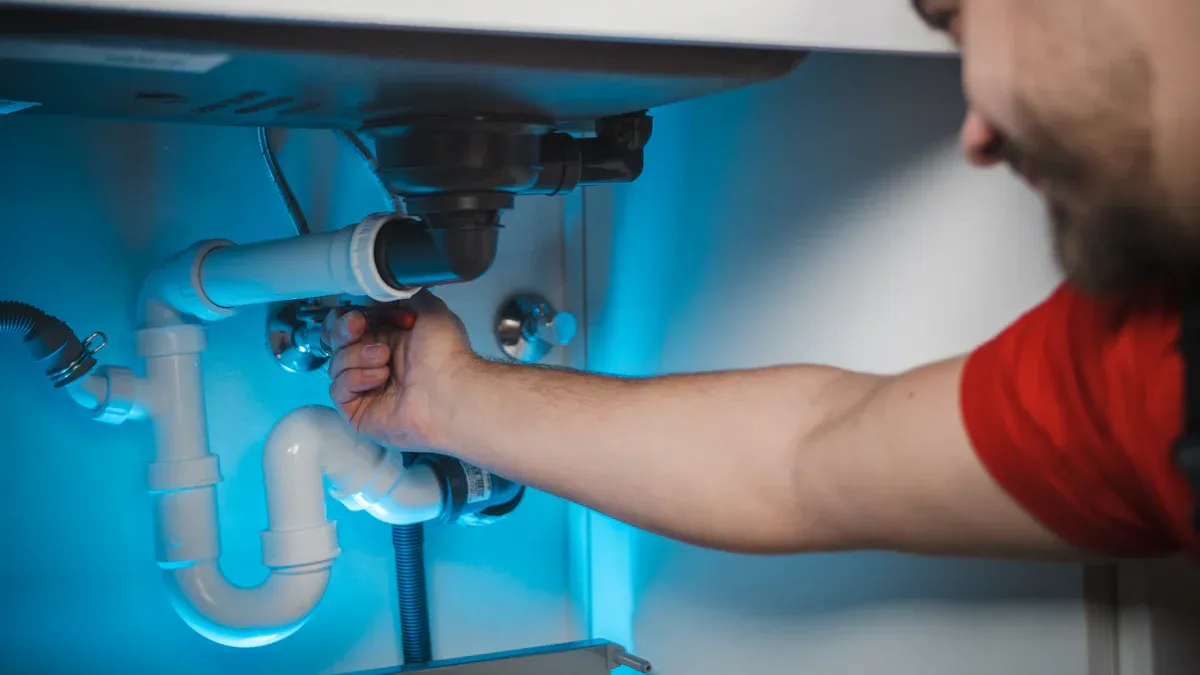
Если ваш водонагреватель перестал производить горячую воду, часто проблема заключается в неисправности нагревательного элемента. Вы можете быстро восстановить комфорт, проверив этот компонент в первую очередь. Многие домовладельцы предпочитают заменять нагревательный элемент его самостоятельно, экономя время и деньги.
- Ремонт нагревательного элемента водонагревателя стоит от $200 до $300.
- Сам нагревательный элемент стоит около $20.
- Работа и материалы от производители нагревательных элементов или поставщиков услуг могут увеличить стоимость до $300.
Электрическое отопление Цзиньчжун поставляет надежные нагревательные элементы бытовых приборов, что делает самостоятельный ремонт доступным.
Почему нагревательный элемент водонагревателя часто является проблемой
Когда ваш водонагреватель перестает работать, часто оказывается, что элемент водонагревателя виноват именно он. Вы полагаетесь на нагревательные элементы для нагрева воды в баке. Если эти компоненты выходят из строя, ваш электрический водонагреватель не может подавать горячую воду. Специалисты по ремонту бытовой техники сообщают, что нагревательные элементы выходят из строя чаще, чем другие детали водонагревателя. Частые причины выхода из строя нагревательного элемента водонагревателя.
Отложения минералов на нагревательных элементах
Отложения минералов представляют собой серьезную проблему для нагревательных элементов. Жесткая вода содержит минералы, которые оседают внутри бака водонагревателя. Со временем эти минералы образуют слой осадка вокруг элемента. Этот осадок изолирует нагревательный элемент, вызывая его перегрев и eventual перегорание. Вы можете слышать потрескивание или щелчки из бака при накоплении осадка.
Совет: Регулярная промывка бака водонагревателя помогает уменьшить отложения минералов и продлить срок службы нагревательного элемента.
Износ и старение нагревательного элемента водонагревателя.
Нагревательные элементы не служат вечно. Износ от постоянных циклов нагрева ослабляет элемент. Большинство нагревательных элементов водонагревателя служат от шести до десяти лет. С возрастом элемент теряет эффективность и может перестать правильно нагревать воду. Накипь или коррозия также ускоряют износ, особенно в старых устройствах.
Нагревательные элементы не служат вечно. Износ от постоянных циклов нагрева ослабляет элемент. Большинство элементы водонагревателя служат от шести до десяти лет. По мере старения элемента его эффективность снижается, и он может перестать должным образом нагревать воду. Образование накипи или коррозия также ускоряют износ, особенно в старых устройствах.
Электрические проблемы часто повреждают нагревательные элементы. Скачки напряжения, неисправная проводка или ослабленные соединения могут вызвать короткое замыкание элемента. Если ваш автоматический выключатель срабатывает repeatedly, возможно, у вас есть электрическая проблема, влияющая на нагревательный элемент водонагревателя. Механические повреждения из-за неправильной установки или обслуживания также могут привести к отказу.
Признаки того, что нагревательный элемент водонагревателя требует внимания.
Полное отсутствие горячей воды
Вы замечаете, что из кранов идет холодная вода. Обычно это означает, что нагревательный элемент водонагревателя полностью вышел из строя. Если оба нагревательных элемента перестают работать, ваш водонагреватель не может производить горячую воду.
Вы можете испытывать.
Вода недостаточно горячая
или только теплую воду. Неисправный нагревательный элемент не может достичь заданной температуры. Уменьшение объема горячей воды или увеличение времени нагрева также указывают на проблемный элемент. непостоянная температура воды Сработавший выключатель или перегоревший предохранитель сигнализируют об электрической проблеме с вашим водонагревателем. Повторное срабатывание часто указывает на изношенный элемент или неисправную проводку. Вам следует проверить нагревательный элемент водонагревателя, если вы заметили эту проблему.
Сработал автоматический выключатель или перегорел предохранитель
Примечание: Более новые водонагреватели могут отображать коды ошибок при неисправности элемента. Всегда проверяйте руководство вашего устройства для получения советов по устранению неполадок.
Меры безопасности перед проверкой нагревательных элементов.
Прежде чем начинать любые работы на водонагревателе, вы должны серьезно отнестись к безопасности. Водонагреватели работают с высоким напряжением и горячей водой, что может представлять значительные риски, если не соблюдать правильные процедуры. Вы можете избежать несчастных случаев, следуя этим основным шагам безопасности.
Поиск и отключение автоматического выключателя.
Отключение питания водонагревателя
Вы всегда должны обесточивать водонагреватель перед открытием любых панелей или прикосновением к электрическим компонентам. Найдите электрический щиток вашего дома и найдите выключатель, помеченный для вашего водонагревателя. Переведите переключатель в положение «выключено». Этот шаг предотвращает поражение электрическим током и защищает вас от травм.
Двойная проверка электробезопасности.
После того как вы обесточили водонагреватель на выключателе, убедитесь, что электричество не поступает к устройству. Используйте бесконтактный тестер напряжения для проверки проводов внутри панели доступа. Если тестер загорается или издает звуковой сигнал, электричество все еще присутствует. Не продолжайте, пока не убедитесь, что питание отключено. Эта дополнительная проверка обеспечивает вашу безопасность и предотвращает случайные удары током.
Проверка или замена нагревательных элементов водонагревателя без надлежащих мер предосторожности может привести к серьезным рискам, включая:.
⚠️ Предупреждение о безопасности: Тестирование или замена элементы водонагревателя без соблюдения надлежащих мер предосторожности могут привести к серьезным рискам, включая:
- Взрывы (редко, но возможно)
- Утечки газа
- Ожоги
- Эти опасности подчеркивают важность правильной установки
, регулярного обслуживания и строгого соблюдения правил безопасности. Всегда уделяйте время обесточиванию водонагревателя и двойной проверке электробезопасности., Сбор инструментов для проверки нагревательных элементов.
Необходимые инструменты и материалы
Вам понадобятся правильные инструменты для безопасной и точной проверки нагревательного элемента водонагревателя. Соберите следующие предметы перед началом:
Вам понадобятся правильные инструменты, чтобы проверить элемент водонагревателя безопасно и точно. Подготовьте следующие предметы перед началом работы:
- Отвертки с плоским и крестообразным шлицем (для снятия панелей доступа)
- Бесконтактный тестер напряжения (для подтверждения отключения питания)
- Изолента (для фиксации проводов при необходимости)
- Фонарик или налобный фонарь (для лучшей видимости)
- Эти инструменты помогут вам выполнить работу эффективно и снизить риск ошибок.
Средства индивидуальной защиты для работы с водонагревателем.
Средства индивидуальной защиты обеспечивают вашу безопасность в процессе. Надевайте изолированные перчатки для защиты рук от поражения электрическим током. Используйте защиту для глаз, чтобы защитить глаза от мусора или случайных брызг. Хорошее освещение гарантирует, что вы видите все компоненты четко и избегаете ошибок.
Всегда читайте и понимайте инструкции производителя.
Совет: и предупреждения по безопасности перед началом работы. Никогда не пытайтесь выполнять ремонт, если ваш водонагреватель выглядит поврежденным или имеет утечки. Нанимайте лицензированного специалиста для установки или крупного ремонта и планируйте регулярные проверки для поддержания безопасности вашей системы. Следуя этим шагам и используя правильные инструменты, вы создаете безопасную среду для проверки и замены нагревательного элемента вашего водонагревателя. Помните, что каждый раз при работе с водонагревателем его необходимо обесточивать.
Когда вам нужно получить доступ к элементам внутри вашего водонагревателя, вы должны следовать систематическому подходу. Этот процесс помогает избежать повреждений и обеспечивает вашу безопасность. Вы начнете со снятия панели доступа, а затем найдете нагревательные элементы внутри бака.
Доступ к элементу водонагревателя
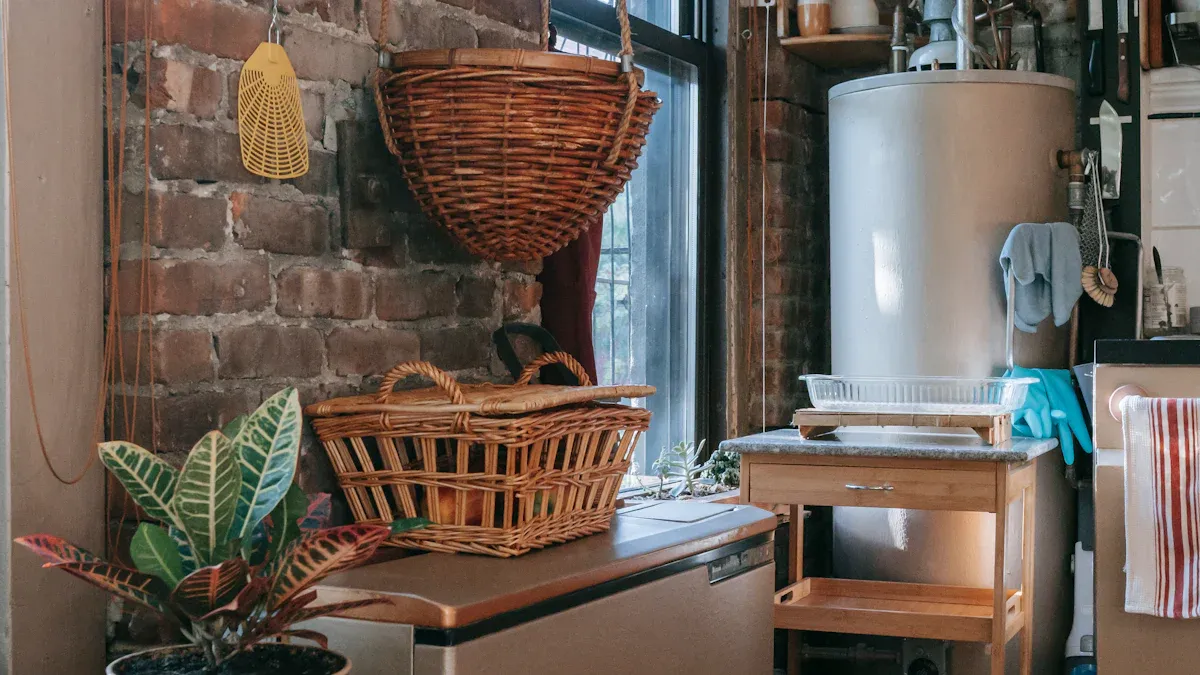
Снятие панели доступа на водонагревателе.
Поиск правильной панели
Вы найдете панель доступа на боковой стороне вашего электрического водонагревателя. Большинство устройств имеют две панели — одну для верхнего нагревательного элемента и одну для нижнего. Ищите панели, закрепленные винтами. Используйте отвертку, чтобы открутить эти винты. Положите их в безопасное место, чтобы не потерять. После удаления винтов аккуратно отодвиньте панель от бака. Этот шаг позволяет получить доступ к элементам для осмотра или проверки.
Безопасное обращение с изоляцией и крышками.
После снятия панели вы увидите изоляцию, покрывающую нагревательный элемент. Вы должны обращаться с этой изоляцией осторожно. Следуйте этим рекомендациям для обеспечения безопасности:
Убедитесь, что все крышки остаются закрепленными
- Make sure all covers remain secured to снизить риск возгорания и поражения электрическим током.
- Замените пластиковый защитный кожух после завершения работы.
- Установите изоляцию на место после завершения осмотра.
- Установите крышку верхнего нагревательного элемента на место перед восстановлением подачи электропитания.
Совет: При работе с изоляцией надевайте перчатки, чтобы защитить кожу от раздражения. Всегда содержите рабочее место в чистоте, чтобы избежать потери мелких деталей.
Поиск нагревательных элементов внутри водонагревателя
Определение верхнего и нижнего нагревательных элементов
Внутри бака вы найдете два нагревательных элемента. Верхний нагревательный элемент сначала нагревает воду в верхней части бака.. Как только верхняя часть достигнет заданной температуры, верхний термостат переключает питание на нижнего нагревательного элемента.. Нижний нагревательный элемент поддерживает температуру накопленной воды после заполнения бака.
Вы можете определить элементы, следуя этой последовательности:
- Верхний нагревательный элемент активируется первым, когда требуется горячая вода.
- После того как верхняя часть достигает установленной температуры, термостат активирует нижний нагревательный элемент.
- Нижний нагревательный элемент поддерживает воду в баке горячей.
Этот процесс обеспечивает эффективную подачу горячей воды вашим водонагревателем.
Распознавание нагревательного элемента водонагревателя
Вы узнаете нагревательный элемент водонагревателя по его металлическому фланцу и электрическим клеммам. Элемент расположен внутри бака, к его клеммам подключены провода. Вы можете заметить минеральные отложения или изменение цвета, если элемент вышел из строя. Используйте фонарик для тщательного осмотра области. Убедитесь, что вы получаете доступ к элементам только после подтверждения отключения электропитания.
Примечание: Если вы не можете легко получить доступ к элементам, обратитесь к руководству по эксплуатации вашего водонагревателя. Некоторые модели имеют уникальную конструкцию панелей или типы изоляции.
Следуя этим шагам, вы можете безопасно получить доступ к элементам и подготовиться к проверке или замене. Аккуратное обращение с панелями и изоляцией защищает как вас, так и ваш водонагреватель.
Проверка нагревательных элементов с помощью мультиметра
Когда ваш водонагреватель перестает вырабатывать горячую воду, вам необходимо проверить нагревательные элементы. Проверка нагревательных элементов с помощью мультиметра помогает быстро и безопасно выявить неисправный элемент. Этот процесс гарантирует, что вы не будете заменять детали без необходимости, и способствует эффективному восстановлению подачи горячей воды.
Настройка мультиметра для проверки
Выбор правильного диапазона измерения сопротивления
Вы должны установить мультиметр на самый низкий диапазон измерения сопротивления, обычно обозначаемый как Ω (омы). Этот режим позволяет точно измерить электрическое сопротивление нагревательного элемента. Большинство цифровых мультиметров имеют поворотный переключатель или кнопку для этой настройки. Всегда перепроверяйте настройку перед началом тестирования.
Подготовка нагревательного элемента водонагревателя к проверке
Прежде чем начать процесс тестирования, выполните следующие шаги для обеспечения безопасности и точности:
- Отключите автоматический выключатель вашего водонагревателя на главном электрическом щитке.
- Дождитесь остывания воды в баке. Вы можете спускать горячую воду из крана, пока она не станет теплой.
- Снимите металлическую смотровую панель на боковой стороне водонагревателя с помощью отвертки.
- Наденьте резиновые перчатки и защитные очки. Удалите изоляцию внутри панели, чтобы открыть доступ к нагревательному элементу.
- Определите нагревательный элемент. Он выглядит как круглый или шестигранный объект с пластиковой пластиной, закрепленный винтами.
- Ослабьте один винт на нагревательном элементе и отсоедините подключенный провод. Этот шаг изолирует элемент для точного тестирования.
⚡ Совет: Всегда подтверждайте отключение питания с помощью бесконтактного тестера напряжения перед прикосновением к любым проводам.
Как проверить нагревательный элемент водонагревателя
Измерение сопротивления нагревательных элементов
Для проверки элементов следуйте этой процедуре:
- Поместите один щуп мультиметра на ослабленный винт нагревательного элемента.
- Поместите другой щуп на оставшийся винт того же элемента.
- Наблюдайте за показаниями на дисплее мультиметра.
Повторите этот процесс для верхнего и нижнего нагревательных элементов. Проверка обоих гарантирует, что вы не пропустите перегоревший элемент.
Что означают показания сопротивления
Исправный нагревательный элемент обычно показывает значение сопротивления в диапазоне от 10 до 30 Ом. Если ваш мультиметр показывает очень низкое значение, ноль или бесконечность, у вас, вероятно, неисправный элемент. Точное сопротивление зависит от мощности и напряжения вашего водонагревателя. Используйте следующую таблицу для сравнения ваших показаний:
| Мощность элемента | Диапазон сопротивления (Ом) |
|---|---|
| 1500 Вт, 240В | 33 до 43 |
| 2000 Вт, 240В | 24 до 32 |
| 3500 Вт, 240В | 13 до 19 |
| 4500 Вт, 240В | 11 до 15 |
| 5500 Вт, 240В | 9 до 12 |
| 750 Вт, 120В | 16 до 22 |
| 1000 Вт, 120В | 11.5 до 16.5 |
| 1500 Вт, 120В | 8 до 12 |
| 2000 Вт, 120В | 6 до 8 |
| 2500 Вт, 120В | 5 до 7 |
| 3000 Вт, 120В | 4 до 6 |
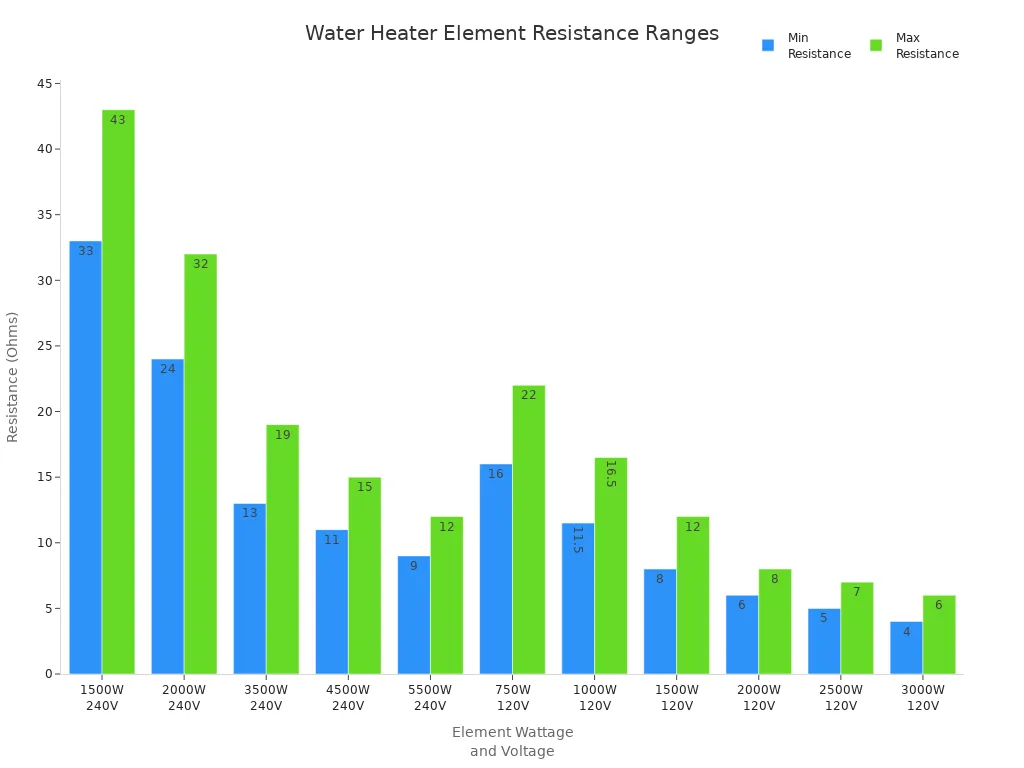
Примечание: Если ваше показание выходит за пределы ожидаемого диапазона, вы определили неисправный элемент.
Интерпретация результатов проверки нагревательных элементов
Показания исправного и неисправного элемента водонагревателя
Вы можете интерпретировать результаты проверки, используя следующие рекомендации:
- Исправный нагревательный элемент будет показывать сопротивление от 10 до 30 Ом или в пределах диапазона, указанного для вашей конкретной мощности и напряжения.
- Неисправный элемент будет показывать нулевое значение, бесконечность или значение, значительно выходящее за пределы нормального диапазона.
- Если стрелка мультиметра не движется или нет показаний, элемент неисправен.
🛠️ Тревога: Если вы обнаружили короткое замыкание (звуковой сигнал тестера срабатывает или индикатор загорается при подключении щупа к корпусу элемента), не пытайтесь заменить элемент самостоятельно. Обратитесь к специалисту для дальнейшего ремонта.
Что делать, если элемент неисправен
Если проверка подтвердила неисправность элемента, его необходимо заменить. Подсоедините обратно все отключенные провода, установите изоляцию на место и закрепите металлические панели перед подачей питания. Не включайте водонагреватель до завершения всех ремонтных работ и обеспечения безопасности.
Проверка нагревательных элементов с помощью мультиметра дает четкий ответ о состоянии элемента вашего водонагревателя. Этот пошаговый подход помогает избежать ненужных замен и поддерживает эффективную работу водонагревателя.
Замена неисправного нагревательного элемента водонагревателя
При обнаружении неисправного элемента водонагревателя необходимо следовать точной процедуре для обеспечения безопасной и успешной замены. В этом разделе описывается процесс извлечения старого нагревательного элемента, установки нового и повторного запуска водонагревателя.
Снятие старого нагревательного элемента водонагревателя
Слив воды из бака водонагревателя
Перед началом работы необходимо слить воду из бака водонагревателя. Этот шаг предотвращает разлив воды при извлечении нагревательного элемента. Всегда следует дать воде остыть перед сливом из бака. Эта мера предосторожности снижает риск ожогов. Используйте вольтметр или тестер цепей, чтобы убедиться, что питание отключено, что защищает вас от поражения электрическим током.
- Подождите, пока вода внутри бака не станет прохладной.
- Убедитесь, что питание отключено, проверив провода тестером цепей.
- Подсоедините шланг к сливному клапану в нижней части бака.
- Направьте шланг в безопасное место для слива.
- Откройте сливной клапан и дайте баку полностью опорожниться.
Совет: Откройте кран горячей воды в вашем доме, чтобы ускорить слив бака и снять вакуумное давление.
Откручивание и снятие элемента
После опорожнения бака можно извлечь нагревательный элемент. Следует избегать повреждения бака в этом процессе. Используйте следующие методы для достижения наилучших результатов:
- Нанесите проникающее масло на основание элемента и оставьте на ночь, если элемент застрял.
- Используйте подходящий ключ для нагревательных элементов, чтобы не повредить резьбу.
- Слегка постучите резиновым молотком вокруг основания элемента, чтобы разрушить коррозионные уплотнения.
- Если элемент остается застрявшим, слегка нагрейте окружающий металл с помощью теплового пистолета или горелки, чтобы расширить его.
- Используйте качественную головку и длинный вороток для дополнительного рычага.
Аккуратное извлечение гарантирует, что вы не повредите бак или окружающие компоненты.
Установка нового элемента водонагревателя
Выбор правильного сменного элемента
Выбор совместимой замены имеет решающее значение для производительности вашего водонагревателя. Необходимо соответствовать характеристикам вашего устройства. Используйте таблицу ниже для выбора:
| Критерий | Описание |
|---|---|
| Тип фланца элемента | Определите тип фланца (ввинчиваемый, плоский, универсальный, с круглой головкой), чтобы обеспечить совместимость. |
| Напряжение/Мощность | Сопоставьте напряжение (120 В или 240 В) и мощность (от 1000 до 6000 Вт) с характеристиками нагревателя. |
| Удельная мощность (плотность мощности) | Учитывайте удельную мощность, чтобы обеспечить эффективный нагрев и совместимость с моделью водонагревателя. |
Проверьте руководство по эксплуатации водонагревателя или этикетку на баке для получения этих данных перед покупкой нового нагревательного элемента.
Фиксация и герметизация нового элемента
Правильная герметизация предотвращает утечки и обеспечивает долгосрочную надежность. Выполните следующие действия для фиксации нового нагревательного элемента:
- Установите новую прокладку или уплотнительное кольцо на основание нагревательного элемента. Никогда не используйте старую прокладку повторно.
- Если ваша модель использует резьбовые соединения, обмотайте резьбу тефлоновой лентой.
- Вставьте нагревательный элемент в бак и затяните его по часовой стрелке ключом для нагревательных элементов. Не перетягивайте.
- Подсоедините провода к клеммам в исходном положении. Затяните соединения отверткой.
- Проверьте все соединения и уплотнения перед повторным заполнением бака.
- Очистите отверстие бака тряпкой или щеткой перед установкой нового нагревательного элемента.
Примечание: Обмотка резьбовых соединений тефлоновой лентой помогает предотвратить утечки. Перед установкой всегда проверяйте на наличие грязи или мусора.
Наполнение и перезапуск водонагревателя
Повторное заполнение бака водой
После установки нового нагревательного элемента необходимо снова заполнить бак. Выполните следующие действия:
- Убедитесь, что сливной клапан надежно закрыт.
- Снова включите подачу холодной воды для заполнения бака.
- Откройте кран горячей воды, чтобы удалить воздух из системы.
Подождите, пока вода не начнет течь из крана равномерно, прежде чем продолжить.
Восстановление подачи питания к водонагревателю
После того как бак заполнен и весь воздух удален, можно восстановить подачу питания к водонагревателю. Включите автоматический выключатель или отрегулируйте термостат по мере необходимости. Следите за устройством на предмет утечек и убедитесь, что вода нагревается должным образом.
⚡ Напоминание о безопасности: Никогда не восстанавливайте подачу питания к водонагревателю до заполнения бака. Работа нагревательного элемента всухую может привести к немедленному повреждению.
Следуя этим шагам, вы сможете заменить элемент безопасно и эффективно. Вы защищаете свой водонагреватель и обеспечиваете надежную подачу горячей воды в вашем доме.
Что делать, если проблема не в элементе водонагревателя?
Иногда замена элемента водонагревателя не восстанавливает подачу горячей воды. В таких случаях необходимо расширить процесс поиска неисправностей на другие компоненты. Термостат часто вызывает проблемы с нагревом, когда элемент работает исправно. Также следует рассмотреть вопросы, связанные с источник питания, проводка или другие внутренние детали.
Проверка термостата водонагревателя
Как проверить термостат
Вы можете проверить термостат с помощью стандартных диагностических инструментов. Начните с отключения питания на автоматическом выключателе. Снимите металлические крышки, чтобы открыть доступ к термостатам и нагревательным элементам. Используйте бесконтактный тестер напряжения, чтобы убедиться в отсутствии электричества в устройстве. Этот шаг обеспечивает вашу безопасность.
Затем используйте тестер непрерывности для проверки термостата. Отсоедините провода от клемм термостата. Поместите щупы тестера на винты клемм. Если тестер не показывает непрерывность, термостат неисправен. Также следует проверить наличие коротких замыканий, протестировав винты относительно монтажного кронштейна.
Инструменты, необходимые для этой задачи:
- Отвертка 4 в 1
- Иглогубцы
- Бесконтактный тестер напряжения
- Тестер непрерывности
Регулировка или замена термостата
Если вы обнаружили, что термостат вышел из настройки, вы можете сбросить его. Используйте плоскую отвертку для регулировки температурной настройки. Большинство водонагревателей работают лучше всего при 120°F. Если термостат не реагирует или не показывает непрерывность, замените его на новый, соответствующий вашей модели. Всегда надежно подключайте провода и устанавливайте крышки обратно перед восстановлением питания.
Когда вызывать специалиста для ремонта водонагревателя
Признаки того, что вам нужна помощь эксперта
Некоторые проблемы требуют профессионального вмешательства. Вам следует обратиться к лицензированному технику, если вы заметили любое из следующего:
- Частые ремонты
- Растущие счета за электроэнергию
- Неприятные запахи от водонагревателя
- Низкое давление воды
- Постоянные утечки вокруг бака
- Странные шумы во время работы
- Ржавая или обесцвеченная вода
- Нестабильное горячее водоснабжение
- Водонагреватель близок к концу или превысил ожидаемый срок службы
⚠️ Совет: Если вы столкнулись с электрическими проблемами, такими как отсутствие напряжения на баке или неисправные соединения проводки, не пытайтесь выполнять ремонт самостоятельно. Эти ситуации представляют серьезные риски для безопасности.
Предотвращение будущих проблем с водонагревателем
Вы можете снизить необходимость в ремонте, соблюдая регулярный график технического обслуживания. Промывайте бак для удаления осадка. Ежегодно проверяйте нагревательные элементы и термостат. Устраняйте мелкие неисправности на ранней стадии, чтобы предотвратить дорогостоящие поломки. Если вы заметили необычные симптомы, действуйте быстро, чтобы избежать дальнейших повреждений.
Тщательный процесс диагностики помогает выявить истинную причину проблем с водонагревателем. В случае сомнений полагайтесь на профессиональный опыт, чтобы обеспечить безопасность и эффективность вашей системы.
Предотвращение будущих проблем с нагревательными элементами водонагревателя
Регулярное техническое обслуживание нагревательных элементов
Промывка бака водонагревателя
Вы можете продлить срок службы нагревательных элементов, регулярно промывая бак. Со временем осадок и минеральные отложения оседают на дне бака. Эти отложения изолируют нагревательный элемент, вызывая его перегрев и преждевременный выход из строя. Промывка бака каждые 6–12 месяцев удаляет эти накопления и поддерживает эффективную работу системы. В районах с жесткой водой может потребоваться более частая промывка бака. Откройте сливной клапан, подсоедините шланг и дайте воде течь, пока она не станет чистой. Эта простая задача помогает предотвратить дорогостоящий ремонт.
Совет: Запланируйте полную промывку бака каждые 12 месяцев для поддержания оптимальной производительности.
Ежегодная проверка нагревательных элементов
Ежегодные проверки помогут выявить проблемы до того, как они приведут к неожиданным отказам. Вам следует проверить нагревательные элементы, термостат и анодный стержень каждый год. Если ваш водонагреватель старый или вы живете в районе с жесткой водой, проверяйте устройство каждые шесть месяцев. Ищите признаки ржавчины, коррозии или утечек. Прислушивайтесь к посторонним шумам и следите за нестабильной подачей горячей воды. Если вы заметили какие-либо из этих проблем, устраняйте их немедленно, чтобы избежать дальнейшего повреждения.
Рекомендуемый график проверок:
- Проверяйте ежегодно, если качество воды хорошее.
- Проверяйте каждые шесть-девять месяцев в районах с жесткой водой.
- Проверяйте каждые шесть месяцев для старых устройств.
- Проверяйте немедленно, если вы видите утечки, ржавчину или слышите необычные звуки.
Примечание: Регулярное техническое обслуживание, включая проверки и промывку, может помочь вашему электрическому водонагревателю с баком прослужить до 15 лет.
Уменьшение минеральных отложений в вашем водонагревателе
Использование умягчителя воды
Жесткая вода вызывает образование минеральных отложений внутри бака и на нагревательных элементах. Установка умягчителя воды предотвращает образование накипи и устраняет накопление осадка. Это устройство удаляет кальций и магний из вашего водоснабжения, что помогает поддерживать эффективность нагрева и продлевает срок службы водонагревателя. Вы заметите меньше ремонтов и более стабильную подачу горячей воды при использовании умягчителя воды.
Очистка бака водонагревателя
Очистка бака выходит за рамки промывки. Вам также следует проверить анодный стержень и заменить его при необходимости. Анодный стержень притягивает коррозионные минералы, защищая бак и элементы от ржавчины. Установите термостат на 120 градусов по Фаренгейту для уменьшения осаждения минералов. Изолируйте бак и трубы, чтобы минимизировать потери тепла и повысить эффективность. Запланируйте ежегодное техническое обслуживание у профессионального сантехника для тщательной очистки и проверки.
🛠️ Совет профессионала: Сочетайте промывку, умягчение воды и ежегодные проверки для наилучшей защиты от минеральных отложений и преждевременного выхода элементов из строя.
Проверка нагревательного элемента водонагревателя в первую очередь часто решает большинство проблем с нагревом быстро. Вы можете проверить и заменить элемент с помощью основных инструментов и соблюдая меры безопасности. Многие домовладельцы допускают ошибки, пропуская регулярное техническое обслуживание или неправильно диагностируя элемент. Регулярное обслуживание поддерживает эффективность элемента и продлевает его срок службы.
- Регулярное техническое обслуживание обеспечивает оптимальную производительность и экономию энергии.
- Проверка элемента и анодного стержня предотвращает коррозию и дорогостоящий ремонт.
- Раннее выявление проблем с элементом приводит к стабильной подаче горячей воды и снижению счетов.
ЧАСТО ЗАДАВАЕМЫЕ ВОПРОСЫ
Как часто следует проверять нагревательный элемент водонагревателя?
Вам следует проверять нагревательный элемент не реже одного раза в год. Если вы живете в районе с жесткой водой, увеличьте частоту до каждых шести месяцев, чтобы предотвратить образование минеральных отложений и обеспечить надежную работу.
Какие инструменты вам понадобятся для проверки нагревательного элемента водонагревателя?
Вам понадобятся мультиметр, бесконтактный тестер напряжения, плоские и крестовые отвертки, изолированные перчатки и защитные очки. Эти инструменты помогут вам безопасно проверить и заменить элемент.
Можно ли заменить нагревательный элемент водонагревателя, не сливая воду из бака?
Вы должны слить воду из бака перед снятием нагревательного элемента. Этот шаг предотвращает утечку воды и снижает риск ожогов или поражения электрическим током.
Какое показание сопротивления указывает на неисправный нагревательный элемент водонагревателя?
Показание ноль, бесконечность или значение вне ожидаемого диапазона указывает на неисправный элемент. Обратитесь к спецификациям вашего водонагревателя для получения правильного диапазона сопротивления.
Почему элемент вашего водонагревателя постоянно выходит из строя?
Минеральные отложения, электрические проблемы и износ вызывают повторные отказы. Регулярное техническое обслуживание, включая промывку бака и использование умягчителя воды, помогает предотвратить эти проблемы.
Безопасно ли самостоятельно проверять нагревательный элемент водонагревателя?
Вы можете безопасно проверить элемент, если отключите питание, используете правильные инструменты и носите защитное снаряжение. Если вы не уверены, обратитесь к лицензированному технику.
Что делать, если замена элемента не решает проблему?
Проверьте термостат и проводку на наличие неисправностей. Если вы не можете определить проблему, вызовите специалиста для дальнейшей диагностики и ремонта.
Совет: Всегда обращайтесь к руководству по эксплуатации вашего водонагревателя перед началом любого ремонта. Этот шаг гарантирует соблюдение рекомендаций производителя и поддержание безопасности.