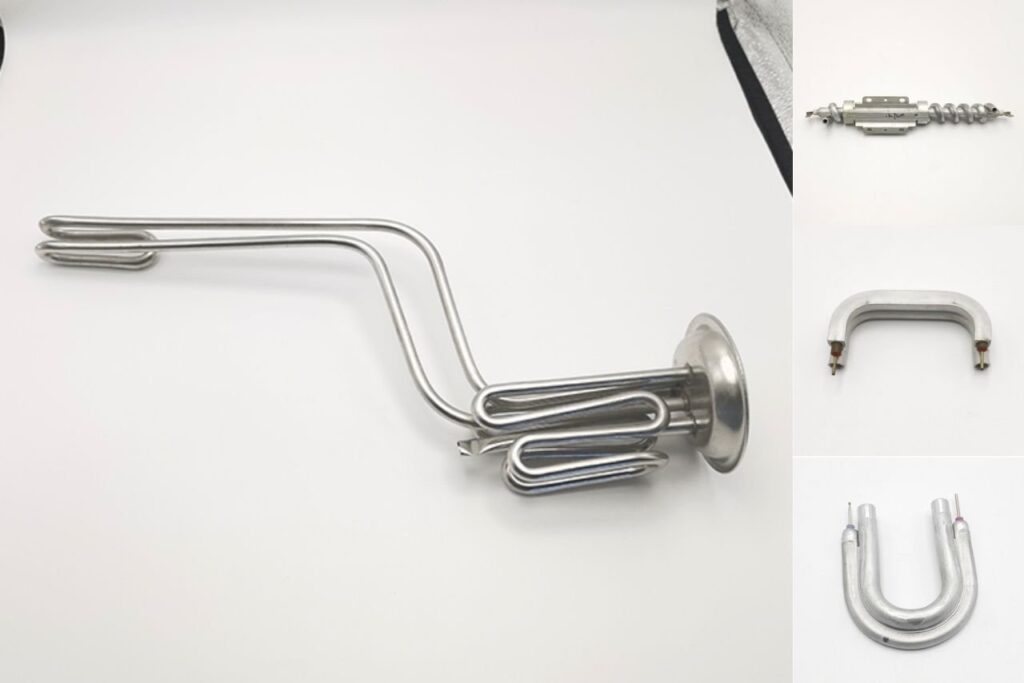
Wenn bei einem Kenmore-Trockner ständig Heizelemente durchbrennen, ist das Element in der Regel das Opfer und nicht die eigentliche Ursache. eingeschränkten Luftstrom, Probleme mit elektrischen Verbindungen, oder falsche Auswahl/Installation des Elements.
- Schnelldiagnose: Warum wiederholte Ausfälle auftreten
- Hauptgründe für das ständige Versagen des Heizelements (mit Lösungen)
- Die Checkliste für „keine Wiederholung“ (vor dem Einschalten)
- Wann das Element ersetzt werden sollte und wann nicht
- Technische Anmerkung: Was ein Heizelement eigentlich ist
- FAQ (8)
- Referenzen & externe Links
Kein Garantiedatensatz – dies ist eine praktische Priorisierung für die Fehlersuche bei wiederholten Heizungsausfällen.
Ein Trocknerelement wird durch Luftstrom gekühlt. Sinkt der Luftstrom, steigt die Elementtemperatur. Dies fördert Oxidation und Verformung, kann zu Spulendurchhang führen und öffnet häufig Sicherheitseinrichtungen.TUTCO-Referenz)
Wenn der Abluftstrom eingeschränkt ist, wird das Heizgerät heißer und läuft unter Stress. Das Element kann vorzeitig durchbrennen, und der Thermoschutz kann wiederholt auslösen.
- Schwacher Luftstrom am äußeren Lüftungsaustritt während des Betriebs
- Gequetschter/langer flexibler Kanal, mehrere scharfe Biegungen, blockierte Klappe, Flusenansammlung
- Reinigen Sie den Lüftungsweg durchgängig; ersetzen Sie gequetschte Kanäle; verkürzen Sie Strecken, wo möglich
- Reinigen Sie das Flusensiebgehäuse und den Gebläseeinlassbereich
Eine lose Flachsteckklemme erhöht den Widerstand an der Verbindung, was zu lokaler Erwärmung führt, die den Draht, die Klemme und die Element-Schnittstelle beschädigen kann.
- Verfärbte Flachsteckverbinder, spröde Isolierung, geschmolzene Klemmengehäuse
- Steckverbinder sitzt lose auf der Elementlasche
- Ersetzen Sie Klemmen/Kabelbaum durch Komponenten mit hoher Temperaturbeständigkeit
- Stellen Sie beim Zusammenbau saubere, feste Verbindungen sicher
Elemente, die „passen“, können dennoch elektrisch oder mechanisch falsch sein. Eine Fehlanpassung kann die Wattdichte verändern oder Abstandsprobleme verursachen, die zu Spulenüberhitzung oder Gehäusekontakt führen.
- Teil ohne Überprüfung der Trocknermodellnummer ausgewählt
- Element sitzt ungewöhnlich im Gehäuse oder Spule ist nahe an Metalloberflächen
- Passen Sie das richtige Element anhand des Modells und der erforderlichen Nennleistung an
- Verwenden Sie eine seriöse Quelle und vermeiden Sie „ungefähr passende“ Ersatzteile
Eine herstellertypische Disziplin besteht darin, die Spannung/Leistung des Ersatzelements mit dem Typenschild des Geräts zu überprüfen.Whirlpool-Referenz)
Wenn die Spule durchhängt oder falsch ausgerichtet ist, kann sie Metall berühren und einen Kurzschluss oder extreme Hot Spots verursachen. Überhitzung durch Luftstromprobleme kann das Durchhängen beschleunigen.
- Durchgang von der Elementklemme zum Heizgehäuse (Kurzschluss nach Masse)
- Anzeichen von Lichtbogenmarkierungen am Gehäuse
- Ersetzen Sie die Elementbaugruppe; stellen Sie sicher, dass das Gehäuse nicht verbogen ist und die Stützen intakt sind
- Stellen Sie den Luftstrom wieder her, um die Temperaturbelastung des Elements zu reduzieren
Das Ersetzen von Sicherheitseinrichtungen ohne Behebung der Überhitzungsbedingungen führt zu wiederholten „keine Heizung“-Ereignissen und kann die eigentliche Ausfallursache verschleiern.
- Thermosicherung öffnet kurz nach der Reparatur
- Trocknergehäuse wird sehr heiß; lange Trockenzeiten
- Korrigieren Sie zuerst Luftstrom und Flusenansammlung; ersetzen Sie dann die defekten Schutzvorrichtungen
Bei einigen elektrischen Fehlerbedingungen kann der Trockner den Motor weiterlaufen lassen, während der Heizkreis sich anormal verhält oder keinen korrekten Betrieb aufrechterhalten kann.
- Intermittierende Heizmuster, die nicht durch den Luftstrom erklärt werden
- Anzeichen von Überhitzung an Klemmen oder Relaisverbindungen
- Überprüfen Sie die Versorgung und inspizieren Sie Verkabelung/Steuerung; ziehen Sie bei Bedarf einen Techniker hinzu
Quellen aus der Heizungstechnik weisen darauf hin, dass Verunreinigungen (z. B. bestimmte Chemikalien und Rückstände) die Lebensdauer von Heizungen verkürzen können. Obwohl Trockner keine Prozessheizungen sind,TUTCO-Referenz)
- Halten Sie den Bereich des Heizgerätegehäuses sauber; entfernen Sie Flusenansammlungen; vermeiden Sie das Hinterlassen von Rückständen nach der Wartung.
Einige Heizgeräte sind für völlig andere Produkte ausgelegt und veröffentlichen Spezifikationen wie UL-Zulassung und IP-Schutzarten. Diese Spezifikationen sind wertvoll, machen die Teile jedoch nicht mit Trocknerheizungen austauschbar. Beispielsweise listet Hudson Reed ein 1000W Steckelement für Heizkörper/Handtuchwärmer mit IP67 und UL-Zulassung auf. (https://www.hudsonreed.com/1000w-plug-in-element-for-radiators-towel-warmers-ip67-ul-approved-108154)Referenz)
- Außenluftstrom am Abluftauslass als stark bestätigt.
- Abluftschlauch nicht gequetscht; Flusensiebgehäuse gereinigt.
- Heizelement korrekt eingesetzt; Spule darf Gehäuse nicht berühren.
- Alle Flachstecker fest; keine Verfärbung oder Lockerheit.
- Thermosicherung und Thermostate geprüft (defekte Geräte ersetzen).
- Alle Abdeckungen/Isolierungen wieder angebracht.
- Führen Sie einen überwachten Heizzyklus durch; bestätigen Sie stabile Erwärmung und keinen Brandgeruch.
| Befund | Heizelement ersetzen? | Warum | Was ist sonst noch zu tun? |
|---|---|---|---|
| Heizelement zeigt Unterbrechung (keine Durchgangsprüfung) | Ja | Spule ist gebrochen; kann nicht heizen | Luftstrom beheben; Anschlüsse überprüfen |
| Heizelement hat Kurzschluss zum Gehäuse (Durchgang zum Metall) | Ja | Unsicher; kann überhitzen oder Schutzvorrichtung auslösen | Gehäuseverformung prüfen; Luftstrom wiederherstellen |
| Heizelement in Ordnung; Thermosicherung offen | Nein (noch nicht) | Heizelement wahrscheinlich in Ordnung; Sicherheitskette offen | Sicherung ersetzen; Überhitzungsursache beheben |
| Heizelement in Ordnung; Luftstrom schwach | Nein (noch nicht) | Ursache ist Hitzebelastung durch Einschränkung | Zuerst Abluftsanierung durchführen |
Tabelle 1 – Entscheidungen zum Austausch, die unnötige Teilewechsel verhindern.
TUTCO beschreibt ein Heizelement als eine Baugruppe, die einen Isolierrahmen und Anschlussleitungen umfasst, und betont, dass Materialeigenschaften und Integration (aufgehängt/eingebettet/gestützt) die Leistung und Wärmeübertragung beeinflussen. Dies ist wichtig, da wiederholte Ausfälle oft durch den Betrieb des Heizgeräts außerhalb seiner vorgesehenen Bedingungen (insbesondere Luftstrom) verursacht werden, nicht durch eine fehlerhafte Charge. Referenz.
Für einen breiteren Überblick über Heizgeräte-Produktfamilien siehe die Kategorie von Jinzhong und die Unternehmenshomepage (https://www.jinzhong.com), sowie die Fabrikinformationen (https://www.jinzhong.com/factory). Für integrierte Aluminium-Druckguss-Heizmodule, die in anderen Geräten verwendet werden, siehe Heizelement Kategorie und die Unternehmenshomepage (https://www.jinzhong.com)Hersteller von Heizelementen), plus Fabrikinformationen (https://www.jinzhong.com/factory)Heizelement-Fabrik). Druckguss-Heizlösungen.
2) Kann ein Trockner weiterlaufen, wenn eine „Phase“ der Stromversorgung fehlt?.
3) Warum behebt der alleinige Austausch des Heizelements manchmal „keine Heizung“ nicht?.
4) Sollten verbrannte Flachstecker wiederverwendet werden?.
5) Was bedeutet „Massekurzschluss“ bei einem Heizelement?.
6) Ist die Überprüfung der Heizelement-Nennleistung tatsächlich wichtig?.
7) Kann ein Steckheizelement für Heizkörper als Ersatz für eine Trocknerheizung verwendet werden?. Referenz.
8) Was ist der schnellste Weg, um wiederholte Ausfälle zu stoppen?. Referenz.
Zitierte Quellen, die in diesem Artikel verwendet wurden.
- Whirlpool Support – Austauschdisziplin (Spannung/Leistung prüfen; sicheres Einschalten; feste Verbindungen): https://www.whirlpool.com/ https://tutco.com/conductive/heating-elements
- Hudson Reed – Beispiel für anwendungsspezifische Heizgerätespezifikationen (1000W, IP67, UL Approved): https://www.hudsonreed.com/1000w-plug-in-element-for-radiators-towel-warmers-ip67-ul-approved-108154 https://www.whirlpoolwaterheaters.com/support/help/element-was-out-of-range/24
- Jinzhong – Produktkategorien und Herstellerpositionierung für interne Verlinkung: https://www.jinzhong.com https://usa.hudsonreed.com/1000-plug-in-watt-electric-heating-element-76309
- Originalitätsvermerk: Diese Seite ist eine originelle Fehlerbehebungsanleitung. Quellen werden für Definitionen, Sicherheitsprinzipien und veröffentlichte Spezifikationen zitiert; der Text wird nicht aus den Quellen kopiert. https://jinzho.com/, Heizelement, Heizelement-Fabrik, Druckguss-Heizlösungen
Erforderliche interne Ankerlinks (bestätigt).
Haftungsausschluss: Nur zu Bildungszwecken. Kenmore Trockner Die Plattformen variieren. Befolgen Sie stets die modellspezifische Servicedokumentation und die örtlichen elektrischen Sicherheitsanforderungen.