
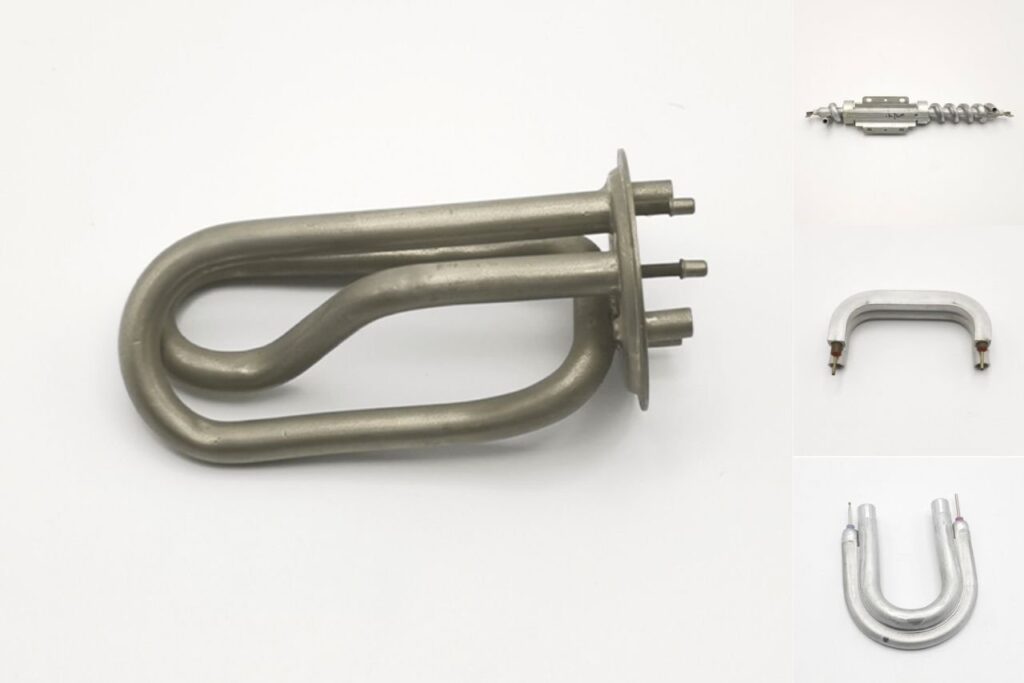
OEM versus generic Kenmore dryer heating elements is not a brand loyalty question it is a fitment, reliability, and total-cost question. Heating elements are engineered assemblies (conductive alloy + insulating/support structure + terminals), so differences in materials, terminal quality, and geometry can affect heater life, safety-device trips, and installation time.
- OEM vs generic: what the terms mean in appliance parts
- Why heating elements vary (engineering perspective)
- Pros/cons comparison (OEM vs generic)
- How to choose for your Kenmore model and usage
- Generic brand quality checklist (what to inspect)
- System risks that kill any element (airflow, terminals, overheating)
- FAQ (6)
- References & outbound links
OEM generally means a part produced to the original manufacturer s specification for the appliance platform. The practical benefit is reduced risk of subtle fitment or connector mismatches that cause heat damage or installation complications.
High-confidence repairs, rental properties, and situations where downtime is expensive.
Generic typically means a compatible replacement part designed to fit multiple models or match a common OEM form factor. Quality varies widely: some aftermarket manufacturers deliver excellent value, while others cut corners on terminals, insulation supports, or geometry.
Budget-controlled repairs when the buyer can verify compatibility and install quality.
TUTCO describes a heating element as an assembly composed of electrically conductive and insulating material designed to serve a heating purpose. That definition matters for dryer repairs: it is not just wire. Materials, support method, terminals, and operating environment determine performance and life. TUTCO reference.
This is a service-driven weighting: most repeat failures tie back to connection quality, mechanical alignment, and airflow more than marketing claims.
| Decision factor | OEM element | Generic element | What to prioritize |
|---|---|---|---|
| Fitment confidence | Usually highest | Ranges from good to poor | Exact model match; correct bracket and housing geometry |
| Installation time | Often faster | Can be slower if tolerances differ | Mounting holes, alignment, terminal layout |
| Upfront cost | Often higher | Often lower | Total cost includes returns, downtime, and repeat failures |
| Reliability risk | Typically lower variance | Higher variance by brand | Terminal integrity, insulation/support quality, coil clearance |
| Warranty/returns | Often clearer | Depends on seller | Choose suppliers with straightforward return policy |
Table 1 In practice, OEM reduces mismatch risk; high-quality generic can be excellent value if verified.
- Commercial usage, shared laundry, or rental properties
- Previous heater failures and you want the lowest variance outcome
- You suspect the original design is sensitive to exact tolerances
- Vent path is clean and airflow is strong
- You can inspect and replace overheated terminals
- You can return the part easily if fitment is off
Whirlpool s guidance for replacing a heating element in water heaters includes verifying the correct replacement by voltage/wattage on the data plate and ensuring wire connections are tight before restoring power. Even though this is a different appliance category, it highlights a universal rule for resistive heaters: mismatch or poor connections can destroy the element and create safety risk. Reference.
- Compare the old and new heater assemblies: mounting points, dimensions, terminal positions.
- Inspect coil support: no loose segments, no obvious coil-to-housing contact points.
- Inspect terminals: spade connectors should fit tightly; loose fit is a red flag.
- Run a supervised heat cycle for 10 C15 minutes.
- Confirm strong outdoor exhaust airflow.
- Check for burning smell or hot terminals (signs of loose connections).
OEM heating element, aftermarket dryer heater, Kenmore dryer no heat, thermal fuse, high-limit thermostat, dryer vent clogged.
Poor venting raises heater temperature and increases thermal fuse trips and heater burnout OEM or generic. Dryer heaters depend on airflow cooling; the environment is part of the design envelope.
Heater engineering references emphasize operating environment and temperature cycling as major drivers of heater life. Source.
Loose spade terminals create localized resistance heating, which can melt connectors and lead to intermittent heat or harness failure. If connectors are discolored or loose, replacing the element alone does not solve the problem.
Not all heating elements are comparable just because they share wattage. For example, Hudson Reed sells a 1000W plug-in heating element for radiators/towel warmers and lists IP67 ingress protection and UL approval. That kind of specification is useful for understanding application-specific design, but it is not a dryer heater replacement part. Reference.
No. Quality varies. Some aftermarket brands perform well. The key is verifying compatibility and inspecting terminals and coil support quality.
Common causes include restricted airflow, loose terminals, incorrect fitment causing coil rubbing/shorting, or installing a mismatched rating. Fixing the root cause is essential.
OEM is often worth it when downtime is expensive, when the dryer is in a high-usage environment, or when prior repairs suggest the system is sensitive to tolerance and connection quality.
Verify strong outdoor exhaust airflow during a heated cycle. Airflow is a primary control of heater temperature in dryers.
It means confirming the replacement element matches the appliance s required electrical rating. Whirlpool s heater replacement guidance explicitly directs users to check voltage and wattage against the data plate before installation. Reference.
For broader product literacy, Jinzhong s Heating Element category shows multiple heater product families. For integrated modules (often coffee appliance parts), see Die Casting Heating Solutions.
- TUTCO-Farnam definitions, materials, integration styles, and heater life considerations: https://tutco.com/conductive/heating-elements
- Whirlpool Water Heaters replacement discipline (verify voltage/wattage; tight wire connections; avoid unsafe energizing): https://www.whirlpoolwaterheaters.com/support/help/element-was-out-of-range/24
- Hudson Reed example heater product specs (1000W, IP67, UL Approved, materials, warranty): https://usa.hudsonreed.com/1000-plug-in-watt-electric-heating-element-76309
- Jinzhong (JINZHO) manufacturer and product categories (internal anchors required by this cluster): https://jinzho.com/, Heating Element, Heating Element Factory, Die Casting Heating Solutions
Originality note: This article is an original OEM-vs-generic comparison written for Kenmore dryer heater replacements. It does not reproduce source text; sources are cited for definitions, safety principles, and published specs.
Disclaimer: Educational content only. Appliance models vary. Follow model-specific service documentation and local electrical safety requirements.

