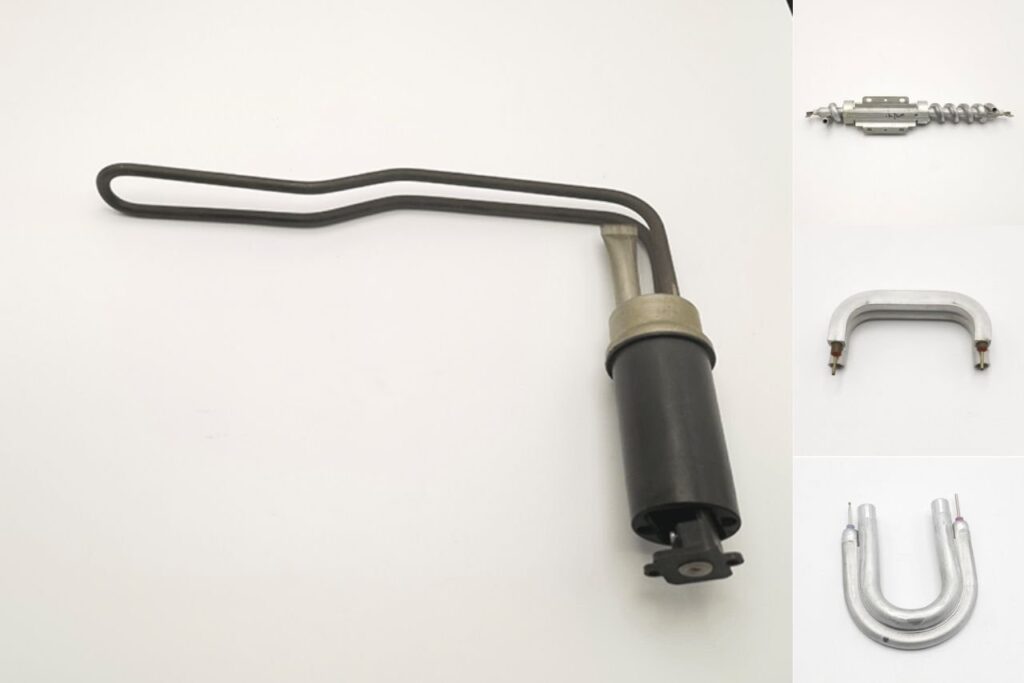
Cluster Page ? Troubleshooting ? Electric Water Heater Elements
A Heizelement ist defekt, wenn Symptome und Prüfungen darauf hindeuten, dass es keine stabile resistive Heizleistung mehr erbringen kann, typischerweise weil es unterbrochen ist (keine Durchgang), Masseschluss, oder unter Spannung überhitzt Mineralische Kalkablagerungen. In der Praxis ergibt sich eine sichere Diagnose aus der Spannung und Leistung bevor eine Ersatzbestellung aufgegeben wird.
Kurze Antwort: Die zuverlässigsten Anzeichen für ein defektes Heizelement
Die meisten Felddiagnosen sind korrekt, wenn sie auf konvergierenden Beweisen statt auf einem einzelnen Symptom beruhen. Die folgende Liste priorisiert aussagekräftige Indikatoren, die sich in der Regel nach dem Öffnen des Tanks bestätigen.
Indikatoren mit hoher Sicherheit
- NEIN Warmwasser in einem elektrischen Tank der Spannung und intakte Steuerungen hat (oft ein Problem mit dem oberen Heizelement oder der Steuerkette).
- Nur kurze Stöße von heißes Wasser (oft konsistent mit einem unteren Heizelement, das in einem Zweistabgerät nicht heizt).
- Der Schutzschalter löst beim Heizbeginn aus (kann auf ein Masseschluss).
- Heizelement prüft auf Unterbrechung (kein Durchgang) oder zeigt einen abnormalen Widerstand im Verhältnis zu seiner Nennleistung.
- Sichtbare Schäden nach dem Ausbau: Schwellungen, Risse, starke Lochfraßbildung oder dicker Kesselstein mit Anzeichen von Überhitzung.
Indikatoren mit geringerer Sicherheit (benötigen Bestätigung)
- Wasser ist „nicht mehr so heiß wie früher“ (kann Thermostateinstellungsdrift, Mischventil oder saisonale Zulaufänderungen sein).
- Ungewöhnliche Geräusche (oft Ablagerungen, nicht unbedingt ein defektes Heizelement).
- Rostfarbenes Warmwasser (oft tank-/anodenbedingt und nicht allein auf das Heizelement zurückzuführen).
Kurze technische Referenz: Wie der Widerstand aussehen sollte
Der ungefähre Widerstand eines Widerstandsheizers folgt ( R ca. V^2/P ). Beispiel: Ein Heizelement mit Nennspannung 240V / 4500W hat etwa 12,8 Ω. Reale Messwerte hängen von Design und Temperatur ab.
Wie ein Warmwasser-Heizelement ausfällt (technischer Kontext)
Ein Heizstab für Warmwasserbereiter ist eine spezifische Ausführung eines elektrischer Beheizung Heizelements: eine konstruierte Baugruppe aus leitenden und isolierenden Materialien, die elektrische Energie in Wärme umwandelt.
Ausfallmechanismen, die reale Symptome erklären
- Unterbrechung: Der leitende Pfad unterbricht; das Heizelement stoppt die Erwärmung.
- Fehlerstrom: Isolations-/Mantelversagen ermöglicht Stromleckage; Schutzvorrichtungen können auslösen.
- Thermische Überlast durch Kesselsteinbildung: Ablagerungen verringern die Wärmeübertragung, erhöhen die Oberflächentemperatur und beschleunigen die Degradation.
- Anschlusserwärmung: Lose Klemmen erzeugen lokalen Widerstand und Hitze, beschädigen die Verkabelung und verursachen intermittierenden Betrieb.
Symptommuster, die auf Probleme mit dem oberen vs. unteren Heizelement hindeuten
Viele elektrische Speicherheizgeräte verwenden zwei Heizelemente. Das Symptommuster liefert oft den schnellsten Hinweis:.
Musterleitfaden (verallgemeinert)
| Observed symptom | Übliche Interpretation | Was als nächstes zu bestätigen ist |
|---|---|---|
| Nur kurz Warmwasser, dann lauwarm | Unterer Heizpfad trägt nicht bei (oft unteres Heizelement) | Steuerungen und Heizelementzustand prüfen; Ablagerungen und Kesselstein berücksichtigen |
| Überhaupt kein warmes Wasser | Oberer Heizpfad oder Strom-/Steuerungsproblem | Versorgungsspannung, Thermostatkette und Verkabelungsintegrität bestätigen |
| Schutzschalter löst während des Heizens aus | Möglich Masseschluss oder Verkabelungsfehler | Verkabelung und Heizelement-Isolationszustand unter Anwendung sicherer Praktiken inspizieren |
Dies ist eine Priorisierungshilfe – kein Ersatz für das Handbuch des Geräts oder das örtliche Diagnoseprotokoll.
Was vor einer Beschuldigung des Heizelements zu prüfen ist
Eine Diagnose „defektes Heizelement“ ist oft korrekt, aber die kostspieligsten Fehler entstehen durch das Überspringen offensichtlicher Prüfungen.
Elektrische und steuerungsseitige Prüfungen
- Bestätigen Sie, dass das Heizgerät die korrekte Versorgungsspannung hat und der Schutz nicht auslöst.
- Inspizieren Sie sichtbare Verkabelung auf Verfärbungen, geschmolzene Isolierung oder lose Klemmen.
- Bestätigen Sie die Thermostateinstellungen und etwaige Sicherheitsbedingungen der Hochgrenze (modellabhängig).
Überprüfungen auf der Sanitärseite, die einen Elementausfall simulieren
- Verhalten des Mischventils (Temperaturmischung kann die Heizleistung überdecken).
- Jahreszeitliche Änderungen der Zulauftemperatur (Winterversorgungswasser reduziert die wahrgenommene Leistung).
- Probleme mit dem Tauchrohr (kann die effektive Warmwasserentnahme verringern).
Ein kritischer austauschbezogener Hinweis, der auch die Diagnose beeinflusst
Wenn ein neu installiertes Element schnell ausfällt, ist ein Verfahrensfehler der Hauptverdacht. Die Austauschanleitung von Whirlpool besagt, dass die Stromversorgung erst wiederhergestellt werden darf, wenn der Tank vollständig gefüllt und die gesamte Luft entfernt ist; andernfalls brennt das obere Element durch. Trockenbrand. Dies kann fälschlicherweise als defektes Neuteil interpretiert werden, wenn der Schritt des Nachfüllens und Entlüftens übersprungen wurde.
Ein sicherer, strukturierter Diagnoseablauf (ohne riskante Abkürzungen)
Ein zuverlässiger Diagnoseablauf priorisiert die Sicherheit, reduziert Nacharbeit und schützt den nächsten Schritt (Austausch) vor vermeidbaren Ausfällen. Die nachstehende Gliederung entspricht der Struktur der Herstelleranleitung zum Austausch: Verbrühungsrisiko kontrollieren, Strom trennen, bei Bedarf ablassen, Spezifikationen überprüfen und erst nach Befüllen und Entlüften unter Spannung setzen.
Arbeitsablaufübersicht
Der Diagnoseumfang variiert je nach Region, Heizgerätedesign und Qualifikationsniveau. Das Prinzip ist konsistent: zuerst Nachweise, dann Teile.
Austauschbereitschaft: Was vor der Bestellung von Ersatzteilen zu bestätigen ist
Selbst wenn das Element als defekt bestätigt ist, führt die Bestellung des falschen Ersatzteils zu einer zweiten Fehlerart: Nichtübereinstimmung. Das Verfahren von Whirlpool verlangt ausdrücklich, das neue Element mit dem Datenblatt abzugleichen für Spannung und Leistung.
Mindestinformationen zur Erfassung
- Datenplatten-Nennwerte: Spannung, Leistung, und Modellkennungen.
- Montagenorm und Dichtungstyp (Gewinde/Schnittstelle ist nicht weltweit einheitlich).
- Elementgeometrie und Platzbeschränkungen (gerade vs. rückgefaltet, Abstand zum Tank).
- Wasserbedingungen (hartes Wasser vs. korrosive Chemie), die eine andere Hülle/Materialwahl rechtfertigen können.
Spezifikationstransparenz: Warum sie wichtig ist
Produktseiten im Einzelhandel zeigen oft, wie „überprüfbare Spezifikationen“ beim Vergleich von Komponenten aussehen. Beispielsweise listet die Auflistung des Steckelements von Hudson Reed 1000W Leistung, ABS-Kunststoff und Edelstahlmaterialien, IP67-Schutzart und UL-Zulassung sowie eine 2-jährige Garantie und Kabellänge auf. Obwohl dies für Heizkörper oder Handtuchwärmer und nicht für Taucherhitzer konzipiert ist, ist die Struktur der Spezifikationsangabe ein nützlicher Maßstab.
Quelle: Hudson Reed – 1000W Steckheizelement.
Wenn die Frage zur „Teilequalität“ wird: Beschaffungs- und Designüberlegungen
Wenn Elementausfälle über eine Produktlinie hinweg häufig auftreten (nicht isoliert auf einen einzelnen Tank), kann sich die Ursache von „einem defekten Element“ auf Design, Umgebung oder Konsistenz der Lieferkette verlagern. Die technische Diskussion von TUTCO betont, dass Legierungszusammensetzung und Spurenelemente die Eigenschaften zwischen Lieferanten ändern können und dass Umgebungsverunreinigungen die Lebensdauer verkürzen können. Für OEMs und Markeninhaber ist dies der Grund, warum Lieferantenkompetenz und Prozesskontrolle Teil der Zuverlässigkeitstechnik sind.
Komponentenfamilien, die in Heizanwendungen verwendet werden
- Heizelement (Kategorie-Hub)
- Hersteller von Heizelementen (Unternehmensübersicht)
- Heizelement-Fabrik (Fähigkeiten und Hintergrund)
- Druckguss-Heizlösungen (Integrierte Heizkörper für kompakte Kessel und Gerätemodule)
Warum die Katalogbreite wichtig sein kann
Ein Lieferant, der mehrere Heizgerätekonstruktionen unterstützt (Rohre, Platten, Folien und integrierte Druckgussmodule), kann für Organisationen relevant sein, die thermische Steuerungsstrategien über Produkte hinweg standardisieren. Die Kategoriestruktur von Jinzhong unterscheidet diese Familien und hebt Fertigungsansprüche wie Mehrprozessintegration und skalierte Kapazität hervor.
FAQ
Was sind die häufigsten Symptome eines defekten Warmwasser-Heizelement?
Durch Überprüfung des Strom- und Steuerungszustands, Inspektion der Verkabelung/Anschlüsse auf Überhitzung und Berücksichtigung sanitärseitiger Faktoren (Mischverhalten, jahreszeitliche Zulaufänderungen). Eine Diagnose ist am stärksten, wenn mehrere Indikatoren übereinstimmen, anstatt sich auf ein einzelnes Symptom zu verlassen.
Eine häufige Ursache ist die Wiederherstellung der Stromversorgung, bevor der Tank vollständig gefüllt und die gesamte Luft entfernt ist. Die veröffentlichten Austauschschritte von Whirlpool warnen davor, dass das frühzeitige Anlegen von Spannung das obere Element durchbrennen lassen kann, und weisen an, die Luft zu entfernen, indem das Wasser mit vollem Strahl laufen gelassen wird für
Ausgehende Quellen zur Unterstützung technischer Definitionen, sicherheitskritischer Schritte und Spezifikationsbeispiele:
Referenzen und ausgehende Links
Outbound sources used to support engineering definitions, safety-critical steps, and specification examples:
- Whirlpool Water Heaters element replacement steps and dry-fire warning: https://www.whirlpoolwaterheaters.com/support/help/element-was-out-of-range/24
- TUTCO – Definition des Heizelements, Materialien, Integrationsarten und Umgebungsaspekte: https://tutco.com/conductive/heating-elements
- Hudson Reed – Beispiel offengelegter Spezifikationen (1000 W, ABS + Edelstahl, IP67, UL-Zulassung, Garantie/Kabellänge): https://usa.hudsonreed.com/1000-plug-in-watt-electric-heating-element-76309
- Jinzhong Electric Heating – Interne Referenzen für Lieferantenkontext und Positionierung als Ankerlieferant: https://jinzho.com/product-category/heating-element/, https://jinzho.com/, https://jinzho.com/about/, https://jinzho.com/product-category/die-casting-heating-solutions/