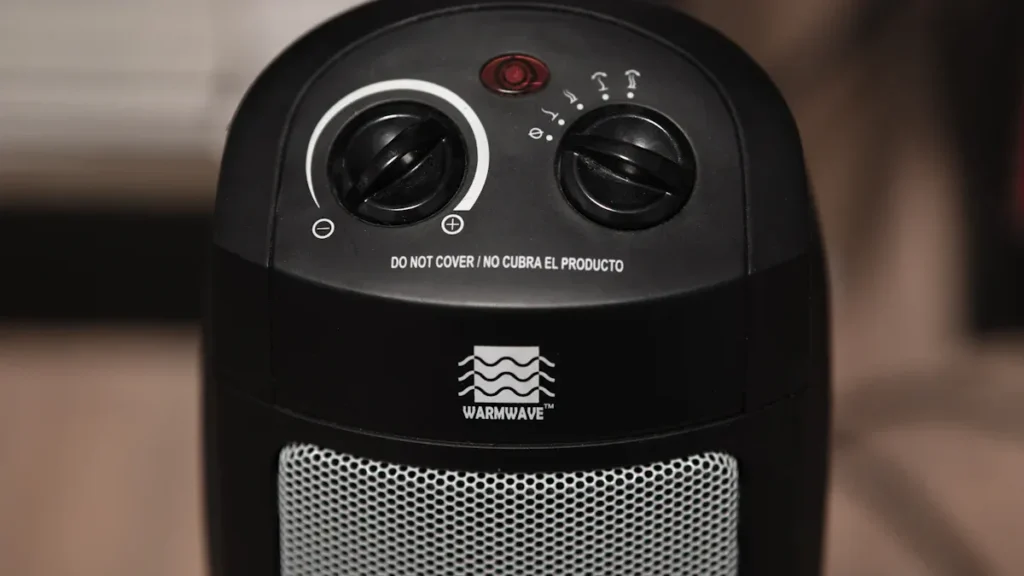
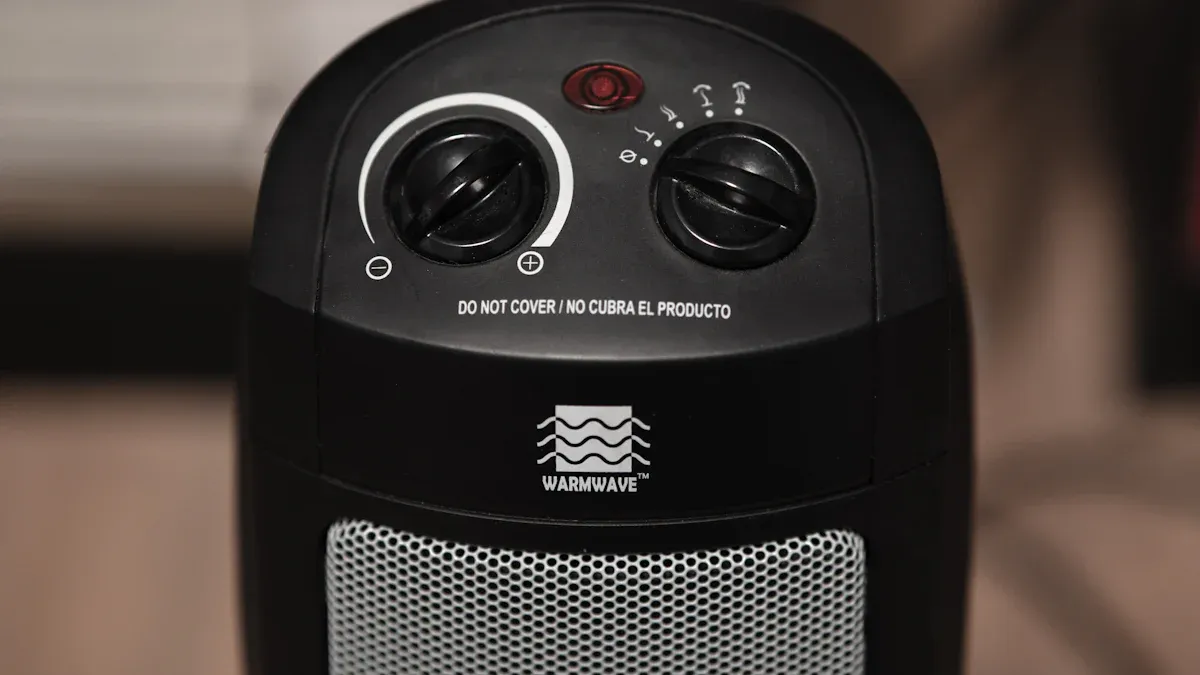
Sie verlassen sich auf die Heizelement in Ihrer Klimaanlage, um in jeder Jahreszeit eine angenehme Temperatur zu halten. Eine zuverlässige Klimaanlagenleistung sorgt für sofortigen Komfort und hilft Ihnen, Energie zu sparen. Viele Heiz- und Kühlsysteme verwenden Heizelemente für Haushaltsgeräte aus vertrauenswürdigen Quellen wie Jinzhong Elektroheizung. Hersteller von Heizelementen konstruieren diese Komponenten für Langlebigkeit, um Ihr Zuhause warm zu halten, wenn Sie es am meisten brauchen.
- Gleichmäßige Wärme schafft eine einladende Umgebung.
- Effizienter Betrieb senkt die Energiekosten.
- Hochwertige Heizelemente gewährleisten langfristige Zuverlässigkeit.
Grundlagen von Heizelementen in Klimaanlagen

Definition und Zweck
Grundlegende Funktion von Heizelementen
Sie verlassen sich auf Heizelemente, um in Ihrem Zuhause Wärme zu erzeugen. Diese Komponenten wandeln elektrische Energie in Wärme um und verwenden Heizspulen als primäre Quelle. Wenn Sie den Heizmodus Ihrer Klimaanlage aktivieren, beginnen die Heizspulen, die durch das System zirkulierende Luft zu erwärmen. Dieser Prozess stellt sicher, dass Sie gleichmäßigen Komfort erleben, besonders in den kälteren Monaten. Heizelemente spielen eine entscheidende Rolle bei der Aufrechterhaltung einer stabilen Raumtemperatur, sodass Sie unabhängig von der Jahreszeit eine behagliche Umgebung genießen können.
Rolle in modernen HLK-Systemen
Moderne HLK-Systeme verlassen sich auf Heizelemente, um effiziente und zuverlässige Heizung zu liefern. Sie profitieren von fortschrittlicher Technologie, die Heizspulen mit anderen Systemkomponenten integriert. Das Heizelement arbeitet zusammen mit Ventilatoren und Thermostaten und reagiert schnell auf Temperaturänderungen. Diese Integration ermöglicht es Ihrer Klimaanlage, optimale Leistung zu erbringen und sowohl Heizung als auch Kühlung nach Bedarf bereitzustellen. Sie erleben eine verbesserte Energieeffizienz und mehr Kontrolle über das Raumklima in Ihrem Zuhause.
Arten von Heizelementen
Elektrische Widerstandsheizelemente
Elektrische Widerstandsheizelemente verwenden Heizspulen aus Materialien wie Nickel-Chrom. Sie erhalten direkte Wärme, wenn Strom durch die Spulen fließt, wodurch diese hohe Temperaturen erreichen. Diese Elemente bieten einen unkomplizierten Betrieb und schnelle Reaktionszeiten. Elektrische Widerstandsheizelemente finden sich häufig in Wohnraum-HLK-Systemen aufgrund ihrer Zuverlässigkeit und einfachen Wartung.
Wärmepumpenelemente
Wärmepumpenelemente funktionieren anders als herkömmliche Heizspulen. Sie profitieren von einer Technologie, die Wärme aus der Außenluft in Ihr Zuhause überträgt, anstatt Wärme direkt zu erzeugen. Diese Methode verbraucht weniger Strom und sorgt für effiziente Heizung in milden Wintern. Sie bemerken niedrigere Energiekosten und gleichmäßige Wärme, wenn Ihr HLK-System Wärmepumpenelemente enthält.
Hybride Heizelemente, die elektrische und Wärmepumpentechnologie kombinieren
Hybride Heizelemente vereinen die Stärken von elektrischem Widerstand und Wärmepumpentechnologie. Sie gewinnen an Flexibilität und Effizienz, da das System je nach Außenbedingungen zwischen Heizspulen- und Wärmepumpenbetrieb umschaltet. Dieser Ansatz stellt sicher, dass Ihr Zuhause auch bei extremer Kälte warm bleibt, während bei milderen Wetterbedingungen maximale Energieeinsparungen erzielt werden.
Standort und Integration
Platzierung innerhalb von Klimaanlagengeräten
Heizspulen befinden sich im Hauptgerät der Klimaanlage, oft in der Nähe des Gebläses oder des Luftbehandlungsgeräts. Sie profitieren von einer strategischen Platzierung, die es der erwärmten Luft ermöglicht, direkt in Ihre Wohnräume zu strömen. Die richtige Positionierung stellt sicher, dass das Heizelement effizient arbeitet und die Wärme gleichmäßig in Ihrem Zuhause verteilt.
Integration mit anderen HLK-Komponenten
Wenn Ihr HLK-System in Betrieb ist, arbeiten mehrere Komponenten zusammen, um die Leistung des Heizelements zu optimieren:
- Thermostate überwachen und regeln die Temperatur und aktivieren die Heizspulen bei Bedarf.
- Sensoren liefern Echtzeitdaten, sodass Steuerungen die Heizleistung anpassen können.
- Klappen und Ventilatoren zirkulieren die Luft und sorgen für eine gleichmäßige Verteilung der Wärme.
- Eine zentrale Steuerung verwaltet Temperatur, Luftfeuchtigkeit und Luftqualität für maximalen Komfort und Effizienz.
Sie erleben einen nahtlosen Betrieb, da Ihr Heizelement mit diesen Komponenten integriert ist. Diese Zusammenarbeit verbessert die Energieeffizienz und hält Ihr Zuhause das ganze Jahr über komfortabel.
Wie Heizelemente Ihr Zuhause erwärmen
Wärmeerzeugungsprozess
Wie Elektrizität in Heizelementen Wärme erzeugt
Sie verlassen sich auf das Heizelement in Ihrem HLK-System, um elektrische Energie in Wärme umzuwandeln. Dieser Prozess, bekannt als Joulesche Heizung, beginnt, wenn Strom durch die Heizspulen fließt. Die Spulen wirken als Widerstände, und während der elektrische Strom hindurchfließt, verursacht der Widerstand, dass die Spulen heiß werden. Sie profitieren von dieser direkten Umwandlung, da sie sofortige Wärme liefert. Die Heizspulen erreichen schnell hohe Temperaturen und stellen sicher, dass Ihr Zuhause Wärme erhält, sobald Sie das System aktivieren.
Umwandlung von Energie in Wärme
Sobald die Heizspulen Wärme erzeugen, transportiert Ihr HLK-System diese Wärme in Ihre Wohnräume. Das Gebläse oder der Ventilator der Klimaanlage drückt Luft über die heißen Spulen. Wenn die Luft über die Spulen strömt, absorbiert sie die Wärme und transportiert sie durch die Kanäle oder direkt in den Raum. Sie erleben einen stetigen Temperaturanstieg, der eine angenehme Umgebung schafft. Die Effizienz dieses Prozesses hängt von der Qualität des Heizelements und der Auslegung des HLK-Systems ab.
Wärmeverteilungsmethoden
Luftstrom- und Zirkulationstechniken
Ihr HLK-System verwendet mehrere Methoden, um die vom Heizelement erzeugte Wärme zu verteilen. Die gängigsten Techniken umfassen Zwangsluft, Strahlungswärme und Konvektion. Zwangsluftsysteme verwenden Ventilatoren, um erwärmte Luft durch Kanäle zu bewegen, während Strahlungssysteme Wärme direkt von den Heizspulen auf Oberflächen im Raum übertragen. Konvektion beruht auf natürlicher Luftbewegung, um Wärme zu zirkulieren.
| Heizmethode | Beschreibung | Vorteile |
|---|---|---|
| Ofen | Erwärmt Luft und verteilt sie durch Kanäle. | Effizient für Häuser mit vorhandenen Kanälen. |
| Heizkessel | Erwärmt Wasser und verteilt es durch Rohre zu Heizkörpern. | Ermöglicht mehrere Thermostate in verschiedenen Räumen. |
| Wärmepumpe | Entzieht der Außenluft Wärme und verteilt sie über Ventilatoren oder Kanäle. | Hocheffizient und nachhaltig. |
Sie können auch auf andere Heizmethoden in Wohngebäuden stoßen:
- Elektrische Fußleistenheizung
- Kerosinheizung
- Holzöfen
- Kamine, die Holz, Kohle oder Erdgas verbrennen
Jede Methode arbeitet mit dem Heizelement zusammen, um eine gleichmäßige Wärmeverteilung in Ihrem Zuhause zu gewährleisten.
Thermostatsteuerung und -regelung
Sie steuern den Betrieb Ihres Heizelements mit einem Thermostat. Der Thermostat überwacht die aktuelle Raumtemperatur und vergleicht sie mit Ihrem gewünschten Sollwert. Wenn die Temperatur unter Ihr gewähltes Niveau fällt, signalisiert der Thermostat dem HLK-System, die Heizspulen zu aktivieren. Wenn der Raum die eingestellte Temperatur erreicht, schaltet der Thermostat das Heizelement aus, um eine Überhitzung zu verhindern.
| Aspekt | Beschreibung |
|---|---|
| Rolle des Thermostats | Ein Thermostat ist Teil des Temperaturregelungssystems, das die Raumtemperaturen reguliert. |
| Sollwerte | Die vom Benutzer eingestellte Temperatur; Thermostate haben oft Heiz- und Kühlsollwerte. |
| HLK-Betrieb | Das HLK-System passt die Raumtemperatur an den Sollwert an und heizt oder kühlt nach Bedarf. |
| Temperaturüberwachung | Der Thermostat überwacht kontinuierlich die Raumtemperatur und signalisiert dem HLK-System, entsprechend nachzuregeln. |
Moderne Thermostate bieten erweiterte Funktionen. Sie können für verschiedene Tageszeiten oder Wochentage unterschiedliche Temperaturen programmieren. Diese Flexibilität hilft Ihnen, den Komfort zu erhalten und gleichzeitig den Energieverbrauch zu senken. Digitale und intelligente Thermostate ermöglichen eine präzise Steuerung, sodass Sie die Leistung Ihres Heiz- und Kühlsystems optimieren können.
Effizienz und Leistung
Faktoren, die die Heizeffizienz beeinflussen
Mehrere Faktoren beeinflussen, wie effizient Ihr Heizelement in Ihrer HLK-Anlage arbeitet:
- Luftfilter: Verschmutzte Filter behindern den Luftstrom, zwingen die Heizspulen zu höherer Leistung und verringern die Effizienz.
- Thermostateinstellung: Das Absenken der Thermostat-Solltemperatur kann den Energieverbrauch reduzieren.
- Dämmung Ihres Hauses: Schlechte Dämmung lässt Wärme entweichen, wodurch das Heizelement länger laufen muss.
- Alter Ihrer HLK-Anlage: Ältere Systeme sind oft weniger effizient als moderne Geräte.
- Wartungshistorie: Regelmäßige Wartung hält Heizspulen und andere Komponenten in optimalem Zustand.
Sie können die Effizienz verbessern, indem Sie diese Faktoren angehen und so sicherstellen, dass Ihr Heizelement optimale Leistung erbringt.
Energieeffizienzmerkmale von Heizelementen
Moderne Heizelemente umfassen mehrere Energieeffizienzmerkmale, die Ihnen helfen, Betriebskosten und Umweltauswirkungen zu reduzieren.
| Merkmal | Beschreibung |
|---|---|
| Programmierbarer Thermostat | Ermöglicht das Einstellen verschiedener Temperaturen über den Tag, wodurch Energie nur bei Bedarf verbraucht wird. |
| Motoren mit variabler Drehzahl | Passt die Geschwindigkeit bedarfsgerecht an und reduziert so den Energieverbrauch. |
| Zweistufige Verdichter | Arbeitet die meiste Zeit mit geringerer Leistung, spart Energie und bewahrt den Komfort. |
| Wärmerückgewinnungsventilatoren | Tauscht verbrauchte Innenluft gegen frische Außenluft aus und gewinnt dabei Wärme oder Kälte aus der Abluft zurück. |
Sie können auch von folgenden profitieren:
- Intelligente Thermostate: Diese Geräte lernen Ihre Gewohnheiten und passen Einstellungen automatisch an, sparen Energie, wenn Sie nicht zu Hause sind.
- Hocheffiziente HLK-Geräte: Ein Umstieg auf ENERGY STAR-zertifizierte Systeme kann Ihren Energieverbrauch um bis zu 20% senken.
Durch die Wahl von Heizelementen mit diesen Merkmalen maximieren Sie den Komfort und minimieren Energieverschwendung in Ihrem Zuhause.
Arten von Heizelementen und ihre Anwendungen
Elektrische Heizelemente
Vor- und Nachteile elektrischer Heizelemente
Elektrische Heizelemente werden oft aufgrund ihrer Zuverlässigkeit und einfachen Bedienung gewählt. Diese Komponenten nutzen Heizspulen, um Elektrizität direkt in Wärme umzuwandeln. Sie profitieren von schnellen Reaktionszeiten und einfacher Wartung. Elektrische Heizelemente funktionieren gut in vielen Wohnumgebungen, insbesondere wenn Sie gleichmäßige Wärme benötigen.
Allerdings können höhere Energiekosten auftreten, wenn Sie sich ausschließlich auf elektrische Heizelemente verlassen. Diese Systeme können in größeren Häusern oder bei extremer Kälte an Effizienz verlieren. Sie müssen die Dämmung Ihres Hauses und Ihren Energiebedarf berücksichtigen, bevor Sie diese Option wählen.
Häufige Anwendungen in Wohn-HLK-Systemen
Elektrische Heizelemente finden Sie in mehreren Arten von Wohn-HLK-Systemen. Die folgende Tabelle hebt die häufigsten Anwendungen hervor:
| Art des elektrischen Heizelements | Beschreibung und Anwendungen |
|---|---|
| Elektroofen | Verwendung von Widerstandsspulen zum Heizen von Luft und ist effizient für Häuser mit Luftkanalsystemen. |
| Fußbodenheizung | Bietet leise, gleichmäßige Wärme von unten, ideal für kleinere Bereiche. |
| Hocheffiziente elektrische Sockelleistenheizungen | Nutzt Konvektion zum Aufheizen von Räumen, effizient für kleinere Häuser. |
| PTAC-Geräte (Packaged Terminal Air Conditioner) | Kompakte Geräte für Heizung und Kühlung, geeignet für Bereiche ohne Luftkanalsystem. |
Sie wählen die beste Option basierend auf Ihrem Grundriss und Heizbedarf.
Wärmepumpentechnologie
Unterschiede zwischen Wärmepumpen und traditionellen Heizelementen
Sie erzielen erhebliche Vorteile, wenn Sie Wärmepumpentechnologie in Ihrer HLK-Anlage einsetzen. Im Gegensatz zu traditionellen elektrischen Heizelementen transportieren Wärmepumpen Wärme von einem Ort zum anderen, anstatt sie direkt mit Heizspulen zu erzeugen. Dieser Prozess steigert die Effizienz und reduziert den Energieverbrauch. Die folgende Tabelle vergleicht wichtige Merkmale:
| Merkmal | Wärmepumpen | Elektrische Widerstandsheizung |
|---|---|---|
| Funktionsweise | Transportiert Wärme von einem Ort zum anderen | Wandelt Elektrizität direkt in Wärme um |
| Wirkungsgrad | Effizienter in gemäßigtem Klima | Weniger effizient aufgrund von Energieverlusten |
| Energieverbrauch | Kann den Energieverbrauch um bis zu 50% reduzieren | Fast 100% der Elektrizität wird in Wärme umgewandelt |
| Wartung und Emissionen | Geringer Wartungsaufwand, keine Emissionen | Einfach und zuverlässig, kann aber teuer sein |
Sie stellen fest, dass Wärmepumpen in mildem Klima eine bessere Leistung erbringen und Ihnen helfen, Ihre Betriebskosten zu senken.
Saisonale Leistung und Anpassungsfähigkeit
Sie erleben beeindruckende saisonale Anpassungsfähigkeit mit Wärmepumpen-Heizelementen. Diese Systeme erreichen Wirkungsgrade zwischen 300 % und 500 %, während traditionelle Öfen nur 80 % bis 98 % erreichen. Sie profitieren während des größten Teils des Jahres von einer hohen Leistung, obwohl bei extremer Kälte möglicherweise zusätzliche Heizspulen oder Backup-Systeme erforderlich sind.
| Heizelement-Typ | Wirkungsgrad (%) |
|---|---|
| Wärmepumpen | 300 % – 500 % oder mehr |
| Traditionelle Systeme (Öfen) | 80 % – 98 % |
Sie maximieren Komfort und Energieeinsparungen, indem Sie das richtige System für Ihr Klima wählen.
Hybride und fortschrittliche Heizelement-Technologien
Innovationen im Design von Heizelementen
Sie erleben rasche Fortschritte bei hybriden und fortschrittlichen Heizelement-Technologien. Die Integration intelligenter Funktionen und IoT-Konnektivität ermöglicht es Ihnen, Ihr HLK-System in Echtzeit zu überwachen und zu steuern. Hybride Heiztechnologien kombinieren elektrische Wärmepumpen und traditionelle Heizspulen, um die Energieeffizienz zu steigern. Sie profitieren von einem besseren Energiemanagement und verbessertem Komfort.
Tipp: Die A.O. Smith Hybride Elektro-Wärmepumpe entzieht der Luft Wärme und liefert bis zu dreimal mehr Wärme als die von ihr verbrauchte Energie. Sie senken Ihre Stromrechnungen und unterstützen die Nachhaltigkeit, indem Sie dieses innovative System nutzen.
Zu den jüngsten Innovationen gehören:
- Keramik-, Infrarot- und flexible Materialien für verbesserte Effizienz.
- Hybride Systeme, die Konvektions-, Strahlungs- und Induktionsheizmethoden kombinieren.
- Designs, die Energieverschwendung reduzieren und die thermische Effizienz verbessern.
Vergleiche mit Standard-Heizoptionen
Sie vergleichen hybride Heizelemente mit Standardoptionen und stellen klare Vorteile fest. Hybride Systeme optimieren die Energieeffizienz, indem sie zwischen elektrischen Wärmepumpen und traditionellen Öfen wechseln. Sie sehen niedrigere Energiekosten und eine schnellere Kapitalrendite, oft innerhalb von drei bis fünf Jahren. Hybride Heizelemente bieten zuverlässige Wärme und helfen Ihnen, die Kosten effektiver zu verwalten als Standardsysteme.
Identifizieren und Beheben von Problemen mit defekten Heizelementen

Anzeichen eines defekten Heizelements
Ungewöhnliche Geräusche oder Gerüche aus dem Gerät
Sie bemerken möglicherweise, dass Ihre Klimaanlage seltsame Geräusche von sich gibt oder unangenehme Gerüche verströmt. Diese Symptome deuten oft auf ein defektes Heizelement hin. Klappernde, summende oder knallende Geräusche können auf elektrische Probleme oder ein durchgebranntes Heizelement hinweisen. Unangenehme Gerüche, wie ein verbranntes Aroma, können auf Überhitzung oder beschädigte Komponenten zurückzuführen sein. Diese Warnsignale deuten darauf hin, dass Sie Ihre Klimaanlage überprüfen und eine Heizungsreparatur in Betracht ziehen sollten, bevor sich das Problem verschlimmert.
Tipp: Wenn Sie anhaltende Gerüche oder Geräusche feststellen, schalten Sie Ihr System aus und vereinbaren Sie eine professionelle Inspektion, um weitere Schäden zu vermeiden.
Ungleichmäßige oder unzureichende Erwärmung
Möglicherweise erleben Sie, dass Räume nie Ihre gewünschte Temperatur erreichen oder eine ungleichmäßige Wärmeverteilung in Ihrem Zuhause bemerken. Ungleichmäßige Erwärmung oder unzureichend erwärmte Luft weist oft auf ein defektes oder schlechtes Heizelement hin. Sie können auch einen plötzlichen Anstieg der Energiekosten feststellen, der darauf zurückzuführen sein kann, dass Ihr System härter arbeitet, um die verlorene Effizienz auszugleichen.
- Häufige Anzeichen sind:
- Ungleichmäßige Erwärmung
- Unzureichend erwärmte Luft
- Erhöhte Energierechnungen
Fehlerbehebung bei Problemen mit defekten Heizelementen
Grundlegende Überprüfungen, die Hausbesitzer selbst durchführen können
Sie können mehrere Schritte unternehmen, um Probleme mit dem Heizelement zu identifizieren, bevor Sie einen Heizungsreparaturdienst rufen:
- Thermostateinstellungen prüfen um sicherzustellen, dass sie nicht verriegelt oder falsch eingestellt sind.
- Überprüfen und ersetzen Sie verschmutzte Ofenfilter.
- Stellen Sie einen ordnungsgemäßen Luftstrom sicher, indem Sie auf blockierte oder getrennte Luftkanäle prüfen.
- Suchen Sie nach ausgelösten Sicherungen oder durchgebrannten Schaltern in Ihrer Elektrik.
- Vergewissern Sie sich, dass der Thermostat nicht in der Nähe von Zugluft oder direktem Sonnenlicht platziert ist.
Diese grundlegenden Überprüfungen helfen Ihnen, einfache Probleme auszuschließen und können die ordnungsgemäße Funktion Ihrer Klimaanlage wiederherstellen.
Wann Sie einen professionellen Heizungsreparaturdienst aufsuchen sollten
Sie sollten einen Heizungsreparaturspezialisten kontaktieren, wenn nach der Durchführung grundlegender Überprüfungen weiterhin Probleme auftreten. Anhaltende Probleme, wie ein durchgebranntes Heizelement oder wiederkehrende elektrische Fehler, erfordern eine fachmännische Diagnose und Reparatur. Professionelle Techniker verfügen über die Werkzeuge und das Fachwissen, um komplexe Probleme sicher zu beheben und die Leistung Ihrer Klimaanlage wiederherzustellen.
Entscheidungen zwischen Reparatur und Austausch
Kostenüberlegungen zur Heizungsreparatur
Sie müssen die Kosten einer Reparatur gegen die eines Austauschs abwägen. Wenn Sie feststellen, dass Sie häufig Reparaturen benötigen, oder wenn die gesamten Reparaturkosten der letzten zwei Jahre nahe an die Hälfte des Preises eines neuen Systems heranreichen, kann ein Austausch wirtschaftlicher sein. Die Kosten für die Reparatur oder den Austausch von HLK-Teilen variieren je nach spezifischem Schaden sowie der Qualität des Produkts und der Arbeitsleistung. Im Laufe der Zeit, können sich häufige Reparaturen zu erheblichen Kosten summieren, insbesondere bei älteren Systemen.
| Teil | Durchschnittliche Reparaturkosten | Durchschnittliche Austauschkosten |
|---|---|---|
| Ofen | 130 € – 500 € | 2.600 € – 6.200 € |
Langlebigkeit und Zuverlässigkeit verschiedener Heizelementtypen
Sie sollten die erwartete Lebensdauer Ihres Heizelements berücksichtigen, wenn Sie zwischen Reparatur und Austausch entscheiden. Die folgende Tabelle vergleicht die Langlebigkeit gängiger Heizelementtypen in Wohnanwendungen:
| Heizelement | Geschätzte Lebensdauer |
|---|---|
| Elektrische Fußleistenheizung | 10-20 Jahre |
| Mini-Splits | 15-20 Jahre |
| Erdwärmepumpe | 10-15 Jahre |
| Erdgas | 15-20 Jahre |
| Propan | 10-15 Jahre |
| Steinofen | Bis zu 25 Jahre |
| Moderner Holzofen | 20-30 Jahre |
Sie maximieren Zuverlässigkeit und Komfort, indem Sie die richtige Lösung für die Anforderungen Ihres Hauses wählen.
Heizungsreparatur und -wartung für ganzjährige Wärme
Regelmäßige Wartungsschritte
Reinigung und Inspektion der Heizelemente
Sie halten Ihr Zuhause komfortabel, indem Sie regelmäßige Wartungsarbeiten an Ihrer Heizungsanlage durchführen. Die Reinigung und Inspektion des Heizelements gewährleistet einen effizienten Betrieb und verlängert dessen Lebensdauer. Sie sollten:
- Luftfilter reinigen oder austauschen, um einen ordnungsgemäßen Luftstrom aufrechtzuerhalten.
- Die innenliegende Verdampferschlange nach Bedarf inspizieren und reinigen.
- Ablagerungen von der außenliegenden Kondensatorschlange entfernen, um einen ausreichenden Luftstrom zu unterstützen.
- Verbogene Lamellen der Schlange richten, um einen effizienten Betrieb Ihres Systems zu unterstützen.
- Kondensatabläufe reinigen, um Verstopfungen zu vermeiden und die ordnungsgemäße Funktion aufrechtzuerhalten.
Regelmäßige Reinigung und Inspektion helfen Ihnen, unerwartete Ausfälle zu vermeiden und Ihr System reibungslos laufen zu lassen.
Überprüfung der elektrischen Anschlüsse und der Sicherheit
Sie schützen Ihr Zuhause und Ihre Investition, indem Sie alle elektrischen Anschlüsse überprüfen. Lose oder korrodierte Drähte können Fehlfunktionen oder sogar Sicherheitsrisiken verursachen. Während der Wartung sollten Sie:
- Alle Verkabelungen auf Anzeichen von Verschleiß oder Beschädigung inspizieren.
- Lose Verbindungen festziehen.
- Sicherstellen, dass alle Sicherheitsschalter und Steuerungen ordnungsgemäß funktionieren.
Wenn Sie Probleme feststellen, vereinbaren Sie einen professionellen Reparaturtermin, um diese zu beheben, bevor sie ernst werden.
Tipps zur vorbeugenden Pflege
Planung regelmäßiger Heizungsreparaturen und -wartungen
Sie verringern das Risiko plötzlicher Ausfälle, indem Sie regelmäßige Reparatur- und Wartungstermine planen,, insbesondere außerhalb der Hauptsaison. Techniker können bei diesen Besuchen Komponenten reinigen, Flüssigkeitsstände überprüfen und elektrische Anschlüsse inspizieren. Die frühzeitige Erkennung von Verschleiß ermöglicht rechtzeitige Reparaturen, was Ihnen hilft, größere Systemausfälle zu vermeiden.
Überwachung der Systemleistung zur Früherkennung
Sie können Probleme frühzeitig erkennen, indem Sie die Leistung Ihres Systems überwachen. Achten Sie auf Veränderungen der Heizleistung, ungewöhnliche Geräusche oder steigende Energiekosten. Das Führen detaillierter Aufzeichnungen über Wartung und Reparaturen hilft Ihnen, Trends zu erkennen und zukünftige Wartungen zu planen. Dieser proaktive Ansatz stellt sicher, dass Ihr HLK-System effizient und zuverlässig arbeitet.
Die Behebung kleinerer Probleme während der routinemäßigen Wartung verhindert kostspielige Ausfälle und verlängert die Lebensdauer Ihrer Geräte.
Aufrüstung von Heizelementen
Wann neue Heizelemente in Betracht gezogen werden sollten
Sie sollten eine Aufrüstung Ihres Heizelements in Betracht ziehen, wenn Sie Folgendes feststellen: häufige Reparaturen, hohe Betriebskosten, ungleichmäßige Erwärmung,, übermäßige Geräuschentwicklung oder Sicherheitsbedenken. Wenn Ihr System sich der 20-jährigen Nutzungsdauer nähert oder diese bereits überschritten hat, ist eine Aufrüstung oft sinnvoller als die fortgesetzte Reparatur eines veralteten Geräts. Jüngste technologische Fortschritte und verfügbare Energieeffizienzanreize machen dies zu einem idealen Zeitpunkt für eine Aufrüstung.
Vorteile moderner Heizelement-Aufrüstungen
Die Aufrüstung auf moderne Heiztechnologie bringt mehrere Vorteile mit sich:
- Gleichmäßige Temperaturniveaus im gesamten Haus verbessern den Komfort.
- Motoren mit variabler Drehzahl sorgen für einen gleichmäßigen Luftstrom und einen leiseren Betrieb.
- Hocheffiziente Systeme können die Heizkosten um bis zu 30 % senken..
- Neuere Modelle bieten eine gleichmäßigere und schnellere Erwärmung.
Sie genießen ein komfortableres Wohnumfeld und niedrigere Energiekosten, wenn Sie in ein modernes System investieren.
Auswahl des richtigen Heizelements für Ihr Zuhause
Zu berücksichtigende Faktoren
Einfluss von Hausgröße und -grundriss auf die Wahl des Heizelements
Sie müssen mehrere praktische Aspekte bewerten, wenn Sie ein Heizelement für Ihr Zuhause auswählen. Die Designhülle,, die sich auf die Abmessungen des Heizelements bezieht, bestimmt, wie gut es in Ihren Raum passt und funktioniert. Anschlüsse, also die Platzierung der Verbindungen, beeinflussen die Wärmeübertragungseffizienz und die Lebensdauer des Geräts. Zuführungsarten spielen eine Rolle bei der Energieübertragung und -effizienz, insbesondere wenn Sie Abriebfestigkeit und Temperaturanforderungen berücksichtigen. Sie sollten auch Wattzahl, Spannung und Materialauswahl sowie Handhabungs- und Lagerungsanforderungen prüfen. Diese Faktoren stellen sicher, dass das Heizelement zu Größe und Grundriss Ihres Hauses für optimalen Komfort passt.
- Designhülle
- Abschlüsse
- Zuführungsarten
- Wattzahl und Spannung
- Materialauswahl
- Handhabungs- und Lagerungsanforderungen
Klima und saisonaler Heizbedarf
Ihr lokales Klima und saisonale Temperaturschwankungen beeinflussen Ihre Heizungsentscheidungen. In Regionen mit Zentralheizung, müssen Sie den Energieverbrauch in den kälteren Monaten nicht anpassen. In Gebieten ohne Zentralheizung müssen Sie sich anpassen, indem Sie vorhandene Geräte stärker nutzen oder neue kaufen. Dieser Unterschied verdeutlicht, wie Klima und saisonale Bedürfnisse direkt beeinflussen, welches Heizelement am besten zu Ihrem Zuhause passt.
Professionelle Empfehlungen
Konsultation von HLK-Experten zur Auswahl des Heizelements
Sie profitieren von der Konsultation von HLK-Experten, die spezifische Kriterien zur Empfehlung von Heizlösungen verwenden. Experten bewerten Ihre Komforterwartungen, Energieprioritäten, Ihr Budget, räumliche Einschränkungen und zukünftige Pläne. Sie gleichen diese Bedürfnisse mit dem am besten geeigneten System für Ihr Zuhause ab.
| Kriterien | Beschreibung |
|---|---|
| Leistungsanforderungen | Vom Hausbesitzer erwartetes Komfortniveau. |
| Energieprioritäten | Bedeutung von Energie-Effizienz für den Hausbesitzer. |
| Budget reality | Affordability in the short term versus long-term costs. |
| Home constraints | Compatibility with the existing structure of the home. |
| Future plans | Duration of stay in the current home. |
You may live in a small or medium home under 2,000 square feet, where ductless mini-splits or packaged systems work well. Larger homes often require central air systems or multiple mini-split zones. Multi-story homes benefit from zoned systems, while open floor plans suit central systems. Homes with many separate rooms often need ductless or zoned solutions.
Comparing brands and models for best results
Today’s HVAC systems come with various efficiency ratings:
- SEER (Seasonal Energy Efficiency Ratio) measures cooling efficiency; higher numbers indicate greater efficiency.
- HSPF (Heating Seasonal Performance Factor) measures heat pump heating efficiency.
- AFUE (Annual Fuel Utilization Efficiency) measures furnace efficiency.
You should compare brands and models based on these ratings to find the most efficient and reliable option for your home.
Cost and Energy Savings
Long-term value of efficient heating elements
You save money over time by choosing efficient heating systems. Modern units use less fuel for the same heating output, which lowers your utility bills. Older systems consume more energy and cost more to operate. Proper maintenance of efficient systems further reduces energy consumption and expenses. Energy efficiency also helps cut pollution and improves financial outcomes for families.
- Efficient heating systems lower long-term energy costs.
- Older units use more energy, increasing utility bills.
- Modern systems are designed for energy efficiency.
- Maintenance reduces energy consumption and costs.
- Energy efficiency reduces waste and saves money.
Rebates and incentives for heating upgrades
You can take advantage of rebates and tax credits when upgrading to energy-efficient heating equipment. These incentives help offset the initial investment and encourage you to choose sustainable options.
| Heizelement-Typ | Tax Credit Amount | Rebate Amount | Access Method |
|---|---|---|---|
| Wärmepumpe | Up to 30% of cost, max $2,000/year | Up to $8,000 | Submit IRS Form 5695; check local program status at the Rebates portal. |
| Hot Water Boiler | 30% of cost, max $600 | Up to $8,000 | Submit IRS Form 5695; check local program status at the Rebates portal. |
| Heating Equipment (Non-HP) | 30% of cost, max $600 | Up to $8,000 | Submit IRS Form 5695; check local program status at the Rebates portal. |
You maximize your investment and reduce costs by utilizing these programs when you upgrade your heating system.
Safety and Environmental Impact of Heating Elements
Safe Operation of Heating Elements
Preventing electrical hazards with heating elements
You must prioritize safety when operating any heating element in your home. Electrical hazards can occur if you neglect basic precautions. Before you perform maintenance or cleaning, always turn off the power to your hvac system. This step prevents electrical shocks and protects your equipment from damage. You should schedule regular inspections with a qualified technician. Professional inspections help you identify and fix potential hazards before they become serious problems.
Tip: Place carbon monoxide detectors near your heating system and in sleeping areas. These devices alert you to dangerous gas leaks that may result from malfunctioning units.
You reduce risks by following these guidelines. You keep your home safe and your heating system running smoothly.
Proper usage guidelines for homeowners
You play a key role in maintaining safe operation of your heating element. You should follow manufacturer instructions for installation and use. Avoid placing flammable materials near your heating system. You need to check that all vents and ducts remain clear to allow proper airflow. You should never attempt repairs beyond basic cleaning or filter replacement. Leave complex repairs to licensed professionals.
- Read and follow all safety instructions provided with your heating system.
- Keep the area around your unit free from clutter and debris.
- Replace filters as recommended to maintain efficiency and safety.
- Monitor your system for unusual noises, smells, or performance changes.
You protect your family and property by using your heating system responsibly.
Environmental Considerations
Energy consumption and efficiency
You impact the environment through your choice of heating element and how you operate it. Efficient systems use less energy and produce fewer emissions. You should select units with high efficiency ratings. Modern heating systems often feature programmable thermostats and variable speed motors. These technologies help you reduce energy consumption and lower your utility bills.
| Merkmal | Environmental Benefit |
|---|---|
| Programmierbarer Thermostat | Reduces unnecessary energy use |
| High-Efficiency Motors | Lowers electricity consumption |
| Regelmäßige Wartung | Extends system lifespan |
You contribute to a healthier environment by maintaining your equipment and choosing energy-saving options.
Eco-friendly heating element options
You have access to eco-friendly heating element technologies. Heat pumps and hybrid systems offer high efficiency and use renewable energy sources. You can choose models that use recyclable materials and produce minimal waste. Some systems rely on electricity from solar panels or other clean sources. You support sustainability by upgrading to these advanced solutions.
Note: When you select eco-friendly heating elements, you help reduce greenhouse gas emissions and conserve natural resources.
You make a positive impact on the environment and enjoy long-term savings with responsible choices.
You rely on your Heizelement zur Aufrechterhaltung von Wärme und Komfort in jeder Jahreszeit. Regelmäßige Wartung und zeitnahe Heizungsreparaturen helfen Ihnen, unerwartete Ausfälle zu vermeiden und Ihr System effizient am Laufen zu halten.
- Planen Sie routinemäßige Inspektionen, um die Lebensdauer der Geräte zu verlängern.
- Überwachen Sie die Leistung, um frühe Anzeichen von Problemen zu erkennen.
Proaktive Maßnahmen gewährleisten zuverlässigen Komfort und niedrigere Energiekosten über das gesamte Jahr.
FAQ
Was ist der Hauptzweck eines Heizelements in einer HLK-Anlage?
Ein Heizelement wandelt elektrische Energie in Wärme um. Dieser Prozess stellt sicher, dass Ihre HLK-Anlage insbesondere in den kälteren Monaten gleichmäßige Wärme in Ihrem Zuhause bereitstellt.
Wie oft sollte die Wartung des Heizelements geplant werden?
Sie sollten mindestens einmal jährlich eine professionelle Wartung einplanen. Regelmäßige Inspektionen helfen, Probleme frühzeitig zu erkennen und das System effizient zu betreiben.
Können Sie ein Heizelement selbst austauschen?
Sie sollten nicht versuchen, ein Heizelement auszutauschen, sofern Sie keine HLK-Ausbildung haben. Professionelle Techniker gewährleisten eine sichere Installation und verhindern elektrische Gefahren.
Welche Anzeichen deuten darauf hin, dass Ihr Heizelement repariert werden muss?
Möglicherweise bemerken Sie ungleichmäßige Erwärmung, seltsame Geräusche oder Brandgeruch. Steigende Energierechnungen können ebenfalls auf ein Problem hinweisen. Diese Anzeichen deuten darauf hin, dass Sie einen Fachmann kontaktieren sollten.
Wie wählen Sie das richtige Heizelement für Ihr Zuhause aus?
Berücksichtigen Sie die Größe, den Grundriss und das Klima Ihres Hauses. Die Konsultation eines HLK-Experten hilft Ihnen, die effizienteste und zuverlässigste Option auszuwählen.
Sind moderne Heizelemente energieeffizient?
Ja. Moderne Heizelemente verfügen oft über programmierbare Thermostate und Motoren mit variabler Drehzahl. Diese Funktionen helfen Ihnen, den Energieverbrauch zu reduzieren und die Nebenkosten zu senken.
Welche Sicherheitsvorkehrungen sollten Sie bei Heizelementen beachten?
Halten Sie brennbare Materialien von Ihrem System fern. Schalten Sie die Stromversorgung stets vor der Reinigung oder Inspektion aus. Planen Sie regelmäßige professionelle Inspektionen, um einen sicheren Betrieb zu gewährleisten.
Beeinflussen Heizelemente die Raumluftqualität?
Heizelemente selbst geben keine Schadstoffe ab. Allerdings sollten Sie Filter sauber halten und Ihr HLK-System warten, um eine gesunde Raumluft zu gewährleisten.