
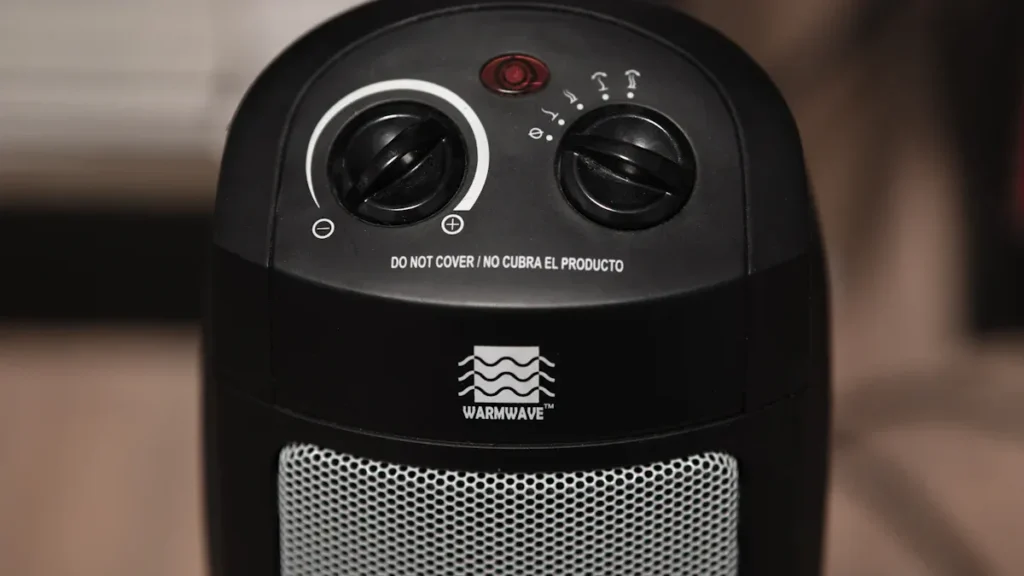
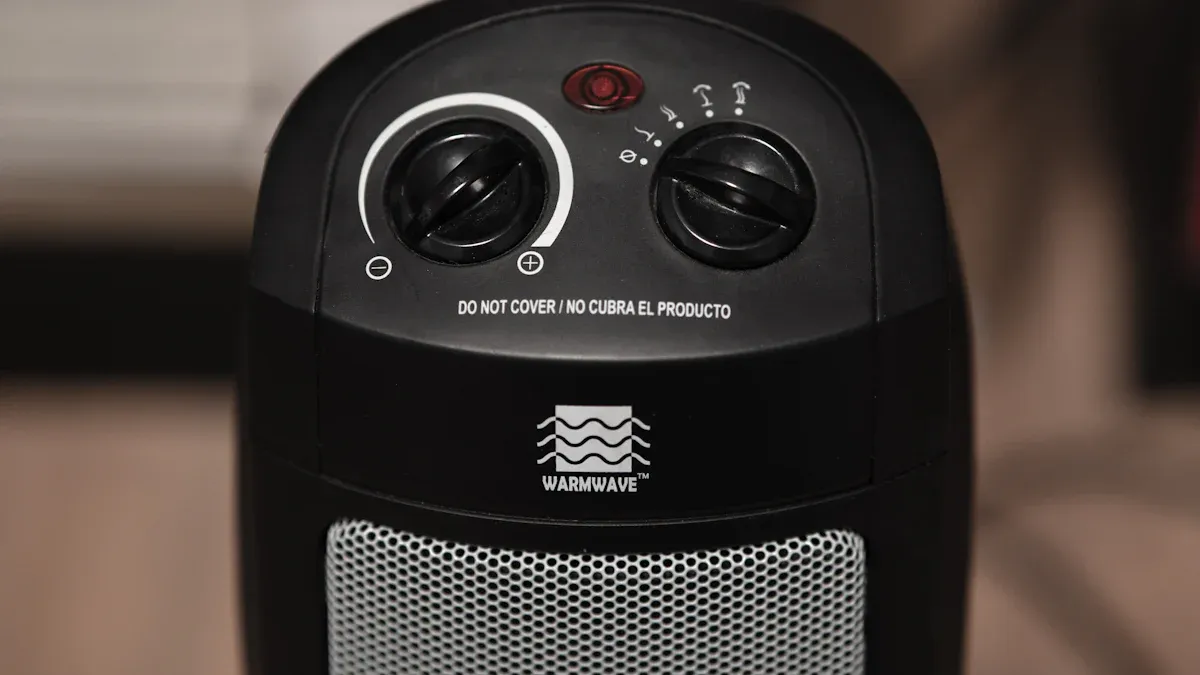
Usted depende del elemento calefactor en su aire acondicionado para mantener una temperatura confortable durante todas las estaciones. Un rendimiento fiable del aire acondicionado proporciona confort inmediato y le ayuda a ahorrar energía. Muchos sistemas de calefacción y refrigeración utilizan elementos calefactores de electrodomésticos de fuentes confiables como Calefacción eléctrica Jinzhong. Fabricantes de elementos calefactores diseñan estos componentes para brindar durabilidad, manteniendo su hogar cálido cuando más lo necesita.
- Un calor constante crea un ambiente acogedor.
- Un funcionamiento eficiente reduce las facturas de energía.
- Los elementos calefactores de calidad garantizan una fiabilidad a largo plazo.
Conceptos básicos de los elementos calefactores en aires acondicionados
Definición y finalidad
Función básica de los elementos calefactores
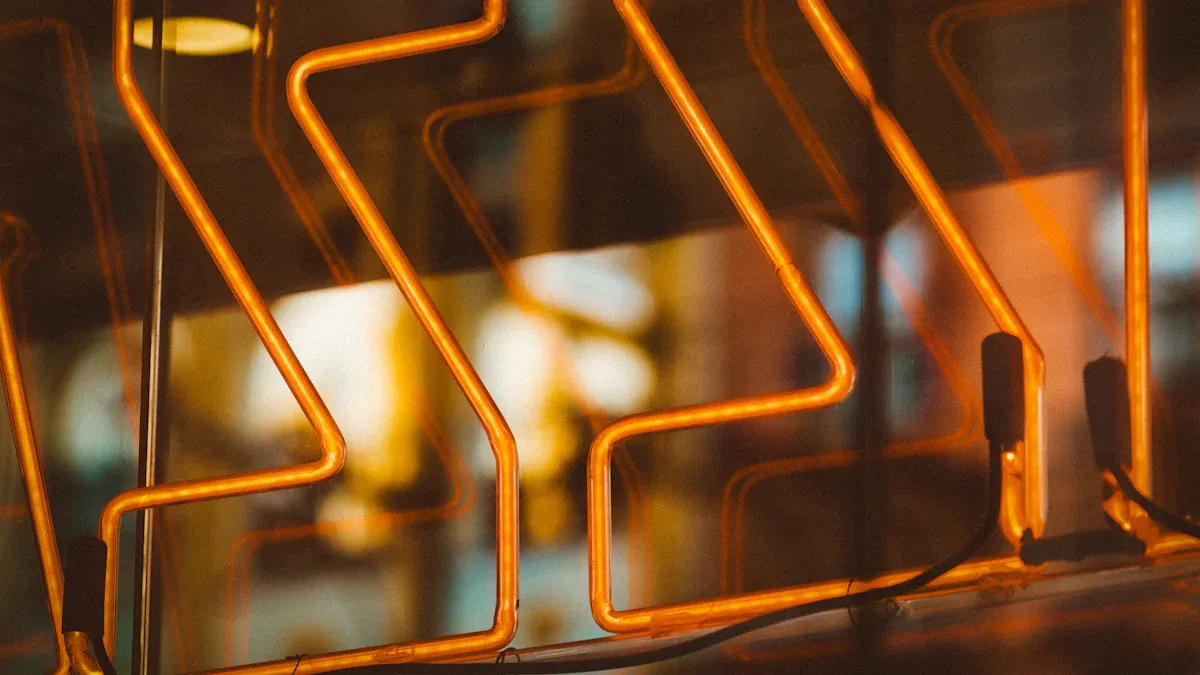
Usted depende de elementos calefactores para generar calor dentro de su hogar. Estos componentes convierten la energía eléctrica en calor, utilizando bobinas calefactoras como fuente principal. Cuando activa el modo de calefacción de su aire acondicionado, las bobinas calefactoras comienzan a calentar el aire que circula a través del sistema. Este proceso garantiza que experimente un confort constante, especialmente durante los meses más fríos. Los elementos calefactores desempeñan un papel vital en el mantenimiento de una temperatura interior estable, permitiéndole disfrutar de un ambiente acogedor independientemente de la temporada.
Función en los sistemas HVAC modernos
Los sistemas HVAC modernos dependen de los elementos calefactores para proporcionar una calefacción eficiente y fiable. Usted se beneficia de tecnología avanzada que integra las bobinas calefactoras con otros componentes del sistema. El elemento calefactor funciona junto con ventiladores y termostatos, respondiendo rápidamente a los cambios de temperatura. Esta integración permite que su aire acondicionado mantenga un rendimiento óptimo, proporcionando tanto calefacción como refrigeración según sea necesario. Usted experimenta una mejora en la eficiencia energética y un mayor control sobre el clima de su hogar.
Tipos de elementos calefactores
Elementos calefactores de resistencia eléctrica
Los elementos calefactores de resistencia eléctrica utilizan bobinas calefactoras fabricadas con materiales como el níquel-cromo. Usted recibe calor directo a medida que la electricidad pasa a través de las bobinas, haciendo que alcancen altas temperaturas. Estos elementos ofrecen un funcionamiento sencillo y tiempos de respuesta rápidos. A menudo encuentra elementos calefactores de resistencia eléctrica en sistemas HVAC residenciales debido a su fiabilidad y facilidad de mantenimiento.
Elementos de bomba de calor
Los elementos de bomba de calor funcionan de manera diferente a las bobinas calefactoras tradicionales. Usted se beneficia de una tecnología que transfiere calor del aire exterior a su hogar, en lugar de generar calor directamente. Este método utiliza menos electricidad y proporciona una calefacción eficiente durante inviernos suaves. Usted nota facturas de energía más bajas y un calor constante cuando su sistema HVAC incluye elementos de bomba de calor.
Elementos calefactores híbridos que combinan tecnología eléctrica y de bomba de calor
Los elementos calefactores híbridos combinan las fortalezas de la resistencia eléctrica y la tecnología de bomba de calor. Usted obtiene flexibilidad y eficiencia, ya que el sistema cambia entre bobinas calefactoras y el funcionamiento de la bomba de calor según las condiciones exteriores. Este enfoque garantiza que su hogar se mantenga cálido incluso durante el frío extremo, mientras maximiza el ahorro de energía durante climas más templados.
Ubicación e integración
Colocación dentro de las unidades de aire acondicionado
Las bobinas calefactoras se encuentran dentro de la unidad principal del aire acondicionado, a menudo cerca del ventilador o del manejador de aire. Usted se beneficia de una colocación estratégica que permite que el aire caliente fluya directamente hacia sus espacios habitables. Una posición adecuada garantiza que el elemento calefactor funcione de manera eficiente, distribuyendo el calor de manera uniforme por todo su hogar.
Integración con otros componentes HVAC
Cuando su sistema HVAC funciona, varios componentes trabajan juntos para optimizar el rendimiento del elemento calefactor:
- Los termostatos monitorean y regulan la temperatura, activando las bobinas calefactoras cuando es necesario.
- Los sensores proporcionan datos en tiempo real, permitiendo que los controladores ajusten la salida de calefacción.
- Los compuertas y ventiladores circulan el aire, asegurando una distribución uniforme del calor.
- El control centralizado gestiona la temperatura, la humedad y la calidad del aire para máximo confort y eficiencia.
Usted experimenta un funcionamiento sin interrupciones porque su elemento calefactor se integra con estos componentes. Esta colaboración mejora la eficiencia energética y mantiene su hogar confortable durante todo el año.
Cómo funcionan los elementos calefactores para calentar su hogar
Proceso de producción de calor
Cómo la electricidad genera calor en los elementos calefactores
Usted confía en el elemento calefactor de su sistema HVAC para transformar la energía eléctrica en calor. Este proceso, conocido como Calentamiento Joule, comienza cuando la electricidad fluye a través de las bobinas calefactoras. Las bobinas actúan como resistencias, y a medida que la corriente eléctrica pasa, la resistencia hace que las bobinas se calienten. Usted se beneficia de esta conversión directa porque proporciona calor inmediato. Las bobinas calefactoras alcanzan altas temperaturas rápidamente, asegurando que su hogar reciba calor tan pronto como active el sistema.
Conversión de energía en calor
Una vez que las bobinas calefactoras generan calor, su sistema HVAC traslada este calor a sus espacios habitables. El ventilador o soplador del aire acondicionado empuja el aire a través de las bobinas calientes. A medida que el aire pasa sobre las bobinas, absorbe el calor y lo transporta a través de los conductos o directamente a la habitación. Usted experimenta un aumento constante de temperatura, lo que crea un ambiente confortable. La eficiencia de este proceso depende de la calidad del elemento calefactor y del diseño del sistema HVAC.
Métodos de distribución de calor
Técnicas de flujo de aire y circulación
Su sistema HVAC utiliza varios métodos para distribuir el calor producido por el elemento calefactor. Las técnicas más comunes incluyen aire forzado, calor radiante y convección. Los sistemas de aire forzado utilizan ventiladores para mover el aire caliente a través de conductos, mientras que los sistemas radiantes transfieren el calor directamente de las bobinas calefactoras a las superficies de la habitación. La convección se basa en el movimiento natural del aire para circular el calor.
| Método de calentamiento | Descripción | Ventajas |
|---|---|---|
| Horno | Calienta el aire y lo distribuye a través de conductos. | Eficiente para hogares con conductos existentes. |
| Caldera | Calienta agua y la distribuye a través de tuberías a radiadores. | Permite múltiples termostatos en diferentes habitaciones. |
| Bomba de calor | Extrae calor del exterior y lo distribuye mediante ventiladores o conductos. | Altamente eficiente y sostenible. |
También puede encontrar otros métodos de calefacción en entornos residenciales:
- Calefacción eléctrica por zócalo
- Calefacción con queroseno
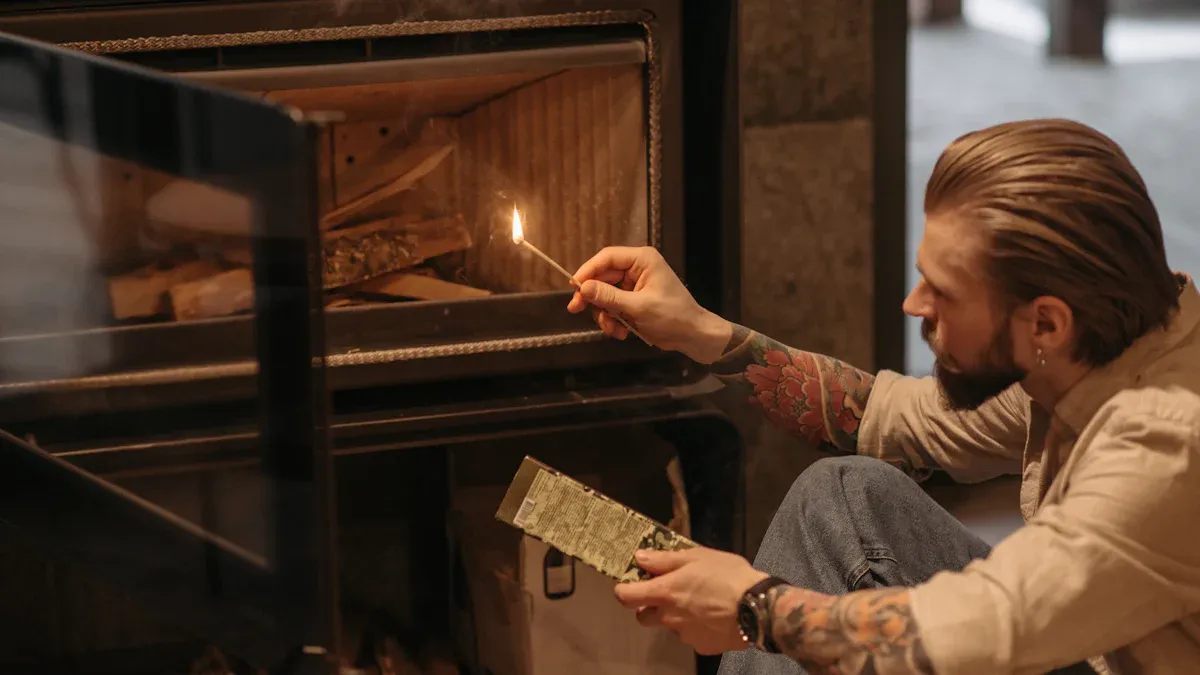
- Estufas de leña
- Chimeneas que queman madera, carbón o gas natural
Cada método funciona con el elemento calefactor para garantizar una distribución uniforme del calor en todo su hogar.
Control y regulación del termostato
Usted controla el funcionamiento de su elemento calefactor mediante un termostato. El termostato monitorea la temperatura ambiente actual y la compara con su punto de ajuste deseado. Si la temperatura desciende por debajo de su nivel seleccionado, el termostato señala al sistema HVAC que active las bobinas calefactoras. Cuando la habitación alcanza la temperatura establecida, el termostato apaga el elemento calefactor para evitar el sobrecalentamiento.
| Aspecto | Descripción |
|---|---|
| Función del termostato | Un termostato es parte del sistema de control de temperatura que regula las temperaturas interiores. |
| Puntos de ajuste | La temperatura establecida por el usuario; los termostatos suelen tener puntos de ajuste de calefacción y refrigeración. |
| Funcionamiento del HVAC | El sistema HVAC ajusta la temperatura ambiente para que coincida con el punto de ajuste, calentando o enfriando según sea necesario. |
| Monitoreo de Temperatura | El termostato monitorea continuamente la temperatura ambiente y envía señales al sistema HVAC para ajustarse en consecuencia. |
Los termostatos modernos ofrecen funciones avanzadas. Puede programar diferentes temperaturas para varias horas del día o días de la semana. Esta flexibilidad le ayuda a mantener la comodidad mientras reduce el consumo de energía. Los termostatos digitales e inteligentes proporcionan un control preciso, permitiéndole optimizar el rendimiento de su sistema de calefacción y refrigeración.
Eficiencia y rendimiento
Factores que afectan la eficiencia de calefacción
Varios factores influyen en la eficiencia con la que opera su elemento calefactor en el sistema HVAC:
- Filtros de aire: Los filtros sucios restringen el flujo de aire, obligando a las bobinas calefactoras a trabajar más y reduciendo la eficiencia.
- Ajuste del termostato: Reducir el punto de ajuste del termostato puede disminuir el consumo de energía.
- Aislamiento de su hogar: Un aislamiento deficiente permite que el calor escape, forzando al elemento calefactor a funcionar durante más tiempo.
- Edad de su sistema HVAC: Los sistemas antiguos a menudo carecen de la eficiencia de las unidades modernas.
- Historial de mantenimiento: El mantenimiento regular mantiene las bobinas calefactoras y otros componentes en óptimas condiciones.
Puede mejorar la eficiencia abordando estos factores, asegurando que su elemento calefactor ofrezca un rendimiento óptimo.
Características de ahorro de energía en elementos calefactores
Los elementos calefactores modernos incluyen varias características de ahorro de energía que ayudan a reducir los costos de servicios públicos y el impacto ambiental.
| Característica | Descripción |
|---|---|
| Termostato programable | Permite configurar diferentes temperaturas a lo largo del día, utilizando energía solo cuando es necesario. |
| Motores de velocidad variable | Ajusta la velocidad según la demanda, reduciendo el consumo de energía. |
| Compresores de dos etapas | Opera a menor capacidad la mayor parte del tiempo, ahorrando energía mientras mantiene la comodidad. |
| Ventiladores con recuperación de energía | Intercambia aire interior viciado con aire exterior fresco mientras recupera calor o frío del aire que sale. |
También puede beneficiarse de:
- Termostatos inteligentes: Estos dispositivos aprenden sus hábitos y ajustan la configuración automáticamente, ahorrando energía cuando no está en casa.
- Unidades HVAC de alta eficiencia: Actualizar a sistemas con calificación ENERGY STAR puede reducir su uso de energía hasta en un 20%.
Al elegir elementos calefactores con estas características, maximiza la comodidad y minimiza el desperdicio de energía en su hogar.
Tipos de elementos calefactores y sus aplicaciones
Elementos de Calefacción Eléctrica
Ventajas y desventajas de los elementos calefactores eléctricos
A menudo se eligen elementos calefactores eléctricos por su fiabilidad y funcionamiento sencillo. Estos componentes utilizan bobinas calefactoras para convertir directamente la electricidad en calor. Se beneficia de tiempos de respuesta rápidos y un mantenimiento simple. Los elementos calefactores eléctricos funcionan bien en muchos entornos residenciales, especialmente cuando se necesita calor constante.
Sin embargo, puede notar costos de energía más altos si depende únicamente de elementos calefactores eléctricos. Estos sistemas pueden perder eficiencia en hogares más grandes o durante fríos extremos. Debe considerar el aislamiento de su hogar y las necesidades energéticas antes de seleccionar esta opción.
Usos comunes en sistemas HVAC residenciales
Encontrará elementos calefactores eléctricos en varios tipos de sistemas HVAC residenciales. La siguiente tabla destaca las aplicaciones más comunes:
| Tipo de Elemento Calefactor Eléctrico | Descripción y aplicaciones |
|---|---|
| Horno eléctrico | Usos Bobinas de resistencia para calentar el aire y es eficiente para hogares con conductos. |
| Calefacción por suelo radiante | Proporciona calor silencioso y constante desde el suelo, ideal para zonas más pequeñas. |
| Calefactores de zócalo eléctricos de alta eficiencia | Utiliza convección para calentar habitaciones, eficiente para hogares más pequeños. |
| Unidades PTAC | Unidades independientes para calefacción y refrigeración, adecuadas para áreas sin ductos. |
Selecciona la mejor opción según la distribución de su hogar y los requisitos de calefacción.
Tecnología de bomba de calor
Diferencias entre bombas de calor y elementos calefactores tradicionales
Obtiene ventajas significativas cuando utiliza tecnología de bomba de calor en su sistema HVAC. A diferencia de los elementos calefactores eléctricos tradicionales, las bombas de calor mueven el calor de un lugar a otro en lugar de generarlo directamente con bobinas calefactoras. Este proceso aumenta la eficiencia y reduce el consumo de energía. La siguiente tabla compara características clave:
| Característica | Bombas de calor | Calefacción por resistencia eléctrica |
|---|---|---|
| Operación | Mueve el calor de un lugar a otro | Convierte la electricidad directamente en calor |
| Eficiencia | Más eficiente en climas moderados | Menos eficiente debido a pérdidas de energía |
| Consumo de energía | Puede reducir el uso de energía hasta en un 50% | Casi el 100% de la electricidad se convierte en calor |
| Mantenimiento y emisiones | Bajo mantenimiento, sin emisiones | Simple y fiable, pero puede ser costoso |
Notará que las bombas de calor ofrecen un mejor rendimiento en climas suaves y ayudan a reducir sus facturas de servicios públicos.
Rendimiento estacional y adaptabilidad
Experimenta una impresionante adaptabilidad estacional con los elementos calefactores de bomba de calor. Estos sistemas logran índices de eficiencia entre el 300% y el 500%, mientras que los hornos tradicionales alcanzan solo del 80% al 98%. Se beneficia de un alto rendimiento durante la mayor parte del año, aunque el frío extremo puede requerir bobinas calefactoras suplementarias o sistemas de respaldo.
| Tipo de elemento calefactor | Clasificación de Eficiencia (%) |
|---|---|
| Bombas de calor | 300% – 500% o más |
| Sistemas Tradicionales (Calderas) | 80% – 98% |
Usted maximiza la comodidad y el ahorro de energía al elegir el sistema adecuado para su clima.
Tecnologías Híbridas y Avanzadas de Elementos Calefactores
Innovaciones en el diseño de elementos calefactores
Usted observa avances rápidos en tecnologías híbridas y avanzadas de elementos calefactores. La integración de funciones inteligentes y conectividad IoT le permite monitorear y controlar su sistema HVAC en tiempo real. Las tecnologías de calefacción híbrida combinan bombas de calor eléctricas y bobinas de calefacción tradicionales para aumentar la eficiencia energética. Usted se beneficia de una mejor gestión energética y una mayor comodidad.
Consejo: La Bomba de Calor Eléctrica Híbrida A.O. Smith extrae calor del aire y proporciona hasta tres veces más calor que la energía que consume. Usted reduce sus facturas de servicios públicos y apoya la sostenibilidad al utilizar este sistema innovador.
Las innovaciones recientes incluyen:
- Materiales cerámicos, infrarrojos y flexibles para una mayor eficiencia.
- Sistemas híbridos que combinan métodos de calefacción por convección, radiación e inducción.
- Diseños que reducen el desperdicio de energía y mejoran la eficiencia térmica.
Comparaciones con opciones de calefacción estándar
Usted compara los elementos calefactores híbridos con las opciones estándar y nota beneficios claros. Los sistemas híbridos optimizan la eficiencia energética al alternar entre bombas de calor eléctricas y calderas tradicionales. Usted observa facturas de energía más bajas y un retorno de inversión más rápido, a menudo dentro de tres a cinco años. Los elementos calefactores híbridos proporcionan calor confiable y le ayudan a gestionar los costos de manera más efectiva que los sistemas estándar.
Identificación y Solución de Problemas con Elementos Calefactores Defectuosos
Señales de un Elemento Calefactor Defectuoso
Ruidos u olores inusuales provenientes de la unidad
Usted puede notar que su unidad de aire acondicionado produce sonidos extraños o emite olores desagradables. Estos síntomas a menudo indican un elemento calefactor defectuoso. Ruidos de traqueteo, zumbido o estallido pueden señalar problemas eléctricos o un elemento calefactor quemado. Olores desagradables, como un olor a quemado, pueden resultar de sobrecalentamiento o componentes dañados. Estas señales de advertencia sugieren que debe inspeccionar su acondicionador y considerar una reparación de calefacción antes de que el problema empeore.
Consejo: Si detecta olores o ruidos persistentes, apague su sistema y programe una inspección profesional para evitar daños mayores.
Calentamiento inconsistente o insuficiente
Usted podría experimentar habitaciones que nunca alcanzan la temperatura deseada o notar calor desigual en todo su hogar. Calentamiento inconsistente o aire insuficientemente calentado a menudo apunta a un elemento calefactor defectuoso o dañado. También puede ver un aumento repentino en las facturas de energía, lo que puede resultar de que su sistema trabaje más para compensar la pérdida de eficiencia.
- Los signos comunes incluyen:
- Calentamiento inconsistente
- Aire insuficientemente calentado
- Aumento de la factura energética
Solución de Problemas con Elementos Calefactores Defectuosos
Verificaciones básicas que los propietarios pueden realizar
Usted puede tomar varios pasos para identificar problemas con el elemento calefactor antes de llamar a una reparación de calefacción:
- Comprobar los ajustes del termostato para asegurarse de que no estén bloqueados o configurados incorrectamente.
- Inspeccionar y reemplazar los filtros de la caldera sucios.
- Asegurar un flujo de aire adecuado verificando si hay conductos bloqueados o desconectados.
- Buscar interruptores disparados o fusibles fundidos en su sistema eléctrico.
- Verificar que el termostato esté colocado lejos de corrientes de aire y luz solar directa.
Estas verificaciones básicas le ayudan a descartar problemas simples y pueden restaurar el funcionamiento adecuado de su unidad de aire acondicionado.
Cuándo buscar reparación profesional de calefacción
Usted debe contactar a un especialista en reparación de calefacción si continúa experimentando problemas después de realizar las verificaciones básicas. Problemas persistentes, como un elemento calefactor quemado o fallos eléctricos recurrentes, requieren diagnóstico y reparación por parte de un experto. Los técnicos profesionales tienen las herramientas y la experiencia para abordar de manera segura problemas complejos y restaurar el rendimiento de su acondicionador.
Decisiones de Reparación vs. Reemplazo
Consideraciones de costos para la reparación de calefacción
Usted debe sopesar los costos de reparación frente al reemplazo. Si se encuentra necesitando reparaciones con frecuencia, o si los costos totales de reparación en los últimos dos años son cercanos a la mitad del precio de un sistema nuevo, el reemplazo puede ser más económico. El costo de reparar o reemplazar piezas del HVAC varía según el daño específico y la calidad del producto y la mano de obra. Con el tiempo, las reparaciones frecuentes pueden acumular costos significativos, especialmente para sistemas más antiguos.
| Parte | Costo Promedio de Reparación | Costo Promedio de Reemplazo |
|---|---|---|
| Horno | $130–$500 | $2,600–$6,200 |
Longevidad y confiabilidad de diferentes tipos de elementos calefactores
Usted debe considerar la vida útil esperada de su elemento calefactor al decidir entre reparación y reemplazo. La tabla a continuación compara la longevidad de los tipos comunes de elementos calefactores en aplicaciones residenciales:
| Elemento calefactor | Vida Útil Estimada |
|---|---|
| Zócalo Eléctrico | 10-20 años |
| Minisplits | 15-20 años |
| Bomba de Calor Geotérmica | 10-15 años |
| Gas Natural | 15-20 años |
| Propano | 10-15 años |
| Calentador de Mampostería | Hasta 25 años |
| Estufa de leña moderna | 20-30 años |
Usted maximiza la confiabilidad y la comodidad al elegir la solución adecuada para las necesidades de su hogar.
Reparación y mantenimiento de calefacción para un calor durante todo el año
Pasos de mantenimiento rutinario
Limpieza e inspección de los elementos calefactores
Usted mantiene su hogar cómodo realizando un mantenimiento regular de su sistema de calefacción. Limpiar e inspeccionar el elemento calefactor garantiza un funcionamiento eficiente y prolonga su vida útil. Usted debe:
- Limpiar o reemplazar los filtros del aire acondicionado para mantener un flujo de aire adecuado.
- Inspeccionar y limpiar la bobina del evaporador interior según sea necesario.
- Retirar los residuos de la bobina del condensador exterior para favorecer un flujo de aire adecuado.
- Enderezar las aletas de la bobina dobladas para ayudar a que su sistema funcione de manera eficiente.
- Limpiar los desagües de condensado para prevenir obstrucciones y mantener un funcionamiento adecuado.
La limpieza e inspección regulares le ayudan a evitar averías inesperadas y a mantener su sistema funcionando sin problemas.
Verificación de las conexiones eléctricas y la seguridad
Usted protege su hogar y su inversión revisando todas las conexiones eléctricas. Los cables sueltos o corroídos pueden causar fallos de funcionamiento o incluso suponer riesgos de seguridad. Durante el mantenimiento, usted debe:
- Inspeccionar todo el cableado en busca de signos de desgaste o daños.
- Apretar cualquier conexión suelta.
- Asegurarse de que todos los interruptores de seguridad y controles funcionen correctamente.
Si nota algún problema, programe una reparación profesional para solucionarlo antes de que se convierta en algo grave.
Consejos de cuidado preventivo
Programación de servicios y reparaciones de calefacción regulares
Usted reduce el riesgo de fallos repentinos programando citas regulares de reparación y servicio, especialmente durante las temporadas de menor demanda. Los técnicos pueden limpiar componentes, verificar los niveles de fluidos e inspeccionar las conexiones eléctricas durante estas visitas. La detección temprana del desgaste permite realizar reparaciones oportunas, lo que le ayuda a evitar fallos importantes del sistema.
Monitoreo del rendimiento del sistema para una detección temprana
Usted puede detectar problemas tempranamente monitoreando el rendimiento de su sistema. Esté atento a cambios en la producción de calor, ruidos inusuales o facturas de energía en aumento. Mantener registros detallados del mantenimiento y las reparaciones le ayuda a identificar tendencias y programar servicios futuros. Este enfoque proactivo garantiza que su sistema HVAC funcione de manera eficiente y confiable.
Abordar problemas menores durante el mantenimiento rutinario previene averías costosas y prolonga la vida útil de su equipo.
Actualización de elementos calefactores
Cuándo considerar nuevos elementos calefactores
Usted debería considerar actualizar su elemento calefactor si nota reparaciones frecuentes, facturas de servicios públicos elevadas, calefacción desigual, ruido excesivo o problemas de seguridad. Si su sistema se acerca o ha superado los 20 años de servicio, actualizarlo suele tener más sentido que continuar reparando una unidad obsoleta. Los avances recientes en tecnología y los incentivos disponibles para la eficiencia energética hacen de este un momento ideal para actualizar.
Beneficios de las actualizaciones de elementos calefactores modernos
Actualizar a tecnología de calefacción moderna trae varias ventajas:
- Niveles de temperatura constantes en todo su hogar mejoran la comodidad.
- Motores de velocidad variable garantizan un flujo de aire constante y un funcionamiento más silencioso.
- Los sistemas de alta eficiencia pueden reducir los costos de calefacción hasta en un 30%.
- Los modelos más nuevos proporcionan una calefacción más uniforme y rápida.
Usted disfruta de un entorno de vida más cómodo y facturas de energía más bajas cuando invierte en un sistema moderno.
Elección del elemento calefactor adecuado para su hogar
Factores a considerar
El tamaño y la distribución del hogar impactan en la elección del elemento calefactor
Usted necesita evaluar varios aspectos prácticos al seleccionar un elemento calefactor para su hogar. El envolvente de diseño, que se refiere a las dimensiones del elemento calefactor, determina qué tan bien se ajusta y funciona en su espacio. Las terminaciones, o la ubicación de las conexiones, afectan la eficiencia de transferencia de calor y la vida útil de la unidad. Los estilos de conductores juegan un papel en la transferencia y eficiencia energética, especialmente cuando se considera la resistencia a la abrasión y los requisitos de temperatura. También debe revisar la potencia, el voltaje y la selección de materiales, junto con las necesidades de manipulación y almacenamiento. Estos factores aseguran que el elemento calefactor coincida con el tamaño y la distribución de su hogar para una comodidad óptima.
- Envolvente de diseño
- Terminales
- Estilos de conductores
- Potencia y voltaje
- Selección de materiales
- Requisitos de manipulación y almacenamiento
Clima y necesidades de calefacción estacionales
Su clima local y los cambios de temperatura estacionales influyen en sus elecciones de calefacción. En regiones con calefacción central, no necesita ajustar el consumo de energía durante los meses más fríos. En áreas sin calefacción central, debe adaptarse utilizando más los electrodomésticos existentes o comprando otros nuevos. Esta diferencia resalta cómo el clima y las necesidades estacionales impactan directamente en qué elemento calefactor se adapta mejor a su hogar.
Recomendaciones profesionales
Consulta a expertos en HVAC para la selección del elemento calefactor
Usted se beneficia al consultar a profesionales de HVAC que utilizan criterios específicos para recomendar soluciones de calefacción. Los expertos evalúan sus expectativas de comodidad, prioridades energéticas, presupuesto, limitaciones del hogar y planes futuros. Ellos emparejan estas necesidades con el sistema más adecuado para su hogar.
| Criterios | Descripción |
|---|---|
| Necesidades de rendimiento | Nivel de comodidad esperado por el propietario. |
| Prioridades energéticas | Importancia de eficiencia energética para el propietario. |
| Realidad presupuestaria | Asequibilidad a corto plazo frente a costos a largo plazo. |
| Limitaciones del hogar | Compatibilidad con la estructura existente del hogar. |
| Planes futuros | Duración de la estancia en el hogar actual. |
Es posible que viva en un hogar pequeño o mediano de menos de 2,000 pies cuadrados, donde los sistemas sin conductos (mini-splits) o los sistemas empaquetados funcionan bien. Las viviendas más grandes a menudo requieren sistemas de aire central o múltiples zonas de mini-splits. Las viviendas de varios pisos se benefician de sistemas zonificados, mientras que los planos de planta abiertos son adecuados para sistemas centrales. Los hogares con muchas habitaciones separadas a menudo necesitan soluciones sin conductos o zonificadas.
Comparación de marcas y modelos para obtener los mejores resultados
Los sistemas HVAC actuales cuentan con diversas clasificaciones de eficiencia:
- SEER (Índice de Eficiencia Energética Estacional) mide la eficiencia de enfriamiento; los números más altos indican mayor eficiencia.
- HSPF (Factor de Rendimiento Estacional de Calefacción) mide la eficiencia de calefacción de las bombas de calor.
- AFUE (Eficiencia Anual de Utilización de Combustible) mide la eficiencia de los hornos.
Debe comparar marcas y modelos según estas clasificaciones para encontrar la opción más eficiente y confiable para su hogar.
Costo y Ahorro de Energía
Valor a largo plazo de los elementos de calefacción eficientes
Ahorra dinero con el tiempo al elegir sistemas de calefacción eficientes. Las unidades modernas utilizan menos combustible para la misma producción de calor, lo que reduce sus facturas de servicios públicos. Los sistemas más antiguos consumen más energía y cuestan más de operar. El mantenimiento adecuado de los sistemas eficientes reduce aún más el consumo de energía y los gastos. La eficiencia energética también ayuda a reducir la contaminación y mejora los resultados financieros para las familias.
- Los sistemas de calefacción eficientes reducen los costos energéticos a largo plazo.
- Las unidades más antiguas usan más energía, aumentando las facturas de servicios públicos.
- Los sistemas modernos están diseñados para la eficiencia energética.
- El mantenimiento reduce el consumo de energía y los costos.
- La eficiencia energética reduce el desperdicio y ahorra dinero.
Reembolsos e incentivos para mejoras de calefacción
Puede aprovechar reembolsos y créditos fiscales al actualizar a equipos de calefacción energéticamente eficientes. Estos incentivos ayudan a compensar la inversión inicial y lo alientan a elegir opciones sostenibles.
| Tipo de elemento calefactor | Monto del Crédito Fiscal | Monto del Reembolso | Método de Acceso |
|---|---|---|---|
| Bomba de calor | Hasta el 30% del costo, máximo $2,000/año | Hasta $8,000 | Presente el Formulario 5695 del IRS; verifique el estado del programa local en el portal de Reembolsos. |
| Caldera de Agua Caliente | 30% del costo, máximo $600 | Hasta $8,000 | Presente el Formulario 5695 del IRS; verifique el estado del programa local en el portal de Reembolsos. |
| Equipo de Calefacción (No Bomba de Calor) | 30% del costo, máximo $600 | Hasta $8,000 | Presente el Formulario 5695 del IRS; verifique el estado del programa local en el portal de Reembolsos. |
Maximiza su inversión y reduce costos al utilizar estos programas cuando actualiza su sistema de calefacción.
Seguridad e Impacto Ambiental de los Elementos de Calefacción
Operación Segura de los Elementos de Calefacción
Prevención de riesgos eléctricos con elementos de calefacción
Debe priorizar la seguridad al operar cualquier elemento de calefacción en su hogar. Pueden ocurrir riesgos eléctricos si descuida las precauciones básicas. Antes de realizar mantenimiento o limpieza, siempre apague la energía de su sistema HVAC. Este paso previene descargas eléctricas y protege su equipo de daños. Debe programar inspecciones regulares con un técnico calificado. Las inspecciones profesionales lo ayudan a identificar y solucionar posibles peligros antes de que se conviertan en problemas graves.
Consejo: Coloque detectores de monóxido de carbono cerca de su sistema de calefacción y en las áreas de descanso. Estos dispositivos lo alertan sobre fugas de gas peligrosas que pueden resultar de unidades defectuosas.
Reduce los riesgos siguiendo estas pautas. Mantiene su hogar seguro y su sistema de calefacción funcionando sin problemas.
Pautas de uso adecuado para propietarios de viviendas
Usted desempeña un papel clave en mantener la operación segura de su elemento de calefacción. Debe seguir las instrucciones del fabricante para la instalación y el uso. Evite colocar materiales inflamables cerca de su sistema de calefacción. Debe verificar que todas las rejillas de ventilación y conductos estén despejados para permitir un flujo de aire adecuado. Nunca debe intentar reparaciones más allá de la limpieza básica o el reemplazo de filtros. Deje las reparaciones complejas a profesionales con licencia.
- Lea y siga todas las instrucciones de seguridad proporcionadas con su sistema de calefacción.
- Mantenga el área alrededor de su unidad libre de desorden y escombros.
- Reemplace los filtros según lo recomendado para mantener la eficiencia y la seguridad.
- Monitoree su sistema en busca de ruidos inusuales, olores o cambios en el rendimiento.
Protege a su familia y su propiedad al usar su sistema de calefacción de manera responsable.
Consideraciones Ambientales
Consumo de energía y eficiencia
Usted impacta el medio ambiente a través de su elección de elemento de calefacción y cómo lo opera. Los sistemas eficientes usan menos energía y producen menos emisiones. Debe seleccionar unidades con altas clasificaciones de eficiencia. Los sistemas de calefacción modernos a menudo cuentan con termostatos programables y motores de velocidad variable. Estas tecnologías lo ayudan a reducir el consumo de energía y disminuir sus facturas de servicios públicos.
| Característica | Beneficio Ambiental |
|---|---|
| Termostato programable | Reduce el uso innecesario de energía |
| Motores de Alta Eficiencia | Reduce el consumo de electricidad |
| Mantenimiento periódico | Extiende la vida útil del sistema |
Contribuye a un medio ambiente más saludable al mantener su equipo y elegir opciones de ahorro de energía.
Opciones de elementos de calefacción ecológicos
Tiene acceso a tecnologías de elementos de calefacción ecológicos. Las bombas de calor y los sistemas híbridos ofrecen alta eficiencia y utilizan fuentes de energía renovables. Puede elegir modelos que usen materiales reciclables y produzcan un desperdicio mínimo. Algunos sistemas dependen de electricidad de paneles solares u otras fuentes limpias. Apoya la sostenibilidad al actualizar a estas soluciones avanzadas.
Nota: Cuando selecciona elementos de calefacción ecológicos, ayuda a reducir las emisiones de gases de efecto invernadero y conservar los recursos naturales.
Usted genera un impacto positivo en el medio ambiente y disfruta de ahorros a largo plazo con elecciones responsables.
Usted depende de su elemento de calefacción para mantener el calor y la comodidad en cada temporada. El mantenimiento regular y la reparación oportuna de la calefacción lo ayudan a evitar averías inesperadas y mantener su sistema funcionando de manera eficiente.
- Programe inspecciones de rutina para prolongar la vida útil del equipo.
- Supervise el rendimiento para detectar signos tempranos de problemas.
Adoptar medidas proactivas garantiza que disfrute de un confort confiable y menores costos de energía durante todo el año.
PREGUNTAS FRECUENTES
¿Cuál es el propósito principal de un elemento calefactor en un sistema HVAC?
Se utiliza un elemento calefactor para convertir energía eléctrica en calor. Este proceso asegura que su sistema HVAC proporcione calor uniforme en toda su vivienda, especialmente durante los meses más fríos.
¿Con qué frecuencia debe programar el mantenimiento de su elemento calefactor?
Debe programar mantenimiento profesional al menos una vez al año. Las inspecciones regulares le ayudan a detectar problemas a tiempo y mantienen su sistema funcionando de manera eficiente.
¿Puede sustituir usted mismo un elemento calefactor?
No debe intentar reemplazar un elemento calefactor a menos que tenga formación en HVAC. Los técnicos profesionales garantizan una instalación segura y previenen riesgos eléctricos.
¿Cuáles son las señales de que su elemento calefactor necesita reparación?
Puede notar calentamiento desigual, ruidos extraños u olores a quemado. El aumento en las facturas de energía también puede indicar un problema. Estas señales indican que debe contactar a un profesional.
¿Cómo elegir el elemento calefactor adecuado para su hogar?
Considere el tamaño, la distribución y el clima de su hogar. Consultar a un experto en HVAC le ayuda a seleccionar la opción más eficiente y confiable.
¿Son eficientes energéticamente los elementos calefactores modernos?
Sí. Los elementos calefactores modernos suelen incluir termostatos programables y motores de velocidad variable. Estas características ayudan a reducir el consumo de energía y las facturas de servicios.
¿Qué precauciones de seguridad debe seguir con los elementos calefactores?
Mantenga materiales inflamables alejados de su sistema. Siempre apague la energía antes de limpiar o inspeccionar. Programe inspecciones profesionales regulares para garantizar un funcionamiento seguro.
¿Los elementos calefactores afectan la calidad del aire interior?
Los elementos calefactores en sí no liberan contaminantes. Sin embargo, debe mantener los filtros limpios y dar mantenimiento a su sistema HVAC para asegurar un aire interior saludable.

