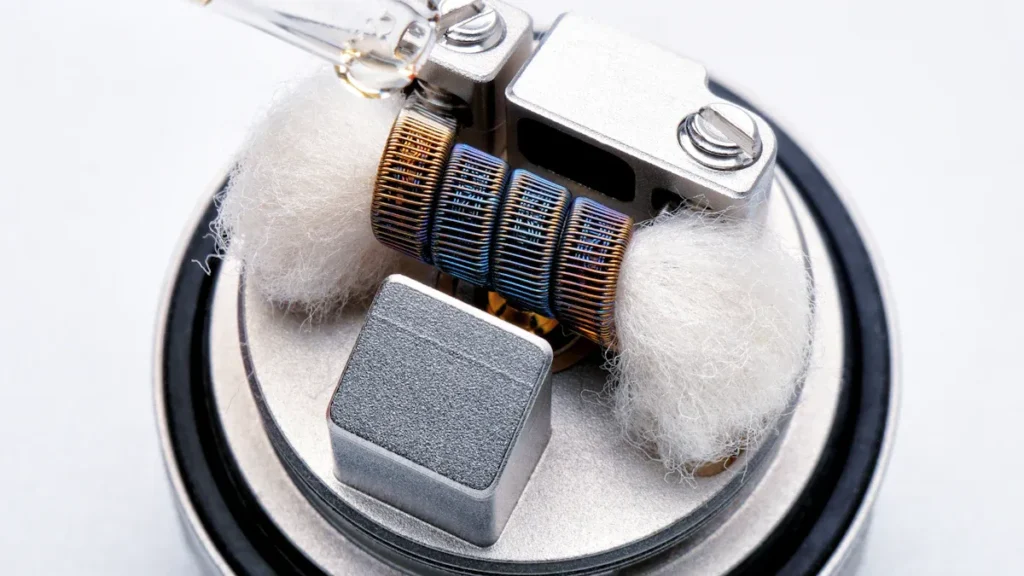

Eine elektrische Heizspule wandelt elektrische Energie durch Widerstand in Wärme um. Sie verlassen sich auf dieses Gerät für effizientes und kontrolliertes Heizen in vielen alltäglichen und industriellen Umgebungen. Der globale Markt für elektrische Heizspulen erreichte im Jahr 2024 ein Volumen von $14,1 Milliarden US-Dollar, mit starker Nachfrage in den Bereichen HLK, Industrieausrüstung und Haushaltsanwendungen.
| Aspekt | Daten/Einblicke |
|---|---|
| Marktgröße (2024) | 14.139,48 Millionen USD |
| Anwendungsanteile | HLK: 50%, Industrieausrüstung: 30%, Haushaltsanwendungen: 15% |
| Regionale Marktanteile | Asien-Pazifik: 40%, Nordamerika: 30%, Europa: 25%, Naher Osten & Afrika: 5% |

Sie betrachten elektrische Heizspulen als einen wesentlichen Bestandteil des modernen Lebens, von Produktionsstätten bis zu Ihrem eigenen Zuhause. Ihre nahezu 100% Energieumwandlungseffizienz macht sie zu einer zuverlässigen Wahl sowohl für Komfort als auch für Produktivität.
Was ist eine elektrische Heizspule?

Grundlegende Definition
Sie begegnen elektrischen Heizspulen in vielen Heizsystemen. Diese Geräte nutzen Elektrizität zur Wärmeerzeugung, indem sie Strom durch einen Widerstandsdraht leiten. Gemäß technischen Normen können Sie eine elektrische Heizspule als ein HLK-Zubehör definieren, das konditionierte Zuluft mit Strom nachheizt. Hersteller kategorisieren diese Spulen oft als Kanalufterhitzer oder Endgeräteheizer. Zertifizierungsstandards wie UL 1996 und UL 1995 stellen sicher, dass diese Produkte strenge Sicherheits- und Leistungsanforderungen erfüllen.
Anmerkung: Zu den Sicherheitsmerkmalen gehören automatische und manuelle Rücksetzungen zur Vermeidung von Überhitzung sowie Luftstrom- oder Ventilatorschalter, die vor der Aktivierung der Spule eine ordnungsgemäße Luftbewegung überprüfen.
Kernkomponenten
Eine typische elektrische Heizspule besteht aus mehreren wesentlichen Teilen, die zusammenarbeiten, um zuverlässiges und effizientes Heizen zu gewährleisten.
Heizelement
- Das Heizelement bildet den Kern der Spule. Es besteht in der Regel aus Materialien wie Nickel-Chrom (NiCr), Kanthal oder Kupfernickel. Diese Metalle haben hohe Schmelzpunkte, sind korrosionsbeständig und behalten bei erhöhten Temperaturen einen stabilen Widerstand.
- Die Spulenform erhöht den Widerstand, was die Wärmeleistung steigert. Hersteller passen Drahtstärke, Spulendurchmesser und -teilung an, um die gewünschte Leistung zu erzielen.
- Nach dem Wickeln helfen Prozesse wie das Strecken, die Abmessungen und Heizeigenschaften der Spule fein abzustimmen.
- Das elektrische Heizelement wandelt elektrische Energie in Wärme um, indem es dem Strom einen kontrollierten Widerstand bietet.
Isolierung und Stützung
- Die Isolierung spielt eine entscheidende Rolle für Sicherheit und Effizienz. Keramikhüllen oder Metallrohre umgeben die Spule oft und bieten elektrische Isolierung, während sie die Wärme nach außen ableiten.
- Keramikisolatoren verhindern elektrische Gefahren, leiten Wärme jedoch effizient, was einen sicheren Betrieb gewährleistet.
- Die Kombination aus Materialauswahl, Spulendesign und Isolierung stellt sicher, dass Sie eine gleichmäßige und sichere Wärmeerzeugung erhalten.
Primäre Funktion
Die primäre Funktion einer elektrischen Heizspule besteht darin, elektrische Energie durch Widerstandsheizung in Wärme umzuwandeln. Wenn Sie einen elektrischen Strom durch den dicht gewickelten Widerstandsdraht leiten, erhitzt sich die Spule. Diese Wärme wird dann je nach Anwendung durch Leitung, Konvektion oder Strahlung an die umgebende Luft oder Gegenstände übertragen. Sie verlassen sich auf diesen Prozess in vielen Haushaltsgeräten wie Öfen, Toastern, Warmwasserbereitern und Raumheizungen. Das Design der Spule maximiert die Wärmeerzeugung und Effizienz, während Isolierung und Stützstrukturen einen sicheren und effektiven Betrieb gewährleisten.
Wie elektrische Heizspulen funktionieren
Prinzip der elektrischen Widerstandsheizung
Sie erleben das Kernprinzip hinter elektrischen Heizspulen jedes Mal, wenn Sie einen Elektroherd oder eine Heizung benutzen. Wenn Sie einen elektrischen Strom durch einen Leiter leiten, der dem Stromfluss Widerstand entgegensetzt, erhitzt sich der Leiter. Wissenschaftler nennen dies den Jouleschen Effekt. Die erzeugte Wärmemenge hängt vom Strom und dem Widerstand des Materials ab. Die Formel für diesen Prozess ist einfach: die Heizleistung entspricht dem Quadrat des Stroms multipliziert mit dem Widerstand (I²R).
Der Widerstand des Drahtes hängt von drei Faktoren ab: dem spezifischen Widerstand des Materials, der Länge des Drahtes und seiner Querschnittsfläche. Ein längerer oder dünnerer Draht erhöht beispielsweise den Widerstand, was zu mehr Wärme führt. Die meisten elektrischen Spulen verwenden Metalle wie Nichrom, da ihr Widerstand bei hohen Temperaturen stabil bleibt. Wenn Sie den Strom anpassen, steuern Sie die erzeugte Wärmemenge, was diese Spulen ideal für präzise Heizaufgaben macht.
Anmerkung: Die Effizienz elektrischer Heizspulen ergibt sich aus ihrer Fähigkeit, nahezu die gesamte elektrische Energie mit minimalen Verlusten in Wärme umzuwandeln.
Wärmeerzeugungsprozess
Sie aktivieren eine elektrische Spule, indem Sie die Stromversorgung einschalten. Elektrizität fließt durch den Widerstandsdraht der Spule. Der Draht widersteht dem Fluss, wodurch er sich schnell erhitzt. Die Temperatur der Spule steigt, bis sie den Sollwert oder die maximal zulässige Betriebstemperatur erreicht.
Hersteller konstruieren elektrische Spulen so, dass sie sich schnell aufheizen und eine konstante Temperatur halten. Sie profitieren von dieser schnellen Reaktion in Geräten wie Toastern und Haartrocknern. Das Design der Spule, einschließlich ihrer Form und der verwendeten Materialien, stellt sicher, dass sich die Wärme gleichmäßig über die Oberfläche verteilt. Diese gleichmäßige Erwärmung schützt das Gerät und sorgt für eine konstante Leistung.
Wärmeübertragungsmethoden
Sobald die Spule Wärme erzeugt, muss sie diese Energie an die Umgebung oder an ein bestimmtes Objekt übertragen. Elektrische Spulen nutzen drei Hauptmethoden zur Wärmeübertragung: Leitung, Konvektion und Strahlung.
Leitung
Sie sehen Leitung in Aktion, wenn die Spule eine andere feste Oberfläche berührt. Die Wärme bewegt sich direkt von der heißen Spule zum kühleren Objekt. In einem Elektroofen beispielsweise erhitzt die Spule die Metallwände und Roste durch direkten Kontakt. Die Effizienz der Leitung hängt von den beteiligten Materialien und der Qualität des Kontakts ab.
Konvektion
Konvektion tritt auf, wenn die Spule die Luft oder ein anderes Fluid um sie herum erhitzt. Während sich die Spule erwärmt, überträgt sie Wärme an die Luft, die dann aufsteigt und zirkuliert. Dieser Prozess verteilt die Wärme im Raum. In vielen elektrischen Heizgeräten blasen Ventilatoren Luft über die Spulen, um diesen Prozess zu beschleunigen. Sie bemerken diesen Effekt bei Raumheizungen und Elektroöfen, wo bewegte Luft die Wärme schnell verteilt.
- Elektrische Umlauferhitzer nutzen diese Methode zur effizienten Wärmeübertragung. Das Produkt strömt direkt über die Heizelemente, was sowohl die Wärmeübertragung als auch die Temperaturregelung verbessert.
- Rohrbündelwärmetauscher nutzen Konvektion, um Wärme von den beheizten Rohren auf das durch das System strömende Fluid zu übertragen.
Strahlung
Strahlung ermöglicht es der Spule, Wärme in Form von Infrarotenergie abzugeben. Sie spüren diesen Effekt, wenn Sie in der Nähe einer glühenden elektrischen Spule stehen. Die Wärme bewegt sich durch die Luft, ohne direkten Kontakt oder ein Medium zu benötigen. Während Strahlung in einigen Anwendungen eine Rolle spielt, verlassen sich die meisten elektrischen Spulen für die Wärmeübertragung mehr auf Leitung und Konvektion.
Tipp: Sie können eine präzise Temperaturregelung und hohe Energieeffizienz erreichen, indem Sie die richtige Wärmeübertragungsmethode für Ihre Anwendung wählen.
Arten von elektrischen Heizspulen
Sie begegnen mehreren Arten von elektrischen Spulen sowohl in Wohn- als auch in Industrieumgebungen. Jeder Typ bietet einzigartige Merkmale, Konstruktionsmethoden und Anwendungsvorteile. Das Verständnis dieser Unterschiede hilft Ihnen, die richtige Spule für Ihren Heizbedarf auszuwählen.
Offene Heizspulen
Offene Heizspulen verwenden freiliegenden Widerstandsdraht, oft aus Materialien wie verzinktem Stahl, aluminiertem Stahl oder Edelstahl. Sie profitieren von ihrer effizienten und schnellen Wärmeübertragung, was sie ideal für Prozesse macht, die schnelle Temperaturänderungen erfordern. Hersteller konstruieren diese Heizgeräte mit Merkmalen wie schwerer Stahlrahmenkonstruktion, isolierten Anschlusskästen und Edelstahlbeschlägen, um Haltbarkeit und Sicherheit zu gewährleisten.
- Sie finden offene Heizspulen in Industrieöfen, Trocknern, Autoklaven und Kanalsystemen.
- Sie unterstützen eine breite Palette von Anwendungen, einschließlich Trocknen, Aushärten, Backen, chemischer Verarbeitung und Sterilisieren.
- Integrierte Steuerungsoptionen wie Thermostate und thermische Abschaltungen ermöglichen Ihnen eine präzise Temperaturregelung.
- Feuchtigkeitsbeständige Dichtungen und Luftstromschalter schützen die Spule und gewährleisten einen sicheren Betrieb.
Offene Heizspulen bieten anpassbare Wattzahl und Spannung, was sie für spezialisierte industrielle Aufgaben geeignet macht. Ihr offenes Design bedeutet jedoch, dass Sie Sicherheit und Schutz vor physischen Schäden berücksichtigen müssen.
Rohrheizspulen
Rohrheizspulen bestehen aus einem Widerstandsdraht, der in einem Metallrohr eingeschlossen ist, das oft mit Isoliermaterial gefüllt ist. Dieses Design bietet Robustheit und Isolierung, was diese Spulen in anspruchsvollen Umgebungen zuverlässig macht. Sie erhalten mehrere Vorteile von Rohrspulen:
- Effiziente Wärmeübertragung aufgrund des engen Kontakts mit dem Heizmedium.
- Vielseitigkeit in Größe, Form und Konfiguration, sodass Sie sie in verschiedene Geräte einbauen können.
- Erhöhte Sicherheit und Haltbarkeit im Vergleich zu offenen Wendelheizelementen.
Trotz dieser Vorteile benötigen Rohrheizwendeln aufgrund ihrer zylindrischen Form mehr Platz. Sie müssen zudem für eine ausreichende Wärmeableitung sorgen, um eine Überhitzung zu vermeiden. Rohrheizwendeln eignen sich gut für Anwendungen, bei denen Sicherheit, Haltbarkeit und Zuverlässigkeit am wichtigsten sind, wie z. B. in Warmwasserbereitern, Industrietanks und Prozessanlagen.
Elektrische Rohrheizwendeln sind kompakter und robuster als flache oder spiralförmige Wendeln. Ihre Isolierung reduziert Wärmeverluste und erhöht die Betriebssicherheit, jedoch müssen Sie die Montage- und Platzanforderungen berücksichtigen.
Rippenheizwendeln
Rippenheizwendeln kombinieren ein Metallrohr mit daran befestigten Rippen, um die Oberfläche für die Wärmeübertragung zu vergrößern. Diese Wendeln finden Sie häufig in HLK-Systemen, Kraftwerken und chemischen Verarbeitungsanlagen. Die Rippen helfen, die Wärme gleichmäßig zu verteilen und die Effizienz zu verbessern, insbesondere bei Zwangsbelüftungs- oder Flüssigkeitserwärmungsanwendungen.
- Rippenwendeln arbeiten unter extremen Temperaturen und Drücken zuverlässig.
- Langlebige Materialien widerstehen Korrosion, wodurch Wartungs- und Austauschbedarf reduziert werden.
- Das Design balanciert die Wärmeübertragung mit Luft- und Flüssigkeitsdruckverlusten aus und gewährleistet einen effizienten Betrieb.
Sie sollten Rippenwendeln dort einsetzen, wo robuste Leistung und konstante Temperaturregelung erforderlich sind. Sie können jedoch Staub oder Schmutz ansammeln, daher ist eine regelmäßige Wartung wichtig, um Verschmutzung zu verhindern und die Effizienz zu erhalten.
Elektrische Rippenwendeln bieten energieeffiziente Erwärmung für sowohl industrielle als auch häusliche Systeme. Ihre vergrößerte Oberfläche und robuste Konstruktion machen sie zu einer kosteneffizienten Wahl für den Langzeiteinsatz.
Sie können sehen, dass elektrische Heizwendeln in vielen Formen erhältlich sind, die jeweils auf spezifische Umgebungen und Anforderungen zugeschnitten sind. Durch das Verständnis dieser Typen treffen Sie fundierte Entscheidungen für Ihre Heizanwendungen.
Heizpatronen
Sie verlassen sich oft auf Patronenheizungen, wenn Sie präzise und lokalisierte Erwärmung in kompakten Räumen benötigen. Diese Heizungen zeichnen sich durch eine Metallhülle, einen um einen Keramikkern gewickelten Widerstandsdraht und eine Isolierung wie Magnesiumoxid aus. Diese Konstruktion ermöglicht eine effiziente Wärmeübertragung und eine gleichmäßige Temperaturverteilung. Sie können Patronenheizungen leicht in gebohrte Löcher einsetzen, was sie ideal für die direkte Erwärmung von Metallteilen oder Formen macht.
Patronenheizungen liefern eine hohe thermische Effizienz und halten stabile Temperaturen, selbst unter anspruchsvollen Bedingungen. Ihre kompakte Größe und anpassbaren Designs unterstützen eine breite Palette industrieller und kommerzieller Anwendungen. Sie profitieren von ihren schnellen Aufheizzeiten und zuverlässigen Leistung, insbesondere in Umgebungen mit hohen Vibrationen oder Temperaturschwankungen.
Hier ist eine Tabelle, die typische Anwendungen zusammenfasst und die Merkmale, die Patronenheizungen für jeden Einsatz geeignet machen:
| Anmeldung | Beschreibung / Anwendungsfall | Eignungsfaktoren / Merkmale |
|---|---|---|
| Medizinische Geräte | Verwendet in Patientenwärmedecken und Dialysegeräten für präzise und schnelle Temperaturregelung. | Kompaktes Design, präzise Temperaturregelung, schnelle Wärmeübertragung, verbessert Patientensicherheit und -komfort. |
| 3D-Druck | Erhitzt Düsen und Betten in FDM- und SLA-Druckern, um Druckmaterialien zu schmelzen und die Haftung sicherzustellen. | Gleichmäßige Erwärmung, präzise Temperaturregelung, kompakte Größe, zuverlässige Leistung. |
| Formtemperaturregelung | Erhitzt Wärmeträger (Wasser, Öl), um stabile Formtemperaturen beim Spritzgießen, Druckgießen usw. aufrechtzuerhalten. | Hohe thermische Effizienz, Zuverlässigkeit, Fähigkeit zur Aufrechterhaltung stabiler Temperaturen, anpassbare Heizprofile. |
| Kunststoffextruder | Erhitzt Extruderzylinder, um Kunststoff zum Formen und Gestalten von Produkten zu schmelzen. | Zonenbeheizung, präzise Temperaturregelung, konstante Heizwirkung, kompaktes Einsetzen in gebohrte Löcher. |
| Heißluftofen | Wandelt elektrische Energie um, um Luft oder Gase zum Trocknen, Backen, Wärmebehandeln zu erhitzen. | Effiziente Wärmeleitung und -strahlung, präzise Temperaturregelung, zuverlässiger Betrieb in verschiedenen Szenarien. |
| Kunststoff-Spritzguss | Wird in Metallformen eingesetzt, um Kunststoffharze für die Produktqualität gleichmäßig zu schmelzen. | Hohe Wärmeleitfähigkeit, Kompatibilität mit Stahl-/Aluminiumformen, unterstützt Thermoelemente zur Temperaturregelung. |
| Heißprägen | Erhitzt Formen oder Matrizen, um Metallfolien oder Tinten auf Oberflächen zu übertragen. | Präzise Temperaturregelung zur Vermeidung von Unter- oder Überhitzung, Niedrigleistungsheizungen für spezifische Wärmeanforderungen. |
Tipp: Sie können die Lebensdauer von Patronenheizungen verlängern, indem Sie für eine korrekte Passform sorgen und Temperatursensoren zur genauen Regelung verwenden.
Wendelheizungen für zylindrische Oberflächen
Sie verwenden Wendelheizungen für zylindrische Oberflächen, wenn Sie Heizelemente um Rohre, Schläuche oder Düsen wickeln müssen. Diese Heizungen maximieren die Wärmeübertragungseffizienz durch sorgfältiges Design und fortschrittliche Technik. Mehrere Faktoren beeinflussen ihre Leistung:
- Wendel-Werkstück-Abstand, mit einem optimalen Luftspalt von 0,5–3 mm, gewährleistet eine gleichmäßige Erwärmung und Energieübertragung.
- Wendelprofil, Windungsabstand und Steigung beeinflussen, wie gleichmäßig sich die Wärme über die Oberfläche verteilt.
- Sie können die Betriebsfrequenz wählen, um zu steuern, wie tief die Wärme in das Material eindringt – niedrigere Frequenzen für tiefe Erwärmung, höhere für Oberflächenerwärmung.
- Die Verteilung der Leistungsdichte hängt vom Wendeldesign ab, z. B. einwindige versus mehrwindige Wendeln und Wicklungen mit variabler Steigung.
- Fortschrittliche Konfigurationen, wie geformte konforme Wendeln und Mehrzonenwendeln, helfen Ihnen, komplexe Geometrien zu bewältigen und eine differenzielle Erwärmung zu erreichen.
- Die Materialauswahl, einschließlich Kupfer und Kupferlegierungen, balanciert elektrische Leitfähigkeit und mechanische Festigkeit aus.
- Integrierte Kühlsysteme, wie konforme Kühlkanäle, verhindern Überhitzung und erhalten die Leistung.
- Präzisionsfertigungsverfahren, wie CNC-Formgebung und Vakuumlöten, gewährleisten geometrische Genauigkeit für Hochfrequenzanwendungen.
Aktuelle Studien zeigen, dass Wendeldesigns mit variabler Steigung die Wärmeübertragung und Temperaturverteilung verbessern. Sie erreichen eine gleichmäßigere Erwärmung und eine bessere thermische Leistung, insbesondere auf zylindrischen Oberflächen.
Elektrische Heizwendeln für Kanäle und Rohre
Sie begegnen elektrischen Heizwendeln für Kanäle und Rohre in HLK-Systemen, industriellen Prozessen und Gewerbegebäuden. Diese Wendeln, oft als Kanalheizer bezeichnet, bieten eine geregelte Erwärmung für Luft oder Flüssigkeiten, die durch Kanäle und Rohre strömen. Sie können einen Kanalheizer direkt in Luftbehandlungsgeräten oder Lüftungskanälen installieren, um gewünschte Temperaturen aufrechtzuerhalten und die Raumluftqualität zu verbessern.
Kanalheizer sind in verschiedenen Konfigurationen erhältlich, darunter offene Wendel-, Rohr- und Rippendesigns. Sie wählen den Typ basierend auf Luftstrom, Temperaturanforderungen und Installationsraum aus. Für die Rohrheizung werden elektrische Heizwendeln um Rohre gewickelt oder in diese eingesetzt, um Einfrieren zu verhindern, Prozesstemperaturen aufrechtzuerhalten oder chemische Reaktionen zu unterstützen.
- Sie profitieren von präziser Temperaturregelung und Energieeffizienz.
- Sicherheitsfunktionen wie thermische Überlastabschaltungen und Luftstromschalter schützen vor Überhitzung.
- Die Wartung ist unkompliziert, mit einfachem Zugang für Inspektion und Austausch.
Hinweis: Bei der Auswahl eines Luftkanalheizers sollten Sie Faktoren wie Luftdurchsatz, Kanalgröße und erforderliche Temperaturerhöhung berücksichtigen, um eine optimale Leistung sicherzustellen.
Sie verlassen sich auf elektrische Heizwendeln in Luftkanal- und Rohrsystemen für zuverlässige, effiziente und sichere Erwärmung in vielen Anwendungen.
Aufbau und Materialien elektrischer Heizwendeln
Häufig verwendete Materialien
Bei der Auswahl von Materialien für elektrische Wendeln beeinflussen Sie deren Effizienz, Haltbarkeit und Anwendungsbereich. Das richtige Material gewährleistet zuverlässige Erwärmung und verlängert die Lebensdauer Ihrer Ausrüstung.
Nichrom
Nichrom ist eine der beliebtesten Optionen für elektrische Wendeln. Sie profitieren von seinem hohen elektrischen Widerstand und seiner hervorragenden Oxidationsbeständigkeit. Diese Legierung aus Nickel und Chrom bildet eine stabile Oxidschicht (Cr₂O₃), die den Draht während wiederholter Heizzyklen schützt. Nichrom arbeitet sicher bei Temperaturen bis zu 1200°C, was es für die meisten Haushaltsgeräte und moderate industrielle Anwendungen geeignet macht. Sie finden es oft in Toastern, Haartrocknern und Elektrobacköfen, wo gleichmäßige Erwärmung und konstante Leistung wichtig sind.
Kanthal
Kanthal bietet Ihnen eine Lösung für anspruchsvollere Umgebungen. Diese Eisen-Chrom-Aluminium-Legierung hält höheren Temperaturen stand, die je nach spezifischer Legierung bis zu 1400°C oder mehr erreichen. Die mechanische Festigkeit von Kanthal übertrifft die von Nichrom, was bedeutet, dass Sie es in elektrischen Wendeln verwenden können, die rauen Bedingungen oder häufigen thermischen Zyklen ausgesetzt sind. Seine Haltbarkeit und Oxidationsbeständigkeit machen es ideal für Industrieöfen und Hochtemperaturprozesse.
| Eigentum | Nichrom | Kanthal |
|---|---|---|
| Maximale Betriebstemperatur | Etwa 1200°C | Etwa 1400°C |
| Oxidationsbeständigkeit | Hervorragend (stabile Cr₂O₃) | Exzellent |
| Elektrischer spezifischer Widerstand | Hoch | Mäßig |
| Mechanische Festigkeit | Mäßig | Hoch |
Sie sehen, dass die höhere Temperaturbeständigkeit und die robuste Konstruktion von Kanthal zu einer längeren Lebensdauer und besseren Leistung in extremen Umgebungen führen.
Kupfer und andere Legierungen
Kupfer und seine Legierungen spielen eine Rolle in elektrischen Wendeln, wenn ein geringerer Widerstand und eine schnelle Wärmeübertragung erforderlich sind. Sie könnten Kupferwendeln in Anwendungen verwenden, die schnelle Heiz- und Kühlzyklen erfordern. Der niedrigere Schmelzpunkt und die begrenzte Oxidationsbeständigkeit von Kupfer schränken jedoch seine Verwendung in Hochtemperaturumgebungen ein. Hersteller mischen Kupfer manchmal mit anderen Metallen, um die Festigkeit und Korrosionsbeständigkeit zu verbessern und die Wendel für spezielle Aufgaben anzupassen.
Konstruktionsüberlegungen
Sie müssen mehrere Faktoren bei der Konstruktion elektrischer Wendeln berücksichtigen, um optimale Leistung und Sicherheit zu gewährleisten.
Wendelform und -größe
Die Form und Größe Ihrer elektrischen Wendeln beeinflussen direkt die Wärmeverteilung und Effizienz. Sie können zwischen helixförmigen, spiralförmigen oder flachen Konfigurationen wählen, die jeweils für spezifische Anwendungen geeignet sind. Eine dicht gewickelte Wendel erhöht den Widerstand und die Wärmeabgabe, während ein größerer Durchmesser die Wärme über eine größere Fläche verteilt. Sie sollten die Abmessungen der Wendel an die Heizanforderungen Ihres Geräts oder Prozesses anpassen.
Isolierung und Sicherheitsfunktionen
Isolierung ist eine kritische Komponente in elektrischen Wendeln. Sie sehen oft Keramik-, Glimmer- oder Mineralisolierungen, die das Heizelement von seiner äußeren Ummantelung trennen. Dieses Design verhindert elektrische Kurzschlüsse und stellt sicher, dass die Wärme effizient an das umgebende Medium übertragen wird. Sicherheitsfunktionen wie thermische Abschaltungen und Temperatursensoren schützen Sie vor Überhitzung und elektrischen Gefahren. Sie sollten stets überprüfen, ob Ihre elektrischen Wendeln diese Sicherheitsvorkehrungen enthalten, um einen zuverlässigen Betrieb zu gewährleisten und Unfälle zu vermeiden.
Tipp: Regelmäßige Inspektion der Isolierung und Sicherheitseinrichtungen hilft Ihnen, Ausfälle zu vermeiden und die Lebensdauer Ihrer elektrischen Wendeln zu verlängern.
Wichtige Anwendungen elektrischer Heizwendeln im Alltag

Elektrische Heizwendeln spielen eine entscheidende Rolle für Ihren täglichen Komfort und Ihre Bequemlichkeit. Sie begegnen diesen Komponenten in vielen Haushaltsgeräten und Heizsystemen. Ihre Effizienz, Zuverlässigkeit und Anpassungsfähigkeit machen sie in modernen Haushalten unverzichtbar.
Haushaltsgeräte
Sie sind auf elektrische Heizwendeln in vielen gängigen Geräten angewiesen. Diese Geräte liefern schnelle, kontrollierte Wärme zum Kochen, Reinigen und für die Körperpflege. Die folgende Tabelle verdeutlicht die weit verbreitete Verwendung von Heizwendeln in Haushaltsgeräten:
| Gerätetyp / Metrik | Daten / Beschreibung |
|---|---|
| Häufige Geräte mit elektrischen Heizwendeln | Warmwasserbereiter, Elektrokochfelder (einschließlich Elektroherde), Bügeleisen |
| Gesamtzahl der Heizelemente in Haushaltsgeräten | Über 510 Millionen Einheiten im Jahr 2023 |
| Heizelemente in Elektroherden | 180 Millionen Einheiten |
| Heizelemente in Wohngebäudegeräten | Über 410 Millionen Einheiten (Elektroherde, Warmwasserbereiter, Haartrockner) |
| Marktdurchdringungsrate (Neugeräte, 2023) | Mehr als 721 TP3T der neuen Elektroherde, Backöfen und Warmwasserbereiter verwenden hocheffiziente Wendel-/Bandelemente |
| Verkäufe von kompakten Schnellheizelementen | Über 180 Millionen Einheiten weltweit (Wasserkocher, Durchlauferhitzer) |
| Regionaler Marktführer | Asien-Pazifik-Region, insbesondere China, mit über 520 Millionen jährlich produzierten Heizelementen |
| Staatliche Anreize | Über 30 Länder fördern die Einführung elektrischer Heizelemente |
Elektrobacköfen und -herde
Sie verwenden Elektrobacköfen und -herde für präzises und gleichmäßiges Kochen. Das Heizwendelsystem in diesen Geräten heizt schnell auf und verteilt die Wärme gleichmäßig. Dieses Design ermöglicht Ihnen das Backen, Braten und Kochen mit zuverlässiger Temperaturkontrolle. Über 721 TP3T der neuen Elektroherde und -backöfen verfügen jetzt über hocheffiziente Wendel- oder Bandelemente, die die Energienutzung und Leistung verbessern.
Warmwasserbereiter
Warmwasserbereiter sind auf elektrische Heizwendeln angewiesen, um Warmwasser bei Bedarf bereitzustellen. Die Wendel erhitzt das Wasser schnell und hält eine konstante Temperatur. Sie profitieren von schnellem Zugang zu heißem Wasser zum Duschen, Reinigen und Kochen. Kompakte Schnellheizelemente, wie sie in Durchlauferhitzern verwendet werden, haben weltweit einen Absatz von über 180 Millionen Einheiten erzielt.
Toaster und Haartrockner
Toaster verwenden freiliegende Wendeln, um Brot gleichmäßig und effizient zu bräunen. Haartrockner enthalten gewendelte Elemente, die die Luft beim Durchströmen erhitzen, sodass Sie Ihr Haar sicher trocknen und stylen können. Diese Geräte zeigen die Vielseitigkeit des Heizwendelsystems bei der Bereitstellung gezielter, schneller Wärme.
Heizsysteme
Sie erleben die Vorteile elektrischer Heizwendeln in Heizsystemen für zu Hause, die für Komfort und Sicherheit ausgelegt sind. Diese Systeme wandeln nahezu die gesamte elektrische Energie in Wärme um, was sie im Vergleich zu gasbetriebenen Alternativen hocheffizient macht.
- Elektrische Heizwendeln erreichen eine nahezu 100%ige Energieumwandlung, sodass Sie sehr wenig Strom verschwenden.
- Sie genießen eine höhere Zuverlässigkeit, da diese Systeme weniger bewegliche Teile und eingebaute Sicherheitsfunktionen haben.
- Das Fehlen brennbarer Brennstoffe reduziert die Risiken von Gaslecks, Kohlenmonoxid und Brandgefahren.
- Die kompakte Größe und das flexible Design elektrischer Wendeln ermöglichen eine einfache Integration mit erneuerbaren Energiequellen.
Raumheizungen
Raumheizgeräte verwenden elektrische Wendeln, um Räume schnell und gleichmäßig zu erwärmen. Sie können die Temperatur nach Ihren Wünschen einstellen, und das System reagiert schnell. Das kompakte Design macht diese Heizgeräte tragbar und in verschiedenen Räumen einfach zu verwenden.
Elektrische Heizdecken
Elektrische Decken enthalten dünne, flexible Wendeln, die sanfte, einstellbare Wärme bieten. Sie bleiben in kalten Nächten komfortabel und verbrauchen dabei weniger Energie als herkömmliche Raumheizungen. Das Heizwendelsystem in diesen Decken gewährleistet eine gleichmäßige Wärmeverteilung und zuverlässige Sicherheitskontrollen.
Tipp: Wenn Sie Geräte oder ein Heizsystem mit elektrischen Wendeln wählen, gewinnen Sie Effizienz, Sicherheit und präzise Temperaturkontrolle für Ihr Zuhause.
Industrielle und kommerzielle Anwendungen elektrischer Heizwendeln
Elektrische Heizwendeln treiben Innovation und Effizienz in vielen industriellen und kommerziellen Sektoren voran. Sie sehen diese Komponenten im Zentrum der Fertigung, Klimatisierung und Laborarbeit. Ihre Fähigkeit, schnelle, präzise und sichere Wärme zu liefern, macht sie in der modernen Industrie unverzichtbar.
Fertigungsprozesse
Sie verlassen sich auf elektrische Heizwendeln für konsistente und kontrollierte Wärme in der Fertigung. Diese Wendeln unterstützen eine breite Palette von Prozessen, vom Formen von Kunststoffen bis zur Behandlung von Metallen.
Kunststoffformgebung
Bei der Kunststoffformgebung verwenden Sie elektrische Heizspiralen, um die genauen Temperaturen aufrechtzuerhalten, die zum Schmelzen und Formen von Polymeren erforderlich sind. Die Spiralen erhitzen Formen und Extruderzylinder, gewährleisten einen gleichmäßigen Materialfluss und verhindern Fehler. Diese präzise Temperaturregelung verbessert die Produktqualität und reduziert Abfall. Sie profitieren zudem von der Energieeffizienz, da die Spiralen die Wärme direkt auf die Formoberflächen übertragen.
Metallbearbeitung und Glühen
Metallbearbeitungsprozesse wie Schmieden, Härten, Glühen und Löten sind auf elektrische Heizspiralen angewiesen. Sie erreichen eine schnelle und lokalisierte Erwärmung, die eine präzise Behandlung von Metallen ermöglicht. Die Spiralen helfen Ihnen, hohe Temperaturen schnell zu erreichen, was schnellere Produktionszyklen und eine bessere Konsistenz unterstützt. Zudem vermeiden Sie offene Flammen, was die Arbeitssicherheit erhöht und Emissionen reduziert.
Zu den wichtigsten Vorteilen elektrischer Heizspiralen in der Fertigung gehören:
- Schnelle und effiziente Wärmeübertragung
- Präzise Temperaturregelung
- Verbesserte Produktqualität und Konsistenz
- Erhöhte Produktivität und Prozesseffizienz
- Sicherheitsvorteile durch das Fehlen offener Flammen
HLK-Systeme
Sie finden elektrische Heizspiralen in modernen HLK-Systemen integriert, um eine zuverlässige Klimaregelung zu gewährleisten. Diese Spiralen ermöglichen es Ihnen, die Temperatur in mehreren Zonen präzise zu steuern. Durch den Einsatz eines Heizspiralensystems können Sie den Komfort für Gebäudenutzer optimieren und Energiekosten senken.
- Fortschrittliche HLK-Systeme nutzen KI- und IoT-Technologien, um die Zulufttemperatur und die Ventilatordrehzahl in Echtzeit anzupassen.
- Diese Integration reduziert Temperaturabweichungen und verbessert die Energieeffizienz um bis zu 15%.
- Sie profitieren von geringeren Betriebskosten, verbessertem Nutzerkomfort und reduzierten CO₂-Emissionen.
- Regelungssysteme mit geschlossenem Regelkreis ermöglichen die Aufrüstung bestehender HLK-Anlagen ohne größere Hardwareänderungen.
Laborausrüstung
In Laborumgebungen sind Sie auf elektrische Heizspiralen für sicheres und genaues Erhitzen. angewiesen. Diese Spiralen dienen als Hauptheizelemente in Geräten wie Öfen, Heizplatten, Heizmänteln, Ölbädern und Brennöfen. Sie verwenden sie zum Trocknen von Proben, zum Aufrechterhalten von Reaktionstemperaturen und zur Unterstützung chemischer Prozesse.
- Hersteller kapseln Heizelemente ein, um versehentlichen Kontakt und elektrische Gefahren zu verhindern.
- Sie steuern die Eingangsspannung mit variablen Spartransformatoren, was Überhitzung verhindert.
- Sicherheitseinrichtungen unterbrechen automatisch die Stromzufuhr, wenn die Temperaturen sichere Grenzwerte überschreiten oder die Kühlung ausfällt.
- Ordnungsgemäße Wartung und regelmäßige Inspektion gewährleisten einen sicheren Betrieb und verhindern Risiken wie Feuer, Explosion oder Chemikalienexposition.
Tipp: Überprüfen Sie stets auf Isolationsschäden und nutzen Sie Spannungsregelung, um Laborheizgeräte sicher und zuverlässig zu halten.
Gastronomieausrüstung
Elektrische Heizspiralen begegnen Ihnen in nahezu jeder modernen Großküche. Diese Spiralen liefern die zuverlässige, gleichmäßige Wärme, die der Gastronomiebetrieb erfordert. Sie finden sie in Warmhaltegeräten, Rethermalisierern, Warmwassertischen und Halteschränken. Die Spiralen wirken als trockene Wärmequellen, aber trockene Hitze allein kann dazu führen, dass Lebensmittel Feuchtigkeit und Temperatur verlieren. Um dem entgegenzuwirken, verwenden viele Warmhaltegeräte Wasser oder Wasserdampf als Wärmeübertragungsmedium. Dieser Ansatz hilft, genaue Temperaturen zu halten und die Lebensmittelqualität zu bewahren.
Fortschrittliche Systeme wie kontrollierte Dampföfen kombinieren trockene Heißluft von elektrischen Heizelementen mit feuchtem Dampf. Dieser duale Ansatz ermöglicht es Ihnen, sowohl Lebensmitteltemperatur als auch Textur präzise zu steuern. Sie halten Lebensmittel über sicheren Haltetemperaturen, was Bakterienwachstum verhindert und die Lebensmittelsicherheit gewährleistet. Rethermalisierer verwenden elektrische Heizspiralen mit Wasser, um gekühlte oder gefrorene Lebensmittel schnell wieder zu erhitzen. Diese Systeme bewegen Lebensmittel in weniger als zwei Stunden durch den kritischen Temperaturbereich von 40°F bis 140°F, was für die Lebensmittelsicherheit entscheidend ist.
Sie profitieren von Funktionen wie automatischem Halten und programmierten Garzyklen. Diese Funktionen stellen sicher, dass Lebensmittel bei minimalem Personaleingriff auf der richtigen Temperatur bleiben. Sie sehen auch, dass diese Systeme mehr elektrische Leistung benötigen als einfache Warmhaltegeräte, aber sie liefern schnellere, sicherere Ergebnisse. Durch den Einsatz elektrischer Heizspiralen erhalten Sie die Lebensmittelqualität, erfüllen Sicherheitsstandards und optimieren den Küchenbetrieb.
Zuluftgeräte und Kanalheizer
Sie verlassen sich auf Zuluftgeräte und Kanalheizer, um komfortable und sichere Innenraumumgebungen in Gewerbe- und Industriegebäuden aufrechtzuerhalten. Zuluftgeräte führen frische, konditionierte Luft zu, um Luft zu ersetzen, die durch Lüftungs- oder Abluftsysteme verloren geht. In diesen Geräten ist oft ein Kanalheizer installiert, um die einströmende Luft zu erwärmen, insbesondere in den kälteren Monaten.
Ein Kanalheizer verwendet elektrische Heizspiralen, um präzise, kontrollierte Wärme direkt in den Luftstrom zu liefern. Sie können zwischen offenen Spiral-, Rohr- oder Rippenausführungen wählen, abhängig von Ihren Luftstrom- und Temperaturanforderungen. Diese Heizer reagieren schnell auf Bedarfsänderungen, was Ihnen hilft, konstante Innentemperaturen zu halten und die Energieeffizienz zu verbessern.
Sie profitieren von mehreren Schlüsselfunktionen:
- Überhitzungsschutz und Luftstromschalter, die die Sicherheit erhöhen.
- Modulare Bauweise, die eine einfache Installation und Wartung ermöglicht.
- Kompatibilität mit Gebäudeautomationssystemen für erweiterte Steuerung.
Kanalheizer werden in Schulen, Krankenhäusern, Produktionsstätten und Bürogebäuden eingesetzt. Sie helfen Ihnen, Lüftungsvorschriften einzuhalten, die Luftqualität zu verbessern und den Nutzerkomfort zu gewährleisten. Durch die Wahl des richtigen Kanalheizers optimieren Sie die Systemleistung und senken die Betriebskosten.
Tipp: Regelmäßige Inspektion und Reinigung von Kanalheizern helfen Ihnen, die Effizienz zu erhalten und die Lebensdauer der Geräte zu verlängern.
Vorteile und praktische Überlegungen zu elektrischen Heizspiralen
Vorteile elektrischer Heizspiralen
Wirkungsgrad
Sie profitieren von elektrischen Heizspiralen, da sie eine unkomplizierte Installation und zuverlässige Leistung bieten. Diese Spiralen wandeln nahezu die gesamte zugeführte elektrische Energie in Wärme um, was sie effizienter macht als viele Raumheizgeräte und Heizkörper. Sie können elektrische Fußleistenheizungen oder Elektroöfen mit minimalem Aufwand und Kosten installieren. Während Wärmepumpen elektrische Spiralen in der Energieeffizienz übertreffen – indem sie bis zu dreimal mehr Wärme pro Stromeinheit liefern – bleiben elektrische Spiralen eine praktische Wahl für die zonale oder raumspezifische Heizung. Fußbodenheizungen, die elektrische Spiralen verwenden, bieten gleichmäßige Wärme, sind jedoch mit höherem Installationsaufwand verbunden.
- Elektrische Fußleistenheizungen sind einfach zu installieren und oft für Heimwerkerprojekte geeignet.
- Sie vermeiden die Notwendigkeit von Entlüftung oder Brennstofflagerung, was die Einrichtung vereinfacht und Kosten senkt.
Präzise Temperaturregelung
Sie erlangen eine präzise Temperaturregelung mit elektrischen Heizspiralen. Diese Systeme reagieren schnell auf Thermostatanpassungen, sodass Sie Ihr bevorzugtes Komfortniveau halten können. Sie können bestimmte Räume oder Zonen anvisieren, was hilft, Energie in ungenutzten Bereichen zu vermeiden. Dieser gezielte Ansatz unterstützt sowohl Komfort als auch Kosteneinsparungen.
Sauberer Betrieb
Sie genießen ein sauberes und leises Heizerlebnis mit elektrischen Spiralen. Diese Systeme verbrennen keine fossilen Brennstoffe, sodass Sie Risiken wie Kohlenmonoxidaustritte und die Notwendigkeit einer Entlüftung eliminieren. Elektrische Fußleistenheizungen arbeiten geräuschlos, was sie ideal für Schlafzimmer und Büros macht. Sie reduzieren zudem die Innenraumluftverschmutzung, was eine gesündere Umgebung unterstützt.
Tipp: Elektrische Heizspulen bieten eine sichere Alternative zu tragbaren Raumheizgeräten, die bei unbeaufsichtigtem Betrieb Brandgefahren darstellen können.
Sicherheits- und Wartungstipps
Sie müssen Sicherheit und regelmäßige Wartung priorisieren, um eine langlebige Leistung Ihrer elektrischen Heizspiralen zu gewährleisten. Befolgen Sie diese wesentlichen Tipps:
- Reinigen Sie die Spiralen regelmäßig, um Staub, Schmutz und Mineralablagerungen zu entfernen. Dies verhindert Überhitzung und erhält die Effizienz.
- Inspizieren Sie die Spiralen auf Verschleiß, elektrische Fehler oder physische Schäden. Früherkennung hilft Ihnen, Ausfälle und Gefahren zu vermeiden.
- Halten Sie sich an die Herstellerrichtlinien, um Überlastung oder Überhitzung zu verhindern.
- Verwenden Sie nur hochwertige, zugelassene Ersatzteile, um Sicherheitsstandards zu wahren.
- Sorgen Sie für ausreichende Belüftung um die Spiralen, um die Wärmeableitung zu fördern.
- Achten Sie auf Anzeichen von Spiralenversagen, wie Verfärbung, Risse oder reduzierte Heizleistung. Ersetzen Sie Spiralen bei Bedarf umgehend.
- Arbeiten Sie für komplexe Reparaturen oder Wartungsarbeiten mit professionellen Technikern zusammen.
| Wartungsaufgabe | Zweck | Empfohlene Häufigkeit |
|---|---|---|
| Reinigung | Verhindert Überhitzung | Alle 3-6 Monate |
| Inspektion | Erkennt Fehler oder Beschädigungen | Alle 6 Monate |
| Professionelle Wartung | Gewährleistet Sicherheit und Zuverlässigkeit | Jährlich |
Hinweis: Richtige Wartung verlängert nicht nur die Lebensdauer der Heizwendel, sondern erhöht auch die Sicherheit für Sie und Ihren Haushalt.
Auswahl der richtigen elektrischen Heizwendel
Sie sollten mehrere Faktoren bei der Auswahl einer elektrischen Heizwendel für Ihre Anwendung berücksichtigen:
- Luftqualität und Verschmutzungsgrad, die den besten Wicklungskonstruktionstyp beeinflussen.
- Erforderliche Betriebstemperatur und Leistungsaufnahme, die Material und Design bestimmen.
- Luftgeschwindigkeit und Luftstromgleichmäßigkeit, die die Leistung und Sicherheit der Wendel beeinflussen.
- Spannungskompatibilität und verfügbarer Platz für die Installation.
- Umhüllungsmaterial für Korrosionsbeständigkeit und Langlebigkeit.
- Anschlusstyp und Anforderungen an den Umweltschutz.
- Anwendungsspezifika – ob Sie Luft, Flüssigkeiten oder feste Materialien erhitzen.
Sie können Effizienz und Produktqualität optimieren, indem Sie das Wendeldesign an Ihre Heizanforderungen anpassen. Konsultieren Sie bei besonderen Anforderungen oder komplexen Systembeschränkungen stets einen Fachmann.
Sie haben gesehen, dass eine elektrische Heizwendel Strom effizient in Wärme für eine Vielzahl von Anwendungen umwandelt. Die folgende Tabelle hebt wichtige Aspekte hervor:
| Typen & Konstruktion | Anwendungen | Vorteile & Trends |
|---|---|---|
| Metall, Keramik, PTC | Haushalt, Industrie, Labore | Hohe Effizienz, Langlebigkeit, Vielseitigkeit |
- Sie profitieren von einfaches Design, direkte Wärme und einfache Wartung.
- Neue intelligente Technologien und fortschrittliche Materialien verbessern die Leistung und Energieeinsparung.
- Wachsende Nachfrage in Industrie und Haushalten deutet auf eine starke Zukunft für diese Lösungen hin.
Erwägen Sie elektrische Heizwendeln für zuverlässige, effiziente und anpassungsfähige Beheizung in Ihrem nächsten Projekt.
FAQ
Was ist die Lebensdauer einer elektrischen Heizwendel?
Sie können bei den meisten elektrischen Heizwendeln mit einer Lebensdauer zwischen 3 und 10 Jahren rechnen. Die Lebensdauer hängt von Nutzung, Wartung und Betriebsbedingungen ab. Regelmäßige Reinigung und Inspektion helfen, die Lebensdauer zu verlängern.
Woran erkennt man, ob eine Heizwendel ausgetauscht werden muss?
Sie sollten auf Anzeichen wie ungleichmäßige Erwärmung, sichtbare Beschädigung, Verfärbung oder verminderte Leistung achten. Wenn Ihr Gerät länger zum Aufheizen braucht oder die eingestellten Temperaturen nicht erreicht, sollten Sie einen Austausch der Wendel in Betracht ziehen.
Sind elektrische Heizwendeln sicher in der Anwendung?
Sie profitieren von integrierten Sicherheitsfunktionen wie thermischen Abschaltungen und Isolierung. Befolgen Sie stets die Herstellervorgaben und führen Sie regelmäßige Wartung durch. Richtige Installation und Belüftung verringern Risiken weiter.
Kann man elektrische Heizwendeln selbst reinigen?
Sie können die meisten Wendeln reinigen, indem Sie Staub und Ablagerungen vorsichtig mit einer weichen Bürste oder einem Staubsauger entfernen. Bei Mineralablagerungen verwenden Sie ein feuchtes Tuch. Trennen Sie vor der Reinigung stets die Stromversorgung. Vermeiden Sie aggressive Chemikalien.
Welche Faktoren sollten bei der Auswahl einer Heizwendel berücksichtigt werden?
Berücksichtigen Sie Anwendung, erforderliche Temperatur, Wendelmaterial, Spannung und Installationsraum.
Konsultieren Sie diese Kurzreferenztabelle:
| Faktor | Warum es wichtig ist |
|---|---|
| Material | Beeinflusst die Langlebigkeit |
| Wattzahl | Bestimmt die Wärmeabgabe |
| Größe/Form | Passt zu Ihrer Ausrüstung |
| Stromspannung | Entspricht Ihrem System |
Funktionieren elektrische Heizwendeln mit erneuerbaren Energiequellen?
Sie können elektrische Heizwendeln mit Solarpanelen oder Windkraftanlagen nutzen. Ihr einfaches Design und ihre hohe Effizienz machen sie mit den meisten erneuerbaren Energieanlagen kompatibel.
Welche Wartungsarbeiten halten elektrische Heizwendeln effizient?
Sie sollten die Wendeln regelmäßig reinigen, auf Beschädigungen prüfen und Sicherheitseinrichtungen kontrollieren. Planen Sie jährliche professionelle Wartung für optimale Leistung und Sicherheit ein.