
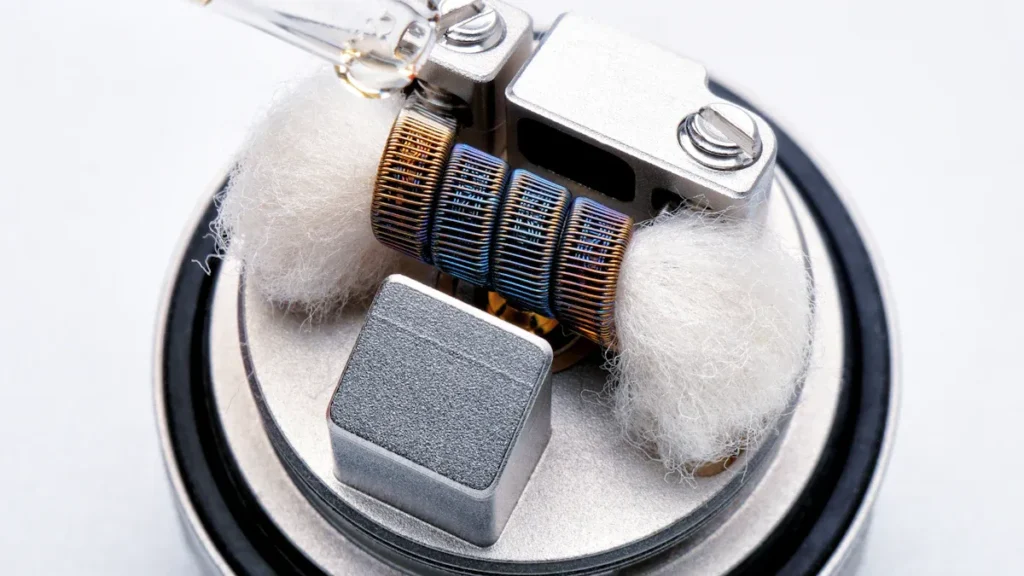

Une bobine chauffante électrique convertit l'énergie électrique en chaleur en utilisant la résistance. Vous comptez sur ce dispositif pour un chauffage efficace et contrôlé dans de nombreux contextes quotidiens et industriels. Le marché mondial des bobines chauffantes électriques a atteint 14,1 milliards USD en 2024, avec une forte demande dans les secteurs du CVC, des équipements industriels et des applications domestiques.
| Aspect | Données / Aperçu |
|---|---|
| Taille du marché (2024) | 14 139,48 millions USD |
| Parts d'application | CVC : 50 %, Équipements industriels : 30 %, Applications domestiques : 15 % |
| Parts de marché régionales | Asie-Pacifique : 40 %, Amérique du Nord : 30 %, Europe : 25 %, Moyen-Orient et Afrique : 5 % |

Vous considérez les bobines chauffantes électriques comme un élément essentiel de la vie moderne, des usines de fabrication à votre propre domicile. Leur efficacité de conversion énergétique de près de 100 % en fait un choix fiable pour le confort et la productivité.
Qu'est-ce qu'une bobine chauffante électrique ?

Définition de base
Vous rencontrez des bobines chauffantes électriques dans de nombreux systèmes de chauffage. Ces dispositifs utilisent l'électricité pour générer de la chaleur en forçant le courant à travers un fil résistif. Selon les normes d'ingénierie, vous pouvez définir une bobine chauffante électrique comme un accessoire CVC qui réchauffe l'air de soufflage conditionné à l'aide d'électricité. Les fabricants classent souvent ces bobines comme des réchauffeurs de conduit ou des réchauffeurs d'unité terminale. Les normes de certification telles que UL 1996 et UL 1995 garantissent que ces produits répondent à des exigences strictes de sécurité et de performance.
Remarque : Les caractéristiques de sécurité incluent des réinitialisations automatiques et manuelles pour éviter la surchauffe, ainsi que des interrupteurs de débit d'air ou de ventilateur qui vérifient un mouvement d'air approprié avant l'activation de la bobine.
Composants principaux
Une bobine chauffante électrique typique se compose de plusieurs pièces essentielles qui travaillent ensemble pour fournir un chauffage fiable et efficace.
Élément chauffant
- L'élément chauffant forme le cœur de la bobine. Vous le trouvez généralement fabriqué à partir de matériaux comme le nickel-chrome (NiCr), le Kanthal ou le cupronickel. Ces métaux offrent des points de fusion élevés, résistent à la corrosion et maintiennent une résistance stable à des températures élevées.
- La forme de la bobine augmente la résistance, ce qui booste la production de chaleur. Les fabricants ajustent le calibre du fil, le diamètre de la bobine et le pas pour obtenir les performances souhaitées.
- Après l'enroulement, des processus comme l'étirage aident à affiner les dimensions et les caractéristiques de chauffage de la bobine.
- L'élément chauffant électrique convertit l'énergie électrique en chaleur en offrant une résistance contrôlée au courant.
Isolation et support
- L'isolation joue un rôle crucial dans la sécurité et l'efficacité. Des gaines en céramique ou des tubes métalliques entourent souvent la bobine, fournissant une isolation électrique tout en permettant à la chaleur de se transférer vers l'extérieur.
- Les isolateurs en céramique préviennent les risques électriques mais conduisent efficacement la chaleur, garantissant un fonctionnement sûr.
- La combinaison de la sélection des matériaux, de la conception de la bobine et de l'isolation garantit que vous recevez une production de chaleur constante et sûre.
Fonction principale
La fonction principale d'une bobine chauffante électrique est de convertir l'énergie électrique en chaleur par chauffage par résistance. Lorsque vous faites passer un courant électrique à travers le fil résistif étroitement enroulé, la bobine chauffe. Cette chaleur se transfère ensuite à l'air ou aux objets environnants par conduction, convection ou rayonnement, selon l'application. Vous comptez sur ce processus dans de nombreux appareils ménagers, tels que les fours, les grille-pain, les chauffe-eau et les radiateurs d'appoint. La conception de la bobine maximise la production de chaleur et l'efficacité, tandis que l'isolation et les structures de support assurent un fonctionnement sûr et efficace.
Comment fonctionnent les bobines chauffantes électriques
Principe du chauffage par résistance électrique
Vous expérimentez le principe fondamental des bobines chauffantes électriques chaque fois que vous utilisez une cuisinière ou un radiateur électrique. Lorsque vous faites passer un courant électrique à travers un conducteur qui résiste au flux d'électricité, le conducteur chauffe. Les scientifiques appellent cela l'effet Joule. La quantité de chaleur produite dépend du courant et de la résistance du matériau. La formule de ce processus est simple : la puissance thermique est égale au carré du courant multiplié par la résistance (I²R).
La résistance du fil dépend de trois facteurs : la résistivité du matériau, la longueur du fil et sa section transversale. Par exemple, un fil plus long ou plus fin augmente la résistance, ce qui conduit à plus de chaleur. La plupart des bobines électriques utilisent des métaux comme le nichrome car leur résistance reste stable à des températures élevées. En ajustant le courant, vous contrôlez la quantité de chaleur générée, rendant ces bobines idéales pour des tâches de chauffage précises.
Remarque : L'efficacité des bobines chauffantes électriques provient de leur capacité à convertir presque toute l'énergie électrique en chaleur, avec des pertes minimales.
Processus de génération de chaleur
Vous activez une bobine électrique en allumant l'alimentation. L'électricité circule à travers le fil résistif de la bobine. Le fil résiste au flux, ce qui le fait chauffer rapidement. La température de la bobine augmente jusqu'à atteindre le point de consigne ou la température de fonctionnement maximale sécurisée.
Les fabricants conçoivent les bobines électriques pour chauffer rapidement et maintenir une température stable. Vous bénéficiez de cette réponse rapide dans des appareils comme les grille-pain et les sèche-cheveux. La conception de la bobine, y compris sa forme et les matériaux utilisés, garantit que la chaleur se répartit uniformément sur la surface. Ce chauffage uniforme protège le dispositif et offre des performances constantes.
Méthodes de transfert de chaleur
Une fois que la bobine génère de la chaleur, elle doit transférer cette énergie à l'environnement environnant ou à un objet spécifique. Les bobines électriques utilisent trois méthodes principales pour déplacer la chaleur : la conduction, la convection et le rayonnement.
Conduction
Vous observez la conduction en action lorsque la bobine touche une autre surface solide. La chaleur se déplace directement de la bobine chaude vers l'objet plus froid. Par exemple, dans un four électrique, la bobine chauffe les parois métalliques et les grilles par contact direct. L'efficacité de la conduction dépend des matériaux impliqués et de la qualité du contact.
Convection
La convection se produit lorsque la bobine chauffe l'air ou un autre fluide autour d'elle. À mesure que la bobine chauffe, elle transfère la chaleur à l'air, qui s'élève ensuite et circule. Ce processus répand la chaleur dans tout l'espace. Dans de nombreux radiateurs électriques, des ventilateurs soufflent de l'air sur les bobines pour accélérer ce processus. Vous remarquez cet effet dans les radiateurs d'appoint et les fournaises électriques, où l'air en mouvement distribue rapidement la chaleur.
- Les réchauffeurs à circulation électrique utilisent cette méthode pour transférer la chaleur efficacement. Le produit s'écoule directement sur les éléments chauffants, ce qui améliore à la fois le transfert de chaleur et le contrôle de la température.
- Les échangeurs de chaleur à calandre et à tubes utilisent la convection pour transférer la chaleur des tubes chauffés vers le fluide traversant le système.
Rayonnement
Le rayonnement permet à la bobine d'émettre de la chaleur sous forme d'énergie infrarouge. Vous ressentez cet effet lorsque vous vous tenez près d'une bobine électrique incandescente. La chaleur traverse l'air sans nécessiter de contact direct ou de milieu. Bien que le rayonnement joue un rôle dans certaines applications, la plupart des bobines électriques reposent davantage sur la conduction et la convection pour le transfert de chaleur.
Conseil : Vous pouvez atteindre un contrôle précis de la température et une efficacité énergétique élevée en choisissant la méthode de transfert de chaleur adaptée à votre application.
Types de bobines chauffantes électriques
Vous rencontrez plusieurs types de bobines électriques dans des contextes résidentiels et industriels. Chaque type offre des caractéristiques uniques, des méthodes de construction et des avantages d'application. Comprendre ces différences vous aide à sélectionner la bobine adaptée à vos besoins de chauffage.
Réchauffeurs à bobine ouverte
Les réchauffeurs à bobine ouverte utilisent un fil résistif exposé, souvent fabriqué à partir de matériaux comme l'acier galvanisé, l'acier aluminisé ou l'acier inoxydable. Vous bénéficiez de leur transfert de chaleur efficace et rapide, ce qui les rend idéaux pour les processus nécessitant des changements de température rapides. Les fabricants conçoivent ces réchauffeurs avec des caractéristiques telles que des cadres en acier de fort calibre, des boîtes à bornes isolées et du matériel en acier inoxydable pour garantir durabilité et sécurité.
- Vous pouvez trouver des réchauffeurs à bobine ouverte dans les fours industriels, les séchoirs, les autoclaves et les systèmes de conduits.
- Ils prennent en charge une large gamme d'applications, y compris le séchage, le durcissement, la cuisson, le traitement chimique et la stérilisation.
- Des options de contrôle intégrées, telles que des thermostats et des coupe-circuits thermiques, vous permettent de gérer la température avec précision.
- Des joints résistants à l'humidité et des interrupteurs de débit d'air protègent la bobine et assurent un fonctionnement sûr.
Les réchauffeurs à bobine ouverte offrent une puissance et une tension personnalisables, ce qui les rend adaptés à des tâches industrielles spécialisées. Cependant, leur conception exposée signifie que vous devez tenir compte de la sécurité et de la protection contre les dommages physiques.
Bobines chauffantes tubulaires
Les bobines chauffantes tubulaires comportent un fil résistif enfermé dans un tube métallique, souvent rempli de matériau isolant. Cette conception offre robustesse et isolation, rendant ces bobines fiables dans des environnements exigeants. Vous bénéficiez de plusieurs avantages avec les bobines tubulaires :
- Transfert de chaleur efficace grâce à un contact étroit avec le milieu chauffant.
- Polyvalence en termes de taille, de forme et de configuration, vous permettant de les adapter à divers équipements.
- Sécurité et durabilité accrues par rapport aux éléments à bobine ouverte.
Malgré ces avantages, les bobines tubulaires nécessitent plus d'espace en raison de leur forme cylindrique. Vous devez également assurer une dissipation thermique adéquate pour éviter la surchauffe. Les bobines tubulaires conviennent bien aux applications où la sécurité, la durabilité et la fiabilité sont primordiales, comme dans les chauffe-eau, les réservoirs industriels et les équipements de procédé.
Les bobines électriques tubulaires sont plus compactes et robustes que les bobines plates ou hélicoïdales. Leur isolation réduit les pertes de chaleur et augmente la sécurité opérationnelle, mais vous devez tenir compte des exigences de montage et d'espace.
Serpentins de Chauffage Ailetés
Les serpentins de chauffage ailetés combinent un tube métallique avec des ailettes attachées pour augmenter la surface de transfert de chaleur. Vous rencontrez souvent ces serpentins dans les systèmes CVC, les centrales électriques et les installations de traitement chimique. Les ailettes aident à répartir la chaleur uniformément et à améliorer l'efficacité, en particulier dans les applications de chauffage d'air forcé ou de liquide.
- Les serpentins ailetés fonctionnent de manière fiable sous des températures et des pressions extrêmes.
- Les matériaux durables résistent à la corrosion, réduisant les besoins de maintenance et de remplacement.
- La conception équilibre le transfert de chaleur avec les pertes de charge d'air et de fluide, garantissant un fonctionnement efficace.
Vous devriez utiliser des serpentins ailetés là où vous avez besoin de performances robustes et d'un contrôle de température constant. Cependant, ils peuvent accumuler de la poussière ou des débris, donc une maintenance régulière est importante pour éviter l'encrassement et maintenir l'efficacité.
Les serpentins électriques ailetés offrent un chauffage écoénergétique pour les systèmes industriels et résidentiels. Leur surface accrue et leur construction robuste en font un choix rentable pour une utilisation à long terme.
Vous pouvez constater que les serpentins de chauffage électriques se présentent sous de nombreuses formes, chacune adaptée à des environnements et des exigences spécifiques. En comprenant ces types, vous prenez des décisions éclairées pour vos applications de chauffage.
Chauffe-cartouches
Vous avez souvent recours aux cartouches chauffantes lorsque vous avez besoin d'un chauffage précis et localisé dans des espaces compacts. Ces chauffages comportent un fourreau métallique, une résistance enroulée autour d'un noyau en céramique, et une isolation telle que l'oxyde de magnésium. Cette construction permet un transfert de chaleur efficace et une distribution uniforme de la température. Vous pouvez facilement insérer les cartouches chauffantes dans des trous percés, ce qui les rend idéales pour le chauffage direct de pièces métalliques ou de moules.
Les cartouches chauffantes offrent un rendement thermique élevé et maintiennent des températures stables, même dans des conditions exigeantes. Leur taille compacte et leurs conceptions personnalisables conviennent à une large gamme d'utilisations industrielles et commerciales. Vous bénéficiez de leurs temps de chauffe rapides et de leurs performances fiables, en particulier dans les environnements à fortes vibrations ou fluctuations de température.
Voici un tableau récapitulant les applications typiques et les caractéristiques qui rendent les cartouches chauffantes adaptées à chaque utilisation :
| Application | Description / Cas d'utilisation | Facteurs d'adéquation / Caractéristiques |
|---|---|---|
| Équipement Médical | Utilisées dans les couvertures chauffantes pour patients et les machines de dialyse pour un contrôle de température précis et rapide. | Conception compacte, contrôle précis de la température, transfert de chaleur rapide, améliore la sécurité et le confort du patient. |
| Impression 3D | Chauffage des buses et des plateaux dans les imprimantes FDM et SLA pour faire fondre les matériaux d'impression et assurer l'adhésion. | Chauffage uniforme, contrôle précis de la température, taille compacte, performances fiables. |
| Contrôle de Température de Moule | Chauffage du fluide caloporteur (eau, huile) pour maintenir des températures de moule stables dans le moulage par injection, le moulage sous pression, etc. | Haute efficacité thermique, fiabilité, capacité à maintenir une température stable, profils de chauffage personnalisables. |
| Extrudeuse à Plastique | Chauffage des cylindres d'extrusion pour faire fondre le plastique afin de façonner et former des produits. | Chauffage par zones, contrôle précis de la température, effet de chauffage constant, insertion compacte dans des trous percés. |
| Four à Air Chaud | Convertit l'énergie électrique en chaleur pour l'air ou les gaz pour le séchage, la cuisson, le traitement thermique. | Conduction et rayonnement thermiques efficaces, contrôle précis de la température, fonctionnement fiable dans divers scénarios. |
| Moulage par Injection de Plastique | Insérées dans les moules métalliques pour faire fondre uniformément les résines plastiques afin d'assurer la qualité du produit. | Haute conductivité thermique, compatibilité avec les moules en acier/aluminium, support des thermocouples pour le contrôle de la température. |
| Dorure à Chaud | Chauffage des moules ou matrices pour transférer des feuilles métalliques ou des encres sur des surfaces. | Contrôle précis de la température pour éviter un sous-chauffage ou une surchauffe, chauffeurs à faible densité pour des besoins thermiques spécifiques. |
Astuce : Vous pouvez prolonger la durée de vie des cartouches chauffantes en assurant un ajustement correct et en utilisant des capteurs de température pour un contrôle précis.
Chauffeurs en Bobine pour Surfaces Cylindriques
Vous utilisez des chauffeurs en bobine pour surfaces cylindriques lorsque vous devez enrouler des éléments chauffants autour de tuyaux, tubes ou buses. Ces chauffeurs maximisent l'efficacité du transfert de chaleur grâce à une conception minutieuse et une ingénierie avancée. Plusieurs facteurs influencent leurs performances :
- Distance bobine-pièce, avec un espace d'air optimal de 0,5–3 mm, assure un chauffage et un transfert d'énergie uniformes.
- Le profil de la bobine, l'espacement des spires et le pas affectent l'uniformité de la répartition de la chaleur sur la surface.
- Vous pouvez sélectionner la fréquence de fonctionnement pour contrôler la profondeur de pénétration de la chaleur dans le matériau — des fréquences plus basses pour un chauffage en profondeur, plus élevées pour un chauffage de surface.
- La distribution de la densité de puissance dépend de la conception de la bobine, comme les bobines à un tour par rapport aux bobines à plusieurs tours et l'enroulement à pas variable.
- Les configurations avancées, comme les bobines conformées profilées et les bobines multi-zones, vous aident à traiter des géométries complexes et à obtenir un chauffage différentiel.
- Le choix des matériaux, y compris le cuivre et ses alliages, équilibre la conductivité électrique et la résistance mécanique.
- Les systèmes de refroidissement intégrés, tels que les canaux de refroidissement conformes, empêchent la surchauffe et maintiennent les performances.
- Les méthodes de fabrication de précision, comme le formage CNC et le brasage sous vide, assurent la précision géométrique pour les applications haute fréquence.
Des études récentes montrent que les conceptions de bobines à pas variable améliorent le transfert de chaleur et la distribution de température. Vous obtenez un chauffage plus uniforme et de meilleures performances thermiques, en particulier sur les surfaces cylindriques.
Serpentins de Chauffage Électriques pour Conduits et Tuyaux
Vous rencontrez des serpentins de chauffage électriques pour conduits et tuyaux dans les systèmes CVC, les procédés industriels et les bâtiments commerciaux. Ces serpentins, souvent appelés chauffeurs de gaine, fournissent un chauffage contrôlé pour l'air ou les fluides circulant dans les conduits et tuyaux. Vous pouvez installer un chauffeur de gaine directement à l'intérieur des centrales de traitement d'air ou des conduits de ventilation pour maintenir les températures souhaitées et améliorer la qualité de l'air intérieur.
Les chauffeurs de gaine se présentent sous diverses configurations, y compris des conceptions à bobine ouverte, tubulaire et ailetée. Vous sélectionnez le type en fonction du débit d'air, des exigences de température et de l'espace d'installation. Pour le chauffage de tuyaux, les serpentins de chauffage électriques s'enroulent autour ou s'insèrent dans les tuyaux pour éviter le gel, maintenir les températures de procédé ou soutenir les réactions chimiques.
- Vous bénéficiez d’un contrôle précis de la température et d’une efficacité énergétique.
- Des dispositifs de sécurité, tels que des coupe-circuits thermiques et des interrupteurs de débit d’air, protègent contre la surchauffe.
- La maintenance est simple, avec un accès facile pour l’inspection et le remplacement.
Remarque : Lorsque vous choisissez un réchauffeur de conduit, tenez compte de facteurs tels que le débit d’air, la taille du conduit et l’élévation de température requise pour garantir des performances optimales.
Vous comptez sur les serpentins chauffants électriques dans les systèmes de conduits et de tuyauterie pour un chauffage fiable, efficace et sûr dans de nombreuses applications.
Construction et matériaux des serpentins chauffants électriques
Matériaux couramment utilisés
Lorsque vous sélectionnez des matériaux pour les serpentins électriques, vous influencez leur efficacité, leur durabilité et leur domaine d’application. Le bon matériau garantit un chauffage fiable et prolonge la durée de vie de votre équipement.
Nichrome
Le nichrome est l’un des choix les plus populaires pour les serpentins électriques. Vous bénéficiez de sa résistivité électrique élevée et de son excellente résistance à l’oxydation. Cet alliage, composé de nickel et de chrome, forme une couche d’oxyde stable (Cr₂O₃) qui protège le fil lors des cycles de chauffage répétés. Le nichrome fonctionne en toute sécurité à des températures allant jusqu’à 1200°C, ce qui le rend adapté à la plupart des appareils électroménagers et à des usages industriels modérés. On le trouve souvent dans les grille-pain, les sèche-cheveux et les fours électriques, où un chauffage uniforme et des performances constantes sont essentiels.
Kanthal
Le Kanthal vous offre une solution pour des environnements plus exigeants. Cet alliage fer-chrome-aluminium résiste à des températures plus élevées, atteignant jusqu’à 1400°C ou plus, selon l’alliage spécifique. La résistance mécanique du Kanthal dépasse celle du nichrome, ce qui signifie que vous pouvez l’utiliser dans des serpentins électriques exposés à des conditions difficiles ou à des cycles thermiques fréquents. Sa durabilité et sa résistance à l’oxydation le rendent idéal pour les fours industriels et les traitements à haute température.
| Propriété | Nichrome | Kanthal |
|---|---|---|
| Température de Fonctionnement Maximale | Environ 1200°C | Environ 1400°C |
| Résistance à l'oxydation | Excellente (Cr₂O₃ stable) | Excellent |
| Résistivité électrique | Haut | Modéré |
| Résistance mécanique | Modéré | Haut |
Vous constatez que la capacité thermique plus élevée du Kanthal et sa construction robuste se traduisent par une durée de vie plus longue et de meilleures performances dans des environnements extrêmes.
Cuivre et autres alliages
Le cuivre et ses alliages jouent un rôle dans les serpentins électriques lorsque une résistance plus faible et un transfert de chaleur rapide sont nécessaires. Vous pourriez utiliser des serpentins en cuivre dans des applications nécessitant des cycles de chauffage et de refroidissement rapides. Cependant, le point de fusion plus bas du cuivre et sa résistance limitée à l’oxydation restreignent son utilisation dans des environnements à haute température. Les fabricants mélangent parfois le cuivre avec d’autres métaux pour améliorer la résistance et la corrosion, adaptant ainsi le serpentin à des tâches spécialisées.
Considérations de conception
Vous devez prendre en compte plusieurs facteurs lors de la conception des serpentins électriques pour garantir des performances optimales et la sécurité.
Forme et taille du serpentin
La forme et la taille de vos serpentins électriques affectent directement la distribution de la chaleur et l’efficacité. Vous pouvez choisir parmi des configurations hélicoïdales, spiralées ou plates, chacune adaptée à des applications spécifiques. Un serpentin étroitement enroulé augmente la résistance et la production de chaleur, tandis qu’un diamètre plus large répartit la chaleur sur une plus grande surface. Vous devez adapter les dimensions du serpentin aux besoins de chauffage de votre appareil ou processus.
Isolation et dispositifs de sécurité
L’isolation est un composant essentiel des serpentins électriques. On utilise souvent une isolation en céramique, en mica ou minérale pour séparer l’élément chauffant de sa gaine extérieure. Cette conception empêche les courts-circuits électriques et garantit un transfert de chaleur efficace vers le milieu environnant. Les dispositifs de sécurité, tels que les coupe-circuits thermiques et les capteurs de température, vous protègent contre la surchauffe et les risques électriques. Vous devez toujours vérifier que vos serpentins électriques incluent ces protections pour maintenir un fonctionnement fiable et éviter les accidents.
Conseil : Une inspection régulière de l’isolation et des dispositifs de sécurité vous aide à éviter les pannes et prolonge la durée de vie de vos serpentins électriques.
Applications clés des serpentins chauffants électriques dans la vie quotidienne

Les serpentins chauffants électriques jouent un rôle crucial dans votre confort et votre commodité quotidiens. Vous rencontrez ces composants dans de nombreux appareils électroménagers et systèmes de chauffage. Leur efficacité, leur fiabilité et leur adaptabilité les rendent essentiels dans les foyers modernes.
Appareils ménagers
Vous dépendez des serpentins chauffants électriques dans de nombreux appareils courants. Ces dispositifs fournissent une chaleur rapide et contrôlée pour la cuisson, le nettoyage et les soins personnels. Le tableau suivant met en évidence l’utilisation généralisée des serpentins chauffants dans les appareils domestiques:
| Type d’appareil / Métrique | Données / Description |
|---|---|
| Appareils courants utilisant des serpentins chauffants électriques | Chauffe-eau, tables de cuisson électriques (y compris les cuisinières électriques), fers à repasser |
| Total des éléments chauffants dans les appareils domestiques | Plus de 510 millions d’unités en 2023 |
| Éléments chauffants dans les cuisinières électriques | 180 millions d’unités |
| Éléments chauffants dans les appareils résidentiels | Plus de 410 millions d’unités (cuisinières électriques, chauffe-eau, sèche-cheveux) |
| Taux de pénétration du marché (nouveaux appareils, 2023) | Plus de 72 % des nouvelles cuisinières, fours et chauffe-eau électriques utilisent des éléments à serpentin/ruban à haute efficacité |
| Ventes d’éléments chauffants compacts à chauffe rapide | Plus de 180 millions d’unités dans le monde (bouilloires électriques, chauffe-eau instantanés) |
| Leader régional du marché | Région Asie-Pacifique, en particulier la Chine, avec plus de 520 millions d’éléments chauffants produits chaque année |
| Incitations gouvernementales | Plus de 30 pays favorisant l’adoption des éléments chauffants électriques |
Fours et cuisinières électriques
Vous utilisez les fours et cuisinières électriques pour une cuisson précise et constante. Le système de serpentin chauffant à l’intérieur de ces appareils chauffe rapidement et répartit la chaleur uniformément. Cette conception vous permet de cuire au four, de rôtir et de cuisiner avec un contrôle fiable de la température. Plus de 72 % des nouvelles cuisinières et fours électriques sont désormais équipés d’éléments à serpentin ou ruban à haute efficacité, améliorant l’utilisation de l’énergie et les performances.
Chauffe-eau
Les chauffe-eau utilisent des serpentins chauffants électriques pour fournir de l’eau chaude à la demande. Le serpentin chauffe l’eau rapidement et maintient une température stable. Vous bénéficiez d’un accès rapide à l’eau chaude pour les douches, le nettoyage et la cuisson. Les éléments chauffants compacts à chauffe rapide, comme ceux des chauffe-eau instantanés, ont vu leurs ventes mondiales dépasser 180 millions d’unités.
Grille-pain et sèche-cheveux
Les grille-pain utilisent des serpentins exposés pour dorer le pain uniformément et efficacement. Les sèche-cheveux contiennent des éléments enroulés qui chauffent l’air lorsqu’il passe, vous permettant de sécher et de coiffer vos cheveux en toute sécurité. Ces appareils illustrent la polyvalence du système de serpentin chauffant pour fournir une chaleur ciblée et rapide.
Systèmes de chauffage
Vous expérimentez les avantages des serpentins chauffants électriques dans les systèmes de chauffage domestique conçus pour le confort et la sécurité. Ces systèmes convertissent presque toute l’énergie électrique en chaleur, ce qui les rend très efficaces par rapport aux alternatives au gaz.
- Les serpentins chauffants électriques atteignent une conversion énergétique de près de 100 %, ce qui signifie que vous gaspillez très peu d’énergie.
- Vous bénéficiez d’une fiabilité accrue car ces systèmes comportent moins de pièces mobiles et des dispositifs de sécurité intégrés.
- L’absence de combustibles inflammables réduit les risques de fuites de gaz, de monoxyde de carbone et de dangers d’incendie.
- La taille compacte et la conception flexible des serpentins électriques permettent une intégration facile avec les sources d’énergie renouvelables.
Radiateurs d’appoint
Les radiateurs d’appoint utilisent des serpentins électriques pour chauffer les pièces rapidement et uniformément. Vous pouvez ajuster la température selon votre préférence, et le système réagit rapidement. La conception compacte rend ces radiateurs portables et faciles à utiliser dans différents espaces.
Couvertures électriques
Les couvertures chauffantes contiennent des serpentins fins et flexibles qui fournissent une chaleur douce et réglable. Vous restez confortable pendant les nuits froides tout en utilisant moins d’énergie que les radiateurs traditionnels. Le système de serpentin chauffant dans ces couvertures assure une répartition uniforme de la chaleur et des contrôles de sécurité fiables.
Conseil : Lorsque vous choisissez des appareils ou un système de chauffage avec serpentins électriques, vous gagnez en efficacité, en sécurité et en contrôle précis de la température pour votre maison.
Applications industrielles et commerciales des serpentins chauffants électriques
Les serpentins chauffants électriques stimulent l’innovation et l’efficacité dans de nombreux secteurs industriels et commerciaux. Vous voyez ces composants au cœur de la fabrication, de la régulation climatique et des opérations de laboratoire. Leur capacité à fournir un chauffage rapide, précis et sûr les rend indispensables dans l’industrie moderne.
Procédés de fabrication
Vous comptez sur les serpentins de chauffage électrique pour une chaleur constante et contrôlée dans la fabrication. Ces serpentins soutiennent une large gamme de procédés, du façonnage des plastiques au traitement des métaux.
Moulage de plastiques
Dans le moulage de plastiques, vous utilisez des serpentins de chauffage électrique pour maintenir les températures exactes nécessaires à la fusion et au façonnage des polymères. Les serpentins chauffent les moules et les cylindres d’extrusion, assurant un écoulement uniforme de la matière et évitant les défauts. Ce contrôle précis de la température améliore la qualité des produits et réduit les déchets. Vous bénéficiez également de l’efficacité énergétique, car les serpentins transfèrent la chaleur directement aux surfaces de moulage.
Travail des métaux et recuit
Les procédés de travail des métaux tels que le forgeage, la trempe, le recuit et le brasage dépendent des serpentins de chauffage électrique. Vous obtenez un chauffage rapide et localisé, ce qui vous permet de traiter les métaux avec précision. Les serpentins vous aident à atteindre des températures élevées rapidement, favorisant des cycles de production plus rapides et une meilleure constance. Vous évitez également les flammes nues, ce qui améliore la sécurité au travail et réduit les émissions.
Les principaux avantages des serpentins de chauffage électrique dans la fabrication incluent :
- Transfert de chaleur rapide et efficace
- Contrôle précis de la température
- Amélioration de la qualité et de la constance des produits
- Productivité et efficacité des procédés accrues
- Avantages en matière de sécurité grâce à l’absence de flammes nues
Systèmes CVC
Vous trouvez des serpentins de chauffage électrique intégrés dans les systèmes CVC modernes pour fournir un contrôle climatique fiable. Ces serpentins vous permettent de gérer la température sur plusieurs zones avec précision. En utilisant un système de serpentins de chauffage, vous pouvez optimiser le confort des occupants du bâtiment et réduire les coûts énergétiques.
- Les systèmes CVC avancés utilisent des technologies d’IA et d’IoT pour ajuster la température de l’air soufflé et la vitesse du ventilateur en temps réel.
- Cette intégration réduit les écarts de température et améliore l’efficacité énergétique jusqu’à 15%.
- Vous bénéficiez de coûts d’exploitation réduits, d’un confort amélioré pour les occupants et d’une réduction des émissions de carbone.
- Les systèmes de contrôle en boucle fermée permettent de moderniser les installations CVC existantes sans modifications matérielles majeures.
Équipements de laboratoire
En milieu de laboratoire, vous dépendez des serpentins de chauffage électrique pour un chauffage sûr et précis . Ces serpentins servent d’éléments chauffants principaux dans des appareils tels que les fours, les plaques chauffantes, les manteaux chauffants, les bains d’huile et les étuves. Vous les utilisez pour sécher des échantillons, maintenir des températures de réaction et soutenir des processus chimiques.. Les fabricants enferment les éléments chauffants pour éviter tout contact accidentel et tout risque électrique.
- Vous contrôlez la tension d’entrée avec des autotransformateurs variables, ce qui aide à prévenir la surchauffe.
- Des dispositifs de sécurité coupent automatiquement l’alimentation si les températures dépassent les limites de sécurité ou si le refroidissement échoue.
- Un entretien approprié et une inspection régulière garantissent un fonctionnement sûr et préviennent les risques tels que l’incendie, l’explosion ou l’exposition chimique.
- Conseil : Vérifiez toujours les dommages à l’isolation et utilisez la régulation de tension pour maintenir la sécurité et la fiabilité des équipements de chauffage de laboratoire.
Équipements de restauration.
Vous rencontrez des serpentins de chauffage électrique dans presque toutes les cuisines commerciales modernes. Ces serpentins fournissent la chaleur fiable et constante exigée par les services de restauration. Vous les voyez dans les réchauds, les réchauffeurs, les tables à vapeur et les armoires de maintien. Les serpentins agissent comme sources de chaleur sèche, mais vous constatez souvent que la chaleur sèche seule peut faire perdre de l’humidité et de la température aux aliments. Pour y remédier, de nombreux réchauds utilisent de l’eau ou de la vapeur d’eau comme milieu de transfert de chaleur. Cette approche aide à maintenir des températures précises et préserve la qualité des aliments.
Les systèmes avancés, tels que les fours à vapeur contrôlée, combinent la chaleur de l’air sec provenant des éléments chauffants électriques avec de la vapeur humide. Cette double approche vous permet de contrôler précisément à la fois la température et la texture des aliments. Vous maintenez les aliments au-dessus des températures de maintien sécuritaires, ce qui empêche la croissance bactérienne et garantit la sécurité alimentaire. Les réchauffeurs utilisent des serpentins de chauffage électrique avec de l’eau pour réchauffer rapidement des aliments réfrigérés ou congelés. Ces systèmes déplacent les aliments dans la plage de température critique de.
40°F à 140°F en moins de deux heures , ce qui est essentiel pour la sécurité alimentaire., Vous bénéficiez de fonctionnalités telles que le maintien automatique et les cycles de cuisson programmés. Ces fonctions garantissent que les aliments restent à la bonne température avec une intervention minimale du personnel. Vous constatez également que ces systèmes nécessitent plus de puissance électrique que les réchauds simples, mais ils offrent des résultats plus rapides et plus sûrs. En utilisant des serpentins de chauffage électrique, vous maintenez la qualité des aliments, respectez les normes de sécurité et rationalisez les opérations de cuisine.
Unités d’air neuf et aérothermes.
Vous comptez sur les unités d’air neuf et les aérothermes pour maintenir des environnements intérieurs confortables et sûrs dans les bâtiments commerciaux et industriels. Les unités d’air neuf introduisent de l’air frais conditionné pour remplacer l’air perdu par la ventilation ou les systèmes d’extraction. Vous trouvez souvent un aérotherme installé dans ces unités pour élever la température de l’air entrant, surtout pendant les mois les plus froids.
Un aérotherme utilise des serpentins de chauffage électrique pour fournir une chaleur précise et contrôlée directement dans le flux d’air. Vous pouvez choisir parmi des conceptions à serpentins ouverts, tubulaires ou à ailettes, en fonction de vos besoins en débit d’air et en température. Ces appareils réagissent rapidement aux changements de demande, ce qui vous aide à maintenir des températures intérieures constantes et à améliorer l’efficacité énergétique.
Vous bénéficiez de plusieurs caractéristiques clés :.
Protection contre la surchauffe et interrupteurs de débit d’air qui améliorent la sécurité.
- Construction modulaire permettant une installation et un entretien faciles.
- Compatibilité avec les systèmes de gestion technique du bâtiment pour un contrôle avancé.
- Vous voyez des aérothermes utilisés dans les écoles, les hôpitaux, les usines de fabrication et les immeubles de bureaux. Ils vous aident à respecter les codes de ventilation, à améliorer la qualité de l’air et à assurer le confort des occupants. En choisissant le bon aérotherme, vous optimisez les performances du système et réduisez les coûts d’exploitation.
Conseil : L’inspection et le nettoyage réguliers des aérothermes vous aident à maintenir l’efficacité et à prolonger la durée de vie de l’équipement.
Avantages et considérations pratiques des serpentins de chauffage électrique.
Avantages des serpentins de chauffage électrique
Vous bénéficiez des serpentins de chauffage électrique car ils offrent une installation simple et des performances fiables. Ces serpentins convertissent presque toute l’énergie électrique entrante en chaleur, ce qui les rend plus efficaces que de nombreux radiateurs et appareils de chauffage d’appoint. Vous pouvez installer des radiateurs électriques à plinthes ou des fours électriques avec un minimum d’effort et de coût. Bien que les pompes à chaleur surpassent les serpentins électriques en efficacité énergétique—fournissant jusqu’à trois fois plus de chaleur par unité d’électricité—les serpentins électriques restent un choix pratique pour le chauffage par zone ou par pièce. Le chauffage par le sol radiant, qui utilise des serpentins électriques, offre une chaleur constante mais implique une complexité d’installation plus élevée.
Efficacité
Les radiateurs électriques à plinthes sont faciles à installer.
- et souvent adaptés aux projets de bricolage. Vous évitez le besoin de ventilation ou de stockage de combustible, ce qui simplifie l’installation et réduit les coûts.
- Vous obtenez un contrôle précis de la température avec les serpentins de chauffage électrique. Ces systèmes réagissent rapidement aux ajustements du thermostat, vous permettant de maintenir votre niveau de confort préféré. Vous pouvez cibler des pièces ou des zones spécifiques, ce qui vous aide à éviter de gaspiller de l’énergie dans des espaces inutilisés. Cette approche ciblée favorise à la fois le confort et les économies de coûts.
Contrôle Précis de la Température
Fonctionnement propre.
Vous profitez d’une expérience de chauffage propre et silencieuse avec les serpentins électriques. Ces systèmes ne brûlent pas de combustibles fossiles, ce qui élimine les risques tels que les fuites de monoxyde de carbone et le besoin de ventilation. Les radiateurs électriques à plinthes fonctionnent silencieusement, ce qui les rend idéaux pour les chambres et les bureaux. Vous réduisez également la pollution de l’air intérieur, ce qui favorise un environnement plus sain.
Conseil : Les serpentins électriques.
offrent une alternative sûre aux radiateurs d’appoint portables, qui peuvent présenter des risques d’incendie s’ils sont laissés sans surveillance. bobines chauffantes électriques Conseils de sécurité et d’entretien.
Vous devez prioriser la sécurité et l’entretien régulier pour garantir des performances durables de vos serpentins de chauffage électrique. Suivez ces conseils essentiels :
Nettoyez régulièrement les serpentins pour éliminer la poussière, les débris et les dépôts minéraux
- . Cela évite la surchauffe et maintient l’efficacité.. Inspectez les serpentins pour détecter l’usure, les défauts électriques ou les dommages physiques. Une détection précoce vous aide à éviter les pannes et les dangers.
- Respectez les directives du fabricant pour éviter les surcharges ou la surchauffe.
- Utilisez uniquement des pièces de rechange de haute qualité et approuvées pour maintenir les normes de sécurité.
- Use only high-quality, approved replacement parts to maintain safety standards.
- Assurez une ventilation adéquate autour des résistances pour favoriser la dissipation thermique.
- Surveillez les signes de défaillance des résistances, tels que la décoloration, les fissures ou une diminution de la puissance de chauffe. Remplacez les résistances rapidement si nécessaire.
- Collaborez avec des techniciens professionnels pour les réparations ou la maintenance complexes.
| Tâche de maintenance | But | Fréquence recommandée |
|---|---|---|
| Nettoyage | Empêche la surchauffe | Tous les 3 à 6 mois |
| Inspection | Détecte les défauts ou dommages | Tous les 6 mois |
| Maintenance professionnelle | Garantit la sécurité et la fiabilité | Annuellement |
Remarque : Un entretien approprié prolonge non seulement la durée de vie des résistances, mais améliore également la sécurité pour vous et votre foyer.
Choisir la bonne résistance électrique chauffante
Vous devez prendre en compte plusieurs facteurs lors de la sélection d'une résistance électrique chauffante pour votre application :
- La qualité de l'air et les niveaux de contamination, qui influencent le meilleur type de construction de la résistance.
- La température de fonctionnement et la puissance requises, qui déterminent le matériau et la conception.
- La vitesse de l'air et l'uniformité du débit d'air, qui affectent les performances et la sécurité de la résistance.
- La compatibilité de tension et l'espace disponible pour l'installation.
- Le matériau de gaine pour la résistance à la corrosion et la durabilité.
- Le type de connexion et les besoins de protection environnementale.
- Les spécificités de l'application – que vous chauffiez de l'air, un liquide ou des matériaux solides.
Vous pouvez optimiser l'efficacité et la qualité du produit en adaptant la conception de la résistance à vos besoins de chauffage. Consultez toujours un professionnel si vous avez des exigences particulières ou des contraintes système complexes.
Vous avez vu qu'une résistance électrique chauffante convertit efficacement l'électricité en chaleur pour une large gamme d'utilisations. Le tableau ci-dessous met en lumière les aspects clés:
| Types & Construction | Applications | Avantages & Tendances |
|---|---|---|
| Métal, céramique, PTC | Maison, industrie, laboratoires | Haute efficacité, durabilité, polyvalence |
- Vous bénéficiez de conception simple, chaleur directe et entretien facile.
- Les nouvelles technologies intelligentes et les matériaux avancés améliorent les performances et les économies d'énergie.
- La demande croissante dans l'industrie et les foyers annonce un avenir prometteur pour ces solutions.
Envisagez les résistances électriques chauffantes pour un chauffage fiable, efficace et adaptable dans votre prochain projet.
FAQ
Quelle est la durée de vie d'une résistance électrique chauffante ?
Vous pouvez vous attendre à ce que la plupart des résistances électriques chauffantes durent entre 3 et 10 ans. La durée de vie dépend de l'utilisation, de l'entretien et des conditions de fonctionnement. Un nettoyage et une inspection réguliers aident à prolonger la durée de service.
Comment savoir si une résistance chauffante doit être remplacée ?
Vous devez rechercher des signes tels qu'un chauffage inégal, des dommages visibles, une décoloration ou une baisse de performance. Si votre appareil met plus de temps à chauffer ou n'atteint pas les températures définies, envisagez de remplacer la résistance.
Les résistances électriques chauffantes sont-elles sûres à utiliser ?
Vous bénéficiez de dispositifs de sécurité intégrés tels que des coupe-thermiques et une isolation. Suivez toujours les directives du fabricant et effectuez un entretien régulier. Une installation et une ventilation appropriées réduisent davantage les risques.
Pouvez-vous nettoyer vous-même les résistances électriques chauffantes ?
Vous pouvez nettoyer la plupart des résistances en éliminant délicatement la poussière et les débris avec une brosse douce ou un aspirateur. Pour les dépôts minéraux, utilisez un chiffon humide. Débranchez toujours l'alimentation avant le nettoyage. Évitez les produits chimiques agressifs.
Quels facteurs devez-vous prendre en compte lors du choix d'une résistance chauffante ?
Prenez en compte l'application, la température requise, le matériau de la résistance, la tension et l'espace d'installation.
Consultez ce tableau de référence rapide :
| Facteur | Pourquoi c'est important |
|---|---|
| Matériau | Affecte la durabilité |
| Puissance | Détermine la puissance calorifique |
| Taille/Forme | S'adapte à votre équipement |
| Tension | Correspond à votre système |
Les résistances électriques chauffantes fonctionnent-elles avec des sources d'énergie renouvelables ?
Vous pouvez utiliser des résistances électriques chauffantes avec des panneaux solaires ou des systèmes éoliens. Leur conception simple et leur haute efficacité les rendent compatibles avec la plupart des installations d'énergie renouvelable.
Quelles tâches d'entretien maintiennent l'efficacité des résistances électriques chauffantes ?
Vous devez nettoyer régulièrement les résistances, inspecter les dommages et vérifier les dispositifs de sécurité. Planifiez une maintenance professionnelle annuelle pour des performances et une sécurité optimales.

