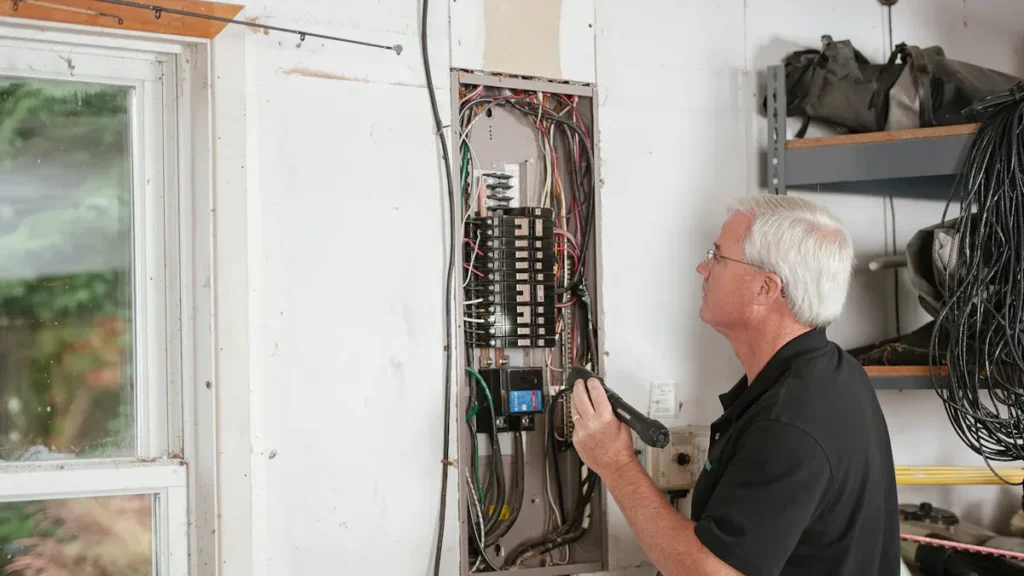
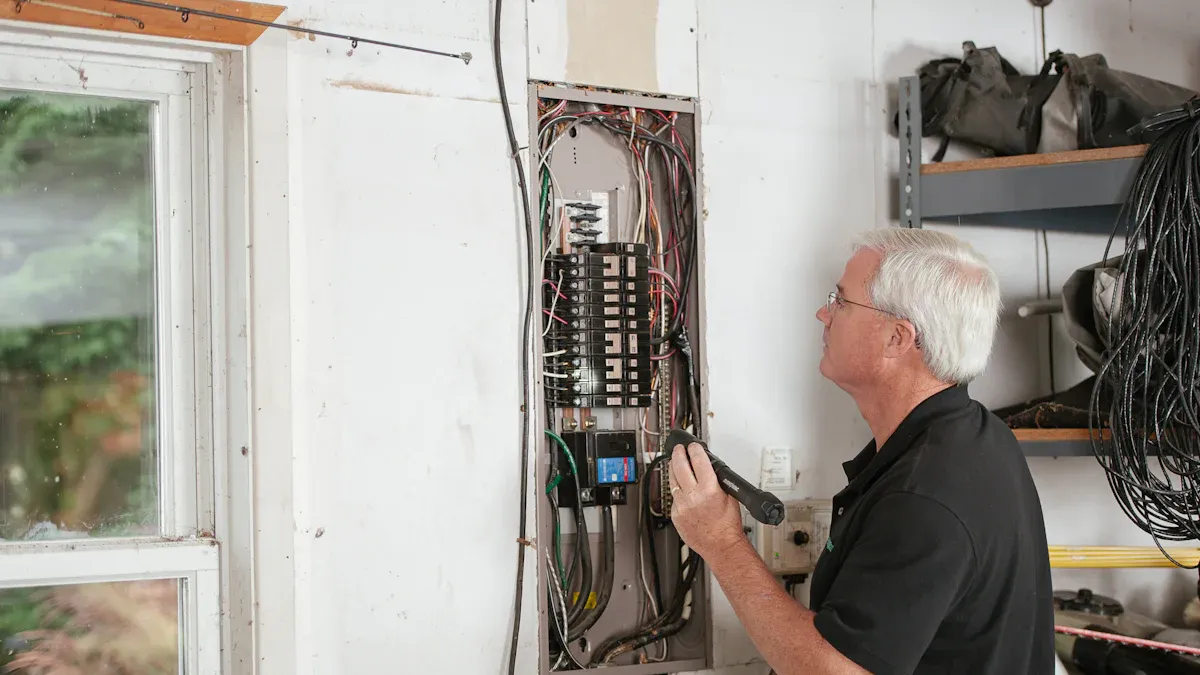
Wenn Sie ein Element in Ihrem Gerät ersetzen, müssen Sie sowohl die Sicherheit als auch die Kompatibilität berücksichtigen. Die Verwendung einer falschen Wattzahl kann zu ernsthaften Problemen führen. Häufige Probleme umfassen Stromschlag wenn Sie das Ausschalten der Stromversorgung versäumen, Fehlfunktionen des Ofens aufgrund falscher Verkabelung und eine verringerte Heizeffizienz. Das Ignorieren von Sicherheitsvorkehrungen, wie dem Tragen von Schutzausrüstung, kann zu Verletzungen oder elektrischen Verbrennungen führen. Befolgen Sie stets die Herstellerrichtlinien, um Schäden an Ihrem Gerät oder Personenschäden zu vermeiden.
Können Sie ein Element mit einer anderen Wattzahl ersetzen?
Die direkte Antwort
Sie fragen sich vielleicht, ob Sie ein Element in Ihrem Gerät durch eines mit einer anderen Wattzahl ersetzen können. Die kurze Antwort lautet: Sie sollten dies nicht tun, es sei denn, das neue Element stimmt exakt mit der ursprünglichen Wattzahl und Spannung überein. Elektrische Sicherheitsstandards verlangen, dass Sie ein Ersatzheizelement verwenden, das den Spannungs- und Wattzahlangaben des ursprünglichen Elements entspricht. Das Überschreiten der auf dem Typenschild angegebenen Wattzahl des Geräts kann zu ernsthaften Sicherheitsrisiken führen. Wenn Sie ein Element mit höherer Wattzahl installieren, zieht es mehr Strom. Dies kann Ihre Verkabelung überlasten, Sicherungen auslösen, Schmelzsicherungen durchbrennen lassen oder sogar einen Brand verursachen. Einige Geräte verfügen über eingebaute Thermoschalter, die die Stromversorgung unterbrechen oder das Gerät abschalten können, wenn Sie ein Element mit zu hoher Wattzahl installieren. Schalten Sie stets die Stromversorgung aus, bevor Sie ein Element ersetzen, und betreiben Sie ein Heizelement niemals ohne Wasser oder das vorgesehene Medium, da dies das Element zerstört.
Tipp: Überprüfen Sie vor dem Kauf eines Ersatzes stets das Typenschild oder die Herstellerdokumentation auf die korrekte Wattzahl und Spannung.
Wichtige Sicherheits- und Kompatibilitätsaspekte
Gerätetyp und Herstellerspezifikationen
Jedes Gerät hat einzigartige Anforderungen. Sie müssen die Kompatibilität mit Ihrem spezifischen Gerätemodell bestätigen, einschließlich Marke, Abmessungen und Montagekonfiguration. Hersteller konstruieren Geräte, um sicher und effizient mit einer bestimmten Wattzahl zu arbeiten. Die Verwendung der falschen Wattzahl kann zu schlechter Wärmeverteilung, Betriebsstörungen oder sogar Sicherheitsrisiken führen. Zum Beispiel hat ein Wartungsarbeiter einmal ein Ölheizelement durch ein Wasserheizelement ersetzt. Die Nichtübereinstimmung führte zu Elementausfall, Verunreinigung und kostspieligen Ausfallzeiten. Dieses Beispiel zeigt, warum Sie das Element stets an die Anwendung anpassen und die Herstellerrichtlinien befolgen müssen.
Elektrisches System und Stromkreisgrenzen
Das elektrische System Ihres Hauses hat Grenzen. Elemente mit höherer Wattzahl ziehen mehr Strom, was die Kapazität Ihrer Verkabelung und Sicherungen überschreiten kann. Wenn Sie ein Element installieren, das mehr Strom benötigt, als Ihr Stromkreis verkraften kann, riskieren Sie Schäden an der Isolierung, das Auslösen von Sicherungen oder einen Brand. Sie müssen auch sicherstellen, dass die Spannung exakt übereinstimmt. Nicht passende Spannung kann sowohl das Element als auch das Gerät beschädigen. Überprüfen Sie stets, ob Ihr elektrisches System die Anforderungen des neuen Elements sicher unterstützen kann, bevor Sie Änderungen vornehmen.
Anmerkung: Konsultieren Sie einen zugelassenen Elektriker, wenn Sie sich über die Kapazität oder Kompatibilität Ihres Stromkreises unsicher sind.
Häufige Szenarien: Wann es sicher ist und wann nicht
Sie können ein Element nur dann sicher ersetzen, wenn das neue Teil mit der ursprünglichen Wattzahl und Spannung übereinstimmt. Dies stellt sicher, dass das Gerät wie vorgesehen funktioniert und Sicherheitsrisiken vermieden werden. Wenn Sie ein Element mit niedrigerer Wattzahl verwenden, kann es zu langsamerer Erwärmung, längeren Wartezeiten und unzureichendem Warmwasser bei Spitzenbedarf kommen. Wenn Sie ein Element mit höherer Wattzahl verwenden, riskieren Sie Überhitzung, Geräteschäden oder elektrische Gefahren.
Risiko-/Folgenkategorie | Erläuterung |
|---|---|
Elemente mit niedrigerer Wattzahl erwärmen Wasser langsamer, was die Wartezeiten verlängert und möglicherweise zu unzureichendem Warmwasser bei Spitzenbedarf führt. | |
Elektrische Sicherheit | Die Verwendung eines Elements mit falscher Wattzahl erfordert die Sicherstellung der elektrischen Kompatibilität (Spannung, Verkabelung, Vorschriften), um Gefahren zu vermeiden. |
Angemessenheit der Warmwasserversorgung | Ein Element mit niedrigerer Wattzahl kann den Warmwasserbedarf eines Haushalts möglicherweise nicht decken, was zu Unzufriedenheit und unzureichender Versorgung führt. |
Langlebigkeit und Wartung | Eine niedrigere Wattzahl kann die Belastung verringern und die Lebensdauer von Element und Tank verlängern, erfordert jedoch regelmäßige Wartung, um Korrosion und Sedimentbildung zu verhindern. |
Betriebseffizienz | Die richtige Wattzahlauswahl, abgestimmt auf den Haushaltsbedarf, optimiert den Energieverbrauch; eine falsche Wattzahl kann zu Ineffizienz und erhöhtem Energieverbrauch führen. |
Minderungsstrategien | Die Abstimmung der Wattzahl auf die Nutzung, die Installation mehrerer Elemente oder die Verwendung von Durchlauferhitzern können Risiken mindern und gleichzeitig die Sicherheit gewährleisten. |
Verständnis der Wattzahl beim Ersetzen eines Elements
Was die Wattzahl für Ihr Gerät bedeutet
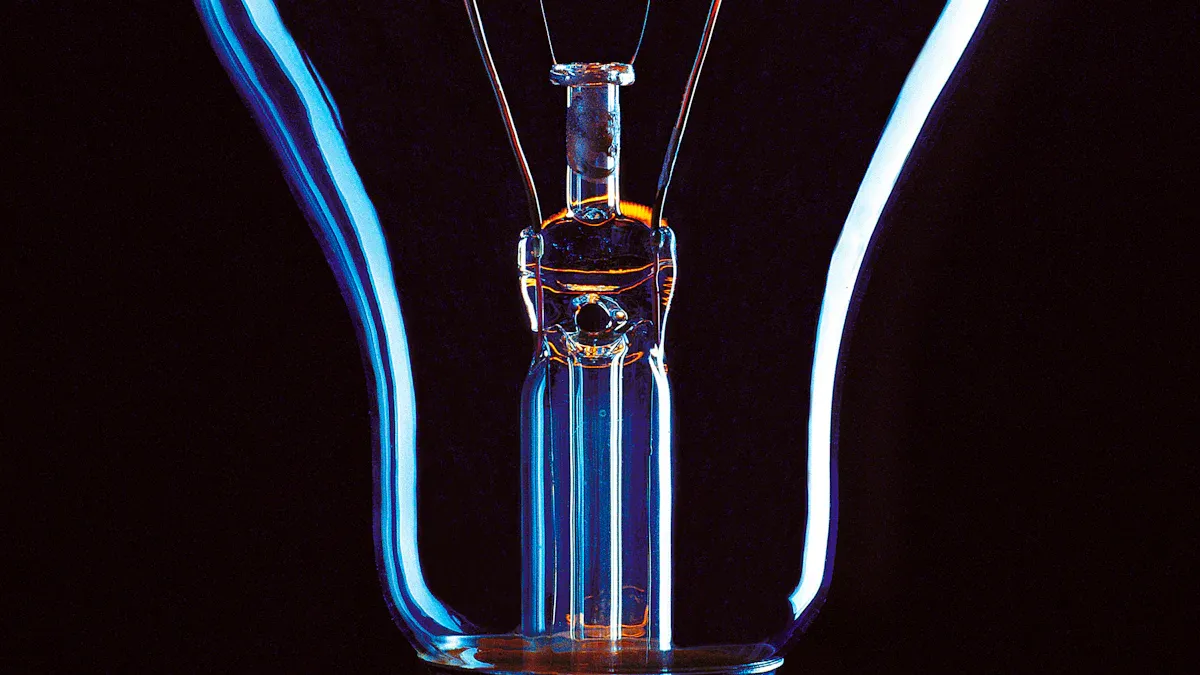
Die Wattzahl gibt an, wie viel elektrische Leistung Ihr Gerät verbraucht. Wenn Sie das Etikett eines Heizgeräts, Ofens oder Warmwasserbereiters betrachten, sehen Sie eine Zahl, gefolgt von “W” für Watt. Diese Zahl zeigt die Rate, mit der das Gerät Energie verbraucht. Zum Beispiel verbraucht eine 100-Watt-Glühbirne, die 10 Stunden lang brennt, 1 Kilowattstunde (kWh) Strom. Sie können die Kosten für den Betrieb eines Geräts schätzen, indem Sie die Wattzahl durch 1.000 teilen , um kWh zu erhalten, und dann mit Ihrem lokalen Stromtarif multiplizieren. Wenn Sie einen 1200-Watt-Haartrockner eine Stunde lang verwenden, verbraucht er 1,2 kWh, was etwa 9 Cent kosten könnte. Das Verständnis der Wattzahl hilft Ihnen, Ihren Energieverbrauch zu verwalten und Ihre Stromrechnungen zu kontrollieren.
Bundesweite Energieeffizienzstandards verlangen von Herstellern, Geräte zu entwickeln, die weniger Energie verbrauchen und dennoch gute Leistung erbringen. Diese Standards helfen Ihnen, Geld zu sparen und die Umweltbelastung zu reduzieren. Selbst wenn zwei Geräte die gleiche Wattzahl haben, wird das effizientere im Laufe der Zeit weniger Energie verbrauchen.
Wie die Wattzahl die Heizleistung beeinflusst
Die Wattzahl wirkt sich direkt darauf aus, wie schnell und effektiv Ihr Gerät heizt. Eine höhere Wattzahl bedeutet, dass das Gerät mehr Wärme erzeugen kann in kürzerer Zeit. Zum Beispiel gart ein Elektroofen mit höherer Wattzahl Speisen schneller und gleichmäßiger. Geräte mit niedrigerer Wattzahl verbrauchen weniger Strom, benötigen aber möglicherweise länger, um die gewünschte Temperatur zu erreichen. Dieser Kompromiss wirkt sich sowohl auf Ihren Energieverbrauch als auch auf Ihre Erfahrung bei der Nutzung des Geräts aus.
Wenn Sie schnellere Erwärmung wünschen, wählen Sie ein Gerät mit höherer Wattzahl. Wenn Sie niedrigere Stromrechnungen bevorzugen, könnte ein Modell mit niedrigerer Wattzahl Ihren Bedürfnissen entsprechen, aber erwarten Sie eine langsamere Leistung.
Die folgende Tabelle vergleicht durchschnittliche Wattzahl und geschätzten jährlichen Energieverbrauch für verschiedene Ofentypen, unter Annahme einer täglichen Nutzung von einer Stunde:
Backofentyp | Durchschnittliche Wattzahl (W) | Geschätzter jährlicher Energieverbrauch (kWh) |
|---|---|---|
Standard | ~2800 | ~1022 |
Konvektion | ~2500 | ~912.5 |
Induktion | ~1800 | ~657 |
Dieser Vergleich zeigt, dass Induktionsöfen mit niedrigerer Wattzahl jährlich weniger Energie verbrauchen. Allerdings garen sie möglicherweise langsamer als Öfen mit höherer Wattzahl. Faktoren wie Ofengröße, Kochgewohnheiten und Wartung beeinflussen ebenfalls den Energieverbrauch. Das Sauberhalten der Heizelemente und das Dichten der Türdichtungen verbessern die Effizienz.
Erklärung von Wattzahl, Spannung und Stromstärke
Wattzahl, Spannung und Stromstärke arbeiten zusammen, um die Funktion Ihres Geräts zu bestimmen. Die Wattzahl misst die Leistung. Spannung ist der elektrische Druck, der den Strom durch das Element treibt. Die Stromstärke ist die Menge des fließenden Stroms. Die Beziehung folgt dieser Formel:
Leistung (Watt) = Spannung (Volt) × Strom (Ampere)
Heizelemente wirken wie Widerstände. Ihre Wattzahlangabe entspricht einer bestimmten Spannung. Wenn Sie die falsche Spannung anlegen, ändert sich der Strom, was das Element beschädigen kann. Zum Beispiel, zieht ein 1500-Watt-Heizgerät, das für 120 Volt ausgelegt ist, 12,5 Ampere. Wenn Sie es an 240 Volt anschließen, verdoppelt sich der Strom, und die Leistung steigt auf 6000 Watt. Diese Überlastung kann zum Ausfall des Elements führen.
Stimmen Sie stets die Spannungs- und Wattzahlangaben ab, wenn Sie ein Element ersetzen. Die Verwendung falscher Angaben kann zu Überhitzung, elektrischen Gefahren oder Geräteschäden führen.
Das Verständnis dieser Grundlagen hilft Ihnen, die richtigen Ersatzteile auszuwählen und stellt sicher, dass Ihr Gerät sicher und effizient arbeitet.
So prüfen Sie die Kompatibilität, bevor Sie ein Heizelement austauschen
Abstimmung von Spannungs- und Leistungsangaben
Warum die Spannung immer übereinstimmen muss
Sie müssen beim Austausch eines Heizelements stets die Spannungsangabe beachten. Die Spannungsangabe bestimmt, welchen elektrischen Druck das Element sicher verarbeiten kann. Wenn Sie ein Element mit einer anderen Spannung installieren, riskieren Sie Schäden sowohl am Element als auch am Gerät. Die falsche Spannung kann dazu führen, dass das Element überhitzt, vorzeitig ausfällt oder sogar eine Brandgefahr entsteht. Hersteller konstruieren jedes Gerät für eine bestimmte Spannung, und Abweichungen davon können Sicherheit und Leistung beeinträchtigen.
Gefahren durch nicht übereinstimmende Angaben
Nicht übereinstimmende Leistungs- oder Spannungsangaben können zu ernsthaften Problemen führen. Die Verwendung eines Elements mit höherer Leistung als angegeben kann Ihre Verkabelung und Sicherungsautomaten überlasten. Dies erhöht das Risiko von Elektrobränden und kann Ihr Gerät beschädigen. Ein Element mit niedrigerer Leistung heizt möglicherweise nicht effizient, was zu schlechter Leistung und längeren Wartezeiten führt. Überprüfen Sie stets die Spannungs- und Leistungsangaben des Ersatzelements, indem Sie das Element selbst, das Typenschild des Geräts oder die Bedienungsanleitung prüfen. Befolgen Sie diese Schritte, um Kompatibilität und Sicherheit zu gewährleisten:
Schalten Sie die Stromversorgung am Sicherungsautomaten aus, um einen Stromschlag zu vermeiden..
Verwenden Sie einen Spannungsprüfer, um zu bestätigen, dass die Stromversorgung vollständig unterbrochen ist.
Entfernen Sie die Zugangsklappe und die Isolierung, um das Heizelement freizulegen.
Trennen und beschriften Sie die Drähte an den Anschlüssen des Heizelements, um den Wiederzusammenbau zu erleichtern.
Verwenden Sie ein Multimeter, das auf den niedrigsten Widerstandsmessbereich (Ohm) eingestellt ist, um das Element zu prüfen.
Platzieren Sie die Multimeter-Sonden auf den beiden Anschlüssen, um den Widerstand zu messen; ein Messwert zwischen 10 und 30 Ohm bedeutet in der Regel, dass das Element funktionsfähig ist.
Führen Sie eine Durchgangsprüfung mit dem Multimeter durch; ein Piepton zeigt einen geschlossenen Stromkreis an.
Testen Sie auf Erdschlüsse, indem Sie eine Sonde auf einen Anschluss und die andere auf den Metalltank setzen; ein unendlicher Messwert bedeutet keinen Erdschluss.
Indem Sie diese Schritte befolgen, stellen Sie sicher, dass das neue Element den Originalspezifikationen entspricht und sicher arbeitet.
Sicherstellung der physischen Passform und des Anschlusstyps
Elementgröße, -form und Montage
Die physische Kompatibilität ist genauso wichtig wie die elektrische Kompatibilität.. Das Ersatzelement muss richtig in Ihr Gerät passen. Wenn Größe oder Form nicht übereinstimmen, können Installationsprobleme oder ineffizientes Heizen auftreten. Montagebohrungen und -halterungen müssen mit den vorhandenen Punkten ausgerichtet sein, um das Element zu sichern und Vibrationen oder Schäden zu vermeiden.
Kompatibilität von Anschlüssen und Verbindungen
Die Verdrahtungsanschlüsse müssen ebenfalls mit der ursprünglichen Einrichtung übereinstimmen. Inkompatible Anschlüsse können Kurzschlüsse oder Schäden verursachen. Sehen Sie sich die folgende Tabelle für häufige Probleme der physischen Kompatibilität an:
Problem der physischen Kompatibilität | Erläuterung |
|---|---|
Größe und Form | Ersatzelemente müssen den Originalabmessungen entsprechen, um richtig zu passen; falsche Größe kann zu Einbauproblemen oder unzureichender Wärmeabdeckung führen. |
Montagebohrungen und Halterungen | Die Ausrichtung mit vorhandenen Montagepunkten ist erforderlich, um das Element zu sichern; Fehlausrichtung kann Vibrationen und Schäden verursachen. |
Verdrahtungsanschlüsse | Die Verkabelung muss mit den vorhandenen Steckverbindern kompatibel sein, um Kurzschlüsse und Schäden zu vermeiden. |
Vergleichen Sie das neue Element vor der Installation sorgfältig mit dem alten. Dieser Schritt hilft Ihnen, kostspielige Fehler zu vermeiden und einen zuverlässigen Betrieb sicherzustellen.
Herstellerempfehlungen und Garantieaspekte
Hersteller verlangen die Verwendung von Ersatzelementen, die der ursprünglichen Spannung und Leistung entsprechen.. Die Verwendung eines Elements mit höherer Leistung wird von der Garantie nicht abgedeckt und kann elektrische Probleme verursachen. Die meisten Garantien decken keine Ausfälle ab, die durch die Verwendung von nicht originalen oder nicht übereinstimmenden Elementen verursacht werden. Trockenbrandschäden, die auftreten, wenn ein Element ohne Wasser betrieben wird, sind ebenfalls von der Garantie ausgeschlossen. Große Hersteller empfehlen die Verwendung von OEM-Ersatzelementen (Original Equipment Manufacturer). Wenn Sie das falsche Teil verwenden, riskieren Sie ineffizienten Betrieb, Schäden und den Verlust des Garantieschutzes. Befolgen Sie stets die Richtlinien des Herstellers, wenn Sie ein Heizelement austauschen, um Ihre Investition zu schützen und einen sicheren Betrieb zu gewährleisten.
Bewertung der Kapazität Ihres Stromkreises
Bevor Sie ein neues Heizelement installieren, müssen Sie sicherstellen, dass Ihr Stromkreis die Last bewältigen kann. Viele Hausbesitzer übersehen diesen Schritt, aber er spielt eine entscheidende Rolle für Sicherheit und Leistung. Wenn Ihr Stromkreis das neue Element nicht unterstützen kann, riskieren Sie das Auslösen von Sicherungen, die Beschädigung von Leitungen oder sogar einen Brand.
Überprüfen Sie zunächst den Sicherungsautomaten, der das Gerät steuert. Die Stromstärkeangabe des Automaten gibt den maximalen Strom an, den der Stromkreis sicher führen kann. Die meisten Haushaltsstromkreise sind für 15, 20 oder 30 Ampere ausgelegt. Diese Information finden Sie auf dem Schalter des Automaten in Ihrem Sicherungskasten.
Um zu ermitteln, ob Ihr Stromkreis das neue Heizelement verkraften kann, verwenden Sie die Formel:
Watt = Ampere × Volt
Diese Berechnung hilft Ihnen, die Leistung des Elements mit der Kapazität des Stromkreises zu vergleichen. Beispielsweise unterstützt ein 15-Ampere-Stromkreis bei 120 Volt bis zu 1.800 Watt.. Ein 20-Ampere-Stromkreis bei 120 Volt unterstützt bis zu 2.400 Watt. Bei 240 Volt kann ein 30-Ampere-Stromkreis bis zu 7.200 Watt verarbeiten. Die folgende Tabelle fasst diese Werte zusammen:
Stromkreisangabe | Spannung (V) | Stromstärke (A) | Berechnete Leistung (W) |
|---|---|---|---|
15-Ampere-Stromkreis | 120 | 15 | 1,800 |
20-Ampere-Stromkreis | 120 | 20 | 2,400 |
30-Ampere-Stromkreis | 240 | 30 | 7,200 |
Tipp: Aus Sicherheitsgründen sollte ein Stromkreis niemals bis zur vollen Kapazität ausgelastet werden. Elektriker empfehlen, für Dauerbetriebsgeräte nur 80 % der Nennlast zu nutzen. Bei einem 20-Ampere-, 120-Volt-Stromkreis sollte die Gesamtlast beispielsweise unter 1.920 Watt bleiben.
Sie sollten auch die Gesamtlast des Stromkreises berücksichtigen, nicht nur die des neuen Elements. Wenn andere Geräte denselben Stromkreis nutzen, addieren Sie deren Wattzahlen. Die kombinierte Last muss innerhalb des sicheren Grenzwerts bleiben. Dauerhaft betriebene Heizgeräte wie Warmwasserbereiter oder Backöfen benötigen oft einen eigenen Stromkreis. Diese Einrichtung verhindert Überlastungen und gewährleistet einen zuverlässigen Betrieb.
Die Messung der tatsächlichen Stromaufnahme mit einem Zangenamperemeter gibt Ihnen ein klares Bild der Nutzung Ihres Stromkreises. Dieses Werkzeug hilft Ihnen, versteckte Lasten zu identifizieren und Überraschungen zu vermeiden. Sie sollten auch Einschaltströme berücksichtigen, die den Strom beim ersten Einschalten des Elements kurzzeitig erhöhen können. Während Sicherungsautomaten kurze Spitzen verkraften können, ist die Dauerlast für die langfristige Sicherheit am wichtigsten.
Lange Leitungswege können Spannungsabfälle verursachen, besonders in älteren Häusern. Wenn Ihr Gerät weit vom Sicherungskasten entfernt ist, müssen Sie möglicherweise die Verkabelung aufrüsten, um sichere Spannungsniveaus zu gewährleisten. Ziehen Sie bei Zweifeln an der Kapazität Ihres Stromkreises oder der Verkabelung stets einen zugelassenen Elektriker hinzu.
Durch die sorgfältige Bewertung der Kapazität Ihres Stromkreises schützen Sie Ihr Zuhause und stellen sicher, dass Ihr neues Heizelement sicher und effizient arbeitet.
Auswirkungen einer Änderung der Leistung beim Austausch eines Heizelements
Änderungen der Leistung und Aufheizgeschwindigkeit
Schnelleres oder langsameres Heizen
Wenn Sie die Leistung eines Heizelements ändern, beeinflussen Sie direkt, wie schnell Ihr Gerät aufheizt. Ein Element mit höherer Leistung liefert normalerweise mehr Energie und heizt daher schneller auf. Die Heizgeschwindigkeit hängt jedoch auch von der Wärmekapazität des Elements und der thermischen Masse des zu Erhitzenden ab. Zum Beispiel:
A Ein 300W-Element mit der dreifachen Wärmekapazität eines 100W-Elements kann mit der gleichen Geschwindigkeit heizen wie das 100W-Element.
Ein 100W-Element mit geringer Wärmekapazität kann schneller aufheizen als ein 300W-Element mit höherer Wärmekapazität.
Beim Erhitzen von Wasser oder eines anderen Objekts bestimmt die kombinierte thermische Kapazität von Element und Objekt die tatsächliche Heizgeschwindigkeit.
Wenn zwei Elemente bis auf die Leistung physikalisch identisch sind, heizt das Element mit höherer Leistung schneller auf und erreicht eine höhere Temperatur.
Andere Faktoren wie Wärmeverlust, Elementgröße und die Abstimmung des Regelungssystems beeinflussen ebenfalls die Leistung. In Regelkreisen kann ein Element mit höherer Leistung die Solltemperatur schneller erreichen, aber möglicherweise überschwingen, wenn die Regelungen nicht richtig eingestellt sind.
Risiken von Überhitzung oder Minderleistung
Wenn Sie ein Element mit höherer Leistung als angegeben installieren, riskieren Sie eine Überhitzung des Geräts. Dies kann dazu führen, dass das System die Temperaturziele überschreitet, interne Komponenten beschädigt oder sogar Sicherheitsrisiken schafft. Ein Element mit niedrigerer Leistung liefert möglicherweise nicht genug Wärme, was zu langsamer Leistung und unzureichender Leistungsabgabe bei Spitzenbedarf führt. Sie müssen stets sowohl die elektrischen als auch die thermischen Eigenschaften berücksichtigen, bevor Sie ein Heizelement austauschen.
Energieverbrauch und Auswirkungen auf die Stromrechnung
Die Leistungsaufnahme eines Heizelements bestimmt direkt, wie viel Energie Ihr Gerät verbraucht. Beispielsweise verbraucht ein 1000-W-Heizgerät, das eine Stunde läuft, 1 kWh Strom. Wenn Sie die Leistung auf 2000 W verdoppeln und es genauso lange betreiben, verdoppeln sich auch Ihr Energieverbrauch und Ihre Stromkosten. Die Wahl der richtigen Leistung für Ihre Bedürfnisse hilft Ihnen, unnötigen Energieverschleiß und höhere Rechnungen zu vermeiden. Die Verwendung von Thermostaten und eine verbesserte Isolierung können Ihnen helfen, Komfort und Kosten in Einklang zu bringen, insbesondere wenn Sie das Gerät über längere Zeit betreiben müssen.
Sicherheitsrisiken und Gerätelebensdauer
Brand- und Elektrogefahren
Das Ändern der Leistungsaufnahme eines Heizelements birgt mehrere Sicherheitsrisiken. Die folgende Tabelle fasst die Hauptprobleme zusammen:
Aspekt | Verwendung eines niedrigeren Heizelements | Verwendung eines höheren Heizelements |
|---|---|---|
Heizleistung | Langsamere Erwärmung, längere Aufheizzeiten, kann zu unzureichender Warmwasserversorgung während der Spitzenlast führen. | Schnellere Erwärmung, kann aber bei inkompatibler Verkabelung das Elektrosystem überlasten. |
Elektrische Sicherheit | Im Allgemeinen sicherer, wenn das Elektrosystem zur Leistung passt; Kompatibilität und Einhaltung lokaler Vorschriften müssen bestätigt werden. | Risiko einer elektrischen Überlastung, mögliche Brandgefahr oder Beschädigung, wenn das System nicht für höhere Leistung ausgelegt ist. |
Langlebigkeit und Wartung | Potenziell längere Lebensdauer von Element und Tank aufgrund geringerer Belastung; erfordert regelmäßige Wartung, um Korrosion zu verhindern. | Erhöhte Belastung kann die Lebensdauer verkürzen; unsachgemäße Installation kann Schäden verursachen. |
Kompatibilität und Installation | Muss sicherstellen, dass das Element zu den Systemvorgaben (Größe, Spannung, Leistung) passt; professionelle Installation wird empfohlen. | Muss die elektrische Kapazität und Verkabelung des Hauses überprüfen; professionelle Bewertung ist unerlässlich. |
Risikominderung | Warmwasserbedarf überwachen; bei Bedarf mehrere Elemente oder Durchlaufsysteme in Betracht ziehen. | Bei Leistungserhöhung Elektrosystem-Upgrades sicherstellen; lokale Vorschriften strikt einhalten. |
Sie müssen stets überprüfen, ob Ihr Elektrosystem die neue Leistung bewältigen kann. Überlastete Stromkreise können zu ausgelösten Sicherungen, beschädigten Leitungen oder sogar zu Bränden führen.
Beschädigung von Gerätekomponenten
Der Betrieb eines Geräts mit falscher Leistung kann seine Lebensdauer verkürzen. Geräte sind für bestimmte Leistungen ausgelegt. Betrieb außerhalb dieser Parameter führt zu Ineffizienzen und vorzeitigem Verschleiß. Regelmäßige Wartung und die Verwendung der richtigen Leistung helfen, Energieverschwendung zu minimieren und die Lebensdauer Ihres Geräts zu verlängern. Die Anpassung der Leistung an die elektrische Kapazität Ihres Hauses schützt auch interne Komponenten vor Schäden.
Tipp: Befolgen Sie stets die Herstellerempfehlungen beim Austausch des Elements, um einen sicheren Betrieb und eine lange Lebensdauer zu gewährleisten.
Schritt-für-Schritt-Anleitung zum sicheren Austausch des Elements

Benötigte Werkzeuge und Ersatzteile
Bevor Sie beginnen, sammeln Sie alle notwendigen Werkzeuge und Teile. Die richtige Ausrüstung gewährleistet einen reibungslosen und sicheren Ablauf. Sie sollten Folgendes bereithalten:
Zangen zum Greifen und Drehen
Ein kompatibles Ersatz-Heizelement für Ihr spezifisches Gerätemodell
Multimeter zum Prüfen der elektrischen Durchgangs- und Widerstandsmessung
Schutzhandschuhe und Schutzbrille
Schraubenschlüssel (falls von Ihrem Gerät benötigt)
Bedienungsanleitung als Referenz
Sie können den Standort des Heizelements oft durch Überprüfen von Aufklebern oder Diagrammen an Ihrem Gerät identifizieren. Suchen Sie nach sichtbaren Spulen oder Metalldrähten im Bereich, der Wärme erzeugt. Wenn Sie unsicher sind, verwenden Sie ein Multimeter, um den Widerstand zu testen oder konsultieren Sie Ihre Bedienungsanleitung.
Tipp: Stellen Sie stets sicher, dass Ihr Ersatzteil in Größe, Form, Spannung und Leistung dem Original entspricht.
Stromabschaltung und Sicherheitsvorkehrungen
Sicherheit muss an erster Stelle stehen, wenn Sie das Element in einem Gerät austauschen. Befolgen Sie diese Schritte, um sich und Ihre Ausrüstung zu schützen:
Schalten Sie den Strom am Sicherungskasten aus oder ziehen Sie den Stecker des Geräts. Dieser Schritt verhindert einen elektrischen Schlag.
Bei wasserbasierten Geräten schließen Sie die Kaltwasserzufuhr.
Öffnen Sie einen Warmwasserhahn, um Luft in den Tank zu lassen, was beim Entleeren hilft.
Entleeren Sie den Tank über einen Schlauch am Entleerungsventil, falls zutreffend.
Lassen Sie das Gerät vollständig abkühlen, bevor Sie innere Teile berühren.
Tragen Sie Schutzhandschuhe und eine Schutzbrille um sich vor scharfen Kanten und Schmutz zu schützen.
Halten Sie Ihren Arbeitsbereich trocken und aufgeräumt, um Gefahren zu vermeiden.
Überprüfen Sie vor Beginn doppelt, ob alle Stromquellen getrennt sind.
Wenn Sie sich bei einem Schritt unsicher sind, ziehen Sie einen Fachmann hinzu.
Hinweis: Überspringen Sie niemals Sicherheitsausrüstung oder Stromabschaltung. Diese Schritte verhindern schwere Verletzungen und Unfälle.
Entfernen des alten Elements
Sobald Sie die Sicherheit gewährleistet haben, können Sie das alte Heizelement entfernen. Gehen Sie wie folgt schrittweise vor:
Bestätigen Sie, dass das Gerät vollständig vom Strom und gegebenenfalls von der Wasserzufuhr getrennt ist.
Greifen Sie auf das Heizelement zu, indem Sie Abdeckungen oder Paneele entfernen. Möglicherweise müssen Sie das Element anheben oder eine Auffangwanne entfernen.
Identifizieren Sie den Anschlusstyp. Einige Elemente verwenden Schraubklemmen, andere Steckverbindungen.
Bei Elementen mit Schraubklemmen verwenden Sie einen Schraubendreher, um die Drahtbefestigungsschrauben zu entfernen. Lösen Sie die Drähte vorsichtig.
Bei Steckverbindungen ziehen Sie das Element gerade aus dem Klemmblock.
Verwenden Sie einen Schraubenschlüssel, falls Ihr Gerät dies erfordert, um das Element zu lösen und zu entfernen.
Reinigen Sie die Öffnung oder den Montagebereich, um eine ordnungsgemäße Dichtung für das neue Element zu gewährleisten.
Behalten Sie beim Ausbau stets Schrauben und Kleinteile im Auge. Diese Praxis erleichtert die Wiederzusammensetzung und verhindert den Verlust von Komponenten.
Installieren des neuen Elements
Sie sollten stets die Richtlinien des Herstellers befolgen, wenn Sie ein neues Heizelement installieren. Diese Anweisungen helfen Ihnen, Fehler zu vermeiden und sicherzustellen, dass Ihr Gerät wie vorgesehen funktioniert. Beginnen Sie damit, zu überprüfen, ob der Installationsbereich sauber und frei von Schmutz ist. Eine saubere Umgebung verhindert, dass Staub oder Schmutz elektrische Fehler oder mechanische Belastungen des neuen Elements verursacht.
Befolgen Sie diese bewährten Verfahren für eine sichere und zuverlässige Installation:
Positionieren Sie das neue Heizelement am Montageort und stellen Sie sicher, dass es fest sitzt und mit den ursprünglichen Bohrungen oder Halterungen ausgerichtet ist.
Befestigen Sie das Element mit der korrekten Hardware. Vermeiden Sie ein Über- oder Unterdrehen der Befestigungselemente. Verwenden Sie nach Möglichkeit einen Drehmomentschrauber, um die elektrischen Anschlüsse mit dem vom Hersteller empfohlenen Drehmoment anzuziehen, z. B. 20 Zoll-Pfund. Lose Verbindungen führen häufig zu Ausfällen.
Schließen Sie die elektrischen Drähte an die Anschlüsse an. Überprüfen Sie, ob jeder Draht seiner ursprünglichen Position entspricht. Ziehen Sie die Verbindungen fest an, wenden Sie jedoch keine übermäßige Kraft an.
Bevor Sie das Gerät isolieren oder schließen, führen Sie einen Isolationswiderstandstest (Megger-Test) am neuen Element durch. Dieser Test prüft die Integrität der Isolierung und hilft, elektrische Fehler zu vermeiden. Sie sollten diesen Test vor der Inbetriebnahme, nach der Installation und erneut nach der Isolierung durchführen.
Verwenden Sie nur kalibrierte Instrumente für Tests und Kalibrierung. Dieser Schritt gewährleistet genaue Ergebnisse und einen ordnungsgemäßen Betrieb.
Vermeiden Sie mechanische Belastung des Elements während der Installation. Gehen Sie vorsichtig mit dem Teil um, um Biegungen oder Risse zu vermeiden.
Sobald das Element angebracht ist, setzen Sie alle zuvor entfernten Isolierungen oder Abdeckungen wieder ein.
Tipp: Regelmäßige Wartung und Überwachung nach der Installation können helfen, frühe Anzeichen von Verschleiß zu erkennen und die Lebensdauer Ihres Heizelements zu verlängern.
Prüfung auf ordnungsgemäßen Betrieb
Nachdem Sie das neue Heizelement installiert haben, müssen Sie überprüfen, ob es korrekt funktioniert. Tests stellen sicher, dass Ihr Gerät sicher und effizient arbeitet. Trennen Sie das Gerät immer von der Stromversorgung, bevor Sie mit Tests beginnen.
Sie können ein Multimeter verwenden, um den Widerstand des Heizelements zu messen. Befolgen Sie diese Schritte:
Stellen Sie Ihr Multimeter auf den Widerstandsmessmodus (Ohm) ein.
Verbinden Sie die Multimeter-Sonden mit den Anschlüssen des Heizelements.
Vergleichen Sie den gemessenen Widerstand mit dem Idealwert, den Sie mit der folgenden Formel berechnen können:
Widerstand (R) = (Spannung × Spannung) / LeistungWenn der gemessene Widerstand mit dem berechneten Wert übereinstimmt, funktioniert Ihr Element ordnungsgemäß.
Ein deutlich höherer Widerstandswert bedeutet, dass das Element möglicherweise ausfällt und nicht vollständig heizen wird.
Ein deutlich niedrigerer Widerstand deutet auf einen Kurzschluss oder innere Schäden hin.
Sie sollten auch auf Lecks, ungewöhnliche Geräusche oder Gerüche achten, sobald Sie die Strom- und Wasserversorgung (falls zutreffend) wiederhergestellt haben. Überwachen Sie das Gerät während seines ersten vollständigen Zyklus, um eine ordnungsgemäße Heizung und einen sicheren Betrieb zu bestätigen.
Anmerkung: Diese einfachen Tests befähigen Sie, Heizelementprobleme mit Zuversicht zu diagnostizieren, selbst wenn Sie wenig Erfahrung haben. Priorisieren Sie stets die Sicherheit, indem Sie vor Tests die Stromversorgung trennen und Tanks entleeren.
Bewährte Verfahren beim Austausch des Elements
Wann die gleiche Leistung verwendet werden sollte
Sie sollten beim Austausch des Elements in Ihrem Gerät immer die gleiche Leistung verwenden. Hersteller entwerfen jedes System für eine bestimmte Leistung, um einen sicheren Betrieb und optimale Leistung zu gewährleisten. Die Übereinstimmung mit der ursprünglichen Leistung hilft Ihnen, elektrische Überlastung, ungleichmäßige Erwärmung und Schäden an empfindlichen Komponenten zu vermeiden. Die Verwendung der korrekten Leistung hält Ihr Gerät auch innerhalb der Garantieanforderungen und verringert das Risiko von Bränden oder elektrischen Gefahren. Wenn Sie die genaue Leistung nicht finden können, konsultieren Sie das Handbuch Ihres Geräts oder kontaktieren Sie den Hersteller, bevor Sie Änderungen vornehmen.
Die Verwendung der gleichen Leistung schützt Ihr Gerät und gewährleistet konsistente Heizergebnisse.
Wann eine andere Leistung akzeptabel sein könnte
In den meisten Fällen sollten Sie kein Element mit einer anderen Leistung verwenden. Eine Änderung der Leistung kann zu ungleichmäßiger Wärmeverteilung, Sicherheitsrisiken oder sogar Bränden führen. Jedoch könnte eine andere Leistung akzeptabel sein unter sehr strengen Bedingungen:
Das Ersatzelement entspricht exakt der ursprünglichen Leistung und Spannung.
Die physische Passform, Form und Montage entsprechen den Anforderungen Ihres Geräts.
Die Wärmeverteilung bleibt unverändert, wodurch heiße Stellen oder Kältezonen vermieden werden.
Das Element verursacht keine übermäßige Stromaufnahme oder Überlastung Ihres elektrischen Systems.
Selbst wenn diese Bedingungen erfüllt sind, raten Experten dennoch von der Verwendung einer anderen Leistung ab. Eine Abweichung kann Komponenten wie Thermostate oder Thermosicherungen beschädigen. Sie sollten beim Austausch des Elements stets Sicherheit und Herstellerempfehlungen priorisieren.
Warnsignale für Inkompatibilität oder unsachgemäße Installation
Nach der Installation eines neuen Heizelements müssen Sie auf Anzeichen achten, die auf Probleme hindeuten. Diese Warnsignale deuten oft auf Inkompatibilität oder unsachgemäße Installation hin:
Der Ofen läuft, bläst aber keine heiße Luft.
Sie bemerken unregelmäßige Heizmuster oder Temperaturschwankungen.
Der Ofen schaltet sich nicht ein, möglicherweise aufgrund elektrischer Probleme.
Sie riechen Verbranntes oder bemerken Überhitzung, was auf eine Verschlechterung des Elements hindeuten kann.
Schutzschalter lösen aus oder Sicherungen brennen durch, was auf eine übermäßige Stromaufnahme hinweist.
Häufige Fehler sind das Nichtausschalten der Stromversorgung vor dem Austausch, falsche Verdrahtungsanschlüsse oder die Verwendung eines inkompatiblen Elements. Diese Fehler können die Effizienz verringern, Schäden verursachen oder Sicherheitsrisiken schaffen.
Wenn Sie eines dieser Warnsignale sehen, schalten Sie Ihr Gerät aus und konsultieren Sie sofort einen Fachmann.
Wann Sie einen Fachmann hinzuziehen sollten
Sie fühlen sich vielleicht sicher bei der Durchführung grundlegender Heizelementwechsel, aber einige Situationen erfordern fachkundiges Eingreifen. Das Erkennen, wann ein Fachmann gerufen werden sollte, schützt Ihre Sicherheit, Ihr Gerät und das elektrische System Ihres Hauses. Hier sind klare Anzeichen, dass Sie professionelle Hilfe suchen sollten:
Unsicherheit bei Elektroarbeiten
Wenn Sie Schaltpläne oder Stromkreisbewertungen nicht vollständig verstehen, riskieren Sie gefährliche Fehler. Lizenzierte Elektriker haben die Ausbildung, um komplexe elektrische Systeme sicher zu handhaben.Wiederholtes Auslösen von Schutzschaltern oder Durchbrennen von Sicherungen
Wenn Ihr Gerät nach der Installation Schutzschalter auslösen oder Sicherungen durchbrennen lässt, deutet dies auf ein tiefergehendes elektrisches Problem hin. Fachleute können überlastete Stromkreise, fehlerhafte Verkabelung oder falsche Anschlüsse diagnostizieren.Sichtbare Schäden oder Korrosion
Wenn Sie verbrannte Drähte, geschmolzene Isolierung oder Korrosion um Anschlüsse herum sehen, versuchen Sie keine Reparaturen selbst. Diese Anzeichen deuten auf potenzielle Brandgefahren oder frühere elektrische Fehler hin.Ungewöhnliche Geräusche, Gerüche oder Lecks
Summen, Knistern oder Brandgerüche nach der Installation deuten auf falsche Anschlüsse oder defekte Komponenten hin. Wasserlecks in der Nähe elektrischer Teile stellen ebenfalls ein ernstes Risiko dar. Fachleute können diese Probleme identifizieren und beheben, bevor sie eskalieren.Garantie- oder Versicherungsanforderungen
Viele Hersteller und Versicherungspolicen verlangen zertifizierte Techniker für Reparaturen. Wenn Sie eine DIY-Reparatur versuchen, können Sie Ihre Garantie ungültig machen oder den Versicherungsschutz für zukünftige Ansprüche verlieren.Komplexe oder Hochspannungsgeräte
Geräte wie elektrische Warmwasserbereiter, Öfen oder Industrieanlagen arbeiten oft mit hohen Spannungen. Diese Systeme erfordern spezielle Werkzeuge und Kenntnisse. Der Versuch von Reparaturen ohne entsprechende Ausbildung kann zu schweren Verletzungen führen.
Tipp: Im Zweifelsfall priorisieren Sie Ihre Sicherheit. Das Rufen eines Fachmanns stellt sicher, dass Ihr Gerät den Code-Anforderungen entspricht und zuverlässig funktioniert.
Die folgende Tabelle fasst Situationen zusammen, die professionelle Hilfe erfordern:
Situation | Warum Sie einen Fachmann benötigen |
|---|---|
Unsicherheit bei Verkabelung oder Stromkreisen | Verhindert elektrische Gefahren |
Schutzschalter/Sicherungen lösen wiederholt aus | Diagnostiziert und behebt zugrunde liegende Probleme |
Anzeichen von Beschädigung oder Korrosion | Beseitigt Brand- und Sicherheitsrisiken |
Ungewöhnliche Geräusche, Gerüche oder Lecks | Verhindert weitere Geräteschäden |
Garantie- oder Versicherungsfragen | Erhält Versicherungsschutz und Konformität |
Hochspannungs- oder komplexe Systeme | Gewährleistet eine sichere, normgerechte Installation |
Zögern Sie nicht, einen lizenzierten Elektriker oder Gerätetechniker zu kontaktieren, wenn Sie eines dieser Warnzeichen bemerken. Professioneller Service stellt nicht nur den sicheren Betrieb wieder her, sondern verlängert auch die Lebensdauer Ihres Geräts.
Wartung und fortlaufende Sicherheit nach dem Austausch des Heizelements
Regelmäßige Inspektion und Überwachung
Sie sollten Ihr Gerät regelmäßig überprüfen, nachdem Sie ein neues Heizelement eingebaut haben. Routinemäßige Kontrollen helfen, frühe Anzeichen von Verschleiß, Korrosion oder Beschädigung zu erkennen. Diese Praxis hält Ihr Gerät sicher und effizient in Betrieb. Befolgen Sie diese Schritte, um die fortlaufende Sicherheit zu gewährleisten:
Schalten Sie die Stromversorgung am Sicherungskasten aus, bevor Sie mit einer Inspektion beginnen.
Suchen Sie nach sichtbaren Verschleißerscheinungen wie Verfärbungen, Rissen oder Korrosion am Element und an den Anschlüssen.
Reinigen Sie das Gerät häufig. Entfernen Sie Schmutz, Fett und Speisereste, um Überhitzung und vorzeitigen Verschleiß zu verhindern.
Vermeiden Sie eine Überlastung des Geräts. Zu hohe Belastung kann die Lebensdauer des Heizelements verkürzen.
Verwenden Sie das Gerät ordnungsgemäß. Schließen Sie die Tür stets sanft und vollständig, um die richtige Temperatur zu halten und die Belastung des Elements zu verringern.
Planen Sie mindestens einmal jährlich eine professionelle Wartung ein. Ein Techniker kann Probleme erkennen, die Ihnen entgehen könnten, und hilft, sie zu beheben, bevor sie ernst werden.
Regelmäßige Inspektionen und Reinigungen verlängern die Lebensdauer Ihres Geräts und helfen, unerwartete Ausfälle zu verhindern.
Achten Sie auf ungewöhnliche Geräusche, Gerüche oder Leistungsprobleme
Seien Sie aufmerksam für Veränderungen bei den Geräuschen, Gerüchen oder der Leistung Ihres Geräts. Ungewöhnliche Geräusche wie Brummen oder Knacken können auf lockere Verbindungen oder defekte Komponenten hinweisen. Ein Brandgeruch deutet oft auf Überhitzung oder elektrische Probleme hin. Wenn Sie ungleichmäßige Erwärmung, längere Aufheizzeiten oder das Nichterreichen der Solltemperatur bemerken, könnte dies auf ein Problem mit dem Heizelement oder der Verkabelung hindeuten.
Achten Sie während des Betriebs auf neue oder seltsame Geräusche.
Achten Sie auf ungewöhnliche Gerüche, insbesondere Brand- oder Schmelzgeruch.
Beobachten Sie Leistungsveränderungen wie langsames Aufheizen oder ungleichmäßige Temperaturen.
Wenn Sie eines dieser Warnzeichen feststellen, schalten Sie das Gerät sofort aus. Versuchen Sie keine Reparaturen, wenn Sie unsicher sind. Wenden Sie sich an einen qualifizierten Techniker, um das Problem zu überprüfen und zu beheben.
Schnelles Handeln bei Problemen kann kostspielige Reparaturen verhindern und Ihre Sicherheit gewährleisten.
Dokumentation von Austausch und Upgrades
Sie sollten jedes Mal detaillierte Aufzeichnungen führen, wenn Sie Ihr Gerät warten oder aufrüsten. Notieren Sie das Datum, die Art der durchgeführten Arbeiten und die Teilenummern aller neuen Komponenten. Diese Informationen helfen Ihnen, Alter und Zustand Ihres Heizelements zu verfolgen. Sie erleichtern zukünftige Fehlersuche und unterstützen bei Bedarf Garantieansprüche.
Eine einfache Tabelle kann Ihnen helfen, Ihre Wartungshistorie zu organisieren:
Datum | Durchgeführte Dienstleistung | Teil Nummer | Techniker/Notizen |
|---|---|---|---|
2024-06-15 | Heizelement ausgetauscht | 12345-AB | Eingebaut durch Techniker |
2025-01-10 | Jährliche Inspektion | K.A. | Keine Probleme festgestellt |
Genaue Aufzeichnungen stellen sicher, dass Sie den Wartungsbedarf im Blick behalten und fundierte Entscheidungen über zukünftige Reparaturen oder Upgrades treffen können.
Wenn Sie das Heizelement in einem Gerät austauschen, sollten Sie stets Sicherheit und Kompatibilität priorisieren. Prüfen Sie die Herstellervorgaben und überschreiten Sie niemals die empfohlenen Nennwerte. Richtige Installation und routinemäßige Wartung helfen, Gefahren zu vermeiden und die Lebensdauer Ihrer Geräte zu verlängern. Wenn Sie unsicher über den Vorgang sind oder Warnzeichen bemerken, ziehen Sie einen Fachmann hinzu. Ihre Sorgfalt gewährleistet zuverlässigen und sicheren Betrieb.
Denken Sie daran: Sorgfältige Planung und das richtige Ersatzteil halten Ihr Gerät in Bestform.
FAQ
Können Sie ein Heizelement mit höherer Wattzahl in Ihrem Gerät verwenden?
Sie sollten kein Heizelement mit höherer Wattzahl verwenden. Diese Änderung kann Ihre Verkabelung überlasten, Sicherungen auslösen oder einen Brand verursachen. Verwenden Sie stets die ursprüngliche Wattzahl und Spannung für Sicherheit und ordnungsgemäße Leistung.
Was passiert, wenn Sie ein Heizelement mit niedrigerer Wattzahl einbauen?
Ein Heizelement mit niedrigerer Wattzahl heizt langsamer auf und kann bei hohem Bedarf Ihre Anforderungen nicht erfüllen. Möglicherweise bemerken Sie längere Wartezeiten auf heißes Wasser oder langsameres Aufheizen Ihres Geräts.
Wie finden Sie die richtige Wattzahl für ein Ersatzelement?
Überprüfen Sie das Typenschild des Geräts, die Bedienungsanleitung oder das Etikett des alten Elements. Hersteller geben die erforderliche Wattzahl und Spannung an. Verwenden Sie beim Kauf eines Ersatzteils stets diese Spezifikationen.
Ist es sicher, ein Heizelement selbst auszutauschen?
Sie können ein Heizelement austauschen, wenn Sie Sicherheitsvorkehrungen beachten. Schalten Sie den Strom aus, tragen Sie Schutzkleidung und verwenden Sie das richtige Werkzeug. Wenn Sie unsicher sind oder Schäden sehen, rufen Sie einen lizenzierten Fachmann.
Beeinflusst der Austausch des Elements Ihre Stromrechnung?
Ja. Ein Heizelement mit höherer Wattzahl verbraucht mehr Strom und erhöht Ihre Rechnung. Ein Heizelement mit niedrigerer Wattzahl verbraucht weniger Energie, läuft aber möglicherweise länger. Die Übereinstimmung mit der ursprünglichen Wattzahl hilft, die Kosten zu kontrollieren.
Welche Anzeichen deuten darauf hin, dass Ihr neues Element nicht kompatibel ist?
Achten Sie auf ausgelöste Sicherungen, ungewöhnliche Geräusche, Brandgeruch oder schlechte Heizleistung. Diese Anzeichen bedeuten, dass das Element möglicherweise nicht passt oder mit Ihrem Gerät funktioniert. Schalten Sie das Gerät aus und suchen Sie Hilfe, wenn Sie diese Probleme bemerken.
Macht der Austausch des Elements Ihre Garantie ungültig?
Die Verwendung eines nicht zugelassenen oder nicht passenden Elements kann Ihre Garantie ungültig machen. Befolgen Sie stets die Herstellervorgaben und verwenden Sie Originalteile, um Ihre Garantie aufrechtzuerhalten.
Wie oft sollten Sie Ihr Heizelement überprüfen?
Inspizieren Sie Ihr Heizelement mindestens einmal jährlich. Suchen Sie nach Korrosion, Verfärbungen oder Rissen. Regelmäßige Kontrollen helfen, Probleme frühzeitig zu erkennen und die Lebensdauer Ihres Geräts zu verlängern.