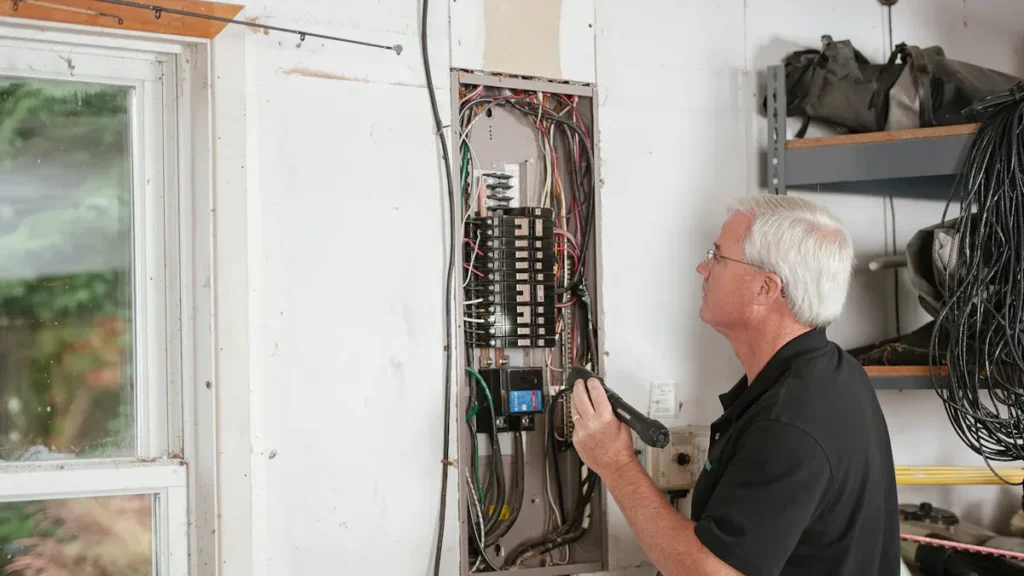
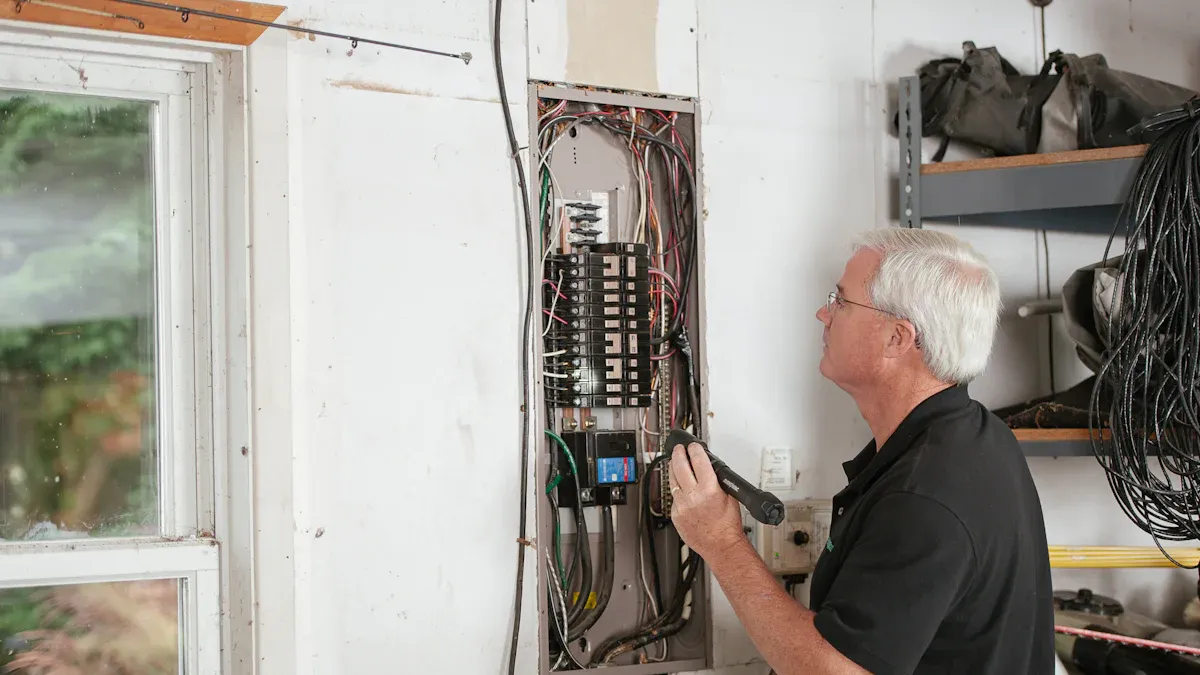
Al reemplazar un elemento en su electrodoméstico, debe considerar tanto la seguridad como la compatibilidad. Usar la potencia incorrecta puede provocar problemas graves. Los problemas comunes incluyen descarga eléctrica si omite apagar la alimentación, mal funcionamiento del horno debido a un cableado incorrecto y una eficiencia de calefacción reducida. Ignorar las precauciones de seguridad, como usar equipo de protección, puede provocar lesiones o quemaduras eléctricas. Siga siempre las pautas del fabricante para evitar dañar su electrodoméstico o arriesgarse a sufrir daños personales.
¿Puede reemplazar un elemento con una potencia diferente?
La respuesta directa
Quizás se pregunte si puede reemplazar un elemento en su electrodoméstico por uno con una potencia diferente. La respuesta breve es: usted no debe hacer esto a menos que el nuevo elemento coincida exactamente con la potencia y el voltaje originales. Las normas de seguridad eléctrica requieren que utilice un elemento calefactor de repuesto que coincida con la clasificación de voltaje y potencia del elemento original. Exceder la clasificación de potencia nominal del electrodoméstico puede provocar graves riesgos de seguridad. Si instala un elemento de mayor potencia, consumirá más corriente. Esto puede sobrecargar su cableado, disparar los disyuntores, fundir los fusibles o incluso provocar un incendio. Algunos electrodomésticos tienen interruptores térmicos incorporados que pueden ciclar la alimentación o apagarse si instala un elemento con una potencia demasiado alta. Siempre apague la alimentación antes de reemplazar un elemento y nunca opere un elemento calefactor sin agua o el medio previsto, ya que esto destruirá el elemento.
Consejo: Siempre verifique la placa de características o la documentación del fabricante para conocer la potencia y el voltaje correctos antes de comprar un reemplazo.
Consideraciones clave de seguridad y compatibilidad
Tipo de electrodoméstico y especificaciones del fabricante
Cada electrodoméstico tiene requisitos únicos. Usted debe confirmar la compatibilidad con su modelo específico de electrodoméstico, incluidos la marca, las dimensiones y la configuración de montaje. Los fabricantes diseñan los electrodomésticos para que funcionen de manera segura y eficiente con una potencia específica. Usar la potencia incorrecta puede provocar una mala distribución del calor, fallos operativos o incluso riesgos de seguridad. Por ejemplo, un trabajador de mantenimiento reemplazó una vez un elemento de calefacción de aceite por un elemento de calefacción de agua. El desajuste provocó fallos en el elemento, contaminación y costosos tiempos de inactividad. Este ejemplo muestra por qué siempre debe hacer coincidir el elemento con la aplicación y seguir las pautas del fabricante.
Sistema eléctrico y limitaciones del circuito
El sistema eléctrico de su hogar tiene límites. Los elementos de mayor potencia consumen más corriente, lo que puede exceder la capacidad de su cableado y disyuntores. Si instala un elemento que requiere más potencia de la que su circuito puede manejar, corre el riesgo de dañar el aislamiento, disparar los disyuntores o provocar un incendio. También debe asegurarse de que el voltaje coincida exactamente. Un voltaje desajustado puede dañar tanto el elemento como el electrodoméstico. Siempre verifique que su sistema eléctrico pueda soportar de manera segura los requisitos del nuevo elemento antes de realizar cualquier cambio.
Nota: Consulte a un electricista autorizado si no está seguro sobre la capacidad o compatibilidad de su circuito.
Escenarios comunes: cuándo es seguro y cuándo no
Solo puede reemplazar un elemento de manera segura cuando la nueva pieza coincida con la potencia y el voltaje originales. Esto garantiza que el electrodoméstico funcione según lo diseñado y evita riesgos de seguridad. Si usa un elemento de menor potencia, puede experimentar un calentamiento más lento, tiempos de espera más largos y agua caliente insuficiente durante los picos de demanda. Si usa un elemento de mayor potencia, corre el riesgo de sobrecalentamiento, daños al electrodoméstico o la creación de peligros eléctricos.
Categoría de riesgo/consecuencia | Explicación |
|---|---|
Los elementos de menor potencia calientan el agua más lentamente, aumentando los tiempos de espera y potencialmente causando agua caliente insuficiente durante los picos de demanda. | |
Seguridad eléctrica | Usar un elemento con potencia incorrecta requiere garantizar la compatibilidad eléctrica (voltaje, cableado, códigos) para evitar peligros. |
Adecuación del suministro de agua caliente | Un elemento de menor potencia puede no satisfacer las necesidades de agua caliente del hogar, lo que lleva a insatisfacción y suministro inadecuado. |
Longevidad y mantenimiento | Una potencia menor puede reducir la tensión y prolongar la vida útil del elemento y del tanque, pero requiere un mantenimiento regular para prevenir la corrosión y la acumulación de sedimentos. |
Eficiencia operativa | La selección adecuada de la potencia, alineada con las necesidades del hogar, optimiza el uso de energía; una potencia inadecuada puede provocar ineficiencia y un mayor consumo de energía. |
Estrategias de mitigación | Equilibrar la potencia con el uso, instalar múltiples elementos o usar sistemas sin tanque puede abordar los riesgos mientras se mantiene la seguridad. |
Comprensión de la potencia al reemplazar un elemento
Qué significa la potencia para su electrodoméstico
La potencia le indica cuánta energía eléctrica utiliza su electrodoméstico. Cuando mira la etiqueta de un calentador, horno o calentador de agua, ve un número seguido de “W” para vatios. Este número muestra la tasa a la que el electrodoméstico consume energía. Por ejemplo, una bombilla de 100 vatios funcionando durante 10 horas utiliza 1 kilovatio-hora (kWh) de electricidad. Usted puede estimar el costo de hacer funcionar un electrodoméstico dividiendo la potencia entre 1,000 para obtener kWh, luego multiplicando por su tarifa eléctrica local. Si usa un secador de pelo de 1200 vatios durante una hora, consume 1.2 kWh, lo que podría costar alrededor de 9 centavos. Comprender la potencia le ayuda a gestionar su uso de energía y controlar sus facturas de servicios públicos.
Las normas federales de eficiencia energética exigen que los fabricantes diseñen electrodomésticos que usen menos energía y al mismo tiempo tengan un buen rendimiento. Estas normas le ayudan a ahorrar dinero y reducir el impacto ambiental. Incluso si dos electrodomésticos tienen la misma potencia, el más eficiente usará menos energía con el tiempo.
Cómo afecta la potencia al rendimiento de calefacción
La potencia afecta directamente la rapidez y eficacia con que se calienta su electrodoméstico. Una potencia más alta significa que el electrodoméstico puede generar más calor en menos tiempo. Por ejemplo, un horno eléctrico con mayor potencia cocina los alimentos más rápido y de manera más uniforme. Los electrodomésticos de menor potencia usan menos electricidad pero pueden tardar más en alcanzar la temperatura deseada. Esta compensación afecta tanto su consumo de energía como su experiencia al usar el electrodoméstico.
Si desea un calentamiento más rápido, elija un electrodoméstico con mayor potencia. Si prefiere facturas de energía más bajas, un modelo de menor potencia puede adaptarse a sus necesidades, pero espere un rendimiento más lento.
La tabla a continuación compara la potencia promedio y el uso de energía anual estimado para diferentes tipos de hornos, asumiendo una hora de uso diario:
Tipo de horno | Potencia promedio (W) | Uso de energía anual estimado (kWh) |
|---|---|---|
Estándar | ~2800 | ~1022 |
Convección | ~2500 | ~912.5 |
Inducción | ~1800 | ~657 |
Esta comparación muestra que los hornos de inducción, con menor potencia, consumen menos energía cada año. Sin embargo, pueden cocinar más lentamente que los hornos de mayor potencia. Factores como el tamaño del horno, los hábitos de cocina y el mantenimiento también afectan el uso de energía. Mantener los elementos calefactores limpios y los sellos de las puertas ajustados mejora la eficiencia.
Explicación de potencia, voltaje y amperaje
La potencia, el voltaje y el amperaje trabajan juntos para determinar cómo funciona su electrodoméstico. La potencia mide la energía. El voltaje es la presión eléctrica que empuja la corriente a través del elemento. El amperaje es la cantidad de corriente que fluye. La relación sigue esta fórmula:
Potencia (vatios) = Tensión (voltios) × Corriente (amperios)
Los elementos calefactores actúan como resistencias. Su clasificación de potencia coincide con un voltaje específico. Si aplica el voltaje incorrecto, la corriente cambia, lo que puede dañar el elemento. Por ejemplo, un calentador de 1500 vatios clasificado para 120 voltios consume 12.5 amperios. Si lo conecta a 240 voltios, la corriente se duplica y la potencia aumenta a 6000 vatios. Esta sobrecarga puede causar que el elemento falle.
Siempre haga coincidir las clasificaciones de voltaje y potencia cuando reemplace un elemento. Usar clasificaciones incorrectas puede provocar sobrecalentamiento, peligros eléctricos o daños al electrodoméstico.
Comprender estos conceptos básicos le ayuda a elegir las piezas de repuesto correctas y garantiza que su electrodoméstico funcione de manera segura y eficiente.
Cómo verificar la compatibilidad antes de reemplazar un elemento
Coincidencia de clasificaciones de voltaje y vataje
Por qué el voltaje siempre debe coincidir
Siempre debe coincidir la clasificación de voltaje al reemplazar un elemento. La clasificación de voltaje determina la presión eléctrica que el elemento puede manejar de manera segura. Si instala un elemento con un voltaje diferente, corre el riesgo de dañar tanto el elemento como su electrodoméstico. El voltaje incorrecto puede provocar que el elemento se sobrecaliente, falle prematuramente o incluso cree un riesgo de incendio. Los fabricantes diseñan cada electrodoméstico para un voltaje específico, y desviarse de esto puede comprometer la seguridad y el rendimiento.
Peligros de clasificaciones no coincidentes
Las clasificaciones de vataje o voltaje no coincidentes pueden provocar problemas graves. El uso de un elemento de mayor vataje del especificado puede sobrecargar el cableado y los disyuntores. Esto aumenta el riesgo de incendios eléctricos y puede dañar su electrodoméstico. Un elemento de menor vataje puede no calentar de manera eficiente, lo que lleva a un rendimiento deficiente y tiempos de espera más largos. Siempre verifique las clasificaciones de voltaje y vataje del elemento de repuesto revisando el elemento mismo, la placa de datos del electrodoméstico o el manual del propietario. Siga estos pasos para garantizar la compatibilidad y la seguridad:
Apague la alimentación en el disyuntor para evitar descargas eléctricas.
Use un comprobador de voltaje para confirmar que la alimentación esté completamente apagada.
Retire el panel de acceso y el aislamiento para exponer el elemento calefactor.
Desconecte y etiquete los cables de los terminales del elemento calefactor para facilitar el reensamblaje.
Use un multímetro configurado en la configuración de resistencia (ohmios) más baja para probar el elemento.
Coloque las puntas del multímetro en los dos terminales para verificar la resistencia; una lectura entre 10 y 30 ohmios generalmente indica que el elemento es funcional.
Realice una prueba de continuidad con el multímetro; un pitido indica un circuito completo.
Pruebe fallas a tierra colocando una punta en un terminal y la otra en el tanque metálico; una lectura infinita significa que no hay falla a tierra.
Siguiendo estos pasos, se asegura de que el nuevo elemento coincida con las especificaciones originales y funcione de manera segura.
Garantizar el ajuste físico y el tipo de conexión
Tamaño, forma y montaje del elemento
La compatibilidad física es tan importante como la compatibilidad eléctrica. El elemento de repuesto debe encajar correctamente en su electrodoméstico. Si el tamaño o la forma no coinciden, puede enfrentar problemas de instalación o calentamiento ineficiente. Los orificios de montaje y los soportes deben alinearse con los puntos existentes para asegurar el elemento y evitar vibraciones o daños.
Compatibilidad de terminales y conexiones
Las conexiones de cableado también deben coincidir con la configuración original. Los terminales incompatibles pueden causar cortocircuitos o daños. Revise la tabla a continuación para conocer los problemas comunes de compatibilidad física:
Problema de compatibilidad física | Explicación |
|---|---|
Tamaño y forma | Los elementos de repuesto deben coincidir con las dimensiones originales para encajar correctamente; un tamaño incorrecto puede causar problemas de ajuste o cobertura de calor insuficiente. |
Orificios de montaje y soportes | La alineación con los puntos de montaje existentes es necesaria para asegurar el elemento; la desalineación puede causar vibraciones y daños. |
Conexiones de cableado | El cableado debe ser compatible con los conectores existentes para evitar cortocircuitos y daños. |
Compare cuidadosamente el elemento nuevo con el viejo antes de la instalación. Este paso le ayuda a evitar errores costosos y garantiza un funcionamiento confiable.
Recomendaciones del fabricante y preocupaciones sobre la garantía
Los fabricantes requieren que use elementos de repuesto que coincidan con el voltaje y vataje originales. El uso de un elemento de mayor vataje no está respaldado por la garantía y puede causar problemas eléctricos. La mayoría de las garantías no cubren fallas causadas por el uso de elementos no originales o no coincidentes. Las fallas por funcionamiento en seco, que ocurren cuando opera un elemento sin agua, también están excluidas de la cobertura de la garantía. Los principales fabricantes recomiendan usar solo elementos de repuesto OEM (Fabricante de Equipo Original). Si usa la pieza incorrecta, corre el riesgo de un funcionamiento ineficiente, daños y pérdida de la protección de la garantía. Siempre siga las pautas del fabricante al reemplazar un elemento para proteger su inversión y garantizar un funcionamiento seguro.
Evaluación de la capacidad de su circuito eléctrico
Antes de instalar un nuevo elemento calefactor, debe asegurarse de que su circuito eléctrico pueda manejar la carga. Muchos propietarios pasan por alto este paso, pero juega un papel crítico tanto en la seguridad como en el rendimiento. Si su circuito no puede soportar el nuevo elemento, corre el riesgo de disparar los disyuntores, dañar el cableado o incluso causar un incendio.
Comience verificando el disyuntor que controla el electrodoméstico. La clasificación de amperaje del disyuntor le indica la corriente máxima que el circuito puede transportar de manera segura. La mayoría de los circuitos residenciales están clasificados a 15, 20 o 30 amperios. Puede encontrar esta información impresa en el interruptor del disyuntor en su panel eléctrico.
Para determinar si su circuito puede manejar el nuevo elemento calefactor, use la fórmula:
Vatios = Amperios × Voltios
Este cálculo le ayuda a comparar el vataje del elemento con la capacidad del circuito. Por ejemplo, un circuito de 15 amperios a 120 voltios soporta hasta 1,800 vatios. Un circuito de 20 amperios a 120 voltios soporta hasta 2,400 vatios. A 240 voltios, un circuito de 30 amperios puede manejar hasta 7,200 vatios. La tabla a continuación resume estos valores:
Clasificación del circuito | Tensión (V) | Amperaje (A) | Vataje calculado (W) |
|---|---|---|---|
Circuito de 15 amperios | 120 | 15 | 1,800 |
Circuito de 20 amperios | 120 | 20 | 2,400 |
Circuito de 30 amperios | 240 | 30 | 7,200 |
Consejo: Por seguridad, nunca cargue un circuito a su capacidad máxima. Los electricistas recomiendan usar solo el 80% de la carga nominal para electrodomésticos continuos. Por ejemplo, en un circuito de 20 amperios y 120 voltios, mantenga la carga total por debajo de 1,920 vatios.
También debe considerar la carga total en el circuito, no solo el nuevo elemento. Si otros electrodomésticos comparten el mismo circuito, sume sus vatajes. La carga combinada debe permanecer dentro del límite seguro. Los electrodomésticos de calefacción permanentes, como calentadores de agua u hornos, a menudo requieren un circuito dedicado. Esta configuración evita sobrecargas y garantiza un funcionamiento confiable.
Medir el consumo de corriente real con un amperímetro de pinza le brinda una imagen clara del uso de su circuito. Esta herramienta le ayuda a identificar cargas ocultas y evitar sorpresas. También debe tener en cuenta los picos de arranque, que pueden aumentar brevemente la corriente cuando el elemento se enciende por primera vez. Si bien los disyuntores pueden manejar picos cortos, la carga en estado estable es lo más importante para la seguridad a largo plazo.
Los recorridos largos de cable pueden causar caída de voltaje, especialmente en hogares más antiguos. Si su electrodoméstico está lejos del panel, es posible que necesite actualizar el cableado para mantener niveles de voltaje seguros. Siempre consulte a un electricista autorizado si tiene dudas sobre la capacidad de su circuito o el cableado.
Al evaluar cuidadosamente la capacidad de su circuito eléctrico, protege su hogar y garantiza que su nuevo elemento calefactor funcione de manera segura y eficiente.
Efectos de cambiar el vataje al reemplazar un elemento
Cambios en el rendimiento y la velocidad de calentamiento
Calentamiento más rápido o más lento
Cuando cambia el vataje de un elemento calefactor, afecta directamente la rapidez con que se calienta su electrodoméstico. Un elemento de mayor vataje generalmente entrega más potencia, por lo que se calienta más rápido. Sin embargo, la velocidad de calentamiento también depende de la capacidad calorífica del elemento y la masa térmica de lo que está calentando. Por ejemplo:
A Un elemento de 300W con tres veces la capacidad calorífica de un elemento de 100W puede calentar a la misma velocidad que el elemento de 100W.
Un elemento de 100W con baja capacidad calorífica puede calentarse más rápido que un elemento de 300W con mayor capacidad calorífica.
Al calentar agua u otro objeto, la capacidad térmica combinada del elemento y el objeto determina la velocidad de calentamiento real.
Si dos elementos son físicamente idénticos excepto por el vataje, el elemento de mayor vataje se calentará más rápido y alcanzará una temperatura más alta.
Otros factores, como la pérdida de calor, el tamaño del elemento y la sintonización del sistema de control, también influyen en el rendimiento. En sistemas de circuito cerrado, un elemento de mayor vataje puede alcanzar la temperatura establecida más rápido, pero puede excederla si los controles no están ajustados adecuadamente.
Riesgos de sobrecalentamiento o bajo rendimiento
Si instala un elemento con un vataje mayor al especificado, corre el riesgo de sobrecalentar el electrodoméstico. Esto puede causar que el sistema supere los objetivos de temperatura, dañe componentes internos o incluso cree riesgos de seguridad. Por otro lado, un elemento de menor vataje puede no proporcionar suficiente calor, lo que lleva a un rendimiento lento y una salida insuficiente durante la demanda máxima. Siempre debe considerar tanto las características eléctricas como térmicas antes de reemplazar un elemento.
Consumo de Energía e Impacto en la Factura de Servicios
La potencia de un elemento calefactor determina directamente cuánta energía utiliza su electrodoméstico. Por ejemplo, un calentador de 1000W funcionando durante una hora consume 1 kWh de electricidad. Si duplica la potencia a 2000W y lo opera durante el mismo tiempo, su consumo de energía y costos de servicios también se duplican. Elegir la potencia correcta según sus necesidades le ayuda a evitar desperdicio innecesario de energía y facturas más altas. Usar termostatos y mejorar el aislamiento puede ayudarle a equilibrar comodidad y costo, especialmente si necesita operar el electrodoméstico durante largos períodos.
Riesgos de Seguridad y Durabilidad del Electrodoméstico
Riesgos de Incendio y Peligros Eléctricos
Cambiar la potencia de un elemento calefactor introduce varios riesgos de seguridad. La siguiente tabla resume las principales preocupaciones:
Aspecto | Usar Elemento de Menor Potencia | Usar Elemento de Mayor Potencia |
|---|---|---|
Rendimiento de Calentamiento | Calentamiento más lento, tiempos de recuperación más largos, puede provocar suministro insuficiente de agua caliente durante picos de demanda. | Calentamiento más rápido pero puede sobrecargar el sistema eléctrico si el cableado es incompatible. |
Seguridad eléctrica | Generalmente más seguro si el sistema eléctrico coincide con la potencia; debe confirmar compatibilidad y cumplimiento del código local. | Riesgo de sobrecarga eléctrica, peligro potencial de incendio o daños si el sistema no está diseñado para mayor potencia. |
Longevidad y mantenimiento | Posiblemente mayor vida útil del elemento y del tanque debido a menor esfuerzo; requiere mantenimiento regular para prevenir corrosión. | Mayor esfuerzo puede reducir la vida útil; una instalación inadecuada puede causar daños. |
Compatibilidad e Instalación | Debe asegurar que el elemento se ajuste a las especificaciones del sistema (tamaño, voltaje, potencia); se recomienda instalación profesional. | Debe verificar la capacidad eléctrica y el cableado de su hogar; una evaluación profesional es esencial. |
Mitigación de Riesgos | Monitorear la demanda de agua caliente; considerar múltiples elementos o sistemas sin tanque si es necesario. | Asegurar mejoras en el sistema eléctrico si aumenta la potencia; seguir estrictamente los códigos locales. |
Siempre debe verificar que su sistema eléctrico pueda manejar la nueva potencia. Sobrecargar circuitos puede provocar disparos de interruptores, daños en el cableado o incluso incendios.
Daño a los Componentes del Electrodoméstico
Operar un electrodoméstico con una potencia incorrecta puede acortar su vida útil. Los electrodomésticos están diseñados para potencias específicas. Operarlos fuera de estos parámetros causa ineficiencias y desgaste prematuro. El mantenimiento regular y el uso de la potencia correcta ayudan a minimizar el desperdicio de energía y extender la vida de su electrodoméstico. Ajustar la potencia a la capacidad eléctrica de su hogar también protege los componentes internos de daños.
Consejo: Siempre siga las recomendaciones del fabricante al reemplazar el elemento para garantizar una operación segura y un rendimiento duradero.
Guía Paso a Paso para Reemplazar el Elemento de Forma Segura

Herramientas y Piezas de Repuesto Necesarias
Antes de comenzar, reúna todas las herramientas y piezas necesarias. Tener el equipo correcto garantiza un proceso fluido y seguro. Debe preparar lo siguiente:
Alicates para sujetar y girar
Un elemento calefactor de repuesto compatible para su modelo específico de electrodoméstico
Multímetro para probar continuidad eléctrica y resistencia
Guantes de protección y gafas de seguridad
Llave (si su electrodoméstico lo requiere)
Manual de usuario para referencia
A menudo puede identificar la ubicación del elemento calefactor revisando etiquetas o diagramas en su electrodoméstico. Busque bobinas visibles o cables metálicos en el área que genera calor. Si no está seguro, use un multímetro para probar la resistencia o consulte su manual de usuario.
Consejo: Siempre confirme que su pieza de repuesto coincida con la original en tamaño, forma, voltaje y potencia.
Corte de Energía y Precauciones de Seguridad
La seguridad debe ser lo primero al reemplazar el elemento en cualquier electrodoméstico. Siga estos pasos para protegerse a sí mismo y a su equipo:
Apague la energía en el interruptor automático o desenchufe el electrodoméstico. Este paso previene descargas eléctricas.
Para electrodomésticos que usan agua, cierre el suministro de agua fría.
Abra un grifo de agua caliente para dejar entrar aire al tanque, lo que ayuda con el drenaje.
Drene el tanque usando una manguera conectada a la válvula de drenaje, si corresponde.
Permita que el electrodoméstico se enfríe completamente antes de tocar cualquier parte interna.
Use guantes protectores y gafas de seguridad para protegerse de bordes afilados y escombros.
Mantenga su área de trabajo seca y libre de desorden para evitar peligros.
Verifique dos veces que todas las fuentes de energía estén desconectadas antes de comenzar.
Si no está seguro de algún paso, consulte a un profesional.
Nota: Nunca omita el equipo de seguridad o el corte de energía. Estos pasos previenen lesiones graves y accidentes.
Quitar el elemento antiguo
Una vez que haya asegurado la seguridad, puede retirar el antiguo elemento calefactor. Use este enfoque paso a paso:
Confirme que el electrodoméstico esté completamente desconectado de la energía y, si es necesario, del agua.
Acceda al elemento calefactor retirando cualquier cubierta o panel. Es posible que necesite levantar el elemento o retirar una bandeja de goteo.
Identifique el tipo de conexión. Algunos elementos usan terminales tipo tornillo, mientras que otros usan conexiones de presión.
Para elementos tipo tornillo, use un destornillador para retirar los tornillos que sujetan los cables. Separe los cables con cuidado.
Para elementos de presión, tire del elemento directamente desde su bloque de terminales.
Use una llave si su electrodoméstico lo requiere para aflojar y retirar el elemento.
Limpie la abertura o área de montaje para asegurar un sellado adecuado para el nuevo elemento.
Siempre lleve un registro de tornillos y piezas pequeñas durante la remoción. Esta práctica facilita el reensamblaje y evita la pérdida de componentes.
Instalación del nuevo elemento
Siempre debe seguir las pautas del fabricante al instalar un nuevo elemento calefactor. Estas instrucciones le ayudan a evitar errores y garantizan que su electrodoméstico funcione según lo previsto. Comience verificando que el área de instalación esté limpia y libre de residuos. Un ambiente limpio evita que el polvo o la suciedad causen fallas eléctricas o estrés mecánico en el nuevo elemento.
Siga estas mejores prácticas para una instalación segura y confiable:
Coloque el nuevo elemento calefactor en la ubicación de montaje, asegurándose de que encaje perfectamente y se alinee con los orificios o soportes originales.
Fije el elemento utilizando el herraje correcto. Evite apretar demasiado o demasiado poco los sujetadores. Si es posible, use un destornillador dinamométrico para apretar los terminales eléctricos según el par recomendado por el fabricante, como 20 pulgadas-libra. Las conexiones flojas a menudo causan fallas.
Conecte los cables eléctricos a los terminales. Verifique dos veces que cada cable coincida con su posición original. Asegure las conexiones firmemente, pero no aplique fuerza excesiva.
Antes de aislar o cerrar el aparato, realice una prueba de resistencia de aislamiento (prueba de megóhmetro) en el nuevo elemento. Esta prueba verifica la integridad del aislamiento y ayuda a prevenir fallas eléctricas. Debe realizar esta prueba antes de energizar, después de la instalación y nuevamente después del aislamiento.
Utilice únicamente instrumentos calibrados para pruebas y calibración. Este paso garantiza resultados precisos y un funcionamiento adecuado.
Evite aplicar tensión mecánica sobre el elemento durante la instalación. Manipule la pieza con cuidado para evitar dobleces o grietas.
Una vez que el elemento esté en su lugar, reemplace cualquier aislamiento o cubierta que haya retirado anteriormente.
Consejo: El mantenimiento y la supervisión regulares después de la instalación pueden ayudarle a detectar signos tempranos de degradación y prolongar la vida útil de su elemento calefactor.
Prueba de funcionamiento adecuado
Después de instalar el nuevo elemento calefactor, debe verificar que funcione correctamente. Las pruebas garantizan que su aparato funcione de manera segura y eficiente. Desconecte siempre el aparato de la fuente de alimentación antes de comenzar cualquier prueba.
Puede usar un multímetro para verificar la resistencia del elemento calefactor. Siga estos pasos:
Configure su multímetro en el modo de resistencia (ohmios).
Conecte las puntas del multímetro a los terminales del elemento calefactor.
Compare la resistencia medida con el valor ideal, que puede calcular usando la fórmula:
Resistencia (R) = (Voltaje × Voltaje) / VatiajeSi la resistencia medida coincide con el valor calculado, su elemento funciona correctamente.
Una lectura de resistencia mucho más alta significa que el elemento puede estar fallando y no se calentará por completo.
Una resistencia mucho más baja sugiere un cortocircuito o daño interno.
También debe verificar si hay fugas, ruidos inusuales u olores una vez que restablezca la alimentación y el agua (si corresponde). Supervise el aparato durante su primer ciclo completo para confirmar un calentamiento adecuado y un funcionamiento seguro.
Nota: Estas pruebas simples le permiten diagnosticar problemas del elemento calefactor con confianza, incluso si tiene poca experiencia. Priorice siempre la seguridad desconectando la alimentación y drenando los tanques antes de las pruebas.
Mejores Prácticas al Reemplazar un Elemento
Cuándo Usar el Mismo Vatiaje
Siempre debe usar el mismo vatiaje cuando reemplace el elemento en su aparato. Los fabricantes diseñan cada sistema para un vatiaje específico para garantizar un funcionamiento seguro y un rendimiento óptimo. Coincidir con el vatiaje original le ayuda a evitar sobrecargas eléctricas, calentamiento desigual y daños a componentes sensibles. Usar el vatiaje correcto también mantiene su aparato dentro de los requisitos de garantía y reduce el riesgo de incendio o peligros eléctricos. Si no puede encontrar el vatiaje exacto, consulte el manual de su aparato o comuníquese con el fabricante antes de realizar cualquier cambio.
Usar el mismo vatiaje protege su aparato y garantiza resultados de calentamiento consistentes.
Cuándo un Vatiaje Diferente Podría Ser Aceptable
En la mayoría de los casos, no debe usar un elemento de vatiaje diferente. Cambiar el vatiaje puede provocar una distribución desigual del calor, riesgos de seguridad o incluso un incendio. Sin embargo, un vatiaje diferente podría ser aceptable bajo condiciones muy estrictas:
El elemento de reemplazo coincide exactamente con el vatiaje y voltaje originales.
El ajuste físico, la forma y el montaje se alinean con los requisitos de su aparato.
La distribución del calor permanece sin cambios, evitando puntos calientes o zonas frías.
El elemento no provoca un consumo excesivo de corriente ni sobrecarga su sistema eléctrico.
Incluso si se cumplen estas condiciones, los expertos aún recomiendan no usar un vatiaje diferente. Una discrepancia puede dañar componentes como termostatos o fusibles térmicos. Siempre debe priorizar la seguridad y las recomendaciones del fabricante cuando reemplace un elemento.
Señales de Advertencia de Incompatibilidad o Instalación Incorrecta
Después de instalar un nuevo elemento calefactor, debe estar atento a las señales que indican problemas. Estas señales de advertencia a menudo apuntan a incompatibilidad o instalación incorrecta:
El horno funciona pero no expulsa aire caliente.
Nota patrones de calentamiento irregulares o fluctuaciones de temperatura.
El horno no se enciende, posiblemente debido a problemas eléctricos.
Huele a quemado o detecta sobrecalentamiento, lo que puede indicar deterioro del elemento.
Los disyuntores se disparan o los fusibles se funden, lo que indica un consumo excesivo de corriente.
Los errores comunes incluyen no desconectar la alimentación antes del reemplazo, conexiones de cableado incorrectas o el uso de un elemento incompatible. Estos errores pueden reducir la eficiencia, causar daños o crear riesgos de seguridad.
Si ve alguna de estas señales de advertencia, apague su aparato y consulte a un profesional de inmediato.
Cuándo llamar a un profesional
Puede sentirse seguro al manejar reemplazos básicos de elementos calefactores, pero algunas situaciones requieren intervención de expertos. Reconocer cuándo llamar a un profesional protege su seguridad, su aparato y el sistema eléctrico de su hogar. Aquí hay señales claras de que debe buscar ayuda profesional:
Incertidumbre Sobre el Trabajo Eléctrico
Si no comprende completamente los diagramas de cableado o las clasificaciones de circuitos, corre el riesgo de cometer errores peligrosos. Los electricistas autorizados tienen la capacitación para manejar sistemas eléctricos complejos de manera segura.Disyuntores que se Disparan Repetidamente o Fusibles Fundidos
Cuando su aparato hace que los disyuntores se disparen o los fusibles se fundan después de la instalación, esto indica un problema eléctrico más profundo. Los profesionales pueden diagnosticar circuitos sobrecargados, cableado defectuoso o conexiones incorrectas.Daños visibles o corrosión
Si ve cables quemados, aislamiento derretido o corrosión alrededor de los terminales, no intente repararlos usted mismo. Estas señales indican posibles riesgos de incendio o fallas eléctricas anteriores.Ruidos, olores o fugas inusuales
Los zumbidos, chasquidos u olores a quemado después de la instalación sugieren conexiones incorrectas o componentes defectuosos. Las fugas de agua cerca de las piezas eléctricas también crean un riesgo grave. Los profesionales pueden identificar y solucionar estos problemas antes de que se agraven.Requisitos de Garantía o Seguro
Muchos fabricantes y pólizas de seguro requieren técnicos certificados para las reparaciones. Si intenta una reparación por su cuenta, puede anular su garantía o perder la cobertura para reclamaciones futuras.Aparatos Complejos o de Alto Voltaje
Aparatos como calentadores de agua eléctricos, hornos o equipos industriales a menudo funcionan a altos voltajes. Estos sistemas requieren herramientas y conocimientos especializados. Intentar reparaciones sin la capacitación adecuada puede provocar lesiones graves.
Consejo: En caso de duda, priorice su seguridad. Llamar a un profesional garantiza que su aparato cumpla con los requisitos del código y funcione de manera confiable.
La siguiente tabla resume las situaciones que requieren asistencia profesional:
Situación | Por Qué Necesita un Profesional |
|---|---|
Inseguro sobre el cableado o los circuitos | Previene peligros eléctricos |
Los interruptores/fusibles se disparan repetidamente | Diagnostica y soluciona problemas subyacentes |
Signos de daño o corrosión | Aborda riesgos de incendio y seguridad |
Ruidos, olores o fugas inusuales | Previene daños mayores en el electrodoméstico |
Preocupaciones sobre garantía o seguro | Mantiene la cobertura y el cumplimiento normativo |
Sistemas de alto voltaje o complejos | Garantiza una instalación segura y conforme al código |
Nunca debe dudar en contactar a un electricista certificado o técnico de electrodomésticos si encuentra cualquiera de estas señales de advertencia. El servicio profesional no solo restaura el funcionamiento seguro, sino que también extiende la vida útil de su electrodoméstico.
Mantenimiento y Seguridad Continua Después de Reemplazar el Elemento
Inspección y Monitoreo Regular
Debe inspeccionar su electrodoméstico regularmente después de instalar un nuevo elemento calefactor. Las revisiones rutinarias ayudan a detectar signos tempranos de desgaste, corrosión o daño. Esta práctica mantiene su electrodoméstico funcionando de manera segura y eficiente. Siga estos pasos para mantener la seguridad continua:
Apague la energía en el interruptor de circuito antes de comenzar cualquier inspección.
Busque signos visibles de desgaste, como decoloración, grietas o corrosión en el elemento y los terminales.
Limpie el electrodoméstico con frecuencia. Elimine suciedad, grasa y residuos de alimentos para prevenir sobrecalentamiento y desgaste prematuro.
Evite sobrecargar el electrodoméstico. Demasiada tensión puede acortar la vida útil del elemento calefactor.
Use el electrodoméstico correctamente. Cierre siempre la puerta suave y completamente para mantener la temperatura correcta y reducir el estrés en el elemento.
Programe mantenimiento profesional al menos una vez al año. Un técnico puede detectar problemas que usted podría pasar por alto y ayudarle a solucionarlos antes de que se vuelvan graves.
Las inspecciones y limpiezas regulares extienden la vida útil de su electrodoméstico y ayudan a prevenir fallas inesperadas.
Observación de Ruidos, Olores o Problemas de Rendimiento Inusuales
Manténgase alerta ante cualquier cambio en cómo suena, huele o funciona su electrodoméstico. Ruidos inusuales, como zumbidos o crujidos, pueden indicar conexiones sueltas o componentes defectuosos. Un olor a quemado a menudo señala sobrecalentamiento o problemas eléctricos. Si nota calentamiento desigual, tiempos de calentamiento más largos o que el electrodoméstico no alcanza la temperatura establecida, estos podrían indicar un problema con el elemento calefactor o el cableado.
Escuche sonidos nuevos o extraños durante el funcionamiento.
Huela cualquier cosa inusual, especialmente olores a quemado o derretido.
Observe cambios en el rendimiento, como calentamiento lento o temperaturas inconsistentes.
Si detecta cualquiera de estas señales de advertencia, apague el electrodoméstico inmediatamente. No intente reparaciones si no se siente seguro. Contacte a un técnico calificado para inspeccionar y resolver el problema.
La acción rápida cuando nota problemas puede prevenir reparaciones costosas y proteger su seguridad.
Mantenimiento de Registros de Reemplazos y Actualizaciones
Debe mantener registros detallados cada vez que dé servicio o actualice su electrodoméstico. Anote la fecha, el tipo de trabajo realizado y los números de parte de cualquier componente nuevo. Esta información le ayuda a rastrear la antigüedad y condición de su elemento calefactor. También facilita la solución de problemas futuros y respalda reclamos de garantía si es necesario.
Una tabla simple puede ayudarle a organizar su historial de mantenimiento:
Fecha | Servicio Realizado | Número de pieza | Técnico/Notas |
|---|---|---|---|
2024-06-15 | Elemento calefactor reemplazado | 12345-AB | Instalado por técnico |
2025-01-10 | Inspección anual | N/A | No se encontraron problemas |
Mantener registros precisos asegura que se mantenga al tanto del mantenimiento y le ayuda a tomar decisiones informadas sobre reparaciones o actualizaciones futuras.
Cuando reemplace el elemento en cualquier electrodoméstico, siempre priorice la seguridad y la compatibilidad. Revise las pautas del fabricante y nunca exceda las especificaciones recomendadas. La instalación adecuada y el mantenimiento de rutina le ayudan a prevenir peligros y extender la vida útil de su equipo. Si alguna vez no está seguro del proceso o nota señales de advertencia, consulte a un profesional. Su atención al detalle garantiza un funcionamiento confiable y seguro en todo momento.
Recuerde: Una planificación cuidadosa y el reemplazo correcto mantienen su electrodoméstico funcionando de manera óptima.
PREGUNTAS FRECUENTES
¿Se puede usar un elemento de mayor vataje en su electrodoméstico?
No debe usar un elemento de mayor vataje. Este cambio puede sobrecargar su cableado, disparar interruptores o causar un incendio. Siempre iguale el vataje y voltaje originales para garantizar seguridad y rendimiento adecuado.
¿Qué sucede si instala un elemento de menor vataje?
Un elemento de menor vataje se calienta más lentamente y puede no satisfacer sus necesidades durante una alta demanda. Podría notar tiempos de espera más largos para agua caliente o un calentamiento más lento en su electrodoméstico.
¿Cómo se encuentra el vataje correcto para un elemento de reemplazo?
Consulte la placa de identificación del electrodoméstico, el manual de usuario o la etiqueta del elemento antiguo. Los fabricantes enumeran el vataje y voltaje requeridos. Siempre use estas especificaciones cuando compre un repuesto.
¿Es seguro reemplazar un elemento usted mismo?
Puede reemplazar un elemento si sigue los pasos de seguridad. Apague la energía, use equipo de protección y las herramientas correctas. Si no se siente seguro o ve daños, llame a un profesional certificado.
¿Cambiar el elemento afectará su factura de servicios públicos?
Sí. Un elemento de mayor vataje usa más electricidad y aumenta su factura. Un elemento de menor vataje usa menos energía pero puede funcionar por más tiempo. Igualar el vataje original ayuda a controlar los costos.
¿Qué señales indican que su nuevo elemento es incompatible?
Esté atento a interruptores disparados, ruidos inusuales, olores a quemado o calentamiento deficiente. Estas señales significan que el elemento puede no encajar o funcionar con su electrodoméstico. Apague el electrodoméstico y busque ayuda si nota estos problemas.
¿Reemplazar el elemento anula su garantía?
Usar un elemento no aprobado o incompatible puede anular su garantía. Siempre siga las pautas del fabricante y use piezas OEM para mantener su garantía válida.
¿Con qué frecuencia debe inspeccionar su elemento calefactor?
Inspeccione su elemento calefactor al menos una vez al año. Busque corrosión, decoloración o grietas. Las revisiones regulares le ayudan a detectar problemas temprano y extender la vida útil de su electrodoméstico.