
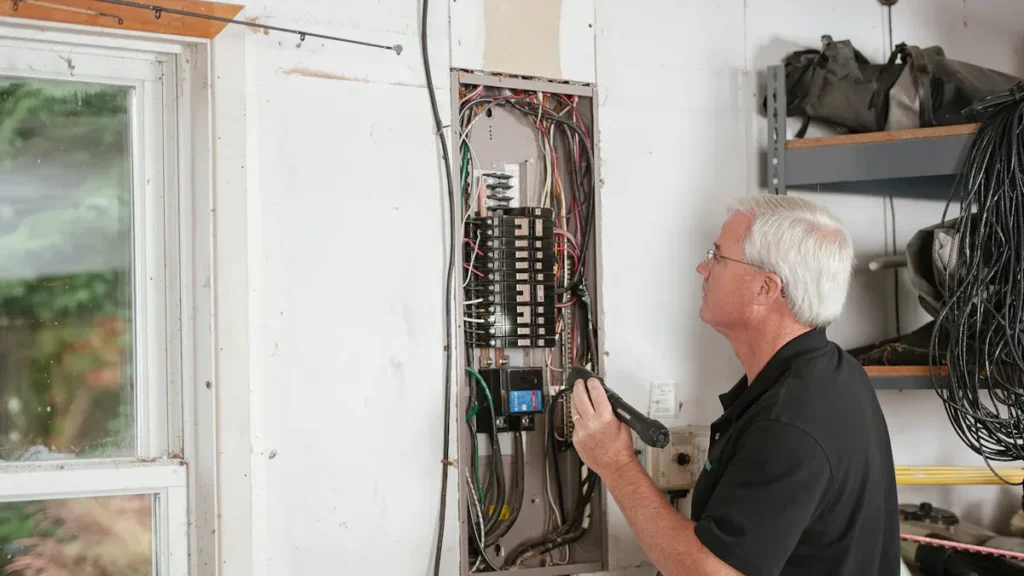
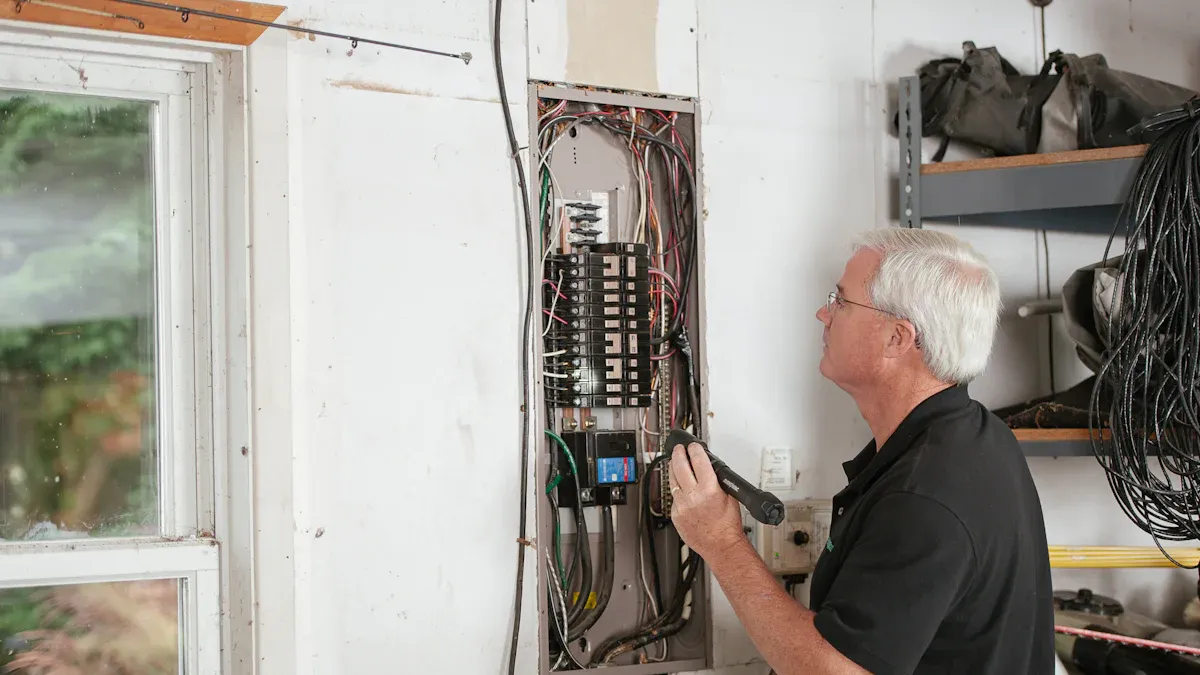
機器のエレメントを交換する際は、安全性と互換性の両方を考慮する必要があります。誤ったワット数を使用すると、深刻な問題を引き起こす可能性があります。一般的な問題としては、以下のものがあります。 感電 電源を切らずに作業をした場合、誤った配線による炉の故障、および暖房効率の低下が挙げられます。保護具の着用などの安全上の注意を怠ると、負傷や感電による火傷の原因となります。機器の損傷や人身事故のリスクを避けるため、必ずメーカーのガイドラインに従ってください。.
異なるワット数のエレメントと交換できますか?
直接的な回答
機器のエレメントを異なるワット数のものと交換できるかどうか疑問に思うかもしれません。簡潔に答えると、それは 新しいエレメントが元のエレメントとワット数および電圧が完全に一致する場合を除き、行うべきではありません. 。電気安全基準では、元のエレメントの電圧およびワット数定格に適合する交換用加熱エレメントを使用することが求められています。機器の銘板に記載されたワット数定格を超えると、深刻な安全上の危険が生じる可能性があります。もし より高いワット数のエレメント, を取り付けた場合、より多くの電流が流れます。これにより配線が過負荷になり、ブレーカーが落ちたり、ヒューズが飛んだり、火災の原因となることさえあります。一部の機器には、高すぎるワット数のエレメントを取り付けた場合に電源を循環させたりシャットダウンしたりする内蔵サーマルスイッチが搭載されています。エレメントを交換する前には必ず電源を切り、水や意図された媒体がない状態で加熱エレメントを決して作動させないでください。そうしないとエレメントが破損します。.
ヒント 交換用エレメントを購入する前に、必ず銘板またはメーカーの文書で正しいワット数と電圧を確認してください。.
主要な安全性と互換性に関する考慮事項
機器の種類とメーカーの仕様
すべての機器には固有の要件があります。あなたは 特定の機器モデルとの互換性を確認する必要があります, 。これには、ブランド、寸法、および取り付け構成が含まれます。メーカーは、特定のワット数で安全かつ効率的に動作するように機器を設計しています。誤ったワット数を使用すると、熱分布の不良、動作不良、さらには安全上の危険を引き起こす可能性があります。例えば、 ある保守作業員が、かつて石油加熱用エレメントを水加熱用エレメントと交換したことがあります. 。この不一致により、エレメントの故障、汚染、および高額なダウンタイムが発生しました。この例は、常に用途に合わせてエレメントを適合させ、 メーカーのガイドラインに従うこと.
がなぜ重要なのかを示しています。
電気系統と回路の制限.
注: ご家庭の電気系統には限界があります。より高いワット数のエレメントはより多くの電流を消費し、配線や回路ブレーカーの容量を超える可能性があります。回路が処理できる以上の電力を必要とするエレメントを取り付けると、絶縁体の損傷、ブレーカーの作動、または火災のリスクが生じます。また、電圧が完全に一致していることも確認する必要があります。電圧が一致しないと、エレメントと機器の両方が損傷する可能性があります。変更を加える前に、ご家庭の電気系統が新しいエレメントの要件を安全にサポートできることを必ず確認してください。.
回路の容量や互換性について不明な点がある場合は、資格を持つ電気技師に相談してください。
一般的なシナリオ:安全な場合とそうでない場合.
新しい部品が元のワット数と電圧に一致する場合にのみ、エレメントを安全に交換できます。これにより、機器が設計通りに動作し、安全上のリスクを回避できます。より低いワット数のエレメントを使用すると、加熱が遅くなり、待ち時間が長くなり、ピーク時に十分な温水が得られない可能性があります。より高いワット数のエレメントを使用すると、過熱、機器の損傷、または電気的危険のリスクが生じます。 | 説明 |
|---|---|
加熱速度と回復時間. | |
電気安全 | 低ワット数のエレメントは水をよりゆっくりと加熱するため、待ち時間が長くなり、ピーク時に十分な温水が得られない可能性があります。. |
誤ったワット数のエレメントを使用するには、危険を回避するために電気的な互換性(電圧、配線、規格)を確保する必要があります。 | 温水供給の充足性. |
低ワット数のエレメントは家庭の給湯需要を満たせず、不満や供給不足につながる可能性があります。 | 寿命とメンテナンス. |
低ワット数は負担を軽減し、エレメントとタンクの寿命を延ばす可能性がありますが、腐食やスケールの蓄積を防ぐために定期的なメンテナンスが必要です。 | 運転効率. |
緩和戦略 | 家庭のニーズに合わせた適切なワット数の選択はエネルギー使用を最適化しますが、不適切なワット数は非効率性とエネルギー消費の増加につながる可能性があります。. |
ワット数と使用状況のバランスをとる、複数のエレメントを取り付ける、またはタンクレスシステムを使用することで、安全性を維持しながらリスクに対処できます。
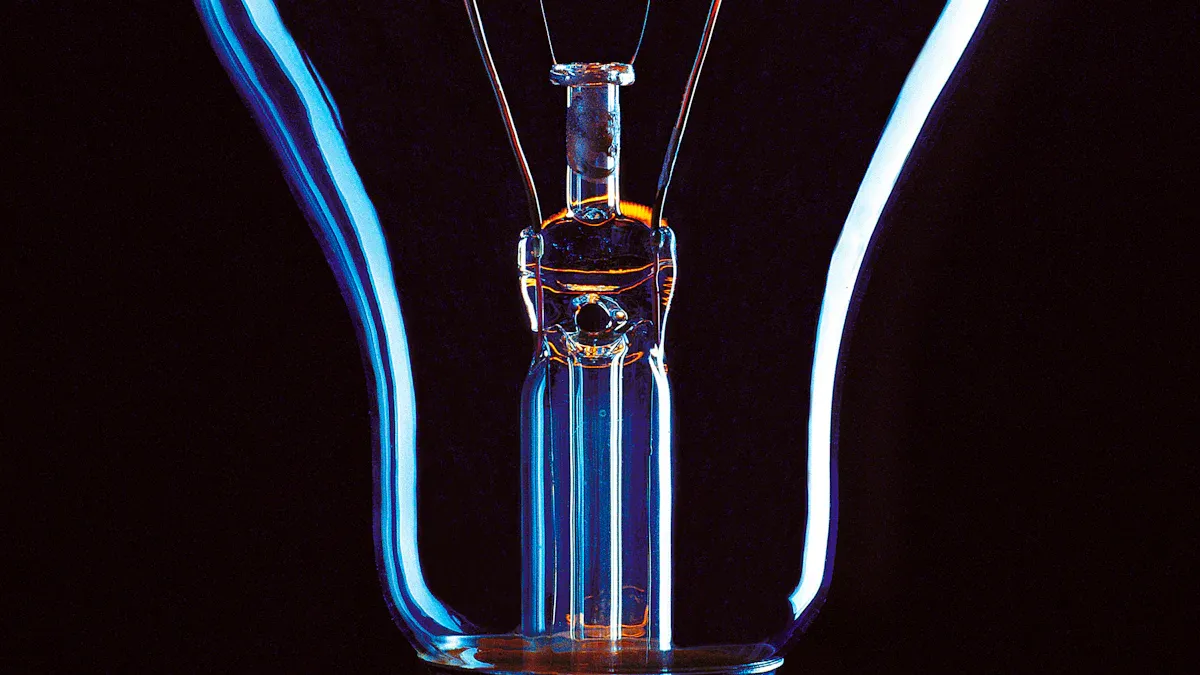
エレメント交換時のワット数についての理解
ワット数が機器にとって意味すること. ワット数は、機器が使用する電力量を示します 。ヒーター、オーブン、給湯器などのラベルを見ると、「W」というワット数を表す数字が表示されています。この数字は、機器がエネルギーを消費する割合を示しています。例えば、 100ワットの電球を10時間点灯すると、1キロワット時(kWh) の電力を使用します。機器の稼働コストは、 ワット数を1,000で割ってkWhを算出し、それに地域の電気料金を掛けることで推定できます.
。1200ワットのヘアドライヤーを1時間使用すると、1.2kWhを消費し、約9セントの費用がかかる可能性があります。ワット数を理解することは、エネルギー使用量を管理し、光熱費を抑えるのに役立ちます。 連邦エネルギー効率基準.
では、メーカーは性能を維持しながら消費エネルギーを抑える機器を設計することが求められています。これらの基準は、コスト削減と環境負荷の低減に役立ちます。同じワット数の機器でも、より効率的なものは長期的に使用するエネルギーが少なくなります。
ワット数が加熱性能に与える影響. ワット数は、機器がどれだけ速く効果的に加熱するかに直接影響します。 ワット数が高いほど、機器はより短時間でより多くの熱を発生できます.
。例えば、高ワット数の電気オーブンは、より速く、より均一に食品を調理します。低ワット数の機器は消費電力が少ないですが、希望の温度に達するまでに時間がかかる場合があります。このトレードオフは、エネルギー消費量と機器の使用体験の両方に影響します。.
より速い加熱を希望する場合は、高ワット数の機器を選択してください。電気代を抑えたい場合は、低ワット数のモデルが適しているかもしれませんが、性能が低下することを想定してください。 以下の表は、 異なるオーブンタイプの平均ワット数と推定年間エネルギー使用量
オーブン種類 | を、1日1時間の使用を想定して比較したものです: | 平均ワット数(W) |
|---|---|---|
標準 | ~2800 | ~1022 |
対流 | ~2500 | ~912.5 |
誘導加熱 | ~1800 | ~657 |
推定年間エネルギー使用量(kWh).
この比較は、ワット数が低い誘導オーブンが年間のエネルギー消費量が少ないことを示しています。ただし、高ワット数のオーブンよりも調理に時間がかかる場合があります。オーブンのサイズ、調理習慣、メンテナンスなどの要因もエネルギー使用量に影響します。加熱エレメントを清潔に保ち、ドアのシールを密閉することで効率が向上します。
ワット数、電圧、アンペア数の説明
ワット数、電圧、アンペア数は連携して、機器の機能を決定します。ワット数は電力を測定します。電圧は、エレメントに電流を流す電気的な圧力です。アンペア数は流れる電流の量です。これらの関係は次の式に従います:
電力(ワット)= 電圧(ボルト)× 電流(アンペア), 加熱エレメントは抵抗器のように機能します。そのワット数定格は特定の電圧に対応しています。誤った電圧を印加すると電流が変化し、エレメントが損傷する可能性があります。例えば、. 120ボルト用に定格された1500ワットのヒーターは12.5アンペアを消費します.
。これを240ボルトに接続すると、電流は2倍になり、電力は6000ワットに跳ね上がります。この過負荷により、エレメントが故障する可能性があります。.
エレメントを交換する際は、必ず電圧とワット数の定格を一致させてください。誤った定格を使用すると、過熱、電気的危険、または機器の損傷につながる可能性があります。.
エレメント交換前の互換性確認方法
電圧とワット数の定格の一致
電圧が常に一致しなければならない理由
エレメントを交換する際は、必ず電圧定格を一致させなければなりません。電圧定格は、エレメントが安全に処理できる電気的圧力を決定します。異なる電圧のエレメントを取り付けると、エレメントと機器の両方を損傷するリスクがあります。誤った電圧は、エレメントの過熱、早期故障、さらには火災の危険を引き起こす可能性があります。メーカーは各機器を特定の電圧向けに設計しており、これから逸脱すると安全性と性能が損なわれる可能性があります。.
ミスマッチな格付けの危険性
ワット数または電圧定格の不一致は、深刻な問題を引き起こす可能性があります。指定よりも高いワット数のエレメントを使用すると、配線や回路ブレーカーに過負荷がかかる可能性があります。これにより、電気火災のリスクが高まり、機器が損傷する可能性があります。低いワット数のエレメントは効率的に加熱せず、性能低下や待ち時間の長期化につながります。エレメント自体、機器のデータプレート、または取扱説明書を確認して、交換用エレメントの電圧とワット数の定格を必ず検証してください。以下の手順に従って、互換性と安全性を確保してください。
電圧テスターを使用して、電源が完全にオフになっていることを確認します。.
アクセス パネルと断熱材を取り外して、加熱要素を露出させます。
加熱エレメントの端子から配線を外し、再組み立てが容易になるようにラベルを付けます。.
マルチメーターを最低抵抗(オーム)設定にして、エレメントをテストします。.
マルチメーターのプローブを2つの端子に当てて抵抗を確認します。10~30オームの測定値は、通常、エレメントが機能していることを示します。.
マルチメーターで導通チェックを行います。ビープ音は回路が完了していることを示します。.
一方のプローブを端子に、もう一方のプローブを金属タンクに当てて接地故障をテストします。無限大の測定値は、接地故障がないことを意味します。.
これらの手順に従うことで、新しいエレメントが元の仕様と一致し、安全に動作することが保証されます。.
物理的な適合性と接続タイプの確保
エレメントのサイズ、形状、および取り付け
物理的な互換性は、電気的な互換性と同じくらい重要です。. 交換用エレメントは、機器に適切に適合する必要があります。サイズや形状が合わない場合、設置の問題や非効率な加熱に直面する可能性があります。取り付け穴とブラケットは、既存のポイントと位置を合わせて、エレメントを固定し、振動や損傷を防ぐ必要があります。.
端子と接続の互換性
配線接続も元の設定と一致している必要があります。互換性のない端子は、電気的短絡や損傷を引き起こす可能性があります。一般的な物理的互換性の問題については、以下の表を参照してください。
物理的互換性の問題 | 説明 |
|---|---|
サイズと形状 | 交換用エレメントは、適切に適合するために元の寸法と一致している必要があります。サイズが正しくないと、取り付けの問題や加熱範囲の不足を引き起こす可能性があります。. |
取り付け穴とブラケット | エレメントを固定するには、既存の取り付けポイントとの位置合わせが必要です。位置がずれると、振動や損傷を引き起こす可能性があります。. |
配線接続 | 配線は、電気的短絡や損傷を避けるために、既存のコネクタと互換性がある必要があります。. |
設置前に、新しいエレメントと古いエレメントを注意深く比較してください。この手順は、コストのかかるミスを回避し、信頼性の高い動作を保証するのに役立ちます。.
メーカーの推奨事項と保証に関する注意点
メーカーは、元の電圧とワット数に一致する交換用エレメントを使用することを要求しています。. より高いワット数のエレメントの使用は保証の対象外であり、電気的な問題を引き起こす可能性があります。ほとんどの保証は、非純正または不一致のエレメントの使用によって生じた故障をカバーしません。水なしでエレメントを作動させた場合に発生する空焚き故障も、保証の対象外です。主要メーカーは、OEM(相手先ブランド製造)交換用エレメントのみの使用を推奨しています。誤った部品を使用すると、非効率な動作、損傷、および保証の喪失のリスクがあります。投資を保護し、安全な動作を確保するために、エレメントを交換する際は常にメーカーのガイドラインに従ってください。.
電気回路の容量の評価
新しい加熱エレメントを取り付ける前に、電気回路が負荷を処理できることを確認する必要があります。多くの住宅所有者はこの手順を見落としがちですが、これは安全性と性能の両方において重要な役割を果たします。回路が新しいエレメントをサポートできない場合、ブレーカーのトリップ、配線の損傷、さらには火災の原因となるリスクがあります。.
まず、機器を制御する回路ブレーカーを確認してください。ブレーカーのアンペア定格は、回路が安全に流せる最大電流を示します。ほとんどの住宅用回路は、15、20、または30アンペアに定格されています。この情報は、電気パネルのブレーカースイッチに印刷されています。.
回路が新しい加熱エレメントを処理できるかどうかを判断するには、次の式を使用します。
ワット数 = アンペア × ボルト
この計算は、エレメントのワット数と回路の容量を比較するのに役立ちます。例えば、 120ボルトの15アンペア回路は、最大1,800ワットをサポートします。. 120ボルトの20アンペア回路は、最大2,400ワットをサポートします。240ボルトでは、30アンペア回路は最大7,200ワットを処理できます。以下の表は、これらの値をまとめたものです。
回路定格 | 電圧(V) | アンペア数 (A) | 計算ワット数 (W) |
|---|---|---|---|
15アンペア回路 | 120 | 15 | 1,800 |
20アンペア回路 | 120 | 20 | 2,400 |
30アンペア回路 | 240 | 30 | 7,200 |
ヒント 安全のため、回路をその全容量まで負荷しないでください。電気技師は、連続使用する機器については、定格負荷の80%のみを使用することを推奨しています。例えば、20アンペア、120ボルトの回路では、総負荷を1,920ワット未満に保ちます。.
また、新しいエレメントだけでなく、回路の総負荷も考慮する必要があります。他の機器が同じ回路を共有している場合は、それらのワット数を合計してください。合計負荷は安全限界内に収まる必要があります。給湯器やオーブンなどの恒久的な加熱機器は、専用回路を必要とすることがよくあります。この設定により、過負荷を防ぎ、信頼性の高い動作を確保できます。.
クランプメーターで実際の電流消費を測定する と、回路の使用状況を明確に把握できます。このツールは、隠れた負荷を特定し、驚きを避けるのに役立ちます。また、エレメントが最初にオンになったときに電流が一時的に増加する起動サージも考慮する必要があります。ブレーカーは短いサージを処理できますが、長期的な安全性には定常状態の負荷が最も重要です。.
特に古い家屋では、配線が長いと電圧降下が発生する可能性があります。機器がパネルから遠くにある場合は、安全な電圧レベルを維持するために配線をアップグレードする必要があるかもしれません。回路の容量や配線について疑問がある場合は、必ず資格を持つ電気技師に相談してください。.
電気回路の容量を注意深く評価することで、家を保護し、新しい加熱エレメントが安全かつ効率的に動作することを保証します。.
エレメント交換時のワット数変更の影響
性能と加熱速度の変化
加熱の高速化または低速化
加熱エレメントのワット数を変更すると、機器の加熱速度に直接影響します。一般的に、ワット数の高いエレメントはより多くの電力を供給するため、より速く加熱します。ただし、加熱速度はエレメントの熱容量と加熱対象物の熱質量にも依存します。例えば:
A 100Wエレメントの3倍の熱容量を持つ300Wエレメント は、100Wエレメントと同じ速度で加熱できます。.
熱容量の低い100Wエレメントは、熱容量の高い300Wエレメントよりも速く加熱する場合があります。.
水やその他の物体を加熱する場合、エレメントと物体の合計熱容量が実際の加熱速度を決定します。.
2つのエレメントがワット数以外は物理的に同一である場合、ワット数の高いエレメントの方が速く加熱し、より高い温度に達します。.
熱損失、エレメントサイズ、制御システムのチューニングなどの他の要因も性能に影響します。閉ループシステムでは、ワット数の高いエレメントは設定温度により速く到達できますが、制御が適切に調整されていないとオーバーシュートする可能性があります。.
過熱または性能不足のリスク
指定よりも高いワット数のエレメントを取り付けると、機器が過熱するリスクがあります。これにより、システムが温度目標をオーバーシュートしたり、内部コンポーネントが損傷したり、安全上の危険が生じたりする可能性があります。一方、低いワット数のエレメントは十分な熱を供給できず、ピーク需要時に性能低下や出力不足を引き起こす可能性があります。エレメントを交換する前に、電気的特性と熱的特性の両方を常に考慮する必要があります。.
エネルギー消費量と光熱費への影響
加熱要素のワット数は、機器のエネルギー使用量を直接決定します。例えば、 1000Wのヒーターを1時間稼働させると1kWh の電力を消費します。ワット数を2000Wに倍増させて同じ時間稼働させると、エネルギー消費量と光熱費も倍増します。用途に合った適切なワット数を選択することで、不必要なエネルギーの浪費と高額な請求を回避できます。サーモスタットの使用や断熱性の向上は、特に長時間の稼働が必要な場合に、快適性とコストのバランスを取るのに役立ちます。.
安全リスクと家電製品の寿命
火災および電気的危険
加熱要素のワット数を変更することは、いくつかの安全リスクを伴います。主な懸念事項を以下の表にまとめます:
アスペクト | 低ワット数要素の使用 | 高ワット数要素の使用 |
|---|---|---|
暖房性能 | 加熱が遅く、回復時間が長くなるため、需要ピーク時に給湯が不足する可能性あり。. | 加熱は速いが、配線が非対応の場合、電気系統に過負荷がかかる可能性あり。. |
電気安全 | 電気系統がワット数に対応していれば一般的に安全。互換性と地域の規制遵守を必ず確認すること。. | 高ワット数用に設計されていないシステムでは、電気的過負荷、火災の危険、または損傷のリスクあり。. |
低ワット数のエレメントは家庭の給湯需要を満たせず、不満や供給不足につながる可能性があります。 | 負荷が少ないため、要素とタンクの寿命が延びる可能性あり。腐食防止のため定期的なメンテナンスが必要。. | 負荷増大により寿命が短縮される可能性あり。不適切な取り付けは損傷の原因となる。. |
互換性と取り付け | 要素がシステム仕様(サイズ、電圧、ワット数)に適合することを必ず確認。専門家による取り付けを推奨。. | 住宅の電気容量と配線を必ず確認。専門家による評価が不可欠。. |
リスク軽減策 | 給湯需要を監視。必要に応じて複数要素または瞬間湯沸かし器の導入を検討。. | ワット数を上げる場合は電気系統のアップグレードを確実に実施。地域の規制を厳格に遵守。. |
電気系統が新しいワット数に対応できるかは常に確認する必要があります。回路の過負荷は、ブレーカーのトリップ、配線の損傷、さらには火災につながる可能性があります。.
機器部品への損傷
不適切なワット数で機器を稼働させると、その寿命を縮めることになります。. 機器は特定のワット数で使用されることを想定して設計されています. 。想定範囲外での使用は、効率低下と早期の摩耗を引き起こします。定期的なメンテナンスと適切なワット数の使用は、エネルギーの浪費を最小限に抑え、機器の寿命を延ばすのに役立ちます。ワット数を住宅の電気容量に合わせることは、内部部品を損傷から保護することにもなります。.
ヒント:要素を交換する際は、安全な動作と長期的な性能を確保するため、常にメーカーの推奨事項に従ってください。.
要素を安全に交換するためのステップバイステップガイド
必要な工具と交換部品
作業を開始する前に、必要な工具と部品をすべて揃えてください。適切な設備を準備することで、作業を円滑かつ安全に進めることができます。以下を準備する必要があります:
把持および回転用のプライヤー
特定の機器モデルに対応した互換性のある交換用加熱要素
電気的導通と抵抗をテストするためのマルチメーター
保護手袋、安全ゴーグル
レンチ(機器によって必要であれば)
参照用の取扱説明書
加熱要素の位置は、機器のラベルや図面を確認することで特定できる場合が多くあります。熱を発生させる部分に見えるコイルや金属線を探してください。不明な場合は、, マルチメーターを使用して抵抗をテストする か、取扱説明書を参照してください。.
ヒント:交換部品が元の部品とサイズ、形状、電圧、ワット数が一致することを常に確認してください。.
電源遮断と安全対策
いかなる機器の要素を交換する際も、安全が最優先です。自身と設備を保護するため、以下の手順に従ってください:
ブレーカーで電源を切る 機器の電源を切るか、プラグを抜きます。この手順は感電を防止します。.
水を使用する機器の場合は、冷水の供給を止めてください。.
給湯栓を開けてタンク内に空気を入れる, 。これは排水を助けます。.
該当する場合は、排水弁にホースを取り付けてタンクを排水します。.
内部部品に触れる前に、機器を完全に冷ましてください。.
保護手袋と安全ゴーグルを着用する 。鋭利な縁や破片から身を守ります。.
作業スペースは乾燥させ、整理整頓して危険を回避してください。.
作業開始前に、すべての電源が遮断されていることを再確認してください。.
どの手順についても確信が持てない場合は、専門家に相談してください。.
注意:安全装備の着用や電源遮断を決して省略しないでください。これらの手順は重大な負傷や事故を防ぎます。.
古い要素の削除
安全を確保したら、古い加熱要素を取り外すことができます。以下のステップバイステップの方法を使用してください:
機器の電源(および必要に応じて水)が完全に遮断されていることを確認します。.
カバーやパネルを取り外して加熱要素にアクセスします。要素を持ち上げたり、 ドリップパンを外したり.
接続タイプを特定します。ねじ込み式端子を使用する要素もあれば、プッシュフィット式接続を使用する要素もあります。.
ねじ込み式要素の場合は、ドライバーを使用して電線を固定しているネジを外します。電線を慎重に取り外します。.
プッシュフィット式要素の場合は、端子ブロックから要素をまっすぐ引き抜きます。.
機器によっては、要素を緩めて取り外すためにレンチが必要な場合があります。.
開口部または取り付け部を清掃し、新しい要素の適切なシールを確保します。.
取り外し中は、ネジや小さな部品の所在を常に把握してください。この習慣は再組み立てを容易にし、部品の紛失を防ぎます。.
新しい要素のインストール
新しい加熱要素を取り付ける際は、常にメーカーのガイドラインに従うべきです。これらの指示はミスを避け、機器が意図通りに動作することを確実にするのに役立ちます。まず、取り付け部分が清潔で異物がないことを確認してください。清潔な環境は、ほこりや汚れが新しい要素に電気的故障や機械的ストレスを引き起こすのを防ぎます。.
安全で信頼性の高い設置のために、以下のベストプラクティスに従ってください。
新しい加熱エレメントを取り付け位置に配置し、しっかりと収まり、元の穴またはブラケットと位置が合っていることを確認します。.
正しいハードウェアを使用してエレメントを固定します。ファスナーを締めすぎたり、締め付けが不十分になったりしないようにしてください。可能であれば、トルクドライバーを使用して、電気端子をメーカー推奨のトルクに締め付けてください。 20 インチポンド. 緩んだ接続は故障の原因となることがよくあります。.
電線を端子に取り付けてください。各電線が元の位置と一致していることを再確認してください。接続部をしっかりと固定しますが、過度な力を加えないでください。.
機器を絶縁または密閉する前に、新しい発熱体に対して絶縁抵抗試験(メガー試験)を実施してください。この試験は絶縁の完全性を確認し、電気的故障の防止に役立ちます。この試験は、通電前、設置後、および絶縁後に再度実施する必要があります。.
試験および校正には、校正済みの計測器のみを使用してください。この手順により、正確な結果と適切な動作が保証されます。.
設置中に発熱体に機械的ストレスをかけないでください。曲げやひび割れを防ぐため、部品を丁寧に取り扱ってください。.
発熱体が所定の位置に設置されたら、以前に取り外した断熱材やカバーを元に戻してください。.
ヒント 設置後の定期的なメンテナンスと監視により、劣化の初期兆候を早期に発見し、発熱体の寿命を延ばすことができます。.
適切な動作のためのテスト
新しい発熱体を設置した後は、それが正しく動作することを確認する必要があります。試験により、機器が安全かつ効率的に動作することが保証されます。試験を開始する前に、必ず機器の電源を切ってください。.
マルチメーターを使用して発熱体の抵抗を確認できます。以下の手順に従ってください。
マルチメーターを抵抗(オーム)モードに設定します。.
マルチメーターのリード線を発熱体の端子に接続します。.
測定された抵抗値を、以下の式を使用して計算できる理想値と比較します。
抵抗(R)=(電圧×電圧)÷ ワット数測定された抵抗値が計算値と一致する場合、発熱体は正常に機能しています。.
抵抗値がはるかに高い場合、発熱体が故障している可能性があり、十分に加熱されません。.
抵抗値がはるかに低い場合、短絡または内部損傷を示唆します。.
電源と水(該当する場合)を復旧した後は、漏れ、異音、異臭がないかも確認してください。最初の完全なサイクル中に機器を監視し、適切な加熱と安全な動作を確認してください。.
注: これらの簡単な試験により、経験が少ない場合でも、発熱体の問題を自信を持って診断できます。試験前には必ず電源を切り、タンクを排水して安全を最優先してください。.
発熱体交換時のベストプラクティス
同じワット数を使用する場合
機器内の発熱体を交換する際は、常に同じワット数を使用する必要があります。メーカーは各システムを特定のワット数で設計し、安全な動作と最適な性能を確保しています。元のワット数に合わせることで、電気的過負荷、不均一な加熱、および敏感な部品の損傷を防ぐことができます。正しいワット数を使用することで、機器の保証条件を維持し、火災や電気的危険のリスクを低減します。正確なワット数が見つからない場合は、変更を行う前に機器のマニュアルを参照するか、メーカーに問い合わせてください。.
同じワット数を使用することで、機器を保護し、一貫した加熱結果を確保できます。.
異なるワット数が許容される可能性がある場合
ほとんどの場合、異なるワット数の発熱体を使用すべきではありません。ワット数を変更すると、不均一な熱分布、安全上のリスク、または火災を引き起こす可能性があります。ただし、 異なるワット数が許容される可能性がある のは、非常に厳格な条件下でのみです。
交換用発熱体が元のワット数と電圧に正確に一致していること。.
物理的な適合性、形状、および取り付けが機器の要件に合致していること。.
熱分布が変わらず、ホットスポットやコールドゾーンが生じないこと。.
発熱体が過剰な電流を引き込まず、電気システムに過負荷をかけないこと。.
これらの条件が満たされたとしても、専門家は異なるワット数の使用を推奨しません。不一致はサーモスタットや温度ヒューズなどの部品を損傷させる可能性があります。発熱体を交換する際は、常に安全性とメーカーの推奨事項を優先する必要があります。.
互換性がない、または不適切な設置の警告サイン
新しい発熱体を設置した後は、問題を示す兆候に注意する必要があります。これらの警告サインは、多くの場合、互換性の欠如や不適切な設置を示しています。
炉は作動するが、温風が出ない。.
不規則な加熱パターンや温度変動に気づく。.
炉が作動しない。これは電気的な問題が原因である可能性がある。.
焦げる臭いがする、または過熱を検知する。これは発熱体の劣化を示す可能性がある。.
回路ブレーカーが作動する、またはヒューズが切れる。これは過剰な電流引き込みを示す。.
よくある間違いには、交換前に電源を切らないこと、誤った配線接続、または互換性のない発熱体の使用が含まれます。これらのエラーは効率を低下させ、損傷を引き起こし、または安全上の危険をもたらす可能性があります。.
これらの警告サインのいずれかに気づいた場合は、機器の電源を切り、すぐに専門家に相談してください。.
プロを呼ぶタイミング
基本的な発熱体の交換を自信を持って行えるかもしれませんが、専門家の介入が必要な状況もあります。専門家を呼ぶタイミングを認識することで、自身の安全、機器、および家庭の電気システムを保護できます。以下は、専門家の助けを求めるべき明確な兆候です。
電気工事に関する不確かさ
配線図や回路定格を完全に理解していない場合、危険なミスを犯すリスクがあります。有資格の電気技師は、複雑な電気システムを安全に扱うための訓練を受けています。.ブレーカーの繰り返し作動またはヒューズの再溶断
設置後に機器がブレーカーを作動させたりヒューズを溶断させたりする場合、これはより深刻な電気的問題を示しています。専門家は、過負荷回路、不良配線、または不適切な接続を診断できます。.目に見える損傷または腐食
端子周辺の焼けた配線、溶けた絶縁材、または腐食に気づいた場合は、自分で修理を試みないでください。これらの兆候は、潜在的な火災危険または以前の電気的故障を示しています。.異常な音、臭い、または漏れ
設置後のブーンという音、パチパチという音、または焦げる臭いは、不適切な接続または故障した部品を示唆しています。電気部品付近の水漏れも深刻なリスクを生み出します。専門家は、これらの問題が悪化する前に特定して修正できます。.保証または保険の要件
多くのメーカーや保険契約では、修理に認定技術者を必要とします。DIY修理を試みると、保証が無効になったり、将来の請求に対する補償が失われたりする可能性があります。.複雑または高電圧の機器
電気温水器、オーブン、または産業用機器などの機器は、多くの場合、高電圧で動作します。これらのシステムは、特殊な工具と知識を必要とします。適切な訓練なしに修理を試みると、重傷を負う可能性があります。.
ヒント 疑わしい場合は、安全を最優先してください。専門家を呼ぶことで、機器が規格要件を満たし、確実に動作することが保証されます。.
以下の表は、専門家の支援が必要な状況をまとめたものです。
状況 | 専門家が必要な理由 |
|---|---|
配線や回路について確信が持てない | 正しい交換用ヒーターを選ぶことは、給湯器の性能と安全に不可欠です。誤った電圧やワット数のヒーターを設置すると、ユニットの損傷や電気的危険を招くリスクがあります。新しいヒーターの仕様(電圧、ワット数、長さ)を元の部品と必ず一致させてください。古いヒーターまたはその詳細を店舗に持参するか、取扱説明書を参照して指示を仰ぎます。誤ったタイプを使用すると、漏水、加熱不良、さらには保証の無効化につながる可能性があります。購入前に互換性を確認する時間を取りましょう。 |
ブレーカー/ヒューズが繰り返し作動する | 根本的な問題を診断および修正する |
損傷または腐食の兆候 | 火災および安全リスクへの対応 |
異常音、異臭、または漏れ | 機器のさらなる損傷を防止 |
保証または保険に関する懸念事項 | 補償範囲とコンプライアンスの維持 |
高電圧または複雑なシステム | 安全でコード準拠の設置を確保 |
これらの警告サインのいずれかに遭遇した場合は、必ず有資格の電気技師または機器技術者に連絡してください。専門的なサービスは安全な運転を回復するだけでなく、機器の寿命を延ばします。.
ヒーター素子交換後のメンテナンスと継続的安全対策
定期的な点検と監視
新しいヒーター素子を設置した後は、機器を定期的に点検する必要があります。日常的なチェックにより、摩耗、腐食、損傷の初期兆候を早期に発見できます。この習慣は機器の安全かつ効率的な運転を維持します。継続的な安全性を維持するため、以下の手順に従ってください:
点検を開始する前に、回路ブレーカーで電源を切ってください。.
素子や端子の変色、亀裂、腐食など、目に見える摩耗の兆候を探してください。.
機器を頻繁に清掃してください。汚れ、油、食品残渣を取り除き、過熱や早期摩耗を防止します。.
機器の過負荷を避けてください。過度の負荷はヒーター素子の寿命を縮める可能性があります。.
機器を正しく使用してください。適切な温度を維持し素子への負担を軽減するため、ドアは常に優しく完全に閉めてください。.
少なくとも年1回は専門的なメンテナンスを予定してください。技術者は見落としがちな問題を発見し、深刻化する前に修正するのに役立ちます。.
定期的な点検と清掃は 機器の寿命を延ばし、予期しない故障を防ぐのに役立ちます。.
異常音、異臭、または性能問題への注意
機器の音、臭い、性能の変化に常に注意を払ってください。ブーンという音やパチパチ音などの異常音は、接続の緩みや部品の故障を示している可能性があります。焦げ臭い臭いは、過熱や電気的問題を示すことが多いです。不均一な加熱、暖まるまでの時間の延長、設定温度に達しない場合は、ヒーター素子や配線に問題がある可能性を示しています。.
運転中の新しい音や奇妙な音に耳を傾けてください。.
特に焦げや溶けるような臭いなど、異常な臭いがないか確認してください。.
加熱が遅い、温度が一定しないなど、性能の変化を観察してください。.
これらの警告サインのいずれかを検知した場合は、直ちに機器の電源を切ってください。不安を感じる場合は修理を試みないでください。有資格の技術者に連絡し、点検と問題解決を依頼してください。.
問題に気付いた際の迅速な対応は、高額な修理を防ぎ、安全を守ることにつながります。.
交換とアップグレードの記録保持
機器のサービスやアップグレードを行うたびに、詳細な記録を保管してください。日付、実施された作業の種類、新しい部品のパーツナンバーを記録します。この情報はヒーター素子の経年変化と状態を追跡するのに役立ちます。また、将来のトラブルシューティングを容易にし、必要に応じて保証請求をサポートします。.
シンプルな表でメンテナンス履歴を整理できます:
日付 | 実施されたサービス | 品番 | 技術者/備考 |
|---|---|---|---|
2024-06-15 | ヒーター素子交換 | 12345-AB | 技術者により設置 |
2025-01-10 | 年次点検 | 該当なし | 問題なし |
正確な記録を保持することで、メンテナンスを適切に管理し、将来の修理やアップグレードに関する情報に基づいた判断が可能になります。.
いかなる機器で素子を交換する場合も、常に安全性と互換性を最優先にしてください。メーカーのガイドラインを確認し、推奨定格を超えないようにします。適切な設置と定期的なメンテナンスは、危険を防止し機器の寿命を延ばすのに役立ちます。手順に不安を感じたり警告サインに気付いた場合は、専門家に相談してください。細部への注意が、毎回の信頼性の高い安全な運転を保証します。.
留意点:慎重な計画と適切な交換部品により、機器は最高の状態で稼働し続けます。.
よくあるご質問
機器に高出力の素子を使用できますか?
高出力の素子を使用すべきではありません。この変更は配線の過負荷、ブレーカーのトリップ、または火災の原因となる可能性があります。安全性と適切な性能のため、元のワット数と電圧に必ず合わせてください。.
低出力の素子を設置するとどうなりますか?
低出力の素子は加熱が遅く、需要が高い時に要件を満たさない可能性があります。温水を得るまでの待ち時間が長くなったり、機器の加熱が遅くなったりする場合があります。.
交換用素子の正しいワット数はどのように見つけますか?
機器の銘板、取扱説明書、または旧素子のラベルを確認してください。メーカーは必要なワット数と電圧を記載しています。交換部品を購入する際は常にこれらの仕様を使用してください。.
素子を自分で交換するのは安全ですか?
安全手順に従えば素子を交換できます。電源を切り、保護具を着用し、適切な工具を使用してください。不安を感じたり損傷を確認した場合は、有資格の専門家に連絡してください。.
素子の交換は光熱費に影響しますか?
はい。高出力の素子はより多くの電力を消費し、請求額を増加させます。低出力の素子はエネルギー消費は少ないですが、より長く稼働する可能性があります。元のワット数に合わせることでコスト管理に役立ちます。.
新しい素子が互換性がないことを示す兆候は何ですか?
ブレーカーのトリップ、異常音、焦げ臭い、加熱不良に注意してください。これらの兆候は、素子が機器に適合していない、または動作しないことを意味する可能性があります。これらの問題に気付いた場合は機器の電源を切り、支援を求めてください。.
素子の交換は保証を無効にしますか?
非承認または不適合の素子を使用すると保証が無効になる可能性があります。保証を有効に保つため、常にメーカーのガイドラインに従い、純正部品を使用してください。.
ヒーター素子はどのくらいの頻度で点検すべきですか?
ヒーター素子は少なくとも年1回点検してください。腐食、変色、亀裂がないか確認します。定期的なチェックは問題を早期に発見し、機器の寿命を延ばすのに役立ちます。.

