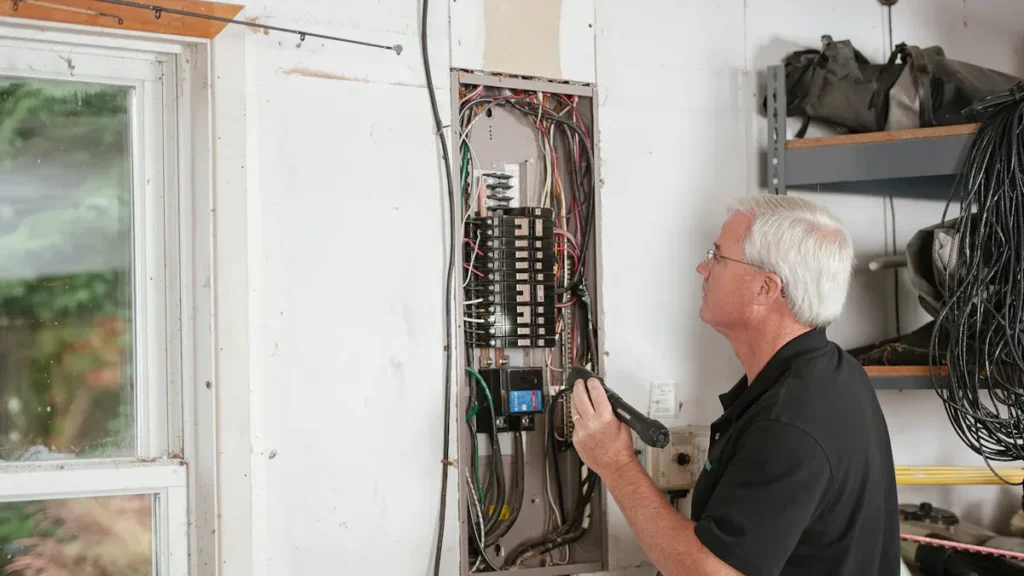
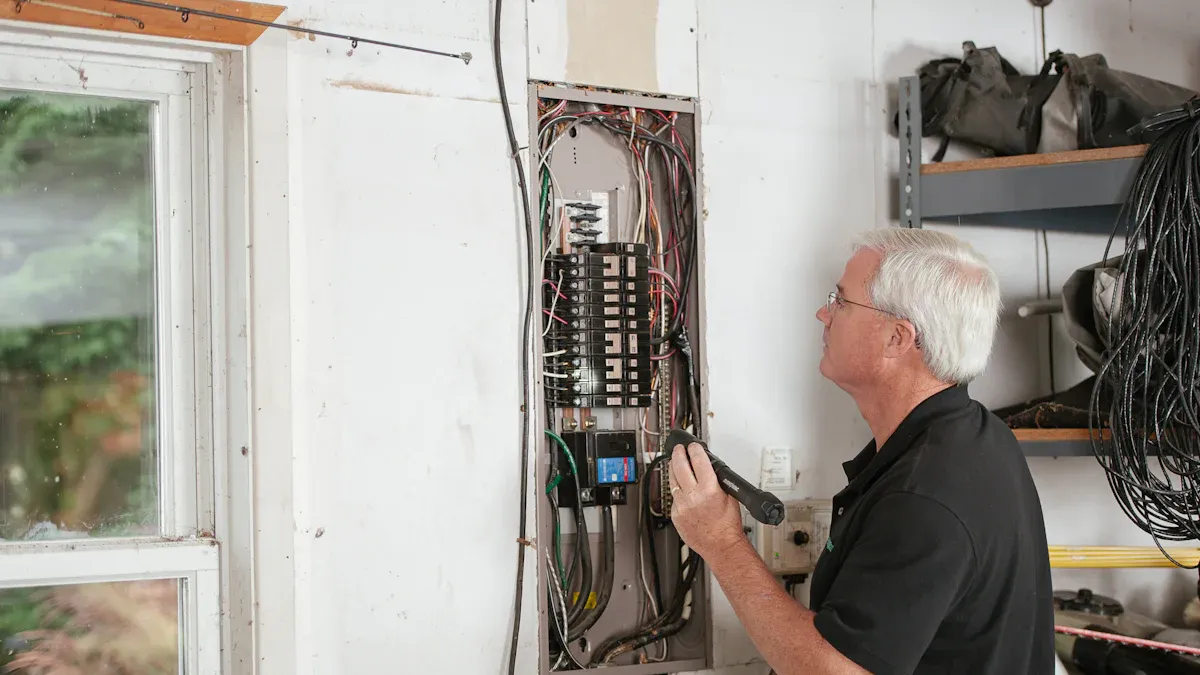
When you replace element in your appliance, you must consider both safety and compatibility. Using the wrong wattage can lead to serious problems. Common issues include 触电危险 if you skip turning off the power, furnace malfunction from incorrect wiring, and reduced heating efficiency. Ignoring safety precautions, such as wearing protective gear, can result in injuries or electrical burns. Always follow manufacturer guidelines to avoid damaging your appliance or risking personal harm.
Can You Replace Element with a Different Wattage?
The Direct Answer
You might wonder if you can replace element in your appliance with one that has a different wattage. The short answer is: you should not do this unless the new element matches the original wattage and voltage exactly. Electrical safety standards require you to use a replacement heating element that matches the original element’s voltage and wattage rating. Exceeding the appliance’s nameplate wattage rating can lead to serious safety hazards. If you install a higher wattage element, it will draw more current. This can overload your wiring, trip breakers, blow fuses, or even cause a fire. Some appliances have built-in thermal switches that may cycle power or shut down if you install an element with too high a wattage. Always shut off power before you replace element, and never operate a heating element without water or the intended medium, as this will destroy the element.
Mẹo: Always check the nameplate or manufacturer’s documentation for the correct wattage and voltage before purchasing a replacement.
Key Safety and Compatibility Considerations
Appliance Type and Manufacturer Specifications
Every appliance has unique requirements. You must confirm compatibility with your specific appliance model, including the brand, dimensions, and mounting configuration. Manufacturers design appliances to operate safely and efficiently with a specific wattage. Using the wrong wattage can cause poor heat distribution, operational failure, or even safety hazards. For example, a maintenance worker once replaced an oil-heating element with a water-heating element. The mismatch led to element failure, contamination, and costly downtime. This example shows why you must always match the element to the application and follow manufacturer guidelines.
Electrical System and Circuit Limitations
Your home’s electrical system has limits. Higher wattage elements draw more current, which can exceed the capacity of your wiring and circuit breakers. If you install an element that requires more power than your circuit can handle, you risk damaging insulation, tripping breakers, or causing a fire. You must also ensure the voltage matches exactly. Mismatched voltage can damage both the element and the appliance. Always verify that your electrical system can safely support the new element’s requirements before making any changes.
Ghi chú: Consult a licensed electrician if you are unsure about your circuit’s capacity or compatibility.
Common Scenarios: When It’s Safe and When It’s Not
You can safely replace element only when the new part matches the original wattage and voltage. This ensures the appliance operates as designed and avoids safety risks. If you use a lower wattage element, you may experience slower heating, longer wait times, and insufficient hot water during peak demand. If you use a higher wattage element, you risk overheating, damaging the appliance, or creating electrical hazards.
Risk/Consequence Category | Giải thích |
|---|---|
Lower wattage elements heat water more slowly, increasing wait times and potentially causing insufficient hot water during peak demand. | |
An toàn điện | Using an element with incorrect wattage requires ensuring electrical compatibility (voltage, wiring, codes) to avoid hazards. |
Hot Water Supply Adequacy | A lower wattage element may not meet household hot water needs, leading to dissatisfaction and inadequate supply. |
Longevity and Maintenance | Lower wattage can reduce strain and extend element and tank lifespan, but requires regular maintenance to prevent corrosion and sediment buildup. |
Operational Efficiency | Proper wattage selection aligned with household needs optimizes energy use; improper wattage can lead to inefficiency and increased energy consumption. |
Chiến lược giảm thiểu | Balancing wattage with usage, installing multiple elements, or using tankless systems can address risks while maintaining safety. |
Understanding Wattage When You Replace Element
What Wattage Means for Your Appliance
Wattage tells you how much electrical power your appliance uses. When you look at the label on a heater, oven, or water heater, you see a number followed by “W” for watts. This number shows the rate at which the appliance consumes energy. For example, a 100-watt light bulb running for 10 hours uses 1 kilowatt-hour (kWh) of electricity. You can estimate the cost of running an appliance by dividing the wattage by 1,000 to get kWh, then multiplying by your local electricity rate. If you use a 1200-watt hair dryer for one hour, it consumes 1.2 kWh, which might cost about 9 cents. Understanding wattage helps you manage your energy use and control your utility bills.
Federal energy efficiency standards require manufacturers to design appliances that use less energy while still performing well. These standards help you save money and reduce environmental impact. Even if two appliances have the same wattage, the more efficient one will use less energy over time.
How Wattage Impacts Heating Performance
Wattage directly affects how quickly and effectively your appliance heats. Higher wattage means the appliance can generate more heat in less time. For example, an electric oven with higher wattage cooks food faster and more evenly. Lower wattage appliances use less electricity but may take longer to reach the desired temperature. This trade-off impacts both your energy consumption and your experience using the appliance.
If you want faster heating, choose an appliance with higher wattage. If you prefer lower energy bills, a lower wattage model may suit your needs, but expect slower performance.
The table below compares average wattage and estimated yearly energy use for different oven types, assuming one hour of daily use:
烤箱类型 | Average Wattage (W) | Estimated Yearly Energy Use (kWh) |
|---|---|---|
Tiêu chuẩn | ~2800 | ~1022 |
对流 | ~2500 | ~912.5 |
感应 | ~1800 | ~657 |
This comparison shows that induction ovens, with lower wattage, consume less energy each year. However, they may cook more slowly than higher wattage ovens. Factors like oven size, cooking habits, and maintenance also affect energy use. Keeping heating elements clean and door seals tight improves efficiency.
Wattage, Voltage, and Amperage Explained
Wattage, voltage, and amperage work together to determine how your appliance functions. Wattage measures power. Voltage is the electrical pressure that pushes current through the element. Amperage is the amount of current flowing. The relationship follows this formula:
功率(瓦特)= 电压(伏特)× 电流(安培)
Heating elements act like resistors. Their wattage rating matches a specific voltage. If you apply the wrong voltage, the current changes, which can damage the element. For example, a 1500-watt heater rated for 120 volts draws 12.5 amps. If you connect it to 240 volts, the current doubles, and the power jumps to 6000 watts. This overload can cause the element to fail.
Always match the voltage and wattage ratings when you replace an element. Using the wrong ratings can lead to overheating, electrical hazards, or appliance damage.
Understanding these basics helps you choose the right replacement parts and ensures your appliance operates safely and efficiently.
How to Check Compatibility Before You Replace Element
Matching Voltage and Wattage Ratings
Why Voltage Must Always Match
You must always match the voltage rating when you replace an element. The voltage rating determines how much electrical pressure the element can safely handle. If you install an element with a different voltage, you risk damaging both the element and your appliance. The wrong voltage can cause the element to overheat, fail prematurely, or even create a fire hazard. Manufacturers design each appliance for a specific voltage, and deviating from this can compromise safety and performance.
Dangers of Mismatched Ratings
Mismatched wattage or voltage ratings can lead to serious problems. Using a higher wattage element than specified can overload your wiring and circuit breakers. This increases the risk of electrical fires and can damage your appliance. A lower wattage element may not heat efficiently, leading to poor performance and longer wait times. Always verify the replacement element’s voltage and wattage ratings by checking the element itself, the appliance’s data plate, or the owner’s manual. Follow these steps to ensure compatibility and safety:
Turn off power at the circuit breaker to prevent electrical shock.
Use a voltage tester to confirm the power is completely off.
拆卸检修面板和隔热层以暴露加热元件。.
Disconnect and label wires from the heating element terminals for easy reassembly.
Use a multimeter set to the lowest resistance (ohms) setting to test the element.
Place multimeter probes on the two terminals to check resistance; a reading between 10 and 30 ohms usually means the element is functional.
Perform a continuity check with the multimeter; a beep indicates a complete circuit.
Test for grounding faults by placing one probe on a terminal and the other on the metal tank; an infinite reading means no grounding fault.
By following these steps, you ensure the new element matches the original specifications and operates safely.
Ensuring Physical Fit and Connection Type
Element Size, Shape, and Mounting
Physical compatibility is just as important as electrical compatibility. The replacement element must fit properly in your appliance. If the size or shape does not match, you may face installation problems or inefficient heating. Mounting holes and brackets must align with the existing points to secure the element and prevent vibration or damage.
Terminal and Connection Compatibility
Wiring connections must also match the original setup. Incompatible terminals can cause electrical shorts or damage. Review the table below for common physical compatibility issues:
Physical Compatibility Issue | Giải thích |
|---|---|
尺寸与形状 | Replacement elements must match the original dimensions to fit properly; incorrect size can cause fitting problems or insufficient heat coverage. |
Mounting Holes and Brackets | Alignment with existing mounting points is necessary to secure the element; misalignment can cause vibration and damage. |
Wiring Connections | Wiring must be compatible with existing connectors to avoid electrical shorts and damage. |
Carefully compare the new element to the old one before installation. This step helps you avoid costly mistakes and ensures reliable operation.
Manufacturer Recommendations and Warranty Concerns
Manufacturers require you to use replacement elements that match the original voltage and wattage. Using a higher wattage element is not supported by warranty and can cause electrical issues. Most warranties do not cover failures caused by using non-original or mismatched elements. Dry-fire failures, which occur when you operate an element without water, are also excluded from warranty coverage. Major manufacturers recommend using only OEM (Original Equipment Manufacturer) replacement elements. If you use the wrong part, you risk inefficient operation, damage, and loss of warranty protection. Always follow the manufacturer’s guidelines when you replace element to protect your investment and ensure safe operation.
Evaluating Your Electrical Circuit’s Capacity
Before you install a new heating element, you need to make sure your electrical circuit can handle the load. Many homeowners overlook this step, but it plays a critical role in both safety and performance. If your circuit cannot support the new element, you risk tripping breakers, damaging wiring, or even causing a fire.
Start by checking the circuit breaker that controls the appliance. The breaker’s amperage rating tells you the maximum current the circuit can safely carry. Most residential circuits are rated at 15, 20, or 30 amps. You can find this information printed on the breaker switch in your electrical panel.
To determine if your circuit can handle the new heating element, use the formula:
Watts = Amps × Volts
This calculation helps you compare the element’s wattage to the circuit’s capacity. For example, a 15-amp circuit at 120 volts supports up to 1,800 watts. A 20-amp circuit at 120 volts supports up to 2,400 watts. At 240 volts, a 30-amp circuit can handle up to 7,200 watts. The table below summarizes these values:
Circuit Rating | Điện áp (V) | Amperage (A) | Calculated Wattage (W) |
|---|---|---|---|
15-amp circuit | 120 | 15 | 1,800 |
20-amp circuit | 120 | 20 | 2,400 |
30-amp circuit | 240 | 30 | 7,200 |
Mẹo: For safety, never load a circuit to its full capacity. Electricians recommend using only 80% of the rated load for continuous appliances. For example, on a 20-amp, 120-volt circuit, keep the total load below 1,920 watts.
You should also consider the total load on the circuit, not just the new element. If other appliances share the same circuit, add their wattages together. The combined load must stay within the safe limit. Permanent heating appliances, such as water heaters or ovens, often require a dedicated circuit. This setup prevents overloads and ensures reliable operation.
Measuring the actual current draw with a clamp meter gives you a clear picture of your circuit’s usage. This tool helps you identify hidden loads and avoid surprises. You should also account for startup surges, which can briefly increase current when the element first turns on. While breakers can handle short surges, the steady-state load matters most for long-term safety.
Long wire runs can cause voltage drop, especially in older homes. If your appliance is far from the panel, you may need to upgrade wiring to maintain safe voltage levels. Always consult a licensed electrician if you have doubts about your circuit’s capacity or wiring.
By carefully evaluating your electrical circuit’s capacity, you protect your home and ensure your new heating element operates safely and efficiently.
Effects of Changing Wattage When You Replace Element
Performance and Heating Speed Changes
Faster or Slower Heating
When you change the wattage of a heating element, you directly affect how quickly your appliance heats up. A higher wattage element usually delivers more power, so it heats up faster. However, heating speed also depends on the heat capacity of the element and the thermal mass of what you are heating. For example:
MỘT 300W element with three times the heat capacity of a 100W element can heat at the same rate as the 100W element.
A low heat capacity 100W element may heat up faster than a 300W element with higher heat capacity.
When heating water or another object, the combined thermal capacity of the element and the object determines the actual heating speed.
If two elements are physically identical except for wattage, the higher wattage element will heat up faster and reach a higher temperature.
Other factors, such as heat loss, element size, and control system tuning, also influence performance. In closed-loop systems, a higher wattage element can reach the set temperature faster but may overshoot if the controls are not properly adjusted.
Risks of Overheating or Underperformance
If you install an element with higher wattage than specified, you risk overheating the appliance. This can cause the system to overshoot temperature targets, damage internal components, or even create safety hazards. On the other hand, a lower wattage element may not provide enough heat, leading to slow performance and insufficient output during peak demand. You must always consider both the electrical and thermal characteristics before you replace element.
Energy Consumption and Utility Bill Impact
The wattage of a heating element directly determines how much energy your appliance uses. For example, a 一台1000瓦的加热器运行一小时消耗1千瓦时 的电量。若将功率提升至2000瓦并保持相同运行时间,能耗与电费成本将翻倍。根据实际需求选择合适功率有助于避免不必要的能源浪费与过高账单。使用温控器并加强保温措施有助于平衡舒适度与成本,尤其在需要长时间运行设备时更为重要。.
安全风险与设备寿命
火灾与电气隐患
更改加热元件功率会引发多重安全风险。下表汇总了主要注意事项:
Diện mạo | 使用较低功率元件 | 使用较高功率元件 |
|---|---|---|
加热性能 | 加热速度慢,恢复时间长,可能导致高峰时段热水供应不足。. | 加热更快,但若线路不匹配可能造成电力系统过载。. |
An toàn điện | 若电力系统与功率匹配则通常更安全;必须确认兼容性并遵守当地规范。. | 若系统未按更高功率设计,存在电气过载、火灾隐患或设备损坏风险。. |
Longevity and Maintenance | 因负荷较小可能延长元件与水箱寿命;需定期维护以防腐蚀。. | 负荷增大会缩短使用寿命;安装不当可能导致损坏。. |
兼容性与安装要求 | 必须确保元件符合系统规格(尺寸、电压、功率);建议专业安装。. | 必须核实家庭电力容量与线路状况;专业评估至关重要。. |
风险缓解措施 | 监测热水需求;必要时可考虑多元件系统或即热式设备。. | 提高功率时需确保电力系统同步升级;严格遵守当地规范。. |
必须始终确认电力系统能承受新功率。电路过载可能导致断路器跳闸、线路损坏甚至火灾。.
设备组件损坏
以错误功率运行设备会缩短其使用寿命。. 设备均按特定功率设计. 。超出参数范围运行会导致能效降低与过早磨损。定期维护并使用正确功率有助于减少能源浪费并延长设备寿命。使功率与家庭电力容量匹配还能保护内部组件免遭损坏。.
提示:更换元件时务必遵循制造商建议,以确保安全运行与持久性能。.
安全更换元件分步指南

所需工具与替换部件
开始前请备齐所有必要工具与零件。使用合适设备能确保流程顺畅安全。需准备以下物品:
用于夹持旋转的钳子
与特定设备型号兼容的替换加热元件
测试电路通断与电阻的万用表
防护手套和安全护目镜
设备所需的扳手
参考用的用户手册
通常可通过设备标签或图示确定加热元件位置。在发热区域寻找可见线圈或金属导线。若无法确定,, 可使用万用表测试电阻 或查阅用户手册。.
提示:务必确认替换件在尺寸、形状、电压和功率方面与原装件匹配。.
断电与安全预防措施
更换任何设备的元件时,安全必须放在首位。遵循以下步骤以保护自身与设备:
Tắt nguồn điện tại cầu dao. 关闭电源或拔掉设备插头。此步骤可防止触电。.
对于水暖设备,关闭冷水供应阀。.
打开热水龙头使空气进入水箱, ,便于排水。.
若适用,将软管连接排水阀排空水箱。.
接触任何内部部件前,确保设备完全冷却。.
佩戴防护手套与护目镜 以防锐边与碎屑伤害。.
保持工作区域干燥整洁以避免危险。.
开始前再次确认所有电源均已断开。.
若对任何步骤存疑,请咨询专业人士。.
注意:切勿省略安全装备或断电步骤。这些措施能预防严重伤害与事故。.
Loại bỏ thành phần cũ
确保安全后,即可拆卸旧加热元件。按以下步骤操作:
确认设备已完全断开电源,必要时切断水源。.
拆卸盖板或面板以接触加热元件。可能需要抬起元件或 移开接水盘.
识别连接类型。部分元件采用螺丝端子,其他则为插入式连接。.
对于螺丝式元件,使用螺丝刀拆卸固定电线的螺丝。小心分离电线。.
对于插入式元件,将元件从端子块中垂直拔出。.
若设备需要,使用扳手拧松并取下元件。.
清洁安装开口或区域,确保新元件密封良好。.
拆卸过程中始终妥善保管螺丝与小零件,便于重组装并防止部件丢失。.
Cài đặt thành phần mới
安装新加热元件时应始终遵循制造商指南。这些说明有助于避免错误并确保设备按设计运行。首先检查安装区域是否清洁无杂物。洁净环境可防止灰尘污垢导致电气故障或对新元件产生机械应力。.
遵循以下最佳实践以实现安全可靠的安装:
将新加热元件定位在安装位置,确保其贴合紧密并与原孔或支架对齐。.
使用正确的硬件固定元件。避免紧固件过紧或过松。如有可能,应使用扭矩起子将电气端子紧固至制造商推荐的扭矩值,例如 20英寸-磅. 。连接松动常导致故障。.
将电线连接到端子上。仔细检查每根电线是否与其原始位置对应。确保连接牢固,但勿施加过大力。.
在绝缘或封闭设备前,对新元件进行绝缘电阻测试(兆欧表测试)。此测试检查绝缘完整性,有助于防止电气故障。应在通电前、安装后以及绝缘处理后分别进行测试。.
仅使用经过校准的仪器进行测试和校准。此步骤可确保结果准确和运行正常。.
安装过程中避免对元件施加机械应力。轻拿轻放以防弯曲或破裂。.
元件就位后,装回之前拆除的绝缘材料或盖板。.
Mẹo: 安装后的定期维护和监测有助于发现性能劣化的早期迹象,延长加热元件的使用寿命。.
运行测试确认正常工作
安装新加热元件后,需验证其工作是否正常。测试可确保设备安全高效运行。开始任何测试前,务必断开设备电源。.
可使用万用表检查加热元件的电阻。请按以下步骤操作:
将万用表调至电阻(欧姆)模式。.
将万用表表笔连接到加热元件的端子上。.
将测量电阻与理想值对比,理想值可通过公式计算得出:
电阻(R)=(电压 × 电压)/ 功率若测量电阻与计算值相符,则元件工作正常。.
电阻读数过高意味着元件可能失效,无法充分发热。.
电阻过低则表明存在短路或内部损坏。.
恢复供电和供水(如适用)后,还应检查是否存在泄漏、异常噪音或气味。在设备首次完整运行周期内进行监测,确认加热正常且运行安全。.
Ghi chú: 这些简单测试能使您自信诊断加热元件问题,即使经验不足。务必优先考虑安全,测试前断开电源并排空储罐。.
更换元件时的最佳实践
何时使用相同功率
更换设备元件时,应始终使用相同功率。制造商为每个系统设计特定功率以确保安全运行和最佳性能。匹配原始功率有助于避免电气过载、加热不均及敏感部件损坏。使用正确功率还能使设备符合保修要求,降低火灾或电气风险。若无法找到完全相同的功率,请在更改前查阅设备手册或联系制造商。.
使用相同功率可保护设备并确保加热效果稳定。.
何时可接受不同功率
大多数情况下不应使用不同功率的元件。更改功率可能导致热量分布不均、安全隐患甚至火灾。但在 非常严格的条件下 可接受不同功率:
替换元件的功率和电压必须与原始参数完全一致。.
物理尺寸、形状和安装方式符合设备要求。.
热量分布保持不变,防止出现热点或冷区。.
元件不会导致电流过大或使电气系统过载。.
即使满足这些条件,专家仍不建议使用不同功率。功率不匹配可能损坏温控器或热熔断器等部件。更换元件时,应始终优先遵循安全规范和制造商建议。.
不兼容或安装不当的警示迹象
安装新加热元件后,需注意可能表明问题的迹象。这些警示通常指向不兼容或安装不当:
加热器运行但不吹送热风。.
出现加热不均或温度波动现象。.
加热器无法启动,可能由电气问题导致。.
闻到焦糊味或检测到过热,可能表明元件劣化。.
断路器跳闸或保险丝熔断,表明电流过大。.
常见错误包括更换前未关闭电源、接线错误或使用不兼容元件。这些错误会降低效率、造成损坏或引发安全隐患。.
若发现任何警示迹象,请立即关闭设备并咨询专业人员。.
Khi nào nên gọi cho chuyên gia
您或许能自信处理基本的加热元件更换,但某些情况需要专业干预。识别何时需要呼叫专业人员可保障您的安全、设备及家庭电气系统。以下明确迹象表明应寻求专业帮助:
对电气工作不确定
若未完全理解接线图或电路额定值,可能犯下危险错误。持证电工经过培训,能安全处理复杂电气系统。.断路器反复跳闸或保险丝频繁熔断
安装后设备导致断路器跳闸或保险丝熔断,表明存在更深层的电气问题。专业人员可诊断电路过载、接线故障或连接不当。.Hư hỏng hoặc ăn mòn có thể nhìn thấy
若发现电线烧焦、绝缘层熔化或端子周围腐蚀,切勿自行维修。这些迹象表明存在潜在火灾风险或先前电气故障。.异常噪音、气味或泄漏
安装后出现嗡嗡声、爆裂声或焦糊味,表明连接不当或部件故障。电气部件附近漏水也会造成严重风险。专业人员能在问题升级前识别并修复。.保修或保险要求
许多制造商和保险政策要求由认证技术人员进行维修。若尝试自行维修,可能导致保修失效或未来索赔无法获得赔付。.复杂或高压设备
电热水器、烤箱或工业设备等常在高电压下运行。这些系统需要专用工具和专业知识。未经适当培训进行维修可能导致严重伤害。.
Mẹo: 如有疑问,请以安全为先。呼叫专业人员可确保设备符合规范要求并可靠运行。.
下表汇总了需要专业协助的情况:
情况 | 需要专业人员的理由 |
|---|---|
不确定接线或电路 | Ngăn ngừa các nguy cơ điện |
避免危险错误 | 断路器/保险丝反复跳闸 |
诊断并修复根本问题 | 存在损坏或腐蚀迹象 |
异常噪音、气味或泄漏 | 防止设备进一步损坏 |
保修或保险相关问题 | 维持保障范围与合规性 |
高压或复杂系统 | 确保安全、符合规范的安装 |
如果您遇到任何此类警告信号,切勿犹豫,应立即联系持证电工或设备技术员。专业服务不仅能恢复安全运行,还能延长设备使用寿命。.
更换加热元件后的维护与持续安全
定期检查与监测
安装新加热元件后,您需要定期检查设备。例行检查有助于及早发现磨损、腐蚀或损坏迹象。这种做法可确保设备安全高效运行。遵循以下步骤以维持持续安全:
开始任何检查前,先在断路器处关闭电源。.
查找可见的磨损迹象,例如元件和接线端子上的变色、裂纹或腐蚀。.
经常清洁设备。清除污垢、油脂和食物残渣,以防止过热和过早磨损。.
避免设备过载。过大的负荷会缩短加热元件的寿命。.
正确使用设备。务必轻柔且完全地关闭门,以保持适当温度并减少元件承受的压力。.
每年至少安排一次专业维护。技术人员可以发现您可能忽略的问题,并在问题变得严重之前帮助您修复。.
定期检查和清洁 可延长设备寿命,并有助于防止意外故障。.
留意异常噪音、气味或性能问题
请对设备的声音、气味或性能的任何变化保持警惕。异常噪音,如嗡嗡声或噼啪声,可能表示连接松动或部件故障。烧焦味通常指向过热或电气问题。如果您注意到加热不均匀、预热时间变长或设备无法达到设定温度,这些可能表明加热元件或线路存在问题。.
注意设备运行期间出现的新声音或奇怪声音。.
闻是否有任何异常气味,特别是烧焦或熔化的气味。.
观察性能变化,例如加热缓慢或温度不稳定。.
如果您检测到任何此类警告信号,请立即关闭设备。如果您不确定,请勿尝试自行维修。联系合格的技术员进行检查和解决问题。.
发现问题时迅速采取行动,可以避免昂贵的维修并保障您的安全。.
保存更换和升级记录
每次维修或升级设备时,您都应保存详细记录。记下日期、执行的工作类型以及任何新部件的零件号。此信息有助于您跟踪加热元件的使用年限和状况。它还能简化未来的故障排除,并在需要时支持保修索赔。.
一个简单的表格可以帮助您整理维护历史:
日期 | 执行的服务 | 传统管状护套元件: | 技术员/备注 |
|---|---|---|---|
2024-06-15 | 更换加热元件 | 12345-AB | 由技术员安装 |
2025-01-10 | 年度检查 | Không có | 未发现问题 |
保存准确的记录可确保您掌握维护情况,并帮助您就未来的维修或升级做出明智的决定。.
当您更换任何设备中的元件时,务必优先考虑安全性和兼容性。查阅制造商的指南,切勿超过推荐的额定值。正确的安装和日常维护有助于您预防危险并延长设备寿命。如果您对操作过程有任何不确定或注意到警告信号,请咨询专业人士。您对细节的关注确保了每次都能可靠、安全地运行。.
请记住:周密的计划和正确的更换件能让您的设备保持最佳运行状态。.
Câu hỏi thường gặp
您可以在设备中使用更高瓦数的元件吗?
您不应使用更高瓦数的元件。此更改可能导致线路过载、跳闸或引发火灾。为确保安全和正常运行,务必匹配原始的瓦数和电压。.
如果安装较低瓦数的元件会发生什么?
较低瓦数的元件加热速度较慢,在高需求期间可能无法满足您的需求。您可能会注意到热水等待时间更长或设备加热速度变慢。.
如何找到更换元件的正确瓦数?
检查设备铭牌、用户手册或旧元件的标签。制造商会列出所需的瓦数和电压。购买更换件时务必使用这些规格。.
自行更换元件安全吗?
如果您遵循安全步骤,可以更换元件。关闭电源,穿戴防护装备,并使用正确的工具。如果您感到不确定或看到损坏,请致电持证专业人员。.
更换元件会影响您的电费账单吗?
是的。更高瓦数的元件耗电更多,会增加您的账单。较低瓦数的元件能耗较低,但运行时间可能更长。匹配原始瓦数有助于控制成本。.
哪些迹象表明您的新元件不兼容?
注意跳闸、异常噪音、烧焦气味或加热不良。这些迹象意味着该元件可能不适合或无法与您的设备配合工作。如果您注意到这些问题,请关闭设备并寻求帮助。.
更换元件会使您的保修失效吗?
使用未经批准或不匹配的元件可能导致保修失效。务必遵循制造商指南并使用原装零件,以保持保修有效。.
Bạn nên kiểm tra bộ phận sưởi ấm của mình bao lâu một lần?
每年至少检查一次您的加热元件。查找腐蚀、变色或裂纹。定期检查有助于您及早发现问题并延长设备寿命。.