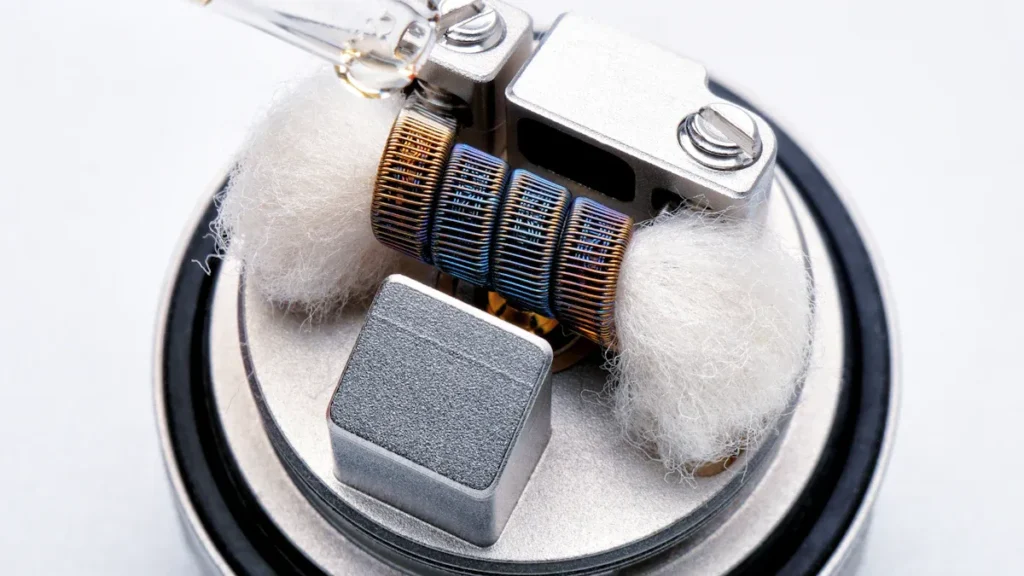

An electric heating coil converts electrical energy into heat by using resistance. You rely on this device for efficient and controlled heating in many daily and industrial settings. The global market for electric heating coils reached $14.1 billion in 2024, with strong demand across HVAC, industrial equipment, and home applications.
| Diện mạo | Data / Insight |
|---|---|
| 市场规模(2024年) | USD 14,139.48 million |
| Application Shares | HVAC: 50%, Industrial Equipment: 30%, Home Applications: 15% |
| Regional Market Shares | Asia-Pacific: 40%, North America: 30%, Europe: 25%, Middle East & Africa: 5% |

You see electric heating coils as a vital part of modern life, from manufacturing plants to your own home. Their nearly 100% energy conversion efficiency makes them a reliable choice for both comfort and productivity.
What Is an Electric Heating Coil?

Basic Definition
You encounter electric heating coils in many heating systems. These devices use electricity to generate heat by forcing current through a resistance wire. According to engineering standards, you can define an electric heating coil as an HVAC accessory that reheats conditioned supply air using electricity. Manufacturers often categorize these coils as duct heaters or terminal unit heaters. Certification standards such as UL 1996 and UL 1995 ensure that these products meet strict safety and performance requirements.
Ghi chú: Safety features include automatic and manual resets to prevent overheating, as well as airflow or fan switches that verify proper air movement before the coil activates.
Core Components
A typical electric heating coil consists of several essential parts that work together to deliver reliable and efficient heating.
Thanh gia nhiệt
- The heating element forms the core of the coil. You usually find it made from materials like nickel-chromium (NiCr), Kanthal, or cupronickel. These metals offer high melting points, resist corrosion, and maintain stable resistance at elevated temperatures.
- The coil shape increases resistance, which boosts heat output. Manufacturers adjust wire gauge, coil diameter, and pitch to achieve the desired performance.
- After coiling, processes like stretching help fine-tune the coil’s dimensions and heating characteristics.
- The electric heating element converts electrical energy into heat by providing controlled resistance to the current.
Insulation and Support
- Insulation plays a critical role in safety and efficiency. Ceramic sheaths or metal tubes often surround the coil, providing electrical insulation while allowing heat to transfer outward.
- Ceramic insulators prevent electrical hazards but conduct heat efficiently, ensuring safe operation.
- The combination of material selection, coil design, and insulation ensures that you receive consistent and safe heat generation.
主要功能
The primary function of an electric heating coil is to convert electrical energy into heat through resistance heating. When you pass an electric current through the tightly wound resistance wire, the coil heats up. This heat then transfers to the surrounding air or objects by conduction, convection, or radiation, depending on the application. You rely on this process in many household appliances, such as ovens, toasters, water heaters, and space heaters. The coil’s design maximizes heat generation and efficiency, while insulation and support structures ensure safe and effective operation.
How Electric Heating Coils Work
Principle of Electrical Resistance Heating
You experience the core principle behind electric heating coils every time you use an electric stove or heater. When you pass an electric current through a conductor that resists the flow of electricity, the conductor heats up. Scientists call this the Joule effect. The amount of heat produced depends on the current and the resistance of the material. The formula for this process is simple: the heat power equals the square of the current multiplied by the resistance (I²R).
The resistance of the wire depends on three factors: the material’s resistivity, the length of the wire, and its cross-sectional area. For example, a longer or thinner wire increases resistance, which leads to more heat. Most electric coils use metals like nichrome because their resistance stays stable at high temperatures. As you adjust the current, you control the amount of heat generated, making these coils ideal for precise heating tasks.
Ghi chú: The efficiency of electric heating coils comes from their ability to convert almost all electrical energy into heat, with minimal losses.
Heat Generation Process
You activate an electric coil by switching on the power. Electricity flows through the coil’s resistance wire. The wire resists the flow, causing it to heat up rapidly. The coil’s temperature rises until it reaches the set point or the maximum safe operating temperature.
Manufacturers design electric coils to heat up quickly and maintain a steady temperature. You benefit from this fast response in appliances like toasters and hair dryers. The coil’s design, including its shape and the materials used, ensures that heat spreads evenly across the surface. This uniform heating protects the device and provides consistent performance.
**传热方式**
Once the coil generates heat, it must transfer that energy to the surrounding environment or to a specific object. Electric coils use three main methods to move heat: conduction, convection, and radiation.
传导
You see conduction at work when the coil touches another solid surface. The heat moves directly from the hot coil to the cooler object. For example, in an electric oven, the coil heats the metal walls and racks through direct contact. The efficiency of conduction depends on the materials involved and the quality of the contact.
对流
Convection occurs when the coil heats the air or another fluid around it. As the coil warms up, it transfers heat to the air, which then rises and circulates. This process spreads warmth throughout the space. In many electric heaters, fans blow air over the coils to speed up this process. You notice this effect in space heaters and electric furnaces, where moving air quickly distributes heat.
- Electric circulation heaters use this method to transfer heat efficiently. The product flows directly over the heating elements, which improves both heat transfer and temperature control.
- Shell and tube heat exchangers use convection to move heat from the heated tubes to the fluid passing through the system.
辐射
Radiation allows the coil to emit heat in the form of infrared energy. You feel this effect when you stand near a glowing electric coil. The heat travels through the air without needing direct contact or a medium. While radiation plays a role in some applications, most electric coils rely more on conduction and convection for heat transfer.
Mẹo: You can achieve precise temperature control and high energy efficiency by choosing the right heat transfer method for your application.
Types of Electric Heating Coils
You encounter several types of electric coils in both residential and industrial settings. Each type offers unique features, construction methods, and application benefits. Understanding these differences helps you select the right coil for your heating needs.
Open Coil Heaters
Open coil heaters use exposed resistance wire, often made from materials like galvanized steel, aluminized steel, or stainless steel. You benefit from their efficient and rapid heat transfer, which makes them ideal for processes that require quick temperature changes. Manufacturers design these heaters with features such as heavy gauge steel framing, insulated terminal boxes, and stainless steel hardware to ensure durability and safety.
- You can find open coil heaters in industrial ovens, dryers, autoclaves, and duct systems.
- They support a wide range of applications, including drying, curing, baking, chemical processing, and sterilizing.
- Built-in control options, such as thermostats and thermal cutouts, allow you to manage temperature precisely.
- Moisture-resistant seals and airflow switches protect the coil and ensure safe operation.
开放式线圈加热器提供可定制的功率和电压,适用于专业工业任务。然而,其暴露式设计意味着必须考虑安全性及物理损伤防护。.
管状加热线圈
管状加热线圈采用封装在金属管内的电阻丝结构,通常填充绝缘材料。该设计提供了坚固性与绝缘性,使这些线圈在严苛环境中表现可靠。管状线圈具有以下优势:
- Truyền nhiệt hiệu quả 由于与加热介质紧密接触,热传递效率高。.
- 尺寸、形状和配置灵活多样,可适配各类设备。.
- 相较于开放式线圈元件,安全性与耐久性更佳。.
尽管存在这些优势,管状线圈因其圆柱形状需要更多安装空间。同时必须确保充分散热以避免过热。管状线圈最适用于安全性、耐久性和可靠性至关重要的场景,例如热水器、工业储罐及工艺设备。.
管状电热线圈比扁平或螺旋线圈更紧凑坚固。其绝缘设计减少了热损失并提高了操作安全性,但需考虑安装与空间要求。.
翅片式加热线圈
翅片式加热线圈结合金属管与附加翅片, 以增大传热表面积。. 此类线圈常见于暖通空调系统、发电厂和化学处理设施。翅片有助于均匀分布热量并提升效率,尤其在强制通风或液体加热应用中表现突出。.
- 翅片式线圈在极端温度与压力下仍能可靠运行。.
- 耐用材料具备抗腐蚀特性,, 从而减少维护与更换需求。.
- 该设计在传热效率与空气/流体压降之间取得平衡,确保高效运行。.
在需要强劲性能和稳定温度控制的场合应选用翅片式线圈。但需注意其可能积聚灰尘或碎屑,因此定期维护对防止污垢堆积、保持效率至关重要。.
翅片式电热线圈为工业与民用系统提供 高效节能的加热方案。 其增强的表面积和坚固结构使其成为长期使用的经济选择。.
可见电加热线圈存在多种形式,每种都针对特定环境与需求而设计。通过了解这些类型,您可为加热应用做出明智决策。.
筒式加热器
当需要在紧凑空间内实现精确局部加热时,筒式加热器常成为首选。这类加热器采用 金属护套、缠绕陶瓷芯的电阻线圈及氧化镁等绝缘材料. 的结构。该构造可实现高效热传递与均匀温度分布。筒式加热器可轻松插入钻孔中,使其成为金属部件或模具直接加热的理想选择。.
筒式加热器具有高热效率,即使在严苛条件下也能保持温度稳定。其紧凑尺寸与可定制设计支持广泛的工业与商业用途。其快速升温特性与可靠性能带来显著优势,尤其适用于高振动或温度波动的环境。.
下表总结了典型应用场景 以及筒式加热器适用于各场景的特性:
| Ứng dụng | 描述/使用场景 | 适配因素/特性 |
|---|---|---|
| 医疗设备 | 用于患者保温毯和透析机,实现精确快速的温度控制。. | 紧凑设计、精确温控、快速传热、提升患者安全性与舒适度。. |
| 3D打印 | 加热FDM和SLA打印机中的喷嘴与热床,以熔化打印材料并确保附着。. | 加热均匀、精确温控、尺寸紧凑、性能可靠。. |
| 模具温度控制 | 加热热介质(水、油)以在注塑、压铸等工艺中保持模具温度稳定。. | 高热效率、可靠性、保持温度稳定的能力、可定制加热曲线。. |
| 塑料挤出机 | 加热挤出机筒以熔化塑料,用于产品定型与成型。. | 分区加热、精确温控、持续加热效果、可紧凑插入钻孔。. |
| 热风炉 | 将电能转化为热空气或热气,用于干燥、烘烤、热处理。. | 高效热传导与辐射、精确温控、多场景可靠运行。. |
| 塑料注塑成型 | 插入金属模具中均匀熔化塑料树脂,确保产品质量。. | 高导热性、与钢/铝模具兼容性、支持热电偶温度控制。. |
| 烫印工艺 | 加热模具或印模以将金属箔或油墨转印至表面。. | 精确温控避免加热不足或过度,低密度加热器满足特定热需求。. |
提示:通过确保恰当配合度并使用温度传感器精确控制,可延长筒式加热器使用寿命。.
圆柱面用线圈加热器
当需要将加热元件缠绕于管道、管件或喷嘴时,可采用圆柱面用线圈加热器。这类加热器通过精心设计与先进工程实现传热效率最大化。其性能受以下因素影响:
- 线圈与工件距离—— 最佳气隙为0.5–3毫米, ——可确保均匀加热与能量传递。.
- 线圈轮廓、匝间距与节距影响热量在表面分布的均匀性。.
- 可通过选择工作频率控制热量渗入材料深度——低频用于深层加热,高频用于表面加热。.
- 功率密度分布取决于线圈设计,例如单匝与多匝线圈、变节距绕线等差异。.
- 先进配置(如异形贴合线圈与多区线圈)有助于应对复杂几何形状并实现差异化加热。.
- 材料选择(包括铜与铜合金)需平衡导电率与机械强度。.
- 集成冷却系统(如共形冷却通道)可防止过热并维持性能。.
- 精密制造工艺(如数控成型与真空钎焊)确保高频应用所需的几何精度。.
Recent studies show that variable-pitch coil designs improve heat transfer and temperature distribution. You achieve more uniform heating and better thermal performance, especially on cylindrical surfaces.
Duct and Pipe Electric Heating Coils
You encounter duct and pipe electric heating coils in HVAC systems, industrial processes, and commercial buildings. These coils, often called duct heaters, provide controlled heating for air or fluids moving through ducts and pipes. You can install a duct heater directly inside air handling units or ventilation ducts to maintain desired temperatures and improve indoor air quality.
Duct heaters come in various configurations, including open coil, tubular, and finned designs. You select the type based on airflow, temperature requirements, and installation space. For pipe heating, electric heating coils wrap around or insert into pipes to prevent freezing, maintain process temperatures, or support chemical reactions.
- You benefit from precise temperature control and energy efficiency.
- Safety features, such as thermal cutouts and airflow switches, protect against overheating.
- Maintenance is straightforward, with easy access for inspection and replacement.
Note: When you choose a duct heater, consider factors like airflow rate, duct size, and required temperature rise to ensure optimal performance.
You rely on electric heating coils in duct and pipe systems for reliable, efficient, and safe heating across many applications.
Construction and Materials of Electric Heating Coils
Common Materials Used
When you select materials for electric coils, you influence their efficiency, durability, and application range. The right material ensures reliable heating and extends the lifespan of your equipment.
Nicrom
Nichrome stands as one of the most popular choices for electric coils. You benefit from its high electrical resistivity and excellent oxidation resistance. This alloy, made from nickel and chromium, forms a stable oxide layer (Cr₂O₃) that protects the wire during repeated heating cycles. Nichrome operates safely at temperatures up to 1200°C, making it suitable for most household appliances and moderate industrial uses. You often find it in toasters, hair dryers, and electric ovens, where uniform heating and consistent performance matter.
康泰尔合金
Kanthal offers you a solution for more demanding environments. This iron-chromium-aluminum alloy withstands higher temperatures, reaching up to 1400°C or more, depending on the specific alloy. Kanthal’s mechanical strength surpasses Nichrome, which means you can use it in electric coils exposed to harsh conditions or frequent thermal cycling. Its durability and resistance to oxidation make it ideal for industrial furnaces and high-temperature processing.
| 控制电流流动。 | Nicrom | 康泰尔合金 |
|---|---|---|
| 最高工作温度 | Around 1200°C | Around 1400°C |
| Khả năng chống oxy hóa | Excellent (stable Cr₂O₃) | Xuất sắc |
| 电阻率 | Cao | Vừa phải |
| Độ bền cơ học | Vừa phải | Cao |
You see that Kanthal’s higher temperature capability and robust construction translate into longer service life and better performance in extreme settings.
Copper and Other Alloys
Copper and its alloys play a role in electric coils where lower resistance and rapid heat transfer are needed. You might use copper coils in applications that require quick heating and cooling cycles. However, copper’s lower melting point and limited oxidation resistance restrict its use in high-temperature environments. Manufacturers sometimes blend copper with other metals to improve strength and corrosion resistance, tailoring the coil for specialized tasks.
Design Considerations
You must consider several factors when designing electric coils to ensure optimal performance and safety.
Coil Shape and Size
The shape and size of your electric coils directly affect heat distribution and efficiency. You can choose from helical, spiral, or flat configurations, each suited for specific applications. A tightly wound coil increases resistance and heat output, while a larger diameter spreads heat over a wider area. You should match the coil’s dimensions to the heating requirements of your device or process.
Insulation and Safety Features
Insulation stands as a critical component in electric coils. You often see ceramic, mica, or mineral insulation used to separate the heating element from its outer sheath. This design prevents electrical shorts and ensures that heat transfers efficiently to the surrounding medium. Safety features, such as thermal cutoffs and temperature sensors, protect you from overheating and electrical hazards. You should always verify that your electric coils include these safeguards to maintain reliable operation and prevent accidents.
Tip: Regular inspection of insulation and safety devices helps you avoid failures and extends the life of your electric coils.
Key Applications of Electric Heating Coils in Everyday Life

Electric heating coils play a crucial role in your daily comfort and convenience. You encounter these components in many household appliances and heating systems. Their efficiency, reliability, and adaptability make them essential in modern homes.
家用电器
You depend on electric heating coils in many common appliances. These devices deliver fast, controlled heat for cooking, cleaning, and personal care. The following table highlights the widespread use of heating coils in domestic appliances:
| Appliance Type / Metric | 数据 / 描述 |
|---|---|
| Common Appliances Using Electric Heating Coils | Water heaters, electric cooktops (including electric stoves), irons |
| Total Heating Elements in Domestic Appliances | Over 510 million units in 2023 |
| Heating Elements in Electric Stoves | 180 million units |
| Heating Elements in Residential Devices | Over 410 million units (electric stoves, water heaters, hair dryers) |
| Market Penetration Rate (New Appliances, 2023) | More than 72% of new electric stoves, ovens, and water heaters use high-efficiency coil/ribbon elements |
| Sales of Compact Quick-Heating Elements | Over 180 million units globally (electric kettles, instant water heaters) |
| Regional Market Leader | Asia-Pacific region, especially China, with over 520 million heating elements produced annually |
| Government Incentives | Over 30 countries promoting adoption of electric heating elements |
Electric Ovens and Stoves
You use electric ovens and stoves for precise and consistent cooking. The heating coil system inside these appliances heats up quickly and distributes warmth evenly. This design allows you to bake, roast, and cook with reliable temperature control. Over 72% of new electric stoves and ovens now feature high-efficiency coil or ribbon elements, which improve energy use and performance.
Bình nước nóng
Water heaters rely on electric heating coils to provide hot water on demand. The coil heats water rapidly and maintains a steady temperature. You benefit from quick access to hot water for showers, cleaning, and cooking. Compact quick-heating elements, such as those in instant water heaters, have seen global sales exceed 180 million units.
Toasters and Hair Dryers
Toasters use exposed coils to brown bread evenly and efficiently. Hair dryers contain coiled elements that heat air as it passes through, allowing you to dry and style hair safely. These appliances showcase the versatility of the heating coil system in delivering targeted, rapid heat.
Heating Systems
You experience the advantages of electric heating coils in home heating systems designed for comfort and safety. These systems convert nearly all electrical energy into heat, making them highly efficient compared to gas-based alternatives.
- Electric heating coils achieve almost 100% energy conversion, so you waste very little power.
- You enjoy higher reliability because these systems have fewer moving parts and built-in safety features.
- The absence of combustible fuels reduces risks of gas leaks, carbon monoxide, and fire hazards.
- The compact size and flexible design of electric coils allow easy integration with renewable energy sources.
Máy sưởi không gian
Space heaters use electric coils to warm rooms quickly and evenly. You can adjust the temperature to your preference, and the system responds rapidly. The compact design makes these heaters portable and easy to use in different spaces.
Chăn điện
Electric blankets contain thin, flexible coils that provide gentle, adjustable warmth. You stay comfortable during cold nights while using less energy than traditional room heaters. The heating coil system in these blankets ensures even heat distribution and reliable safety controls.
Tip: When you choose appliances or a heating system with electric coils, you gain efficiency, safety, and precise temperature control for your home.
Industrial and Commercial Applications of Electric Heating Coils
Electric heating coils drive innovation and efficiency across many industrial and commercial sectors. You see these components at the heart of manufacturing, climate control, and laboratory operations. Their ability to deliver rapid, precise, and safe heating makes them indispensable in modern industry.
Manufacturing Processes
You rely on electric heating coils for consistent and controlled heat in manufacturing. These coils support a wide range of processes, from shaping plastics to treating metals.
Plastic Molding
In plastic molding, you use electric heating coils to maintain the exact temperatures needed for melting and shaping polymers. The coils heat molds and extrusion barrels, ensuring uniform material flow and preventing defects. This precise temperature control improves product quality and reduces waste. You also benefit from energy efficiency, as the coils transfer heat directly to the molding surfaces.
Metalworking and Annealing
Metalworking processes such as forging, hardening, annealing, and brazing depend on electric heating coils. You achieve rapid and localized heating, which allows you to treat metals with accuracy. The coils help you reach high temperatures quickly, supporting faster production cycles and better consistency. You also avoid open flames, which enhances workplace safety and reduces emissions.
Key benefits of electric heating coils in manufacturing include:
- Rapid and efficient heat transfer
- Kiểm soát nhiệt độ chính xác
- Improved product quality and consistency
- Enhanced productivity and process efficiency
- Safety advantages due to the absence of open flames
暖通空调系统
You find electric heating coils integrated into modern HVAC systems to provide reliable climate control. These coils allow you to manage temperature across multiple zones with precision. By using a heating coil system, you can optimize comfort for building occupants and reduce energy costs.
- Advanced HVAC systems use AI and IoT technologies to adjust supply air temperature and fan speed in real time.
- This integration reduces temperature deviations and improves energy efficiency by up to 15%.
- You benefit from lower operational costs, improved occupant comfort, and reduced carbon emissions.
- Closed-loop control systems make it possible to upgrade existing HVAC setups without major hardware changes.
实验室设备
In laboratory settings, you depend on electric heating coils for safe and accurate heating. These coils serve as the main heating elements in devices such as ovens, hot plates, heating mantles, oil baths, and furnaces. You use them to dry samples, maintain reaction temperatures, and support chemical processes.
- Manufacturers enclose heating elements to prevent accidental contact and electrical hazards.
- You control input voltage with variable autotransformers, which helps prevent overheating.
- Fail-safe devices automatically cut power if temperatures exceed safe limits or if cooling fails.
- Proper maintenance and regular inspection ensure safe operation and prevent risks such as fire, explosion, or chemical exposure.
Tip: Always check for insulation damage and use voltage regulation to keep laboratory heating equipment safe and reliable.
Food Service Equipment
You encounter electric heating coils in nearly every modern commercial kitchen. These coils provide the reliable, consistent heat that food service operations demand. You see them in food warmers, rethermalizers, steam tables, and holding cabinets. The coils act as dry heat sources, but you often find that dry heat alone can cause food to lose moisture and temperature. To address this, many food warmers use water or water vapor as a heat transfer medium. This approach helps maintain accurate temperatures and preserves food quality.
Advanced systems, such as controlled vapor ovens, combine dry air heat from electric heating elements with moist vapor. This dual approach lets you precisely control both food temperature and texture. You keep food above safe holding temperatures, which prevents bacterial growth and ensures food safety. Rethermalizers use electric heating coils with water to rapidly reheat chilled or frozen foods. These systems move food through the critical temperature range of 40°F to 140°F in less than two hours, which is essential for food safety.
You benefit from features like automatic hold and programmed cooking cycles. These functions ensure that food stays at the right temperature with minimal staff intervention. You also see that these systems require more electrical power than simple warmers, but they deliver faster, safer results. By using electric heating coils, you maintain food quality, meet safety standards, and streamline kitchen operations.
Make-Up Air Units and Duct Heaters
You rely on make-up air units and duct heaters to maintain comfortable and safe indoor environments in commercial and industrial buildings. Make-up air units introduce fresh, conditioned air to replace air lost through ventilation or exhaust systems. You often find a duct heater installed within these units to raise the temperature of incoming air, especially during colder months.
A duct heater uses electric heating coils to deliver precise, controlled heat directly into the air stream. You can select from open coil, tubular, or finned designs, depending on your airflow and temperature requirements. These heaters respond quickly to changes in demand, which helps you maintain consistent indoor temperatures and improve energy efficiency.
You benefit from several key features:
- Overheat protection and airflow switches that enhance safety.
- Modular construction that allows for easy installation and maintenance.
- Compatibility with building automation systems for advanced control.
You see duct heaters used in schools, hospitals, manufacturing plants, and office buildings. They help you meet ventilation codes, improve air quality, and ensure occupant comfort. By choosing the right duct heater, you optimize system performance and reduce operational costs.
Tip: Regular inspection and cleaning of duct heaters help you maintain efficiency and extend equipment life.
Benefits and Practical Considerations of Electric Heating Coils
Advantages of Electric Heating Coils
Hiệu quả
You benefit from electric heating coils because they offer straightforward installation and reliable performance. These coils convert nearly all incoming electrical energy into heat, making them more efficient than many space heaters and radiators. You can install electric baseboard heaters or electric furnaces with minimal effort and cost. While heat pumps surpass electric coils in energy efficiency—delivering up to three times more heat per unit of electricity—electric coils remain a practical choice for zone or room-specific heating. Radiant floor heating, which uses electric coils, provides consistent warmth but involves higher installation complexity.
- Electric baseboard heaters are easy to install and often suitable for DIY projects.
- You avoid the need for venting or fuel storage, which simplifies setup and reduces costs.
精准温控技术
You gain precise temperature control with electric heating coils. These systems respond quickly to thermostat adjustments, allowing you to maintain your preferred comfort level. You can target specific rooms or zones, which helps you avoid wasting energy on unused spaces. This targeted approach supports both comfort and cost savings.
Clean Operation
You enjoy a clean and quiet heating experience with electric coils. These systems do not burn fossil fuels, so you eliminate risks such as carbon monoxide leaks and the need for venting. Electric baseboard heaters operate silently, making them ideal for bedrooms and offices. You also reduce indoor air pollution, which supports a healthier environment.
Tip: Electric heating coils provide a safe alternative to portable space heaters, which can pose fire hazards if left unattended.
安全与维护要点
为确保电加热线圈的持久性能,您必须将安全与定期维护置于首位。请遵循以下关键要点:
- 定期清洁线圈,清除灰尘、碎屑和矿物质沉积物. 。这有助于防止过热并保持效率。.
- 检查线圈是否存在磨损、电气故障或物理损坏。早期发现有助于避免故障和危险。.
- 遵守制造商指南,防止过载或过热。.
- 仅使用高质量、经认证的替换零件,以维持安全标准。.
- 确保线圈周围通风良好,以促进散热。.
- 留意线圈故障迹象,如变色、裂纹或加热输出降低。必要时请及时更换线圈。.
- 复杂维修或维护工作请与专业技术人员合作。.
| Nhiệm vụ bảo trì | Mục đích | 建议频率 |
|---|---|---|
| 清洁 | 防止过热 | 每3-6个月 |
| 检查 | 检测故障或损坏 | Mỗi 6 tháng |
| 专业维护 | 确保安全可靠 | Hàng năm |
注:适当维护不仅能延长线圈使用寿命,还能提升您与家人的安全性。.
选择适合的电加热线圈
您在选择电加热线圈时 应考虑以下若干因素 以满足应用需求:
- 空气质量与污染水平——影响最佳线圈结构类型的选择。.
- 所需工作温度与功率——决定材料与设计方案。.
- 空气流速与气流均匀性——影响线圈性能与安全性。.
- 电压兼容性及可用安装空间。.
- 护套材料的耐腐蚀性与耐久性。.
- 连接类型及环境保护需求。.
- 具体应用场景——用于空气、液体或固体材料加热。.
通过使线圈设计与加热需求相匹配,可优化效率与产品质量。如有特殊要求或复杂系统限制,请务必咨询专业人士。.
正如您所了解的,电加热线圈能高效将电能转化为热能,适用于多种用途。 下表概括了关键要素:
| 类型与结构 | Ứng dụng | 优势与趋势 |
|---|---|---|
| 金属、陶瓷、PTC材料 | 家用、工业、实验室 | 高效、耐用、多功能 |
- 您将受益于 结构简单、直接加热、易于维护.
- 新型智能技术与先进材料 可提升性能并实现节能。.
- 工业与家庭领域需求增长 预示着该解决方案的光明前景。.
在您的下一个项目中,请考虑采用电加热线圈以实现可靠、高效且适应性强的加热方案。.
Câu hỏi thường gặp
电加热线圈的使用寿命是多久?
大多数电加热线圈的使用寿命在3至10年之间。实际寿命取决于使用频率、维护状况及运行条件。定期清洁与检查有助于延长使用年限。.
如何判断加热线圈需要更换?
您应关注加热不均、可见损坏、变色或性能下降等迹象。若设备加热时间延长或无法达到设定温度,请考虑更换线圈。.
电加热线圈使用安全吗?
您可受益于其内置安全特性,如热断路器和绝缘保护。请始终遵循制造商指南并执行定期维护。正确安装与通风能进一步降低风险。.
可以自行清洁电加热线圈吗?
您可使用软刷或吸尘器轻柔清除大部分线圈上的灰尘与碎屑。对于矿物质沉积,可用湿布擦拭。清洁前务必断开电源,避免使用强化学剂。.
选择加热线圈时应考虑哪些因素?
需考虑应用场景、所需温度、线圈材料、电压及安装空间。.
请参阅此快速参考表:
| Nhân tố | Tại sao nó quan trọng |
|---|---|
| Vật liệu | 影响耐用性 |
| Công suất | 决定热输出 |
| 尺寸/形状 | 适配设备 |
| Điện áp | 匹配系统 |
电加热线圈能否与可再生能源配合使用?
电加热线圈可与太阳能板或风力发电系统配合使用。其简洁的设计与高效率使其兼容大多数可再生能源装置。.
哪些维护任务能确保电加热线圈保持高效?
应定期清洁线圈、检查是否损坏,并检查安全装置。为获得最佳性能与安全性,建议安排年度专业维护。.