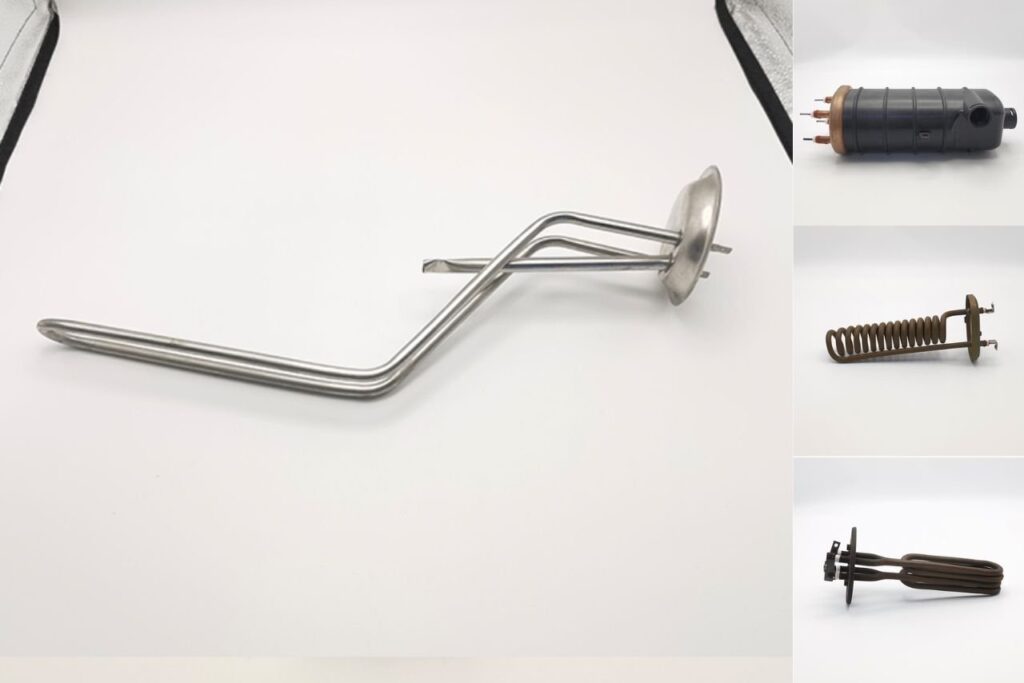
Ce processus étape par étape remplace un élément chauffant de sèche-linge électrique Whirlpool tout en réduisant les deux modes de défaillance les plus courants observés après des réparations DIY : un flux d'air restreint, et installer un élément qui ne correspond pas au sèche-linge tension/puissance incorrecte ou à sa géométrie de montage.
- Réponse rapide (ce que signifie vraiment un remplacement correct)
- Liste des outils et des pièces
- Règles de sécurité avant d’ouvrir le sèche-linge
- Vérifications préalables pour éviter le gaspillage de pièces
- Procédure de remplacement étape par étape
- Validation après réparation et cycle de test
- Comment prévenir une nouvelle défaillance de l’élément chauffant
- FAQ (6)
- Sources cited & outbound links
UN élément chauffant du séchoir est un ensemble conçu : alliage conducteur résistif plus un cadre isolant/de support et des bornes, destiné à fournir de la chaleur en toute sécurité dans le flux d’air. élément chauffant comme un composant composé à la fois de matériau électriquement conducteur et isolant, conçu pour servir un objectif de chauffage.Source) sèche-linge Whirlpool, un remplacement correct signifie donc :
- Calibre électrique correct (correspond aux exigences de l’appareil) et ajustement physique correct
- Installation correcte (dégagement, assise, pas de frottement de la bobine)
- Conditions de fonctionnement correctes (flux d’air puissant ; conduit d’évacuation propre ; couvercles installés)
Ce tableau est une liste de contrôle pratique de terrain, pas un ensemble de données de garantie du fabricant. Il reflète les résultats courants en service.
Les étapes de remplacement de l’élément chauffant publiées par Whirlpool pour les chauffe-eau incluent : vérifier le nouvel élément par rapport à la tension et à la puissance de l’appareil, et avertir de ne pas rétablir l’alimentation tant que les conditions de fonctionnement sécurisées ne sont pas remplies. Source.
- Tournevis à douille ou jeu de douilles (vis à tôle courantes)
- Tournevis (Phillips/plats)
- Pince à bec effilé (cosses plates)
- Aspirateur et embout fente (élimination des peluches)
- Multimètre (vérifications de continuité/résistance)
- Gants de travail (bords tranchants)
- Correct Élément chauffant correct (spécifique au modèle)
- Optionnel : fusible thermique, thermostats (si les tests montrent qu’ils sont ouverts)
- Optionnel : cosses de remplacement/faisceau de raccordement si les connecteurs sont endommagés par la chaleur
Les utilisateurs recherchent généralement avec des expressions comme sèche-linge Whirlpool ne chauffe pas, remplacement de l'élément chauffant du sèche-linge, test du fusible thermique, thermostat de limite haute, et symptômes d'évacuation obstruée.
- Couper l’alimentation : débrancher le sèche-linge ou couper le disjoncteur.
- Vérifier que l’alimentation est coupée (multimètre ou testeur).
- Laisser refroidir le sèche-linge s’il était en marche.
- Éloigner les peluches de la zone de l’élément chauffant (les peluches sont combustibles).
- Remettre tous les couvercles en place avant tout essai.
Un nouvel élément peut tomber en panne rapidement si le conduit d’évacuation est obstrué. Avant de retirer des pièces, confirmer une évacuation puissante à la sortie extérieure et inspecter le tuyau d’évacuation pour vérifier qu’il n’est pas écrasé ou trop long.
De nombreux appels pour absence de chaleur sont causés par un fusible thermique ou un thermostat défaillant, et non par l’élément chauffant. Si le sèche-linge fonctionne mais ne chauffe pas, un test de continuité du fusible thermique et des thermostats est recommandé avant d’acheter des pièces.
| Vérification | Points à vérifier | Pourquoi c'est important | Action en cas de défaillance |
|---|---|---|---|
| Flux d'air d'évacuation extérieur | Faible débit, volet ne s’ouvrant pas | Un faible flux d’air surchauffe l’élément chauffant et déclenche les dispositifs de sécurité | Nettoyer/réparer le conduit d’évacuation avant le remplacement de l’élément chauffant |
| Continuité du fusible thermique | Circuit ouvert | Arrêts Chauffe même si l'élément est bon | Remplacer le fusible et corriger la cause de la surchauffe |
| Continuité de l'élément | Circuit ouvert / bobine cassée | Cause directe de l’absence de chaleur | Remplacer l’ensemble de l’élément chauffant |
| État des bornes | Cosses décolorées, desserrées, oxydées | Crée un échauffement localisé par résistance | Remplacer les cosses/faisceaux |
Tableau 1 — Vérifications préalables réduisant les défaillances récurrentes et les retours de pièces inutiles.
sèche-linge Whirlpool Les plateformes varient. De nombreux modèles électriques offrent un accès par le panneau arrière au boîtier du chauffage ; d'autres nécessitent un accès par l'avant/la partie inférieure pour l'entretien.
- Débrancher ou couper le disjoncteur.
- Éloigner le sèche-linge du mur pour accéder à l’arrière et au raccordement du conduit d’évacuation.
- Retirer le tuyau d’évacuation (si nécessaire) et vérifier l’accumulation de peluches.
Retirez les vis du panneau arrière (standard) ou du panneau d'accès avant/inférieur (selon la plateforme). Conservez les vis regroupées par panneau pour éviter de mélanger les longueurs.
- Identifiez le boîtier du chauffage et les thermostats/fusibles qui y sont attachés.
- Photographiez les connecteurs et le cheminement des fils avant de débrancher quoi que ce soit.
- Étiquetez les fils avec du ruban adhésif s'il existe plus de deux connecteurs similaires.
Cela réduit le risque d'erreur de câblage et améliore le taux de réparation dès la première intervention.
- Tirer les connecteurs à fourche Débranchez directement en saisissant le corps du connecteur (et non l'isolant du fil).
- Si une borne est endommagée par la chaleur (assombrie ou desserrée), prévoyez de la remplacer.
Retirez les fixations qui maintiennent le couvercle du boîtier du chauffage/l'ensemble de l'élément. Faites glisser l'élément avec précaution pour éviter de plier le cadre ou de permettre un contact de la bobine avec les surfaces métalliques.
- Aspirez la peluche dans la zone du chauffage, le conduit de la soufflerie et la base du boîtier.
- Inspectez les thermostats et les supports du fusible thermique pour détecter les débris et assurez un contact sécurisé.
- Placez le nouvel élément complètement en place (sans déformation du boîtier).
- Réinstallez les fixations de manière uniforme.
- Rebranchez fermement les fils ; remplacez les connecteurs desserrés.
- Réinstallez tous les couvercles/panneaux avant tout essai de fonctionnement.
La rigueur consistant à faire correspondre les spécifications et à sécuriser le câblage est conforme aux directives plus larges de Whirlpool pour le remplacement du chauffage (vérifier le remplacement ; assurer des connexions de fils serrées ; ne pas mettre sous tension dans des conditions dangereuses). Référence.
Un cycle d'essai supervisé confirme un chauffage et un débit d'air stables. Si le sèche-linge surchauffe, arrêtez-vous et corrigez l'évacuation.
- Exécuter un cycle de chauffage chronométré de 10 à 15 minutes.
- Confirmez une évacuation chaude et un comportement de cycle stable (pas d'arrêt immédiat).
- Vérifiez le débit d'évacuation extérieur ; un débit faible indique une restriction de l'évent.
- Après l'arrêt, vérifiez les connecteurs pour détecter une chaleur anormale (avec précaution).
- Maintenez le chemin d'évacuation dégagé ; la restriction par la peluche est une cause majeure de surchauffe.
- Remplacez les bornes endommagées par la chaleur plutôt que de les réutiliser.
- N'installez pas de pièces de chauffage « approximatives » ; faites correspondre la puissance nominale et la géométrie correctes.
Les références techniques sur les chauffages notent que la durée de vie du chauffage est influencée par l'oxydation, la déformation et les cycles de température ; un fonctionnement à une température plus élevée que celle prévue (souvent dû à des restrictions de débit d'air) accélère la défaillance. Référence.
Pour les équipes produit évaluant les options de chauffage pour divers appareils, Jinzhong présente plusieurs catégories, notamment Tubes de chauffage, Plaque chauffante, et Film chauffant, ainsi que des Solutions de chauffage pour la coulée sous pression.intégrés. Fabricant d'éléments chauffants.
Oui. Le moteur peut fonctionner alors que le circuit du chauffage est interrompu par un fusible thermique/thermostat ouvert, un câblage cassé élément chauffant, endommagé, ou un problème d'alimentation.
Pas automatiquement. Il doit être testé. S'il est ouvert, il doit être remplacé et la cause sous-jacente de la surchauffe (souvent une restriction du débit d'air) doit être corrigée.
Les causes courantes sont une restriction de l'évent, non résolue, des bornes desserrées créant des points chauds, ou l'installation d'un élément de puissance/ajustement incorrect.
Oui. Les directives de remplacement de Whirlpool dans d'autres contextes de chauffage mentionnent explicitement la vérification de la tension/puissance par rapport à la plaque signalétique de l'appareil ; le même principe de correspondance s'applique aux chauffages de sèche-linge. Référence.
Non. Par exemple, un élément de radiateur/sèche-serviettes sur prise peut publier des spécifications comme 1000W, IP67, approbation UL et construction ABS/inox, mais il est conçu pour un environnement et une méthode de montage différents et n'est pas une pièce de rechange pour sèche-linge. Référence.
Si le câblage est fondu, les disjoncteurs sautent, une surchauffe se produit rapidement, ou si les tests électriques ne sont pas maîtrisés, un technicien qualifié doit être sollicité.
- TUTCO-Farnam définition de l'élément chauffant, matériaux, cadres, facteurs de durée de vie du chauffage : https://tutco.com/conductive/heating-elements
- Support Whirlpool Water Heaters rigueur de remplacement du chauffage (vérifier tension/puissance ; sécuriser le câblage ; éviter la mise sous tension dangereuse) : https://www.whirlpoolwaterheaters.com/support/help/element-was-out-of-range/24
- Jinzhong (JINZHO) positionnement du fabricant et contexte de catégorie de produit : https://jinzho.com/, Élément chauffant, Usine d'éléments chauffants, Solutions de chauffage pour la coulée sous pression
- Hudson Reed exemple de spécifications de produit chauffant (1000W, IP67, UL, ABS et inox, garantie) : https://usa.hudsonreed.com/1000-plug-in-watt-electric-heating-element-76309
Note de citation : Cet article est original et rédigé pour des conseils pratiques de réparation. Les sources sont référencées pour les définitions, les principes de sécurité et les spécifications publiées ; le texte source n'est pas reproduit.
Avertissement : Contenu éducatif uniquement. Les conceptions de sèche-linge varient selon le modèle. Suivez la documentation de service spécifique au modèle et les pratiques locales de sécurité électrique.