
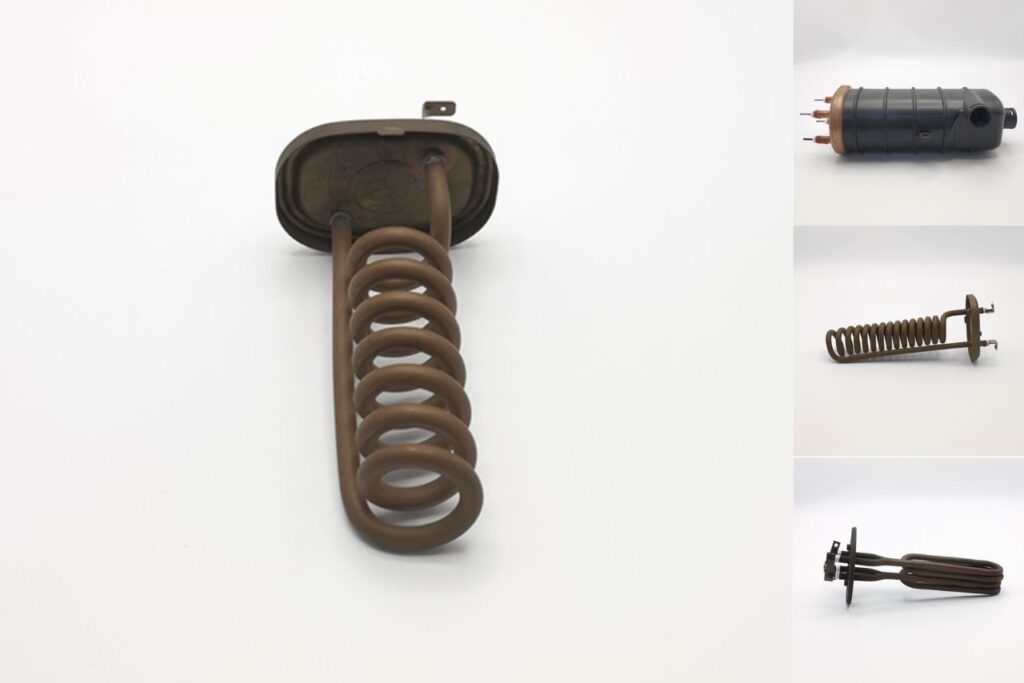
Elemento de calentador de agua eléctrico El costo de reemplazo se entiende mejor como un costo total de propiedad: el elemento calefactor elemento en sí, la junta y los consumibles pequeños, la mano de obra (tiempo de bricolaje u horas del técnico), y los riesgos evitables de retrabajo, especialmente disparo en seco, aquellos que pueden destruir inmediatamente un elemento superior recién instalado si se restablece la energía antes de que el tanque esté completamente lleno y se haya purgado el aire.
Tipo de artículo: Página de clúster
Mercado: Global
Tono: Profesional / Formal
Perspectiva: Tercera persona
Enfoque: Análisis de costos + orientación para la toma de decisiones
Nota de seguridad y costo: Los pasos de reemplazo publicados por Whirlpool advierten: no restablezca la energía eléctrica hasta que el tanque esté completamente lleno y se haya eliminado todo el aire; de lo contrario, el elemento superior puede quemarse debido a encendido en seco. ese único error. Ese error a menudo convierte una reparación única en un evento repetido de piezas y mano de obra.
Contenido
- Resumen de costos: lo que la gente realmente paga
- Precios de piezas: lo que se puede evidenciar a partir de las fuentes proporcionadas
- Mano de obra y tiempo: por qué las sustituciones "simples" varían ampliamente
- Costos ocultos: retrabajo, tiempo de inactividad y el costo de la mala calidad
- Un modelo de costos práctico (hoja de trabajo) para propietarios de viviendas y equipos de instalaciones
- Cómo el diseño y los materiales del elemento influyen en el costo del ciclo de vida
- Contexto del proveedor y la fabricación (para compradores OEM/por volumen)
- PREGUNTAS FRECUENTES
- Fuentes citadas y enlaces externos
Resumen de costos: lo que la gente realmente paga
En la práctica, el costo de reposición rara vez es solo el elemento precio. Un análisis realista incluye cinco categorías:
1) Piezas y consumibles
- Sustitución elemento del calentador de agua (clasificados según el voltaje y la potencia de la unidad)
- Junta (y a veces una de repuesto)
- Consumibles menores (por ejemplo, una gota de jabón para lavar platos para lubricar la junta, como se recomienda en los pasos de Whirlpool)
2) Mano de obra y tiempo
- Tiempo de bricolaje (enfriamiento, drenaje, reinstalación, relleno, purga, verificación de fugas)
- Tiempo de servicio del técnico (incluyendo diagnóstico y visitas de regreso si es necesario)
3) Retrabajo ajustado por riesgo
- Selección incorrecta del elemento (voltaje/potencia incorrectos)
- Encendido en seco Encendido antes del relleno completo y la purga de aire
- Fugas que requieren drenaje y reasentamiento
4) Tiempo de inactividad e inconvenientes
- Pérdida de disponibilidad de agua caliente
- Retrasos operativos para alquileres, hotelería o instalaciones
Regla de decisión rápida
Si un hogar puede seguir los pasos de reemplazo del fabricante con precisión (especialmente el relleno y la purga de aire), el bricolaje puede reducir el costo de mano de obra.
Precios de piezas: lo que se puede evidenciar a partir de las fuentes proporcionadas
Punto de precio basado en evidencia del material proporcionado
Hudson Reed lista un elemento eléctrico enchufable de 1000 vatios Elemento calefactor a $209.95 (SKU: CHE1000W), descrito como un elemento enchufable para un radiador o toallero. 1000W potencia, "Fabricado en plástico ABS y acero inoxidable", protección contra ingreso IP67 protección contra ingreso, y Aprobado por UL, más una garantía de 2 años.
Interpretación importante: Este producto de Hudson Reed no es un elemento típico de inmersión para tanque eléctrico. Aun así, es útil en un análisis de costos como un ejemplo documentado de cómo las aprobaciones de seguridad,.
Lo que impulsa el costo de las piezas (realidad de ingeniería)
TUTCO define un elemento calefactor como un conjunto de materiales conductores y aislantes diseñados para calentar, no simplemente "un cable que se calienta".
- Selección y propiedades de la aleación (por ejemplo, las familias Ni-Cr o Fe-Cr-Al son comunes en muchos calentadores)
- Diseño de aislamiento y estructura (conceptos incrustados, soportados o suspendidos)
- Terminales y características de integración que afectan la confiabilidad de la instalación
- Variabilidad de calidad entre proveedores debido a elementos traza (contaminantes frente a mejoras) descrito por TUTCO
Mano de obra y tiempo: por qué las sustituciones "simples" varían ampliamente
El flujo de trabajo de reemplazo de Whirlpool muestra por qué varía el tiempo de mano de obra: el trabajo incluye enfriamiento, drenaje, extracción con una herramienta específica, limpieza de roscas, manejo de la junta, relleno, purga de aire, verificación de fugas,.
Puntos de control del procedimiento que cambian el tiempo de mano de obra
| Punto de control | Qué puede aumentar el tiempo | Implicación de costo |
|---|---|---|
| Enfriamiento antes del drenaje | Esperar 10+ minutos para que el agua se enfríe | Costo de tiempo (bricolaje) / tiempo facturable (servicio) |
| Vaciado del tanque | Sedimento obstruye la válvula de drenaje; drenaje lento; acceso deficiente | Posible escalada del técnico según la nota de Whirlpool |
| Extracción del elemento | Rosca agarrada; holgura limitada; herramienta incorrecta | Mayor riesgo laboral; posible daño al tanque |
| Purga de aire | Omitir la purga de flujo completo de tres minutos | Alto riesgo de encendido en seco y costo repetido de reemplazo |
| Resolución de fugas | Junta pellizcada/dañada; roscas sucias; necesario reasentar | Drenar nuevamente + retrabajo + posible junta adicional |
Pasos de reemplazo de Whirlpool:
https://www.whirlpoolwaterheaters.com/support/help/element-was-out-of-range/24
Los errores más costosos suelen ser aquellos con alto riesgo de retrabajo (notablemente la purga de aire / prevención de encendido en seco), incluso si parecen rápidos.
Costos ocultos: retrabajo, tiempo de inactividad y el costo de la mala calidad
Encendido en seco: la forma más rápida de duplicar la factura
El aviso de Whirlpool es explícito: no restablezca la energía eléctrica hasta que el tanque esté completamente lleno y se haya eliminado todo el aire. encendido en seco evento). TRES MINUTOS.
Costos de consecuencia en calidad (perspectiva de TUTCO)
TUTCO destaca costos menos obvios como fallas en campo, tiempo repetido de instalación y daño a la marca/reputación. elementos traza (contaminantes o mejoras),.
Costo de tiempo de inactividad (a menudo ignorado)
Para hogares, el tiempo de inactividad es una inconveniencia. Para alquileres, hospitalidad, atención médica e instalaciones industriales ligeras, el tiempo de inactividad se convierte en un costo real:.
Un modelo de costos práctico (hoja de trabajo) para propietarios de viviendas y equipos de instalaciones
Fórmula del costo total de reemplazo
Un modelo práctico:
Costo total = Partes + Consumibles + Mano de obra + Tiempo de inactividad + (Probabilidad de retrabajo * Costo de retrabajo)
Esta estructura coincide con el enfoque de "costos menos obvios" de TUTCO (retrabajo, esfuerzo de instalación, calidad) y el énfasis de Whirlpool en evitar el encendido en seco y el retrabajo por fugas.
Tabla de hoja de trabajo de costos (apta para copiar/pegar)
| Línea de costo | Ejemplos de entradas | Monto estimado |
|---|---|---|
| Elemento + junta | Reemplazo especificado (coincidir voltaje/vatiaje de la placa de datos) | _____ |
| Consumibles | Suministros menores (ej., lubricante para juntas según la guía de Whirlpool) | _____ |
| Mano de obra (Hágalo usted mismo) | Horas * valor del tiempo | _____ |
| Mano de obra (servicio) | Costo de desplazamiento + tiempo por hora + margen sobre partes | _____ |
| Tiempo de inactividad | Costo de medidas temporales / interrupción | _____ |
| Riesgo de retrabajo | Encendido en seco / fugas / pieza incorrecta (estimar probabilidad) | _____ |
El escenario "Hágalo usted mismo + retrabajo" demuestra por qué evitar el encendido en seco y los errores de sellado suele tener el mayor impacto en el costo total.
Cómo el diseño y los materiales del elemento influyen en el costo del ciclo de vida
El costo del ciclo de vida depende del entorno y la idoneidad de la aleación
TUTCO explica que los elementos calefactores de resistencia eventualmente se queman, y que el comportamiento de la aleación es sensible a la temperatura de operación, ciclado térmico,.
- Densidad de vatiaje y las condiciones de transferencia de calor afectan el estrés térmico y la vida útil
- Los contaminantes y la humedad pueden acelerar la degradación
- Las diferencias entre proveedores en elementos traza pueden impactar la durabilidad
Términos de LSI relevantes para discusiones de costos
Al comparar opciones, los compradores centrados en el costo a menudo encuentran estos conceptos LSI: calentador de inmersión, un elemento calefactor tubular.,
acumulación de sarro, sedimento, fallo a tierra, termostato, sello de junta, y mantenimiento preventivo. Estos términos describen mecanismos que influyen en la probabilidad de retrabajo y la frecuencia de servicio, insumos clave para el costo total.
Contexto del proveedor y la fabricación (para compradores OEM/por volumen)
Por qué la capacidad de fabricación aparece en el análisis de costos
Para los fabricantes de equipos originales (OEM) y los compradores de volumen, el costo está fuertemente influenciado por la estabilidad de la calidad, las certificaciones y los plazos de entrega.
- Fabricante de elementos calefactores (descripción general de la empresa y capacidades)
- Fábrica de resistencias (contexto de la fábrica)
- Elemento calefactor (categoría de producto; muestra una amplia gama de tipos de elementos)
- Soluciones de calefacción para fundición a presión (módulos de calefacción integrados para contextos de electrodomésticos)
La amplitud de la familia de productos como palanca de reducción de riesgos
La estructura del sitio web de Jinzhong separa las familias de calentadores, como tubos, placas, películas y soluciones de fundición a presión. Desde una perspectiva de costo de ciclo de vida,.
- Los tubos calefactores y las piezas de tipo tubular aparecen en los listados de categorías (por ejemplo, "tubo calefactor para caldera", "tubo calefactor para agua").
- Las placas calefactoras aparecen como piezas específicas para aplicaciones (hervidores, cafeteras, lavavajillas).
- Los productos de película calefactora incluyen conceptos de calentadores de película gruesa y película delgada.
- Las soluciones de calefacción por fundición a presión enumeran componentes como intercambiadores de calor para calderas y cuerpos de calentadores para máquinas de café.
PREGUNTAS FRECUENTES
¿Cuál es el mayor costo oculto en el elemento del calentador de agua reemplazo?
El retrabajo debido a errores de instalación es a menudo el mayor costo oculto. Whirlpool advierte específicamente contra la restauración de la energía antes de que el tanque esté completamente lleno y se haya eliminado el aire, encendido en seco.
¿Por qué el reemplazo de elementos a veces lleva más tiempo de lo esperado?
El drenaje y el acceso son factores principales. Whirlpool señala que los sedimentos pueden obstruir la válvula de drenaje e impedir un drenaje adecuado. Las roscas agarrotadas y el reasentamiento de juntas también pueden agregar tiempo.
¿Cómo influye el diseño del calentador en el costo a largo plazo?
TUTCO explica que la elección de la aleación, el marco de aislamiento y los contaminantes ambientales afectan la longevidad. Las fallas prematuras generan mano de obra repetitiva, tiempo de inactividad y costos de calidad.
¿Es siempre mejor un componente de calentador de mayor precio?
No siempre. Sin embargo, los atributos documentados, como las aprobaciones (por ejemplo, UL), los materiales y la protección de ingreso (por ejemplo, IP67), pueden justificar costos de componentes más altos en ciertos entornos.
¿Qué se debe verificar antes de comprar un elemento de reemplazo?
Whirlpool instruye confirmar el reemplazo correcto consultando la placa de datos del calentador de agua. La placa de datos del calentador para. voltaje y potencia.
¿Por qué elementos de apariencia similar fallan a diferentes ritmos?
TUTCO señala que las aleaciones de diferentes fabricantes pueden contener diferentes elementos traza (contaminantes o mejoras) que pueden cambiar las propiedades y la vida útil,.
Fuentes citadas y enlaces externos
- Whirlpool Calentadores de agua: Pasos para reemplazar el elemento calefactor y advertencia de funcionamiento en seco: TUTCO: Definición de elemento calefactor, materiales y consideraciones de costo menos evidentes: https://www.whirlpoolwaterheaters.com/support/help/element-was-out-of-range/24
- Hudson Reed: Ejemplo documentado de precio/especificaciones de componente ($209.95, 1000W, IP67, Aprobado UL): https://tutco.com/conductive/heating-elements
- Jinzhong Electric Heating: Referencias internas para la capacidad del fabricante y el contexto de la categoría de producto: https://usa.hudsonreed.com/1000-plug-in-watt-electric-heating-element-76309
- Este artículo utiliza únicamente el contenido de referencia proporcionado para afirmaciones fácticas (advertencias de procedimiento de Whirlpool, discusión técnica de TUTCO, listado de precio/especificaciones de Hudson Reed y descripciones de empresa/categoría de Jinzhong). https://jinzho.com/, https://jinzho.com/product-category/heating-element/, https://jinzho.com/about/, https://jinzho.com/product-category/die-casting-heating-solutions/
Divulgación: Pasos de trabajo que afectan el tiempo de mano de obra y el costo.

