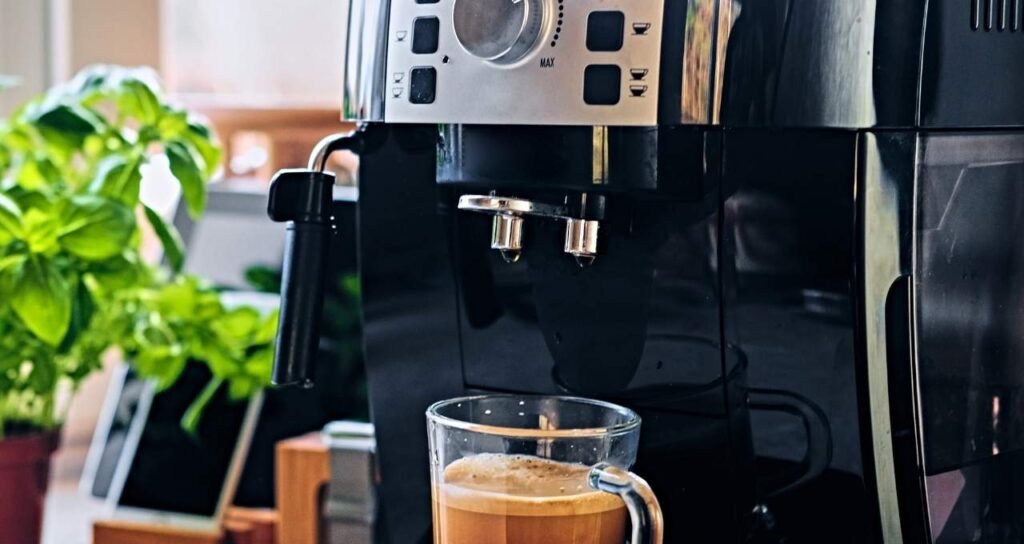
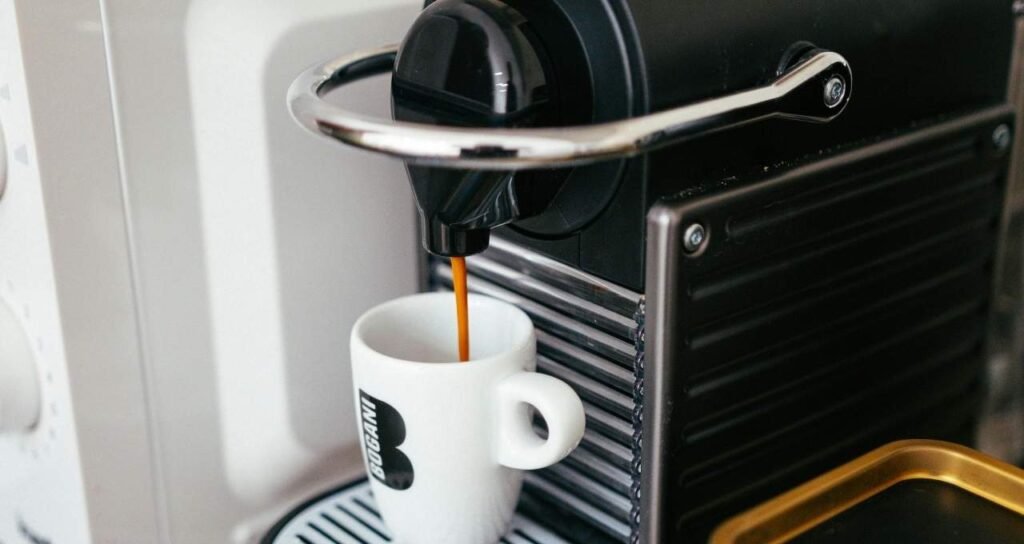
The journey from a simple bean to a perfect cup of coffee is a process of transformation, driven by water and heat. At the core of this daily ritual lies a critical, yet often overlooked, component: the Elemento calefactor. This device is the heart of every coffee maker, responsible for bringing water to the precise temperature required to unlock the rich flavors and aromas of coffee grounds. The evolution of this component is a story of innovation, reflecting a relentless pursuit of speed, precision, and efficiency in coffee brewing. Understanding this technological progression offers deep insight into the quality of the coffee we enjoy today.
From the most basic drip machines to sophisticated commercial espresso units, the fundamental technology of the Elemento calefactor dictates the brewer’s performance, consistency, and longevity. This article provides a comprehensive review of the evolution of elemento calefactor technology, exploring its foundational principles, key historical milestones, the materials science behind it, and the future direction of this essential technology.
The Foundational Principles: How Coffee Maker Heating Elements Work
At its most basic level, a heating element operates on the principle of Calentamiento Joule, also known as resistive heating. When an electric current passes through a material with electrical resistance, the electrical energy is converted into thermal energy, or heat. The primary material used for this purpose for many decades has been nicrom, an alloy of nickel and chromium, prized for its high resistance and ability to withstand repeated heating cycles without oxidizing.
The application of this principle varies significantly depending on the type of coffee maker.
Drip Coffee Makers: Simplicity and Efficiency
In a standard automatic drip coffee maker, cold water from a reservoir flows through a one-way valve into an aluminum tube that is in direct contact with the heating element. As the element heats up, it boils the water within the tube. The resulting steam creates pressure, pushing pockets of hot water up a separate tube and onto the coffee grounds in the filter basket. This simple, gravity-fed system is effective for bulk brewing but offers limited control over temperature.
Espresso Machines: The Demand for Precision and Power
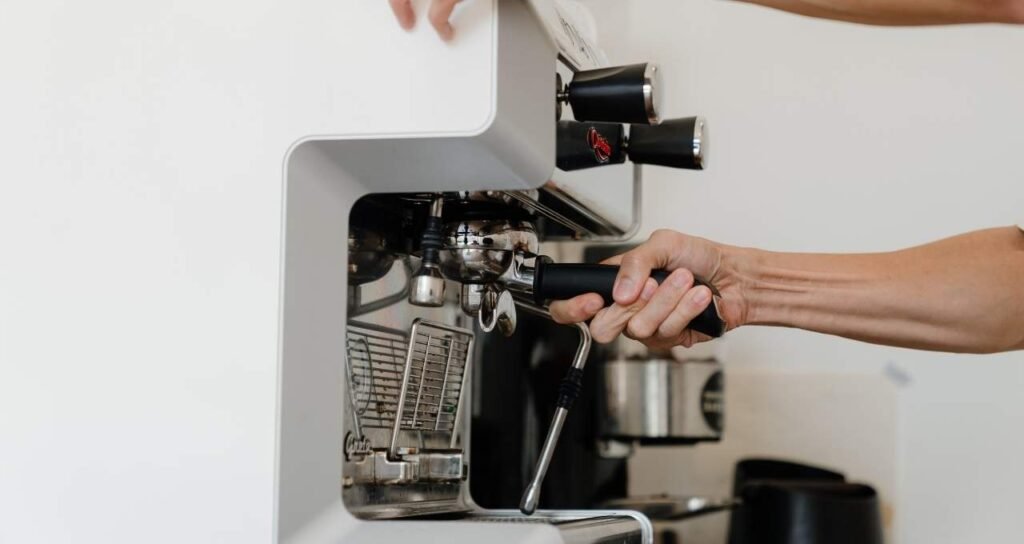
Espresso extraction is far more demanding, requiring water to be heated to a stable and precise temperature range, typically between 90°C and 96°C (195°F and 205°F), and then forced through finely-ground coffee under high pressure. This necessitates more robust and responsive heating systems, such as boilers, thermoblocks, or thermocoils, each utilizing powerful heating elements to maintain thermal stability during the extraction process.
A Historical Journey: Key Milestones in Heating Element Development
The technology inside our coffee machines has not stood still. It has evolved from rudimentary coils to highly advanced, digitally controlled systems.
The Early Days: Simple Resistance Coils
The earliest automatic coffee makers relied on simple, exposed resistance wire coils. These elements were effective but relatively slow to heat up and prone to failure from moisture and physical damage. They were typically wrapped around or clamped onto a water pipe or the base of a percolator, offering rudimentary temperature control often managed by a simple bimetallic thermostat.
The Rise of Cast-In and Block Heaters
A significant advancement was the development of cast-in heating elements. In this design, the resistive coil is embedded directly into a metal (usually aluminum) casting. This protected the coil from the environment and created a much more efficient thermal transfer system. This innovation led directly to the thermoblock, a popular technology in many consumer espresso machines. A thermoblock is a dense metal block with a serpentine path drilled through it, through which water flows. The embedded Elemento calefactor de la cafetera heats the block, which in turn flash-heats the water as it passes through. This allows for very fast heat-up times from a cold start.
The Modern Era: Thick Film and Advanced Materials
The latest innovation in heating technology is the calentador de película gruesa. This technology involves printing a resistive circuit directly onto a ceramic or stainless steel substrate. This design offers several key advantages:
- Exceptional Speed: Heat transfer is almost instantaneous, reducing wait times dramatically.
- High Power Density: A large amount of heat can be generated from a very small surface area.
- Superior Precision: When paired with modern sensors and PID controllers, thick film heaters can maintain water temperature with unparalleled accuracy.
The Role of Boilers: Single, Heat Exchanger (HX), and Dual Boiler Systems
In high-end and commercial espresso machines, heating elements are integrated into boilers. The configuration of these boilers has a profound impact on performance.
- Single Boiler: A single boiler with one heating element is used for both brewing and steaming. This requires the user to wait for the boiler to change temperature between functions.
- Heat Exchanger (HX): An HX machine has one large steam boiler with a heating element. A separate copper tube containing brew water passes through this boiler, flash-heating it on the way to the group head. This allows for simultaneous brewing and steaming.
- Dual Boiler: Considered the gold standard, these machines have two separate boilers—one for brewing and one for steaming—each with its own dedicated elemento calefactor and independent temperature control. This provides maximum thermal stability and performance.
Material Science and Design: The Unseen Innovations
The performance of a heating element is not just about its design, but also the materials used in its construction.
Core Materials: From Nichrome to Stainless Steel
While nicrom remains a common choice for the resistive wire, the materials used for the element’s body and the boiler itself are critical. Aluminum is favored for thermoblocks due to its excellent thermal conductivity, while copper is prized in high-end boilers for the same reason. However, stainless steel is increasingly becoming the material of choice for boilers and heating elements due to its superior durability, corrosion resistance, and perceived health benefits, as it is less reactive than aluminum.
The Importance of Casing and Insulation
Modern heating elements are fully encased to protect them from water ingress and short circuits. High-quality insulation around boilers is also crucial for eficiencia energética, reducing heat loss to the environment and minimizing the work the heating element must do to maintain temperature.
Gaskets and Fittings: The Unsung Heroes
The connection point where the heating element enters the boiler is a critical failure point. High-temperature gaskets, often made from silicone or PTFE (Teflon), are essential for creating a durable, watertight seal that can withstand constant pressure and temperature fluctuations.
Comparing Heating Element Technologies
To better understand the practical differences, the following charts compare key performance metrics across various heating technologies and boiler configurations.
Chart 1: Comparison of Heating Element Types
| Característica | Resistance Coil (in Boiler) | Thermoblock | Lento (15-45 min). |
|---|---|---|---|
| Tiempo de Calentamiento | Slow (5-20 minutes) | Fast (1-3 minutes) | Very Fast (<1 minute) |
| Temp. Stability | Good to Excellent (large thermal mass) | Fair to Good (prone to fluctuation) | Excellent (with PID control) |
| Durabilidad | High (if not run dry) | Moderate (prone to scale buildup) | High (scale resistant) |
| Eficiencia energética | Moderado | Bien | Excelente |
| Costo | Low to High | Low to Moderate | Moderate to High |
Chart 2: Impact of Boiler Configuration on Performance (Espresso Machines)
| Característica | Single Boiler | Intercambiador de Calor (HX) | Dual Boiler |
|---|---|---|---|
| Brew/Steam Concurrency | No | Sí | Sí |
| Aceptable a buena. | Fair (requires “temp surfing”) | Good (requires cooling flush) | Excellent (dedicated boiler) |
| Complexity & Cost | Bajo | Moderado | Alta |
| Elementos Calefactores | One | One | Two |
Common Failures and Diagnostics: A Technician’s Perspective
Even the best-made heating elements can fail. Understanding the common causes can help extend the life of a coffee machine.
Limescale Buildup: The Silent Killer
The most common enemy of any elemento calefactor cafetera is limescale. Mineral deposits from hard water build up on the element’s surface, acting as an insulator. This forces the element to work harder and run hotter to heat the water, eventually leading to overheating and burnout. Regular descaling is the single most important maintenance task for preventing this.
Electrical Failure and Burnout
An element can fail due to a short circuit, often caused by moisture penetrating a faulty seal. The most frequent cause of sudden failure, however, is “dry firing”—powering on the machine with no water in the boiler. Without water to absorb the thermal energy, the element’s temperature skyrockets, causing the internal coil to melt and break the circuit.
Basic Diagnostic Steps
For a technician or experienced hobbyist, diagnosing a faulty heating element is straightforward. After ensuring the machine is unplugged, the element’s terminals can be accessed. Using a multímetro set to measure resistance (Ohms), a continuity test is performed. A healthy element will show a specific resistance value (e.g., 8-15 Ohms). An infinite reading indicates a broken, burnt-out element, while a zero reading suggests a short circuit.
The Future of Coffee Heating Technology
The evolution is far from over. Future advancements are being driven by the demand for greater control, efficiency, and sustainability.
Smart Integration and PID Control
Proportional-Integral-Derivative (PID) controllers are already common in high-end machines, but they are becoming standard. These digital thermostats monitor temperature constantly and make micro-adjustments to the power supplied to the heating element, holding the temperature to within a fraction of a degree. The future will see this integrated with smart technology, allowing users to control and profile brew temperatures from their devices.
Energy Efficiency and Sustainability
With growing environmental awareness, manufacturers are focusing on reducing the energy consumption of coffee machines. This involves better insulation, more efficient heat transfer systems like thick film heaters, and “eco-modes” that lower boiler temperatures during idle periods.
The Role of a Specialized electric heating element manufacturer
As coffee machine technology becomes more complex, the role of a specialized fabricante de resistencias eléctricas becomes increasingly vital. Companies that focus on the research, development, and production of heating elements are at the forefront of creating more durable, efficient, and precise components. Their expertise in material science, thermal dynamics, and quality control is essential for pushing the boundaries of what is possible in coffee brewing.
Conclusion: The Enduring Importance of the Heating Element
From the simple coil in a drip brewer to the dual, PID-controlled elements in a commercial espresso machine, the heating element remains the functional core of the coffee-making process. Its technological evolution has been a quiet but powerful revolution, directly enabling the pursuit of the perfect extraction. As technology continues to advance, this humble component will play an ever-more-critical role in delivering speed, consistency, and unparalleled control to baristas and home coffee enthusiasts around the world.
Preguntas frecuentes (FAQ)
1. What are the main signs of a failing coffee maker heating element?
The most common signs include the machine failing to heat up at all, water that is only lukewarm, or the circuit breaker tripping when the machine is turned on. In espresso machines, you may notice a sudden inability to produce steam or reach the proper brewing temperature.
2. Why is temperature stability so important in espresso machines?
Temperature stability is crucial for consistent espresso extraction. Even a small fluctuation of a few degrees during the 25-30 second shot can drastically alter the taste, leading to sour (under-extracted) or bitter (over-extracted) flavors. A stable temperature ensures that each shot is repeatable and extracts the desired flavor profile from the coffee.
3. What is the difference between a thermoblock and a traditional boiler?
A traditional boiler heats a large reservoir of water to the target temperature, providing significant thermal mass and stability. A thermoblock, by contrast, flash-heats a small amount of water as it flows through a narrow channel inside a heated metal block. Boilers offer superior temperature stability for back-to-back shots, while thermoblocks provide much faster heat-up times from a cold start.
Referencias
- HowStuffWorks. “How to Repair a Coffee Maker.” Accessed November 2025. https://home.howstuffworks.com/how-to-repair-small-appliances3.htm
- Espresso Care. “Heating Elements for Espresso Machines.” Accessed November 2025. https://espressocare.com/collections/heating-elements
- Chris’ Coffee. “Coffee Boiler Heating Element.” Accessed November 2025. https://www.chriscoffee.com/products/rocket-coffee-boiler-heating-element
- Jinzho. “Coffee Machine Heating Element.” Accessed November 2025. https://jinzho.com/coffee-machine-heating-element/
- Home-Barista.com. “Testing heating element with multimeter.” Forum Discussion. Accessed November 2025. https://www.home-barista.com/repairs/testing-heating-element-with-multimeter-t58900.html
- Great Infusions. “Home Espresso Replacement Heating Elements.” Accessed November 2025. https://greatinfusions.com/home-espresso-replacement-heating-elements/
- Coffee Addicts. “Elements.” Accedido en noviembre de 2025. https://coffeeaddicts.ca/collections/elements