
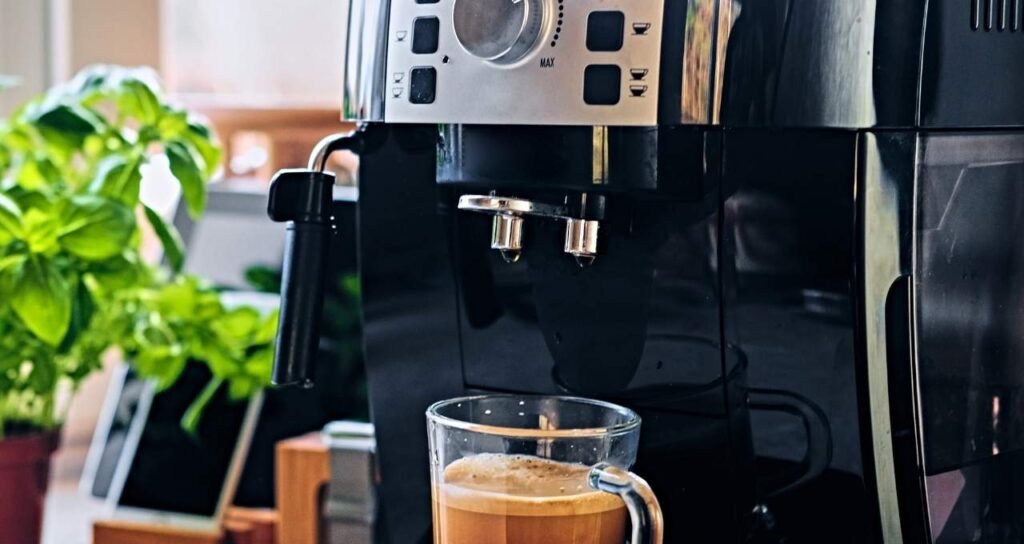
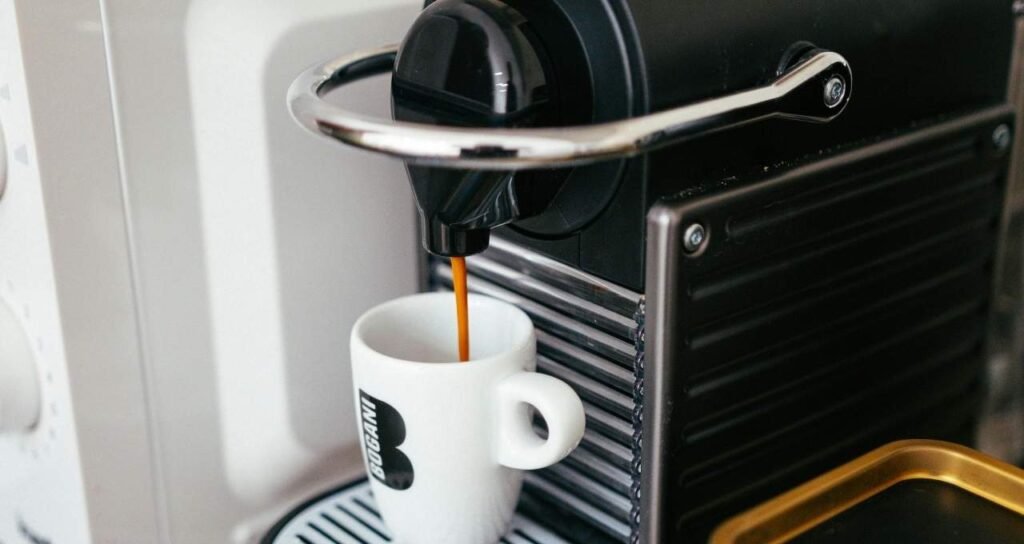
Le voyage d’un simple grain de café à une tasse parfaite est un processus de transformation, porté par l’eau et la chaleur. Au cœur de ce rituel quotidien se trouve un composant essentiel, mais souvent négligé : le Élément chauffant. Cet appareil est le cœur de toute machine à café, chargé de porter l’eau à la température précise nécessaire pour libérer les riches saveurs et arômes du marc de café. L’évolution de ce composant est une histoire d’innovation, reflétant une quête incessante de rapidité, de précision et d’efficacité dans l’infusion du café. Comprendre cette progression technologique offre un aperçu profond de la qualité du café que nous dégustons aujourd’hui.
Des machines à filtre les plus basiques aux unités d’espresso commerciales sophistiquées, la technologie fondamentale du Élément chauffant détermine les performances, la constance et la longévité de la machine à café. Cet article propose une revue complète de l’évolution de la technologie du élément chauffant , explorant ses principes fondamentaux, les étapes historiques clés, la science des matériaux qui la sous-tend, et l’orientation future de cette technologie essentielle.
Les principes fondamentaux : comment fonctionnent les éléments chauffants des machines à café
À son niveau le plus basique, un élément chauffant fonctionne selon le principe de Chauffage par effet Joule, également connu sous le nom de chauffage par effet Joule. Lorsqu’un courant électrique traverse un matériau présentant une résistance électrique, l’énergie électrique est convertie en énergie thermique, ou chaleur. Le matériau principal utilisé à cette fin pendant de nombreuses décennies a été le nichrome, un alliage de nickel et de chrome, apprécié pour sa résistance élevée et sa capacité à supporter des cycles de chauffage répétés sans s’oxyder.
L’application de ce principe varie considérablement selon le type de machine à café.
Machines à café à filtre : simplicité et efficacité
Dans une machine à café automatique standard, l’eau froide d’un réservoir s’écoule à travers une valve unidirectionnelle dans un tube en aluminium qui est en contact direct avec l’élément chauffant. Lorsque l’élément chauffe, il fait bouillir l’eau à l’intérieur du tube. La vapeur résultante crée une pression, poussant des poches d’eau chaude dans un tube séparé et sur le marc de café dans le panier-filtre. Ce système simple, alimenté par gravité, est efficace pour une infusion en grande quantité, mais offre un contrôle limité de la température.
Machines espresso : l’exigence de précision et de puissance
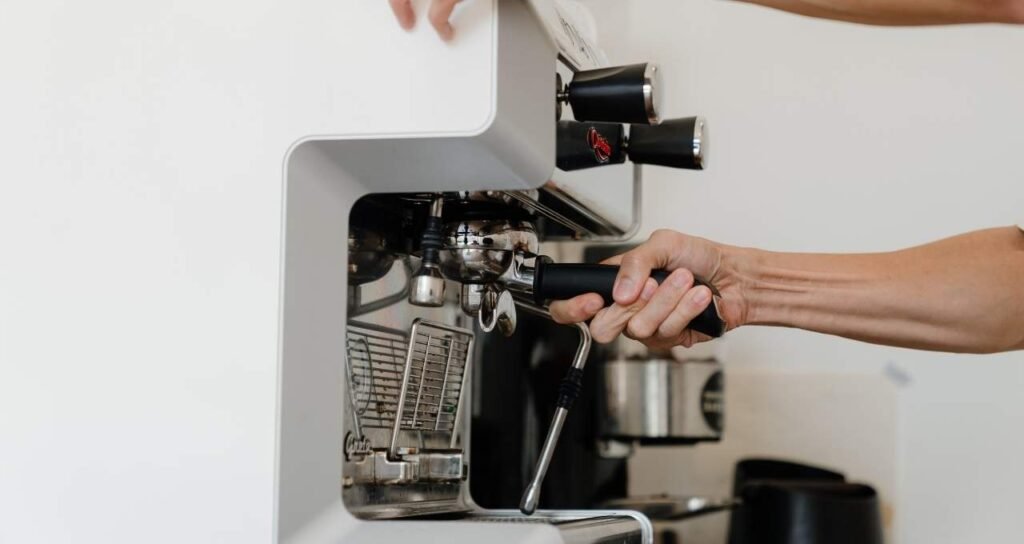
L’extraction de l’espresso est bien plus exigeante, nécessitant que l’eau soit chauffée à une plage de température stable et précise, généralement entre 90 °C et 96 °C, puis forcée à travers du café finement moulu sous haute pression. Cela nécessite des systèmes de chauffage plus robustes et réactifs, tels que des chaudières, des thermoblocs ou des thermocoils, chacun utilisant des éléments chauffants puissants pour maintenir la stabilité thermique pendant le processus d’extraction.
Un voyage historique : étapes clés dans le développement des éléments chauffants
La technologie à l’intérieur de nos machines à café n’est pas restée figée. Elle a évolué de bobines rudimentaires à des systèmes hautement avancés et contrôlés numériquement.
Les premiers jours : simples bobines de résistance
Les premières machines à café automatiques reposaient sur de simples bobines de fil de résistance exposées. Ces éléments étaient efficaces mais relativement lents à chauffer et sujets aux pannes dues à l’humidité et aux dommages physiques. Ils étaient généralement enroulés ou fixés autour d’un tuyau d’eau ou de la base d’une cafetière à percolation, offrant un contrôle rudimentaire de la température, souvent géré par un simple thermostat bimétallique.
L’essor des éléments moulés et des blocs chauffants
Une avancée significative a été le développement des éléments chauffants moulés. Dans cette conception, la bobine résistive est intégrée directement dans une pièce moulée en métal (généralement en aluminium). Cela protégeait la bobine de l’environnement et créait un système de transfert thermique beaucoup plus efficace. Cette innovation a directement conduit au thermobloc, une technologie populaire dans de nombreuses machines espresso grand public. Un thermobloc est un bloc métallique dense avec un chemin serpentin percé à travers lui, par lequel l’eau s’écoule. Le Elément chauffant de la machine à café intégré chauffe le bloc, qui à son tour chauffe instantanément l’eau lorsqu’elle le traverse. Cela permet des temps de chauffe très rapides à partir d’un démarrage à froid.
L’ère moderne : couche épaisse et matériaux avancés
La dernière innovation en matière de technologie de chauffage est le réchauffeur à couche épaisse. Cette technologie consiste à imprimer un circuit résistif directement sur un substrat en céramique ou en acier inoxydable. Cette conception offre plusieurs avantages clés :
- Rapidité exceptionnelle : Le transfert de chaleur est quasi instantané, réduisant considérablement les temps d’attente.
- Haute densité de puissance : Une grande quantité de chaleur peut être générée à partir d’une très petite surface.
- Précision supérieure : Associés à des capteurs modernes et à Contrôleurs PID, les chauffeurs à couche épaisse peuvent maintenir la température de l’eau avec une précision inégalée.
Le rôle des chaudières : systèmes à chaudière unique, échangeur de chaleur (HX) et double chaudière
Dans les machines espresso haut de gamme et commerciales, les éléments chauffants sont intégrés dans des chaudières. La configuration de ces chaudières a un impact profond sur les performances.
- Chaudière unique : Une seule chaudière avec un élément chauffant est utilisée à la fois pour l’infusion et la moussage. Cela oblige l’utilisateur à attendre que la chaudière change de température entre les fonctions.
- Échangeur de chaleur (HX) : Une machine HX possède une grande chaudière à vapeur avec un élément chauffant. Un tube en cuivre séparé contenant l’eau d’infusion traverse cette chaudière, la chauffant instantanément sur le chemin vers la tête de groupe. Cela permet une infusion et un moussage simultanés.
- Double chaudière : Considérées comme l’étalon-or, ces machines possèdent deux chaudières séparées—une pour l’infusion et une pour le moussage—chacune avec son propre élément chauffant et un contrôle de température indépendant. Cela offre une stabilité thermique et des performances maximales.
Science des matériaux et conception : les innovations invisibles
La performance d’un élément chauffant ne dépend pas seulement de sa conception, mais aussi des matériaux utilisés dans sa construction.
Matériaux de base : du nichrome à l’acier inoxydable
Bien que le nichrome reste un choix courant pour le fil résistif, les matériaux utilisés pour le corps de l’élément et la chaudière elle-même sont essentiels. L’aluminium est privilégié pour les thermoblocs en raison de son excellente conductivité thermique, tandis que le cuivre est apprécié dans les chaudières haut de gamme pour la même raison. Cependant, l’acier inoxydable devient de plus en plus le matériau de choix pour les chaudières et les éléments chauffants en raison de sa durabilité supérieure, de sa résistance à la corrosion et de ses avantages sanitaires perçus, car il est moins réactif que l’aluminium.
L’importance du boîtier et de l’isolation
Les Les éléments chauffants sont entièrement encapsulés pour protéger les protéger des infiltrations d'eau et des courts-circuits. Un isolant de haute qualité autour des chaudières est également crucial pour efficacité énergétique, réduire les pertes de chaleur vers l'environnement et minimiser le travail que l'élément chauffant doit fournir pour maintenir la température.
Joints et raccords : Les héros méconnus
Le point de connexion où l'élément chauffant pénètre dans la chaudière est un point de défaillance critique. Des joints haute température, souvent fabriqués en silicone ou en PTFE (Téflon), sont essentiels pour créer un joint étanche et durable capable de résister aux fluctuations constantes de pression et de température.
Comparaison des technologies d'éléments chauffants
Pour mieux comprendre les différences pratiques, les tableaux suivants comparent les indicateurs de performance clés de diverses technologies de chauffage et configurations de chaudière.
Tableau 1 : Comparaison des types d'éléments chauffants
| Fonctionnalité | Résistance en spirale (dans la chaudière) | Thermobloc | Chauffage à couche épaisse |
|---|---|---|---|
| Excellent ; contact direct entre l'élément et l'eau. | Lent (5 à 20 minutes) | Rapide (1 à 3 minutes) | Très rapide (<1 minute) |
| Stabilité de la température | Bonne à excellente (grande masse thermique) | Passable à bonne (sujette aux fluctuations) | Excellente (avec contrôle PID) |
| Durabilité | Élevée (si non mise en marche à sec) | Modérée (sujette à l'accumulation de tartre) | Élevée (résistante au tartre) |
| Efficacité énergétique | Modéré | Bon | Excellent |
| Coût | Faible à élevée | Faible à modérée | Modérée à élevée |
Tableau 2 : Impact de la configuration de la chaudière sur les performances (machines à espresso)
| Fonctionnalité | Chaudière unique | Échangeur thermique (HX) | Double chaudière |
|---|---|---|---|
| Concomitance infusion/vapeur | Non | Oui | Oui |
| Stabilité de la température d'infusion | Passable (nécessite un “ temp surfing ”) | Bonne (nécessite un rinçage de refroidissement) | Excellente (chaudière dédiée) |
| Complexité et coût | Faible | Modéré | Haut |
| Éléments chauffants | Un | Un | Deux |
Pannes courantes et diagnostics : Le point de vue d'un technicien
Même les éléments chauffants les mieux conçus peuvent tomber en panne. Comprendre les causes courantes peut aider à prolonger la durée de vie d'une machine à café.
Accumulation de tartre : Le tueur silencieux
L'ennemi le plus courant de tout élément chauffant machine à café élément chauffant est le tartre. Les dépôts minéraux provenant de l'eau dure s'accumulent à la surface de l'élément, agissant comme un isolant. Cela force l'élément à travailler plus dur et à chauffer davantage pour chauffer l'eau, entraînant finalement une surchauffe et un grillage. Le détartrage régulier est la tâche d'entretien la plus importante pour éviter cela.
Défaillance électrique et grillage
Un élément peut tomber en panne en raison d'un court-circuit, souvent causé par l'humidité pénétrant un joint défectueux. La cause la plus fréquente de défaillance soudaine est cependant la “ mise en marche à sec ” — allumer la machine sans eau dans la chaudière. Sans eau pour absorber l'énergie thermique, la température de l'élément monte en flèche, provoquant la fusion de la bobine interne et la rupture du circuit.
Étapes de diagnostic de base
Pour un technicien ou un amateur expérimenté, diagnostiquer un élément chauffant défectueux est simple. Après s'être assuré que la machine est débranchée, les bornes de l'élément peuvent être accessibles. En utilisant un multimètre multimètre réglé pour mesurer la résistance (Ohms), un test de continuité test de continuité est effectué. Un élément en bon état affichera une valeur de résistance spécifique (par exemple, 8-15 Ohms). Une lecture infinie indique un élément cassé ou grillé, tandis qu'une lecture nulle suggère un court-circuit.
L'avenir de la technologie de chauffage du café
L'évolution est loin d'être terminée. Les avancées futures sont motivées par la demande d'un plus grand contrôle, d'une meilleure efficacité et d'une durabilité accrue.
Intégration intelligente et contrôle PID
Les contrôleurs Proportionnel-Intégral-Dérivé (PID) sont déjà courants dans les machines haut de gamme, mais ils deviennent la norme. Ces thermostats numériques surveillent constamment la température et effectuent des micro-ajustements de la puissance fournie à l'élément chauffant, maintenant la température à une fraction de degré près. L'avenir verra cette technologie intégrée à des systèmes intelligents, permettant aux utilisateurs de contrôler et de profiler les températures d'infusion depuis leurs appareils.
Efficacité énergétique et durabilité
Avec une conscience environnementale croissante, les fabricants se concentrent sur la réduction de la consommation énergétique des machines à café. Cela implique une meilleure isolation, des systèmes de transfert de chaleur plus efficaces comme les chauffages à film épais, et des “ modes éco ” qui abaissent les températures de la chaudière pendant les périodes d'inactivité.
Le rôle d'un fabricant spécialisé d'éléments chauffants électriques
Alors que la technologie des machines à café devient plus complexe, le rôle d'un fabricant spécialisé fabricant d'éléments chauffants électriques d'éléments chauffants devient de plus en plus vital. Les entreprises qui se concentrent sur la recherche, le développement et la production d'éléments chauffants sont à l'avant-garde de la création de composants plus durables, efficaces et précis. Leur expertise en science des matériaux, en dynamique thermique et en contrôle qualité est essentielle pour repousser les limites de ce qui est possible dans l'infusion du café.
Conclusion : L'importance durable de l'élément chauffant
De la simple bobine d'une cafetière à filtre aux éléments doubles contrôlés par PID d'une machine à espresso commerciale, l'élément chauffant reste le cœur fonctionnel du processus de fabrication du café. Son évolution technologique a été une révolution silencieuse mais puissante, permettant directement la quête de l'extraction parfaite. Alors que la technologie continue de progresser, ce composant modeste jouera un rôle de plus en plus crucial pour offrir rapidité, constance et un contrôle inégalé aux baristas et aux amateurs de café du monde entier.
Foire Aux Questions (FAQ)
1. Quels sont les principaux signes d'une défaillance de l'élément chauffant d'une machine à café ?
Les signes les plus courants incluent la machine qui ne chauffe pas du tout, une eau tiède uniquement, ou le disjoncteur qui saute lorsque la machine est allumée. Sur les machines à espresso, vous pouvez remarquer une incapacité soudaine à produire de la vapeur ou à atteindre la température d'infusion appropriée.
2. Pourquoi la stabilité de la température est-elle si importante dans les machines à expresso ?
La stabilité de la température est cruciale pour une extraction d'expresso constante. Même une petite fluctuation de quelques degrés pendant les 25 à 30 secondes de l'extraction peut radicalement altérer le goût, entraînant des saveurs acides (sous-extraites) ou amères (sur-extraites). Une température stable garantit que chaque extraction est reproductible et permet d'extraire le profil aromatique souhaité du café.
3. Quelle est la différence entre un thermobloc et une chaudière traditionnelle ?
Une chaudière traditionnelle chauffe un grand réservoir d'eau à la température cible, offrant une importante masse thermique et une grande stabilité. Un thermobloc, en revanche, chauffe instantanément une petite quantité d'eau lors de son passage dans un canal étroit à l'intérieur d'un bloc métallique chauffé. Les chaudières offrent une stabilité thermique supérieure pour des tirs successifs, tandis que les thermoblocs permettent des temps de chauffe beaucoup plus rapides à partir d'un démarrage à froid.
Références
- HowStuffWorks. “ Comment réparer une machine à café. ” Consulté en novembre 2025. https://home.howstuffworks.com/how-to-repair-small-appliances3.htm
- Espresso Care. “ Éléments chauffants pour machines à expresso. ” Consulté en novembre 2025. https://espressocare.com/collections/heating-elements
- Chris’ Coffee. “ Élément chauffant de chaudière à café. ” Consulté en novembre 2025. https://www.chriscoffee.com/products/rocket-coffee-boiler-heating-element
- Jinzho. “ Élément chauffant de machine à café. ” Consulté en novembre 2025. https://jinzho.com/coffee-machine-heating-element/
- Home-Barista.com. “ Tester un élément chauffant avec un multimètre. ” Discussion de forum. Consulté en novembre 2025. https://www.home-barista.com/repairs/testing-heating-element-with-multimeter-t58900.html
- Great Infusions. “ Éléments chauffants de remplacement pour expresso maison. ” Consulté en novembre 2025. https://greatinfusions.com/home-espresso-replacement-heating-elements/
- Coffee Addicts. “ Éléments. ” Consulté en novembre 2025. https://coffeeaddicts.ca/collections/elements

