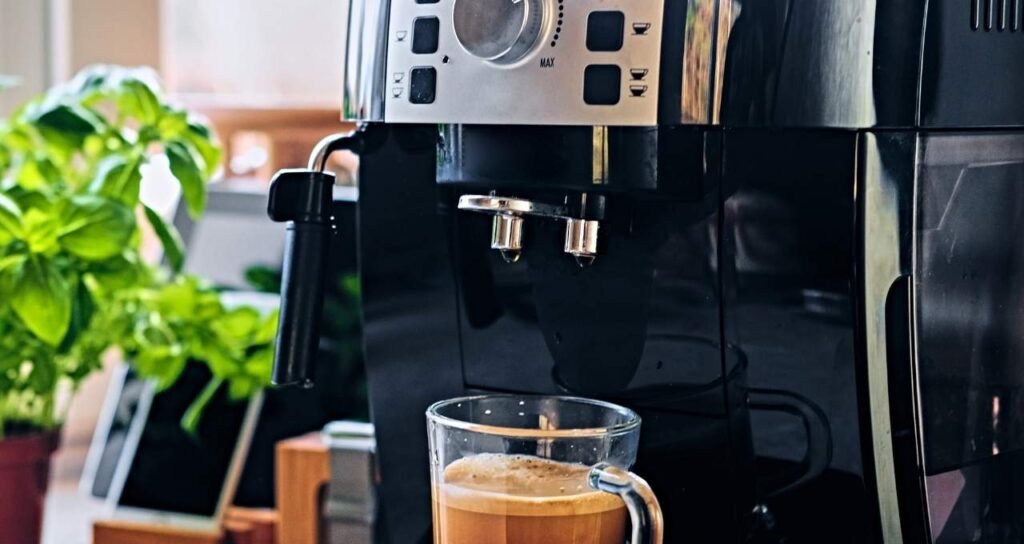
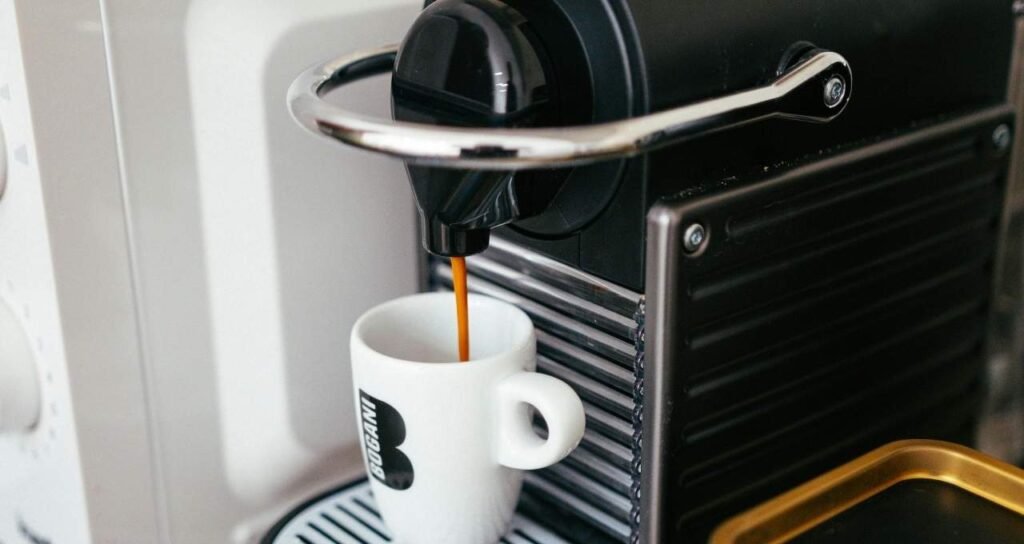
Путь от простого зерна до идеальной чашки кофе — это процесс трансформации, движимый водой и теплом. В основе этого ежедневного ритуала лежит критически важный, но часто упускаемый из виду компонент: Нагревательный элемент. Это устройство является сердцем каждой кофеварки, отвечая за нагрев воды до точной температуры, необходимой для раскрытия богатого вкуса и аромата кофейной гущи. Эволюция этого компонента — это история инноваций, отражающая неустанное стремление к скорости, точности и эффективности в заваривании кофе. Понимание этого технологического прогресса дает глубокое понимание качества кофе, которым мы наслаждаемся сегодня.
От самых простых капельных машин до сложных коммерческих эспрессо-аппаратов, фундаментальная технология Нагревательный элемент определяет производительность, стабильность и долговечность заварочного устройства. Эта статья представляет всесторонний обзор эволюции технологии нагревательный элемент , исследуя ее основополагающие принципы, ключевые исторические вехи, материаловедение, лежащее в ее основе, и будущее направление этой важнейшей технологии.
Основополагающие принципы: Как работают нагревательные элементы кофеварки
На самом базовом уровне нагревательный элемент работает по принципу Джоулев нагрев, также известному как резистивный нагрев. Когда электрический ток проходит через материал с электрическим сопротивлением, электрическая энергия преобразуется в тепловую энергию, или тепло. Основным материалом, используемым для этой цели на протяжении многих десятилетий, является нихром, сплав никеля и хрома, ценимый за высокое сопротивление и способность выдерживать повторяющиеся циклы нагрева без окисления.
Применение этого принципа значительно варьируется в зависимости от типа кофеварки.
Капельные кофеварки: Простота и эффективность
В стандартной автоматической капельной кофеварке холодная вода из резервуара проходит через обратный клапан в алюминиевую трубку, которая находится в прямом контакте с нагревательным элементом. Когда элемент нагревается, он вскипячивает воду внутри трубки. Образующийся пар создает давление, выталкивая порции горячей воды по отдельной трубке на кофейную гущу в фильтре. Эта простая гравитационная система эффективна для приготовления больших объемов, но обеспечивает ограниченный контроль температуры.
Эспрессо-машины: Требование точности и мощности
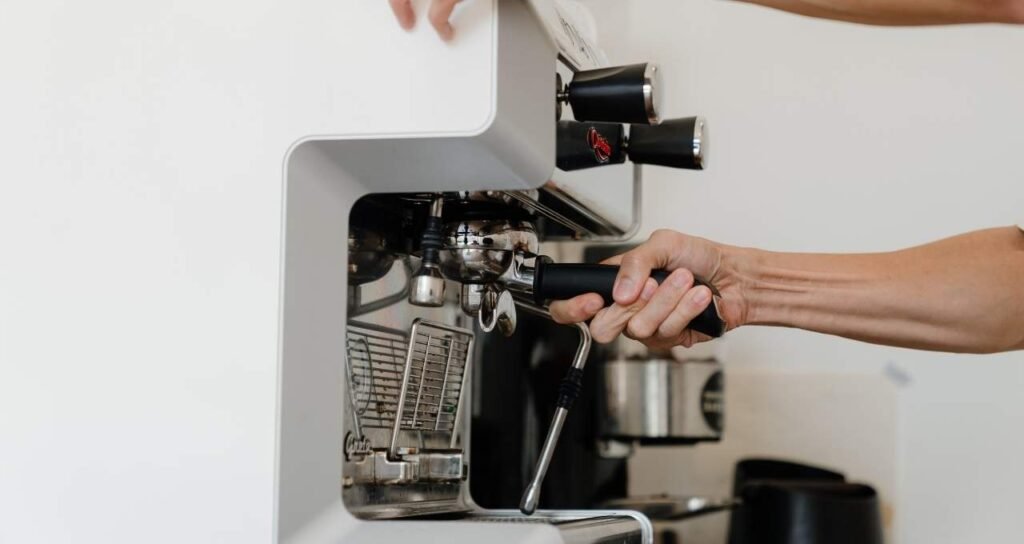
Экстракция эспрессо гораздо более требовательна, требуя нагрева воды до стабильного и точного диапазона температур, обычно от 90°C до 96°C (195°F и 205°F), с последующим пропусканием ее через мелко молотый кофе под высоким давлением. Это требует более надежных и быстродействующих систем нагрева, таких как бойлеры, термоблоки или термозмеевики, каждый из которых использует мощные нагревательные элементы для поддержания термической стабильности во время процесса экстракции.
Исторический путь: Ключевые вехи в разработке нагревательных элементов
Технология внутри наших кофемашин не стояла на месте. Она эволюционировала от примитивных катушек до высокоразвитых цифровых систем управления.
Ранние дни: Простые резистивные катушки
Самые ранние автоматические кофеварки полагались на простые открытые катушки из резистивной проволоки. Эти элементы были эффективными, но относительно медленно нагревались и были подвержены поломкам из-за влаги и физических повреждений. Обычно они были обернуты вокруг или прикреплены к водопроводной трубе или основанию перколятора, обеспечивая примитивный контроль температуры, часто управляемый простым биметаллическим термостатом.
Появление литых и блочных нагревателей
Значительным достижением стала разработка литых нагревательных элементов. В этой конструкции резистивная катушка встраивается непосредственно в металлическую (обычно алюминиевую) отливку. Это защищало катушку от внешней среды и создавало гораздо более эффективную систему теплопередачи. Это нововведение напрямую привело к созданию термоблока, популярной технологии во многих потребительских эспрессо-машинах. Термоблок представляет собой плотный металлический блок с просверленным змеевидным каналом, через который протекает вода. Встроенный Нагревательный элемент кофемашины нагревает блок, который, в свою очередь, мгновенно нагревает воду, проходящую через него. Это обеспечивает очень быстрое время нагрева при запуске с холодного состояния.
Современная эпоха: Толстопленочные и передовые материалы
Последней инновацией в технологии нагрева является толстопленочный нагреватель. Эта технология включает печать резистивной цепи непосредственно на керамическую или нержавеющую стальную подложку. Такая конструкция дает несколько ключевых преимуществ:
- Исключительная скорость: Теплопередача происходит практически мгновенно, что значительно сокращает время ожидания.
- Высокая удельная мощность: Большое количество тепла может быть получено с очень малой площади поверхности.
- Превосходная точность: В сочетании с современными датчиками и ПИД-регуляторы, толстопленочные нагреватели могут поддерживать температуру воды с непревзойденной точностью.
Роль бойлеров: Системы с одним бойлером, теплообменником (HX) и двумя бойлерами
В высококлассных и коммерческих эспрессо-машинах нагревательные элементы интегрированы в бойлеры. Конфигурация этих бойлеров оказывает глубокое влияние на производительность.
- Один бойлер: Один бойлер с одним нагревательным элементом используется как для заваривания, так и для вспенивания молока. Это требует от пользователя ожидания, пока бойлер изменит температуру между функциями.
- Теплообменник (HX): Машина с теплообменником имеет один большой паровой бойлер с нагревательным элементом. Отдельная медная трубка, содержащая воду для заваривания, проходит через этот бойлер, мгновенно нагревая ее на пути к заварочной группе. Это позволяет одновременно заваривать и вспенивать молоко.
- Два бойлера: Считающиеся золотым стандартом, эти машины имеют два отдельных бойлера — один для заваривания и один для вспенивания молока — каждый со своим собственным выделенным нагревательный элемент и независимым контролем температуры. Это обеспечивает максимальную термическую стабильность и производительность.
Материаловедение и дизайн: Невидимые инновации
Производительность нагревательного элемента определяется не только его конструкцией, но и материалами, используемыми в его изготовлении.
Основные материалы: От нихрома до нержавеющей стали
Хотя нихром остается распространенным выбором для резистивной проволоки, материалы, используемые для корпуса элемента и самого бойлера, имеют решающее значение. Алюминий предпочтителен для термоблоков из-за его отличной теплопроводности, в то время как медь ценится в высококлассных бойлерах по той же причине. Однако, нержавеющая сталь все чаще становится материалом выбора для бойлеров и нагревательных элементов благодаря своей превосходной долговечности, коррозионной стойкости и предполагаемым преимуществам для здоровья, так как она менее реакционноспособна, чем алюминий.
Важность корпуса и изоляции
Современные нагревательные элементы полностью изолированы для защиты их от попадания воды и коротких замыканий. Высококачественная изоляция вокруг бойлеров также имеет решающее значение энергоэффективность, для снижения теплопотерь в окружающую среду и минимизации работы, которую должен выполнять нагревательный элемент для поддержания температуры.
Прокладки и фитинги: непризнанные герои
Точка соединения, где нагревательный элемент входит в бойлер, является критическим местом отказа. Высокотемпературные прокладки, часто изготавливаемые из силикона или ПТФЭ (тефлона), необходимы для создания прочного, водонепроницаемого уплотнения, способного выдерживать постоянные перепады давления и температуры.
Сравнение технологий нагревательных элементов
Чтобы лучше понять практические различия, следующие таблицы сравнивают ключевые показатели производительности различных технологий нагрева и конфигураций бойлеров.
Таблица 1: Сравнение типов нагревательных элементов
| Особенность | Резистивная спираль (в бойлере) | Термоблок | Толстопленочный нагреватель |
|---|---|---|---|
| Время разогрева | Медленно (5–20 минут) | Быстро (1–3 минуты) | Очень быстро (<1 минуты) |
| Стабильность температуры | Хорошая–отличная (большая тепловая масса) | Удовлетворительная–хорошая (склонна к колебаниям) | Отличная (с ПИД-регулированием) |
| Долговечность | Высокая (если не работает без воды) | Умеренная (склонна к образованию накипи) | Высокая (устойчива к накипи) |
| Энергоэффективность | Умеренный | Хороший | Отличный |
| Расходы | Низкая–высокая | Низкая–умеренная | Умеренная–высокая |
Таблица 2: Влияние конфигурации бойлера на производительность (эспрессо-машины)
| Особенность | Однобойлерная | Теплообменник (HX) | Двухбойлерная |
|---|---|---|---|
| Одновременность варки/пара | Нет | Да | Да |
| Температура варки Стабильность | Удовлетворительная (требует “температурного серфинга”) | Хорошая (требует охлаждающего пролива) | Отличная (выделенный бойлер) |
| Сложность и стоимость | Низкий | Умеренный | Высокий |
| Нагревательные элементы | Один | Один | Два |
Распространенные неисправности и диагностика: взгляд техника
Даже самые качественные нагревательные элементы могут выйти из строя. Понимание распространенных причин помогает продлить срок службы кофемашины.
Образование накипи: тихий убийца
Самый распространенный враг любого нагревательный элемент кофеварки — это накипь. Минеральные отложения из жесткой воды накапливаются на поверхности элемента, действуя как изолятор. Это заставляет элемент работать интенсивнее и сильнее нагреваться для нагрева воды, что в конечном итоге приводит к перегреву и перегоранию. Регулярное удаление накипи — самая важная процедура обслуживания для предотвращения этого.
Электрический отказ и перегорание
Элемент может выйти из строя из-за короткого замыкания, часто вызванного проникновением влаги через поврежденное уплотнение. Однако наиболее частой причиной внезапного отказа является “сухой запуск” — включение машины без воды в бойлере. Без воды, поглощающей тепловую энергию, температура элемента резко возрастает, что приводит к плавлению внутренней спирали и разрыву цепи.
Основные этапы диагностики
Для техника или опытного любителя диагностика неисправного нагревательного элемента проста. После отключения машины от сети можно получить доступ к клеммам элемента. С помощью мультиметр мультиметра, настроенного на измерение сопротивления (Ом), выполняется проверка целостности цепи . Исправный элемент покажет определенное значение сопротивления (например, 8–15 Ом). Бесконечное значение указывает на разрыв, перегоревший элемент, а нулевое значение — на короткое замыкание.
Будущее технологии нагрева кофе
Эволюция далека от завершения. Будущие усовершенствования обусловлены спросом на больший контроль, эффективность и устойчивость.
Интеллектуальная интеграция и ПИД-регулирование
Пропорционально-интегрально-дифференциальные (ПИД) контроллеры уже распространены в машинах высокого класса, но становятся стандартом. Эти цифровые термостаты постоянно контролируют температуру и вносят микро-корректировки в мощность, подаваемую на нагревательный элемент, удерживая температуру с точностью до долей градуса. В будущем это будет интегрировано с интеллектуальными технологиями, позволяя пользователям управлять и задавать профили температуры заваривания со своих устройств.
Энергоэффективность и устойчивость
С ростом экологической осведомленности производители сосредотачиваются на снижении энергопотребления кофемашин. Это включает лучшую изоляцию, более эффективные системы теплопередачи, такие как толстопленочные нагреватели, и “эко-режимы”, снижающие температуру бойлера в периоды простоя.
Роль специализированного производителя электрических нагревательных элементов
По мере усложнения технологии кофемашин роль специализированного производитель электрических нагревательных элементов производителя становится все более важной. Компании, сосредоточенные на исследованиях, разработке и производстве нагревательных элементов, находятся на передовой создания более долговечных, эффективных и точных компонентов. Их опыт в материаловедении, термодинамике и контроле качества необходим для расширения границ возможного в заваривании кофе.
Заключение: непреходящая важность нагревательного элемента
От простой спирали в капельной кофеварке до двойных ПИД-управляемых элементов в коммерческой эспрессо-машине — нагревательный элемент остается функциональным ядром процесса приготовления кофе. Его технологическая эволюция стала тихой, но мощной революцией, напрямую способствующей стремлению к идеальной экстракции. По мере развития технологий этот скромный компонент будет играть все более важную роль в обеспечении скорости, стабильности и непревзойденного контроля для бариста и домашних любителей кофе по всему миру.
Часто задаваемые вопросы (FAQ)
1. Каковы основные признаки неисправности нагревательного элемента кофеварки?
Наиболее распространёнными признаками являются полное отсутствие нагрева машины, подача лишь тёплой воды или срабатывание автоматического выключателя при включении устройства. В эспрессо-машинах может наблюдаться внезапная неспособность производить пар или достигать необходимой температуры заваривания.
Почему стабильность температуры так важна в эспрессо-машинах?
Стабильность температуры критически важна для стабильной экстракции эспрессо. Даже небольшое колебание в несколько градусов в течение 25-30 секунд приготовления может кардинально изменить вкус, приводя к кислому (недоэкстрагированному) или горькому (переэкстрагированному) вкусу. Стабильная температура обеспечивает воспроизводимость каждого приготовления и извлечение желаемого вкусового профиля из кофе.
В чём разница между термоблоком и традиционным бойлером?
Традиционный бойлер нагревает большой объём воды до целевой температуры, обеспечивая значительную тепловую массу и стабильность. Термоблок, напротив, мгновенно нагревает небольшое количество воды, протекающей через узкий канал внутри нагреваемого металлического блока. Бойлеры обеспечивают превосходную температурную стабильность при последовательном приготовлении кофе, в то время как термоблоки обеспечивают гораздо более быстрое время нагрева с холодного старта.
Ссылки
- HowStuffWorks. “Как починить кофеварку”. Ноябрь 2025 г. https://home.howstuffworks.com/how-to-repair-small-appliances3.htm
- Espresso Care. “Нагревательные элементы для эспрессо-машин”. Ноябрь 2025 г. https://espressocare.com/collections/heating-elements
- Chris’ Coffee. “Нагревательный элемент бойлера кофемашины”. Ноябрь 2025 г. https://www.chriscoffee.com/products/rocket-coffee-boiler-heating-element
- Jinzho. “Нагревательный элемент кофемашины”. Ноябрь 2025 г. https://jinzho.com/coffee-machine-heating-element/
- Home-Barista.com. “Проверка нагревательного элемента мультиметром”. Обсуждение на форуме. Ноябрь 2025 г. https://www.home-barista.com/repairs/testing-heating-element-with-multimeter-t58900.html
- Great Infusions. “Сменные нагревательные элементы для домашних эспрессо-машин”. Ноябрь 2025 г. https://greatinfusions.com/home-espresso-replacement-heating-elements/
- Coffee Addicts. “Элементы”. Ноябрь 2025 г. https://coffeeaddicts.ca/collections/elements