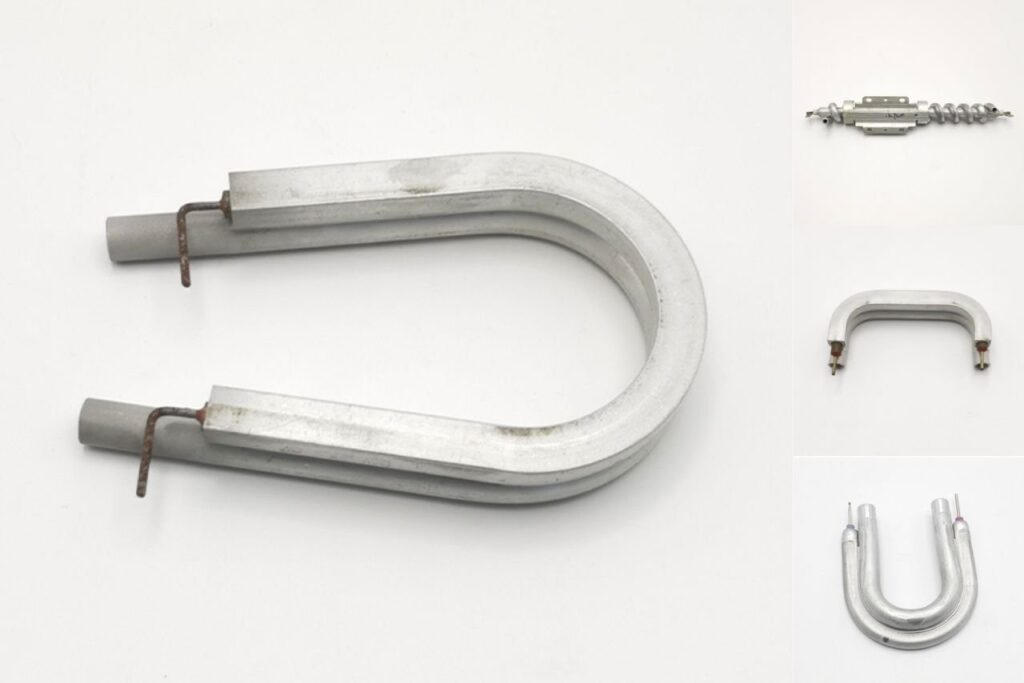
Maintaining the thermal integrity of a Whirlpool dishwasher is critical for ensuring hygienic sanitization and spot-free drying performance.
When a Elemento calefactor fails, it compromises the appliance’s ability to reach the 140 F C155 F range necessary for effective grease removal. This professional replacement guide, supported by the manufacturing expertise of Camewould (Jin Zhong) a global Fabricante de elementos calefactores with over 40 years of experience provides a step-by-step diagnostic and installation framework to restore your dishwasher to factory efficiency.
Technical Guide Overview
I. Diagnostic Procedures: Testing for Continuity
Before initiating a replacement, you must verify that the Heating Element for Dishwasher Whirlpool is the actual point of failure. Modern Whirlpool models utilize a circular un elemento calefactor tubular. that sits at the bottom of the tub. Common symptoms of failure include wet dishes after a cycle and a “clean” light that flashes in specific sequences indicating a heating fault.
The Multimeter Verdict
To confirm a dead element, use a digital multimeter set to the lowest Ohms ( ) setting. Disconnect the wire leads from the element terminals beneath the dishwasher. A functional Whirlpool element should typically register between 10 and 30 . If the display shows “O.L” (Open Loop), the internal resistive wire has snapped, and the component must be sourced from a reputable Fábrica de resistencias.
Technical Parameters for Whirlpool Dishwasher Elements
| Parámetro | Standard OEM Value | Camewould Premium Spec |
|---|---|---|
| Operating Wattage | ~850W | Precision 850W 5% |
| Material de la Vaina | Acero inoxidable | Incoloy 800 (Corrosion Resistant) |
| Rango de resistencia | 10 C 30 | Optimized 22 |
| Aislamiento | Standard MgO | High-Purity Compressed MgO |
II. Step-by-Step Replacement Strategy
Reemplazo de la Elemento calefactor in a Whirlpool dishwasher requires accessing the underside of the appliance. Follow these industrial-standard steps for a safe installation.
1. Safety and Preparation
Shut off the power at the circuit breaker and close the water supply valve. Lay the dishwasher on its back to access the bottom components. **Pro-Tip:** Place a towel or shallow pan under the water inlet to catch any drainage.
2. Disconnecting Terminals and Nuts
Locate the two element terminals at the rear of the tub. Pull off the wire connectors. Use a wrench or pliers to unscrew the plastic mounting nuts that hold the element to the tub. These nuts also act as the primary water seal.
3. Installing the New Element
From inside the tub, pull the old element out of its clips. Insert the new element sourced from a specialized Heating Element manufacturer to ensure proper fitment through the tub holes. Tighten the mounting nuts firmly but do not over-torque, as the plastic can crack.
III. Engineering Excellence: MgO & Sheath Material
A high-performance Heating Element for Dishwasher Whirlpool must withstand pitting corrosion from detergents and mineral buildup from hard water. At Suli Technology (Camewould), we utilize high-purity Óxido de Magnesio (MgO) as the dielectric insulator. This material is vibration-loaded to maximum density to ensure rapid heat transfer while maintaining an electrical insulation resistance of over 100M .
Our sheaths are constructed from high-grade alloys that prevent oxidation during the “Heated Dry” phase, where the element glows red without water to dissipate heat. This is the most stressful part of a dishwasher’s cycle and where low-quality aftermarket parts typically fail.
IV. Specialized Die Casting & Industrial Solutions
For high-end commercial dishwashers and industrial sanitizers, Soluciones de calefacción para fundición a presión offer superior durability. By encasing the heating tube within a die-cast aluminum or brass block, we provide:
- Uniform Heat Distribution: Eliminates hot spots that can damage plastic dishwasher components.
- Mechanical Protection: Shielding the element from physical damage during rack movement.
- Thermal Efficiency: Achieving a conversion rate of 98%, which reduces energy consumption in commercial 24/7 duty cycles.
V. Expert FAQ & Maintenance Tips
Q1: Why does my dishwasher element have white crusty buildup?
This is calcium scale from hard water. Over time, this scale acts as an insulator, causing the internal wire to overheat. Regularly running a citric acid-based dishwasher cleaner can help prevent this buildup and extend the element’s life.
Q2: Can I use a universal element for my Whirlpool dishwasher?
It is not recommended. Whirlpool elements have specific terminal spacing and mounting hole diameters. A universal part may not seal properly, leading to leaks that can damage the dishwasher’s motor and electronics.
Q3: How long should a new Whirlpool dishwasher heating element last?
A high-quality element from an ISO9001-certified factory like Camewould is designed for 5,000+ heating cycles, which translates to roughly 8 C10 years of domestic use depending on water quality and usage frequency.
Q4: My dishwasher trips the circuit breaker during the dry cycle. Is the element failed?
Yes. This indicates a leakage current fault. As the element expands with heat, a microscopic crack in the sheath allows electricity to reach the water or the tub. This is a safety hazard and requires immediate replacement.
Q5: Is it normal for a new element to smell like burning plastic?
A slight “burn-off” smell is normal during the first 1-2 uses as factory protective coatings are neutralized. If the smell persists or you see smoke, check that no plastic dishwasher racks or utensils are touching the element.
Global Engineering, Industrial Strength
Manufacturing 3 million units monthly for the world s most trusted brands, including Philips, Midea, and DeLonghi. Camewould 40 years of making life warmer through clean heat technology.
References & Technical Data Sources:
- [1] Camewould Electrical Technology – Technical Specifications for Submerged Elementos Calefactores (2025). jinzho.com
- [2] Wikipedia – Resistive Heating and Dielectric Insulation Principles. en.wikipedia.org
- [3] IQS Directory – Design Fundamentals of Tubular Heating Elements. iqsdirectory.com
- [4] Sears Home Services – Diagnostic Guide for Dishwasher Heating Failures. searshomeservices.com