Usted depende de un elemento calefactor y un termostato para mantener sus espacios habitables y su calentador de agua a la temperatura ideal. El termostato detecta cambios en la temperatura y activa el proceso de calentamiento cuando es necesario. Esta coordinación garantiza que disfrute de un calor constante, ya sea que utilice un sistema de calefacción para sus habitaciones o un calentador de agua para las necesidades diarias. Usted se beneficia de confort, seguridad y eficiencia energética cada vez que su sistema de calefacción responde a su entorno.
¿Qué es un Elemento Calefactor?
La Función de los Elementos Calefactores
Cómo los Elementos Calefactores Generan Calor
Usted depende de un elemento calefactor para convertir la energía eléctrica en calor. Cuando enciende un dispositivo, la corriente eléctrica fluye a través de los elementos calefactores eléctricos. Estos elementos resisten el flujo de electricidad, lo que provoca que se calienten. El calor se transfiere entonces al aire, agua o superficie circundante. Este proceso le permite controlar la temperatura en su hogar o electrodoméstico con precisión.
Consejo: A menudo puede identificar los elementos calefactores eléctricos por su apariencia enrollada o de varilla dentro de los electrodomésticos.
Tipos de Elementos Calefactores Eléctricos
Encontrará varios tipos de elementos calefactores eléctricos, cada uno diseñado para aplicaciones específicas. Los tipos más comunes incluyen:
- Elementos de bobina metálica: Estos utilizan un alambre hecho de materiales como nicromo. Los ve en tostadoras y calefactores portátiles.
- Elementos cerámicos: Estos proporcionan un calentamiento constante y uniforme, y suelen encontrarse en secadores de pelo o calefactores de ambiente.
- Elementos tubulares: Estas varillas selladas calientan el agua en calentadores de agua eléctricos y lavavajillas.
- Elementos de cuarzo: Estos proporcionan un calentamiento radiante rápido y funcionan bien en calefactores infrarrojos.
Cada tipo de elemento calefactor eléctrico ofrece beneficios únicos. Debe seleccionar el adecuado según sus necesidades de calentamiento y los requisitos del electrodoméstico.
Dónde Encontrará Elementos Calefactores
Electrodomésticos Comunes del Hogar
Usted interactúa con elementos calefactores eléctricos todos los días, a menudo sin darse cuenta. He aquí algunos ejemplos:
- Hornos y placas de cocción: Elementos calefactores eléctricos cocinan sus alimentos de manera uniforme.
- Tostadoras y hornos tostadores: Estos utilizan bobinas expuestas para dorar el pan.
- Secadoras de ropa: Los elementos calefactores eléctricos secan su ropa eficientemente.
- Cafeteras: Estas calientan el agua rápidamente para su infusión matutina.
Nota: La limpieza regular de los electrodomésticos ayuda a mantener la eficiencia de los elementos calefactores eléctricos.
Sistemas de Calefacción Central
Usted también se beneficia de los elementos calefactores eléctricos en los sistemas de calefacción central. Estos sistemas utilizan elementos potentes para calentar aire o agua, que luego circula por toda su casa. Puede confiar en estos sistemas para una calefacción constante de toda la casa durante los meses más fríos. Los elementos calefactores eléctricos en hornos o calderas garantizan que permanezca cómodo, incluso cuando las temperaturas exteriores descienden.
| Electrodoméstico/Sistema | Tipo de Elemento Calefactor Eléctrico | Función Principal |
|---|---|---|
| Horno | Bobina metálica | Cocción/Horneado |
| Calentador de Agua | Tubular | Calentar agua |
| Calefactor de Ambiente | Cerámico/Cuarzo | Calefacción de habitaciones |
| Horno de Calefacción Central | Bobina metálica/Tubular | Calefacción de toda la casa |
Puede ver que los elementos calefactores eléctricos juegan un papel vital tanto en pequeños electrodomésticos como en grandes sistemas de calefacción. Su fiabilidad y eficiencia los hacen esenciales para la vida moderna.
¿Qué es un Termostato?
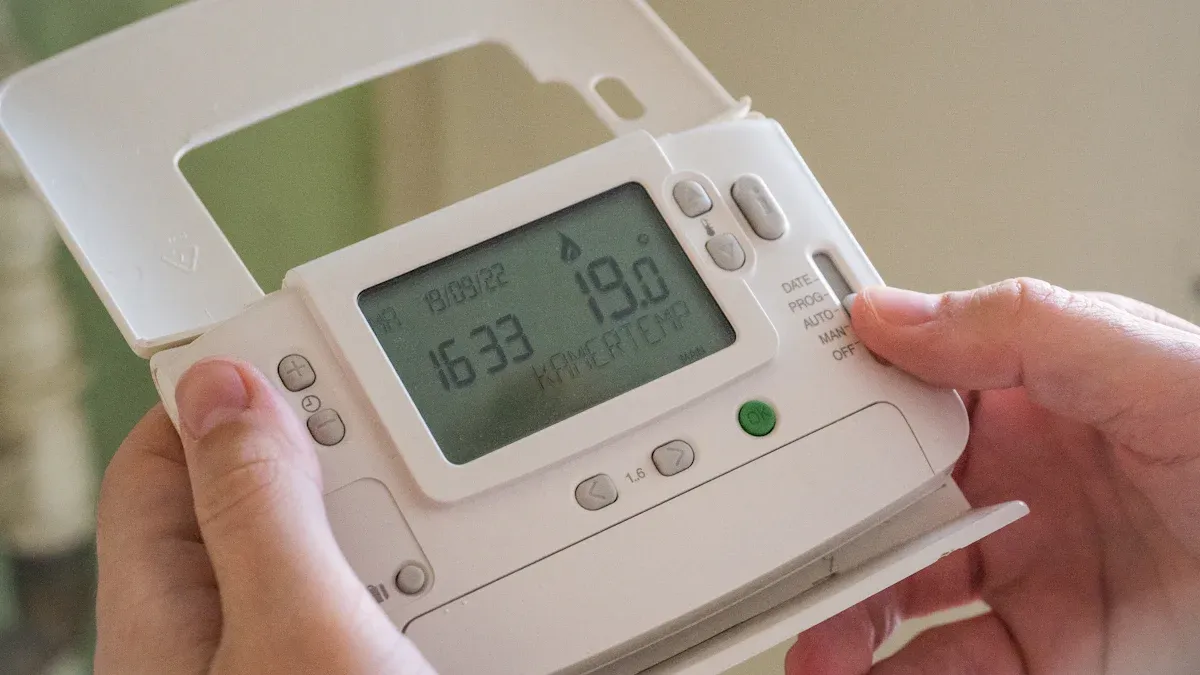
Un termostato sirve como centro de control para su sistema de calefacción. Usted depende de este dispositivo para monitorear y regular la temperatura, asegurando que su entorno se mantenga cómodo y eficiente. Comprender cómo funciona un termostato le ayuda a tomar decisiones informadas sobre la calefacción y refrigeración de su hogar.
La Función de un Termostato
Detección de Cambios de Temperatura
Usted depende de un termostato para detectar incluso los cambios de temperatura más leves en su espacio. Dentro del dispositivo, un sensor detecta la temperatura actual. Cuando la temperatura cae por debajo de su punto de ajuste, el termostato reconoce el cambio y se prepara para activar el elemento calefactor. Este proceso asegura que su sistema responda rápidamente a los cambios en el entorno.
Consejo: Coloque su termostato lejos de la luz solar directa o corrientes de aire. Esta ubicación ayuda al sensor a proporcionar lecturas precisas.
Establecimiento de Temperaturas Deseadas
Usted establece su temperatura preferida utilizando los controles del termostato. Una vez que selecciona su nivel deseado, el termostato mantiene esa temperatura encendiendo o apagando el elemento calefactor según sea necesario. Esta característica le da control sobre su confort y uso de energía. Puede ajustar la configuración en cualquier momento para adaptarse a su rutina diaria o necesidades estacionales.
Tipos de Termostatos
Termostatos Manuales
Los termostatos manuales ofrecen una operación sencilla. Usted ajusta la temperatura usando un dial o palanca. Estos modelos utilizan componentes mecánicos o eléctricos simples para detectar la temperatura y controlar el elemento calefactor. Usted se beneficia de la fiabilidad y facilidad de uso, especialmente si prefiere un control directo.
- Ventajas: Sencillos de operar, asequibles, confiables
- Contras: Sin funciones de programación, control de temperatura menos preciso
Termostatos Programables e Inteligentes
Los termostatos programables e inteligentes ofrecen funciones avanzadas para hogares modernos. Puede establecer horarios que ajusten automáticamente la temperatura a lo largo del día. Los termostatos inteligentes se conectan a Wi-Fi, permitiéndole controlar su sistema de forma remota desde su teléfono o computadora. Estos dispositivos a menudo aprenden sus hábitos y optimizan el uso de energía para una máxima eficiencia.
| Característica | Termostato programable | Termostato Inteligente |
|---|---|---|
| Programación | ✔️ | ✔️ |
| Control Remoto | ❌ | ✔️ |
| Capacidades de Aprendizaje | ❌ | ✔️ |
| Informes de Energía | ❌ | ✔️ |
Nota: Actualizar a un termostato programable o inteligente puede ayudarle a ahorrar energía y mejorar el confort.
Un termostato desempeña un papel crucial en su sistema de calefacción. Al elegir el tipo correcto y usarlo de manera efectiva, usted garantiza un confort constante y un funcionamiento eficiente.
Cómo Funcionan Juntos los Elementos Calefactores y los Termostatos
El Proceso Paso a Paso
El Termostato Detecta la Temperatura del Agua o del Ambiente
Usted confía en el termostato para monitorear la temperatura en su hogar o dentro de su calentador de agua. El termostato utiliza un sensor para medir la temperatura actual del aire o del agua. Cuando establece su temperatura preferida, el termostato verifica constantemente si el entorno coincide con su elección. En un calentador de agua, el termostato detecta la temperatura del agua dentro del tanque. En una habitación, mide la temperatura del aire. Este monitoreo constante asegura que su sistema de calefacción responda rápidamente a cualquier cambio.
Consejo: Coloque su termostato en una ubicación central para obtener las lecturas de temperatura más precisas.
Envío de Señales al Elemento Calefactor
Una vez que el termostato detecta que la temperatura ha bajado de su punto de ajuste, envía una señal eléctrica al elemento calefactor. Esta señal actúa como una orden para que el elemento calefactor comience a funcionar. En un calentador de agua, el termostato activa el elemento calefactor dentro del tanque. En un sistema de calefacción doméstico, el termostato activa el elemento calefactor en el horno o en la unidad de zócalo. Este proceso ocurre automáticamente, por lo que no necesita ajustar nada manualmente.
- El termostato actúa como el tomador de decisiones.
- El elemento calefactor responde a la señal del termostato.
- El sistema trabaja en conjunto para proporcionar calor exactamente cuando lo necesita.
Encendido y Apagado del Elemento Calefactor
El termostato continúa monitoreando la temperatura mientras el elemento calefactor opera. Cuando la temperatura alcanza el nivel deseado, el termostato envía otra señal para apagar el elemento calefactor. Este ciclo se repite según sea necesario para mantener una temperatura constante. En un calentador de agua, el termostato evita que el agua se caliente o enfríe demasiado. En una habitación, mantiene el aire a un nivel confortable. Usted se beneficia de este proceso automático porque ahorra energía y mantiene su entorno seguro.
Nota: Este ciclo de encendido y apagado ayuda a prolongar la vida útil tanto del termostato como del elemento calefactor.
Mantenimiento de la Temperatura Configurada
Prevenir el sobrecalentamiento
Usted depende del termostato para evitar el sobrecalentamiento en su hogar o calentador de agua. El termostato apaga el elemento calefactor tan pronto como la temperatura alcanza el punto de ajuste. Esta característica de seguridad protege sus electrodomésticos y reduce el riesgo de daños o incendios. En un calentador de agua, el termostato asegura que el agua nunca alcance una temperatura peligrosamente alta. En una habitación, evita que el aire se vuelva incómodamente cálido. Puede confiar en este sistema para mantener niveles de calefacción seguros en todo momento.
| Sistema | Cómo se Previene el Sobrecalentamiento |
|---|---|
| Calentador de Agua | El termostato corta la alimentación al elemento calefactor cuando el agua alcanza la temperatura configurada |
| Calefacción de Habitaciones | El termostato apaga el elemento calefactor cuando el aire alcanza la temperatura configurada |
Garantizando un Confort Constante
Usted experimenta un confort constante porque el termostato y el elemento calefactor trabajan juntos sin problemas. El termostato realiza pequeños ajustes para mantener la temperatura estable. En un calentador de agua, siempre tiene agua caliente lista para duchas o limpieza. En su espacio vital, disfruta de un ambiente cálido y acogedor, incluso cuando las temperaturas exteriores cambian. El sistema de calefacción se adapta a sus necesidades sin atención constante.
Llamada: El mantenimiento regular de su termostato y elemento calefactor garantiza una calefacción fiable y prolonga la vida útil de su calentador de agua y sistema de calefacción doméstico.
Puede ver cómo el termostato y el elemento calefactor forman un equipo fiable. Esta asociación mantiene su calentador de agua y sistema de calefacción doméstico funcionando sin problemas, proporcionando seguridad, eficiencia y confort cada día.
Por Qué es Importante su Coordinación
Eficiencia energética
Reducción del Desperdicio de Energía
Usted desea que su sistema de calefacción funcione de manera eficiente. Cuando el termostato y el elemento calefactor se coordinan, evita el uso innecesario de energía. El termostato detecta la temperatura exacta y activa el elemento calefactor solo cuando es necesario. Este proceso evita que el sistema funcione más tiempo del requerido. Usted ahorra energía porque el elemento calefactor no opera cuando su espacio o agua ya cumplen con su temperatura preferida.
Consejo: Configure su termostato a la temperatura más baja que sea confortable en invierno. Este pequeño cambio puede reducir el desperdicio de energía y prolongar la vida útil de su equipo de calefacción.
Reducción de las facturas de servicios públicos
Usted nota facturas de servicios públicos más bajas cuando su sistema de calefacción funciona de manera eficiente. El termostato asegura que el elemento calefactor se encienda y apague en los momentos adecuados. No paga por energía extra que no mejora el confort. Con el tiempo, esta coordinación conduce a ahorros significativos. Puede invertir esos ahorros en otras mejoras para el hogar o disfrutar de la tranquilidad de saber que sus costos de calefacción están bajo control.
Consideraciones de seguridad
Prevención del Sobrecalentamiento y Riesgos de Incendio
Usted confía en el termostato para proteger su hogar del sobrecalentamiento. Si el elemento calefactor funciona demasiado tiempo, las temperaturas pueden elevarse a niveles inseguros. El termostato detecta esto y apaga el elemento calefactor antes de que se convierta en un peligro. Esta característica de seguridad reduce el riesgo de incendio y daños a sus electrodomésticos. Mantiene a su familia y propiedad seguros al confiar en el termostato para monitorear su sistema de calefacción.
Funciones de Apagado Automático
Los sistemas de calefacción modernos incluyen funciones de apagado automático. El termostato controla estas funciones. Si el sistema detecta un problema, como un elemento calefactor atascado, el termostato corta la alimentación de inmediato. Usted se beneficia de esta capa adicional de protección. No necesita preocuparse por dejar el sistema de calefacción desatendido. Los controles del termostato le brindan confianza en la seguridad de su hogar.
| Característica de seguridad | Cómo funciona |
|---|---|
| Protección contra sobrecalentamiento | El termostato apaga el elemento calefactor |
| Detección de Fallos | El termostato corta la alimentación si el sistema funciona mal |
Confort y Conveniencia
Temperaturas interiores estables
Usted disfruta de temperaturas interiores estables debido a la coordinación precisa entre el termostato y el elemento calefactor. El termostato realiza pequeños ajustes para mantener su entorno confortable. No experimenta cambios bruscos de temperatura. Su sistema de calefacción responde rápidamente a los cambios, por lo que siempre se siente a gusto en su hogar.
Controles fáciles de usar
Usted encuentra que los controles modernos del termostato son fáciles de usar. Puede configurar su temperatura deseada con solo unas pocas pulsaciones de botón o toques. Muchos sistemas ofrecen pantallas claras y menús simples. Ajusta sus preferencias de calefacción sin confusión. Esta conveniencia facilita mantener el confort y la eficiencia cada día.
Nota: Revise regularmente la configuración de su termostato para asegurarse de que su sistema de calefacción se adapte a su estilo de vida y necesidades de confort.
Sistemas de Calefacción Comunes que Utilizan Elementos Calefactores y Termostatos
Hornos Domésticos con Elementos Calefactores Eléctricos
Cómo Utilizan los Hornos los Elementos Calefactores y los Termostatos
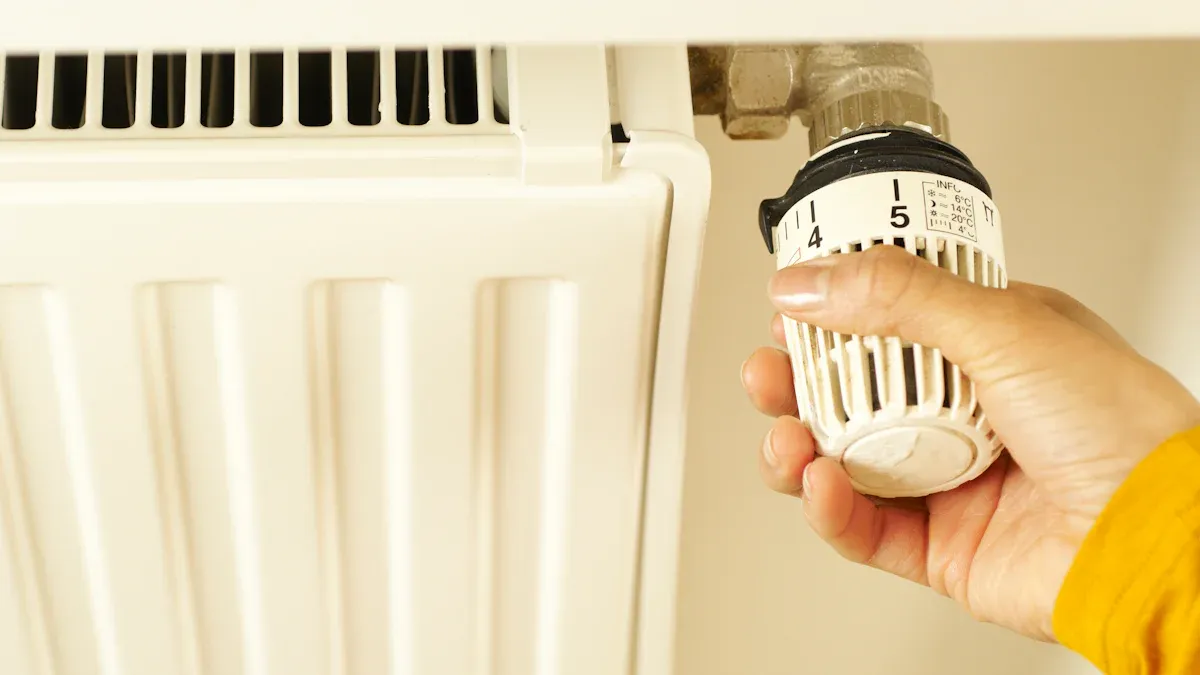
A menudo depende de hornos domésticos con elementos calefactores eléctricos para mantener un ambiente interior confortable. El horno contiene un potente elemento calefactor que calienta el aire a medida que pasa sobre o a través de la unidad. El termostato monitorea la temperatura de la habitación y señala al elemento calefactor para que se active cuando la temperatura baja de su punto de ajuste. Una vez que el aire alcanza el calor deseado, el termostato apaga el elemento calefactor. Este ciclo se repite durante el día para mantener su hogar a una temperatura constante.
Consejo: Revise regularmente el filtro de su horno. Los filtros limpios ayudan al elemento calefactor a funcionar de manera eficiente y prolongan la vida útil de su sistema.
Sistemas de Calentadores de Agua Eléctricos
Cómo Funcionan Juntos los Elementos del Calentador de Agua y los Termostatos
Usted depende de un calentador de agua eléctrico para tener agua caliente fiable en su hogar. Dentro del tanque, uno o más elementos del calentador de agua calientan el agua a su temperatura preferida. El termostato detecta la temperatura del agua y controla el funcionamiento de cada elemento del calentador de agua. Cuando el agua se enfría, el termostato señala al elemento del calentador de agua para que se encienda. Tan pronto como el agua alcanza la temperatura configurada, el termostato apaga el elemento del calentador de agua. Este proceso asegura que siempre tenga agua caliente lista para duchas, limpieza o cocina.
Un calentador de agua eléctrico típico utiliza el siguiente proceso:
- El termostato mide la temperatura del agua dentro del tanque.
- Si el agua está demasiado fría, el termostato activa el elemento del calentador de agua.
- El elemento del calentador de agua calienta el agua hasta que alcanza la temperatura configurada.
- El termostato apaga el elemento del calentador de agua para evitar el sobrecalentamiento.
| Componente | Función |
|---|---|
| Termostato | Monitorea y controla la temperatura del agua |
| Elemento del calentador de agua | Calienta el agua dentro del tanque |
Puede mejorar la eficiencia ajustando su calentador de agua eléctrico a 120 °F. Esta temperatura proporciona suficiente agua caliente para la mayoría de las necesidades y reduce el consumo de energía.
Elementos del Calentador de Agua en Calentadores de Agua Residenciales
Funcionamiento del Calentador de Agua con Doble Elemento
Muchos calentadores de agua residenciales utilizan dos elementos calefactores para un calentamiento más rápido y eficiente. Encontrará un elemento cerca de la parte superior del tanque y otro cerca de la parte inferior. El termostato gestiona ambos elementos para garantizar un calentamiento uniforme en todo el tanque. Cuando usa agua caliente, el termostato activa primero el elemento superior para calentar rápidamente el agua fría entrante. Una vez que la parte superior del tanque alcanza la temperatura establecida, el termostato cambia al elemento inferior. Este elemento calienta el resto del agua, asegurando que disponga de un tanque lleno de agua caliente.
Nota: Si nota temperaturas de agua inconsistentes, es posible que uno de los elementos de su calentador de agua necesite ser reemplazado.
Se beneficia del funcionamiento del calentador de agua con doble elemento porque proporciona un suministro constante de agua caliente, incluso durante períodos de alta demanda. El termostato y los elementos calefactores trabajan juntos para evitar el sobrecalentamiento y mantener un calentamiento seguro y eficiente.
Calefactores Eléctricos de Zócalo
Control de Temperatura Habitación por Habitación
Obtiene un control preciso sobre el confort de su hogar con los calefactores eléctricos de zócalo. Estas unidades utilizan elementos calefactores eléctricos para calentar habitaciones individuales. Se instalan a lo largo de la base de las paredes, generalmente debajo de las ventanas. El diseño permite que el calor ascienda de forma natural, creando un calor suave y uniforme en todo el espacio.
Puede configurar un termostato separado para cada calefactor de zócalo. Esta característica le permite ajustar la temperatura de cada habitación de forma independiente. Si pasa la mayor parte del tiempo en un área, puede bajar la calefacción en las habitaciones no utilizadas. Ahorra energía y reduce los costos de servicios públicos al calentar solo los espacios que utiliza.
Consejo: Mantenga los muebles y las cortinas alejados de los calefactores de zócalo. Esta práctica asegura un flujo de aire adecuado y maximiza la eficiencia.
Los calefactores eléctricos de zócalo funcionan de forma silenciosa. No necesita preocuparse por ventiladores o sopladores ruidosos. Los elementos calefactores eléctricos dentro de las unidades se calientan rápidamente y responden a los ajustes del termostato casi instantáneamente. Experimenta un confort constante sin esperar a que toda la casa se caliente.
Aquí tiene una comparación rápida entre los calefactores eléctricos de zócalo y los sistemas de calefacción central:
| Característica | Calefactores Eléctricos de Zócalo | Sistemas de Calefacción Central |
|---|---|---|
| Control habitación por habitación | ✔️ | ❌ |
| Complejidad de la instalación | Bajo | Alta |
| Nivel de ruido | Muy bajo | Moderado |
| Costo inicial | Más bajo | Más alto |
Los calefactores eléctricos de zócalo son especialmente útiles en ampliaciones, sótanos o habitaciones que necesitan calor adicional. La combinación de elementos calefactores eléctricos y termostatos individuales le brinda una flexibilidad inigualable.
Calefactores Portátiles con Elementos Calefactores Eléctricos
Soluciones de Calefacción Portátiles
A menudo necesita una forma rápida y flexible de añadir calor a un área específica. Los calefactores portátiles con elementos calefactores eléctricos proporcionan una solución portátil. Puede mover estas unidades de una habitación a otra según sea necesario. Los elementos calefactores eléctricos en su interior generan calor rápidamente, lo que los hace ideales para calefacción localizada.
Puede elegir entre varios tipos de calefactores portátiles, incluidos modelos cerámicos, de ventilador forzado y radiantes. Cada tipo utiliza elementos calefactores eléctricos para proporcionar calor dirigido. Enchufa la unidad a una toma de corriente estándar y ajusta el termostato incorporado a su nivel de confort deseado.
- Calefactores cerámicos: Utilizan placas cerámicas y deflectores de aluminio para distribuir el calor de manera uniforme.
- Calefactores de ventilador forzado: Utilizan un ventilador para distribuir rápidamente el calor de los elementos calefactores eléctricos.
- Calefactores radiantes: Emiten calor infrarrojo que calienta directamente a las personas y los objetos.
Alerta: Siga siempre las pautas de seguridad al usar calefactores portátiles. Colóquelos sobre superficies planas y manténgalos alejados de materiales inflamables.
Se beneficia de la portabilidad y conveniencia de estos calefactores. No necesita calentar toda su casa solo para calentar una sola habitación. Los elementos calefactores eléctricos dentro de los calefactores portátiles ofrecen un rendimiento eficiente y fiable para necesidades de calefacción temporales o suplementarias.
Consejos de Solución de Problemas y Mantenimiento para Elementos Calefactores y Termostatos
Señales de Problemas
Temperaturas inconsistentes
Puede notar que su sistema de calefacción o calentador de agua no mantiene una temperatura constante. La temperatura inconsistente del agua a menudo indica un problema con el termostato o el elemento calefactor. Si sus duchas se vuelven frías repentinamente o sus habitaciones se sienten frías a pesar de que el sistema está funcionando, debe investigar más a fondo. A veces, la acumulación de minerales en el elemento calefactor de su calentador de agua causa un calentamiento desigual. También podría encontrar que un termostato defectuoso no detecta la temperatura correcta, lo que lleva a un rendimiento impredecible.
Consejo: Si experimenta temperaturas inconsistentes, comience por verificar la configuración de su termostato y asegúrese de que coincidan con sus necesidades de confort.
Sistema que No Enciende o Apaga
Espera que su sistema de calefacción o calentador de agua responda cuando ajusta el termostato. Si el sistema no se enciende o apaga como se espera, podría enfrentarse a un termostato que funciona mal o a un elemento calefactor averiado. La falta de agua caliente en su hogar a menudo apunta a un problema con el calentador de agua. Debe escuchar si hay ruidos inusuales o buscar luces de advertencia en su unidad. Estas señales le ayudan a identificar problemas antes de que se conviertan en problemas mayores.
Pasos Básicos de Mantenimiento
Limpieza e inspección
Puede prolongar la vida útil de su sistema de calefacción y calentador de agua con una limpieza e inspección regulares. El polvo y los residuos a menudo se acumulan alrededor de los termostatos y elementos calefactores, reduciendo la eficiencia. Para su calentador de agua, debe drenar el tanque periódicamente para eliminar los sedimentos. Este paso ayuda a prevenir daños en el elemento calefactor y asegura un suministro constante de agua caliente. Al limpiar, siempre apague la alimentación eléctrica de su sistema por seguridad.
Una lista de verificación de mantenimiento simple incluye:
- Inspeccionar el cableado del termostato en busca de desgaste o corrosión
- Verificar la acumulación de minerales en los elementos del calentador de agua
- Limpiar el polvo de los calefactores de zócalo y termostatos
- Probar los componentes del calentador de agua con un multímetro
Alerta: Nunca intente limpiar o reparar componentes eléctricos sin cortar el suministro eléctrico.
Cuándo llamar a un profesional
Puede realizar limpiezas básicas e inspecciones visuales, pero algunos problemas requieren atención de un experto. Si sospecha que tiene un termostato defectuoso o un elemento calefactor dañado, contacte a un técnico autorizado. Reemplazar los elementos calefactores en un calentador de agua implica trabajar con electricidad y agua, lo que puede ser peligroso sin la formación adecuada. Si tiene problemas repetidos, como temperatura inconsistente del agua o una falta persistente de agua caliente, un profesional puede realizar diagnósticos avanzados, incluyendo la prueba de los componentes del calentador de agua.
Un técnico utiliza herramientas especializadas para probar los componentes del calentador de agua y puede recomendar reparaciones o reemplazos. Protege su inversión y garantiza un funcionamiento seguro al confiar en el servicio profesional cuando sea necesario.
Nota: Programe un mantenimiento anual para su calentador de agua y sistema de calefacción para detectar problemas a tiempo y mantener la máxima eficiencia.
Actualización para un Mejor Rendimiento en Calentadores de Agua y Sistemas de Calefacción
Beneficios de los Termostatos Modernos
Funciones Inteligentes y Control Remoto
Puede transformar su experiencia de calefacción actualizando a un termostato moderno. Los modelos más nuevos ofrecen funciones inteligentes que le brindan más control sobre su calentador de agua y sistemas de calefacción del hogar. Con un termostato inteligente, puede establecer horarios para su calentador de agua que se adapten a su rutina diaria. Esta programación le ayuda a evitar calentar agua cuando no la necesita, lo que ahorra energía y reduce costos.
Muchos termostatos inteligentes se conectan a su teléfono inteligente o tableta. Puede ajustar la configuración de su calentador de agua desde cualquier lugar, incluso cuando no está en casa. Si olvida bajar la temperatura antes de salir, puede realizar cambios de forma remota. Algunos modelos proporcionan informes de uso de energía, para que pueda realizar un seguimiento de cuánta energía utiliza su calentador de agua cada mes. Esta información le ayuda a tomar decisiones informadas sobre sus hábitos de calefacción.
Consejo: Utilice la función de control remoto para encender su calentador de agua antes de llegar a casa. Siempre tendrá agua caliente lista cuando la necesite.
Los termostatos inteligentes también aprenden sus preferencias con el tiempo. Pueden ajustar automáticamente la temperatura de su calentador de agua según sus patrones. Obtiene comodidad y eficiencia sin sacrificar el confort.
Elegir el Elemento Calefactor Eléctrico Adecuado
Eficiencia y Compatibilidad
Seleccionar el elemento calefactor eléctrico adecuado para su calentador de agua garantiza un rendimiento confiable y ahorro de energía. Siempre debe verificar las especificaciones de su calentador de agua antes de comprar un elemento de repuesto. El tamaño y la potencia correctos garantizan que su calentador de agua caliente el agua de manera eficiente y segura.
Encontrará varios tipos de elementos para calentadores de agua, como modelos roscados y atornillados. Cada tipo se adapta a diseños específicos de calentadores de agua. Utilizar un elemento incorrecto puede reducir la eficiencia o incluso dañar su calentador de agua. Siempre ajuste el nuevo elemento a los requisitos de su unidad.
| Tipo de elemento para calentador de agua | Solicitud Común | Nivel de Eficiencia |
|---|---|---|
| Atornillar | Calentadores de agua más modernos | Alta |
| De instalación con pernos | Calentadores de agua antiguos | Moderado |
También debe considerar el material del elemento del calentador de agua. Los elementos de cobre se calientan rápidamente pero pueden corroerse más rápido en agua dura. Los elementos de acero inoxidable resisten la corrosión y duran más, especialmente en áreas con agua rica en minerales. Elegir el material adecuado ayuda a que su calentador de agua mantenga agua caliente constante y reduce las necesidades de mantenimiento.
Alerta: Siempre apague la alimentación eléctrica de su calentador de agua antes de inspeccionar o reemplazar un elemento del calentador de agua. La seguridad es lo primero.
Actualizar su calentador de agua con un elemento compatible y eficiente, junto con un termostato inteligente, le brinda un mejor control, mayor seguridad y facturas de energía más bajas. Usted asegura que su calentador de agua suministre agua caliente cuando más la necesita.
Usted depende de la asociación entre los elementos calefactores y los termostatos para mantener su hogar y su calentador de agua funcionando de manera eficiente. Cuando mantiene su calentador de agua, asegura un suministro confiable de agua caliente para las tareas diarias. Un calentador de agua que funciona bien proporciona comodidad y seguridad. Usted ahorra energía al permitir que su calentador de agua funcione solo cuando es necesario. Las revisiones regulares ayudan a que su calentador de agua dure más tiempo. Usted evita fallas inesperadas al inspeccionar su calentador de agua. Confíe en que su calentador de agua ofrezca un rendimiento constante. Tómese el tiempo para valorar su calentador de agua y manténgalo en óptimas condiciones.
PREGUNTAS FRECUENTES
¿Con qué frecuencia se debe reemplazar un termostato o un elemento calefactor?
Debe inspeccionar su termostato y elemento calefactor anualmente. La mayoría duran entre 7 y 10 años. Reemplácelos si nota temperaturas inconsistentes, ciclos frecuentes o si no responden a los ajustes.
¿Puede instalar un termostato nuevo usted mismo?
Puede instalar un termostato manual con herramientas básicas y precauciones de seguridad. Para termostatos programables o inteligentes, o si tiene dudas, contrate a un profesional licenciado para garantizar un cableado correcto y una operación segura.
¿Por qué se agota rápidamente el agua caliente de su calentador?
Un elemento calefactor o termostato defectuoso suele causar este problema. La acumulación de sedimentos también puede reducir la eficiencia. Inspeccione ambos componentes y purgue el tanque regularmente para mantener un suministro constante de agua caliente.
¿A qué temperatura debe configurar su calentador de agua?
Configure su calentador de agua a 120°F (49°C). Esta temperatura proporciona suficiente agua caliente para la mayoría de los usos y reduce el riesgo de escaldaduras o desperdicio de energía.
¿Cómo sabe si su elemento calefactor está fallando?
Puede notar un calentamiento lento, temperaturas desiguales o nada de calor. Use un multímetro para probar la continuidad del elemento. Reemplácelo si no detecta flujo eléctrico.
¿Los termostatos inteligentes son compatibles con todos los sistemas de calefacción?
La mayoría de los termostatos inteligentes funcionan con sistemas estándar eléctricos, de gas o de petróleo. Verifique el voltaje y el cableado de su sistema antes de comprar. Consulte la guía de compatibilidad del fabricante para obtener los mejores resultados.
¿Qué mantenimiento requiere un termostato?
Limpie el polvo del termostato regularmente y verifique si hay cables sueltos. Reemplace las baterías en los modelos digitales según sea necesario. Programe inspecciones profesionales anuales para garantizar un control preciso de la temperatura.
¿Un termostato defectuoso puede aumentar sus facturas de energía?
Sí. Un termostato que funciona mal puede hacer que su sistema funcione más tiempo del necesario. Esto conduce a un desperdicio de energía y costos de servicios públicos más altos. Las revisiones regulares ayudan a prevenir este problema.