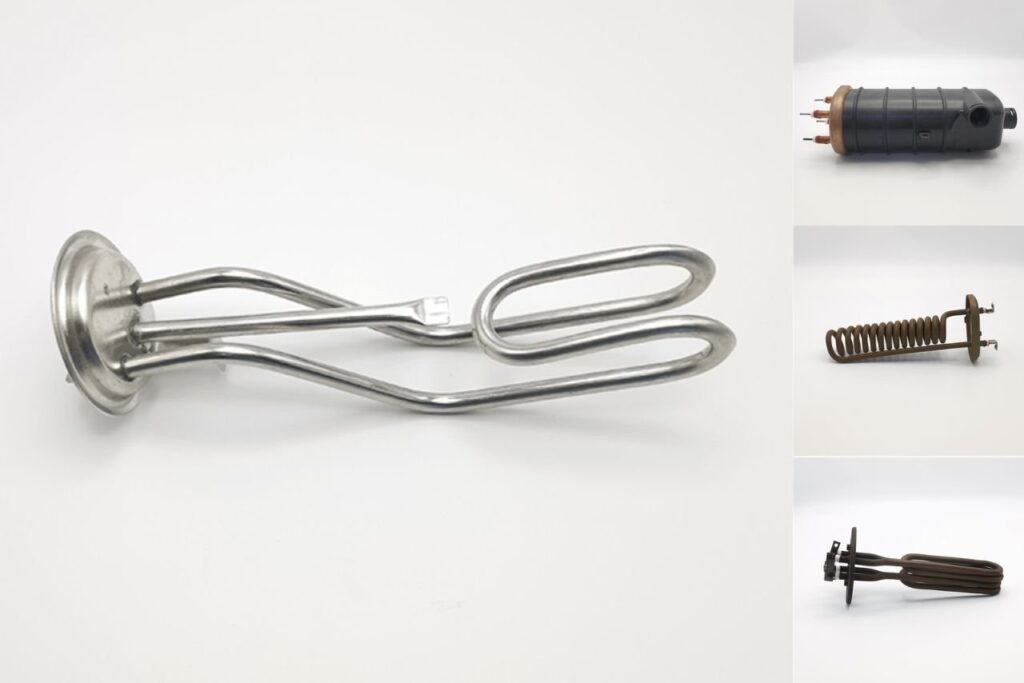
Diagnosing a Frigidaire dishwasher that fails to heat or dry requires a structured analytical approach to identify the specific failure point in the thermal circuit.
As a central component of appliance hygiene, the Heating Element must convert electrical energy into consistent radiant and conductive heat. This technical troubleshooting guide, supported by the manufacturing expertise of Camewould (Jin Zhong) a global Heating Element manufacturer with a 40-year legacy in thermal engineering outlines professional-grade diagnostic protocols to ensure your appliance meets international sanitization standards.
Troubleshooting Directory
I. Visual Inspection: Identifying Physical Fatigue
In many Frigidaire models, the Heating Element is a tubular heating element exposed at the base of the tub. Before performing electrical tests, a visual survey can often pinpoint terminal failures. Look for the following signs of material fatigue:
- Blistering and Pitting: Small bubbles or craters on the metal sheath indicate that the internal Nickel-Chromium (NiCr) wire has created a localized “hot spot,” breaching the Magnesium Oxide (MgO) insulation.
- Calcification: A thick white, crusty buildup suggests hard water minerals have insulated the coil, causing it to run hotter than its design parameters, which eventually leads to a terminal fracture.
- Terminal Discoloration: If the plastic nuts or wiring at the rear of the tub appear charred, it indicates a high-resistance connection that could lead to electrical arcing.
II. Electrical Continuity & Resistance Profiling
If the element appears physically sound, the failure is likely internal. This requires a digital multimeter to confirm if the electrical path is complete. Components from a verified Heating Element Factory are precision-matched to specific resistance values.
Testing Protocol:
- Isolate Power: Disconnect the dishwasher at the circuit breaker.
- Terminal Access: Remove the lower kickplate. The heating element leads are typically secured by 1/4″ nuts or spade connectors.
- Measurement: Set your multimeter to the Ohms ( ) setting. Place probes on each terminal.
Diagnostic Reference: Frigidaire Element Resistance
| Reading | Meaning | Recommended Action |
|---|---|---|
| 12 C 28 | Healthy Continuity | Inspect Thermostat/Control Board |
| Infinite (O.L) | Open Circuit (Broken Coil) | Replace Element Immediately |
| 0 C 5 | Direct Short to Ground | Replace Element Immediately |
III. Beyond the Coil: High-Limit Thermostats & Control Relays
If the **Heating Element** tests positive for continuity but fails to generate heat during a cycle, the problem lies in the signal delivery system.
- High-Limit Thermostat (Hi-Limit): This safety sensor is designed to “trip” if the dishwasher overheats. If it fails in the “open” position, it will block power to the element permanently. It is located on the bottom of the tub and should also show continuity (near 0 ohms) when tested at room temperature.
- Control Board Relay: The electronic control board uses a relay to switch high-voltage power to the heater. If this relay is stuck or charred, the element will never receive current. Check the board for visible burn marks near the heater output terminals.
IV. Engineering Excellence: MgO Density and Sheath Alloys
The reliability of a replacement part depends on industrial manufacturing standards. At **Camewould Electrical Technology**, our CNAS-accredited laboratory conducts vibration-loading tests to ensure high-density MgO insulation. This prevents the internal resistive wire from shifting during thermal expansion, which is the primary cause of internal shorts in generic components.
For high-performance appliances, we utilize Incoloy 800 sheaths that offer superior resistance to oxidation during the “dry” phase of the cycle. Furthermore, our Die Casting Heating Solutions are often integrated into premium commercial sanitizers to provide uniform thermal distribution and protect the heating core from mechanical damage.
V. Expert FAQ & Maintenance Strategies
Q1: Why does my Frigidaire dishwasher display the ‘i60’ error code?
The ‘i60’ code specifically indicates a heating problem. The control system has detected that the water temperature is not rising as expected. This is almost always caused by a failed Heating Element or a faulty high-limit thermostat.
Q2: Can hard water cause my heating element to fail prematurely?
Yes. Mineral buildup acts as a thermal insulator. This forces the internal coil to reach higher temperatures to penetrate the scale, leading to thermal stress and eventual rupture of the protective sheath. Regularly using a citric-acid based cleaner can extend component life.
Q3: Is it normal for a new element to smoke during the first few uses?
A small amount of smoke or a “burning” smell is normal as factory protective coatings are neutralized. However, if smoke persists or is accompanied by an electrical odor, re-check the terminal connections for tightness to prevent arcing.
Q4: How many units does Camewould produce monthly for global brands?
Camewould maintains a production capacity of 3 million units monthly, supplying high-precision heating cores to international brands like Philips and DeLonghi, ensuring that every replacement part meets ISO9001 and VDE safety standards.
Q5: Can I bypass the high-limit thermostat for testing?
Temporary bypassing for a 30-second continuity check is acceptable in a controlled diagnostic environment, but it is strictly forbidden to run a full cycle with a bypassed thermostat, as this poses a severe fire hazard if the element overheats.
Q6: What is the benefit of a die-cast heater in a dishwasher?
Die-cast heaters provide superior protection against chemical corrosion and mechanical impact. By encasing the element in a metal block, thermal inertia is increased, providing more stable temperatures during long sanitization cycles.
Global Thermal Engineering, Industrial Reliability
With over 40 years of expertise and a monthly capacity of 3 million units, Camewould is the engineering heart of the world’s leading appliance brands. Trust our precision, power your life.
References & Technical Citations:
- [1] Camewould Electrical Technology – Technical Manual for Tubular Heating Components (2025). jinzho.com
- [2] Wikipedia – Physics of Joule Heating and Dielectric Insulation. en.wikipedia.org
- [3] IQS Directory – Design Standards for Domestic Appliance Heating Elements. iqsdirectory.com
- [4] Sears Home Services – Frigidaire Troubleshooting Guide for Dishwasher Failures. searshomeservices.com