

您依靠加热元件和恒温器来维持生活空间及热水器处于理想温度。恒温器感知温度变化,并在需要时启动加热流程。这种协同作用确保您能持续享受温暖——无论是房间供暖系统还是满足日常需求的热水器皆如此。每当供暖系统响应环境变化时,您都能体验到舒适性、安全性与能效提升带来的益处。.
什么是加热元件?
加热元件的作用
加热元件的产热原理
You depend on a bộ phận làm nóng to convert electrical energy into heat. When you turn on a device, electric current flows through the electric heating elements. These elements resist the flow of electricity, which causes them to heat up. The heat then transfers to the surrounding air, water, or surface. This process allows you to control the temperature in your home or appliance with precision.
Mẹo: 您通常可通过电器内部螺旋状或棒状的外观识别电加热元件。.
电加热元件的类型
您会遇到多种类型的电加热元件,每种都针对特定应用设计。最常见类型包括:
- 金属线圈元件: 采用镍铬合金等材料制成的电阻丝,常见于烤面包机和空间加热器。.
- 陶瓷元件: 提供稳定均匀的加热效果,多用于吹风机或室内取暖器。.
- 管状元件: 这些密封金属棒用于电热水器和洗碗机中的水体加热。.
- 石英元件: 可实现快速辐射加热,适用于红外加热器。.
每种电加热元件都具有独特优势。您应根据加热需求及设备要求选择合适类型。.
加热元件的应用场景
常见家用电器
您每天都在与电加热元件互动,却往往未曾察觉。典型示例如下:
- 烤箱和灶台: 电加热元件使食物受热均匀。.
- 烤面包机和多功能烤箱: 通过裸露线圈为面包上色。.
- 衣物烘干机: 电加热元件高效烘干衣物。.
- 咖啡机: 快速加热水体以制备晨间饮品。.
Ghi chú: 定期清洁电器有助于维持电加热元件的工作效率。.
中央供暖系统
中央供暖系统中的电加热元件同样为您带来便利。这些系统采用大功率元件加热空气或水体,随后通过循环系统将热量传递至整个住宅。在寒冷季节,您可以依靠这些系统实现稳定、全覆盖的室内供暖。暖风机或锅炉中的电加热元件确保您在户外气温骤降时仍能享受舒适环境。.
| 设备/系统 | 电加热元件类型 | 主要功能 |
|---|---|---|
| 烤箱 | 金属线圈 | 烹饪/烘焙 |
| 水加热器 | 管状元件 | 水体加热 |
| 空间加热器 | 陶瓷/石英元件 | 室内供暖 |
| 中央暖风系统 | 金属线圈/管状元件 | 全屋供暖 |
可见电加热元件在小型家电与大型供暖系统中均发挥着关键作用。其可靠性与高效性使之成为现代生活不可或缺的组成部分。.
什么是恒温器?
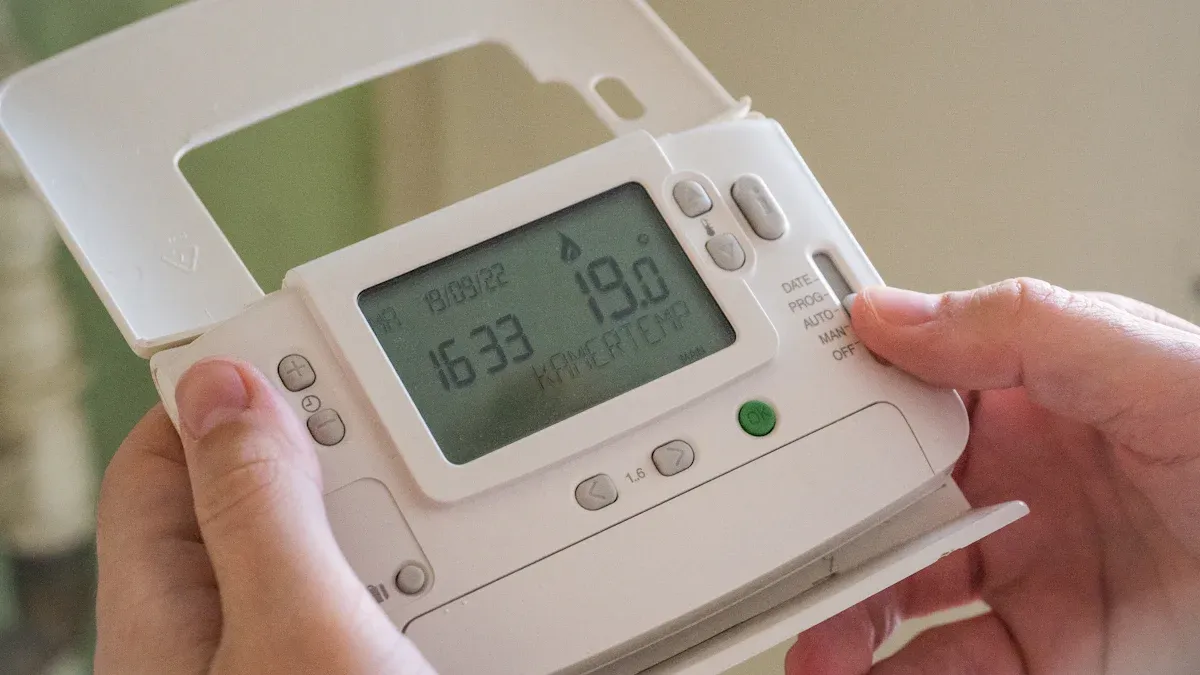
恒温器是供暖系统的控制中枢。您依赖该设备监测并调节温度,确保环境保持舒适与高效。理解恒温器的工作原理有助于您对住宅供暖与制冷系统做出明智决策。.
恒温器的功能
感知温度变化
您依靠恒温器感知空间内最细微的温度变化。设备内部的传感器检测当前温度,当温度低于设定值时,恒温器识别变化并准备启动加热元件。此过程确保系统能对环境变化作出快速响应。.
Mẹo: 请将恒温器安装在远离阳光直射或气流的位置,此类布置有助于传感器提供准确读数。.
设定目标温度
您可通过恒温器的控制界面设定偏好温度。一旦选定目标温度值,恒温器将通过按需启停加热元件来维持该温度。此功能使您能自主掌控舒适度与能耗。您可随时根据日常生活节奏或季节需求调整设置。.
恒温器类型
手动恒温器
手动恒温器操作直观,通过旋钮或拨杆调节温度。这类型号采用简单的机械或电子元件感知温度并控制加热元件。您可享受其可靠性与易用性,尤其适合偏好手动控制的用户。.
- Ưu điểm: 操作简单、经济实惠、性能可靠
- Nhược điểm: 无编程功能、温度控制精度较低
可编程与智能恒温器
可编程及智能恒温器为现代住宅提供先进功能。您可以设置全天自动调节温度的时间程序。智能恒温器支持Wi-Fi连接,允许通过手机或电脑远程控制系统。这些设备通常能学习用户习惯,并优化能耗以实现最高效率。.
| Tính năng | 可编程恒温器 | 智能恒温器 |
|---|---|---|
| 程序调度 | ✔️ | ✔️ |
| 随时随地调节温度设置,提升便利性与舒适度。 | ❌ | ✔️ |
| 学习能力 | ❌ | ✔️ |
| 能耗报告 | ❌ | ✔️ |
Ghi chú: 升级至可编程或智能恒温器有助于节约能源并提升舒适度。.
A thermostat plays a crucial role in your heating system. By choosing the right type and using it effectively, you ensure consistent comfort and efficient operation.
How Heating Elements and Thermostats Work Together
The Step-by-Step Process
Thermostat Detects Room or Water Temperature
You rely on the thermostat to monitor the temperature in your home or inside your water heater. The thermostat uses a sensor to measure the current temperature of the air or water. When you set your preferred temperature, the thermostat constantly checks if the environment matches your choice. In a water heater, the thermostat senses the water temperature inside the tank. In a room, it measures the air temperature. This constant monitoring ensures that your heating system responds quickly to any changes.
Mẹo: Place your thermostat in a central location for the most accurate temperature readings.
Sending Signals to the Heating Element
Once the thermostat detects that the temperature has dropped below your set point, it sends an electrical signal to the heating element. This signal acts as a command for the heating element to start working. In a water heater, the thermostat activates the heating element inside the tank. In a home heating system, the thermostat triggers the heating element in the furnace or baseboard unit. This process happens automatically, so you do not need to adjust anything manually.
- The thermostat acts as the decision-maker.
- The heating element responds to the thermostat’s signal.
- The system works together to deliver heat exactly when you need it.
Turning the Heating Element On and Off
The thermostat continues to monitor the temperature as the heating element operates. When the temperature reaches your desired level, the thermostat sends another signal to turn off the heating element. This cycle repeats as needed to maintain a steady temperature. In a water heater, the thermostat prevents the water from getting too hot or too cold. In a room, it keeps the air at a comfortable level. You benefit from this automatic process because it saves energy and keeps your environment safe.
Ghi chú: This on-and-off cycling helps extend the life of both the thermostat and the heating element.
Maintaining the Set Temperature
防止过热
You depend on the thermostat to prevent overheating in your home or water heater. The thermostat shuts off the heating element as soon as the temperature reaches the set point. This safety feature protects your appliances and reduces the risk of damage or fire. In a water heater, the thermostat ensures that the water never gets dangerously hot. In a room, it keeps the air from becoming uncomfortably warm. You can trust this system to maintain safe heating levels at all times.
| System | How Overheating Is Prevented |
|---|---|
| 水加热器 | Thermostat cuts power to heating element when water reaches set temperature |
| Room Heating | Thermostat turns off heating element when air reaches set temperature |
Ensuring Consistent Comfort
You experience consistent comfort because the thermostat and heating element work together seamlessly. The thermostat makes small adjustments to keep the temperature steady. In a water heater, you always have hot water ready for showers or cleaning. In your living space, you enjoy a warm and cozy environment, even when outdoor temperatures change. The heating system adapts to your needs without constant attention.
Chú thích: Regular maintenance of your thermostat and heating element ensures reliable heating and extends the life of your water heater and home heating system.
You can see how the thermostat and heating element form a reliable team. This partnership keeps your water heater and home heating system running smoothly, providing safety, efficiency, and comfort every day.
Why Their Coordination Matters
Hiệu quả năng lượng
Reducing Wasted Energy
You want your heating system to work efficiently. When the thermostat and heating element coordinate, you avoid unnecessary energy use. The thermostat senses the exact temperature and activates the heating element only when needed. This process prevents the system from running longer than required. You save energy because the heating element does not operate when your space or water already meets your preferred temperature.
Mẹo: Set your thermostat to the lowest comfortable temperature in winter. This small change can reduce wasted energy and extend the life of your heating equipment.
降低公用事业费用
You notice lower utility bills when your heating system runs efficiently. The thermostat ensures the heating element cycles on and off at the right times. You do not pay for extra energy that does not improve comfort. Over time, this coordination leads to significant savings. You can invest those savings in other home improvements or enjoy peace of mind knowing your heating costs stay under control.
安全注意事项
Preventing Overheating and Fire Risks
You rely on the thermostat to protect your home from overheating. If the heating element runs too long, temperatures can rise to unsafe levels. The thermostat detects this and shuts off the heating element before it becomes a hazard. This safety feature reduces the risk of fire and damage to your appliances. You keep your family and property safe by trusting the thermostat to monitor your heating system.
Automatic Shut-Off Features
Modern heating systems include automatic shut-off features. The thermostat controls these functions. If the system senses a problem, such as a stuck heating element, the thermostat cuts power immediately. You benefit from this extra layer of protection. You do not need to worry about leaving the heating system unattended. The thermostat controls give you confidence in your home’s safety.
| Tính năng an toàn | 工作原理 |
|---|---|
| Bảo vệ quá nhiệt | Thermostat turns off heating element |
| Fault Detection | Thermostat cuts power if system malfunctions |
Comfort and Convenience
稳定的室内温度
You enjoy stable indoor temperatures because of the precise coordination between the thermostat and heating element. The thermostat makes small adjustments to keep your environment comfortable. You do not experience sudden temperature swings. Your heating system responds quickly to changes, so you always feel at ease in your home.
用户友好型控制
You find modern thermostat controls easy to use. You can set your desired temperature with just a few button presses or taps. Many systems offer clear displays and simple menus. You adjust your heating preferences without confusion. This convenience makes it easy to maintain comfort and efficiency every day.
Ghi chú: Regularly check your thermostat settings to ensure your heating system matches your lifestyle and comfort needs.
Common Heating Systems Using Heating Elements and Thermostats
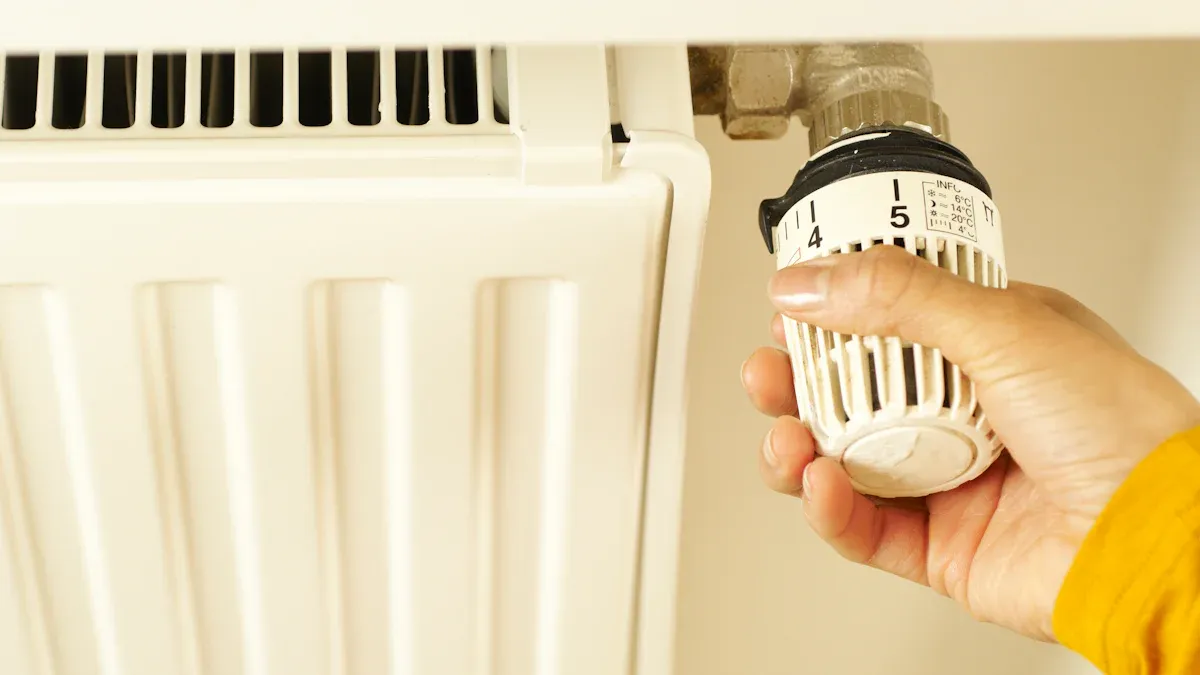
Home Furnaces with Electric Heating Elements
How Furnaces Use Heating Elements and Thermostats
You often rely on home furnaces with electric heating elements to maintain a comfortable indoor environment. The furnace contains a powerful heating element that warms the air as it passes over or through the unit. The thermostat monitors the room temperature and signals the heating element to activate when the temperature drops below your set point. Once the air reaches the desired warmth, the thermostat turns off the heating element. This cycle repeats throughout the day to keep your home at a steady temperature.
Mẹo: Regularly check your furnace filter. Clean filters help the heating element work efficiently and extend the life of your system.
Electric Water Heater Systems
How Water Heater Elements and Thermostats Work Together
You depend on an electric water heater for reliable hot water in your home. Inside the tank, one or more water heater elements heat the water to your preferred temperature. The thermostat senses the water temperature and controls the operation of each water heater element. When the water cools, the thermostat signals the water heater element to turn on. As soon as the water reaches the set temperature, the thermostat shuts off the water heater element. This process ensures you always have hot water ready for showers, cleaning, or cooking.
A typical electric water heater uses the following process:
- The thermostat measures the water temperature inside the tank.
- If the water is too cool, the thermostat activates the water heater element.
- The water heater element heats the water until it reaches the set temperature.
- The thermostat turns off the water heater element to prevent overheating.
| Thành phần | Chức năng |
|---|---|
| Bộ điều nhiệt | Monitors and controls water temperature |
| Water heater element | Heats the water inside the tank |
You can improve efficiency by setting your electric water heater to 120°F. This temperature provides enough hot water for most needs and reduces energy use.
Water Heater Elements in Residential Water Heaters
Dual Element Water Heater Operation
Many residential water heaters use two water heater elements for faster and more efficient heating. You find one water heater element near the top of the tank and another near the bottom. The thermostat manages both elements to ensure even heating throughout the tank. When you use hot water, the thermostat first activates the upper water heater element to quickly heat the incoming cold water. Once the upper part of the tank reaches the set temperature, the thermostat switches to the lower water heater element. This element heats the rest of the water, ensuring you have a full tank of hot water.
Ghi chú: If you notice inconsistent water temperatures, one of your water heater elements may need replacement.
You benefit from dual element water heater operation because it provides a steady supply of hot water, even during periods of high demand. The thermostat and water heater elements work together to prevent overheating and maintain safe, efficient heating.
Electric Baseboard Heaters
Room-by-Room Temperature Control
You gain precise control over your home’s comfort with electric baseboard heaters. These units use electric heating elements to warm individual rooms. You install them along the base of walls, usually beneath windows. The design allows heat to rise naturally, creating a gentle and even warmth throughout the space.
You can set a separate thermostat for each baseboard heater. This feature lets you adjust the temperature in each room independently. If you spend most of your time in one area, you can lower the heat in unused rooms. You save energy and reduce utility costs by heating only the spaces you use.
Mẹo: Keep furniture and curtains away from baseboard heaters. This practice ensures proper airflow and maximizes efficiency.
Electric baseboard heaters operate quietly. You do not need to worry about noisy fans or blowers. The electric heating elements inside the units heat up quickly and respond to thermostat adjustments almost instantly. You experience consistent comfort without waiting for the whole house to warm up.
Here is a quick comparison of electric baseboard heaters and central heating systems:
| Tính năng | Electric Baseboard Heaters | 中央供暖系统 |
|---|---|---|
| Room-by-room control | ✔️ | ❌ |
| Installation complexity | Thấp | Cao |
| Noise level | Very low | Vừa phải |
| Initial cost | Thấp hơn | Cao hơn |
You find electric baseboard heaters especially useful in additions, basements, or rooms that need extra warmth. The combination of electric heating elements and individual thermostats gives you unmatched flexibility.
Space Heaters with Electric Heating Elements
Portable Heating Solutions
You often need a quick and flexible way to add warmth to a specific area. Space heaters with electric heating elements provide a portable solution. You can move these units from room to room as needed. The electric heating elements inside generate heat rapidly, making them ideal for spot heating.
You choose from several types of space heaters, including ceramic, fan-forced, and radiant models. Each type uses electric heating elements to deliver targeted warmth. You plug the unit into a standard outlet and adjust the built-in thermostat for your desired comfort level.
- Ceramic heaters: Use ceramic plates and aluminum baffles to spread heat evenly.
- Fan-forced heaters: Use a fan to distribute heat from the electric heating elements quickly.
- Radiant heaters: Emit infrared heat that warms people and objects directly.
Báo động: Always follow safety guidelines when using space heaters. Place them on flat surfaces and keep them away from flammable materials.
You benefit from the portability and convenience of these heaters. You do not need to heat your entire home just to warm a single room. The electric heating elements inside space heaters offer efficient and reliable performance for temporary or supplemental heating needs.
Troubleshooting and Maintenance Tips for Heating Elements and Thermostats
Signs of Problems
温度不稳定
You may notice your heating system or water heater does not maintain a steady temperature. Inconsistent water temperature often signals an issue with the thermostat or heating element. If your showers suddenly turn cold or your rooms feel chilly despite the system running, you should investigate further. Sometimes, mineral buildup on the heating element in your water heater causes uneven heating. You might also find that a faulty thermostat fails to sense the correct temperature, leading to unpredictable performance.
Mẹo: If you experience inconsistent temperatures, start by checking your thermostat settings and ensure they match your comfort needs.
System Not Turning On or Off
You expect your heating system or water heater to respond when you adjust the thermostat. If the system does not turn on or off as expected, you could face a malfunctioning thermostat or a failed heating element. A lack of hot water in your home often points to a problem with the water heater. You should listen for unusual noises or look for warning lights on your unit. These signs help you identify issues before they become major problems.
Basic Maintenance Steps
清洁与检查
You can extend the life of your heating system and water heater with regular cleaning and inspection. Dust and debris often collect around thermostats and heating elements, reducing efficiency. For your water heater, you should drain the tank periodically to remove sediment. This step helps prevent damage to the heating element and ensures consistent hot water. When cleaning, always turn off the power to your system for safety.
简易维护清单包括:
- Inspecting thermostat wiring for wear or corrosion
- Checking for mineral buildup on water heater elements
- Cleaning dust from baseboard heaters and thermostats
- Testing water heater components with a multimeter
Báo động: Never attempt to clean or repair electrical components without shutting off the power supply.
Khi nào nên gọi cho chuyên gia
You can handle basic cleaning and visual inspections, but some issues require expert attention. If you suspect a faulty thermostat or damaged heating element, contact a licensed technician. Replacing heating elements in a water heater involves working with electricity and water, which can be dangerous without proper training. If you have repeated problems, such as inconsistent water temperature or a persistent lack of hot water, a professional can perform advanced diagnostics, including testing water heater components.
A technician uses specialized tools for testing water heater components and can recommend repairs or replacements. You protect your investment and ensure safe operation by relying on professional service when needed.
Ghi chú: Schedule annual maintenance for your water heater and heating system to catch problems early and maintain peak efficiency.
Upgrading for Better Performance in Water Heaters and Heating Systems
Benefits of Modern Thermostats
Smart Features and Remote Control
You can transform your heating experience by upgrading to a modern thermostat. Newer models offer smart features that give you more control over your water heater and home heating systems. With a smart thermostat, you can set schedules for your water heater to match your daily routine. This scheduling helps you avoid heating water when you do not need it, which saves energy and reduces costs.
Many smart thermostats connect to your smartphone or tablet. You can adjust your water heater settings from anywhere, even when you are not at home. If you forget to lower the temperature before leaving, you can make changes remotely. Some models provide energy usage reports, so you can track how much energy your water heater uses each month. This information helps you make informed decisions about your heating habits.
Mẹo: Use the remote control feature to turn on your water heater before you arrive home. You will always have hot water ready when you need it.
Smart thermostats also learn your preferences over time. They can automatically adjust the temperature of your water heater based on your patterns. You gain convenience and efficiency without sacrificing comfort.
Choosing the Right Electric Heating Element
Efficiency and Compatibility
Selecting the right electric heating element for your water heater ensures reliable performance and energy savings. You should always check the specifications of your water heater before purchasing a replacement water heater element. The correct size and wattage guarantee that your water heater heats water efficiently and safely.
You will find several types of water heater elements, such as screw-in and bolt-in models. Each type fits specific water heater designs. Using the wrong element can reduce efficiency or even damage your water heater. Always match the new water heater element to your unit’s requirements.
| Type of Water Heater Element | Common Application | 能效等级 |
|---|---|---|
| Vặn vít | Most modern water heaters | Cao |
| Bolt-in | Older water heaters | Vừa phải |
You should also consider the material of the water heater element. Copper elements heat quickly but may corrode faster in hard water. Stainless steel elements resist corrosion and last longer, especially in areas with mineral-rich water. Choosing the right material helps your water heater maintain consistent hot water and reduces maintenance needs.
Báo động: Always turn off power to your water heater before inspecting or replacing a water heater element. Safety comes first.
Upgrading your water heater with a compatible and efficient water heater element, along with a smart thermostat, gives you better control, improved safety, and lower energy bills. You ensure your water heater delivers hot water when you need it most.
You depend on the partnership between heating elements and thermostats to keep your home and water heater running efficiently. When you maintain your water heater, you ensure reliable hot water for daily tasks. A well-functioning water heater provides comfort and safety. You save energy by letting your water heater operate only when needed. Regular checks help your water heater last longer. You avoid unexpected breakdowns by inspecting your water heater. Trust your water heater to deliver consistent performance. Take time to appreciate your water heater and keep it in top condition.
Câu hỏi thường gặp
How often should you replace a thermostat or heating element?
您应每年检查一次恒温器和加热元件。大多数设备的使用寿命为7-10年。若发现温度不稳定、频繁启停或对设置无响应,请及时更换。.
您可以自行安装新恒温器吗?
使用基本工具并采取安全措施即可安装手动恒温器。若安装可编程或智能恒温器,或存在任何疑虑,请聘请持证专业人员以确保正确接线和安全操作。.
为何热水器热水迅速耗尽?
此问题通常由加热元件或恒温器故障引起。水垢沉积也会降低效率。请检查这两个部件并定期冲洗内胆,以维持稳定的热水供应。.
应将热水器温度设置为多少?
将热水器温度设定为120°F(约49°C)。此温度可满足大多数使用需求,同时降低烫伤风险并避免能源浪费。.
如何判断加热元件是否故障?
您可能会注意到加热缓慢、温度不均或完全无法加热。使用万用表检测元件通断性,若无电流通过则需更换。.
智能恒温器兼容所有供暖系统吗?
大多数智能恒温器适用于标准电力、燃气或燃油系统。购买前请确认系统电压与线路配置。查阅制造商兼容性指南可获得最佳适配方案。.
恒温器需要哪些维护?
定期清洁恒温器灰尘并检查线路松动情况。数字型号需按需更换电池。每年安排专业检测以确保温度控制精准度。.
故障恒温器会导致能源费用增加吗?
是的。故障恒温器可能使系统超需运行,导致能源浪费和公用事业成本上升。定期检查有助于预防此问题。.