暖房器具や給湯器では、発熱体とサーモスタットを利用して生活空間や湯温を最適な温度に保ちます。サーモスタットは温度変化を検知し、必要に応じて加熱プロセスを起動します。この連携により、室内暖房システムでも給湯器でも、常に一定の温かさを享受できます。暖房システムが環境変化に対応するたびに、快適性、安全性、エネルギー効率の恩恵を受けられます。.
発熱体とは
発熱体の役割
発熱体の加熱原理
You depend on a 電熱線 to convert electrical energy into heat. When you turn on a device, electric current flows through the electric heating elements. These elements resist the flow of electricity, which causes them to heat up. The heat then transfers to the surrounding air, water, or surface. This process allows you to control the temperature in your home or appliance with precision.
ヒント 電気発熱体は、家電内部のコイル状または棒状の形状で容易に識別できます。.
電気発熱体の種類
電気発熱体には複数の種類があり、それぞれ特定の用途に設計されています。主な種類は以下の通りです:
- 金属コイル式発熱体: ニクロムなどの金属線を使用し、トースターやスペースヒーターに採用されています。.
- セラミック発熱体: 安定した均一加熱を実現し、ヘアドライヤーやルームヒーターに多用されます。.
- 管状発熱体: 密閉された棒状構造で、電気温水器や食器洗い機の水加熱に使用されます。.
- 石英発熱体: 急速な放射加熱を提供し、赤外線ヒーターに適しています。.
各タイプの電気発熱体には独自の利点があり、加熱要件と機器の仕様に基づいて適切なものを選択すべきです。.
発熱体の使用箇所
一般的な家庭用電化製品
電気発熱体は日常生活の様々な場面で、意識せずに使用されています。具体例を以下に示します:
- オーブンとコンロ: 電気発熱体が食材を均一に加熱調理します。.
- トースターとトースターオーブン: 露出コイルを用いてパンを焼き色付けします。.
- 衣類乾燥機: 電気発熱体が洗濯物を効率的に乾燥させます。.
- コーヒーメーカー: 朝の一杯のために素早く湯沸かしを行います。.
注: 定期的な機器清掃は、電気発熱体の効率維持に寄与します。.
セントラルヒーティングシステム
セントラルヒーティングシステムでも電気発熱体の恩恵を受けています。これらのシステムは強力な発熱体で空気や水を加熱し、家中に循環させます。寒冷期には、これらのシステムによる一貫した全館暖房を頼りにできます。暖房炉やボイラー内の電気発熱体は、外気温が低下しても快適な室内環境を維持します。.
| 機器/システム | 電気発熱体の種類 | 主な機能 |
|---|---|---|
| オーブン | 金属コイル | 調理/焼成 |
| 給湯器 | チューブラー | 管状発熱体 |
| 湯沸かし | スペースヒーター | セラミック/石英 |
| 室内暖房 | セントラル暖房炉 | 金属コイル/管状 |
全館暖房.
電気発熱体が小型家電から大型暖房システムまで重要な役割を担っていることがわかります。その信頼性と効率性は、現代生活に不可欠な要素です。
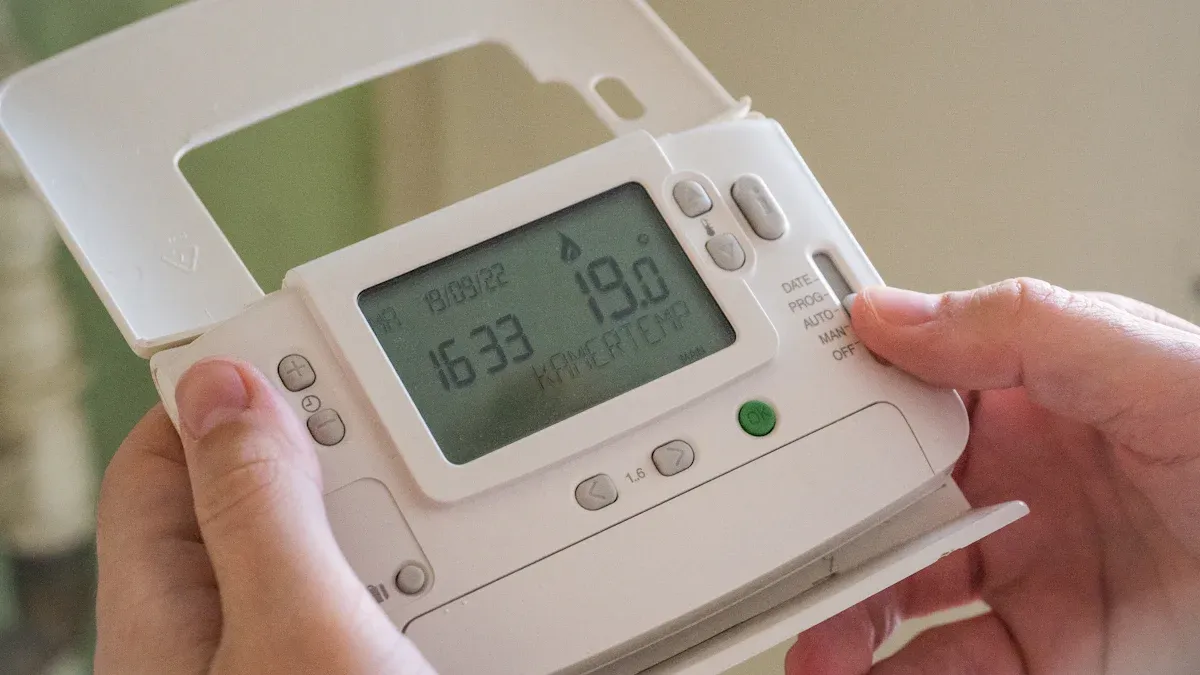
サーモスタットとは.
サーモスタットは暖房システムの制御中枢として機能します。この装置が温度を監視・調節することで、快適で効率的な環境が維持されます。サーモスタットの動作原理を理解することは、住宅の冷暖房に関する適切な判断に役立ちます。
サーモスタットの機能
温度変化の検知.
ヒント サーモスタットは空間の微細な温度変化も検知します。内部センサーが現在の温度を感知し、設定温度を下回ると変化を認識して発熱体の作動準備を行います。このプロセスにより、システムが環境変化に迅速に対応できます。.
サーモスタットは直射日光や風の通り道から離して設置してください。この配置によりセンサーが正確な測定値を提供します。
目標温度の設定.
サーモスタットの操作部で好みの温度を設定します。目標温度を選択すると、サーモスタットは必要に応じて発熱体のオン/オフを制御して温度を維持します。この機能により、快適性とエネルギー使用量を管理できます。日常生活や季節の変化に合わせて、いつでも設定を調整可能です。
サーモスタットの種類
手動式サーモスタット.
- 長所だ: 手動式サーモスタットは直感的に操作できます。ダイヤルやレバーで温度を調整し、シンプルな機械式または電気部品で温度を感知して発熱体を制御します。特に直接的な制御を好む場合に、信頼性と使いやすさの恩恵を受けられます。
- 短所だ: 操作が簡単、価格が手頃、信頼性が高い
スケジュール機能なし、温度制御の精度が低い
プログラム式およびスマートサーモスタット.
| 特徴 | プログラム式およびスマートサーモスタットは、現代住宅向けの高度な機能を提供します。一日を通して温度を自動調整するスケジュール設定が可能です。スマートサーモスタットはWi-Fi接続機能により、スマートフォンやパソコンから遠隔でシステムを制御できます。これらの機器は利用者の習慣を学習し、エネルギー使用を最適化して最大効率を実現します。 | プログラム式サーモスタット |
|---|---|---|
| スマートサーモスタット | ✔️ | ✔️ |
| どこからでも温度設定を調整でき、利便性と快適性が向上。 | ❌ | ✔️ |
| Learning Capabilities | ❌ | ✔️ |
| Energy Reports | ❌ | ✔️ |
注: Upgrading to a programmable or smart thermostat can help you save energy and improve comfort.
A thermostat plays a crucial role in your heating system. By choosing the right type and using it effectively, you ensure consistent comfort and efficient operation.
How Heating Elements and Thermostats Work Together
The Step-by-Step Process
Thermostat Detects Room or Water Temperature
You rely on the thermostat to monitor the temperature in your home or inside your water heater. The thermostat uses a sensor to measure the current temperature of the air or water. When you set your preferred temperature, the thermostat constantly checks if the environment matches your choice. In a water heater, the thermostat senses the water temperature inside the tank. In a room, it measures the air temperature. This constant monitoring ensures that your heating system responds quickly to any changes.
ヒント Place your thermostat in a central location for the most accurate temperature readings.
Sending Signals to the Heating Element
Once the thermostat detects that the temperature has dropped below your set point, it sends an electrical signal to the heating element. This signal acts as a command for the heating element to start working. In a water heater, the thermostat activates the heating element inside the tank. In a home heating system, the thermostat triggers the heating element in the furnace or baseboard unit. This process happens automatically, so you do not need to adjust anything manually.
- The thermostat acts as the decision-maker.
- The heating element responds to the thermostat’s signal.
- The system works together to deliver heat exactly when you need it.
Turning the Heating Element On and Off
The thermostat continues to monitor the temperature as the heating element operates. When the temperature reaches your desired level, the thermostat sends another signal to turn off the heating element. This cycle repeats as needed to maintain a steady temperature. In a water heater, the thermostat prevents the water from getting too hot or too cold. In a room, it keeps the air at a comfortable level. You benefit from this automatic process because it saves energy and keeps your environment safe.
注: This on-and-off cycling helps extend the life of both the thermostat and the heating element.
Maintaining the Set Temperature
Preventing Overheating
You depend on the thermostat to prevent overheating in your home or water heater. The thermostat shuts off the heating element as soon as the temperature reaches the set point. This safety feature protects your appliances and reduces the risk of damage or fire. In a water heater, the thermostat ensures that the water never gets dangerously hot. In a room, it keeps the air from becoming uncomfortably warm. You can trust this system to maintain safe heating levels at all times.
| System | How Overheating Is Prevented |
|---|---|
| 給湯器 | Thermostat cuts power to heating element when water reaches set temperature |
| Room Heating | Thermostat turns off heating element when air reaches set temperature |
Ensuring Consistent Comfort
You experience consistent comfort because the thermostat and heating element work together seamlessly. The thermostat makes small adjustments to keep the temperature steady. In a water heater, you always have hot water ready for showers or cleaning. In your living space, you enjoy a warm and cozy environment, even when outdoor temperatures change. The heating system adapts to your needs without constant attention.
叫ぶ: Regular maintenance of your thermostat and heating element ensures reliable heating and extends the life of your water heater and home heating system.
You can see how the thermostat and heating element form a reliable team. This partnership keeps your water heater and home heating system running smoothly, providing safety, efficiency, and comfort every day.
Why Their Coordination Matters
エネルギー効率
Reducing Wasted Energy
You want your heating system to work efficiently. When the thermostat and heating element coordinate, you avoid unnecessary energy use. The thermostat senses the exact temperature and activates the heating element only when needed. This process prevents the system from running longer than required. You save energy because the heating element does not operate when your space or water already meets your preferred temperature.
ヒント Set your thermostat to the lowest comfortable temperature in winter. This small change can reduce wasted energy and extend the life of your heating equipment.
光熱費の削減
You notice lower utility bills when your heating system runs efficiently. The thermostat ensures the heating element cycles on and off at the right times. You do not pay for extra energy that does not improve comfort. Over time, this coordination leads to significant savings. You can invest those savings in other home improvements or enjoy peace of mind knowing your heating costs stay under control.
安全への配慮
Preventing Overheating and Fire Risks
You rely on the thermostat to protect your home from overheating. If the heating element runs too long, temperatures can rise to unsafe levels. The thermostat detects this and shuts off the heating element before it becomes a hazard. This safety feature reduces the risk of fire and damage to your appliances. You keep your family and property safe by trusting the thermostat to monitor your heating system.
Automatic Shut-Off Features
Modern heating systems include automatic shut-off features. The thermostat controls these functions. If the system senses a problem, such as a stuck heating element, the thermostat cuts power immediately. You benefit from this extra layer of protection. You do not need to worry about leaving the heating system unattended. The thermostat controls give you confidence in your home’s safety.
| 安全機能 | 動作原理 |
|---|---|
| 過熱保護 | Thermostat turns off heating element |
| Fault Detection | Thermostat cuts power if system malfunctions |
Comfort and Convenience
安定した室内温度
You enjoy stable indoor temperatures because of the precise coordination between the thermostat and heating element. The thermostat makes small adjustments to keep your environment comfortable. You do not experience sudden temperature swings. Your heating system responds quickly to changes, so you always feel at ease in your home.
User-Friendly Controls
You find modern thermostat controls easy to use. You can set your desired temperature with just a few button presses or taps. Many systems offer clear displays and simple menus. You adjust your heating preferences without confusion. This convenience makes it easy to maintain comfort and efficiency every day.
注: Regularly check your thermostat settings to ensure your heating system matches your lifestyle and comfort needs.
Common Heating Systems Using Heating Elements and Thermostats
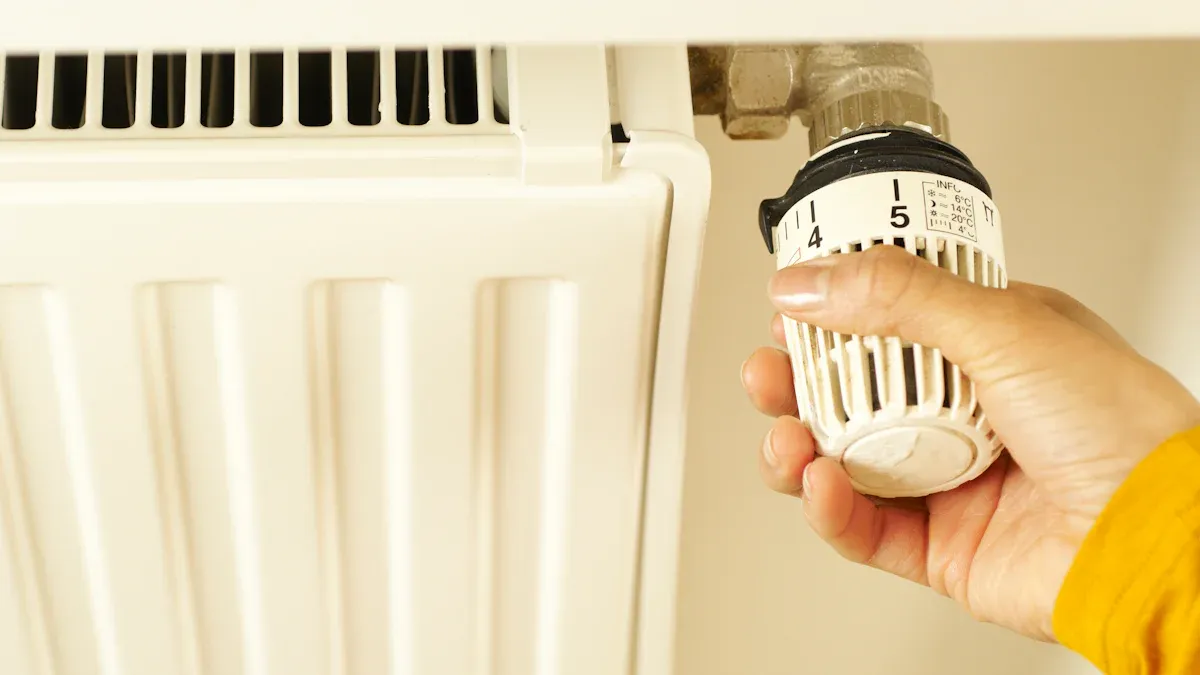
Home Furnaces with Electric Heating Elements
How Furnaces Use Heating Elements and Thermostats
You often rely on home furnaces with electric heating elements to maintain a comfortable indoor environment. The furnace contains a powerful heating element that warms the air as it passes over or through the unit. The thermostat monitors the room temperature and signals the heating element to activate when the temperature drops below your set point. Once the air reaches the desired warmth, the thermostat turns off the heating element. This cycle repeats throughout the day to keep your home at a steady temperature.
ヒント Regularly check your furnace filter. Clean filters help the heating element work efficiently and extend the life of your system.
Electric Water Heater Systems
How Water Heater Elements and Thermostats Work Together
You depend on an electric water heater for reliable hot water in your home. Inside the tank, one or more water heater elements heat the water to your preferred temperature. The thermostat senses the water temperature and controls the operation of each water heater element. When the water cools, the thermostat signals the water heater element to turn on. As soon as the water reaches the set temperature, the thermostat shuts off the water heater element. This process ensures you always have hot water ready for showers, cleaning, or cooking.
A typical electric water heater uses the following process:
- The thermostat measures the water temperature inside the tank.
- If the water is too cool, the thermostat activates the water heater element.
- The water heater element heats the water until it reaches the set temperature.
- The thermostat turns off the water heater element to prevent overheating.
| 成分 | 機能 |
|---|---|
| サーモスタット | Monitors and controls water temperature |
| Water heater element | Heats the water inside the tank |
You can improve efficiency by setting your electric water heater to 120°F. This temperature provides enough hot water for most needs and reduces energy use.
Water Heater Elements in Residential Water Heaters
Dual Element Water Heater Operation
Many residential water heaters use two water heater elements for faster and more efficient heating. You find one water heater element near the top of the tank and another near the bottom. The thermostat manages both elements to ensure even heating throughout the tank. When you use hot water, the thermostat first activates the upper water heater element to quickly heat the incoming cold water. Once the upper part of the tank reaches the set temperature, the thermostat switches to the lower water heater element. This element heats the rest of the water, ensuring you have a full tank of hot water.
注: If you notice inconsistent water temperatures, one of your water heater elements may need replacement.
You benefit from dual element water heater operation because it provides a steady supply of hot water, even during periods of high demand. The thermostat and water heater elements work together to prevent overheating and maintain safe, efficient heating.
Electric Baseboard Heaters
Room-by-Room Temperature Control
You gain precise control over your home’s comfort with electric baseboard heaters. These units use electric heating elements to warm individual rooms. You install them along the base of walls, usually beneath windows. The design allows heat to rise naturally, creating a gentle and even warmth throughout the space.
You can set a separate thermostat for each baseboard heater. This feature lets you adjust the temperature in each room independently. If you spend most of your time in one area, you can lower the heat in unused rooms. You save energy and reduce utility costs by heating only the spaces you use.
ヒント Keep furniture and curtains away from baseboard heaters. This practice ensures proper airflow and maximizes efficiency.
Electric baseboard heaters operate quietly. You do not need to worry about noisy fans or blowers. The electric heating elements inside the units heat up quickly and respond to thermostat adjustments almost instantly. You experience consistent comfort without waiting for the whole house to warm up.
Here is a quick comparison of electric baseboard heaters and central heating systems:
| 特徴 | Electric Baseboard Heaters | セントラルヒーティングシステム |
|---|---|---|
| Room-by-room control | ✔️ | ❌ |
| Installation complexity | 低い | 高い |
| Noise level | Very low | 中程度 |
| Initial cost | より低い | より高い |
You find electric baseboard heaters especially useful in additions, basements, or rooms that need extra warmth. The combination of electric heating elements and individual thermostats gives you unmatched flexibility.
Space Heaters with Electric Heating Elements
Portable Heating Solutions
You often need a quick and flexible way to add warmth to a specific area. Space heaters with electric heating elements provide a portable solution. You can move these units from room to room as needed. The electric heating elements inside generate heat rapidly, making them ideal for spot heating.
You choose from several types of space heaters, including ceramic, fan-forced, and radiant models. Each type uses electric heating elements to deliver targeted warmth. You plug the unit into a standard outlet and adjust the built-in thermostat for your desired comfort level.
- Ceramic heaters: Use ceramic plates and aluminum baffles to spread heat evenly.
- Fan-forced heaters: Use a fan to distribute heat from the electric heating elements quickly.
- Radiant heaters: Emit infrared heat that warms people and objects directly.
警告だ: Always follow safety guidelines when using space heaters. Place them on flat surfaces and keep them away from flammable materials.
You benefit from the portability and convenience of these heaters. You do not need to heat your entire home just to warm a single room. The electric heating elements inside space heaters offer efficient and reliable performance for temporary or supplemental heating needs.
Troubleshooting and Maintenance Tips for Heating Elements and Thermostats
Signs of Problems
Inconsistent Temperatures
You may notice your heating system or water heater does not maintain a steady temperature. Inconsistent water temperature often signals an issue with the thermostat or heating element. If your showers suddenly turn cold or your rooms feel chilly despite the system running, you should investigate further. Sometimes, mineral buildup on the heating element in your water heater causes uneven heating. You might also find that a faulty thermostat fails to sense the correct temperature, leading to unpredictable performance.
ヒント If you experience inconsistent temperatures, start by checking your thermostat settings and ensure they match your comfort needs.
System Not Turning On or Off
You expect your heating system or water heater to respond when you adjust the thermostat. If the system does not turn on or off as expected, you could face a malfunctioning thermostat or a failed heating element. A lack of hot water in your home often points to a problem with the water heater. You should listen for unusual noises or look for warning lights on your unit. These signs help you identify issues before they become major problems.
Basic Maintenance Steps
Cleaning and Inspection
You can extend the life of your heating system and water heater with regular cleaning and inspection. Dust and debris often collect around thermostats and heating elements, reducing efficiency. For your water heater, you should drain the tank periodically to remove sediment. This step helps prevent damage to the heating element and ensures consistent hot water. When cleaning, always turn off the power to your system for safety.
A simple maintenance checklist includes:
- Inspecting thermostat wiring for wear or corrosion
- Checking for mineral buildup on water heater elements
- Cleaning dust from baseboard heaters and thermostats
- Testing water heater components with a multimeter
警告だ: Never attempt to clean or repair electrical components without shutting off the power supply.
プロを呼ぶタイミング
You can handle basic cleaning and visual inspections, but some issues require expert attention. If you suspect a faulty thermostat or damaged heating element, contact a licensed technician. Replacing heating elements in a water heater involves working with electricity and water, which can be dangerous without proper training. If you have repeated problems, such as inconsistent water temperature or a persistent lack of hot water, a professional can perform advanced diagnostics, including testing water heater components.
A technician uses specialized tools for testing water heater components and can recommend repairs or replacements. You protect your investment and ensure safe operation by relying on professional service when needed.
注: Schedule annual maintenance for your water heater and heating system to catch problems early and maintain peak efficiency.
Upgrading for Better Performance in Water Heaters and Heating Systems
Benefits of Modern Thermostats
Smart Features and Remote Control
You can transform your heating experience by upgrading to a modern thermostat. Newer models offer smart features that give you more control over your water heater and home heating systems. With a smart thermostat, you can set schedules for your water heater to match your daily routine. This scheduling helps you avoid heating water when you do not need it, which saves energy and reduces costs.
Many smart thermostats connect to your smartphone or tablet. You can adjust your water heater settings from anywhere, even when you are not at home. If you forget to lower the temperature before leaving, you can make changes remotely. Some models provide energy usage reports, so you can track how much energy your water heater uses each month. This information helps you make informed decisions about your heating habits.
ヒント Use the remote control feature to turn on your water heater before you arrive home. You will always have hot water ready when you need it.
Smart thermostats also learn your preferences over time. They can automatically adjust the temperature of your water heater based on your patterns. You gain convenience and efficiency without sacrificing comfort.
Choosing the Right Electric Heating Element
Efficiency and Compatibility
Selecting the right electric heating element for your water heater ensures reliable performance and energy savings. You should always check the specifications of your water heater before purchasing a replacement water heater element. The correct size and wattage guarantee that your water heater heats water efficiently and safely.
給湯器の加熱素子には、ねじ込み式やボルト固定式など複数の種類があります。各種類は特定の給湯器設計に対応しています。誤った素子を使用すると効率が低下するだけでなく、給湯器を損傷する可能性があります。新しい加熱素子は必ずユニットの要件に適合するものを選択してください。.
| 給湯器加熱素子の種類 | 主な用途 | 効率レベル |
|---|---|---|
| ねじ込み式 | 最新式給湯器のほとんど | 高い |
| ボルトイン式 | 旧式給湯器 | 中程度 |
給湯器ヒーターの材質も考慮すべきです。銅製ヒーターは速熱性に優れますが、硬水では腐食が早まる可能性があります。ステンレス鋼製ヒーターは耐腐食性に優れ、特にミネラル豊富な水質地域では長寿命です。適切な材質を選ぶことで、給湯器の安定した温水供給が維持され、メンテナンス頻度を低減できます。.
警告だ: 給湯器ヒーターの点検・交換時は、必ず給湯器の電源を遮断してください。安全最優先です。.
互換性の高い高効率給湯器ヒーターとスマートサーモスタットへのアップグレードは、制御性の向上、安全性の強化、光熱費削減を実現します。必要な時に確実に温水を供給する給湯器を維持できます。.
住まいと給湯器の効率的な稼働は、加熱ヒーターとサーモスタットの協調に依存しています。給湯器を適切に維持することで、日々の生活に必要な温水を確実に供給できます。正常に機能する給湯器は、快適性と安全性を提供します。必要な時のみ作動させることで省エネルギーを実現します。定期点検は給湯器の長寿命化に寄与します。給湯器の点検により予期せぬ故障を回避できます。安定した性能を発揮する給湯器を信頼してください。給湯器の状態を確認し、最良の状態を維持する時間を確保しましょう。.
よくあるご質問
サーモスタットや加熱ヒーターの交換頻度は?
サーモスタットと加熱ヒーターは年1回点検すべきです。大半の製品寿命は7~10年です。温度ムラ、頻繁な作動停止、設定への無反応が確認された場合は交換してください。.
サーモスタットは自身で取り付け可能ですか?
手動式サーモスタットは基本工具と安全対策を講じれば自身で設置可能です。プログラム式やスマートサーモスタット、または不安がある場合は、適切な配線と安全な作動を確保するため有資格専門業者に依頼してください。.
給湯器の湯切れが早くなる理由は?
加熱ヒーターまたはサーモスタットの不具合が主な原因です。沈殿物の蓄積も効率低下を招きます。両部品を点検し、タンクを定期的に洗浄することで安定した温水供給を維持できます。.
給湯器の設定温度は?
給湯器は120°F(約49°C)に設定してください。この温度はほとんどの用途に十分な湯量を提供し、火傷リスクやエネルギー浪費を低減します。.
加熱ヒーターの故障はどのように判断しますか?
加熱速度の低下、温度ムラ、または全く加熱されない現象が発生します。マルチメーターでヒーターの導通をテストしてください。電気の流れを確認できない場合は交換が必要です。.
スマートサーモスタットは全ての暖房システムと互換性がありますか?
大半のスマートサーモスタットは標準的な電気・ガス・石油システムに対応しています。購入前にシステムの電圧と配線を確認してください。最適な結果を得るためメーカーの互換性ガイドを参照してください。.
サーモスタットに必要なメンテナンスは?
サーモスタットのほこりを定期的に拭き取り、配線の緩みを点検してください。デジタル式モデルは必要に応じて電池交換を行います。正確な温度制御を確保するため年1回の専門業者による点検を予定してください。.
故障したサーモスタットは光熱費を増加させますか?
はい。不具合のあるサーモスタットはシステムの不要な長時間作動を引き起こします。これによりエネルギー浪費と光熱費の上昇が生じます。定期点検はこの問題の防止に役立ちます。.