


There are few things more disruptive to a morning routine than a coffee machine that refuses to heat. You fill it with water and your favorite grounds, press the button, and… nothing but cold, sad water. When your brewer stops brewing hot coffee, one of the most common culprits is a failed Нагревательный элемент. This component is the heart of your machine, responsible for turning cold water into the lifeblood of your morning.
While a repair might sound daunting, for the confident DIYer, diagnosing and replacing a Нагревательный элемент кофемашины is an achievable and rewarding project. It can save you from the cost of a new machine and the waste of discarding an otherwise functional appliance. This guide will walk you through the process step-by-step, from diagnosis to replacement, empowering you to bring your beloved coffee maker back to life.
A CRUCIAL SAFETY WARNING: Before you begin, understand that this is not a beginner’s repair. You will be working with components that carry high-voltage electricity in close proximity to water. Safety is not optional—it is paramount.
- ALWAYS UNPLUG THE COFFEE MACHINE from the wall outlet before opening the casing or touching any internal components.
- ENSURE THE MACHINE IS COMPLETELY COOL. Heating elements and boilers can cause severe burns.
- EMPTY ALL WATER from the machine to prevent spills on electrical parts.
- If at any point you feel uncertain or uncomfortable, STOP and consult a professional appliance repair service. The risk of electric shock, water damage, or fire is real.
Understanding Your Coffee Machine’s Heating System
Coffee machines generally use one of two systems to heat water, and the replacement process will vary slightly depending on which type you have.
- Drip Coffee Makers: Most drip machines use a thermoblock or thermocoil system. Water is pumped from the reservoir through a metal block or tube that has a нагревательный элемент attached to or embedded in it. This allows for rapid, on-demand heating. The warming plate that keeps the carafe hot is a separate, lower-power нагревательный элемент.
- Espresso Machines & Percolators: These machines typically use a boiler. This is a small tank where a volume of water is held and heated by an immersed element. The element screws directly into the boiler and is sealed with a gasket. This design allows the machine to maintain a stable temperature and, in the case of espresso machines, to generate steam pressure.
Regardless of the system, the diagnostic and replacement principles for the heating element itself are very similar.
Common Failure Modes of Heating Elements
| Вид отказа | Описание | Primary Cause | Diagnostic Sign |
|---|---|---|---|
| Open Circuit | The internal filament of the element breaks, interrupting the electrical path. | Age, material fatigue, manufacturing defect. | No continuity reading on a multimeter (OL). |
| Короткое замыкание на массу | The internal filament makes contact with the outer metal sheath of the element. | Internal insulation failure, physical damage. | Continuity reading between an element terminal and its metal body. |
| Mineral Buildup (Scale) | A thick layer of limescale coats the element, acting as an insulator. | Use of hard water without proper descaling. | Slow heating, lukewarm water, element may test “good” but performs poorly. |
Необходимые инструменты и материалы
Having the right tools on hand will make the job significantly easier and safer. You will likely need:
- Мультиметр: This is the most important diagnostic tool. You cannot safely or accurately diagnose a faulty element without one.
- Screwdriver Set: You’ll need various sizes of Phillips and flat-head screwdrivers. Some machines use security screws (like Torx or spanner heads), so a versatile set is best.
- Pliers: Needle-nose pliers are essential for disconnecting wires, and standard pliers can provide extra grip.
- Wrenches or Socket Set: For boiler-type elements, you will need a large wrench or socket to unscrew the element from the boiler.
- Wire Brush or Scouring Pad: To clean the boiler threads and sealing surface.
- Camera (Smartphone): Absolutely critical for taking photos of wiring and component placement before you take anything apart.
- Masking Tape & Marker: For labeling wires so you know exactly where they go during reassembly.
Materials:
- The correct replacement Нагревательный элемент.
- A new heating element gasket or O-ring. Do not reuse the old one.
- Teflon tape or food-safe thread sealant (only if specified for your machine’s threads).
Step 1 – Diagnosing the Problem: Is It Really the Heating Element?
The main symptom of a failed element is that the machine fails to heat water. However, other components in the heating circuit, like the thermostat or thermal fuse, can cause the same symptom. A multimeter is the only way to be certain.
Testing with a Multimeter (The Continuity Test)
This test determines if the electrical path inside the heating element is intact or broken.
- SAFETY FIRST: Отключите аппарат от сети, дайте ему остыть и слейте всю воду.
- Доступ к элементу: Снимите основание или боковые панели аппарата, чтобы получить доступ к электрическим клеммам нагревательного элемента.
- Задокументируйте всё: Прежде чем отсоединять провода, сделайте несколько чётких фотографий с разных ракурсов. Используйте малярную ленту для маркировки проводов. Это будет ваша схема для последующей сборки.
- Отсоединение проводов: Аккуратно снимите клеммные колодки с двух контактов нагревательного элемента.
- Настройка мультиметра: Установите мультиметр в режим проверки целостности цепи (обычно обозначается символом, похожим на звуковую волну или диод). Если такого режима нет, установите минимальный диапазон измерения сопротивления в Омах (Ω).
- Проведение теста: Прикоснитесь одним щупом мультиметра к одному из двух контактов нагревательного элемента, а вторым щупом — к другому контакту.
Интерпретация результатов:
- Хороший элемент: Мультиметр должен издать звуковой сигнал, либо в режиме измерения сопротивления показать низкое значение (обычно от 9 до 50 Ом, в зависимости от элемента). Это означает, что в элементе есть целостность цепи и, вероятно, он исправен.
- Плохой элемент: Мультиметр не издаст звукового сигнала, а на дисплее отобразится “OL” (обрыв цепи), “1” или бесконечно большое сопротивление. Это означает, что внутренняя спираль разорвана, и элемент подлежит замене.
Проверка на короткое замыкание на корпус
Это не менее важный тест безопасности. Он проверяет, не соприкасается ли находящаяся под напряжением внутренняя спираль с внешним металлическим корпусом элемента, что может привести к поражению аппарата электрическим током.
- Оставьте мультиметр в том же режиме.
- Проведение теста: Установите один щуп на один из контактов элемента, а второй щуп плотно прижмите к металлическому корпусу элемента (резьбовой фланец или сама оболочка). Повторите для другого контакта.
Интерпретация результатов:
- Хороший элемент: Мультиметр должен показывать “OL” или бесконечно большое сопротивление. Это желаемый результат. Он означает, что электрический ток безопасно изолирован внутри спирали.
- Плохой элемент: Если мультиметр издаст звуковой сигнал или покажет какое-либо значение сопротивления, это означает, что в элементе есть короткое замыкание на корпус. Это чрезвычайно опасно, и элемент необходимо немедленно заменить.
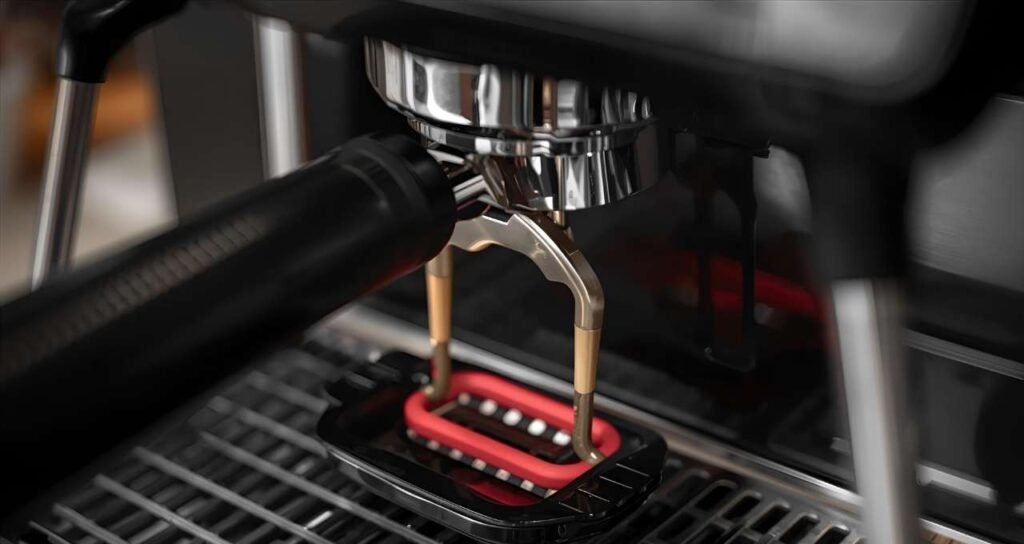
Типичные значения сопротивления нагревательных элементов кофемашин
| Тип аппарата | Напряжение | Мощность | Ожидаемое сопротивление (Ом) |
|---|---|---|---|
| Капельная кофеварка | 120 В | 900 Вт | 16 Ом |
| Домашняя эспрессо-машина | 120 В | 1400 Вт | ~10,3 Ом |
| Профессиональная эспрессо-машина | 240 В | 4000 Вт | ~14,4 Ом |
| Примечание: Это приблизительные значения. Сопротивление (R) рассчитывается по формуле R = V² / P. Всегда сверяйтесь со спецификациями для вашей конкретной детали. |
Шаг 2 – Поиск правильной заменяемой детали
После подтверждения неисправности элемента необходимо найти правильную замену. Здесь недопустимы догадки. Заменяемый элемент должен соответствовать оригиналу по следующим параметрам:
- Напряжение (В): Обычно 110–120 В в Северной Америке или 220–240 В в Европе/других регионах.
- Мощность (Вт): Определяет его нагревательную способность.
- Физические размеры и форма: Он должен помещаться внутри бойлера или термоблока.
- Тип и размер соединения: Диаметр и шаг резьбы винтового основания должны быть идентичны.
Найдите номер детали, нанесённый на основание старого элемента. Вы можете найти его в интернете. Специализированные магазины кофейного оборудования — отличный источник. На сайтах, таких как Кофейные наркоманы (Канада), Уход за эспрессо Стефано (США) и Кофе Криса (США), имеются обширные каталоги запчастей, часто сгруппированные по брендам аппаратов, что облегчает поиск нужного.
Важно:, всегда покупайте новую прокладку для нагревательного элемента. Розничные продавцы, такие как Великолепные настои и Stefano’s Espresso Care, часто включают их в комплект или рекомендуют не просто так. Старая прокладка будет сплющена, твёрда и хрупка, и её повторное использование почти наверняка приведёт к протечке.
Шаг 3 – Процесс замены: подробное руководство
Имея на руках новые детали, можно приступать к установке.
Подготовка
- Повторно убедитесь в безопасности: Аппарат отключён от сети, остыл и осушен.
- Организуйте рабочее место: Работайте на чистой, сухой, хорошо освещённой поверхности, подложив полотенце для сбора остаточной воды.
Разборка
- Доступ к элементу: Снимите необходимые панели, чтобы получить свободный и беспрепятственный доступ к нагревательному элементу.
- Сверьтесь со своими фотографиями: Refer to the photos and labels you made earlier.
- Отсоединение проводов: Carefully disconnect the wires from the old element’s terminals.
Удаление старого элемента
- Loosen the Element: Using the correct size wrench or socket, turn the element’s base counter-clockwise to loosen it. It may be very tight due to mineral buildup and heat cycling. Apply steady, firm pressure. Brace the бойлера with your other hand if possible to avoid twisting it.
- Extract the Element: Once loose, unscrew it the rest of the way by hand and carefully pull it out of the boiler.
- Clean the Sealing Surface: Remove the old gasket. Thoroughly clean the threads on the boiler and the surface where the new gasket will sit. A small wire brush or a non-scratch scouring pad works well. Any old debris or scale left here can cause a leak.
Установка нового элемента
- Inspect the New Part: Confirm your new
нагревательный элемент кофеварки(https://jinzho.com/product-tag/coffee-machine-heating-element/) is the correct one and is undamaged. - Position the Gasket: Place the new gasket onto the new element. Ensure it is seated flat and evenly against the flange.
- Insert and Hand-Tighten: Carefully guide the new element into the boiler. Screw it in by hand until it is snug. This prevents cross-threading, which can ruin the boiler.
- Final Tightening: Use your wrench to tighten the element firmly. The goal is to compress the gasket enough to create a perfect seal. A common guideline is a quarter to a half-turn past hand-tight, but do not use excessive force. Overtightening can damage the element or the boiler.
Reassembly and Testing
- Reconnect Wires: Using your photos and labels as a guide, reconnect all wires to their proper terminals. Ensure the connections are snug and secure.
- CRITICAL LEAK TEST: Before putting the outer panels back on, place the machine upright and fill the boiler with water. Let it sit on a dry towel for at least 15-20 minutes. Meticulously inspect the area around the new element with a flashlight for any drips or moisture.
- Address Leaks: If you see a leak, drain the machine and tighten the element slightly more (e.g., an eighth of a turn). Then repeat the leak test. Do not proceed until it is perfectly dry.
- Final Assembly: Once you are 100% confident there are no leaks, reattach all the machine’s panels.
- Power On: Plug the machine in and turn it on. Stay with the machine and listen for normal heating sounds. Watch to ensure it heats up correctly and that the indicator light cycles off when it reaches temperature.
Когда следует обращаться к профессионалам
This repair requires a degree of mechanical and electrical confidence. It’s better to call a professional if:
- You are not comfortable using a multimeter or working with electrical components.
- The heating element is riveted or soldered in place, as noted by the repair guide from HowStuffWorks.
- You cannot identify or source the correct replacement part.
- After replacement, the machine still leaks or doesn’t heat up.
- You see any signs of burning, melting, or charring on wires or plastic connectors.
Заключение
Successfully replacing a coffee machine’s heating element is a project that can bring immense satisfaction and save a valued appliance from the landfill. The keys to success are a methodical approach, meticulous documentation with photos, and an unwavering commitment to safety. By using a multimeter for accurate diagnosis and sourcing high-quality parts from a reliable supplier or an established производитель электрических нагревательных элементов(https://jinzho.com/about/), you can confidently tackle this repair. Your reward will be the triumphant return of that beautiful aroma of fresh, hot coffee filling your kitchen once more.
Часто задаваемые вопросы (FAQ)
1. My machine turns on, but the water is only lukewarm. Is the heating element bad?
It’s a strong possibility, but not the only one. This symptom can be caused by a неисправный нагревательный элемент that has high resistance but isn’t completely broken, or it could be a faulty термостат that is shutting the element off too early. A thick layer of mineral scale can also insulate the element, preventing it from efficiently transferring heat to the water. A resistance test with a multimeter is the best way to diagnose the element itself.
2. Do I have to replace the gasket when I replace the heating element?
Yes, absolutely. This is non-negotiable. The old gasket has been heat-cycled and compressed for years. It will be hard and brittle and will not create a reliable seal if reused. A new gasket is a very inexpensive part that prevents a potentially costly and damaging water leak.
3. I tested my отопление element and it has continuity. Why isn’t my coffee maker heating?
If the element itself is good, the break is elsewhere in the heating circuit. The next components to test (with the machine unplugged) are the термостат и thermal fuse (TCO). Like the element, these should also have continuity when cold. If either one shows an open circuit (“OL”), it has failed and needs to be replaced.
4. Can I use a heating element with a different wattage?
It is strongly recommended that you do not. A higher-wattage element will draw more current than the machine’s wiring and control board were designed for, creating a fire hazard. A lower-wattage element will heat the water too slowly or may never reach the optimal brewing temperature. Always replace components with parts that have the exact same voltage and wattage specifications as the original.
5. Where can I find the part number for my heating element?
The part number is typically stamped or etched onto the metal base (the hexagonal or round part that you put a wrench on). It may be faint, so clean the area and use a flashlight. If it’s unreadable, you will need to identify your machine’s exact model number and search for a replacement Нагревательный элемент(https://jinzho.com/product-category/heating-element/) using that information on a specialty parts supplier’s website.
Ссылки и источники:
- Repair procedures and component functions were cross-referenced with information from HowStuffWorks’ guide on small appliance repair. https://home.howstuffworks.com/how-to-repair-small-appliances3.htm
- Information on specific типов нагревательных элементов, gaskets, and their commercial availability was gathered by reviewing the product catalogs of specialty retailers, including Stefano’s Espresso Care, Chris’ Coffee, and Coffee Addicts.
- Visual confirmation of the repair process and tool usage was informed by DIY repair videos.
- Details on replacement parts for various home espresso machine models were reviewed at Great Infusions. https://greatinfusions.com/home-espresso-replacement-heating-elements/
- Manufacturing specifications and the variety of available heating element types were referenced from industry manufacturer JINZHO. https://jinzho.com/product-category/heating-element/

