Вы можете самостоятельно проверить элементы водонагревателя, используя лишь несколько основных инструментов. Перед началом работ обязательно отключите питание на автоматическом выключателе, так как безопасность должна быть на первом месте. Проверка позволяет быстро выявить распространенные неисправности водонагревателя и помогает решить, нужен ли ремонт.
Совет по безопасности: Никогда не пытайтесь проводить проверку, элементы водонагревателя пока устройство находится под напряжением. Этот шаг защищает вас от поражения электрическим током.
Меры безопасности перед проверкой водонагревателя
Понимание опасностей, связанных с электричеством
Риски работы с цепями под напряжением
Работа с цепями под напряжением подвергает вас серьезным опасностям, связанным с электричеством. Вы подвергаетесь значительному риску поражения электрическим током, когда проверяете или осматриваете элементы водонагревателя без отключения питания. Электрические водонагреватели работают при напряжении, 240 вольт, которое может привести к тяжелым травмам или даже к летальному исходу. Необученным лицам никогда не следует пытаться проводить проверку на цепях под напряжением. Перед началом любых работ всегда отключайте провода питания, чтобы предотвратить поражение током.
Меры предосторожности при работе с водой и электричеством
Вода и электричество образуют опасное сочетание. Даже небольшое количество влаги может увеличить риск поражения током. Рабочее место должно быть сухим и свободным от воды. Перед началом работы снимите все украшения и металлические аксессуары. Надевайте изолированные перчатки и защитные очки для защиты от случайного контакта с электрическими деталями или мусором. Если вы не уверены в каком-либо шаге, обратитесь к специалисту, чтобы избежать ненужных рисков.
Отключение питания водонагревателя
Поиск и отключение правильного автоматического выключателя
Вы должны отключите питание через автоматический выключатель перед началом работ. Найдите распределительный щит в вашем доме и найдите выключатель, маркированный для водонагревателя. Переведите этот выключатель в положение “выключено”. Для электрических моделей водонагревателей этот шаг гарантирует, что во время проверки на устройство не будет подаваться электричество.
Проверка отключения питания с помощью тестера
После отключения выключателя всегда проверяйте, что питание действительно отключено. Используйте бесконтактный тестер напряжения для проверки клемм и проводов внутри сервисной панели. Поднесите тестер к проводам; если тестер не загорается и не издает звуковой сигнал, цепь безопасна для прикосновения. Двойная проверка с помощью тестера напряжения предотвращает случайный контакт с находящимися под напряжением проводами.
⚡ Совет: Никогда не полагайтесь только на маркировку выключателя. Всегда подтверждайте отключение питания с помощью тестера напряжения перед тем, как прикасаться к любым проводам.
Сбор инструментов и средств защиты
Основные инструменты для тестирования
Для безопасной и точной проверки элемента водонагревателя вам понадобятся правильные инструменты. Перед началом работы подготовьте следующие предметы:
- Мультиметр, установленный на режим измерения сопротивления (Ом) для проверки целостности элемента
- Бесконтактный тестер напряжения для подтверждения отключения питания
- Отвертка для снятия сервисных панелей и отсоединения проводов
Фонарик поможет вам видеть внутри устройства, а полотенце или ветошь помогут поддерживать рабочее место в чистоте.
Рекомендуемое защитное оборудование
Средства индивидуальной защиты необходимы для вашей безопасности. Надевайте изолированные перчатки для защиты от поражения электрическим током. Защитные очки предохраняют глаза от искр или мусора. Выбирайте одежду из натуральных волокон, которые устойчивы к плавлению в случае возникновения электрической дуги. Содержите рабочее место в чистоте и порядке, чтобы минимизировать опасности. Перед началом работы всегда проверяйте провода на наличие видимых повреждений.
🛡️ Примечание: Если вы обнаружили поврежденные провода или почувствовали дискомфорт на любом этапе, остановитесь и обратитесь к лицензированному специалисту.
Доступ к элементу водонагревателя
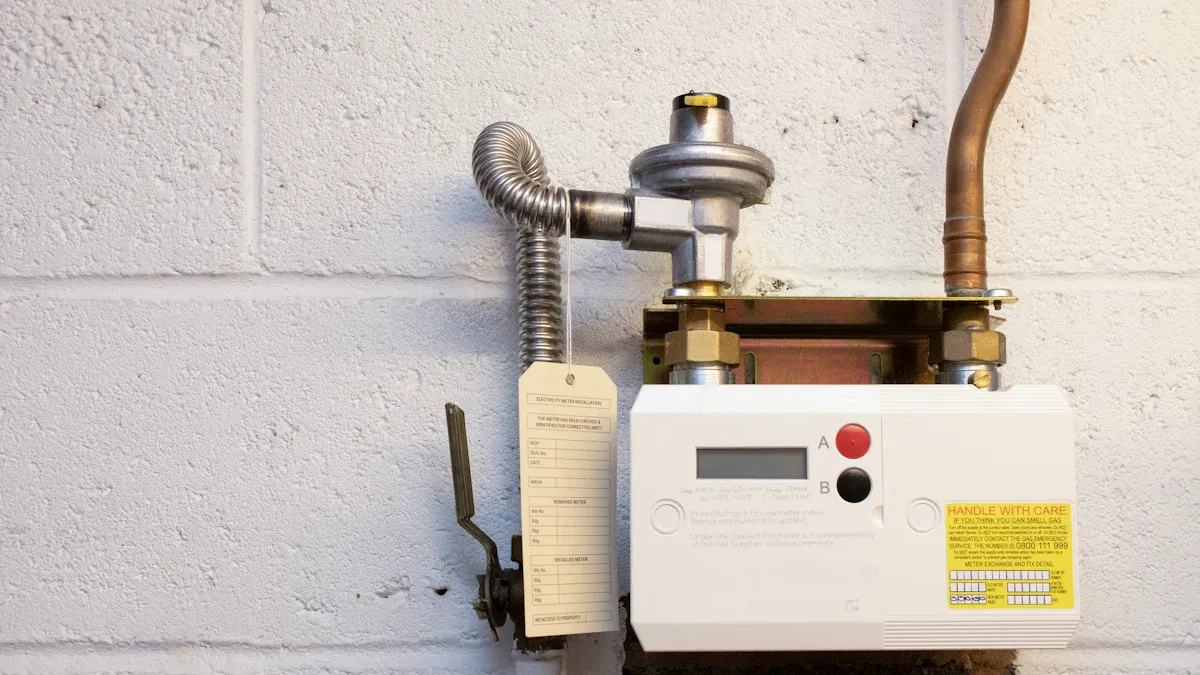
Прежде чем проверить элемент водонагревателя, необходимо безопасно получить к нему доступ. Этот процесс включает снятие панелей и изоляции, а затем определение местоположения правильных нагревательных элементов внутри вашего водонагревателя.
Снятие сервисных панелей и изоляции
Определение расположения панелей на вашем водонагревателе
Большинство электрических водонагревателей имеют две сервисные панели — одну в верхней части и одну в нижней. Эти панели закрывают верхний и нижний нагревательные элементы. Обычно они находятся на передней части бака. Ищите прямоугольные металлические крышки, закрепленные винтами. С помощью отвертки открутите эти винты и отложите их в безопасное место. Если у вас возникли трудности с поиском панелей, обратитесь к руководству по эксплуатации вашего водонагревателя для получения схемы.
Безопасное обращение с изоляцией и ее хранение
После снятия сервисных панелей вы увидите слой изоляции. Эта изоляция удерживает тепло внутри бака и защищает нагревательные элементы. Аккуратно отодвиньте изоляцию, чтобы открыть проводку и клеммы. Избегайте разрывов или повреждения изоляции, так как позже ее нужно будет вернуть на место. Поместите изоляцию на чистую сухую поверхность вдали от воды или мусора.
🛠️ Совет: Сфотографируйте расположение изоляции и панелей перед их снятием. Этот шаг поможет вам запомнить, как собрать все обратно после проверки.
Определение местоположения верхнего и нижнего элементов
Распознавание клемм элемента
После того как вы уберете изоляцию, вы увидите клеммы нагревательных элементов. Каждый элемент водонагревателя имеет два винта или болта с подсоединенными проводами. Эти клеммы соединяют элемент с источником питания. Рядом вы также можете заметить термостат, но пока сосредоточьтесь на двух клеммах. Убедитесь, что вы не прикасаетесь к проводам, пока не подтвердите отключение питания.
Различия между верхним и нижним элементами
В большинстве бытовых водонагревателей используются два нагревательных элемента: верхний и нижний. Верхний элемент нагревает воду в первую очередь, затем нижний элемент поддерживает температуру. Верхний элемент обычно находится за верхней панелью, а нижний — за нижней панелью. В некоторых моделях используется только один элемент, но конструкции с двумя элементами более распространены. Знание расположения и функции каждого элемента помогает точно проводить проверку и диагностику неисправностей.
Если вы заметили коррозию или отложения минералов на клеммах, возможно, потребуется очистить их перед проверкой. Используйте сухую ткань и избегайте попадания воды вблизи электрических деталей.
Отсоединение проводов от элемента водонагревателя
Маркировка и безопасное отсоединение проводов
Маркировка проводов для удобства сборки
Прежде чем отсоединять какие-либо провода, уделите время маркировке каждого из них. Используйте малярную ленту или небольшие бирки, чтобы отметить, куда подключается каждый провод. Напишите простой код или используйте цвет для соответствия клеммы и провода. Этот шаг гарантирует, что после проверки вы сможете правильно все подключить обратно. Вы также можете сделать четкую фотографию схемы подключения проводов на свой телефон. Визуальные подсказки помогут избежать путаницы при сборке.
Предотвращение повреждений при отсоединении
Используйте отвертку с изолированной рукояткой, чтобы ослабить винты, удерживающие провода на месте. Аккуратно потяните каждый провод за его клемму. Избегайте рывков или скручивания проводов, так как это может привести к внутренним разрывам или ослаблению соединителей. Если провод застрял, слегка покачивайте его при вытягивании. Храните все винты и мелкие детали в безопасном контейнере. Беритесь за провода за изоляцию, а не за оголенные металлические концы, чтобы предотвратить случайный изгиб или истирание.
🛡️ Совет: Всегда перепроверяйте, что питание отключено, прежде чем прикасаться к любым проводам. Безопасность превыше всего.
Осмотр на предмет видимых повреждений
Признаки обгоревших или ослабленных проводов
После отсоединения проводов внимательно осмотрите их на предмет любых признаков повреждения. Распространенные проблемы включают:
- Обгоревшие или почерневшие участки на изоляции проводов или клеммах
- Ослабленные соединения, которые шатаются или легко отсоединяются
- Корродированные или позеленевшие металлические детали
- Истертые или оголенные жилы проводов
- Трещины, деформация или обесцвечивание самого элемента водонагревателя
Эти проблемы могут нарушить прохождение электрического тока и снизить эффективность нагрева. Перегоревшие элементы часто приводят к недостаточному нагреву,, в то время как проблемы с проводкой, такие как короткие замыкания, могут вызывать срабатывание автоматического выключателя.
Что делать, если вы обнаружили повреждение
Если вы заметили какие-либо обгоревшие, ослабленные или корродированные провода, не пытайтесь использовать их повторно. Повреждённые провода могут привести к короткому замыканию или даже пожару. Замените неисправную проводку новым проводом соответствующего номинала. Если вы заметили трещины, разрывы или сильный налёт на ТЭНе водонагревателя, рассмотрите возможность замены элемента. При серьёзных повреждениях или если вы не уверены в ремонте, обратитесь к лицензированному электрику или сантехнику. Профессиональная помощь гарантирует безопасную и эффективную работу вашего водонагревателя.
⚠️ Тревога: Никогда не игнорируйте видимые повреждения. Своевременное устранение этих проблем предотвращает более серьёзные неполадки и обеспечивает надёжность вашей системы горячего водоснабжения.
Как проверить ТЭН водонагревателя мультиметром
Проверка вашего элемент водонагревателя с помощью мультиметра позволяет быстро диагностировать проблемы с нагревом и определить, требуется ли замена. Вы можете выполнить следующие шаги, чтобы безопасно и точно проверить ТЭНы водонагревателя в домашних условиях.
Настройка мультиметра
Выбор правильного диапазона измерения сопротивления
Вам необходимо установить мультиметр на наименьший диапазон сопротивления (омы, Ω) перед началом работы. У большинства цифровых мультиметров есть специальный символ омов. Этот параметр позволяет точно измерить сопротивление нагревательных элементов. Если ваш мультиметр имеет несколько диапазонов омов, выберите самый низкий из доступных. Этот диапазон обеспечивает наиболее точные показания для значений сопротивления, которые вы ожидаете найти в ТЭНе водонагревателя.
Проверка точности мультиметра
Перед проверкой нагревательного элемента проверьте точность мультиметра. Соедините два щупа вместе. На дисплее должно отобразиться ноль или значение, очень близкое к нулю. Этот шаг подтверждает, что ваш мультиметр работает правильно и выдаст надёжные результаты. Если вы видите другое значение, замените батарейки или обратитесь к руководству по эксплуатации мультиметра.
⚡ Совет: Всегда перепроверяйте настройки мультиметра перед тем, как проверять ТЭНы водонагревателя . Неправильная настройка может привести к ложным показаниям.
Измерение сопротивления и непрерывности
Размещение датчиков на клеммах элементов
Для проверки нагревательного элемента поместите один щуп на каждый из открытых винтов или клемм элемента. Убедитесь, что вы уже отключили провода от клемм и что питание отключено. Плотно удерживайте щупы на месте для получения стабильного показания. Вам следует проверить как верхний, так и нижний нагревательные элементы , чтобы убедиться, что вы выявили все неисправные детали.
Считывание и запись показаний дисплея
Посмотрите на дисплей мультиметра, пока щупы касаются клемм. Исправный ТЭН водонагревателя обычно показывает значение сопротивления от 10 до 30 ом. Запишите показания для каждого элемента. Если вы видите значение вне этого диапазона, возможно, потребуется заменить элемент. Всегда проверяйте оба нагревательных элемента, так как любой из них может вызвать проблемы с горячей водой.
📝 Примечание: Сфотографируйте или запишите свои показания для дальнейшего использования. Эта запись поможет вам отслеживать изменения, если вам потребуется снова проверить ТЭНы водонагревателя .
Интерпретация результатов теста
Нормальные диапазоны сопротивления для ТЭНов водонагревателя
Значение сопротивления, которое вы измеряете, зависит от мощности вашего нагревательного элемента. Используйте следующую таблицу в качестве справочной:
| Мощность (Вт) | Напряжение (В) | Типичное сопротивление (Ом) |
|---|---|---|
| 3000 | 240 | ~19.2 |
| 3800 | 240 | ~15.2 |
| 4500 | 240 | ~12.8 |
Типичный элемент мощностью 4500 Вт должен показывать около 13 ом. Если ваше показание находится в пределах от 10 до 30 ом, ваш элемент, вероятно, в хорошем состоянии.
Что означают нулевые, низкие или бесконечные показания
Понимание показаний мультиметра необходимо при проверке нагревательного элемента. Используйте таблицу ниже для интерпретации ваших результатов:
| Чтение сопротивления | Значение для состояния ТЭНа водонагревателя |
|---|---|
| 0 Ом | Короткое замыкание элемента; требуется замена. |
| от 10 до 30 ом | Элемент исправен. |
| Бесконечное сопротивление | Обрыв цепи; элемент неисправен и должен быть заменён. |
Нулевое или очень низкое показание означает, что элемент имеет короткое замыкание и небезопасен. Бесконечное показание означает, что элемент сломан или перегорел. Только показание в нормальном диапазоне означает, что элемент работает как положено.
Проверка на короткое замыкание на корпус
Вам также следует проверьте на короткое замыкание на корпус, которое может вызвать срабатывание автомата или неисправность водонагревателя. Для этого установите мультиметр в режим измерения сопротивления. Поместите один щуп на клемму нагревательного элемента, а другой — на металлический корпус водонагревателя. Повторите этот процесс для обеих клемм. Если вы видите любое показание, кроме бесконечного сопротивления, элемент имеет короткое замыкание на корпус и требует замены.
🚨 Тревога: Если вы обнаружили короткое замыкание на корпус, не пытайтесь использовать водонагреватель до замены неисправного элемента. Эта проблема может создать серьёзную электрическую опасность.
Следуя этим шагам, вы сможете уверенно проверить ТЭНы водонагревателя и диагностировать большинство распространённых проблем. Знание того, как проверять нагревательные элементы, даёт вам возможность обслуживать ваш водонагреватель и избегать неожиданных холодных душей.
Сборка водонагревателя после проверки
Подключение проводов к элементу
Двойная проверка всех соединений
Вам необходимо убедиться, что каждый провод возвращается на свою правильную клемму перед завершением работы. Перепроверьте свои метки или справочное фото. Убедитесь, что каждый провод соответствует своему исходному положению. Если ваш водонагреватель использует трёхжильный кабель, вы можете увидеть заизолированный белый провод. Этот провод не используется для подключений на 240 вольт, поэтому надёжно заизолируйте его и сосредоточьтесь на двух чёрных фазных проводах. Они должны быть плотно подключены к клеммам элемента.
Правильная фиксация клемм
Используйте отвёртку, чтобы затянуть каждый винт клеммы. Убедитесь, что провода плотно прилегают под винтами без оголённой меди. Ослабленные соединения могут вызвать перегрев или электрические неисправности. Если вы чувствуете сопротивление при затягивании, остановитесь и проверьте на наличие перекоса резьбы или мусора. Надёжное соединение обеспечивает безопасную и эффективную работу.
⚡ Совет: Всегда слегка потяните каждый провод после затягивания. Если провод двигается, затяните клемму снова.
Замена изоляции и панелей доступа
Установка изоляции на место
После подключения проводов, замените изоляцию , которую вы сняли ранее. Плотно уложите её вокруг элемента и термостата. Если в вашей изоляции есть вырезы, совместите их с сервисными панелями и проводкой. Этот шаг помогает поддерживать энергоэффективность водонагревателя и защищает внутренние компоненты.
Надежная затяжка винтов панели
Установите металлическую сервисную панель поверх изоляции. Вставьте винты и затяните их до тех пор, пока панель не будет плотно прилегать к баку. Не перетягивайте, так как это может сорвать резьбу или повредить панель. Надежно закрепленная панель защищает электрические компоненты от пыли и влаги.
🛠️ Примечание: Если перед снятием вы пометили или сфотографировали расположение панели, используйте эти данные, чтобы убедиться, что все возвращено на исходные места.
Восстановление электропитания и проверка работы
Повторное включение выключателя
После завершения сборки вернитесь к своему распределительному щиту. Переведите автоматический выключатель водонагревателя обратно в положение “включено”. На некоторых моделях есть кнопка сброса рядом с термостатом или нагревательным элементом. Нажмите и удерживайте эту кнопку до тех пор, пока не услышите щелчок. Если вы выполняли сброс, подождите несколько минут перед восстановлением электропитания.
Контроль за правильной работой водонагревателя
После восстановления электропитания наблюдайте за работой водонагревателя. Прислушайтесь к звуку нагрева или проверьте наличие горячей воды из ближайшего крана примерно через 30 минут. Если горячая вода не появилась или вы заметили необычные шумы, повторите процедуру сброса или обратитесь к специалисту. Правильный контроль гарантирует успешность ремонта и безопасную работу системы.
🚨 Тревога: При обнаружении запаха гари, срабатывания автомата или отсутствия горячей воды немедленно отключите питание и обратитесь за помощью к специалисту.
Устранение неисправностей, если нагревательный элемент водонагревателя исправен
Если ваш Если тесты нагревательного элемента водонагревателя показывают значения в пределах нормы, но проблемы с горячей водой сохраняются, необходимо рассмотреть другие возможные причины. Термостат, накопление осадка, или более серьезные проблемы, такие как утечки, могут быть причиной.
Проверка термостата
Признаки неисправности термостата
Вы можете заметить несколько признаков, указывающих на проблему с термостатом. Если вода слишком горячая, слишком холодная или температура меняется неожиданно, виновником может быть термостат. Иногда, неправильные настройки термостата вызывают нестабильную температуру воды. Неисправный термостат также может привести к тому, что вода никогда не нагревается или становится опасно горячей. В электрическом водонагревателе неисправный термостат часто приводит к таким симптомам, даже если нагревательный элемент работает исправно.
🔎 Совет: Всегда сначала проверяйте настройку термостата. Заводская настройка по умолчанию обычно составляет 120°F. Если вода слишком холодная, попробуйте увеличить температуру термостата до 140°F и подождите около часа. Если температура не изменилась, вероятно, термостат неисправен.
Как проверить термостат
Ты можешь Проверьте термостат с помощью цифрового мультиметра. Выполните следующие действия:
- Отключите питание водонагревателя на автоматическом выключателе.
- Снимите сервисную панель, изоляцию и защитный кожух, чтобы получить доступ к термостату и нагревательным элементам.
- Установите мультиметр на самый низкий диапазон измерения сопротивления (Ом).
- Поместите один щуп на общий вывод верхнего термостата, а другой — на вывод, питающий верхний нагревательный элемент. Исправный термостат показывает нулевое сопротивление, что указывает на целостность цепи.
- Переместите щуп на вывод нижнего нагревательного элемента. Если верхний термостат работает, мультиметр должен показать бесконечное сопротивление.
- Нажмите кнопку сброса термостата и проверьте снова. Теперь на выводе верхнего нагревательного элемента должно быть бесконечное сопротивление, что означает переключение питания на нижний элемент.
- Если ваши показания не соответствуют этим результатам, термостат неисправен и требует замены.
⚠️ Тревога: Если вы не уверены в своих силах при проверке термостата, обратитесь за помощью к специалисту.
Проверка на наличие отложений или других проблем
Влияние отложений на нагрев
Накопление отложений — распространенная проблема как в газовых, так и в электрических моделях водонагревателей. Минералы, такие как кальций и магний, оседают на дне бака, образуя слой, который снижает эффективность нагрева. Отложения могут покрывать нагревательный элемент, вызывая его более быстрый износ и снижая эффективность нагрева. Вы можете услышать грохочущие или потрескивающие звуки, заметить снижение температуры воды или уменьшение потока горячей воды. Отложения также увеличивают нагрузку на бак, что приводит к утечкам и сокращению срока службы водонагревателя.
Советы по чистке и обслуживанию
Вам следует Промывайте водонагреватель не реже одного раза в год, или чаще, если у вас жесткая вода. Для промывки бака:
- Отключите электропитание водонагревателя..
- Откройте кран горячей воды, чтобы помочь баку опорожниться.
- Перекройте подачу холодной воды.
- Подсоедините шланг к сливному клапану и направьте его в безопасное место для слива.
- Откройте сливной клапан и дайте воде и отложениям вытечь.
- Включите подачу холодной воды, чтобы вымыть оставшиеся отложения.
- Повторяйте, пока вода не станет чистой.
- Закройте сливной клапан, отсоедините шланг, включите подачу холодной воды и восстановите электропитание.
Регулярная промывка повышает эффективность, снижает уровень шума и помогает предотвратить утечки. Вы также можете установить предварительный фильтр для уменьшения накопления отложений.
Когда следует обращаться к профессионалам
Основные электрические неисправности
Если ваш электрический водонагреватель по-прежнему не производит горячую воду после проверки элемента и термостата, вам следует вызовите специалиста. Открытая проводка, постоянные электрические проблемы или неисправный термостат требуют вмешательства специалиста. Никогда не пытайтесь ремонтировать газовые линии или электрические компоненты без соответствующей подготовки.
Утечки или структурные повреждения
Утечки сигнализируют о серьезных проблемах. Если вы видите скопление воды вокруг нагревателя или заметили ржавчину и коррозию, немедленно отключите питание и подачу воды. Обратитесь к специалисту для осмотра и ремонта устройства. Постоянные утечки, необычные шумы или старый водонагреватель (старше 8-12 лет) также требуют профессиональной оценки. Специалисты обеспечивают безопасность, предотвращают дальнейшие повреждения и помогают продлить срок службы вашего водонагревателя.
Советы по обслуживанию для продления срока службы нагревательного элемента водонагревателя
Поддержание водонагревателя в отличном состоянии требует регулярного ухода и внимания. Вы можете продлить срок службы нагревательных элементов и поддерживать эффективную работу, следуя регулярному графику технического обслуживания и своевременно устраняя неполадки.
Регулярное тестирование и график осмотров
Как часто проверять нагревательные элементы водонагревателя
Вам следует придерживаться структурированного графика технического обслуживания, чтобы обеспечить безопасную и эффективную работу водонагревателя. Вот рекомендуемый график:
- Планируйте профессиональный осмотр нагревательных элементов водонагревателя один раз в год.
- Включайте проверку как термостата, так и нагревательных элементов во время этого ежегодного осмотра.
- Промывайте бак не реже одного раза в год. Если вы живете в районе с жесткой водой, рассмотрите возможность промывки два раза в год.
- Выполняйте своевременный ремонт при первых признаках неисправности, чтобы избежать дальнейших повреждений.
🗓️ Совет: Ежегодные осмотры помогают выявить незначительные проблемы до того, как они перерастут в серьезные.
Признаки неисправностей, требующие внимания
Будьте внимательны к ранним признакам того, что ваш водонагреватель требует внимания. К распространенным предупреждающим сигналам относятся:
- Колебания температуры воды или вода, которая слишком горячая или слишком холодная
- Необычные шумы, такие как потрескивание или гул из бака
- Бесцветная или ржавая вода
- Снижение подачи горячей воды или медленное время восстановления
- Видимая коррозия или минеральные отложения на нагревательных элементах
- Частое срабатывание автоматического выключателя
Если вы заметили любую из этих проблем, запланируйте тщательную проверку и рассмотрите возможность немедленного тестирования термостата и нагревательных элементов.
Предотвращение будущих проблем
Промывка резервуара для удаления осадка
Накопление осадка является основной причиной преждевременного выхода из строя нагревательных элементов.. Минералы, такие как кальций и магний, оседают на дне бака, заставляя элементы работать интенсивнее и перегреваться. Этого можно избежать, регулярно промывая бак:
- Отключите питание и подачу воды.
- Подсоедините шланг к сливному клапану и направьте его в безопасное место для слива.
- Откройте клапан и выпускайте воду и осадок, пока вода не станет прозрачной.
- Закройте клапан, снимите шланг и восстановите подачу воды.
Ежегодная промывка поддерживает эффективность и снижает нагрузку на нагревательные элементы.. В районах с жесткой водой увеличьте частоту до двух раз в год.
Проверка на коррозию и износ
Коррозия может повредить как бак, так и нагревательные элементы. Проверяйте анодный стержень каждые три-пять лет и заменяйте его при обнаружении значительного износа или ржавчины.. Анодный стержень жертвует собой, защищая бак и нагревательные элементы от коррозии. Также проверьте наличие признаков ржавчины, протечек или изношенной изоляции. Установите термостат в безопасный диапазон, желательно между 120°F и 140°F (49°C и 60°C),, чтобы предотвратить перегрев и продлить срок службы водонагревателя.
🔧 Примечание: Профессиональный осмотр позволяет выявить скрытые проблемы и убедиться, что все компоненты, включая термостат и нагревательные элементы, функционируют правильно.
Следуя этим рекомендациям по обслуживанию, вы сможете избежать дорогостоящего ремонта, повысить эффективность и обеспечить надежную подачу горячей воды на долгие годы.
Вы можете самостоятельно проверить нагревательные элементы водонагревателя дома, соблюдая меры безопасности и используя правильные инструменты.
- Всегда отключайте питание и используйте защитное снаряжение для предотвращения несчастных случаев.
- Плановые проверки, такие как проверка на утечки или необычные звуки, помогают выявить проблемы на ранней стадии.
- Удаление осадка и контроль коррозии поддерживают эффективность и безопасность вашего водонагревателя.
- Если вы заметили ржавую воду, запах горелой проводки или быструю потерю горячей воды, обратитесь к профессионалу.
Регулярное техническое обслуживание обеспечивает надежную подачу горячей воды и защищает ваши инвестиции.
ЧАСТО ЗАДАВАЕМЫЕ ВОПРОСЫ
Как часто следует проверять нагревательные элементы водонагревателя?
Вам следует проверьте элементы вашего водонагревателя раз в год. Ежегодная проверка помогает выявить проблемы на ранней стадии и поддерживать эффективную работу.
Можно ли проверить нагревательный элемент водонагревателя без мультиметра?
Нет, вам понадобится мультиметр для измерения сопротивления и проверки целостности цепи. Этот инструмент обеспечивает точные результаты и вашу безопасность во время тестирования.
Что означает, если элемент показывает нулевое сопротивление?
Показание нулевого сопротивления означает, что в элементе произошло короткое замыкание. Необходимо немедленно заменить элемент, чтобы предотвратить опасность поражения электрическим током.
Безопасно ли самостоятельно заменять элемент водонагревателя?
Вы можете заменить элемент водонагревателя При выполнении всех шагов соблюдайте технику безопасности. Всегда отключайте питание, используйте защитное снаряжение и перепроверяйте свою работу. Если вы не уверены, вызовите специалиста.
Почему ваш водонагреватель постоянно выбивает автомат?
Водонагреватель, который выбивает автомат, может иметь замкнутый элемент, неисправную проводку или проблему с термостатом. Проверьте каждый компонент, чтобы найти причину.
Какие инструменты вам понадобятся для проверки нагревательного элемента водонагревателя?
Вам понадобится цифровой мультиметр, бесконтактный тестер напряжения и отвертка. Диэлектрические перчатки и защитные очки обеспечат дополнительную защиту.
Может ли накопление осадка повредить нагревательный элемент?
Да, накопление осадка может покрыть элемент и вызвать его перегрев. Регулярно промывайте бак, чтобы предотвратить эту проблему и продлить срок службы водонагревателя.