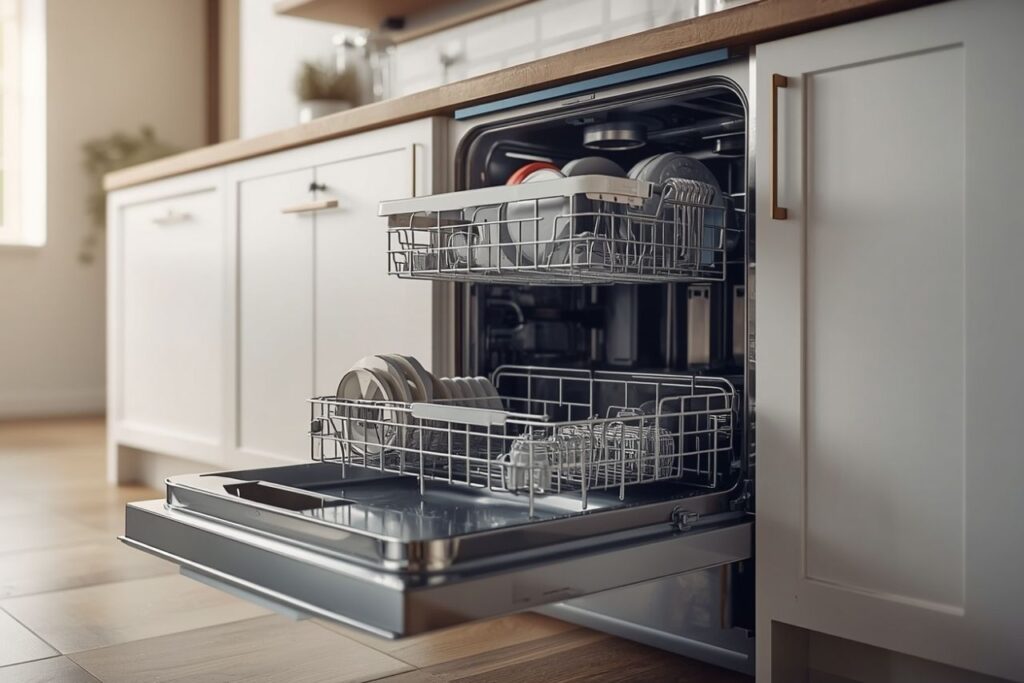
Substituir o elemento de aquecimento de uma lava-louças Frigidaire é tipicamente um reparo de “custo médio”, onde o gasto final é menos determinado pela peça metálica em si e mais pelo tempo de diagnóstico, dificuldade de acesso e os controles de risco necessários para evitar falhas recorrentes. Uma análise de custos confiável divide o trabalho em (1) o **conjunto do elemento de substituição**, (2) mão de obra e taxas de serviço, (3) peças secundárias que comumente falham junto com o aquecedor e (4) “custos ocultos”, como retrabalho, vazamentos, tempo de inatividade e exposição à garantia — categorias de custo consistentemente destacadas em discussões profissionais de engenharia de aquecedores.
Para leitores que comparam tipos de componentes entre eletrodomésticos, a taxonomia de produtos da Jinzhong é um ponto de referência útil: Elemento de Aquecimento As famílias incluem estilos tubulares, placas e filmes; e módulos metálicos integrados são abordados em Soluções de Aquecimento por Fundição. O histórico do fabricante e as capacidades de produção podem ser revisados em Fabricante de Elementos de Aquecimento e Fábrica de Elementos de Aquecimento.
- Resumo de custos e o que realmente impulsiona a conta
- O que realmente é um elemento de aquecimento de lava-louças (visão em nível de componente)
- Um modelo prático de custos (peças, mão de obra, risco)
- Tabelas de dados: cenários, itens de linha e limites de decisão
- Como reduzir o custo total sem comprometer a segurança
- Quando a substituição não é a decisão financeira correta
- Lista de verificação de compras: lendo especificações como um engenheiro
- FAQ (7 perguntas)
- Referências e links externos
Resumo de custos e o que realmente impulsiona a conta
Na maioria dos mercados, os consumidores intuitivamente assumem que o aquecedor “deve ser caro”. Na prática, o **preço unitário do elemento** é frequentemente apenas uma parte do total. Os custos aumentam quando um técnico precisa descartar falhas de controle, fiação inadequada ou falhas de sensor, ou quando a lava-louças precisa ser parcialmente removida do gabinete. Isso está alinhado com as diretrizes da indústria de aquecedores, que indicam que o custo real inclui integração e instalação — conectores de chumbo, ajuste, esforço de montagem e as consequências de falhas.
Resumo da seção
Uma estimativa confiável trata a substituição do aquecedor como um reparo de sistema: tempo de diagnóstico, acesso, vedação e verificação pós-instalação determinam o preço final.
O que realmente é um elemento de aquecimento de lava-louças (visão em nível de componente)
Um elemento de aquecimento não é “apenas um fio”. Definições de engenharia o descrevem como um **componente** feito de material condutor elétrico, além de materiais isolantes/de suporte e conectores de chumbo. O calor é produzido via **aquecimento resistivo** (também chamado de **aquecimento Joule**). Em ambientes de eletrodomésticos, a escolha da liga e a construção determinam a durabilidade sob ciclagem, umidade e contaminantes.
Por que isso importa para o custo
Quando os clientes compram a bobina de reposição mais barata, muitas vezes focam no laço metálico visível. No entanto, a falha pode estar na conexão do terminal, na estrutura de isolamento ou na capacidade do elemento de suportar seu ambiente operacional. A literatura de engenharia de aquecedores também observa que pequenas diferenças na liga e elementos traço podem afetar a vida útil — um ponto importante ao comparar opções de baixo custo do mercado de reposição com fornecedores de maior controle.
| Modo de falha | Como se apresenta | Impacto comum no custo | Alavanca de prevenção |
|---|---|---|---|
| Circuito aberto no elemento | Sem aquecimento; desempenho de secagem e temperatura da água cai | Peça + mão de obra; geralmente direto | Classificação correta, construção de qualidade, evitar eventos de “queima a seco”/superaquecimento |
| Superaquecimento do terminal | Conector queimado, conector derretido, aquecimento intermitente | Adiciona tempo de reparo na fiação; pode exigir trabalho no chicote | Conexões firmes; substituir terminais danificados pelo calor |
| Falha de controle/sensor diagnosticada incorretamente | Elemento substituído, mas sintomas persistem | Retrabalho/rechamada (custo oculto) | Diagnóstico estruturado; verificar resistência/continuidade e códigos de erro |
| Vazamento após remontagem | Água na bandeja base; erro/parada; dano potencial | Custo de alto risco; tempo de remediação | Manuseio correto da junta; verificação controlada de vazamento |
Resumo da seção
Entender o aquecedor como um componente projetado ajuda a explicar por que o “preço barato da peça” ainda pode resultar em um reparo caro após retrabalho e eventos de risco de água.
Um modelo prático de custos (peças, mão de obra, risco)
A forma mais defensável de estimar o custo total é um modelo itemizado. Este artigo utiliza uma estrutura que organizações de serviço usam internamente: Custo Total = (Peças) + (Mão de obra e taxas de serviço) + (Consumíveis) + (Provisão para risco de retrabalho/vazamentos/peça errada) − (Compensações de garantia quando aplicáveis).
Insumos principais para a estimativa
- Modelo da lava-louças e projeto do aquecedor (elemento de loop vs. conjunto de aquecedor integrado)
- Nível de acesso (instalação independente vs. embutida compacta)
- Sintomas e certeza diagnóstica (aquecedor aberto vs. queixa de aquecimento ambígua)
- Taxas de mão de obra locais e normas de visita/chamada de serviço
- Aquisição de peças (OEM vs. aftermarket; política de devolução; prazo de envio)
Disciplina de verificação reduz gastos desnecessários
Procedimentos de aquecedor no padrão do fabricante para outros eletrodomésticos enfatizam uma etapa simples, porém crucial: verificar se o elemento de reposição corresponde à placa de dados do equipamento (voltagem e potência),.
Resumo da seção
Um modelo estruturado converte um reparo incerto em alavancas mensuráveis: certeza diagnóstica, tempo de acesso e controles de risco.
Tabelas de dados: cenários, itens de linha e limites de decisão
As tabelas abaixo fornecem uma planilha reutilizável para estimar custos. As faixas numéricas foram projetadas para legibilidade global (faixas relativas e divisões percentuais) em vez de um preço de um único país.
Faixas de preço por cenário (faixas típicas do mercado de serviço)
| Cenário | O que está incluído | Faixa de custo relativo | Por que se enquadra aqui |
|---|---|---|---|
| Troca de peça viável para DIY (alta certeza) | Elemento confirmado com falha + ferramentas básicas + sem complicações |
Baixa
| Custo equivale principalmente à peça + pequenos consumíveis |
| Substituição profissional padrão | Diagnóstico, instalação, verificação básica, sem remoção de gabinete |
Média
| Mão de obra é o componente principal; risco reduzido de retrabalho |
| Embutido / acesso complexo + sintomas ambíguos | Diagnóstico estendido, remoção da máquina, verificações de mangueira/elétrica, teste de vazamento |
Alta
| Provisões de tempo e risco dominam |
Planilha itemizada (use para orçamentos e estimativas internas)
| Linha de custo | Faixa típica | O que perguntar / verificar | Ação de controle de custos |
|---|---|---|---|
| Elemento de aquecimento / conjunto do aquecedor | $30–$150+ (varia conforme modelo e aquisição) | Correspondência exata do modelo; voltagem/potência corretas; estilo do terminal; política de devolução | Prefira fornecedores com especificações claras e devoluções |
| Chamada de serviço / despacho | $0–$150 | Há taxa de visita? Ela é creditada se o reparo for realizado? | Agrupe diagnóstico + reparo em uma única visita quando possível |
| Tempo de mão de obra | 0,5–2,5 horas | Dificuldade de acesso; restrições de instalação embutida; requisitos de teste | Forneça informações do modelo e sintomas antecipadamente para reduzir o tempo no local |
| Consumíveis e peças pequenas | $5–$40 | Juntas, braçadeiras, terminais, fixadores, integridade da vedação | Substitua terminais danificados pelo calor durante a troca do aquecedor |
| Provisão para risco (retrabalho / evento de vazamento) | 0%–25% do total | Diagnóstico ambíguo? Peça aftermarket? Instalação compacta? | Diagnóstico estruturado e teste de vazamento reduzem os “custos ocultos” |
Limiares de decisão: reparar vs substituir (financeiramente)
Uma decisão puramente econômica compara o custo do reparo com o valor residual e a vida útil esperada. Sem referenciar um índice regional de preços de eletrodomésticos,.
| Condição | Indicador | Implicação financeira | Direção recomendada |
|---|---|---|---|
| Falha única e confirmada do aquecedor | Resistência aberta; outras funções normais | Alto retorno sobre o investimento do reparo | Reparar |
| Falha do aquecedor + vazamentos recorrentes | Água no fundo do aparelho, corrosão, problemas repetidos de vedação | Risco de custos e danos crescentes | Avaliar substituição |
| Sintomas ambíguos | Aquecimento intermitente; possíveis erros de controle | O tempo de diagnóstico pode exceder o valor | Obter um orçamento fixo antes de prosseguir |
| Múltiplos componentes principais falhando | Bomba, placa de controle, aquecedor – todos suspeitos | O acúmulo de custos pode exceder o valor de substituição | Substituir |
Resumo da seção
Tabelas de cenários e itens tornam os orçamentos comparáveis e revelam onde o custo realmente está: tempo de acesso, certeza do diagnóstico e controles de risco.
Como reduzir o custo total sem comprometer a segurança
As economias de menor risco vêm da redução da ambiguidade diagnóstica e da prevenção de retornos. Discussões de engenharia sobre aquecedores mencionam explicitamente “custos menos óbvios”,.
Reduções de custo que não sacrificam a confiabilidade
- Fornecer identificação completa do eletrodoméstico (modelo/série, cronologia dos sintomas, códigos de erro) antes de agendar o serviço.
- Solicitar um orçamento detalhado por item (peça + mão de obra + taxa de visita + termos de garantia) para evitar surpresas.
- Substituir terminais degradados durante a troca do aquecedor; pontos quentes nos conectores são um caminho comum de falhas repetidas.
- Exigir etapas de verificação: classificação correta da resistência, conexões firmes, tampas seguras e teste controlado pós-instalação.
Falsas economias a evitar
- Ignorar verificações de vazamento após mexer em vedações ou mangueiras
- Reutilizar conectores tipo espada danificados pelo calor
- Escolher uma peça de origem desconhecida sem política de devolução para uma instalação embutida
Resumo da seção
As melhores economias vêm da prevenção de custos ocultos: retrabalho, retornos, pedidos de peças erradas e eventos de vazamento.
Quando a substituição não é a decisão financeira correta
Mesmo quando o elemento de aquecimento está genuinamente com falha, a substituição pode ser uma escolha financeira ruim se houver sinais de deterioração sistêmica:.
Sinais de alerta práticos
- Histórico de infiltração de água ao redor do fundo do aparelho ou áreas elétricas
- Múltiplas falhas de desempenho (lavagem ruim + drenagem ruim + problemas de aquecimento)
- Peças indisponíveis ou prazos longos que prolongam o tempo de inatividade
Resumo da seção
A substituição do aquecedor tem maior valor quando a máquina está saudável e o risco de vazamento é baixo.
Lista de verificação de compras: lendo especificações como um engenheiro
Uma listagem bem elaborada de aquecedores faz mais do que mostrar o preço. Ela divulga especificações, aprovações, proteção contra ingresso quando relevante, termos de garantia e informações de envio/devolução.
| Item de especificação / política | Por que é importante | O que dá errado se ignorado |
|---|---|---|
| Compatibilidade de voltagem e potência | Previne subaquecimento, superaquecimento ou incompatibilidade elétrica | Correspondência explícita com as informações de classificação do eletrodoméstico |
| Materiais e estratégia de isolamento | Afeta a resistência à corrosão e a vida útil sob ciclos | Divulgação clara dos materiais; abordagem de construção confiável |
| Detalhes do conector/terminal | Interfaces frouxas criam pontos quentes locais | Estilo de terminal correto + conectores de qualidade |
| Garantia e devoluções | Peças incorretas e falhas prematuras são custos reais | Janela de devolução por escrito e cobertura de garantia |
Onde as categorias da Jinzhong se encaixam (contexto para compradores e engenheiros)
Para leitores de OEM e cadeia de suprimentos, a Jinzhong organiza soluções de aquecimento em categorias que refletem como o calor é entregue: elementos tubulares para condução eficiente com bainhas isoladas.
- Tubos de aquecimento: bainhas de aço inoxidável/cobre/liga, isolamento de MgO, formatos e potências personalizáveis (ideal para condução de alta eficiência).
- Placas de aquecimento: distribuição de calor superficial estável e uniforme; resistência mecânica sob temperatura de longo prazo.
- Filmes de aquecimento: fino, flexível, compatível com baixa tensão; aquecimento rápido e uniforme para geometrias compactas.
- Módulos de aquecimento fundidos sob pressão: módulos térmicos integrados com fundição sob pressão de metal para resistência e transferência de calor.
Resumo da seção
Transparência de especificações e seleção correta da arquitetura de aquecimento reduzem o risco de peças incorretas e despesas de ciclo de vida.
FAQ
1) O elemento de aquecimento geralmente é a peça mais cara do reparo?
Normalmente não. Em muitos orçamentos de serviço, mão de obra, tempo de diagnóstico e restrições de acesso dominam o total. O custo do elemento importa, mas o preço “tudo incluso” é impulsionado por tempo e controles de risco.
2) Por que algumas substituições de aquecedores falham novamente logo após a instalação?
Falhas repetidas geralmente estão relacionadas a pontos quentes nos conectores (terminais frouxos), diagnóstico incorreto (um problema de controle/sensor que permaneceu) ou questões de qualidade de instalação, como vedação e remontagem.
3) O que deve ser verificado antes de religar a lava-louças?
Uma sequência robusta inclui confirmar a classificação correta da peça de reposição (voltagem/potência), garantir que as conexões dos fios estejam firmes, fixar as tampas e realizar um teste funcional controlado.
4) Aftermarket significa sempre menor custo total?
Nem sempre. Se uma peça tem qualidade incerta, especificações ambíguas ou políticas de devolução inadequadas, o custo oculto do retrabalho pode exceder a economia inicial.
5) Vale a pena substituir peças complementares “já que está aberto”?
Pode ser, mas somente quando há evidências que justifiquem (terminais danificados por calor, juntas degradadas, padrões de falha conhecidos para o modelo). A troca indiscriminada de peças pode inflar o custo sem melhorar a confiabilidade.
6) Como o design do aquecedor influencia a durabilidade?
A durabilidade do aquecedor depende de materiais, construção e ambiente. Fontes de engenharia de aquecimento explicam que ligas têm propriedades dependentes de temperatura e podem ser impactadas por contaminantes e ciclos térmicos,.
7) Quando a substituição completa da lava-louças deve ser considerada?
A substituição se torna mais atraente quando múltiplos componentes principais estão falhando, quando o risco de vazamento é alto, ou quando o custo do reparo representa uma grande parcela do valor de reposição da máquina e da vida útil restante esperada.
Conclusão
Uma análise de custo confiável para substituição do elemento de aquecimento de uma lava-louças Frigidaire concentra-se no gasto total, e não no preço de etiqueta da bobina. Os fatores de custo mais consistentes são.
Referências e links externos
As seguintes fontes foram usadas para o enquadramento técnico (o que é um elemento de aquecimento, considerações de material/design, impactos de instalação/montagem e “custos ocultos”),
- Visão geral da engenharia de elementos de aquecimento (definição como componente/montagem; ligas; suportado vs. embutido; densidade de wattagem; ambiente; custos menos óbvios): https://tutco.com/conductive/heating-elements
- Princípios de sequenciamento seguro de substituição (verificar o elemento correto por voltagem/potência; conexões firmes; fixar tampas; restaurar energia após condição segura): https://www.whirlpoolwaterheaters.com/support/help/element-was-out-of-range/24
- Taxonomia de produtos Jinzhong (tubos/placas/filmes de aquecimento e módulos integrados fundidos sob pressão; posicionamento de fabricação): https://jinzho.com/, https://jinzho.com/product-category/heating-element/, https://jinzho.com/product-category/heating-element/heating-tubes/, https://jinzho.com/product-category/heating-element/heating-plate/, https://jinzho.com/product-category/heating-element/heating-film/, https://jinzho.com/product-category/die-casting-heating-solutions/, https://jinzho.com/product-category/electric-heater-parts/electric-boiler-heater/
- Exemplo de divulgação transparente de especificações de produto (potência, materiais, aprovação UL, classificação IP, garantia/devoluções, janela de envio): https://usa.hudsonreed.com/1000-plug-in-watt-electric-heating-element-76309
Nota editorial (EEAT): Este artigo apresenta uma estrutura de custos e faixas baseadas em cenários adequadas para leitores globais. O preço final varia conforme modelo, região, taxas de mão de obra e resultados de diagnóstico.