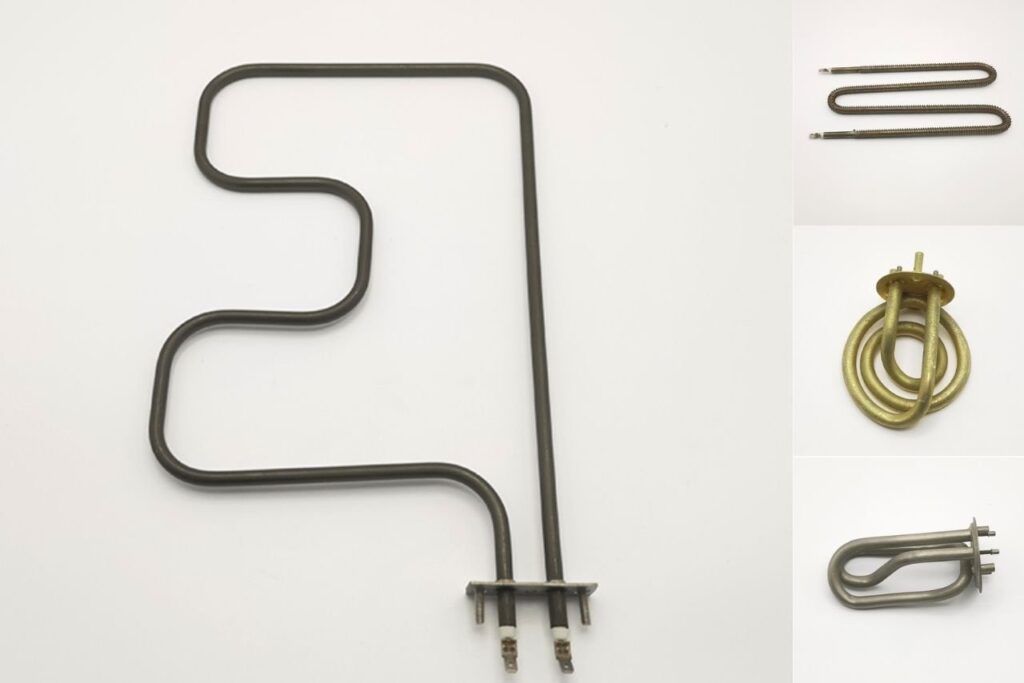
Effective dishwasher thermal performance is the intersection of advanced fluid dynamics and precision electrical engineering.
As a foundational Pillar Page, this guide provides a comprehensive technical overview of Dishwasher Heating Element Repair and Replacement Strategies. Leveraging the 40-year manufacturing heritage of Camewould (Jin Zhong) a global leader and premier 発熱体メーカー we explore the material science, diagnostic protocols, and industrial-grade installation techniques required to maintain high-performance sanitization.
Technical Guide Overview
I. Fundamentals of Dishwasher Thermal Systems
The **Heating Element** in a dishwasher serves a dual purpose: raising the wash water to temperatures between 120 F and 155 F to dissolve fats and activate enzymes, and providing radiant heat during the drying cycle. Unlike an oven element, the dishwasher variant is designed for submerged operation, requiring a hermetically sealed sheath that prevents water ingress from causing a catastrophic electrical short.
Modern units utilize tubular 発熱体 consisting of a high-resistance ニッケルクロム(NiCr) wire centered within a metal tube. The void is filled with high-purity Magnesium Oxide (MgO), which facilitates rapid thermal transfer to the water while maintaining electrical isolation. When this component fails, the mechanical wash action continues, but without thermal energy, results are compromised by grease residue and damp dishes.
II. Advanced Diagnostic & Fault Analysis
Before initiating a replacement, professional technicians employ a systematic diagnostic sequence to rule out peripheral failures such as the control board relay or the High-Limit Thermostat (often located beneath the tub floor).
1. Visual Inspection for Physical Breach
Inspect the element for pitting または mineral calcification. In areas with hard water, calcium deposits act as an insulator, forcing the internal resistive wire to operate at higher temperatures than designed. This eventually leads to a terminal “hot spot” and physical rupture of the sheath. If the element feels “gritty” or shows visible bubbles, it has reached its end of life.
2. Electrical Resistance Profiling
Using a digital multimeter, check for **導通性** across the element terminals (typically accessible from behind the bottom kickplate). A functional element from a verified 発熱体工場 will show a specific resistance range based on its wattage.
Dishwasher Heating Element Technical Specifications
| メートル | Standard Range | Industrial Peak (Camewould) |
|---|---|---|
| Operating Wattage | 600W C 1200W | Up to 1500W (Custom) |
| Resistance (Ohms) | 15 C 30 | Precision Matched 5% |
| Insulation Resistance | >100 M | Tested at 1500V AC |
| シース材質 | Standard SS304 | Incoloy 800 / SS321 |
III. Replacement Strategies: Step-by-Step Execution
When diagnosis confirms a failure, the following replacement strategy ensures a leak-free and electrically sound installation. Replacing a **加熱エレメント** in a dishwasher is more complex than in an oven due to the need for water-tight seals.
1. Isolation and Drainage
Disconnect the power source and the water supply line. Lay the dishwasher on its back to access the bottom components. **Professional Tip:** Place a shallow tray under the water inlet valve to catch residual water during disassembly.
2. Terminal and Nut Extraction
Remove the plastic wire terminal covers. Use a 7/8-inch wrench or deep-well socket to remove the plastic mounting nuts that secure the element’s threaded ends to the tub. These nuts often include an integrated rubber gasket that provides the primary water seal.
3. Seal Integrity Verification
Before installing the new element from your 発熱体メーカー, ensure the tub holes are free of debris. Apply a small amount of food-grade silicone lubricant to the new rubber washers to prevent “binding” as the mounting nuts are tightened.
IV. Material Science: Incoloy 800 vs. Stainless Steel
At **Camewould Electrical Technology**, our CNAS-accredited laboratory conducts rigorous material fatigue tests to determine the optimal sheath for dishwasher environments.
- Stainless Steel (SS304/316): Excellent for general use but can suffer from pitting corrosion in high-chloride water environments (common in coastal cities).
- Incoloy 800: A nickel-iron-chromium alloy that offers superior resistance to oxidation and carbonization. It is the gold standard for high-wattage elements that cycle frequently between wet and dry phases.
V. Die Casting & Innovative Heating Solutions
For high-end commercial dishwashers and sterilization equipment, ダイカスト加熱ソリューション represent the next generation of thermal efficiency. In these systems, the tubular heating element is cast directly into an aluminum or brass block.
- Thermal Uniformity: Eliminates localized temperature spikes, preventing detergent “burning.”
- Longevity: The cast metal provides a secondary physical barrier against corrosive wash chemicals.
- エネルギー効率: Integrated die-cast heaters maintain a thermal conversion rate of 98%, reducing the electrical draw during long sanitization cycles.
VI. Expert FAQ: Troubleshooting Thermal Issues
Q1: My dishes are clean but still wet at the end of the cycle. Is the element failed?
Not necessarily. While a failed element is a primary suspect, check your Rinse Aid dispenser first. If the rinse aid is empty, water tension won’t break, preventing the “sheeting” action required for the heating element to dry the dishes effectively. If rinse aid is full, then proceed to test the element for continuity.
Q2: Why did my dishwasher heating element melt the plastic tub?
This is a critical failure typically caused by a stuck relay on the control board or a failed high-limit thermostat. If the element remains energized when there is no water to dissipate the heat, it can reach temperatures sufficient to melt the surrounding plastic. In this scenario, both the element and the control board must be replaced.
Q3: Can I clean mineral scale off my element, or must I replace it?
If the scale is light, running a cycle with a citric acid-based dishwasher cleaner can dissolve the buildup. However, if the element is already showing pitting または discoloration, the metal has been compromised and cleaning will not restore its structural integrity. Replacement is the safer option.
Global Engineering, Local Reliability
With a monthly production capacity of 3 million units and 40 years of R&D excellence, Camewould provides the heating cores for the world s most trusted brands, including Philips, Midea, and DeLonghi.
References & Technical Citations:
- [1] Camewould Electrical Technology – Technical Manual for Submerged Heating Components (2025). jinzho.com
- [2] Wikipedia – Physics of Resistive Heating and Dielectric Insulation. en.wikipedia.org
- [3] IQS Directory – Design Standards for Tubular Heating Elements in Domestic Appliances. iqsdirectory.com
- [4] Sears Home Services – Diagnostic Guide for Dishwasher Thermal Failures. searshomeservices.com