
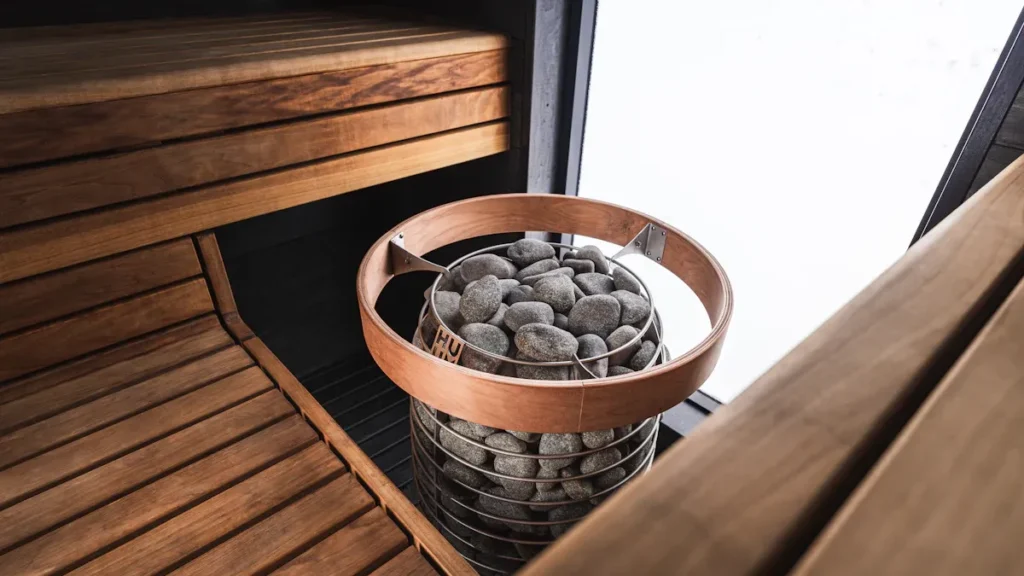

A elemento calefactor transforms the authentic sauna experience by delivering steady heat and reliable warmth. Many users notice that electric sauna heating elements can bring a sauna to optimal temperature up to 30 minutes faster than traditional wood-fired methods, making relaxation more accessible. Fabricantes de elementos calefactores como Calefacción eléctrica Jinzhong diseño elementos calefactores de electrodomésticos that ensure efficient heating and even heat distribution. Sauna heating element technology also incorporates advanced safety features and precise temperature controls, allowing users to enjoy each session with confidence and comfort.
Consistent and Efficient Heat with Sauna Heating Elements

Even Heat Distribution in Saunas
No Hot or Cold Spots
A well-designed heating element ensures that every corner of the sauna receives the same level of heat. Proper ventilation plays a crucial role in this process. Medical Saunas highlights that strategically placed vents and fan systems help circulate fresh air without reducing heat intensity. This continuous airflow allows the elemento calefactor to distribute warmth evenly, eliminating hot or cold spots. Research shows that placing the inlet air opening above the stove and the exhaust under the bench creates optimal air mixing. This setup prevents cold air zones and promotes even heat distribution both vertically and horizontally.
Uniform Comfort for Everyone
Uniform heat means that everyone in the sauna enjoys the same level of comfort, regardless of where they sit. Carbon fiber heaters, for example, provide a softer, more consistent temperature throughout the sauna, reducing the risk of hot spots. Ceramic heaters, while offering faster warm-up times, may create more pronounced temperature gradients. The choice of elemento calefactor directly impacts the overall comfort and effectiveness of the sauna experience.
Reliable Performance of Sauna Heating Element
Maintains Desired Temperature
A sauna heating element must maintain a steady temperature to deliver a relaxing and therapeutic session. Studies on portable steam sauna pods reveal high reliability in maintaining temperature and humidity settings, especially at higher levels. For example, at the highest setting, the temperature remains stable for nearly an hour, ensuring users experience consistent heat throughout their session.
Works in All Conditions
Reliability extends beyond just temperature control. Sauna heating elements perform well across different conditions and repeated use. Data shows that physiological responses such as heart rate, sweat rate, and thermal comfort remain stable over multiple sessions. This consistency demonstrates that a quality heating element can withstand regular use without performance loss.
Tip: Consistent heating and reliable performance make sauna sessions more enjoyable and predictable for all users.
Energy Efficiency of Electric Heating Elements
Uses Less Power Over Time
Electric heating elements offer a balance between convenience and energy efficiency. While traditional electric saunas use between 9 to 13 kWh per hour, infrared saunas consume only 1.5 to 3.5 kWh per hour. Infrared heaters achieve this by heating the body directly, resulting in quicker warm-up times and lower operating temperatures.
Cost Savings on Energy Bills
| Heating Option | Monthly Cost Estimate (USD) | Energy Savings Compared to Traditional Electric Heater |
|---|---|---|
| Eléctrico tradicional | $8 – $10 | Línea de base |
| Infrared Sauna | $2.50 – $3.50 | 60-75% savings |
| Gas Heater | Varía | 20-30% savings |
Electric sauna heaters typically cost $1 to $3.30 per session, depending on size and insulation. While infrared saunas offer the greatest savings, electric heating elements provide a practical mix of moderate operating costs and easy maintenance. This makes them a popular choice for those seeking both comfort and energy efficiency in their sauna.
Faster Warm-Up Times Using Sauna Heating Element

Quick Start-Up with Electric Heating Elements
Ready to Use in Minutes
Electric heating elements bring a sauna to the desired temperature much faster than traditional methods. The average warm-up time for a traditional sauna ranges from 30 to 40 minutes, while infrared saunas reach over 100º F in about 15 minutes. The table below highlights the differences in heating speed and temperature control:
| Sauna Type | Warm-up Time | Temperatura | Heating Method Characteristics |
|---|---|---|---|
| Sauna Tradicional | 30-40 minutes | 150-160º F | Requires heating air and rocks; warm-up depends on insulation, ambient temperature, and ventilation. |
| Infrared Sauna | ~15 minutes to 100º F+ | Typically 110º F or more | Infrared emitters provide direct heat; no need to heat air or rocks; users can start bathing immediately. |
This rapid start-up means users spend less time waiting and more time enjoying the sauna experience.
Less Waiting, More Enjoyment
Electric sauna heating elements often use an “always on” low power mode to keep rocks warm. When users enter, only the air needs heating. This design reduces waiting time and ensures the sauna is ready for use almost immediately. The optimized rock quantity in electric heaters balances quick start-up with effective steam production, making each session more convenient.
Advanced Heating Technology in Sauna Heating Elements
Modern Elements vs. Traditional Methods
Modern and efficient solutions in sauna heating elements have transformed the traditional sauna experience. Infrared heaters emit radiant heat that the body absorbs directly, creating a gentler and more comfortable environment. Smart sauna technology allows users to control temperature and humidity remotely, while advanced digital interfaces provide precise adjustments. Improved insulation and efficient heating elements further reduce energy consumption without sacrificing heat output.
- Future saunas will feature zoning capabilities for customized heating in different areas.
- Sensors will enable real-time adjustments, ensuring consistent comfort.
- Hybrid designs combine traditional and infrared heating for versatile experiences.
Improved User Experience
Modern sauna heating elements offer more than just speed. They provide tailored heat, humidity, lighting, and sound settings for a personalized experience. Health monitoring sensors may soon allow automatic adjustments based on user biometrics. Enhanced ventilation systems maintain optimal air quality and comfort, supporting a superior sauna experience.
Energy and Time Savings in Sauna Sessions
Efficient Use of Resources
Electric heating elements use energy efficiently by heating only what is necessary. Infrared saunas, for example, heat the body directly, which reduces overall power consumption. Improved insulation and advanced controls help maintain the desired temperature with minimal energy waste.
More Sessions, Less Downtime
Faster warm-up times mean users can schedule more sauna sessions with less downtime between uses. The efficient heating process allows for quick recovery after each session, making the sauna a practical choice for busy lifestyles.
Note: Modern sauna heating elements deliver both speed and efficiency, enhancing every aspect of the sauna experience.
Enhanced Safety and Control with Sauna Heating Elements
Built-In Safety Features of Electric Heating Elements
Protección contra sobrecalentamiento
Manufacturers design modern sauna heating elements with advanced overheat protection. These systems monitor the temperature inside the sauna and automatically power down the heating element if it exceeds safe limits. This feature reduces the risk of burns and fire hazards, creating a safer environment for users. Certifications such as ETL, UL, CSA, CE, and TÜV confirm compliance with international safety standards. These certifications give users peace of mind, knowing that the sauna meets strict electrical safety requirements.
Apagado Automático
Automatic shut-off functions add another layer of safety. If the sauna operates for too long or if sensors detect unsafe conditions, the heating system will turn off without user intervention. This feature prevents overheating and protects both the equipment and the people inside. Sensitive electronics, often housed outside the sauna, improve reliability and extend the lifespan of the heating system.
Tip: Regular inspection and calibration of sauna heaters, which typically cost between $50 and $150, help maintain these safety features and ensure energy efficiency.
Precise Temperature Control in Sauna Heating Element
Easy-to-Use Controls
Modern sauna heating elements feature digital panels and smart sensors that allow users to adjust and monitor temperature in real time. These controls make it easy to control temperature, ensuring a comfortable and safe sauna experience. Wi-Fi enabled systems even allow remote operation, so users can preheat the sauna or adjust settings from a distance.
Customizable Settings for Comfort
Precise temperature control supports customizable heat profiles and wellness programs. Users can select their preferred temperature and session length, tailoring each sauna session to their needs. The table below highlights how updated safety standards have improved temperature regulation and user comfort:
| Aspecto | Previous Standard (UL 875) | Updated Standard (UL 60335-2-53) |
|---|---|---|
| Temperature trip threshold | Lower (~360°F/182°C), conservative | Higher threshold, fewer unnecessary trips |
| Thermostat sensor placement | Above heater, 6″ from ceiling | Over seating area, more accurate control |
| Temperature measurement | Limited to sensor above heater | Supports sit-bench measurements, higher room temps |
| Safety & documentation | Older requirements | Aligned with international standards, updated warnings |
These improvements enable more accurate temperature regulation and a safer, more enjoyable sauna experience.
Low Maintenance and Durability of Sauna Heating Elements
Long-Lasting Components
Quality sauna heating elements offer impressive durability. Infrared sauna heaters, for example, often last between 15 a 20 años with minimal repairs. This longevity results from superior materials and construction. In contrast, budget heaters may fail within a few years due to inferior components. Regular cleaning and maintenance prevent mold and bacteria buildup, contributing to a safer and more pleasant sauna environment.
Fewer Repairs and Replacements
Routine maintenance, such as annual inspections and cleaning, keeps heating systems running efficiently and reduces the frequency of costly repairs. Annual sauna maintenance costs average around $100, with additional cleaning expenses ranging from $50 to $100. Consistent upkeep extends the lifespan of the heating element and enhances sauna efficiency. Investing in routine maintenance prevents expensive repairs and ensures a reliable sauna experience for years.
Note: Proper maintenance and high-quality components combine to deliver long-term value and peace of mind for sauna owners.
Cómo Elegir el Elemento Calefactor de Sauna Adecuado
Types of Sauna Heating Elements
Electric Heating Elements for Saunas
Electric heaters remain the most common choice for modern sauna installations. These heaters use electric elements to heat rocks and air, providing efficient and consistent warmth. Users appreciate their easy installation and straightforward operation. Electric heaters require a suitable electrical setup and may increase energy costs, but they offer reliable performance in both residential and commercial settings.
Infrared Sauna Heating Elements
Infrared heaters, including far-infrared heating elements, have gained popularity for their energy efficiency and quick heat-up times. These heaters emit infrared radiation that heats the body directly, rather than warming the air. Far-infrared heating elements create a gentle, therapeutic environment and suit smaller spaces. However, they do not replicate the intense heat of traditional sauna experiences. Many models use ceramic heating elements or carbon panels to deliver targeted warmth.
Wood-Burning Sauna Heating Elements
Wood-burning heaters provide an authentic sauna experience with natural aroma and ambiance. These heaters require proper ventilation and a chimney system. Installation is more complex, but many users value the connection to tradition and the durability of these units. Wood-burning heaters suit outdoor or rural settings where electricity may not be available.
| Sauna Heater Type | Descripción | Ventajas | Considerations |
|---|---|---|---|
| Calentadores eléctricos | Electric elements heat rocks and air | Efficient, easy to use, consistent heat | Needs electrical setup, energy costs |
| Calentadores infrarrojos | Far-infrared heating elements heat body directly | Energy-efficient, fast, therapeutic benefits | Less intense heat, smaller spaces |
| Wood-Burning Heaters | Firewood heats sauna, natural aroma | Authentic, durable, traditional experience | Needs chimney, complex installation |
What to Look For in a Sauna Heating Element
Quality Materials and Construction
Selecting a sauna heating element with high-quality materials ensures durability and optimal performance. Far-infrared heating elements and ceramic heating elements should use robust, heat-resistant materials. The quality of sauna rocks, such as peridotite or olivine, also affects heat retention and longevity. Reliable heaters often come from brands with strong reputations and comprehensive warranties.
Safety Certifications for Sauna Heating Elements
Safety remains a top priority. Look for heaters with certifications such as ETL, UL, CSA, CE, or TÜV. These marks indicate that the sauna heating element has passed rigorous safety tests. Certified heaters reduce risks of electrical hazards and fire. Routine professional inspections and adherence to manufacturer guidelines further enhance safety.
Tip: Always match the heater’s power output to the sauna’s size for efficient and safe operation.
Installation and Upkeep of Sauna Heating Elements
Instalación Profesional vs. Instalación por Propia Cuenta (DIY)
Professional installation ensures compliance with local codes and safety standards. Licensed electricians handle wiring, circuit setup, and GFCI protection, which are essential in the moist sauna environment. DIY installation may seem cost-effective but can lead to safety hazards and non-compliance. Professional installation typically results in faster, safer, and more reliable operation.
Maintenance Tips for Sauna Heating Elements
Regular maintenance extends the life of sauna heaters. Users should inspect heating elements for wear, clean sauna stones annually, and replace stones after about 300 hours of use. Proper arrangement of stones around ceramic heating elements supports airflow and vapor. Ventilation, electrical checks, and thermostat calibration help maintain optimal performance. Following manufacturer manuals and scheduling professional servicing are key usage recommendations for sauna heating element longevity.
Note: Consistent upkeep and professional installation protect both the sauna and its users, ensuring years of safe enjoyment.
Comparing Sauna Heating Elements to Other Heating Methods
Sauna Heating Elements vs. Wood Stoves
Convenience and Cleanliness
Wood-burning stoves create a traditional sauna environment with a unique aroma and soft, moist heat. However, these heaters require manual operation, regular ash removal, and careful ventilation. Users must manage firewood and control the draft for optimal performance. Electric sauna heating elements, by contrast, offer immediate convenience. With a simple switch or app, users can start the heat cycle, set precise temperatures, and enjoy low-maintenance operation. These heaters eliminate the mess of ash and soot, making them ideal for urban or indoor settings.
| Aspecto | Wood-Burning Sauna Stoves | Electric Sauna Heaters |
|---|---|---|
| Eficiencia de calentamiento | Radiant heat penetrates deeper; cycles fresh air; longer startup time | Quick heating; precise temperature control; heats rocks for thermal mass |
| User Convenience | Requires maintenance (ash cleaning, ventilation); longer startup; manual control (draft) | Easy to use (flip a switch or app control); low maintenance; precise digital controls |
| Impacto medioambiental | Produces smoke and particulate emissions; sustainable wood reduces impact; needs proper venting | Can be powered by renewable energy; lower emissions; depends on electricity availability |
| Caso de Uso Ideal | Off-grid or rural settings; traditional ambiance and sensory experience | Urban environments; convenience and low maintenance prioritized |
Impacto medioambiental
Wood-burning stoves rely on natural fuel and can use sustainably sourced wood, but they still produce smoke and particulate matter. Even with modern combustion technology, emissions remain a concern, especially in areas with air quality regulations. Electric sauna heaters, when powered by renewable energy, offer a cleaner alternative. These heaters generate fewer emissions and support a more sustainable sauna experience. However, their dependence on electricity may limit use in remote locations.
Note: Wood-burning stoves suit rural or off-grid saunas, while electric heaters excel in urban environments where convenience and air quality matter.
Sauna Heating Elements vs. Infrared Panels
Heat Quality and Experience
Infrared heating panels deliver even, consistent far-infrared radiation across the sauna surface. This technology creates a gentle, comfortable environment with lower surface temperatures (80–140°F). Far-infrared heating elements penetrate the body deeply, supporting muscle recovery and joint relief. Ceramic heating elements, often used in traditional saunas, produce higher temperatures (572–1292°F) and more intense heat. These heaters can create hot and cold spots, leading to a harsher experience. Far-infrared heating elements allow longer sessions without overheating, while ceramic heating elements provide a classic, invigorating heat.
| Característica | Infrared Heating Panels | Calentadores de cerámica |
|---|---|---|
| Distribución del calor | Even, consistent far-infrared radiation | Calor localizado, puntos calientes y fríos |
| Temperatura de la superficie | Inferior (27–60°C) | Superior (300–700°C) |
| Penetración del calor | Calentamiento corporal profundo y directo | Más superficial y localizado |
| Confort del usuario | Sesiones suaves y prolongadas posibles | Intenso, a veces severo |
| Eficiencia energética | Alta | Más bajo |
| Vida útil | Larga duración (50.000–100.000 horas) | Menor duración (~5.000 horas) |
| Beneficios terapéuticos | Alivio corporal integral, muscular y articular | Limitado por el calentamiento localizado |
Idoneidad para diferentes tipos de sauna
Las saunas finlandesas tradicionales utilizan estufas eléctricas o de leña para calentar rocas, alcanzando temperaturas elevadas (71-93°C) y creando un ambiente seco o con vapor. Estos calentadores permiten verter agua sobre las piedras calientes para generar vapor, mejorando la experiencia de sauna. Las saunas infrarrojas utilizan elementos o paneles de calor infrarrojo lejano para calentar el cuerpo directamente a temperaturas más bajas (46-66°C). Los expertos de la industria recomiendan elementos de calentamiento tradicionales para quienes buscan una experiencia de sauna auténtica, mientras que los paneles infrarrojos se adaptan a usuarios que prefieren un calor más suave y terapéutico. La colocación adecuada de los elementos de calentamiento infrarrojo lejano garantiza el máximo beneficio, especialmente en diseños de sauna infrarroja.
Por qué destacan los elementos de calentamiento para sauna
Satisfacción general del usuario
Los calentadores eléctricos para sauna reciben grandes elogios por su rendimiento, fiabilidad y características modernas. Modelos como el HUUM Drop y el Harvia KIP 60 destacan por sus rápidos tiempos de calentamiento, distribución uniforme del calor y controles fáciles de usar. Los usuarios valoran el calor constante y el bajo mantenimiento que ofrecen estos calentadores. Mientras que las estufas de leña brindan una experiencia sensorialmente rica, los calentadores eléctricos ofrecen comodidad y control preciso, lo que los convierte en una opción popular para muchos entusiastas del sauna.
Valor a largo plazo
Invertir en elementos de calentamiento para sauna respalda la salud y el bienestar a largo plazo. Estudios científicos vinculan el uso regular del sauna con la mejora de la salud cardiovascular, la reducción del estrés y una mayor longevidad. Los elementos de calentamiento infrarrojo lejano, en particular, ofrecen una exposición al calor confortable y beneficios terapéuticos para afecciones como artritis y asma. Estas ventajas destacan el valor duradero de los calentadores de sauna de calidad, ya sea para experiencias de sauna tradicionales o infrarrojas.
Los elementos de calentamiento para sauna proporcionan calor constante y eficiente, transformando la experiencia del usuario.
- La eficiencia energética, el control avanzado de temperatura y las características de seguridad mejoradas distinguen a los sistemas modernos.
- La durabilidad y las opciones de personalización mejoran el confort y el valor a largo plazo.
| Tipo de calentador | Warm-up Time | Consumo energético por sesión | Coste anual (3 veces/semana) |
|---|---|---|---|
| Tradicional | 30-45 min | 1,5-2,5 kWh | $95-$130 |
| Infrarrojos | 10-15 min | 0,5-0,8 kWh | $30-$45 |
Seleccionar un elemento de calentamiento de alta calidad maximiza los beneficios para el bienestar y la satisfacción del usuario.
PREGUNTAS FRECUENTES
¿Cuál es la principal ventaja de utilizar un elemento de calentamiento eléctrico para sauna?
Los elementos de calentamiento eléctricos para sauna proporcionan calor rápido y constante. Los usuarios pueden controlar la temperatura con precisión. Estos elementos requieren un mantenimiento mínimo y ofrecen un rendimiento fiable tanto en saunas domésticas como comerciales.
¿Cuánto dura normalmente un elemento de calentamiento para sauna?
Un elemento de calentamiento para sauna de calidad suele durar entre 10 y 20 años. La vida útil depende del uso, el mantenimiento y el tipo de elemento. La limpieza y las inspecciones regulares ayudan a prolongar su vida de servicio.
¿Son seguros los elementos de calentamiento para sauna en el hogar?
Los fabricantes diseñan los elementos de calentamiento modernos para sauna con características de seguridad como protección contra sobrecalentamiento y apagado automático. Los modelos certificados cumplen estrictas normas de seguridad. Una instalación adecuada y un mantenimiento regular garantizan un funcionamiento seguro.
¿Pueden los usuarios instalar ellos mismos un elemento de calentamiento para sauna?
Se recomienda la instalación profesional. Los electricistas autorizados garantizan un cableado correcto y el cumplimiento de los códigos de seguridad. La instalación por cuenta propia puede conllevar riesgos o anular las garantías.
¿Qué mantenimiento requiere un elemento de calentamiento para sauna?
El mantenimiento de rutina incluye inspeccionar el desgaste, limpiar las piedras y revisar las conexiones eléctricas. Las inspecciones profesionales anuales ayudan a mantener la eficiencia y la seguridad.
Consejo: Reemplace las piedras del sauna después de aproximadamente 300 horas de uso.
¿Funcionan los elementos de calentamiento para sauna en todos los climas?
Los elementos de calentamiento para sauna funcionan bien en la mayoría de los climas. Un aislamiento y ventilación adecuados ayudan a mantener las temperaturas deseadas, incluso en entornos más fríos.
¿Cómo se comparan los calentadores eléctricos para sauna con las estufas de leña en cuanto al uso de energía?
Los calentadores eléctricos para sauna utilizan electricidad, que puede provenir de fuentes renovables. Las estufas de leña dependen de la leña y producen emisiones. Los calentadores eléctricos ofrecen mayor eficiencia energética y una operación más limpia en la mayoría de entornos urbanos.
¿Qué deben considerar los usuarios al elegir un elemento de calentamiento para sauna?
Los usuarios deben buscar materiales de calidad, certificaciones de seguridad y compatibilidad con el tamaño de la sauna.
- Professional installation
- Reputación confiable de la marca
- Cobertura de garantía
Todo contribuye a una mejor experiencia en la sauna.

