Es necesario identificar el modelo de su calentador de agua AO Smith antes de seleccionar un nuevo elemento. Utilizar el elemento correcto para el calentador de agua garantiza que su sistema funcione con la máxima eficiencia y respalda consideraciones críticas de seguridad. Los diseños de calentadores de agua AO Smith, como el ProLine XE Voltex, demuestran que utilizar el elemento adecuado puede ahorrar hasta $600 anuales en costos de energía, al tiempo que mejora la seguridad con protección avanzada contra fugas. Fabricantes de elementos calefactores como Calefacción eléctrica Jinzhong suministro elementos calefactores de electrodomésticos que cumplan con estos estándares rigurosos. Verifique siempre la compatibilidad del elemento para evitar problemas de rendimiento o riesgos.
Encuentre el Número de Modelo de su Calentador de Agua AO Smith
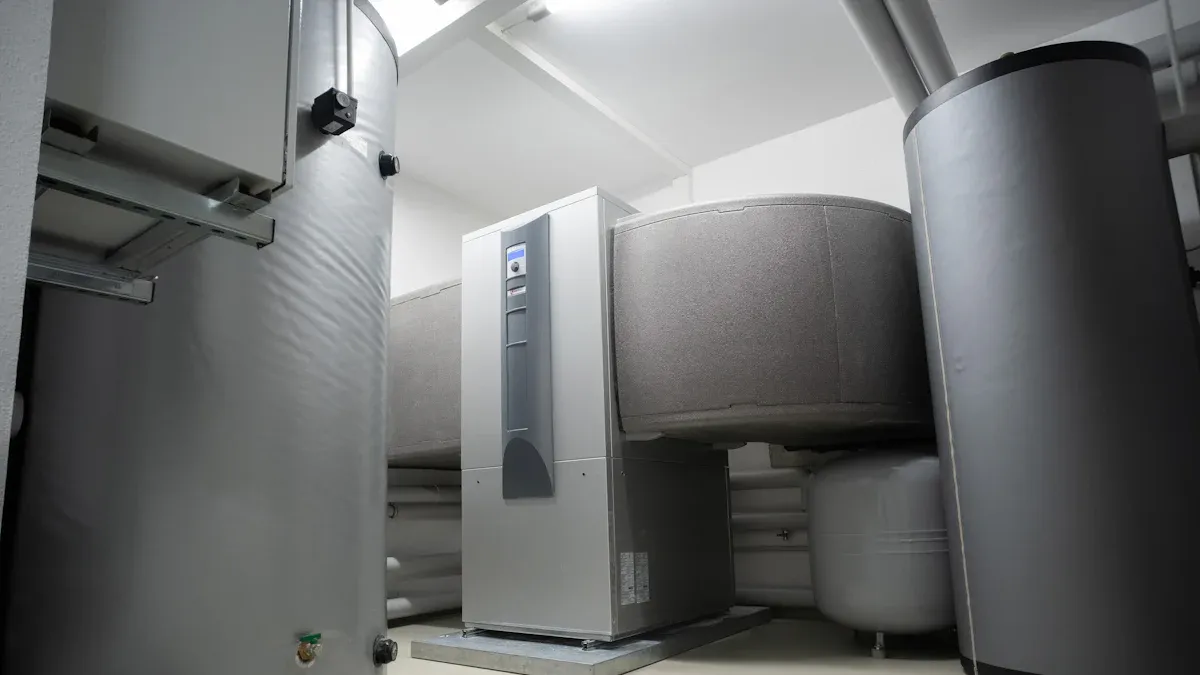
Ubicación del Número de Modelo en su Calentador de Agua
Revisión de la Etiqueta del Fabricante
Debe comenzar por encontrar el número de modelo en su calentador de agua. AO Smith coloca esta información en la placa de especificaciones, que generalmente se encuentra en el lateral de la unidad. La placa de especificaciones contiene varios datos importantes:
- Número de modelo, frecuentemente formateado con un año de cuatro dígitos y un mes de dos dígitos.
- Número de serie y fecha de fabricación.
- Capacidad del tanque y elemento calefactor potencia (vatios).
- A Código QR que puede escanear con su smartphone para acceder instantáneamente al número de modelo, número de serie, estado de la garantía y recursos de soporte.
Consejo: Escanear el código QR en la placa de características le brinda acceso rápido a todas las especificaciones esenciales y la información de soporte para su equipo. agua más confiable.
Consulta del Manual del Propietario
Si no puede localizar la placa de especificaciones o si está dañada, debe revisar su manual del propietario. AO Smith incluye el número de modelo, número de serie y especificaciones técnicas en el manual. También encontrará diagramas y tablas que le ayudarán a identificar las piezas de repuesto correctas. El manual proporciona orientación sobre voltaje, potencia (vatios) y tamaños de conexión, datos cruciales para seleccionar el elemento calefactor adecuado.
Comprensión de las Especificaciones de su Calentador de Agua
Qué Información Necesita (Modelo, Serie, Potencia, Voltaje)
Debe recopilar varios detalles clave antes de elegir un elemento de repuesto para su calentador de agua:
- Número de modelo y número de serie.
- Clasificaciones de potencia (vatios) y voltaje.
- Longitud y tipo de rosca del elemento calefactor.
- Estilo de montaje (atornillado, empernado, sujetado con abrazadera).
- Compatibilidad de la junta (empaquetadura).
- Material del elemento calefactor (cobre, acero inoxidable, Incoloy).
Puede encontrar la mayor parte de esta información en la placa de especificaciones o grabada en el elemento calefactor antiguo. Confirme siempre estos detalles en su manual del propietario para evitar errores.
Por Qué Son Importantes Estos Detalles
Coincidir exactamente con las especificaciones garantiza que su calentador de agua funcione de manera segura y eficiente. AO Smith diseña cada calentador de agua para clasificaciones específicas de voltaje y potencia (vatios), como 240V y 4500W para muchos modelos residenciales. Si instala un elemento con la potencia o voltaje incorrectos, corre el riesgo de dañar la unidad o crear peligros eléctricos. La longitud y el tamaño de rosca correctos garantizan un ajuste adecuado, mientras que el material correcto ayuda a prevenir la acumulación de sarro y prolonga la vida útil de su calentador de agua. Nunca debe sustituir elementos con clasificaciones diferentes, ya que esto puede provocar un rendimiento deficiente y problemas de seguridad.
Nota: Consulte siempre el manual del propietario o las directrices del fabricante antes de comprar un elemento de repuesto. Este paso le ayuda a evitar conjeturas y previene errores costosos.
Factores Clave para Elegir el Elemento Correcto para Calentador de Agua AO Smith
Potencia
Coincidencia de la Potencia (Vatios) con su Calentador
Debe seleccionar un elemento con la potencia (vatios) correcta para su calentador de agua AO Smith. La mayoría de los modelos residenciales utilizan elementos clasificados entre 3800 vatios (superior) y 5500 vatios (inferior). AO Smith diseña el cableado interno para soportar de forma segura hasta 5500 vatios. Si elige una potencia mayor, como 6000 vatios, es posible que necesite actualizar el cableado y los interruptores automáticos, lo que puede anular las garantías y crear riesgos de seguridad. Revise siempre el manual del propietario o la placa de especificaciones para conocer la potencia recomendada antes de comprar un elemento de repuesto.
Consejo: Coincidir la potencia garantiza que su calentador de agua funcione de manera eficiente y mantenga la cobertura de la garantía.
Efectos de una Potencia Incorrecta
Utilizar un elemento con la potencia incorrecta puede causar problemas graves. Puede ocurrir sobrecalentamiento si el elemento no está completamente sumergido, lo que lleva a una rápida quemadura o daños físicos como deformación y agrietamiento. Los riesgos eléctricos aumentan, incluyendo cortocircuitos, disparos del interruptor automático e incluso peligro de incendio. La potencia incorrecta también sobrecarga el termostato, provocando su fallo prematuro. Puede notar una eficiencia de calentamiento reducida y facturas de energía más altas. Prevenga estos problemas confirmando la potencia correcta y asegurando una instalación adecuada.
- Sobrec
- Thermostat burnout
- Increased energy consumption
- Riesgos eléctricos
- Warranty voiding
Voltaje
Common Voltage Ratings (120V vs 240V)
AO Los elementos de calentadores de agua Smith están disponibles en varios voltajes nominales estándar. Los modelos residenciales suelen utilizar elementos monofásicos de 120 V o 240 V. Los modelos comerciales pueden requerir 208V, 277V, or even 480V. The following table summarizes the most common voltage ratings:
| Voltage Rating | Phase Type | Notas |
|---|---|---|
| 120 V | Single-phase | Standard for some residential models |
| 208 V | Single-phase | Utilizados en algunos entornos residenciales y comerciales |
| 240 V | Single-phase | Más común en calentadores residenciales |
| 277 V | Single-phase | Utilizado en entornos comerciales |
| 480 V | Trifásico | Aplicaciones comerciales de alta potencia |
Cómo confirmar el voltaje de su calentador
Siempre debe verificar el voltaje nominal antes de comprar un elemento nuevo. Revise la placa de características de su calentador de agua o consulte el manual del propietario. Instalar un elemento con el voltaje incorrecto puede causar fallas eléctricas y dañar la unidad. Si no está seguro, comuníquese con el soporte técnico de AO Smith o con un técnico calificado para obtener orientación.
Nota: La selección adecuada del voltaje protege su calentador de agua y garantiza un funcionamiento seguro.
Material
Tipos de materiales de los elementos (cobre, acero inoxidable, Incoloy)
AO Smith ofrece elementos para calentadores de agua en varios materiales. Los tipos más comunes incluyen cobre, acero inoxidable e Incoloy. Cada material tiene propiedades únicas que afectan el rendimiento y la durabilidad.
- Cobre: Se calienta rápidamente y cuesta menos. Sin embargo, los elementos de cobre se corroen más rápido en agua dura, lo que reduce su vida útil.
- Acero Inoxidable: Resiste la corrosión y la acumulación de sarro mejor que el cobre. Los elementos de acero inoxidable duran más, especialmente en áreas con agua dura.
- Incoloy: Proporciona una resistencia superior a la corrosión y durabilidad. Los elementos de Incoloy soportan altas temperaturas y condiciones de agua adversas, lo que los hace ideales para uso a largo plazo.
Ventajas y desventajas de cada material
Elegir el material adecuado para su elemento afecta la longevidad y eficiencia de su calentador de agua. La siguiente tabla compara las principales ventajas y desventajas:
| Material | Ventajas | Contras |
|---|---|---|
| Cobre | Calentamiento rápido, bajo costo | Propensos a la corrosión en agua dura |
| Acero inoxidable | Alta resistencia a la corrosión, larga vida útil | Costo más alto que el cobre |
| Incoloy | Durabilidad superior, resiste la formación de sarro | Más caro, pero con la vida útil más larga |
Debe considerar la calidad del agua local y sus hábitos de mantenimiento al seleccionar un material para el elemento. Las características avanzadas de AO Smith, como el revestimiento de vidrio Blue Diamond y las varillas de ánodo CoreGard, funcionan mejor con elementos que resisten la corrosión y el sarro. El mantenimiento regular, incluido el enjuague del tanque y la inspección de la varilla de ánodo, ayuda a prolongar la vida útil de los elementos de su calentador de agua.
Llamada: Usar el material de elemento correcto y realizar un mantenimiento regular protege su inversión y garantiza agua caliente confiable durante años.
Longitud y tamaño
Medición de la longitud del elemento
Debe medir la longitud del elemento de su calentador de agua antes de comprar un repuesto. Comience apagando la alimentación y drenando el tanque. Retire el elemento viejo usando una llave para elementos de rosca. Mida desde la base de la brida del elemento hasta la punta de la bobina calefactora. Esta medida le da la longitud total requerida para su calentador de agua AO Smith. La mayoría de los calentadores de agua residenciales nuevos utilizan una brida de rosca con un diámetro de 1 pulgada y rosca 11-1/2 NPSM. Este estándar se ajusta a los modelos AO Smith fabricados después de 1994. Los modelos más antiguos pueden usar bridas planas, universales o de cabeza redonda que se atornillan al tanque.
- Brida de rosca estándar: diámetro de 1 pulgada, rosca 11-1/2 NPSM
- Se ajusta a la mayoría de los calentadores de agua AO Smith fabricados después de 1994
- Los modelos más antiguos pueden requerir estilos de brida diferentes
- Use una llave para elementos de rosca para la instalación o extracción
Consejo: Siempre consulte el manual del propietario para conocer la longitud correcta del elemento y el estilo de brida. Este paso le ayuda a evitar desajustes y garantiza un ajuste adecuado.
Por qué el tamaño es importante para el ajuste y el rendimiento
Elegir el tamaño correcto para el elemento de su calentador de agua es esencial para un funcionamiento seguro y eficiente. Si instala un elemento con la longitud o el tamaño de rosca incorrectos, corre el riesgo de fugas y daños físicos a su calentador de agua. Un tamaño incorrecto reduce la eficiencia de calefacción y aumenta el consumo de energía. Los elementos desajustados pueden causar quemaduras debido a la acumulación de sarro y pueden dañar las roscas, lo que lleva a reparaciones costosas. Un mal ajuste también crea problemas de seguridad y limita la disponibilidad de agua caliente. La mayoría de los calentadores de agua AO Smith utilizan un tamaño de casquillo de 1-1/2 pulgadas, pero existen variaciones. Siempre verifique el tamaño del casquillo en su manual.
Nota: Hacer coincidir la longitud, el diámetro y el tipo de rosca del elemento con la pieza original evita fugas y mantiene un rendimiento óptimo.
Tipo de rosca
Tipos de rosca estándar vs. especiales
Debe identificar el tipo de rosca correcto para el elemento de su calentador de agua AO Smith. El tipo de rosca más común es una rosca de 1 pulgada de diámetro con 11-1/2 NPSM. Este estándar se ajusta a la mayoría de los calentadores de agua residenciales nuevos que utilizan elementos de rosca. Algunos modelos AO Smith más antiguos o marcas específicas pueden usar tamaños de rosca diferentes, como una rosca de 1-3/8 pulgadas. Estos no son intercambiables con los elementos estándar de rosca de 1 pulgada. Siempre confirme el tipo de rosca antes de comprar un repuesto.
Llamada de atención: Usar el tipo de rosca incorrecto puede dañar las roscas, causar fugas y dañar su calentador de agua.
Cómo identificar su tipo de rosca
Siga estos pasos para identificar con precisión el tipo de rosca requerido para el elemento de su calentador de agua:
- Verifique el estilo de la brida. Los calentadores de agua AO Smith suelen usar una brida de rosca con un diámetro de 1 pulgada y rosca 11-1/2 NPSM.
- Revise el manual o la placa de identificación de su calentador de agua para obtener los números de modelo y serie. Esta información le ayuda a verificar la compatibilidad.
- Confirme las clasificaciones de voltaje y potencia en la placa de identificación o estampadas en la cabeza del elemento. El repuesto debe coincidir con estas clasificaciones.
- Consulte guías como Water Heater Elements 101 o comuníquese con un profesional autorizado si no está seguro sobre el tipo de rosca o las especificaciones.
- Use elementos de repuesto OEM recomendados por AO Smith para evitar ineficiencia o daños.
- Verifique la longitud del elemento y el tipo de material para que coincidan con la pieza original.
Consejo: Utilice siempre elementos genuinos de calentadores de agua AO Smith para garantizar seguridad y rendimiento confiable.
Mida la rosca tanto en la abertura del calentador de agua como en el elemento viejo. Esto confirma la compatibilidad.
Verifique que el nuevo elemento no sea demasiado largo. Evite el contacto con piezas internas como el tubo de inmersión.
Revise las especificaciones eléctricas de su calentador de agua. Determine si utiliza uno o dos elementos y confirme el voltaje de operación.
Lea las instrucciones de cableado para su modelo específico de calentador de agua AO Smith. Esto garantiza un cableado correcto y compatibilidad.
Asegúrese de que el nuevo elemento incluya una junta de sellado. Si no es así, conserve la junta vieja hasta que verifique que la nueva encaje. Limpie la abertura roscada antes de la instalación. Este paso ayuda a crear un sellado adecuado.
Consejo: Verifique cada detalle antes de comprar un elemento de repuesto. Este enfoque cuidadoso previene errores costosos y garantiza que su calentador de agua funcione de manera segura.
Use los recursos oficiales de AO Smith
Herramientas de búsqueda de piezas en línea
AO Smith proporciona una herramienta de búsqueda de piezas en línea en su sitio web oficial. Debe ingresar el número de serie de su calentador de agua para recibir recomendaciones precisas de piezas de repuesto, incluido el elemento correcto. Esta herramienta verifica el modelo de su producto y asegura que seleccione la pieza adecuada. AO Smith enfatiza la importancia de usar el número de serie, ya que la herramienta no puede garantizar precisión sin él. El diseño de la herramienta de búsqueda le ayuda a evitar errores y respalda una operación segura y eficiente.
Soporte al cliente y manuales
También puede acceder a la sección de Soporte en el sitio web de AO Smith para solución de problemas y orientación. El sitio ofrece registro de productos y manuales del propietario, que contienen diagramas de cableado y especificaciones. Aunque AO Smith no ofrece un verificador de compatibilidad dedicado para elementos, estos recursos le ayudan a verificar números de modelo y detalles técnicos. Si tiene preguntas, puede contactar al soporte al cliente de AO Smith para obtener asesoramiento experto.
Nota: Utilice siempre los recursos oficiales de AO Smith para obtener la información más confiable sobre el elemento de su calentador de agua.
Verificación cruzada de compatibilidad
Verificación doble de números de pieza
Siempre debe verificar dos veces los números de pieza antes de comprar un elemento de repuesto. Use la función “Verificación de garantía y referencia cruzada de productos” de la aplicación móvil de AO Smith. Ingrese su número de serie, aplicación y fecha de instalación para verificar la compatibilidad. El sitio web oficial también ofrece una herramienta de “Referencia cruzada de calentadores de agua” y una sección de “Piezas de repuesto”. Estos recursos le ayudan a identificar el elemento correcto para su modelo específico de calentador de agua.
Comparación de elementos viejos y nuevos
Antes de la instalación, compare el elemento viejo con el nuevo. Verifique la longitud, el tipo de rosca, el vataje y el voltaje. Asegúrese de que el nuevo elemento coincida con el original en todos los aspectos. Este paso previene fugas, problemas eléctricos y problemas de rendimiento.
Llamada: La comparación cuidadosa y la verificación cruzada protegen su inversión y aseguran que su calentador de agua AO Smith proporcione agua caliente confiable.
Consideraciones de instalación
Herramientas necesarias
Debe reunir las herramientas adecuadas antes de comenzar a trabajar en su calentador de agua. Una preparación adecuada le ayuda a evitar demoras y garantiza un proceso de instalación fluido. Necesitará los siguientes elementos para reemplazar el elemento:
- Destornillador (plano y Phillips)
- Llave ajustable o llave de vaso (tamaño de 1-1/2 pulgada para la mayoría de los modelos AO Smith)
- Llave para elemento (herramienta especial para retirar e instalar el elemento)
- Sellador de roscas para tuberías clasificado para agua caliente
- Probador de voltaje o multímetro
- Cubo o manguera para drenar el tanque
- Paño o toalla limpia
Debe consultar el manual del propietario para cualquier requisito específico del modelo. Algunos modelos de calentadores de agua AO Smith pueden necesitar herramientas adicionales. Puede encontrar la llave para elemento en la mayoría de las ferreterías. Usar las herramientas correctas previene daños al tanque y asegura que el elemento de repuesto encaje de manera segura.
Consejo: Coloque todas sus herramientas antes de comenzar. Este paso ahorra tiempo y le ayuda a concentrarse en la instalación.
Consejos de seguridad antes de reemplazar el elemento
Debe priorizar la seguridad al trabajar con su calentador de agua. La electricidad y el agua crean riesgos, por lo que debe seguir estrictas consideraciones de seguridad. Siempre apague la energía en el disyuntor antes de tocar cualquier cable o retirar el elemento. Use un comprobador de voltaje para confirmar que la energía esté apagada. También debe cerrar el suministro de agua y drenar el tanque por completo. Este paso previene quemaduras y protege el nuevo elemento de un encendido en seco.
Siga estos consejos de seguridad para una instalación exitosa:
- Desconecte la energía en el panel de disyuntores. Nunca confíe solo en el interruptor del calentador de agua.
- Pruebe el voltaje en los terminales usando un multímetro. Confirme voltaje cero antes de continuar.
- Deje que el tanque se enfríe antes de drenarlo. El agua caliente puede causar quemaduras.
- Use guantes y gafas de seguridad para protegerse de salpicaduras y residuos.
- Mantenga el área de trabajo seca. El agua cerca de las conexiones eléctricas aumenta el riesgo de descarga.
- Inspeccione el elemento viejo en busca de signos de corrosión o daños. Esta verificación le ayuda a evitar problemas futuros.
- Use solo elementos de repuesto genuinos de AO Smith. Las piezas de marcas no oficiales pueden no cumplir con los estándares de seguridad.
Nota: Nunca debe apresurar el proceso de instalación. La atención cuidadosa a la seguridad asegura que su calentador de agua funcione de manera confiable y proteja su hogar.
Puede completar la instalación con confianza cuando siga estos pasos. Las herramientas adecuadas y las medidas de seguridad le ayudan a evitar errores comunes y prolongar la vida útil de su calentador de agua.
Errores comunes que debe evitar al elegir un elemento de calentador de agua
Elegir el vataje o voltaje incorrecto
Seleccionar el vataje y voltaje correctos para el elemento de su calentador de agua es esencial para una operación segura y eficiente. Puede sentirse tentado a elegir un elemento de mayor vataje, esperando un calentamiento más rápido. Esta decisión a menudo lleva a sistemas eléctricos sobrecargados, disyuntores disparados o incluso daños permanentes a su calentador de agua. Si instala un elemento con menor vataje, corre el riesgo de un calentamiento lento y agua caliente insuficiente para las necesidades de su hogar.
Usar el voltaje incorrecto puede causar problemas aún más graves. Por ejemplo, colocar un elemento de 240 voltios en un sistema de 120 voltios resulta en calentamiento lento y mal funcionamiento rápido. Por otro lado, un elemento de 120 voltios en un sistema de 240 voltios se sobrecalienta y falla rápidamente. Estos errores pueden llevar a sobrecalentamiento, peligros eléctricos y daños al cableado y los controles. También enfrenta riesgos de seguridad como descarga eléctrica, peligros de incendio, fugas y garantías anuladas.
Siempre verifique las especificaciones del fabricante antes de comprar un elemento de repuesto. Ignorar estos detalles puede resultar en fallas recurrentes y reparaciones costosas.
Resultados típicos de una selección incorrecta de vataje o voltaje:
- Calentamiento lento o falta de agua caliente
- Disyuntores disparados y cortocircuitos eléctricos
- Sobrecalentamiento y falla del elemento
- Daños en las roscas o bridas del tanque
- Mayor riesgo de descarga eléctrica o incendio
Ignorar las diferencias de material
Debe prestar atención al material del elemento al reemplazarlo en su calentador de agua. El cobre, el acero inoxidable y el Incoloy ofrecen diferentes niveles de durabilidad y resistencia a la corrosión. Si ignora estas diferencias, puede acortar la vida útil de su calentador de agua o aumentar las necesidades de mantenimiento. Los elementos de cobre se calientan rápidamente pero se corroen más rápido en agua dura. El acero inoxidable resiste mejor la corrosión, mientras que el Incoloy proporciona la mayor durabilidad y soporta condiciones de agua agresivas.
Elegir el material incorrecto puede llevar a acumulación de sarro, fugas y reemplazos frecuentes. Debe considerar la calidad del agua local y sus hábitos de mantenimiento antes de tomar una decisión.
| Material | Durabilidad | Resistencia a la corrosión | Costo |
|---|---|---|---|
| Cobre | Bajo | Bajo | Bajo |
| Acero inoxidable | Medio | Medio | Medio |
| Incoloy | Alta | Alta | Alta |
Consejo: Seleccione un material de elemento que coincida con sus condiciones de agua y su programa de mantenimiento para un rendimiento óptimo.
Pasar por alto el tipo o tamaño de la rosca
El tipo y tamaño de la rosca desempeñan un papel fundamental para garantizar un ajuste adecuado del elemento de su calentador de agua. Si pasa por alto estas especificaciones, corre el riesgo de tener un ajuste deficiente, fugas y daños al tanque. La mayoría de los calentadores de agua AO Smith utilizan un diámetro estándar de 1 pulgada con rosca NPSM de 11-1/2, pero los modelos más antiguos pueden requerir tamaños diferentes. Instalar un elemento con el tipo de rosca incorrecto puede pelar las roscas, causar fugas y generar reparaciones costosas.
Siempre debe medir el calibre de la rosca y compararlo con las recomendaciones del fabricante. Llevar el elemento viejo a la tienda le ayuda a igualar el tamaño y el tipo de rosca con precisión.
Nota: Verifique doblemente el tipo y tamaño de la rosca antes de la instalación para prevenir fugas y mantener la fiabilidad de su calentador de agua.
Comprar elementos no originales o de marcas genéricas
Puede sentirse tentado a ahorrar dinero comprando elementos no originales o de marcas genéricas para su calentador de agua. Estas piezas a menudo se ven similares al equipo original, pero rara vez cumplen con los mismos estándares de calidad. Los fabricantes diseñan los elementos genuinos de AO Smith para que se ajusten precisamente a su calentador de agua y ofrezcan un rendimiento fiable. Los elementos de marcas genéricas pueden no coincidir con las especificaciones requeridas de vataje, voltaje o tipo de rosca.
Cuando utiliza piezas no originales, corre el riesgo de varios problemas:
- Eficiencia reducida y ciclos de calentamiento más lentos
- Mayor probabilidad de fugas debido a un ajuste deficiente
- Mayor probabilidad de fallo prematuro o quemadura
- Anulación de la garantía del fabricante
⚠️ Consejo: Siempre revise el empaque y los detalles del producto en busca del logotipo de AO Smith o el número de pieza oficial. Los elementos genuinos vienen con etiquetado y documentación claros.
También debe considerar las implicaciones de seguridad. Los elementos de marcas genéricas pueden usar materiales de calidad inferior que se corroen rápidamente o fallan en condiciones normales de operación. Esto puede provocar peligros eléctricos o incluso daños al tanque de su calentador de agua. Si experimenta una falla, puede enfrentar reparaciones o reemplazos costosos.
Un elemento genuino asegura que su calentador de agua funcione según lo diseñado. Mantiene la eficiencia energética, protege su inversión y evita riesgos innecesarios. Cuando compre piezas de repuesto, elija distribuidores autorizados o el sitio web del fabricante para garantizar la autenticidad.
Omitir las verificaciones de compatibilidad
Podría pensar que cualquier elemento con el mismo vataje o voltaje funcionará en su calentador de agua. Esta suposición a menudo conduce a problemas de instalación y fallos del sistema. Las verificaciones de compatibilidad le ayudan a confirmar que cada detalle coincida con su modelo específico.
Aquí tiene una lista de verificación para guiarlo:
- Verifique el modelo y número de serie de su calentador de agua.
- Iguale exactamente el vataje y el voltaje.
- Confirme la longitud y el tipo de rosca del elemento.
- Verifique el estilo de montaje y la compatibilidad de la junta.
- Compare los elementos viejo y nuevo lado a lado.
🛠️ Alerta: Omitir estos pasos puede resultar en fugas, cortocircuitos eléctricos o un rendimiento de calentamiento deficiente.
Nunca debe omitir las verificaciones de compatibilidad, incluso si el elemento parece similar. Pequeñas diferencias en el tamaño o tipo de rosca pueden impedir un sellado adecuado. Esto puede causar fugas de agua o dañar el tanque. Un vataje o voltaje incorrecto puede sobrecargar su sistema eléctrico o reducir la producción de agua caliente.
Tómese el tiempo para revisar el manual del propietario y utilizar los recursos oficiales de AO Smith. Verifique doblemente todas las especificaciones antes de instalar un nuevo elemento. Las verificaciones cuidadosas de compatibilidad protegen su calentador de agua y aseguran un funcionamiento seguro y eficiente.
Dónde y cómo comprar elementos genuinos para calentadores de agua AO Smith
Distribuidores autorizados y minoristas
Siempre debe comprar elementos para calentadores de agua AO Smith de distribuidores autorizados o minoristas de buena reputación. Estas fuentes garantizan que recibe piezas de fábrica genuinas diseñadas para su calentador de agua específico. Lowe's se destaca como una opción confiable. Puede encontrar una amplia selección de calentadores de agua AO Smith y elementos de repuesto allí. Cuando compra a un distribuidor autorizado, obtiene acceso a servicios de instalación por parte de profesionales. Esto asegura que el elemento de su calentador de agua se instale correctamente y de manera segura.
Comprar a minoristas autorizados como Lowe's también le brinda acceso a soporte al cliente y cobertura de garantía, siempre que cumpla con los requisitos de instalación.
Aquí hay algunos beneficios clave de elegir distribuidores autorizados:
- Garantía de piezas OEM genuinas de fábrica en empaque original
- Elegibilidad para garantía cuando se instala por un técnico con licencia
- Acceso a servicio al cliente para coincidencia de piezas y preguntas técnicas
- Servicios de instalación profesional disponibles
| Aspecto | Detalles |
|---|---|
| Producto | Elemento genuino A.O. Smith de 9 pulgadas, 240V, 3800W |
| Condición | Nuevo, pieza OEM de fábrica, empaque original |
| Garantía | Requiere instalación por un técnico con licencia para calificar |
| Autenticidad | No remanufacturado, no de mercado secundario, OEM genuino de fábrica |
| Beneficios del distribuidor | Elegibilidad para garantía, garantía de piezas genuinas, servicio al cliente para coincidencia de piezas |
Consejos para compras en línea
Comprar en línea un elemento para calentador de agua ofrece conveniencia, pero debe mantenerse vigilante para asegurarse de recibir piezas auténticas.
Cómo identificar piezas genuinas
Puede identificar elementos genuinos para calentadores de agua AO Smith verificando la presencia de una marca clara y empaque original. Busque el logotipo de AO Smith y un número de pieza de fábrica en la lista del producto y el empaque. Los elementos genuinos a menudo incluyen documentación o una tarjeta de garantía. Si compra en el sitio web de un minorista, verifique que el vendedor esté listado como un distribuidor autorizado.
Consejo: Siempre compare los detalles del producto con los que figuran en el sitio web oficial de AO Smith para confirmar la autenticidad.
Evitar Productos Falsificados
Los elementos falsificados para calentadores de agua pueden verse similares a las piezas genuinas, pero pueden fallar rápidamente o causar problemas de seguridad. Debe evitar listados con descripciones vagas, números de pieza faltantes o precios sospechosamente bajos. Cíñase a minoristas conocidos y evite vendedores externos que no puedan probar el origen de sus productos.
- Verifique el empaque original y la marca de AO Smith
- Evite ofertas que parezcan demasiado buenas para ser verdad
- Utilice sitios web oficiales de minoristas o listas de distribuidores autorizados
Verificación de políticas de devolución y garantía
Antes de finalizar su compra, revise las políticas de devolución y garantía. Los elementos genuinos para calentadores de agua AO Smith vienen con cobertura de garantía, pero debe seguir los requisitos de instalación. Muchas garantías requieren instalación por un técnico con licencia. Si compra a un distribuidor autorizado, puede acceder al soporte al cliente para devoluciones o cambios si la pieza no se ajusta a su calentador de agua.
Nota: Siempre guarde su recibo y cualquier documentación de garantía. Esto le ayuda a resolver problemas rápidamente si necesita devolver o reemplazar el elemento.
Solución de problemas de elementos del calentador de agua AO Smith
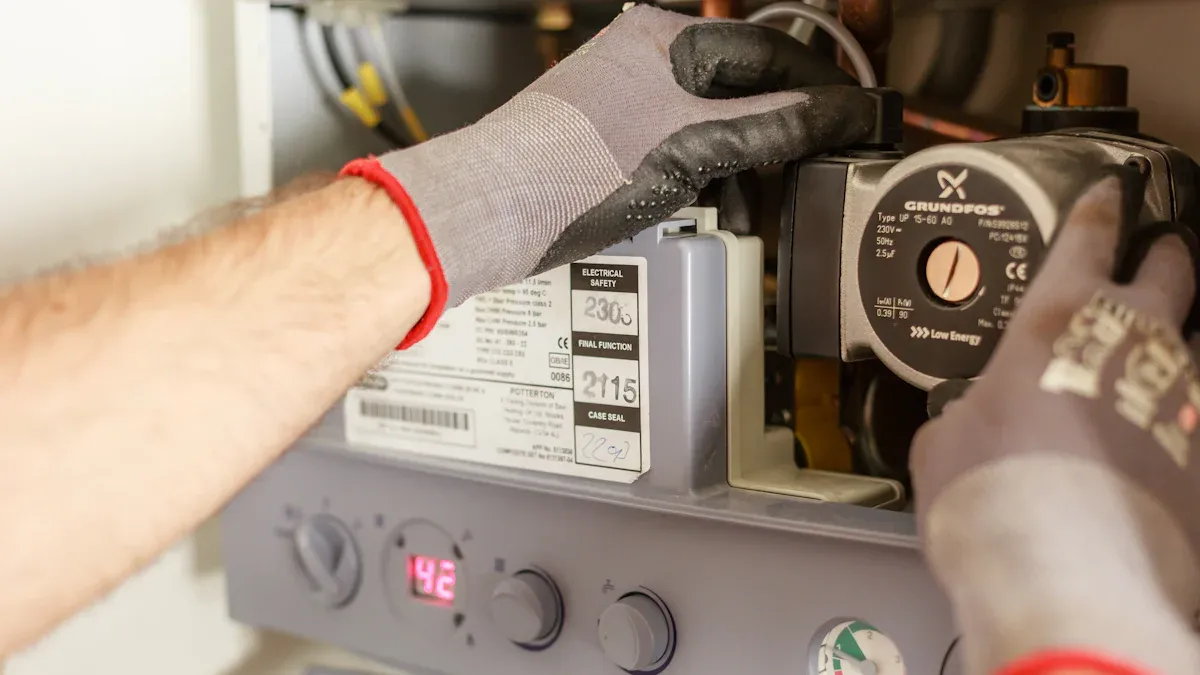
Señales de que puede necesitar un elemento nuevo
Es posible que note varias señales de advertencia cuando el elemento de su calentador de agua AO Smith comienza a fallar. El síntoma más común es la falta de agua caliente o agua que no alcanza la temperatura deseada. A veces, el calentador de agua produce solo agua tibia, lo que a menudo indica un elemento calefactor defectuoso. El sobrecalentamiento también puede ser una señal de problema. Si su calentador de agua se calienta demasiado, es posible que el elemento haya desarrollado un cortocircuito interno u otro defecto.
Escuche ruidos inusuales provenientes de su calentador de agua. Los sonidos de chasquido o golpeteo a menudo son resultado de la acumulación de sedimentos alrededor del elemento o de un componente dañado. Estos ruidos indican que el elemento tiene dificultades para calentar el agua de manera eficiente. No debe ignorar estos sonidos, ya que pueden provocar más daños si no se atienden.
- El agua no se calienta o no proporciona suficiente agua caliente
- Sobrec
- Unusual noises such as popping or banging
If you observe any of these issues, you likely need to replace the heating element to restore proper function.
Consejo: Inspeccione regularmente su calentador de agua en busca de estos signos. La detección temprana le ayuda a evitar fallos inesperados y costosas reparaciones del calentador de agua.
Cuando el bricolaje no es suficiente
Puede manejar muchas reparaciones básicas del calentador de agua, como restablecer el termostato o limpiar el tanque. Sin embargo, algunas situaciones requieren intervención profesional. Si reemplaza el elemento y aún experimenta problemas, la falla puede involucrar el cableado, el termostato o daños internos del tanque. El trabajo eléctrico complejo conlleva riesgos de seguridad si carece de experiencia.
También debe buscar ayuda si nota fugas persistentes después de instalar un nuevo elemento. Las fugas pueden indicar un tanque dañado o una instalación incorrecta. Intentar reparaciones adicionales sin las herramientas o conocimientos adecuados puede empeorar el problema. En estos casos, la reparación profesional del calentador de agua garantiza que su sistema se mantenga seguro y eficiente.
⚠️ Alerta: Nunca intente reparaciones eléctricas si no se siente seguro con el proceso. Un manejo incorrecto puede resultar en descargas eléctricas o daños mayores a su calentador de agua.
Encontrar técnicos calificados
Necesita un técnico calificado cuando las soluciones de bricolaje no resuelven los problemas de su calentador de agua. Busque profesionales especializados en reparaciones de calentadores de agua AO Smith. Los técnicos certificados poseen la formación y las herramientas necesarias para diagnosticar y solucionar problemas complejos. También pueden verificar que su elemento de reemplazo cumpla con todas las especificaciones de su modelo.
Al buscar un técnico, verifique la licencia y el seguro correspondientes. Pregunte sobre su experiencia con su marca específica de calentador de agua. Muchos distribuidores autorizados ofrecen servicios de instalación y reparación, lo que le ayuda a mantener la cobertura de la garantía. Los técnicos confiables proporcionan estimaciones claras y explican el proceso de reparación antes de comenzar cualquier trabajo.
Nota: Elegir un profesional calificado protege su inversión y garantiza que su calentador de agua funcione de manera segura en los años venideros.
Puede simplificar el proceso de selección del elemento adecuado para su calentador de agua ao smith siguiendo algunos pasos esenciales. Primero, identifique su modelo y recopile todas las especificaciones clave. A continuación, compare estos detalles con el elemento de repuesto correcto. Siempre verifique la compatibilidad antes de realizar una compra. Por seguridad y rendimiento óptimo, elija piezas originales. Si en algún momento se siente inseguro, consulte a un profesional calificado para obtener orientación.
PREGUNTAS FRECUENTES
¿Cómo saber qué elemento de calentador de agua AO Smith se adapta a su modelo?
Debe revisar la placa de características para el modelo y número de serie. Utilice la herramienta de búsqueda de piezas en línea de AO Smith o consulte el manual del propietario. Siempre ajuste la potencia, voltaje, longitud y tipo de rosca para un encaje adecuado.
¿Puede usar un elemento de mayor potencia para un calentamiento más rápido?
No debe instalar un elemento de mayor potencia de la recomendada. Esto puede sobrecargar su sistema eléctrico y anular su garantía. Siempre siga las especificaciones del fabricante para un funcionamiento seguro y eficiente.
¿Qué herramientas necesitas para reemplazar un elemento del calentador de agua?
Necesita un destornillador, una llave ajustable, una llave para elementos, un probador de voltaje y un cubo para drenar. Siempre use un sellador de roscas para tuberías clasificado para agua caliente. Consulte su manual del propietario para cualquier requisito específico del modelo.
¿Con qué frecuencia debe reemplazar el elemento de su calentador de agua AO Smith?
Debe inspeccionar el elemento cada dos años. Reemplácelo si nota reducción en el calentamiento, corrosión o daño físico. El mantenimiento regular prolonga la vida útil de su calentador de agua y garantiza un rendimiento confiable.
¿Es seguro instalar usted mismo un elemento de calentador de agua?
Puede instalar un elemento si sigue los pasos de seguridad. Siempre apague la energía eléctrica y el suministro de agua. Use un probador de voltaje para confirmar que no hay electricidad. Si no se siente seguro, contacte a un técnico autorizado para obtener ayuda.
¿Qué señales indican que el elemento del calentador de agua está fallando?
Puede notar agua tibia, calentamiento lento o ruidos inusuales como chasquidos. Estos signos sugieren que el elemento necesita reemplazo. Inspeccione el elemento en busca de corrosión o daño para confirmar el problema.
¿Dónde puede comprar elementos genuinos para calentadores de agua AO Smith?
Debe comprar a distribuidores autorizados, minoristas acreditados o el sitio web oficial de AO Smith. Busque un marcado claro y números de pieza de fábrica. Evite productos de marcas alternativas o falsificados para garantizar la seguridad y la cobertura de la garantía.
¿Necesita drenar el tanque antes de reemplazar el elemento?
Debe drenar el tanque completamente antes de retirar el elemento viejo. Esto evita derrames de agua y protege el nuevo elemento de encendido en seco. Siempre siga las instrucciones de su manual del propietario para un reemplazo seguro.