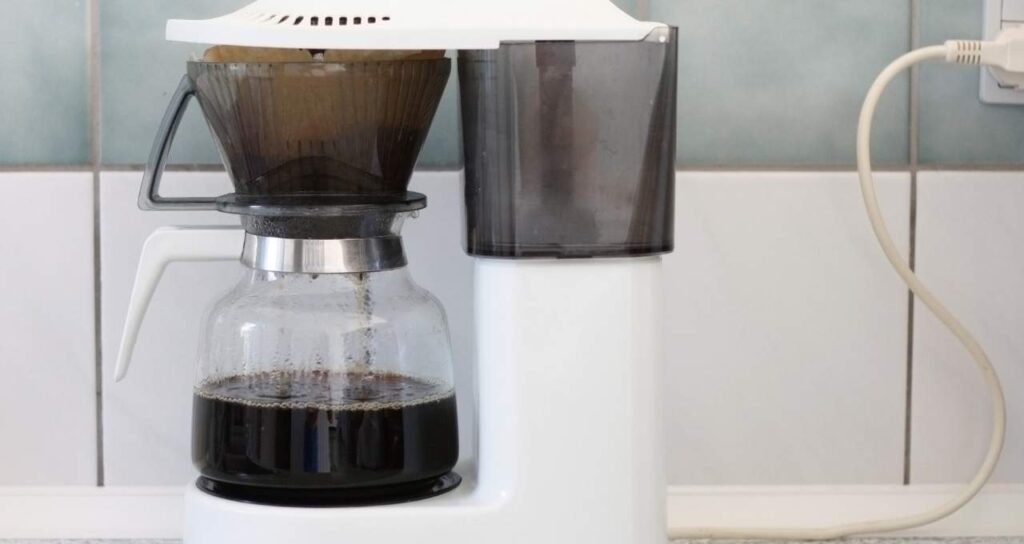
El ritual diario de preparar café es una piedra angular de la vida moderna para millones de personas. Detrás de cada taza perfectamente caliente de espresso, café filtrado o latte, hay un componente potente, aunque a menudo pasado por alto: el Elemento calefactor. Este dispositivo es responsable de convertir la energía eléctrica en energía térmica con una velocidad y precisión notables. Sin embargo, un gran poder conlleva la necesidad de medidas de seguridad robustas. Un elemento calefactor que funciona mal puede plantear riesgos significativos, desde daños en la máquina hasta peligros de incendio y eléctricos.
Afortunadamente, los las máquinas de café modernos están equipados con un ecosistema sofisticado de características de seguridad diseñadas para prevenir tales incidentes. Estos mecanismos no son un componente único, sino un sistema integrado de salvaguardas eléctricas, mecánicas y de materiales. Comprender estas características es crucial no solo para apreciar la ingeniería de su electrodoméstico, sino también para reconocer la importancia de los componentes de calidad y el mantenimiento adecuado. Este artículo proporciona una inmersión profunda en las características de seguridad críticas de un Elemento calefactor de la cafetera, explorando cómo funcionan en conjunto para garantizar una experiencia de preparación de café segura y confiable cada vez. Desde los cortes térmicos primarios hasta los propios materiales utilizados en su construcción, descubriremos los guardianes invisibles que protegen su ritual diario de café.
El Principio Fundamental: Cómo Funciona un Elemento Calefactor de una Máquina de Café
Antes de explorar los mecanismos de seguridad, es esencial comprender la operación básica de un elemento calefactor. En esencia, el componente funciona según el principio de Calentamiento Joule, o calentamiento resistivo. Cuando una corriente eléctrica pasa a través de un material con resistencia eléctrica, la energía eléctrica se convierte en calor.
En una máquina de café, típica, esto implica una bobina resistiva, a menudo hecha de una aleación de níquel-cromo (Nicrom), encerrada dentro de un tubo o vaina metálica protectora. Esta vaina suele ser de acero inoxidable, cobre o Incoloy. Para evitar que la bobina resistiva haga contacto eléctrico con la vaina exterior (lo que crearía un peligroso cortocircuito), el espacio entre ellas se llena con un material que es un excelente aislante eléctrico pero un buen conductor térmico. El polvo de óxido de magnesio (MgO) es el estándar de la industria para este propósito, ya que transfiere eficientemente el calor a la vaina mientras evita el flujo de electricidad.
La vaina calentada transfiere entonces esta energía térmica al agua, ya sea sumergiéndose directamente en una caldera (común en máquinas de espresso) o haciendo pasar agua a través de un bloque calentado (un sistema de termobloque o termobobina). El objetivo principal es elevar la temperatura del agua a un rango preciso, típicamente entre 90°C y 96°C (195°F y 205°F), para una extracción óptima del café. La eficiencia y seguridad de todo este proceso dependen de las capas de protección construidas alrededor de esta función central.
Mecanismos de Seguridad Primarios: La Primera Línea de Defensa
Estos son los componentes activos que monitorean y controlan constantemente la operación del elemento para mantenerlo dentro de parámetros seguros. Son los primeros en responder ante cualquier desviación de las condiciones normales de funcionamiento.
Termostatos y Cortes Térmicos (TCOs)
El sistema de seguridad más fundamental en cualquier aparato de calefacción es el control de temperatura. En las máquinas de café, esto se gestiona típicamente mediante un sistema de dos partes: un termostato regulador y un corte térmico de seguridad.
- Termostatos Reguladores: Un termostato es un interruptor reutilizable que controla la temperatura de la caldera o termobloque. Más comúnmente, estos son termostatos bimetálicos. Consisten en dos metales diferentes unidos, que se expanden a diferentes velocidades cuando se calientan. A medida que la temperatura sube al punto de ajuste deseado, la tira se dobla, rompiendo un contacto eléctrico y cortando la alimentación al elemento calefactor. A medida que el agua se enfría ligeramente, la tira se endereza, restablece la conexión y permite que el elemento se caliente nuevamente. Esta acción de ciclo mantiene la temperatura del agua dentro de un rango específico. En máquinas más avanzadas, los termostatos electrónicos conectados a un controlador PID (Proporcional-Integral-Derivativo) ofrecen una estabilidad de temperatura mucho más precisa.
- Cortes Térmicos (TCOs) o Fusibles Térmicos: Mientras que un termostato regula la operación normal, un fusible térmico es un dispositivo de seguridad crucial de un solo uso. Está diseñado para proteger contra una situación de calentamiento descontrolado, que podría ocurrir si el termostato primario falla en la posición “encendido”. Un TCO es un componente pequeño y no reajustable que contiene una aleación fusible diseñada para fundirse a una temperatura específica y muy alta, muy por encima del rango de operación normal de la máquina pero por debajo del punto donde los componentes se derretirían o encenderían. Si se alcanza esta temperatura crítica, la aleación se funde, rompiendo permanentemente el circuito eléctrico hacia el elemento calefactor y evitando una falla catastrófica. Esta es la defensa definitiva contra la protección contra sobrecalentamiento.
Presostatos y Válvulas de Seguridad de Liberación
Estas características son específicas de las máquinas de espresso que utilizan una caldera de vapor para generar presión para espumar leche. El elemento calefactor en estas máquinas calienta agua para crear vapor, lo que inherentemente acumula presión dentro de la caldera sellada.
- Presostatos: Un presostato es un interruptor sensible a la presión. Monitorea la presión del vapor dentro de la caldera. Cuando la presión alcanza un nivel preestablecido (por ejemplo, 1.2 bares), el presostato abre el circuito del elemento calefactor. A medida que se usa vapor o se condensa naturalmente, la presión disminuye, y una vez que cae por debajo de cierto umbral, el presostato cierra el circuito, reactivando el elemento para acumular presión nuevamente. Funciona de manera similar a un termostato, pero responde a la presión en lugar de a la temperatura.
- Válvulas de Seguridad Mecánicas: Como respaldo del presostato, toda caldera certificada está equipada con una válvula de seguridad mecánica, a veces llamada válvula de sobrepresión (OPV), aunque ese término se usa más comúnmente para la bomba del lado de preparación. Esta válvula de resorte está diseñada para abrirse automáticamente y ventilar vapor si la presión dentro de la caldera excede un límite físico seguro (por ejemplo, 1.5-1.8 bares). Esto evita que la caldera se sobrepresurice y potencialmente se rompa en caso de una falla del presostato.
Sensores de Nivel de Agua y Protección contra Ebullición en Seco
Una de las formas más rápidas de destruir un elemento calefactor cafetera es encenderlo sin agua. Esta condición, conocida como disparo en seco, hace que la temperatura del elemento se dispare en segundos, ya que no hay agua que absorba el calor. Esto puede derretir componentes internos, dañar la caldera y crear un riesgo de incendio.
Para prevenir esto, las máquinas están equipadas con sensores de nivel de agua. Estos funcionan típicamente mediante un circuito conductor simple. Se colocan uno o más sensores dentro de la caldera. Cuando hay agua presente, completa un circuito de bajo voltaje entre los sensores (o entre un sensor y la pared de la caldera conectada a tierra). Si el nivel de agua cae por debajo del sensor, el circuito se rompe. La placa de control de la máquina detecta este circuito abierto y corta inmediatamente la alimentación al elemento calefactor, a menudo mostrando una luz de advertencia de “bajo nivel de agua”. Esta función de apagado automático es una salvaguarda crítica contra el error del usuario y el agotamiento del elemento.
Características de Seguridad Avanzadas y Basadas en Materiales
Más allá de los componentes activos, el propio diseño y los materiales de un elemento calefactor contribuyen significativamente a su perfil de seguridad general. Un fabricante eléctrico de elementos calefactores de buena reputación pone un gran enfoque en la ciencia de los materiales y la calidad de construcción.
Ciencia de Materiales e Integridad de Construcción
La elección de los materiales es fundamental para la longevidad y seguridad de un elemento calefactor.
- Material de la Vaina: El tubo exterior debe soportar altas temperaturas, presión y los efectos corrosivos del agua, especialmente en áreas con agua dura.
- Acero Inoxidable (por ejemplo, 304, 316L): Ofrece un buen equilibrio de durabilidad, transferencia de calor y resistencia a la corrosión. El 316L es particularmente resistente a la corrosión por picaduras y a los cloruros.
- Cobre: Proporciona una excelente conductividad térmica, pero puede ser más susceptible a la corrosión con el tiempo si no se gestiona la química del agua.
- Incoloy: Una superaleación a base de níquel que ofrece una resistencia superior a altas temperaturas y una excelente resistencia a la oxidación y la corrosión, utilizada a menudo en aplicaciones de alta gama o comerciales.
- Aislamiento interno: Como se mencionó, óxido de magnesio (MgO) el polvo se compacta firmemente alrededor de la bobina calefactora. La calidad y densidad de este MgO son críticas. Si contiene impurezas o no se compacta adecuadamente, puede provocar “puntos calientes” en el elemento o una disminución de su rigidez dieléctrica, aumentando el riesgo de una cortocircuito.
- Soldadura y sellado: Los puntos donde el elemento se suelda a su brida de montaje y donde los terminales eléctricos salen de la vaina son puntos potenciales de fallo. La fabricación de alta calidad emplea técnicas como la soldadura láser y utiliza sellos robustos de epoxi o cerámica para evitar la entrada de humedad, que podría comprometer el aislamiento interno y provocar una falla eléctrica.
Seguridad eléctrica: Puesta a tierra y aislamiento
La seguridad eléctrica directa es primordial para prevenir el riesgo de descarga eléctrica.
- Puesta a tierra: Toda máquina de café con carcasa metálica está equipada con un enchufe de tres clavijas, siendo la tercera clavija la conexión a tierra. La brida metálica del elemento calefactor y el chasis de la máquina están conectados a este cable de tierra. En caso de una falla interna donde la bobina calefactora activa haga contacto con la vaina exterior, la puesta a tierra proporciona una ruta segura para que la enorme oleada de corriente fluya hacia la tierra. Esto disparará inmediatamente el disyuntor o fundirá un fusible en el panel eléctrico del hogar, cortando la alimentación y evitando que el cuerpo metálico de la máquina se electrifique peligrosamente.
- Rigidez dieléctrica: Se refiere a la capacidad del material aislante (el polvo de MgO) para soportar un alto voltaje sin descomponerse y permitir que la corriente se filtre. Los fabricantes realizan pruebas de alto voltaje (pruebas de hipot) para garantizar que el aislamiento del elemento sea robusto y pueda contener de manera segura la electricidad dentro de la bobina, incluso bajo tensión.
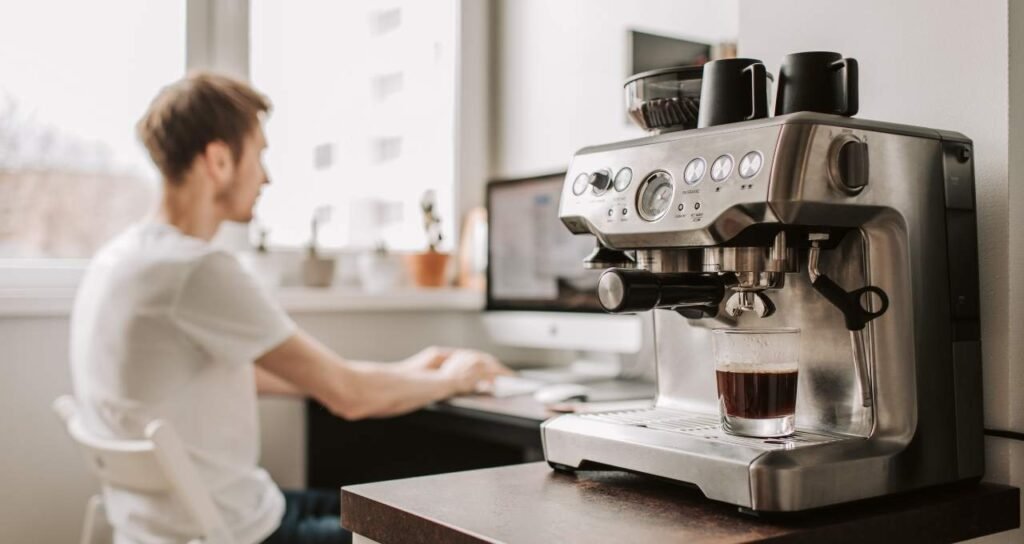
Visualización de datos: Gráficos de seguridad y fallos
Los datos visuales pueden ayudar a ilustrar la importancia de estas características de seguridad y los puntos de fallo comunes.
Gráfico 1: Causas comunes de fallo del elemento calefactor
[Gráfico: Un gráfico circular titulado “Causas comunes de fallo del elemento calefactor” que muestra Acumulación de sarro (45%), Funcionamiento en seco (25%), Falla eléctrica/Sobretensión (15%), Fatiga del material/Envejecimiento (10%) y Defecto de fabricación (5%).]
Este gráfico destaca que casi la mitad de todos los fallos son atribuibles a la cal acumulación, un problema prevenible, subrayando la importancia del mantenimiento por parte del usuario.
Gráfico 2: Regulación de temperatura con y sin un corte térmico (TCO)
[Gráfico: Un gráfico de líneas titulado “Escenario de fallo del termostato”. El eje X representa el Tiempo y el eje Y representa la Temperatura. Una línea azul, “Operación normal”, oscila entre 90°C y 96°C. Una línea roja, “Termostato fallado”, comienza a oscilar normalmente pero luego comienza a subir sin control más allá de 100°C. A 150°C, aparece una línea punteada vertical etiquetada como “Punto de disparo del TCO”, y la línea roja se aplana inmediatamente, indicando que se ha cortado la alimentación.]
Esta visualización demuestra claramente el papel del TCO como un respaldo de seguridad no negociable, evitando un evento de fuga térmica.
Gráfico 3: Resistencia a la corrosión de materiales comunes de elementos calefactores
[Gráfico: Un gráfico de barras titulado “Resistencia a la corrosión relativa en agua ácida”. El eje Y es una escala cualitativa de “Baja” a “Muy alta”. Las barras muestran: Cobre (Media), Acero inoxidable 304 (Alta), Acero inoxidable 316L (Muy alta), Incoloy 800 (Muy alta).]
Este gráfico respalda la discusión sobre la ciencia de los materiales, mostrando por qué se eligen aleaciones específicas por su durabilidad superior en el exigente entorno de un calentador de una máquina de café.
El papel de las certificaciones y el control de calidad
La seguridad de un elemento calefactor no es solo teórica; debe ser verificada. Las certificaciones independientes proporcionan esta garantía. Busque marcas como:
- UL (Underwriters Laboratories): Una certificación norteamericana que indica que el producto cumple con estrictos estándares de seguridad y rendimiento.
- VDE (Instituto de Pruebas y Certificación VDE): Un estándar alemán reconocido globalmente para la seguridad en ingeniería eléctrica.
- Marcado CE: Una declaración de que el producto cumple con los estándares de salud, seguridad y protección ambiental para productos vendidos dentro del Espacio Económico Europeo (EEE).
- RoHS (Restricción de sustancias peligrosas): Garantiza que el producto esté libre de materiales peligrosos específicos como plomo y mercurio.
Estas certificaciones significan que el elemento ha sido sometido a pruebas rigurosas de seguridad eléctrica, integridad del material y rendimiento en condiciones de fallo. Un fabricante comprometido con estos estándares invierte fuertemente en control de calidad, incluyendo verificaciones de resistencia, pruebas de aislamiento de alto voltaje y pruebas de presión para cada lote producido.
Responsabilidad del usuario: Mantenimiento para una seguridad continua
Los sofisticados sistemas de seguridad integrados en una máquina de café pueden verse comprometidos por la negligencia. La tarea de mantenimiento más importante para el usuario es la desincrustación.
descalcificación. Cuando se calienta el agua, minerales como el carbonato de calcio y magnesio precipitan y forman sarro en la superficie del elemento calefactor. Esta capa actúa como aislante, obligando al elemento a trabajar más duro y calentarse mucho más internamente para transferir la misma cantidad de calor al agua. Este estado de sobrecalentamiento constante acelera la fatiga del material, aumenta drásticamente el riesgo de un disparo del TCO y, en última instancia, puede provocar un fallo prematuro y completo del elemento. La descalcificación regular según las instrucciones del fabricante es la mejor manera de garantizar la seguridad y eficiencia a largo plazo de su máquina.
Conclusión: Un ecosistema integrado de protección
La seguridad de una elemento calefactor de cafetera máquina de café no es el resultado de una sola característica, sino de un ecosistema profundamente integrado. Comienza con la elección deliberada de materiales de alta calidad y resistentes a la corrosión, y una construcción de precisión. Es gestionada activamente por un equipo vigilante de termostatos y presostatos, todos supervisados por los guardianes últimos: fusibles térmicos y válvulas de seguridad mecánicas. Todo el sistema está puesto a tierra para protegerse contra descargas eléctricas y certificado por estándares globales para garantizar su fiabilidad.
Desde el diseño robusto de un elemento calefactor genérico Elemento calefactor hasta la ingeniería específica dentro de su máquina, estas características trabajan silenciosamente en segundo plano. Al comprender esta compleja interacción de mecanismos de seguridad y comprometerse con un mantenimiento regular, los usuarios pueden disfrutar con confianza de su café diario, confiando en la ingeniería oculta que lo convierte en un placer seguro y fiable.
Preguntas frecuentes (FAQ)
1. ¿Qué es un fusible térmico (TCO) y por qué es tan importante?
Un fusible térmico, o Corte Térmico (TCO), es un dispositivo de seguridad de un solo uso diseñado para prevenir un sobrecalentamiento catastrófico. Si el control de temperatura primario (termostato) falla y la temperatura del elemento calefactor se eleva a un nivel peligroso, la aleación interna del TCO se funde, rompiendo permanentemente el circuito eléctrico. Es un dispositivo de seguridad crítico que evita daños a la máquina, la fusión de componentes y posibles riesgos de incendio.
2. ¿Puedo reemplazar mi elemento calefactor de su máquina de café ¿yo mismo?
elemento calefactor? Si bien es físicamente posible para aquellos con experiencia técnica, es una tarea compleja que implica trabajar con electricidad de alto voltaje y fontanería. Una instalación incorrecta puede provocar fugas, cortocircuitos y anular las certificaciones de seguridad de la máquina. Por razones de seguridad, se recomienda encarecidamente que el reemplazo del elemento calefactor sea realizado por un técnico calificado que pueda garantizar que todas las conexiones sean seguras y se prueben adecuadamente.
3. ¿Cómo afecta la acumulación de cal a la seguridad de mi resistencia calefactora?
La cal actúa como una manta aislante en la superficie de la resistencia. Esto obliga a la bobina interna a alcanzar temperaturas mucho más altas para calentar el agua, lo que provoca un sobrecalentamiento crónico. Este estrés constante puede hacer que el fusible térmico (TCO) se funda prematuramente, degrade los materiales de la resistencia y acorte significativamente su vida útil, aumentando el riesgo de fallo.
4. ¿Por qué mi máquina de café tiene una función de apagado automático por bajo nivel de agua?
Esta función, conocida como protección contra ebullición en seco o calentamiento en vacío, es esencial para evitar daños inmediatos y graves en la resistencia calefactora. Si la resistencia se enciende sin agua que absorba su calor, su temperatura puede alcanzar niveles destructivos en segundos. La función de apagado automático utiliza un sensor de nivel de agua para detectar la ausencia de agua y corta inmediatamente la energía de la resistencia, protegiéndola de quemarse.
Referencias
- Stefano’s Espresso Care. (s.f.). Elementos Calefactores para Máquinas de Espresso. Recuperado de espressocare.com
- HowStuffWorks. (2006). Cómo reparar una cafetera. Recuperado de home.howstuffworks.com
- Chris’ Coffee. (s.f.). Elemento Calefactor de Caldera de Café. Recuperado de chriscoffee.com
- Great Infusions. (s.f.). Elementos Calefactores de Repuesto para Espresso Doméstico. Recuperado de greatinfusions.com
- Home-Barista.com. (2019). Prueba del elemento calefactor con multímetro. Recuperado de home-barista.com
- Coffee Addicts. (s.f.). Elementos. Recuperado de coffeeaddicts.ca
- Jinzho. (s.f.). Elemento Calefactor de Cafetera. Recuperado de jinzho.com
- iFixit. (s.f.). Sustitución del elemento calefactor Cuisinart DCC-1200. Recuperado de ifixit.com
- Reddit. (2023). Elemento calefactor en cafetera. Recuperado de reddit.com/r/diyelectronics/