Sie verlängern die Lebensdauer Ihrer Heizung, wenn Sie Heizelement die Pflege priorisieren. Regelmäßige Reinigung und schnelle Inspektionen verhindern kostspielige Reparaturen. Ziehen Sie den Netzstecker der Heizung, bevor Sie mit Wartungsarbeiten beginnen. Viele Heizelemente für Haushaltsgeräte Geräte fallen aufgrund von Vernachlässigung aus, was zu Sicherheitsrisiken führen kann. Berichten zufolge verursachen Raumheizgeräte etwa 21.800 Wohnungsbrände und 300 Todesfälle pro Jahr. Im Jahr 2021 führten 32.200 Heizungsbrände in Wohnhäusern zu 190 Todesfällen. Wenn Sie die Anschlüsse des Heizstabes Ihres Warmwasserbereiters überprüfen, verwenden Sie einfache Werkzeuge und befolgen Sie die Sicherheitsschritte. Wenn ein Heizstab des Warmwasserbereiters ausfällt, ersetzen Sie ihn durch ein Teil von einem vertrauenswürdigen Hersteller von Heizelementen wie Jinzhong Elektroheizung.
Anzeichen einer Fehlfunktion des Heizelements

Häufige Probleme mit Heizelementen
Keine Wärme oder ungleichmäßige Erwärmung
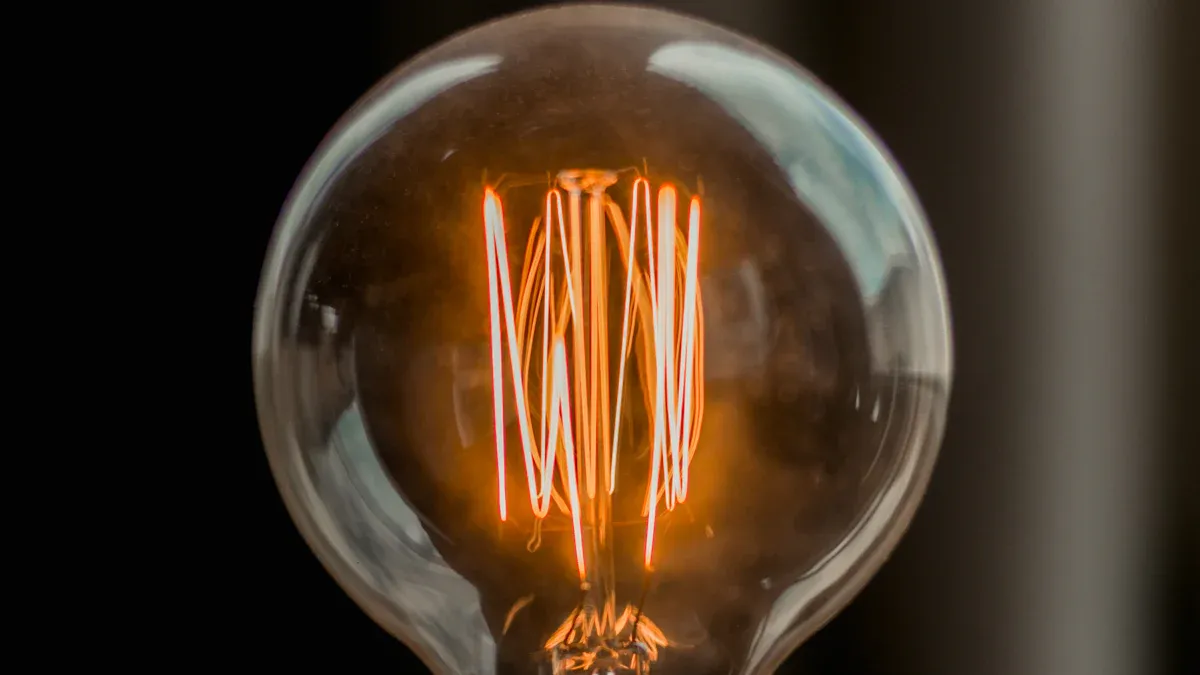
Sie stellen möglicherweise fest, dass Ihre Heizung den Raum nicht erwärmt oder ungleichmäßige Temperaturen erzeugt. Ausbleibende Heizleistung zählt zu den häufigsten Problemen mit Heizelementen. Wenn das Heizelement nicht hell orange glüht, deutet dies oft auf ein Problem hin. Möglicherweise stellen Sie fest, dass Speisen in Ihrem Backofen ungleichmäßig garen oder der Heizstab Ihres Warmwasserbereiters Schwierigkeiten hat, heißes Wasser zu halten. Diese Symptome eines defekten Warmwasserbereiter-Heizstabs können zu Frustration und höheren Energiekosten führen. Ungleichmäßige Temperaturen oder Kältezonen in Ihrem gesamten Zuhause deuten darauf hin, dass die Heizung die Wärme nicht richtig verteilen kann. Wenn Sie einen plötzlichen Anstieg Ihrer Stromrechnung bemerken, vermuten Sie eine ausbleibende Erwärmung als mögliche Ursache.
Sichtbare Schäden oder Verfärbungen
Sichtbare Schäden sind ein klares Warnsignal, dass Ihr Heizelement Aufmerksamkeit benötigt. Achten Sie auf Verbrennungen, Brandflecken oder Risse am Element. Diese Anzeichen einer Fehlfunktion des Heizelements treten oft vor einem vollständigen Ausfall auf. Übermäßige Ablagerungen an der Heizung können ebenfalls sichtbare Schäden verursachen und die Effizienz verringern. Wenn Sie physische Veränderungen wie Verfärbungen oder gebrochene Teile feststellen, ersetzen Sie das defekte Element sofort. Regelmäßige Inspektionen helfen Ihnen, sichtbare Schäden frühzeitig zu erkennen und weitere Probleme zu vermeiden.
Seltsame Gerüche oder Geräusche
Seltsame Geräusche und brennende Gerüche deuten auf ein Problem mit Ihrer Heizung hin. Wenn Sie die Heizung einschalten und einen brennenden Geruch bemerken, kann Staubansammlung die Ursache sein, aber auch überhitzende Komponenten können diesen Geruch erzeugen. Ein muffiger Geruch deutet auf Schimmel oder Mehltau in der Heizung oder den Luftkanälen hin. Gas- oder Ölgerüche erfordern sofortiges Handeln, da sie auf Lecks hinweisen, die zu ausbleibender Erwärmung oder sogar gefährlichen Situationen führen können. Achten Sie auf seltsame Geräusche wie Summen oder Knacken, die oft mit einem defekten Heizelement einhergehen. Diese Geräusche deuten auf innere Schäden oder lose Verbindungen hin.
Zu beachtende Sicherheitsrisiken
Elektrische Risiken
Der Betrieb einer Heizung mit einem defekten Element setzt Sie elektrischen Risiken aus. Lose oder beschädigte Verkabelung kann Kurzschlüsse verursachen, die zu weiteren Geräteschäden führen. Sie sollten die Heizung immer vom Netz trennen, bevor Sie das Heizelement inspizieren. Ignorieren Sie niemals sichtbare Schäden oder seltsame Geräusche, da diese oft auf zugrunde liegende elektrische Probleme hinweisen. Die Verwendung einer Heizung mit elektrischen Problemen erhöht das Risiko eines Stromschlags oder einer Verletzung.
Brandgefahren
Ein defektes Heizelement stellt eine erhebliche Brandgefahr dar. Brennende Gerüche, insbesondere anhaltende, können auf Überhitzung oder elektrische Fehler hinweisen. Wenn Sie eine Heizung mit sichtbaren Schäden oder ausbleibender Erwärmung weiterhin verwenden, riskieren Sie einen Brand. Viele häufige Problemursachen, wie vernachlässigte Wartung oder das Ignorieren früher Warnsignale, tragen zu diesen Gefahren bei. Beheben Sie Symptome immer schnell, um Ihr Zuhause sicher zu halten.
Tipp: Planen Sie regelmäßige Kontrollen auf sichtbare Schäden und achten Sie auf seltsame Geräusche, um Brandgefahren vorzubeugen.
Schritt-für-Schritt-Anleitung zur Fehlerbehebung
Vorbereitung für die Wartung
Ausschalten und Netzstecker ziehen
Bevor Sie mit Arbeiten an Ihrer Heizung beginnen, schalten Sie immer die Stromversorgung aus und ziehen Sie den Netzstecker des Geräts. Dieser Schritt schützt Sie vor Stromschlägen und verhindert eine versehentliche Aktivierung während der Wartung. Warten Sie, bis die Heizung vollständig abgekühlt ist. Heiße Oberflächen können Verbrennungen verursachen, daher ist Geduld unerlässlich. Befolgen Sie diese Schritte, um die Sicherheit zu gewährleisten:
- Schalten Sie die Heizung aus und ziehen Sie den Netzstecker aus der Steckdose.
- Lassen Sie das Heizelement vollständig abkühlen.
- Inspizieren Sie den Bereich um die Heizung auf Anzeichen von Hitzeschäden oder Schmutz.
- Überprüfen Sie die Brenner auf Korrosion oder Rußablagerungen. Wenn Sie welche feststellen, konsultieren Sie einen Fachmann.
- Untersuchen Sie den Wärmetauscher auf Risse oder Rost. Kontaktieren Sie einen Techniker, wenn Sie Schäden finden.
- Inspizieren Sie das Abgassystem auf Korrosion oder Verstopfungen. Suchen Sie bei Bedarf professionelle Hilfe auf.
Anmerkung: Planen Sie jährliche professionelle Wartung für gründliche Inspektionen und Sicherheitschecks. Regelmäßige Inspektionen helfen Ihnen, potenzielle Probleme zu erkennen, bevor sie ernst werden.
Lassen Sie das Element abkühlen
Das Abkühlen des Heizelements ist eine kritische Sicherheitsmaßnahme. Sie verringern das Risiko von Verbrennungen und erleichtern die Handhabung der Heizung. Warten Sie immer, bis sich die Oberfläche kühl anfühlt, bevor Sie fortfahren. Dieser Schritt verhindert auch versehentliche Schäden an empfindlichen Komponenten während der Wartung.
Werkzeuge für die Wartung von Heizelementen
Grundlegende Handwerkzeuge
Sie benötigen die richtigen Werkzeuge, um Ihre Heizung effektiv zu überprüfen und zu warten. Zu den grundlegenden Handwerkzeugen gehören:
- Schraubendreher (Schlitz und Kreuzschlitz)
- Zange
- Drahtschneider
- Weiche Bürsten (Nylon)
- Mikrofasertücher
- Nicht scheuernde Schwämme
Diese Werkzeuge helfen Ihnen, die Heizung zu öffnen, das Heizelement zu reinigen und Verbindungen zu sichern. Verwenden Sie eine Taschenlampe, um schwer einsehbare Bereiche zu inspizieren. Halten Sie eine Entkalkungslösung, wie Essig oder ein handelsübliches Produkt, bereit, um Ablagerungen zu entfernen.
Multimeter zum Testen
Ein Multimeter ist unerlässlich, um häufige Probleme mit Ihrem Heizelement zu diagnostizieren. Dieses Werkzeug misst direkt den Widerstand des Heizelements. Sie erhalten sofortiges Feedback zu seiner Funktionalität. Funktionierende Elemente zeigen typischerweise Widerstand zwischen 10 und 30 Ohm. Wenn Sie einen niedrigen oder Null-Widerstandswert sehen, ist das Heizelement ausgefallen. Die Verwendung eines Multimeters macht den Fehlerbehebungsprozess einfach und zuverlässig. Testen Sie den Heizstab des Warmwasserbereiters immer mit einem Multimeter, um zu bestätigen, ob er ausgetauscht werden muss.
Tipp: Ein Multimeter hilft Ihnen, elektrische Probleme schnell und genau zu beheben. Befolgen Sie bei der Verwendung dieses Werkzeugs stets die Anweisungen des Herstellers.
Visuelle Inspektionstechniken
Überprüfung auf Risse oder Brüche
Du solltest Inspizieren Sie Heizelemente visuell bevor Sie mit Reparaturen beginnen. Achten Sie auf Risse, Brüche oder Verformungen entlang der Länge des Heizelements. Untersuchen Sie die Anschlüsse, Drähte und Isolatoren auf Anzeichen von Beschädigung oder Abnutzung. Offensichtliche Anzeichen von Beschädigung, wie Brüche oder Lücken in der Spule, weisen auf die Notwendigkeit eines sofortigen Austauschs hin. Stellen Sie sicher, dass die Heizelemente fest fixiert und nicht locker oder gelöst sind.
Achten Sie auf verbrannte Stellen
Brandflecken oder dunkle Flecken am Heizelement, die auf Überhitzung oder elektrischen Ausfall hinweisen. Verfärbungen treten oft auf, bevor die Heizung vollständig aufhört zu arbeiten. Lose oder korrodierte Anschlüsse können ebenfalls ungleichmäßige Erwärmung oder ausbleibende Erwärmung verursachen. Inspizieren Sie den Heizstab des Warmwasserbereiters sorgfältig auf Verkohlungen oder verbrannte Stellen. Wenn Sie welche finden, ersetzen Sie das beschädigte Teil, um den sicheren Betrieb wiederherzustellen.
Aufbieten, ausrufen, zurufen: Überprüfen Sie Heizelemente regelmäßig auf sichtbare Schäden. Früherkennung hilft Ihnen, Probleme zu beheben, bevor sie gefährlich werden.
Indem Sie dieser Schritt-für-Schritt-Anleitung zur Fehlerbehebung folgen, können Sie Ihre Heizung warten, häufige Probleme diagnostizieren und Ihr Heizelement in einem Top-Zustand halten.
Durchgangsprüfung
Verwendung eines Multimeters
Sie müssen bestätigen, ob das Heizelement Ihrer Heizung ordnungsgemäß funktioniert. Das Testen auf Durchgang ist eine zuverlässige Methode. Sie verwenden ein Multimeter, um den Widerstand über die Anschlüsse des Heizelements zu messen. Dieser Prozess hilft Ihnen zu identifizieren, ob das Element Strom leitet, wie es sollte.
Befolgen Sie diese Schritte, um den Durchgang zu testen:
- Schalten Sie Ihre Heizung aus und ziehen Sie den Netzstecker. Sicherheit geht vor.
- Stellen Sie Ihr Multimeter auf die niedrigste Ohm-Einstellung, normalerweise 200 Ohm.
- Legen Sie eine Sonde an jede Klemme des Heizelements.
- Notieren Sie den auf dem Multimeter angezeigten Widerstandswert.
- Vergleichen Sie den Wert mit dem akzeptablen Bereich, der typischerweise zwischen 9 und 12 Ohm für die meisten Heizelemente liegt. Für einen Heizstab eines Warmwasserbereiters überprüfen Sie die Herstellerangaben und erlauben Sie eine Toleranz von ±10%.
Tipp: Sie sollten auch auf Kurzschlüsse prüfen, indem Sie zwischen einem Anschluss und der Ummantelung messen. Ein niedriger Messwert deutet hier auf einen Kurzschluss hin.
Ein Multimeter liefert schnelle und genaue Ergebnisse. Sie können dieses Werkzeug sowohl für die Fehlersuche an Heizstäben von Warmwasserbereitern als auch an Raumheizgeräten verwenden. Wenn Sie einen Widerstand außerhalb des Normalbereichs feststellen, wissen Sie, dass das Heizelement defekt ist.
Interpretation der Ergebnisse
Sie müssen verstehen, was die Messwerte bedeuten, um fundierte Entscheidungen treffen zu können. Wenn Sie einen Widerstandswert innerhalb des akzeptablen Bereichs sehen, arbeitet Ihr Heizelement wie vorgesehen. Ist der Messwert sehr hoch oder unendlich, ist der Stromkreis unterbrochen, und das Heizgerät kann nicht funktionieren. Ein niedriger Messwert zwischen einem Anschluss und der Ummantelung weist auf einen Kurzschluss hin, der Überhitzung oder Systemausfall verursachen kann.
Wenn Ihre Widerstandsmessung außerhalb des empfohlenen Bereichs liegt, müssen Sie das Heizelement ersetzen. Sie sollten anormale Messwerte niemals ignorieren, da sie auf tiefgreifendere elektrische Probleme in Ihrem Heizgerät hinweisen.
Aufbieten, ausrufen, zurufen: Vergleichen Sie Ihre Ergebnisse stets mit dem Nennwert für Ihr spezifisches Heizgerätemodell. Dokumentieren Sie Ihre Messwerte für zukünftige Referenzzwecke.
Identifizierung elektrischer Probleme
Überprüfung der Anschlüsse
Sie müssen bei der Fehlersuche an Ihrem Heizgerät alle Anschlüsse überprüfen. Lose oder korrodierte Anschlüsse können dazu führen, dass das Heizelement ausfällt. Beginnen Sie damit, die Stromversorgung am Sicherungskasten und am Heizgerät selbst auszuschalten. Öffnen Sie die Abdeckung des Verdrahtungszugangs und verwenden Sie ein Multimeter, um die Spannung an den ankommenden Leitungen zu prüfen. Wenn Sie Spannung feststellen, stoppen Sie und überprüfen Sie die Schutzschalter, um sicherzustellen, dass die Stromversorgung vollständig unterbrochen ist.
Suchen Sie nach sichtbaren Schäden an den Anschlüssen des Heizelements. Ziehen Sie lose Anschlüsse fest und reinigen Sie Korrosion. Fehlerhafte Anschlüsse führen oft zu ungleichmäßiger Erwärmung oder vollständigem Ausfall. Sie sollten etwaige Unstimmigkeiten in Ihren Messwerten dokumentieren und beschädigte Komponenten ersetzen.
Anmerkung: Versuchen Sie niemals Reparaturen, wenn Sie sich bei der elektrischen Sicherheit unsicher sind. Ziehen Sie für komplexe Probleme einen Fachmann hinzu.
Überprüfung der Verkabelung
Sie müssen die Verkabelung in Ihrem Heizgerät auf Anzeichen von Verschleiß oder Beschädigung untersuchen. Häufige elektrische Probleme umfassen defekte Heizkomponenten, Kondensatorprobleme, Probleme mit der Thermostatverkabelung, Kurzschlüsse, überlastete Stromkreise und verschlechterte Verkabelung. Diese Probleme können dazu führen, dass Ihr Heizgerät Fehlfunktionen aufweist oder Sicherheitsrisiken darstellt.
Schritte zur Überprüfung der Verkabelung:
- Schalten Sie die Stromversorgung zum Heizgerät sowohl am Sicherungskasten als auch am Gerät aus.
- Öffnen Sie die Abdeckung des Verdrahtungszugangs.
- Verwenden Sie eine Sonde oder ein Multimeter, um die Spannung von allen Stromleitungen zur Erde zu messen. Wenn Sie einen von Null abweichenden Messwert erhalten, überprüfen Sie die Schutzschalter.
- Sobald Sie bestätigt haben, dass die Stromversorgung ausgeschaltet ist, überprüfen Sie alle Kabel auf Ausfransungen, Verfärbungen oder Brandspuren.
- Testen Sie Schütze mit einem Multimeter, indem Sie die Messwerte zwischen den Drähten vergleichen, um defekte Elemente zu identifizieren.
- Dokumentieren Sie Ihre Ergebnisse und ersetzen Sie alle Kabel oder Komponenten mit erheblichen Abweichungen.
⚠️ Versuchen Sie niemals, die Verkabelung selbst zu überprüfen oder zu reparieren, es sei denn, Sie sind ein qualifizierter Techniker. Elektroreparaturen erfordern fachmännisches Know-how.
Sie halten Ihr Heizgerät sicher und zuverlässig, indem Sie regelmäßig die Anschlüsse überprüfen und die Verkabelung inspizieren. Die frühzeitige Behebung elektrischer Probleme verhindert kostspielige Reparaturen und verringert Brandgefahren. Sie stellen sicher, dass Ihr Heizelement effizient arbeitet und verlängern die Lebensdauer Ihres Heizgeräts.
Reparatur und Austausch von Heizelementen
Einfache Wartung und Reparaturen
Festziehen loser Verbindungen
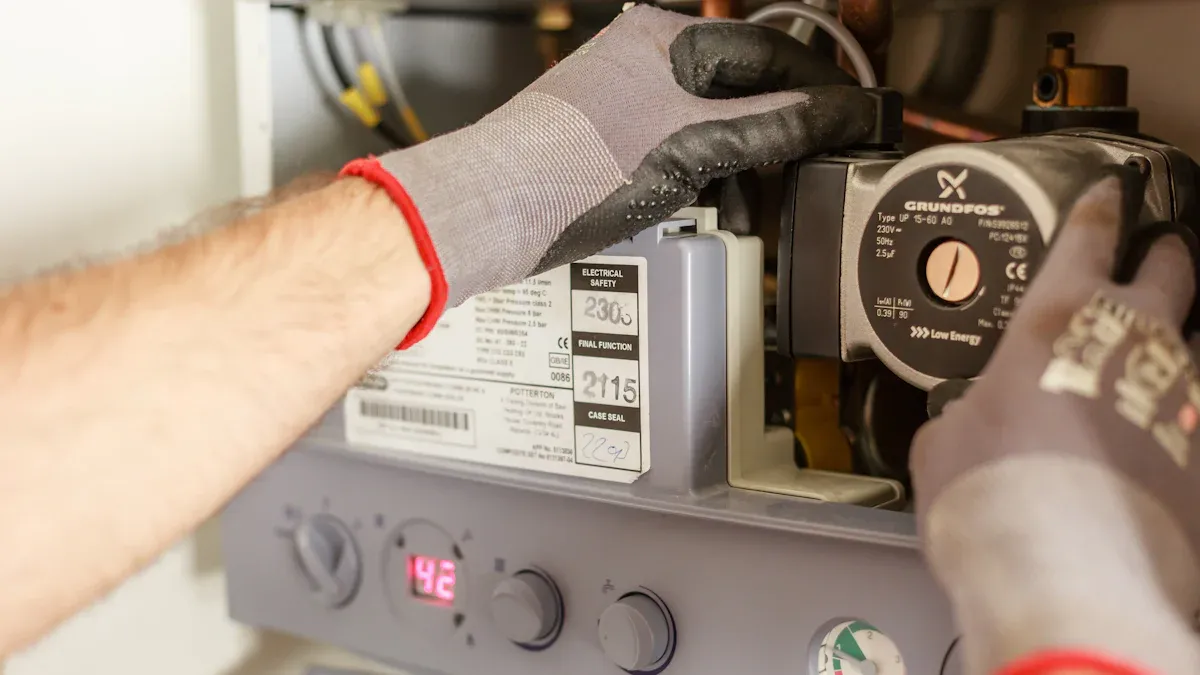
Lose Verbindungen führen oft dazu, dass Ihr Heizgerät Fehlfunktionen aufweist oder ganz ausfällt. Sie sollten bei der routinemäßigen Wartung alle Anschlüsse und Verdrahtungspunkte überprüfen. Verwenden Sie einen Schraubendreher oder einen Schraubenschlüssel, um lose Schrauben oder Muttern festzuziehen. Sichere Verbindungen helfen Ihrem Heizelement, eine gleichbleibende Leistung zu erbringen, und verhindern Lichtbogenbildung, die das Heizgerät beschädigen kann. Schalten Sie vor dem Zugriff auf das Heizelement immer die Stromversorgung aus, um einen Stromschlag zu vermeiden.
Reinigen von Ablagerungen
Staub, Mineralablagerungen und andere Rückstände können sich im Laufe der Zeit auf Ihrem Heizelement ansammeln. Diese Ablagerungen verringern die Effizienz und können zu ungleichmäßiger Erwärmung führen. Sie können eine weiche Bürste oder einen nicht scheuernden Schwamm verwenden, um die Oberfläche vorsichtig zu reinigen. Für die Wartung von Heizstäben in Warmwasserbereitern hilft eine Entkalkungslösung wie Essig, Mineralablagerungen aufzulösen. Stellen Sie sicher, dass das Heizgerät abgekühlt ist, bevor Sie mit der Reinigung beginnen. Regelmäßige Reinigung verlängert die Lebensdauer Ihrer Heizelemente und verbessert die Gesamtleistung des Heizgeräts.
Tipp: Wenn Sie kleinere Brüche im Heizelement feststellen, können Sie diese Reparaturmethoden versuchen:
- Überlappen Sie die beiden Enden und verflechten Sie sie miteinander,, tragen Sie dann einen speziellen Klebstoff für eine dauerhafte elektrische Verbindung auf.
- Verwenden Sie Hartlöten oder Silberlöten, um die Enden zu verbinden, aber seien Sie sich bewusst, dass dies den Widerstand erhöhen und Überhitzung verursachen kann.
- Für eine mechanische Lösung wickeln Sie die Enden um eine kleine Maschinenschraube und sichern Sie diese mit einer Mutter und Unterlegscheiben.
Wann das Heizelement ausgetauscht werden sollte
Anzeichen dafür, dass ein Austausch erforderlich ist
Sie sollten erkennen, wann Reparaturen nicht mehr wirksam sind und ein Austausch notwendig wird. Achten Sie auf diese wichtigen Anzeichen:
- Ungewöhnliche Gerüche oder Brandgeruch, die vom Heizgerät ausgehen.
- Inkonsistente oder ungleichmäßige Erwärmung in Ihrem Raum oder Gerät.
- Das Heizgerät benötigt länger als gewöhnlich, um die gewünschte Temperatur zu erreichen.
- Sichtbare Schäden am Heizelement oder an nahegelegenen Oberflächen.
- Ein plötzlicher Anstieg Ihrer Heizkosten.
Wenn Sie eines dieser Symptome beobachten, ist der Austausch defekter Komponenten die sicherste Option. Die weitere Verwendung eines beschädigten Heizgeräts kann zu weiteren Problemen oder Sicherheitsrisiken führen.
Die Wahl des richtigen Ersatzteils
Auswahl des richtigen Heizelements stellt sicher, dass Ihr Heizgerät sicher und effizient arbeitet. Berücksichtigen Sie diese Faktoren bei der Auswahl eines Ersatzteils:
- Temperaturbereich: Stellen Sie sicher, dass das neue Element die höchsten Temperaturen, die Ihr Heizgerät erreicht, aushalten kann.
- Materialkompatibilität: Überprüfen Sie, ob das Elementmaterial gut mit Ihrem Gerät zusammenarbeitet, insbesondere in korrosiven Umgebungen.
- Leistungsdichte: Balancieren Sie Heizgeschwindigkeit und Lebensdauer aus; höhere Leistungsdichte heizt schneller, kann aber früher verschleißen.
- Wärmeleitfähigkeit: Hohe Leitfähigkeit ermöglicht eine effiziente Wärmeübertragung.
- Oxidationsbeständigkeit: Wählen Sie ein Element, das Oxidation widersteht, für eine längere Lebensdauer in Hochtemperaturumgebungen.
- Langlebigkeit: Ein robustes Heizelement reduziert zukünftige Wartungs- und Austauschkosten.
Stimmen Sie die Spezifikationen Ihres alten Heizelements stets mit dem neuen ab. Befolgen Sie für den Austausch von Heizstäben in Warmwasserbereitern die Anweisungen des Herstellers zum Austausch eines Warmwasserbereiter-Heizelements, um Kompatibilität und Sicherheit zu gewährleisten.
Schritt-für-Schritt-Ersetzungsprozess
Entfernen des alten Elements
Sie müssen beim Austausch eines Heizelements in Ihrem Heizgerät einen sorgfältigen Prozess befolgen. Beginnen Sie damit, den elektrischen Schutzschalter auszuschalten und das Gerät vom Stromnetz zu trennen. Tragen Sie isolierte Handschuhe und eine Schutzbrille, um sich vor Stromschlag und Schmutz zu schützen. Schaffen Sie einen sicheren Arbeitsbereich, indem Sie Unordnung beseitigen und Ihre Werkzeuge überprüfen.
| Werkzeuge/Sicherheitsvorkehrungen | Beschreibung |
|---|---|
| Schraubendreher und Schraubenschlüssel | Entfernen Sie Zugangsabdeckungen und sichern Sie das neue Heizelement. |
| Multimeter | Überprüfen Sie die elektrische Durchgängigkeit und bestätigen Sie, dass das alte Element defekt ist. |
| Isolierte Handschuhe | Schützen Sie Ihre Hände vor Stromschlag und Verbrennungen. |
| Schutzbrille | Schützen Sie Ihre Augen vor Schmutz oder Funken. |
| Stromzufuhr unterbrechen | Trennen Sie das Heizgerät von der Stromquelle. |
| Sicherer Arbeitsplatz | Räumen Sie den Bereich frei und überprüfen Sie die Werkzeuge auf Sicherheit. |
Befolgen Sie diese Schritte:
- Unterbrechen Sie die Stromzufuhr, indem Sie das Heizgerät ausstecken oder den Schutzschalter ausschalten.
- Entfernen Sie alle Abdeckungen oder Verkleidungen, um Zugang zum Heizelement zu erhalten.
- Verwenden Sie einen Schraubendreher, um die Schrauben zu lösen, die das Element halten.
- Ziehen Sie das Element vorsichtig heraus und trennen Sie es von der Stromversorgung.
Anmerkung: Bei Warmwasserbereitern kann es erforderlich sein, den Tank zu entleeren, bevor Sie auf das Heizelement zugreifen.
Einbau des neuen Elements
Entfernen Sie das alte Heizelement und vergleichen Sie es mit dem neuen, um die Kompatibilität sicherzustellen. Richten Sie das neue Element an den Befestigungspunkten aus und schließen Sie die elektrischen Anschlüsse fest an. Verwenden Sie einen Schraubendreher oder Schraubenschlüssel, um das Element zu befestigen. Überprüfen Sie alle Verbindungen auf festen Sitz.
- Setzen Sie das neue Heizelement ein und montieren Sie die Schrauben wieder.
- Bringen Sie alle zuvor entfernten Abdeckungen oder Verkleidungen wieder an.
- Stecken Sie das Heizgerät wieder ein oder schalten Sie den Schutzschalter ein.
- Testen Sie das Heizgerät, indem Sie es einschalten und auf die gewünschte Temperatur einstellen.
- Beobachten Sie das Heizgerät auf ordnungsgemäßen Betrieb und achten Sie auf ungewöhnliche Gerüche oder Geräusche.
⚠️ Befolgen Sie stets die Anweisungen des Herstellers zum Austausch eines Warmwasserbereiter-Elements oder eines anderen Heizelements. Wenn Sie sich bei einem Schritt unsicher fühlen, wenden Sie sich an einen Fachtechniker.
Durch Befolgen dieser Schritte gewährleisten Sie eine sichere und effektive Reparatur oder den Austausch Ihres Heizelements. Regelmäßige Wartung und zeitnahes Beheben von Problemen halten Ihr Heizgerät effizient und verlängern seine Lebensdauer.
Vorbeugende Wartung von Heizelementen
Regelmäßige Reinigungsmethoden
Wie oft reinigen
Sie halten Ihr Heizgerät effizient, wenn Sie das Heizelement regelmäßig reinigen. Reinigen hilft, die Ansammlung von Staub, Fett und anderen Verunreinigungen zu verhindern, die die Wärmeübertragung beeinträchtigen. Sie sollten Ihr Heizgerät mindestens einmal pro Heizperiode reinigen. Bei Geräten wie einem Warmwasserbereiter-Element sorgt eine Reinigung vor Beginn der Saison und nach starker Nutzung für optimale Leistung. Regelmäßige Reinigung bildet die Grundlage für effektive Wartungs- und Präventionstipps.
- Regelmäßige Reinigung ist unerlässlich, um die optimale Leistung von Heizelementen aufrechtzuerhalten.
- Reinigen hilft, die Ansammlung von Staub, Fett und anderen Verunreinigungen zu verhindern, die die Effizienz der Wärmeübertragung beeinträchtigen können.
- Regelmäßige Inspektionen und Reinigungen werden empfohlen, um die Funktionalität sicherzustellen.
Sichere Reinigungstechniken
Sie schützen Ihr Heizgerät und sich selbst, indem Sie sichere Reinigungstechniken befolgen. Schalten Sie immer die Stromversorgung aus und lassen Sie das Heizelement vollständig abkühlen , bevor Sie beginnen. Verwenden Sie eine weiche Bürste, um lose Ablagerungen, Schmutz oder Staub vom Heizelement zu entfernen. Tragen Sie eine milde Reinigungslösung oder Reinigungsalkohol auf ein weiches Tuch auf und wischen Sie die Oberfläche vorsichtig ab. Vermeiden Sie die Verwendung von Wasser oder korrosiven Mitteln, da diese das Heizgerät beschädigen können. Bei der Pflege von Warmwasserbereiter-Elementen hilft das Spülen des Warmwasserbereiter-Tanks, Mineralablagerungen zu entfernen und die Lebensdauer des Heizelements zu verlängern.
Tipp: Verwenden Sie niemals scheuernde Materialien oder aggressive Chemikalien an Heizelementen. Sanfte Reinigung bewahrt die Integrität Ihres Heizgeräts.
Routineinspektionen
Worauf zu achten ist
Sie erkennen Probleme frühzeitig, indem Sie Ihr Heizgerät regelmäßig inspizieren. Achten Sie auf Anzeichen von Verschleiß, Beschädigung oder Korrosion am Heizelement. Prüfen Sie auf Risse, Brandstellen oder Verfärbungen. Inspizieren Sie elektrische Leitungen und Anschlüsse auf Verschleiß oder Korrosion. Untersuchen Sie Luftfilter auf Staub oder Verstopfungen, die den Luftstrom beeinträchtigen. Bei der Wartung von Warmwasserbereiter-Elementen prüfen Sie auf Mineralablagerungen und Lecks.
| Checklistenpunkt | Beschreibung |
|---|---|
| Heiz- und Kühlelemente | Inspizieren Sie Brenner, Heizstäbe, Zündkerzen, Flammensensoren, Verdampferspiralen usw. |
| Luftfilter | Prüfen Sie Luftfilter auf Staub, Schmutz, Eisbildung oder Verstopfungen, die den Luftstrom behindern. |
| Gebläsemotor | Inspizieren Sie Gebläsemotor und Lüfterflügel auf Verschleiß, schmieren Sie bewegliche Teile und überprüfen Sie den Betrieb. |
| Elektrische Komponenten | Inspizieren Sie elektrische Anschlüsse und Komponenten auf Verschleiß, Korrosion oder Beschädigung. |
| Druck und Füllstand | Messen Sie Druck und Füllstand, um die Energieeffizienz zu verbessern. |
| Luftkanäle | Inspizieren Sie Kanäle auf Lecks, Risse und stellen Sie eine ordnungsgemäße Isolierung und Abdichtung sicher. |
Erstellung eines Wartungsplans
Sie maximieren die Zuverlässigkeit des Heizgeräts, indem Sie einen konsistenten Wartungsplan einhalten. Planen Sie Inspektionen mindestens einmal jährlich, idealerweise vor Beginn der Heizperiode. Jährliche Wartung hilft, einen effizienten und sicheren Betrieb zu gewährleisten. Bei stark genutzten Heizgeräten sollten häufigere Überprüfungen in Betracht gezogen werden. Dokumentieren Sie Inspektionsdaten und -ergebnisse, um die Heizgeräteleistung zu verfolgen und zukünftige Wartungsarbeiten zu planen.
Anmerkung: Die Planung jährlicher Inspektionen und Reinigungen hilft Ihnen, unerwartete Ausfälle zu vermeiden und unterstützt die Vermeidung zukünftiger Probleme.
Vermeidung häufiger Probleme mit Heizelementen
Überlastung des Geräts
Sie verhindern Heizgeräteausfälle, indem Sie Überlastungen vermeiden. Verteilen Sie Geräte mit hoher Wattzahl auf mehrere Steckdosen , um die Last auszugleichen. Verwenden Sie eigene Stromkreise für leistungsstarke Heizgeräte. Vermeiden Sie die Überlastung von Steckdosenleisten und Verlängerungskabeln; reservieren Sie diese für Geräte mit geringer Leistung. Planen Sie regelmäßige elektrische Inspektionen, um mögliche Überlastungsprobleme zu erkennen. Modernisieren Sie veraltete Verkabelungen und Schalttafeln, um den heutigen Stromanforderungen gerecht zu werden. Ziehen Sie Geräte bei Nichtgebrauch aus der Steckdose, um die Last auf den Stromkreisen zu reduzieren.
- Verteilen Sie Geräte mit hoher Wattzahl auf mehrere Steckdosen, um die Last auszugleichen.
- Vermeiden Sie die Überlastung von Steckdosenleisten und Verlängerungskabeln; verwenden Sie diese nur für Geräte mit geringer Leistung.
- Planen Sie regelmäßige elektrische Inspektionen, um mögliche Überlastungsprobleme zu erkennen.
- Modernisieren Sie veraltete Verkabelungen und Schalttafeln, um den heutigen Stromanforderungen gerecht zu werden.
- Ziehen Sie Geräte bei Nichtgebrauch aus der Steckdose, um die Last auf den Stromkreisen zu reduzieren.
- Verwenden Sie eigene Stromkreise für Geräte mit hohem Strombedarf, um Konkurrenz um Strom zu vermeiden.
Ignorieren früher Warnsignale
Sie schützen Ihr Heizgerät, indem Sie schnell auf Warnsignale reagieren. Ungewöhnliche Gerüche, ungleichmäßiges Heizen oder seltsame Geräusche deuten auf Probleme mit dem Heizelement hin. Das Ignorieren dieser Anzeichen kann zu kostspieligen Reparaturen oder Sicherheitsrisiken führen. Regelmäßige Wartungstipps umfassen die Überprüfung auf heiße Stellen, Korrosion und Versprödung. Das frühzeitige Beheben von Problemen hilft Ihnen, Ausfälle zu vermeiden und unterstützt die Vermeidung zukünftiger Probleme.
| Ursache | Auswirkungen | Prävention |
|---|---|---|
| Bildung von Hot Spots | Lokale Überhitzung, die zum Ausfall führt | Sicherstellung einer gleichmäßigen Erwärmung und korrekten Platzierung der Stützen |
| Oxidation und thermische Belastung | Schwächung des Heizelements im Laufe der Zeit | Verwendung von Materialien mit hoher Oxidationsbeständigkeit und Minimierung thermischer Zyklen |
| Versprödung durch Kornwachstum | Erhöhte Anfälligkeit für Bruch unter Belastung | Auswahl von Materialien mit besserer Hochtemperaturbeständigkeit und Begrenzung der maximalen Betriebstemperatur |
| Verunreinigung und Korrosion | Korrosion, die letztendlich zum Versagen führt | Aufrechterhaltung einer sauberen Umgebung und Verwendung von Schutzbeschichtungen |
⚠️ Reagieren Sie auf Frühwarnzeichen, um Ihren Heizer sicher zu halten und die Lebensdauer Ihres Heizelements zu verlängern.
Sicherheit und professionelle Hilfe
Grenzen der Wartung von Heizelementen kennen
Wann ein Fachmann hinzugezogen werden sollte
Sie fühlen sich vielleicht sicher bei der grundlegenden Heizerwartung, aber einige Situationen erfordern fachkundige Aufmerksamkeit. Regelmäßige Wartung durch einen Fachmann kann verhindern, dass größere Probleme entstehen. Sie sollten einen Techniker rufen, wenn Sie eines dieser Anzeichen bemerken:
- Die Zündflamme Ihres Heizers bleibt nicht an oder zeigt ungewöhnliche Farben.
- Sie finden verstopfte Filter, die Sie nicht selbst reinigen oder austauschen können.
- Der Thermostat reagiert nicht oder zeigt falsche Werte an.
- Die Luftkanäle weisen Anzeichen von Lecks oder Schäden auf.
- Ihr Heizer braucht länger zum Aufheizen, erzeugt seltsame Gerüche oder Ihre Betriebskosten steigen unerwartet.
Professionelle Techniker befolgen die richtigen Nutzungsrichtlinien und sind geschult, um komplexe Probleme mit Heizelementen zu behandeln. Sie schützen Ihren Heizer und Ihr Zuhause, indem Sie Hilfe suchen, wenn diese Probleme auftreten.
Risiken von DIY-Reparaturen
Sie möchten vielleicht Geld sparen, indem Sie Ihre Heizung selbst reparieren, aber DIY-Reparaturen können gefährlich sein. Der Versuch, ein Heizelement oder ein Warmwasserbereiter-Element ohne entsprechende Schulung zu reparieren, setzt Sie mehreren Risiken aus:
- Der Umgang mit Gasleitungen kann zu Gaslecks, Brandgefahr und Kohlenmonoxidvergiftung führen.
- Sie riskieren Explosionen, wenn Sie mit brennbarem Erdgas arbeiten.
- Körperliche Verletzungen wie Verbrennungen oder Stromschläge können durch unsachgemäße Reparaturen auftreten.
- Das Unterlassen des Stromabschaltens vor Reparaturbeginn erhöht das Risiko eines Stromschlags.
- Falsche Reparaturen können die Herstellergarantie ungültig machen, sodass Sie für zukünftige Kosten verantwortlich sind.
⚠️ Stellen Sie immer Ihre Sicherheit an erste Stelle. Wenn Sie sich bei einem Schritt unsicher fühlen, kontaktieren Sie einen Fachmann. Ihre Sicherheit und die Zuverlässigkeit Ihres Heizers hängen von fachkundiger Pflege ab.
Sichere Entsorgung von Heizelementen
Ordnungsgemäße Entsorgungsmethoden
Wenn Sie ein Heizelement oder ein Warmwasserbereiter-Element ersetzen, müssen Sie das alte Teil verantwortungsvoll entsorgen. Viele Heizelemente enthalten Metalle wie Nichrom, die recycelt werden können. Recycling hilft, Abfall zu reduzieren und unterstützt die ökologische Nachhaltigkeit. Manche Menschen werden kreativ und verwenden alte Heizelemente für Bastel- oder Kunstprojekte wieder. Die folgende Tabelle beschreibt empfohlene Entsorgungsmethoden:
| Methode | Beschreibung |
|---|---|
| Recycelte Heizelemente | Heizelemente aus Nichrom können als Altmetall für neue Produkte recycelt werden wie Schmuck und Kunstwerke. |
| Werden Sie kreativ mit Heizelementen | Alte Heizelemente können für Bastelprojekte wie Windspiele oder Wandkunst wiederverwendet werden. |
♻️ Erkundigen Sie sich bei Ihrem örtlichen Recyclingzentrum nach spezifischen Anweisungen zum Recycling von Heizelementen. Werfen Sie Heizelemente niemals in den normalen Müll, da sie Materialien enthalten können, die die Umwelt schädigen.
Umweltaspekte
Sie helfen, die Umwelt zu schützen, indem Sie Heizelemente ordnungsgemäß entsorgen. Recycling reduziert die Nachfrage nach neuen Rohstoffen und hält gefährliche Stoffe von Deponien fern. Befolgen Sie stets die örtlichen Vorschriften zur Entsorgung von Elektronikabfällen. Wenn Sie sich entscheiden, ein Heizelement wiederzuverwenden, stellen Sie sicher, dass Sie es sicher handhaben und vermeiden, sich scharfen Kanten oder Restchemikalien auszusetzen. Verantwortungsvolle Entsorgung unterstützt eine sauberere, sicherere Gemeinschaft und stellt sicher, dass Ihre Heizer-Upgrades dem Planeten nicht schaden.
Kurzreferenz-Checkliste für die Pflege von Heizelementen
Wartungsaufgaben auf einen Blick
Monatliche Aufgaben
Sie halten Ihren Heizer reibungslos am Laufen, indem Sie eine einfache monatliche Routine befolgen. Regelmäßige Aufmerksamkeit hilft Ihnen, kleine Probleme zu erkennen, bevor sie zu großen werden. Hier ist eine kurze Liste, was Sie jeden Monat tun sollten:
- Überprüfen Sie den Heizer auf Staub, Schmutz oder Ablagerungen auf der Oberfläche und um die Lüftungsschlitze.
- Kontrollieren Sie das Heizelement auf sichtbare Abnutzungserscheinungen wie Verfärbungen oder leichte Ablagerungen.
- Hören Sie auf ungewöhnliche Geräusche, wenn Sie den Heizer einschalten.
- Stellen Sie sicher, dass alle elektrischen Verbindungen fest sitzen und keine Anzeichen von Korrosion aufweisen.
- Reinigen Sie die Außenseite des Heizers mit einem weichen, trockenen Tuch.
Tipp: Stellen Sie eine Erinnerung auf Ihrem Telefon oder Kalender ein, damit Sie nie eine monatliche Überprüfung vergessen.
Jährliche Überprüfungen
Eine jährliche Inspektion hilft Ihnen, die Sicherheit und Effizienz Ihres Heizgeräts zu erhalten. Sie sollten diese Überprüfungen vor Beginn der Heizsaison planen:
| Aufgabe | Warum es wichtig ist |
|---|---|
| Heizelement überprüfen | Früherkennung von Rissen oder Brandflecken |
| Wassererwärmerelement testen | Ordnungsgemäße Funktion bestätigen und kalte Duschen vermeiden |
| Verkabelung und Anschlüsse prüfen | Elektrische Gefahren verhindern |
| Luftfilter reinigen oder ersetzen | Luftstrom und Heizleistung verbessern |
| Warmwasserspeicher spülen | Mineralablagerungen entfernen und Lebensdauer des Elements verlängern |
Sie schützen Ihre Investition und gewährleisten zuverlässige Wärme, indem Sie jährliche Wartung priorisieren.
Zusammenfassung der Fehlerbehebungsschritte
Erste Maßnahmen
Wenn Ihr Heizgerät ausfällt oder Probleme zeigt, benötigen Sie einen klaren Plan. Beginnen Sie mit diesen Schritten:
- Schalten Sie das Heizgerät aus und ziehen Sie den Stecker, um Ihre Sicherheit zu gewährleisten.
- Lassen Sie das Heizelement vollständig abkühlen, bevor Sie Teile berühren.
- Visuelle Inspektion des Heizgeräts auf offensichtliche Beschädigungen oder lockere Verbindungen.
- Verwenden Sie ein Multimeter, um das Heizelement und das Wassererwärmerelement auf Durchgang zu prüfen.
- Reinigen Sie Staub oder Ablagerungen am Heizelement.
Anmerkung: Befolgen Sie stets die Herstelleranleitung für Ihr spezifisches Heizgerätemodell.
Wann Sie aufhören und Hilfe suchen sollten
Sie sollten Ihre Grenzen bei Heizgerätereparaturen kennen. Wenn Sie Folgendes bemerken, brechen Sie ab und rufen Sie einen Fachmann:
- Anhaltender Brandgeruch oder Rauch vom Heizgerät
- Wiederholtes Auslösen von Sicherungen bei Heizgerätenutzung
- Anzeichen von Lichtbögen oder geschmolzenen Kabeln am Heizelement
- Das Wassererwärmerelement zeigt nach Austausch keinen Durchgang
- Sie sind sich bei einem Reparaturschritt unsicher
⚠️ Ihre Sicherheit hat oberste Priorität. Professionelle Techniker verfügen über Werkzeuge und Schulung für komplexe Heizprobleme.
Sie halten Ihr Heizgerät sicher und zuverlässig durch regelmäßige Pflege. Befolgen Sie stets Sicherheitsmaßnahmen vor Reparatur oder Wartung. Schnelles Handeln hilft, größere Probleme mit dem Heizelement zu vermeiden. Sie erkennen, wann ein Heizelement repariert oder ersetzt werden muss, indem Sie auf Warnzeichen achten. Vorbeugende Wartung spart Zeit und Geld. Sie verlängern die Lebensdauer Ihres Wassererwärmerelements und Heizgeräts durch Routinechecks. Sie schützen Ihr Zuhause durch Inspektion und Reinigung des Heizelements. Sie verbessern die Leistung durch Austausch fehlerhafter Wassererwärmerelemente. Sie vermeiden kostspielige Reparaturen durch Pflege von Heizelement und Heizgerät.
Tipp: Planen Sie regelmäßige Inspektionen, um Heizelement und Heizgerät effizient zu halten.
FAQ
Wie oft sollten Sie Ihr Heizelement überprüfen?
Sie sollten Ihr Heizelement mindestens einmal pro Heizsaison überprüfen. Bei täglicher Nutzung monatlich auf Verschleiß, Ablagerungen oder Schäden prüfen.
Welche Werkzeuge benötigen Sie für grundlegende Heizelementwartung?
Sie benötigen einen Schraubendreher, eine Zange, eine weiche Bürste und ein Multimeter. Diese Werkzeuge helfen beim Reinigen, Festziehen von Verbindungen und Testen elektrischer Probleme.
Können Sie ein gerissenes Heizelement reparieren?
Ein gerissenes Heizelement kann nicht sicher repariert werden. Tauschen Sie es sofort aus, um elektrische Gefahren zu vermeiden und zuverlässige Leistung zu gewährleisten.
Warum riecht Ihre Heizung, wenn Sie sie einschalten?
Brandgeruch bedeutet oft verbrennenden Staub oder Ablagerungen am Element. Anhaltende oder ungewöhnliche Gerüche können Überhitzung oder elektrische Probleme anzeigen. Stecker ziehen und Heizgerät prüfen.
Was verursacht ungleichmäßige Erwärmung in Ihrem Gerät?
Lose Verbindungen, Ablagerungen am Element oder ein defektes Heizelement können ungleichmäßige Erwärmung verursachen. Regelmäßige Reinigung und Inspektionen beugen vor.
Ist die Nutzung eines beschädigten Heizgeräts sicher?
⚠️ Verwenden Sie niemals ein sichtbar beschädigtes Heizgerät. Beschädigte Elemente oder Kabel erhöhen Brand- und Stromschlagrisiko. Tauschen Sie defekte Teile vor Nutzung aus.
Wie entsorgen Sie ein altes Heizelement?
Alte Heizelemente im Recyclingzentrum entsorgen. Viele enthalten Metalle wie Nichrom, die wiederverwertet werden können. Nicht im Hausmüll entsorgen.