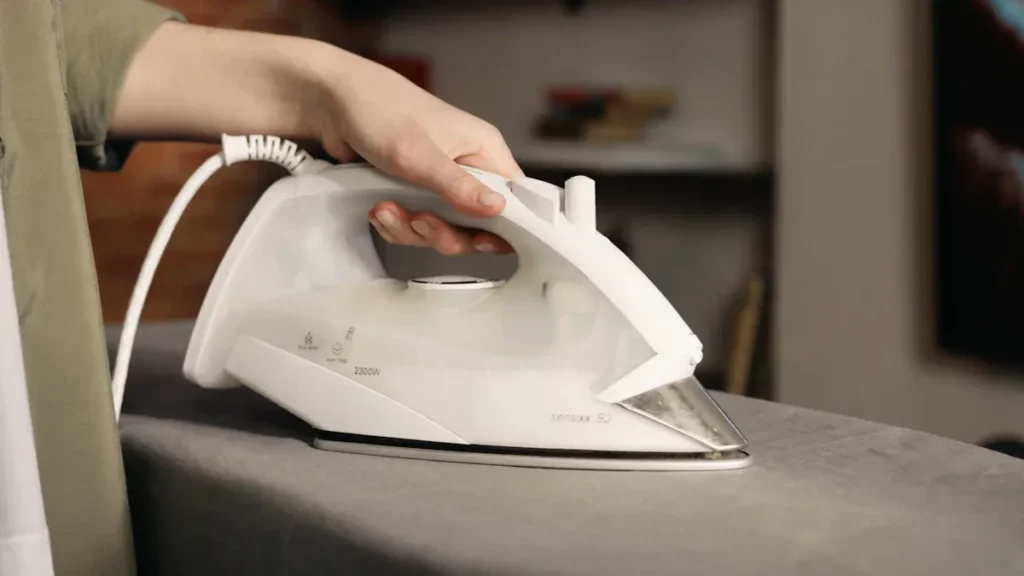

Ein Dampfbügeleisen Heizelement befindet sich im Inneren Ihres Bügeleisens. Es erzeugt Wärme und hilft dabei, Wasser in Dampf umzuwandeln. Sie benötigen dieses Bauteil, um Falten schnell und sicher aus Ihrer Kleidung zu entfernen. Viele neue Dampfbügeleisen verwenden heute bessere Heizelemente. Diese Teile sparen Energie, schonen Ihre Kleidung und machen das Bügeln einfach. Wenn Sie wissen, wie diese Teile funktionieren, können Sie Bügeleisen auswählen, die länger halten und besser arbeiten.
Wichtigste Erkenntnisse
Heizelemente helfen Ihrem Dampfbügeleisen heiß zu werden. Sie wandeln Wasser in Dampf um. Dies hilft, Falten schnell und sicher zu entfernen. Gute Heizelemente verwenden robuste Materialien wie Nickel-Chrom und Aluminium. Diese Materialien sorgen dafür, dass sie länger halten und weniger Energie verbrauchen. Dampfbügeleisen heizen schneller auf als Trockenbügeleisen. Dank ihrer speziellen Heizelemente arbeiten sie auch besser bei hartnäckigen Falten. Neue Bügeleisen verfügen über Sicherheitsfunktionen und intelligente Steuerungen. Diese halten die Temperatur konstant und helfen, Unfälle zu vermeiden. Wenn Ihr Bügeleisen nicht heizt oder keinen Dampf erzeugt, überprüfen Sie das Heizelement. Ersetzen Sie es mit zertifizierten Teilen, um sicher zu bleiben.
Heizelemente Übersicht
Was sie sind
Heizelemente sind wichtige Teile im Inneren eines Dampfbügeleisens. Sie machen das Bügeleisen heiß. Wenn Sie das Bügeleisen einstecken, fließt Strom durch einen Widerstandsdraht. Dieser Draht ist um eine Glimmerplatte gewickelt. Die Glimmerplatte verhindert, dass der Strom die metallische Bügelsohle berührt. Sie lässt jedoch die Wärme zur Sohle gelangen. Der Draht wird heiß aufgrund von Joulesche Heizung. Die heiße Bügelsohle verwandelt Wasser in Dampf. Der Dampf tritt durch kleine Löcher aus.
Hier ist eine Tabelle, die die Hauptteile und ihre Funktionen zeigt:
Komponente | Rolle und Zusammenspiel |
|---|---|
Heizwiderstand | Wandelt Strom in Wärme um; bringt die Bügelsohle auf 130°C–160°C. |
Bügelsohle | Wird durch den Widerstand heiß; gibt Wärme an Wasser ab, um Dampf zu erzeugen. |
Temperatursensor | Berührt die Bügelsohle; prüft die Temperatur und meldet sie an die Steuerplatine. |
Mikrocontroller (PCB) | Steuert die Stromzufuhr zum Widerstand; verwaltet Sicherheits- und Dampffunktionen. |
Elektrischer Stromkreis | Leitet Strom zum Widerstand; enthält Sicherheitsteile wie Relais und Sensoren. |
Wasserpumpe | Befördert Wasser zur Bügelsohle, wo es zu Dampf wird. |
Neigungssensor | Schaltet die Stromzufuhr ab, wenn das Bügeleisen umkippt, um Ihre Sicherheit zu gewährleisten. |
Warum sie wichtig sind
Heizelemente sind sehr wichtig für Ihr Dampfbügeleisen. Die Leistung des Heizelements wird in Watt gemessen. Dies gibt an, wie schnell das Bügeleisen aufheizt. Es zeigt auch, wie viel Dampf das Bügeleisen erzeugen kann. Wenn das Bügeleisen schnell aufheizt, können Sie früher mit dem Bügeln beginnen. Sie können Ihre Kleidung schneller fertigstellen. Mehr Dampf hilft, Falten besser zu entfernen. Ihre Kleidung wird glatt und frisch aussehen.
Hersteller verwenden robuste Materialien für Heizelemente. Dies hilft ihnen, länger zu halten und sicher zu arbeiten. Einige Bügeleisen haben intelligente Funktionen wie eine konstante Temperaturregelung. Diese Funktionen halten das Bügeleisen auf der richtigen Temperatur. Sie verhindern, dass es zu heiß wird. Gute Heizelemente sparen Energie und helfen, Unfälle zu vermeiden. Wenn Sie ein Bügeleisen mit einem starken Heizelement wählen, erzielen Sie bessere Ergebnisse. Sie bleiben auch beim Bügeln sicherer.
Wie sie funktionieren
Funktion in Dampfbügeleisen
Wenn Sie Ihr Dampfbügeleisen einschalten, beginnt es zu arbeiten. Das Heizelement im Inneren wandelt Strom in Wärme um. Hier ist, was passiert:
Strom fließt durch einen speziellen Draht im Heizelement. Dieser Draht besteht aus Nichrom.
Der Draht lässt Strom nicht leicht durch. Dies macht den Draht heiß. Wissenschaftler nennen dies den Joule'sches Erwärmungsgesetz.
Die Wärme wandert vom Draht zur Bügelsohle. Die Bügelsohle wird heiß und erwärmt das Wasser im Inneren des Bügeleisens.
Das heiße Wasser verwandelt sich in Dampf. Der Dampf tritt durch kleine Löcher in der Bügelsohle aus.
Das Heizelement nutzt Widerstand und Strom gemeinsam. Dies hilft ihm, schnell heiß zu werden, aber sicher zu bleiben.
Ein Thermostat überwacht die Temperatur. Es schaltet die Stromzufuhr ein oder aus, um das Bügeleisen auf der richtigen Temperatur zu halten.
Tipp: Wenn Ihr Heizelement schnell aufheizt, können Sie früher mit dem Bügeln beginnen.
Verwendete Materialien
Die Materialien in Heizelementen sind sehr wichtig. Sie helfen Ihrem Dampfbügeleisen, gut zu funktionieren. Hersteller wählen diese Materialien aufgrund ihrer besonderen Eigenschaften aus. Hier ist eine Tabelle, die die häufigsten Materialien und ihre Vorteile zeigt:
Material | Zusammensetzung | Maximale Temperatur | Wichtige Eigenschaften | Anwendungen | Vorteile |
|---|---|---|---|---|---|
Nichrom | Nickel (Ni), Chrom (Cr) | Bis zu 1200°C | Gut gegen Rost, hoher Widerstand, leicht biegbar, leicht formbar | Haushaltsgeräte einschließlich Dampfbügeleisen | Günstig, gut für niedrigere Hitze, einfach herzustellen |
Kanthal | Eisen (Fe), Chrom (Cr), Aluminium (Al) | Bis zu 1400°C | Hervorragend gegen Rost (schützende Al2O3-Schicht), hoher Widerstand, robust | Industrieöfen, Haushaltsgeräte (Toaster, Öfen, Dampfbügeleisen) | Spart Energie, robust, günstig, gut für hohe Hitze |
Jinzhong verwendet Nickel-Chrom-Legierung und Aluminium in seinen Heizelementen. Nickel-Chrom-Legierung ist gut, weil sie hohe Hitze aushält und nicht rostet. Sie bleibt stabil und behält ihre Form nach vielen Anwendungen. Das bedeutet, dass Ihr Bügeleisen länger hält und besser arbeitet. Aluminium ist leicht und verteilt Wärme schnell und gleichmäßig. Dies hilft Ihrem Bügeleisen, schnell aufzuheizen und weniger Energie zu verbrauchen. Diese Materialien sorgen dafür, dass jinzhong Heizelemente gut funktionieren und lange halten.
Hinweis: Wenn Sie ein Dampfbügeleisen mit guten Materialien im Heizelement wählen, sparen Sie Energie und Ihr Bügeleisen hält länger.
Typen und Bauweisen

Dampf- vs. Trockenbügeleisen
Es gibt zwei Haupttypen von Bügeleisen. Eines ist ein Dampfbügeleisen, das andere ein Trockenbügeleisen. Dampfbügeleisen verwenden Wasser, um Dampf zu erzeugen. Das Heizelement erwärmt das Wasser im Inneren des Bügeleisens. Dampf tritt durch Löcher in der Bügelsohle aus. Dieser Dampf hilft Ihnen, Falten schneller zu entfernen. Er macht das Bügeln auch einfacher. Trockenbügeleisen verwenden kein Wasser. Das Heizelement erhitzt nur die Bügelsohle. Sie drücken die heiße Sohle auf Ihre Kleidung, um sie zu glätten.
Dampfbügeleisen benötigen ein komplexeres Heizelement. Es muss sowohl die Bügelsohle als auch das Wasser erhitzen. Dampfbügeleisen arbeiten schneller, weil Dampf den Stoff weicher macht. Trockenbügeleisen sind einfacher. Sie sind gut für grundlegende Stoffe. Aber sie funktionieren möglicherweise nicht so gut bei hartnäckigen Falten.
Tipp: Wenn Sie oft dicke oder stark zerknitterte Kleidung bügeln, hilft Ihnen ein Dampfbügeleisen mit einem starken Heizelement, schneller fertig zu werden.
Übliche Konfigurationen
Heizelemente in Dampfbügeleisen gibt es in verschiedenen Formen und Anordnungen. Einige Bügeleisen haben einen gewickelten Draht in einem Metallrohr. Andere haben flache Heizplatten. Das Design beeinflusst, wie schnell das Bügeleisen aufheizt. Es beeinflusst auch, wie gut sich die Wärme verteilt.
A Ein Heizelement mit höherer Wattzahl heizt das Bügeleisen schneller auf. Zum Beispiel wird ein Bügeleisen mit 1800 Watt schneller heiß als eines mit 1200 Watt. Sie warten weniger und können früher mit dem Bügeln beginnen. Der Thermostat hält die Temperatur konstant. Dies hilft Ihnen, die richtige Hitze für jeden Stoff zu verwenden. Es schützt Ihre Kleidung.
Das Design der Bügelsohle ist ebenfalls wichtig. Viele Dampfbügeleisen haben viele kleine Dampflöcher. Diese Löcher verteilen den Dampf gleichmäßig auf Ihrer Kleidung. Sie erhalten besseren Dampf und glattere Ergebnisse. Tests zeigen, dass gleichmäßige Hitze über die Bügelsohle ist wichtig für gutes Bügeln. Die Art und Weise, wie das Heizelement im Bügeleisen sitzt, steuert diese Wärmeverteilung.
Konfigurationstyp | Eigenschaften | Vorteile |
|---|---|---|
gewickelter Draht | schnelles Aufheizen, einfaches Design | schnelle Aufwärmzeit, leicht austauschbar |
flach Heizplatte | gleichmäßige Hitze, deckt mehr Fläche ab | gleichmäßiges Bügeln, weniger Stellen |
mehrere Dampflöcher | gleichmäßige Dampfverteilung | bessere Faltenentfernung |
Sie sollten ein Bügeleisen mit einem guten Heizelement und einer guten Bügelsohle wählen. Das hilft Ihnen, schneller, sicherer und jedes Mal besser zu bügeln.
Merkmale und Vorteile
Schnelles Aufheizen
Sie möchten, dass Ihr Bügeleisen schnell heiß wird. Neue Dampfbügeleisen können in etwa zwei Minuten. heiß werden. Das bedeutet, dass Sie nicht lange warten müssen, um zu beginnen. Einige Bügeleisen verwenden spezielle Technologien wie OptimalTEMP. Damit müssen Sie die Einstellungen für verschiedene Stoffe nicht ändern. Sie können Baumwolle, Seide oder Wolle bügeln, ohne sie vorher zu sortieren. Leistungsstarke Dampfstöße helfen Ihnen, hartnäckige Falten schnell zu beseitigen. Die folgende Tabelle zeigt, wie schnelles Aufheizen Ihnen hilft, besser zu bügeln:
Merkmal | Beschreibung | Nutzen für Sie |
|---|---|---|
schnelle Aufheizzeit | Bügeleisen in etwa 2 Minuten bereit | kein Warten, schneller Start |
kontinuierlicher starker Dampf | bis zu 135 g/min Dampf, 500 g Dampfstoß | schnelle Faltenentfernung, weniger Aufwand |
sichere Handhabung der Bügelsohle | heiße Bügelsohle sicher auf dem Bügelbrett | weniger Handgelenkbelastung, sicherere Nutzung |
leichtes Design | einfach zu handhaben und zu bewegen | mehr Komfort, weniger Ermüdung |
Tipp: Schnelles Aufheizen spart Zeit und erleichtert das Bügeln.
Langlebigkeit und Sicherheit
Sie möchten ein Bügeleisen, das langlebig ist und Sie sicher hält. Jinzhong-Heizelemente verwenden starke Materialien wie Nickel-Chrom-Legierung und Aluminium. Diese Materialien rosten nicht und können hohe Temperaturen vertragen. Moderne Bügeleisen verfügen über Sicherheitsfunktionen, die Sie und Ihr Zuhause schützen. Temperaturschützer verwenden Sensoren, um die Hitze zu überprüfen. Wenn das Bügeleisen zu heiß wird, schaltet der Schützer die Stromversorgung ab. Dies verhindert Brände und andere Gefahren. Manche Schützer schalten sich wieder ein, wenn das Bügeleisen abkühlt. Andere bleiben ausgeschaltet, wenn ein größeres Problem vorliegt. Diese Funktionen arbeiten mit Thermostaten zusammen, um Ihr Bügeleisen sicher zu halten, selbst wenn etwas schiefgeht.
Jinzhong-Produkte erfüllen strenge internationale Standards.. Zertifizierungen wie ISO9001, CE und UL zeigen, dass diese Heizelemente sicher und zuverlässig sind. Intelligente Temperaturregelung und eingebauter Schutz helfen, Überhitzung und elektrische Probleme zu verhindern. Sie können diesen Bügeleisen für Zuhause oder die Arbeit vertrauen.
Energie-Effizienz
Sie möchten Energie sparen und weniger für Strom bezahlen. Jinzhong-Heizelemente verwenden eine intelligente Temperaturregelung. Damit können Sie einstellen, wann das Bügeleisen aufheizt, sodass Sie es zu den besten Zeiten nutzen können. Das System kann sich mit Ihrem Heimenergiemanager verbinden und für eine bessere Effizienz anpassen. Sie können einige Bügeleisen sogar per WLAN oder Bluetooth steuern. Diese intelligenten Funktionen helfen Ihnen, im Laufe der Zeit weniger Energie zu verbrauchen.
Hinweis: Energiesparfunktionen wie der ECO-Modus und die automatische Abschaltung helfen Ihnen, nur die Energie zu nutzen, die Sie benötigen.
Jinzhong stellt Heizelemente für viele Anwendungen her. Sie finden sie in Haushaltsbügeleisen und großen Maschinen. Ihre Produkte bieten schnelles Aufheizen, hohe Sicherheit und intelligente Energienutzung für die besten Ergebnisse.
Fehlerbehebung und Austausch
Anzeichen für Fehler
Sie können Probleme mit Ihrem Dampfbügeleisen erkennen, indem Sie auf bestimmte Hinweise achten. Wenn Ihr Bügeleisen nicht heiß wird oder keinen Dampf erzeugt, könnte das Heizelement defekt sein. Manchmal hören Sie das Bügeleisen laufen, aber es kommt kein Dampf heraus. Wasser, das aus dem Bügeleisen austritt, oder eine Pumpe, die nicht funktioniert, können ebenfalls auf ein Problem hinweisen. Ein defektes Netzkabel oder ein Thermostat, der die richtige Hitze nicht einstellt, sind weitere Warnsignale. Ziehen Sie immer den Netzstecker, bevor Sie diese Probleme überprüfen.
häufiges Fehlersymptom | Erläuterung |
|---|---|
Bügeleisen heizt nicht mehr auf | Das Heizelement oder der Sicherheitsschalter könnte defekt sein. |
Bügeleisen erzeugt keinen Dampf | Ein blockiertes Ventil oder ein defektes Magnetventil kann den Dampf stoppen, selbst wenn das Bügeleisen heiß ist. |
Wasser tritt ohne Dampf aus | Ein defektes Ventil lässt Wasser austreten, anstatt es in Dampf umzuwandeln. |
Pumpe funktioniert nicht | Das Bügeleisen kann kein Wasser zum Heizbereich befördern. |
beschädigtes Netzkabel | Schnitte oder Brüche im Kabel verhindern, dass das Bügeleisen funktioniert. |
Thermostatfehlfunktion | Das Bügeleisen kann zu heiß oder nicht heiß genug werden. |
Tipp: Wenn Sie Funken sehen, einen Brandgeruch wahrnehmen oder feststellen, dass das Bügeleisen ständig einen Kurzschluss hat, stellen Sie die Nutzung sofort ein.
Wann auszutauschen ist
Sie sollten Ihr Heizelement des Bügeleisens falls Sie eines dieser Probleme feststellen. Überprüfung mit einem Multimeter ob Strom durchfließen kann. Setzen Sie die Messspitzen an die Enden des Heizelements. Wenn Sie einen normalen Wert erhalten, ist das Heizelement in Ordnung. Wenn der Wert deutlich höher, niedriger ist oder kein Wert angezeigt wird, benötigen Sie ein neues Heizelement. Ziehen Sie vor dem Test immer den Stecker des Bügeleisens.
Im Folgenden finden Sie Schritte, die Ihnen helfen, zu erkennen, wann ein neues Heizelement benötigt wird:
Prüfen Sie, ob das Bügeleisen nicht heiß wird, obwohl es eingesteckt ist.
Achten Sie auf Sicherheitsprobleme wie Funken oder Brandgeruch.
Testen Sie das Heizelement und den Thermostat mit einem Multimeter.
Suchen Sie nach Beschädigungen oder Brandspuren.
Besorgen Sie ein neues Heizelement, wenn Reparaturkosten zu hoch sind oder Ersatzteile nicht verfügbar.
Sie können die Lebensdauer Ihres Bügeleisens verlängern, indem Sie es regelmäßig reinigen. Entfernen Sie Staub und Mineralablagerungen von der Sohle und den Dampflöchern. Reinigen Sie das Bügeleisen alle zwei Monate um die einwandfreie Funktion des Heizelements zu gewährleisten. Halten Sie Ersatzteile wie Heizelemente bereit, um Ihr Bügeleisen schnell reparieren zu können.
Jinzhong vertreibt zertifizierte, hochwertige Heizelemente als Ersatz. Die Wahl zertifizierter Teile gewährleistet Sicherheit und optimale Leistung Ihres Bügeleisens. Durch sorgfältige Pflege und hochwertige Ersatzteile hält Ihr Bügeleisen länger und arbeitet effizienter.
Dampfbügeleisen-Heizelemente verwenden spezielle Materialien wie Edelstahl und Keramik. Diese Materialien ermöglichen schnelles Aufheizen und gleichmäßige Wärmeverteilung. Sie sorgen auch für konstanten Dampfausstoß. Bei Wahl einer renommierten Marke wie Jinzhong sind Sie sicherer unterwegs, sparen Energie und verlängern die Lebensdauer des Geräts. Zudem können Sie aus verschiedenen Optionen wählen, um den Anforderungen im Haushalt oder gewerblichen Einsatz gerecht zu werden.
Merkmal | Nutzen Sie |
|---|---|
Spart Zeit | |
Langlebige Materialien | Verlängert die Lebensdauer des Bügeleisens |
Sicherheitszertifizierungen | Trägt zu Ihrer Sicherheit bei |
Anpassbare Designs | Vielseitige Einsatzmöglichkeiten |
Für optimale Ergebnisse wählen Sie stets zertifizierte und effiziente Heizelemente von vertrauenswürdigen Marken.
FAQ
Was ist die Hauptaufgabe eines Dampfbügeleisen-Heizelements?
Das Heizelement erhitzt sich beim Einschalten des Bügeleisens. Es wandelt elektrische Energie in Wärme um. Diese Wärme verwandelt Wasser in Dampf. Der Dampf hilft, Falten schnell und schonend aus der Kleidung zu entfernen.
Woran erkenne ich, ob mein Heizelement defekt ist?
Das Bügeleisen wird möglicherweise nicht heiß oder erzeugt keinen Dampf. Es könnten Funken auftreten oder ein Brandgeruch wahrnehmbar sein. Wenn ein Multimeter keinen Wert anzeigt, ist das Heizelement defekt und muss ausgetauscht werden.
Kann ich das Heizelement selbst austauschen?
Sie können das Heizelement wechseln, wenn Sie über etwas Werkzeug verfügen. Ziehen Sie vor Beginn immer den Stecker. Wenn Sie unsicher sind, holen Sie sich Hilfe von einer fachkundigen Person.
Welche Materialien eignen sich am besten für Heizelemente?
Nickel-Chrom-Legierungen und Aluminium sind die beste Wahl. Sie heizen schnell auf, sind langlebig und rostbeständig. Marken wie Jinzhong verwenden diese Materialien für mehr Sicherheit und Leistung.
Warum sollte ich ein zertifiziertes Heizelement wählen?
Zertifizierte Heizelemente entsprechen Sicherheits- und Qualitätsnormen. Sie schützen vor Unfällen und haben eine längere Lebensdauer. Achten Sie beim Kauf auf Zertifizierungen wie ISO9001, CE oder UL.