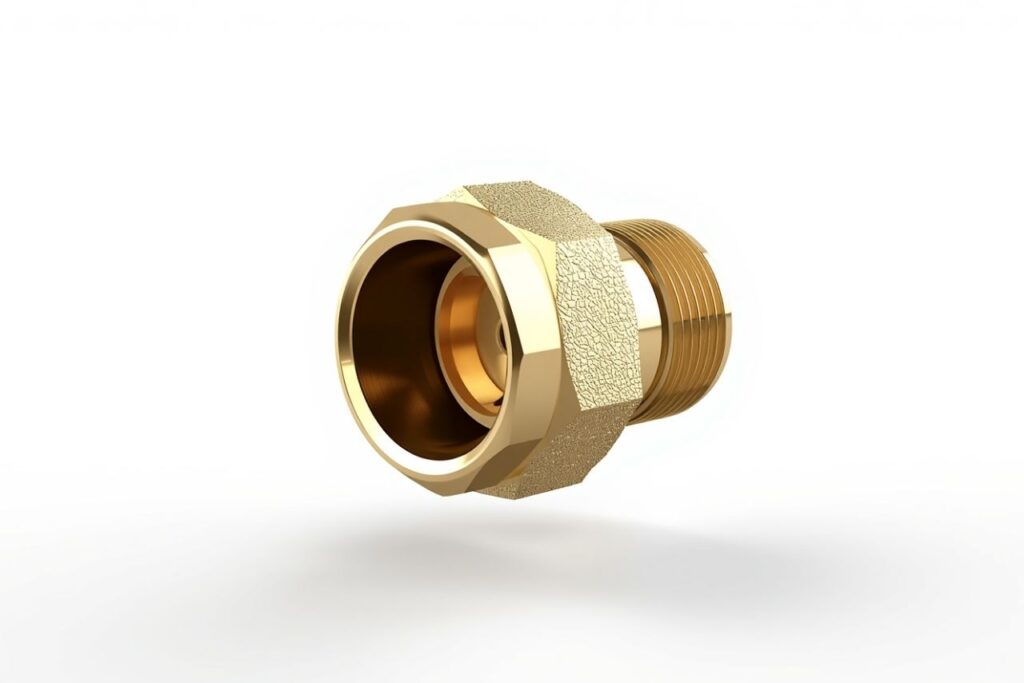
Cluster page for the pillar topic “Water Heater Element Socket Sizes and Essential Tools.” This page focuses on one decision: choosing a standard element socket setup vs a heavy-duty setup when an element is stuck.
Standard setup: what works for most element swaps
For many electric tank water heaters, removing the bad element is straightforward if you use the correct tool interface: an element wrench or a 1 1/2" deep well socket. A deep socket matters because element terminals often protrude past the hex, and shallow sockets can fail to seat fully—leading to rounded corners.
- 1 1/2" deep well socket (or element wrench)
- Quality ratchet (preferably 1/2" drive)
- Screwdrivers for covers/terminal screws
- Garden hose + bucket/towels (for draining)
- New gasket
- Multimeter (verify power off; basic checks)
If the element threads are not heavily bonded by scale, the torque required stays moderate and a well-seated deep socket with steady pressure removes the element cleanly.
Heavy-duty setup: for seized, scaled, or corroded elements
“Heavy duty” doesn’t mean a different socket size—it means more engagement, more rigidity, and safer leverage. Elements can seize due to mineral scale, corrosion, or long service intervals. In tubular/sheath-style heaters, the overall assembly is a conductive resistance wire supported by insulating material (often magnesium oxide in sheathed designs), so once the mechanical interface is damaged (rounded hex, cracked insulator, bent terminals), you create extra work and safety risk.
| Decision point | Standard setup | Heavy-duty setup |
|---|---|---|
| Turning tool | Ratchet | Breaker bar (controlled leverage) |
| Socket/engagement | 1 1/2" deep well socket | Same size, but prioritize 6‑point, fully seated; avoid wobble |
| Risk of rounding | Low (if seated well) | Higher torque → higher slip risk; go slower, keep alignment perfect |
| Typical use case | Newer heater, soft water areas, recent service | Older heater, hard water scale, visible corrosion, prior leak history |
When torque climbs, adjustable jaws slip. Slipping rounds the hex and can force a more invasive repair. If the socket won’t seat, stop and correct access/alignment instead of “making it work.”
Why heavy-duty matters for industrial-style heating designs
In many heating tube constructions (for kettles, ovens, and water heaters), manufacturers describe premium metal sheaths (stainless steel, copper, or special alloys) filled with high-purity magnesium oxide powder and resistance wire for insulation and rapid heating. Those materials are great for performance, but the plumbing-side reality remains: mineral scale and corrosion can lock threads over time. A breaker bar and a rigid, fully seated socket reduce the chance you damage the hex or tank threads when breaking that bond.
How to choose in 60 seconds
- Start standard: 1 1/2" deep well socket + ratchet.
- If it doesn’t move with steady force, upgrade the turning tool (breaker bar) before you start improvising.
- If you feel the socket “cam out,” stop—re-seat, improve access, and confirm it’s fully engaged.
- If the drain valve clogs and you can’t drain the tank, don’t force the job—seek qualified help (sediment can block draining).
Reinstall notes that prevent leaks and “dry fire”
Socket choice gets the element out—but good commissioning keeps the new one alive. Key steps include verifying the replacement matches the water heater data plate (voltage and wattage), cleaning the tank threads, installing the gasket, and using a drop of hand dishwashing liquid to lubricate the gasket as it is tightened.
- Clean tank threads with a rag before installing.
- Hand-tighten first; then tighten with the element wrench or 1 1/2" deep socket.
- After refill, check for leaks and tighten only until leak stops.
- Do not restore power until the tank is completely full.
- Remove the nearest hot faucet aerator, run hot water to full stream, then keep running for THREE MINUTES to purge air.
- Replace aerator, reinstall covers/insulation, then turn breaker on (heat-up can take ~2 hours).
If you’re specifying heaters for products rather than replacing household elements, remember: the “socket and serviceability” conversation is part of total cost. Heating components are designed assemblies (conductive + insulating parts), and easier service access can reduce downtime—whether you’re using classic tubular heaters, integrated die-cast thermal modules, or other heating architectures.