您可以透過關閉電源、接觸加熱元件,並使用萬用電表檢查電阻值是否正常,來測試熱水器加熱元件。.
⚠️ 在觸碰任何電線之前,請務必關閉斷路器電源,並使用電壓測試器確認無電流通過。.
定期測試有助於熱水器高效運作,並避免不必要的更換。.
- 水垢堆積與腐蝕會迫使熱水器更費力運作, ,進而推高能源帳單。.
- 定期測試熱水器的努力,能在小問題演變成昂貴故障之前及時發現。.
測試熱水器加熱元件前的重要安全步驟
測試熱水器加熱元件 需要嚴格注意安全。電與水會形成危險環境。您必須仔細遵循每個步驟,以保護自身與家園。.
關閉電源與確認
找到並關閉斷路器
在觸碰電熱水器的任何部件之前,您需要先將其與電源斷開。找到您家中的配電盤,找出標示為熱水器的斷路器,並將其切換至「關閉」位置。此步驟可防止意外觸電。.
使用電壓測試器確保安全
關閉斷路器還不夠,您必須確認熱水器已完全斷電。請依照以下步驟確認電源已關閉:
- 關閉斷路器電源.
- 拆下金屬蓋板,以接觸恆溫器與加熱元件。.
- 使用非接觸式電壓測試器,檢查所有電氣接點是否有電壓。.
- 若電線位於金屬導管內,請拆下恆溫器蓋與隔熱材料,以接觸高溫斷電開關附近的電線。.
- 將測試器貼在熱水器的金屬外殼上,進行額外的安全檢查。.
- 僅在測試器顯示任何位置均無電壓時,方可繼續作業。.
⚠️ 絕不可省略電壓測試。即使是微小的疏失也可能造成嚴重傷害。.
個人防護措施
建議的安全裝備
您應始終穿戴適當的 個人防護裝備(PPE) 在電熱水器上作業時。絕緣手套可保護您的雙手免受觸電。安全眼鏡可保護您的眼睛免受火花或碎屑傷害。耐弧衣物則提供額外一層防護。.
建立安全工作區域
乾淨、乾燥的工作空間可降低風險。清除熱水器周圍地板上的積水。保持工具整齊並置於隨手可及之處。確保該區域光線充足,以便清楚看到所有接點。.
處理電氣與水相關組件
防止觸電
電熱水器維修存在多種危險. 。最常見的風險及其解決方法包括:
| 電氣危害 | 說明 | 緩解策略 |
|---|---|---|
| 潮濕或陰暗環境 | 水具有導電性,會增加觸電風險,尤其是在絕緣受損的情況下。. | 保持工作區域乾燥;操作前確保雙手乾燥;請勿操作潮濕設備;若設備受潮,請諮詢電氣專業人員。. |
| 故障或損壞的設備 | 裂縫、切口、磨損的電線或受損的絕緣層可能導致觸電或電擊致死。. | 使用前檢查工具與設備;將損壞物品移出使用範圍;請勿使用電氣膠帶作為修補方式;維護期間遵循上鎖/掛牌(LOTO)程序。. |
| 缺乏正確接地 | 接地不當會導致觸電;約佔電氣致死事故的30%。. | 確保所有設備均已正確接地或採用雙重絕緣;檢查接地插腳;使用雙重絕緣工具。. |
| 在潮濕條件下作業 | 濕氣可能使設備表面帶電,增加觸電風險。. | 在潮濕區域使用接地故障電路斷路器(GFCI);操作前擦乾雙手;僅使用專為潮濕條件設計的設備。. |
| 一般安全實務 | 維護期間設備意外通電可能導致人員受傷。. | 請切斷設備電源並執行上鎖/掛牌程序;穿戴非導電個人防護裝備;僅限受訓人員處理帶電導線;定期進行檢查。. |
避免水損害
漏水可能損壞您的電熱水器並造成滑倒危險。開始前務必檢查是否有漏水。在設備下方放置毛巾或淺盤以接住任何滴漏。若必須排放水箱,請遵循製造商指示以防止淹水。.
提示:在操作任何電器時,請在附近備有滅火器與急救箱。.
測試熱水器加熱元件的工具與材料

選擇正確的工具與材料可確保您能 安全且準確地測試熱水器加熱元件 。在開始任何診斷或維修工作前,您必須做好準備。.
選擇合適的萬用電表
選擇用於電阻測試的萬用電錶
您應使用數位萬用電錶進行 熱水器加熱元件測試. 。數位機型提供精確讀數,且較指針式更容易判讀。選擇萬用電錶時,請優先考慮以下特點:
- 自動換檔功能 ,以簡化操作並獲得準確結果。.
- 安全等級為CAT III或以上,以防護電壓突波。.
- 必備功能如電阻(歐姆)與導通測試。.
鉗形電錶專注於電流測量,不適合用於加熱元件的電阻測試。進行準確的導通與電阻檢查時,請務必將數位萬用電錶設定在最低歐姆檔位。.
設定萬用電表
測試前,, 請關閉電源並確認無電壓存在. 。拆下檢修面板以接觸加熱元件。斷開加熱元件上的電線以將其隔離。將萬用電錶設定在最低電阻檔位。將探針置於元件端子以檢查導通性與電阻。讀數為零歐姆表示導通正常。若您看到無導通或電阻異常,則應更換該元件。.
必備手工具
螺絲起子和扳手
您需要一個 螺絲起子, ,無論是平頭或十字型,用於拆卸檢修面板與斷開電線。一把 加熱元件扳手 能完美貼合元件,讓您在不造成損壞的情況下鬆開或鎖緊。管鉗有助於處理接頭,而排水閥扳手則協助拆卸或鎖緊排水閥。.
便於操作之選配工具
某些情況下需要額外工具以提升便利性與安全性:
- 鐵氟龍膠帶 用於密封螺紋接頭並防止漏水。.
- 防護手套與護目鏡,以保護雙手與眼睛免受燒傷、割傷或碎屑傷害。.
- 淺盤或毛巾,用於在維護期間接住水滴。.
提示:保持工具整齊並置於隨手可及之處,以簡化流程並降低事故風險。.
更換零件與配件
辨識相容的加熱元件
當您需要更換加熱元件時,務必匹配電阻值並遵循製造商規格。大多數熱水器 每個水箱配備兩個元件——一個上部與一個下部。需要更換新元件的跡象包括水溫不穩定、熱水量減少或出現異常噪音。更換前請檢查端子是否有腐蝕或損壞。.
您可透過使用製造商查詢工具或零售商相容性檢查器來確保相容性。輸入您的型號或零件編號以找到正確的加熱元件。僅向 授權零售商或官方製造商網站購買 ,以確保正品。.
墊圈與密封劑
安裝新加熱元件時,墊圈可防止漏水。每次更換時務必使用新的墊圈。鐵氟龍膠帶或經認可的密封劑有助於在螺紋接頭上形成防水密封。檢查包裝上的官方品牌標誌與零件編號以確認真偽。.
注意:購買更換零件前請審閱保固與退貨政策。若您對真偽有疑慮,請聯絡客戶支援。.
準備測試熱水器加熱元件
在開始測試前,您必須先準備好熱水器與工作區域。仔細的準備工作可確保您的安全,並幫助您避免損壞設備或其加熱元件。.
關閉熱水器
切斷電源並等待冷卻
首先, 斷開熱水器的電源供應. 。找到斷路器並將其關閉。使用萬用電錶或電壓測試器確認電源已關閉。此步驟可防止觸電,並符合製造商安全指南。對於電動型號,若可行請拔掉設備插頭。接下來,, 從附近的水龍頭放出熱水,持續10至30分鐘. 此過程可冷卻水箱並降低燙傷風險。請務必佩戴厚重手套,以保護雙手免受餘熱傷害。.
⚠️ 切勿省略冷卻步驟。水箱內的熱水可能造成嚴重燙傷。.
排放水箱(如需要)
何時及如何安全排放
若加熱元件位於水位線以下,您可能需要排放水箱。請關閉通往水箱的冷水供應閥門 熱水器. 將花園軟管連接至水箱底部的排水閥。將軟管引導至安全排水區域或大型水桶。打開排水閥,讓水流動,直到水位降至加熱元件以下。此步驟可防止拆卸元件時水溢出。完成後請務必關閉排水閥。.
提示:排放時打開家中某個熱水龍頭。此舉有助於空氣進入水箱,加速排水過程。.
接觸加熱元件
拆卸检修面板
找到熱水器側面的检修面板。使用螺絲起子卸下螺絲並掀開面板。翻開任何隔熱材料,以露出加熱元件和接線。將所有螺絲和面板妥善保存,以便重新組裝。.
辨識並斷開元件接線
在觸碰任何接線之前,請再次使用萬用電表確認設備已完全斷電。辨識連接至加熱元件的接線。拍照或記錄其位置,以便日後重新安裝。鬆開端子螺絲並輕輕斷開接線。小心處理所有電氣元件,以避免損壞連接。.
注意:若您對處理電氣接線感到不確定,請考慮諮詢持照專業人員。.
遵循上述步驟,您將能營造安全的測試環境,並確保熱水器維持良好狀態。.
熱水器元件測試逐步指南
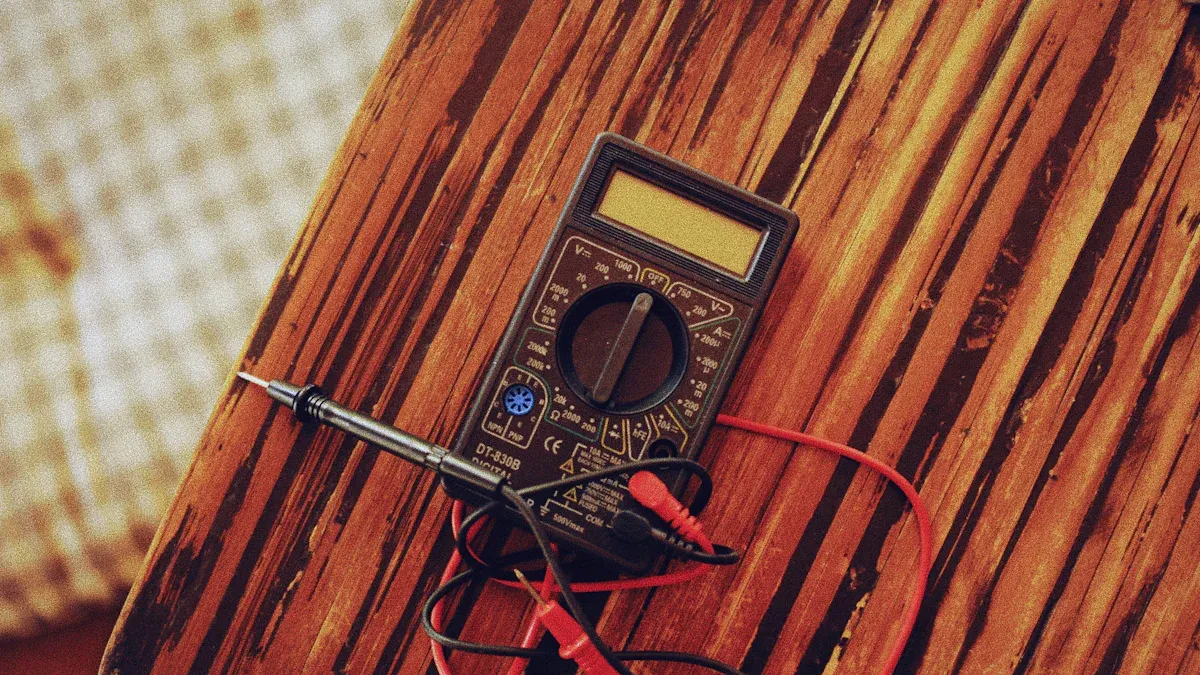
測試熱水器元件 需要謹慎的準備工作和對細節的高度關注。遵循這些步驟,您將能確保結果準確,並保護自己免受危險。.
設定萬用電表
選擇正確的歐姆設定
開始之前,您必須將萬用電表設定至正確的歐姆(Ω)檔位。此設定可讓您準確測量加熱元件的電阻值。大多數數位萬用電表具備自動量程功能,但若您的電表沒有此功能,請選擇可用的最低電阻量程。此步驟可確保您能偵測到即使微小的電阻變化。.
測試萬用表功能
在您 安全且準確地測試熱水器加熱元件, 請檢查萬用電表是否正常運作。將兩個測試探棒接觸在一起。顯示幕應顯示接近零的讀數,確認設備已就緒。若無任何變化或出現錯誤訊息,請更換電池或查閱說明手冊。繼續操作前,請務必確認工具正常。.
提示:切勿在電源開啟的狀態下測試加熱元件。此錯誤可能損壞萬用電表,並使您面臨觸電風險。.
測量電阻與導通性
將探棒置於元件端子上
為了 安全且準確地測試熱水器加熱元件, 請遵循以下步驟:
- 在斷路器處關閉電源,並使用電壓測試器確認。.
- 拆下检修面板和隔熱材料,露出加熱元件。.
- 從元件端子上斷開兩條接線。將接線彼此分離,並遠離任何金屬部件。.
- 將萬用電表設定為歐姆檔位。.
- 將一支探棒置於加熱元件的每個端子(螺絲)上。.
此過程可隔離元件,確保您獲得準確的讀數。.
讀取並記錄電阻值
放置探棒後,讀取萬用電表顯示的電阻值。正常運作的元件通常顯示 10至30歐姆之間的電阻值, 具體取決於功率和電壓。請分別記錄上部和下部元件的數值。若讀數為零,表示元件已短路。若顯示幕顯示 無限大電阻 或「OL」,表示元件已開路或燒毀。.
常見錯誤包括未斷開接線或僅測試一個元件。請務必斷開接線並測試兩個元件,以免遺漏隱藏的問題。.
解讀測試結果
依功率劃分的正常電阻範圍
該系列提供穩定且均勻的表面加熱體驗,廣泛應用於電飯煲、電熨斗、咖啡機及工業恆溫設備。我們採用先進的壓鑄與焊接工藝,確保發熱元件與熱面板完美貼合,最大限度減少熱量損失。產品具備優異的耐壓性與機械強度,即使長期處於高溫環境下也不會變形。 您測量到的電阻值取決於熱水器元件的功率和電壓 請使用下表比對您的讀數:
| 瓦數(W) | 電壓(V) | 典型電阻(歐姆) |
|---|---|---|
| 750 | 120 | ~19 |
| 1000 | 120 | ~14 |
| 1500 | 120 | ~10 |
| 2000 | 120 | ~7 |
| 2500 | 120 | ~6 |
| 3000 | 120 | ~5 |
| 1500 | 240 | ~38 |
| 2000 | 240 | ~28 |
| 3500 | 240 | ~16 |
| 4500 | 240 | ~13 |
| 5500 | 240 | ~10.5 |
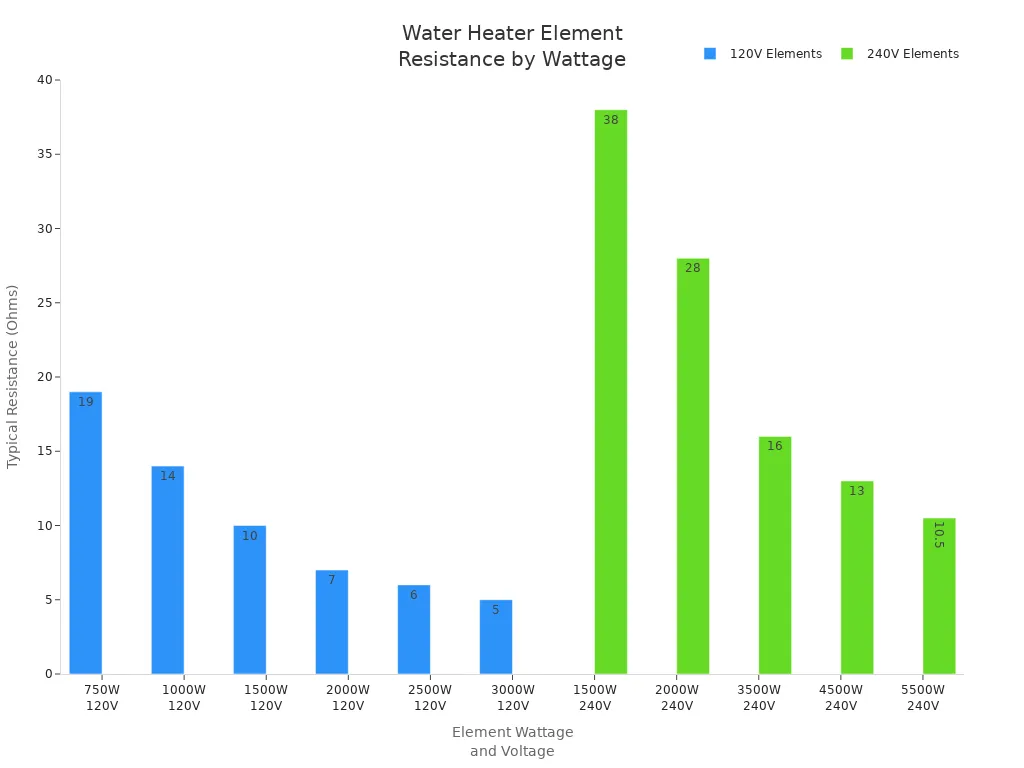
電阻讀數落在這些範圍內,表示您的元件可能狀況良好。若讀數超出這些數值,您可能需要更換元件。.
故障或損壞元件的徵兆
您可以透過以下跡象辨識故障元件:
- 電阻讀數低於5歐姆 表示存在短路。.
- 讀數高於25至38歐姆(視功率而定)或電阻無限大,表示元件已燒毀。.
- 無導通(導通模式下無蜂鳴聲)表示電路已斷裂。.
- 若偵測到元件端子與金屬水箱之間存在電阻,表示元件已對地短路,必須更換。.
若您看到 若元件上出現明顯腐蝕或損壞 則必須更換。如有疑慮,請諮詢專業人員,以免對熱水器造成進一步損壞。.
遵循這些步驟,您將能自信地測試熱水器元件,並確保系統高效運作。定期檢查有助於您及早發現問題,並延長加熱元件的使用壽命。.
熱水器元件測試的疑難排解
無讀數或電阻無限大
Common Causes and Solutions
When you test a water heater element and see no reading or infinite resistance on your multimeter, you face a classic sign of a failed element. Several issues can cause this result:
- A broken coil inside the element creates an open circuit, so electricity cannot flow.
- Corrosion or pinholes in the element’s sheath allow water to enter, which leads to failure.
- If you find a hole in the sheath, the element is defective and needs replacement.
- Sometimes, a tripped GFCI points to a short caused by water intrusion.
- Sediment or water left in the tank can cause strange readings, so always drain as needed.
To troubleshoot, always disconnect power and wires before testing. Set your multimeter to ohms and measure resistance between the element terminals. If you get infinite resistance or no continuity, the element is bad. If both elements test fine, check the thermostats, as a faulty thermostat can also disrupt the power supply. Test both the upper and lower elements to ensure your system works properly.
Tip: Replacement tools are affordable, and swapping out a failed element is a common repair.
Low or High Resistance Readings
What These Results Mean
If your multimeter shows a resistance reading outside the normal 10–30 ohm range, you likely have a problem. Low resistance readings often point to a short circuit inside the element. High resistance or infinite readings indicate an open circuit or a broken coil.
Follow these troubleshooting steps:
- 關閉熱水器的電源.
- Disconnect wires from each heating element.
- Set your multimeter to the ohm setting.
- 測量端子之間的電阻。.
- Compare your results to the 10–30 ohm standard.
- If readings fall outside this range, replace the element.
- Test both elements, since one failed element can cause insufficient hot water.
- If both elements test normal, check the thermostats next.
決定何時更換元件
Replace the element if you see:
- Infinite resistance (open circuit)
- Very low resistance (short circuit)
- Any reading outside the normal range
If the elements test normal but you still have issues, inspect the thermostats and look for other problems like sediment buildup, high water pressure, or corrosion. Always follow safety precautions and call a professional if you feel unsure.
Other Signs of Element Failure
異常噪音或異味
You may notice strange sounds from your water heater tank. Popping noises often mean mineral deposits cause steam flashes. Humming can signal a loose element. Crackling may come from condensation, while sizzling points to water leaks. Screeching usually means a partially closed inlet valve. These noises help you spot trouble before it becomes severe.
熱水供應不穩定或完全無熱水
Other signs of element failure include:
- 水溫僅微溫 from faucets and showers
- 熱水很快用完
- Longer heating times than usual
- Fluctuating or inconsistent water temperatures
Visual inspection can also reveal melted or burned areas, pinholes, rust, or heavy sediment buildup on the element. These symptoms, combined with resistance testing, give you a clear diagnosis.
Note: If you see multiple warning signs or feel uncertain, contact a licensed technician to prevent further damage to your electric water heater.
Reassembly and Restoring Power After You Test Water Heater
Reinstalling Access Panels and Components
After you finish testing or replacing the water heater element, you must reassemble the unit with care. Proper reassembly ensures safety, maintains efficiency, and prevents future hazards.
Securing All Parts and Checking for Leaks
Follow these steps to secure all parts and restore your water heater to its original condition:
- Confirm that the power remains off by using a non-contact circuit tester or volt meter. This step protects you from accidental electric shock.
- Replace the junction box cover. Secure it tightly to minimize fire and electric shock risks.
- Reinstall the upper heating element cover. Make sure it fits snugly over the element and wiring.
- Return the insulation to its original position. Tuck it back under the water heater’s jacket to maintain energy efficiency and prevent heat loss.
- Replace any plastic protectors or additional covers you removed during testing.
🛠️ 提示: Double-check that all screws and fasteners are tight. Loose panels can cause rattling noises and reduce the effectiveness of the insulation.
Once you finish reassembly, inspect the area around the heating element for any signs of leaks. If you see moisture, tighten the element or fittings as needed. A dry workspace signals that you have sealed everything correctly.
安全恢復供電
Restoring power to your water heater requires careful attention to detail. You must ensure the tank is full and free of air before energizing the element.
Turning the Breaker Back On
Before you restore power, open the nearest hot water tap and let it run until you see a steady stream of water without air bubbles. This step purges air from the system and prevents the new heating element from running dry, which can cause it to burn out in seconds. Once you confirm the tank is full and all air is out, return to your electrical panel and switch the breaker back on.
⚡ 警告: Never turn on the power if the tank is empty or partially filled. Dry firing the element will cause immediate damage.
Monitoring Initial Operation
After you restore power, monitor the water heater’s operation closely. Listen for unusual noises and check for leaks around the element and access panels. Feel the hot water tap to confirm the water heats up as expected. If you notice any issues, turn off the power immediately and inspect your work.
You should also check the area for any lingering moisture or signs of overheating. A properly reassembled and powered water heater will operate quietly and efficiently, delivering reliable hot water to your home.
✅ 備註: Regular monitoring after reassembly helps you catch small problems before they become major repairs.
When to Call a Professional for Water Heater Testing
複雜的電氣或水管問題
Water heater testing sometimes reveals problems that go beyond basic troubleshooting. You may encounter situations where your safety or the integrity of your home is at risk. In these cases, you should always contact a licensed professional.
需要專家協助的徵兆
You can handle many routine maintenance tasks, but some issues require specialized skills and equipment. Watch for these warning signs:
- Tank leaks often signal the need for a complete water heater replacement. Only a professional can install a new unit safely and in compliance with local codes.
- Gas-related problems, such as the smell of gas or a malfunctioning pilot light, demand immediate attention from a licensed technician. Attempting to fix gas issues yourself puts you and your household at serious risk.
- Electrical faults in electric water heaters, including tripped breakers, burnt wires, or persistent power loss, should prompt you to call an electrician. If you feel uncertain about any electrical component, do not proceed alone.
- Persistent or unresolved problems after you complete basic troubleshooting indicate deeper issues. Complex failures may involve thermostats, wiring, or plumbing connections that only an expert can diagnose and repair.
⚠️ 警告: Never ignore unusual smells, visible damage, or repeated system failures. Professional intervention protects your safety and prevents further property damage.
Warranty and Insurance Considerations
You want to protect your investment in your water heater. Understanding how warranties and insurance policies address DIY repairs helps you avoid costly mistakes.
Protecting Your Investment
Most home warranties and insurance policies set clear guidelines for water heater maintenance and repairs. Consider these important points:
- Home warranties usually cover repairs and replacements due to normal wear and tear. However, they often exclude problems caused by neglect, improper maintenance, or incorrect installation.
- Warranty coverage typically requires that all repairs and maintenance be performed by licensed professionals. If you attempt DIY repairs, you risk voiding your warranty and losing coverage for future claims.
- DIY testing and repairs are not recommended or covered by most warranty providers. Professional service ensures you meet all policy requirements.
- You may need to provide proof of regular maintenance, such as annual tank flushes, to keep your warranty valid.
- Insurance policies generally do not cover water heater repairs or replacements, viewing them as standard maintenance. They may cover damage from leaks only if caused by a covered peril, such as fire or natural disaster.
- Claims can be denied if the insurer finds evidence of excessive wear, lack of maintenance, or improper installation. DIY work rarely meets the standards required for coverage.
📝 提示: Always keep records of professional maintenance and repairs. These documents help you support warranty or insurance claims and demonstrate responsible ownership.
By recognizing when to call a professional, you protect your home, your safety, and your financial investment.
Maintenance Tips After You Test Water Heater Elements
Regular Inspection and Testing Schedule
How Often to Test and What to Look For
You should inspect and test your water heater elements regularly to maintain peak performance and extend the lifespan of your unit. Experts recommend a minimum of one inspection per year for most electric tank-style water heaters. However, if your home uses a lot of hot water or you live in an area with hard water, you may need to check your system every three to six months.
- Biannual inspections help you catch early signs of wear, corrosion, or sediment buildup.
- Annual thermostat calibration ensures your heater maintains the correct temperature.
- Quarterly checks may be necessary for high-usage households or those with hard water.
During each inspection, look for:
- Signs of corrosion on the heating elements and tank
- Evidence of leaks around valves and connections
- Sediment buildup at the bottom of the tank
- Unusual noises or odors during operation
- Fluctuations in water temperature or reduced hot water supply
🛠️ 提示: Schedule a professional inspection once a year. A licensed technician can check heating elements, thermostats, anode rods, and pressure relief valves to ensure your system operates safely and efficiently.
預防未來問題
沖洗水箱
Sediment buildup is a leading cause of water heater element failure. You can prevent this by flushing your tank at least once a year. Flushing removes minerals and debris that settle at the bottom, which improves heat transfer and reduces energy consumption.
Steps to flush your tank:
- Turn off the power or gas supply and allow the water to cool.
- 關閉冷水供應閥。.
- 將花園水管連接至排水閥,並引導至安全排水區域。.
- Open the drain valve and let the water flow until it runs clear.
- Close the valve, remove the hose, and restore the water supply.
💡 備註: Flushing your tank regularly helps prevent overheating, extends the life of your heating elements, and keeps your water heater running efficiently.
Addressing Hard Water Issues
Hard water accelerates sediment buildup and corrosion, which can shorten the lifespan of your water heater elements. If you notice frequent scaling or reduced efficiency, consider these steps:
- Install a water softener to reduce mineral content.
- Inspect and replace the anode rod annually to protect against internal corrosion.
- Increase inspection frequency to quarterly if your area has very hard water.
- Set your thermostat to around 120°F to minimize scaling and energy use.
You should also insulate your water heater tank and pipes to reduce heat loss and improve efficiency. Promptly fix any leaks you find during inspections to prevent water damage and maintain system integrity.
✅ 提示: Consistent maintenance and attention to water quality will help you avoid costly repairs and ensure reliable hot water for years to come.
Testing your water heater elements safely and efficiently requires a clear process:
- 關閉電源 to prevent electrical hazards.
- Use a multimeter set to ohms to check element continuity.
- Replace elements only with those matching the correct voltage and wattage.
You protect your home and maintain efficiency by following these steps. Regular maintenance—such as flushing sediment, inspecting anode rods, and testing safety valves—prevents breakdowns and extends your system’s lifespan. If you ever feel unsure or face complex issues, always consult a licensed professional.
常見問題
How often should you test water heater elements?
You should test your water heater elements at least once a year. If you notice inconsistent hot water or live in a hard water area, increase the frequency to every six months.
可以在不拆卸的情況下測試熱水器加熱元件嗎?
Yes, you can test the element without removing it. Disconnect the wires from the terminals, then use a multimeter to check resistance directly on the installed element.
What resistance reading means you need to replace the element?
A reading of zero or infinite resistance means the element is faulty. Replace the element if your reading falls outside the typical range for your model, usually between 10 and 30 ohms.
自行測試熱水器元件是否安全?
You can safely test the element if you turn off the power at the breaker and verify with a voltage tester. Always wear insulated gloves and safety glasses for extra protection.
測試熱水器加熱元件需要哪些工具?
You need a digital multimeter, a screwdriver, and insulated gloves. Optional tools include a heating element wrench and a voltage tester for added safety.
Why does your water heater element fail so often?
Hard water, sediment buildup, and corrosion cause frequent element failures. Regular maintenance, such as flushing the tank and checking the anode rod, helps extend the element’s lifespan.
Can a faulty element cause high energy bills?
Yes. A faulty or partially working element forces your water heater to run longer, which increases energy consumption and raises your utility bills.
Should you replace both elements at the same time?
You do not need to replace both elements unless both show signs of failure. If one fails and the other is old or corroded, replacing both can prevent future issues.

