
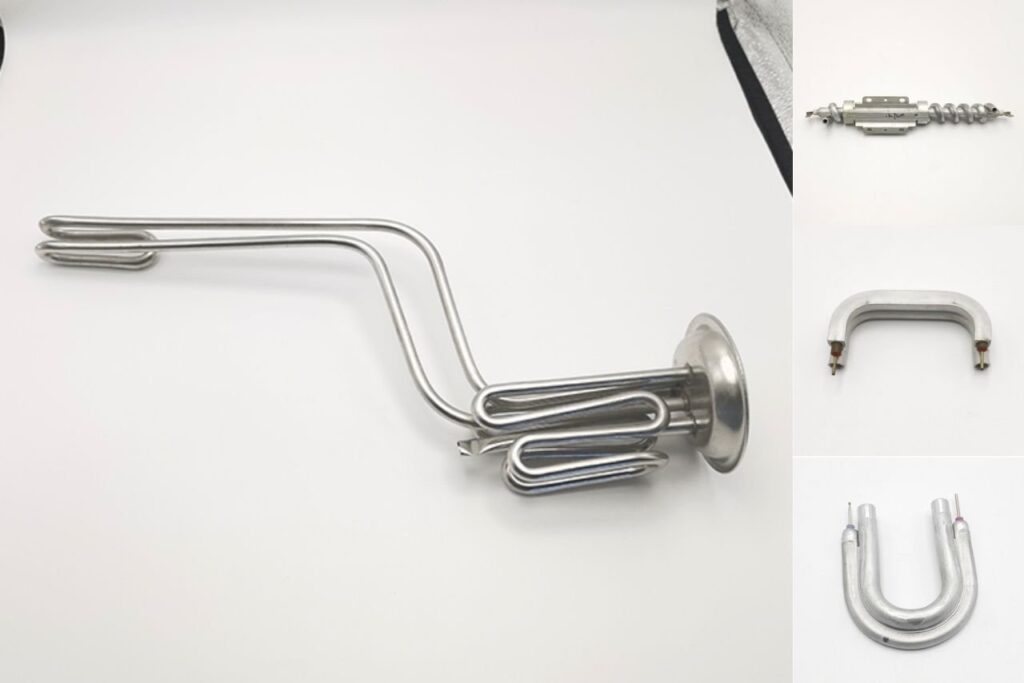
When a Kenmore dryer keeps burning out heating elements, the element is usually the victim rather than the root cause. Repeat failures typically trace back to restricted airflow, electrical connection problems, 或 incorrect element selection/installation. This guide explains the top reasons, how to confirm each one with practical checks, and which fixes prevent new element, same failure.
Not a warranty dataset this is a practical prioritization for troubleshooting repeat heater failures.
A dryer element is cooled by airflow. When airflow drops, element temperature rises. That drives oxidation and deformation, can cause coil sag, and often opens safety devices. Heater engineering sources note that heater life is influenced by oxidation, deformation, and temperature cycling, and that operating conditions matter as much as the material. (TUTCO参考资料)
When exhaust airflow is restricted, the heater runs hotter and cycles under stress. The element can burn out early, and thermal protection can open repeatedly.
- Weak airflow at the exterior vent termination during operation
- Crushed/long flexible duct, multiple sharp bends, blocked flap, lint buildup
- Clean the vent path end-to-end; replace crushed ducting; shorten runs where possible
- Clean lint screen housing and blower intake area
A loose spade terminal increases resistance at the connection, producing localized heating that can damage the wire, terminal, and element interface. This is a common reason the new element fails again or the harness burns.
- Discolored spade connectors, brittle insulation, melted terminal housings
- Connector fits loosely on the element tab
- Replace terminals/pigtail harness with high-temp rated components
- Ensure tight, clean connections on reassembly
Elements that fit may still be electrically or mechanically wrong. Mismatch can change watt density or create clearance issues that lead to coil overheating or housing contact.
- Part chosen without dryer model number verification
- Element sits oddly in housing or coil is close to metal surfaces
- Match the correct element by model and required rating
- Use a reputable source and avoid close enough substitutions
A manufacturer-style discipline is to verify replacement element voltage/wattage against the appliance data plate. Whirlpool s heater replacement guidance (water heater context) explicitly instructs verifying voltage/wattage and ensuring tight wiring before restoring power. (惠而浦参考)
If the coil sags or is misaligned, it can contact metal and short or create extreme hot spots. Overheating from airflow issues can accelerate sagging.
- Continuity from element terminal to heater housing (short to ground)
- Evidence of arcing marks on the housing
- Replace the element assembly; ensure the housing is not bent and supports are intact
- Restore airflow to reduce element temperature stress
Replacing safety devices without correcting overheating conditions leads to repeated no heat events and can mask the real failure driver.
- Thermal fuse tests open soon after repair
- Dryer cabinet becomes very hot; long dry times
- Correct airflow and lint accumulation first; then replace failed protection devices
In some electrical fault conditions, the dryer can still run the motor while the heater circuit behaves abnormally or cannot maintain correct operation. This can cause confusing symptoms (intermittent heat, weak heat) that lead to unnecessary element swaps.
- Intermittent heat patterns not explained by airflow
- Evidence of overheating at terminals or relay connections
- Verify supply and inspect wiring/controls; involve a technician if needed
Heater engineering references note that contaminants (e.g., certain chemicals and residues) can reduce heater life. While dryers are not process heaters, residues and debris in the heater housing can still create hotspots and poor heat transfer. (TUTCO参考资料)
- Keep heater housing area clean; remove lint accumulation; avoid leaving debris after service
Some heaters are made for completely different products and publish specs like UL approval and IP ratings. These specs are valuable, but they do not make parts interchangeable with dryer heaters. For example, Hudson Reed lists a 1000W plug-in element for radiators/towel warmers with IP67 and UL approval. (参考)
- Exterior vent airflow verified strong.
- Vent hose not crushed; lint screen housing cleaned.
- Element seated correctly; coil cannot contact housing.
- All spade terminals tight; no discoloration or looseness.
- Thermal fuse and thermostats tested (replace open devices).
- All covers/insulation reinstalled.
- Run a supervised heat cycle; confirm stable heating and no burning smell.
| 检测结果 | Replace element? | 原因 | What else to do |
|---|---|---|---|
| Element reads open (no continuity) | Đúng | Coil is broken; cannot heat | Fix airflow; inspect terminals |
| Element shorts to housing (continuity to metal) | Đúng | Unsafe; can overheat or trip protection | Check housing deformation; restore airflow |
| Element tests good; thermal fuse open | No (not yet) | Element likely fine; safety chain open | Replace fuse; correct overheating cause |
| Element tests good; airflow weak | No (not yet) | Root cause is heat stress from restriction | Vent remediation first |
Table 1 Replacement decisions that prevent unnecessary parts swaps.
TUTCO describes a heating element as an assemblage that includes insulating framework and lead connectors, and highlights that material properties and integration (suspended/embedded/supported) affect performance and heat transfer. This matters because repeat failures often come from operating the heater outside its intended conditions (especially airflow), not from a bad batch. 参考.
For a broader view of heater product families, see Jinzhong s Thanh gia nhiệt category and the company homepage (加热元件制造商), plus factory information (加热元件工厂). For integrated aluminum die-cast heater modules used in other appliances, see Giải pháp gia nhiệt đúc khuôn.
Restricted airflow (vent clogging or crushed ducting) is the most common driver because it raises element temperature and increases stress.
Some dryers can still tumble while the heater circuit is compromised. Supply verification is part of professional diagnosis.
Because the thermal fuse or thermostat chain may be open, or airflow may be so poor that protection opens again quickly.
No. Loose/burnt terminals create hot spots and can damage wiring and the new element. Replace them.
It means the element coil or terminal is electrically connected to the metal heater housing, indicating unsafe contact and requiring correction/replacement.
Yes. Whirlpool s heater replacement guidance (water heater context) explicitly calls for verifying voltage/wattage on the data plate before installing the new element, illustrating why rating discipline matters. 参考.
No. Even if wattage is listed (e.g., 1000W), those products are engineered for different mounting and environments and are not interchangeable. 参考.
Treat airflow remediation as part of the repair, replace heat-damaged terminals, and verify the element is correct and properly seated.
- TUTCO-Farnam heating element definition, materials, integration, environment and longevity factors: https://tutco.com/conductive/heating-elements
- Whirlpool support replacement discipline (verify voltage/wattage; safe energizing; tight connections): https://www.whirlpoolwaterheaters.com/support/help/element-was-out-of-range/24
- Hudson Reed example of application-specific heater specs (1000W, IP67, UL Approved): https://usa.hudsonreed.com/1000-plug-in-watt-electric-heating-element-76309
- Jinzhong product categories and manufacturer positioning for internal linking: https://jinzho.com/, Thanh gia nhiệt, 加热元件工厂, Giải pháp gia nhiệt đúc khuôn
Originality note: This page is original troubleshooting guidance. Sources are cited for definitions, safety principles, and published specifications; text is not copied from the sources.
Disclaimer: Educational content only. Kenmore dryer platforms vary. Always follow model-specific service documentation and local electrical safety requirements.

