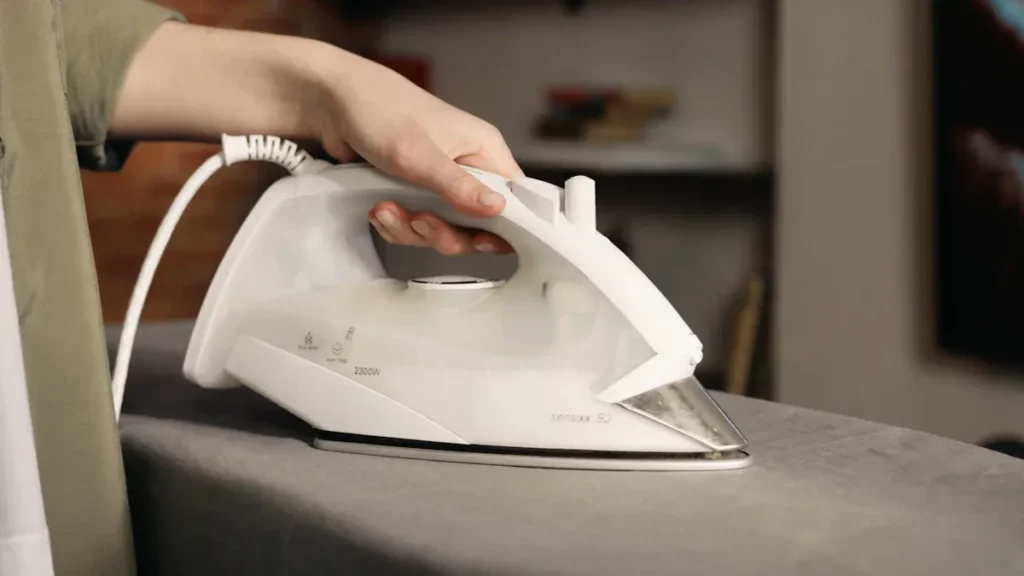
A steam iron bộ phận làm nóng is inside your iron. It makes heat and helps change water into steam. You need this part to get rid of wrinkles fast and safely from your clothes. Many new steam irons use better heating elements now. These parts save energy, keep your clothes safe, and make ironing simple. If you know how these parts work, you can pick irons that last longer and work better.
Những điểm chính
Heating elements help your steam iron get hot. They change water into steam. This helps remove wrinkles fast and safely. Good heating elements use strong stuff like nickel-chromium and aluminum. These materials help them last longer and use less energy. Steam irons heat up faster than dry irons. They also work better on hard wrinkles because of their special heating elements. New irons have safety features and smart controls. These keep the temperature steady and help stop accidents. If your iron does not heat or make steam, check the heating element. Replace it with certified parts to stay safe.
Heating Elements Overview
What They Are
Heating elements are important parts inside a steam iron. They make the iron hot. When you plug in the iron, electricity goes through a resistance wire. This wire is wrapped around a mica sheet. The mica sheet keeps the electricity from touching the metal soleplate. But it lets the heat move to the soleplate. The wire gets hot because of Nhiệt lượng Joule. The hot soleplate turns water into steam. The steam comes out through small holes.
Here is a table that shows the main parts and what they do:
Thành phần | Role and Interaction |
|---|---|
Heating Resistor | Changes electricity into heat; makes the soleplate reach 130°C-160°C. |
Soleplate | Gets hot from the resistor; gives heat to water to make steam. |
Temperature Probe | Touches the soleplate; checks how hot it is and tells the control board. |
Microcontroller (PCB) | Controls power to the resistor; manages safety and steam features. |
Electrical Circuit | Sends power to the resistor; has safety parts like relays and sensors. |
Water Pump | Moves water to the soleplate, where it becomes steam. |
Tilt Sensor | Turns off power if the iron tips over, to keep you safe. |
Why They Matter
Heating elements are very important for your steam iron. The power of the heating element is measured in watts. This tells you how fast the iron heats up. It also tells you how much steam the iron can make. If the iron heats up fast, you can start ironing sooner. You can finish your clothes faster. More steam helps take out wrinkles better. Your clothes will look smooth and fresh.
Manufacturers use strong materials for heating elements. This helps them last longer and work safely. Some irons have smart features like steady temperature control. These features keep the iron at the right heat. They stop it from getting too hot. Good heating elements save energy and help prevent accidents. If you pick an iron with a strong heating element, you get better results. You also stay safer while ironing.
How They Work
Function in Steam Irons
When you turn on your steam iron, it starts to work. The heating element inside changes electricity into heat. Here is what happens:
Electricity goes through a special wire in the heating element. This wire is made from nichrome.
The wire does not let electricity pass easily. This makes the wire hot. Scientists call this the Joule heating effect.
The heat moves from the wire to the soleplate. The soleplate gets hot and warms the water inside the iron.
The hot water turns into steam. The steam comes out of small holes in the soleplate.
The heating element uses resistance and current together. This helps it heat up fast but stay safe.
A thermostat checks the temperature. It turns the power on or off to keep the iron at the right heat.
Tip: If your heating element heats up fast, you can start ironing sooner.
Materials Used
The materials in heating elements are very important. They help your steam iron work well. Manufacturers pick these materials for their special features. Here is a table that shows the most common materials and their benefits:
Vật liệu | Composition | Max Temperature | Thuộc tính chính | Ứng dụng | Thuận lợi |
|---|---|---|---|---|---|
Nicrom | Nickel (Ni), Chromium (Cr) | Up to 1200°C | Good at stopping rust, high resistance, easy to bend, easy to shape | Household appliances including steam irons | Cheap, good for lower heat, easy to make |
Kanthal | Iron (Fe), Chromium (Cr), Aluminum (Al) | Up to 1400°C | Great at stopping rust (protective Al2O3 layer), high resistance, strong | Industrial furnaces, household appliances (toasters, ovens, steam irons) | Saves energy, strong, cheap, good for high heat |
Tấn Trung uses nickel-chromium alloy and aluminum in its heating elements. Nickel-chromium alloy is good because it can handle high heat and does not rust. It stays strong and keeps its shape after many uses. This means your iron will last longer and work better. Aluminum is light and spreads heat quickly and evenly. This helps your iron heat up fast and use less energy. These materials make jinzhong heating elements work well and last a long time.
Note: If you pick a steam iron with good materials in the heating element, you save energy and your iron lasts longer.
Types and Designs

Steam vs. Dry Iron
There are two main types of irons. One is a steam iron, and the other is a dry iron. Steam irons use water to make steam. The heating element warms up the water inside the iron. Steam comes out through holes in the soleplate. This steam helps you get rid of wrinkles faster. It also makes ironing easier. Dry irons do not use any water. The heating element only heats the soleplate. You press the hot soleplate on your clothes to smooth them out.
Steam irons need a more complex heating element. It must heat both the soleplate and the water. Steam irons work faster because steam softens the fabric. Dry irons are simpler. They are good for basic fabrics. But they may not work as well on tough wrinkles.
Tip: If you iron thick or wrinkled clothes a lot, a steam iron with a strong heating element will help you finish faster.
Common Configurations
Heating elements in steam irons come in different shapes and setups. Some irons have a coiled wire inside a metal tube. Others have flat heating plates. The design changes how fast the iron heats up. It also changes how well the heat spreads.
MỘT higher wattage heating element heats up the iron faster. For example, an iron with 1800 watts gets hot faster than one with 1200 watts. You wait less and can start ironing sooner. The thermostat keeps the temperature steady. This helps you use the right heat for each fabric. It keeps your clothes safe.
The soleplate design is important too. Many steam irons have lots of small steam holes. These holes spread steam evenly on your clothes. You get better steam and smoother results. Tests show that even heat across the soleplate is important for good ironing. The way the heating element sits inside the iron controls this heat spread.
Configuration Type | Đặc trưng | Benefits |
|---|---|---|
Coiled Wire | Fast heating, simple design | Quick warm-up, easy to replace |
Flat Tấm gia nhiệt | Even heat, covers more area | Consistent ironing, fewer spots |
Multiple Steam Holes | Uniform steam distribution | Better wrinkle removal |
You should pick an iron with a good heating element and soleplate. This helps you iron faster, safer, and better every time.
Features and Benefits
Rapid Heating
You want your iron to heat up quickly. New steam irons can get hot in about two minutes. This means you do not have to wait long to start. Some irons use special technology, like OptimalTEMP. With this, you do not need to change settings for different fabrics. You can iron cotton, silk, or wool without sorting first. Powerful steam bursts help you get rid of tough wrinkles fast. The table below shows how rapid heating helps you iron better:
Tính năng | Sự miêu tả | Benefit to You |
|---|---|---|
Rapid Heat-up Time | Iron ready in about 2 minutes | No waiting, quick start |
Continuous Powerful Steam | Up to 135 g/min steam, 500 g steam boost | Fast crease removal, less effort |
Safe Soleplate Handling | Hot soleplate safe on ironing board | Less wrist strain, safer use |
Lightweight Design | Easy to handle and move | More comfort, less fatigue |
Tip: Rapid heating saves time and makes ironing easier.
Durability and Safety
You want an iron that lasts and keeps you safe. Jinzhong heating elements use strong materials like nickel-chromium alloy and aluminum. These materials do not rust and can handle high heat. Modern irons have safety features to protect you and your home. Temperature protectors use sensors to check the heat. If the iron gets too hot, the protector turns off the power. This stops fires and other dangers. Some protectors turn back on when the iron cools down. Others stay off if there is a big problem. These features work with thermostats to keep your iron safe, even if something goes wrong.
Jinzhong products meet strict world standards. Certifications like ISO9001, CE, and UL show these heating elements are safe and reliable. Smart temperature control and built-in protection help stop overheating and electrical problems. You can trust these irons for home or work.
Hiệu quả năng lượng
You want to save energy and pay less for power. Jinzhong heating elements use smart temperature control. This lets you set when the iron heats up, so you can use it at the best times. The system can connect to your home energy manager and adjust for better efficiency. You can even control some irons with Wi-Fi or Bluetooth. These smart features help you use less energy over time.
Note: Energy-saving features like ECO mode and automatic shut-off help you use only the power you need.
Jinzhong makes heating elements for many uses. You can find them in home irons and big machines. Their products give you fast heating, strong safety, and smart energy use for the best results.
Troubleshooting and Replacement
Signs of Faults
You can find problems with your steam iron by looking for certain clues. If your iron will not get hot or does not make steam, the heating element might be broken. Sometimes, you may hear the iron running, but no steam comes out. Water leaking from the iron or a pump that will not work can also mean something is wrong. A broken power cord or a thermostat that does not set the right heat are other warning signs. Always unplug your iron before you check for these problems.
Common Fault Sign | Giải thích |
|---|---|
Iron no longer heating up | The heating element or safety switch might be broken. |
Iron not producing steam | A blocked valve or broken solenoid can stop steam even if the iron is hot. |
Water leaking without steam | A broken valve lets water leak out instead of turning into steam. |
Pump not working | The iron cannot move water to the heating area. |
Damaged power cord | Cuts or breaks in the cord stop the iron from working. |
Thermostat malfunction | The iron may get too hot or not hot enough. |
Tip: If you see sparks, smell burning, or notice the iron keeps shorting out, stop using it right away.
When to Replace
You should test your iron’s heating element if you see any of these problems. Use a multimeter to check if electricity can flow through it. Put the probes on the heating element’s ends. If you get a normal number, the element is fine. If the number is much higher, lower, or there is no number, you need a new heating element. Always unplug the iron before you test it.
Here are steps to help you know when to get a new heating element:
See if the iron will not get hot, even when plugged in.
Test the heating element and thermostat with a multimeter.
Look for damage or signs of burning.
Get a new heating element if fixing costs too much or you cannot find parts.
You can help your iron last longer by cleaning it often. Wipe off dust and mineral buildup from the soleplate and steam holes. Clean out the iron every two months to keep the heating element working well. Keep extra parts, like heating elements, so you can fix your iron fast.
Jinzhong sells certified, high-quality replacement heating elements. Picking certified parts helps you stay safe and keeps your iron working well. Taking care of your iron and using good parts makes it last longer and work better.
Steam iron heating elements use special materials like stainless steel and ceramic. These materials help the iron heat up quickly and spread heat evenly. They also make sure you get steady steam every time. If you pick a good brand like jinzhong, you will be safer. You will save energy and your iron will last longer. You can also choose different options to fit what you need at home or at work.
Tính năng | Lợi ích |
|---|---|
Saves you time | |
Durable materials | Makes the iron last longer |
Safety certifications | Helps keep you safe |
Customizable designs | Works for many uses |
For the best results, always pick certified and efficient heating elements from brands you trust.
Câu hỏi thường gặp
What is the main job of a steam iron heating element?
The heating element gets hot when you turn on the iron. It uses electricity to make heat. This heat turns water into steam. The steam helps you take out wrinkles fast and safely from your clothes.
How do I know if my heating element is broken?
Your iron might not get hot or make steam. You could see sparks or smell something burning. If you use a multimeter and see no number, the element is broken and needs to be replaced.
Can I replace the heating element myself?
You can change the heating element if you have some tools. Always unplug the iron before you start. If you are not sure what to do, ask someone who knows how to fix it.
What materials work best for heating elements?
Nickel-chromium alloy and aluminum are the best choices. They heat up quickly, last a long time, and do not rust. Brands like jinzhong use these materials for better safety and performance.
Why should I choose a certified heating element?
Certified heating elements follow safety and quality rules. They help keep you safe from accidents. They also last longer. Look for certifications like ISO9001, CE, or UL when you buy one.