
- Fast answer: how to tell the heating element is actually bad
- Symptom patterns that mimic a bad heater (airflow and safety cutoffs)
- Step-by-step diagnostic workflow (what to check, in order)
- Understanding the heater as a component (why failures happen)
- When replacement makes sense and how to avoid repeat failures
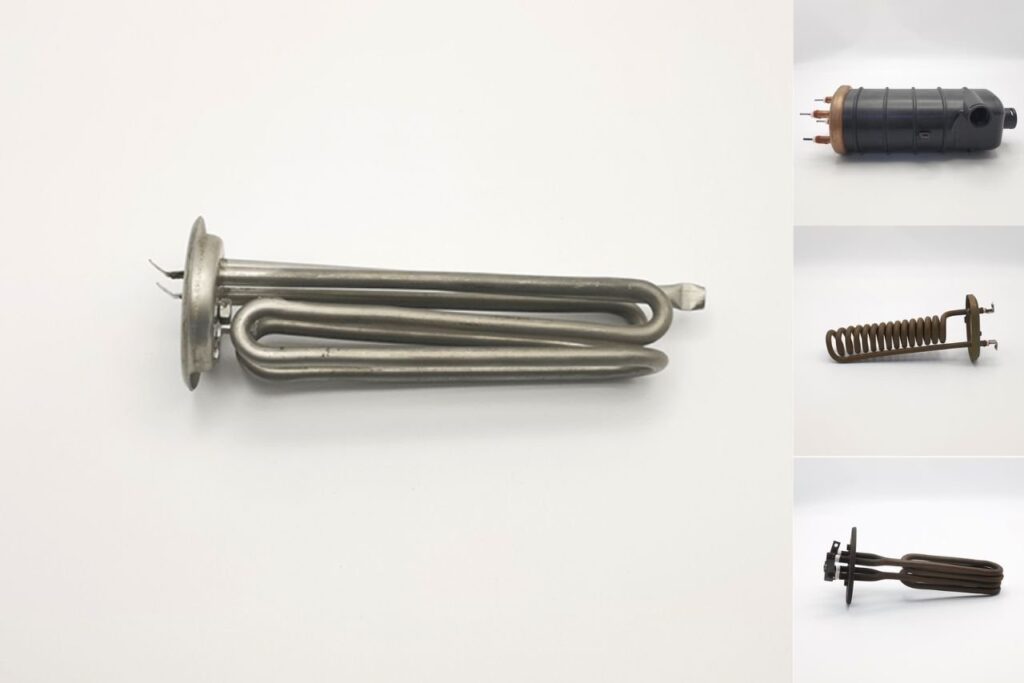
- Heater types beyond dryers (tubes, plates, films, die-cast modules)
- 常见问题解答(3个)
- 当问题变为“零件质量”时:采购与设计考量
- The dryer tumbles normally but produces no heat hoặc weak heat across multiple cycles.
- The exhaust airflow is verified as not restricted (lint screen, vent path, external hood not blocked).
- A meter test indicates the heater is 开路 (no continuity) or shows evidence consistent with an internal failure.
Dryer heating systems are designed around moving air. When airflow is restricted, temperatures rise in the heater housing and safety devices may interrupt power to protect the unit.
- Lint buildup beyond the filter
- Crushed/long/blocked vent duct
- External vent hood stuck shut
Many dryers place thermal cutoffs and thermostats in series with the heater circuit. If one opens due to overheating, the heater will not energize even if the coil is good.
- No heat at all vs. heat that cuts out mid-cycle
- Long dry times despite some heat
- Burning smell or repeated thermal trips (often airflow related)
- Lint screen condition and fit
- Internal lint accumulation (if accessible safely)
- Vent duct routing and external exhaust flap
Reason: an airflow restriction can overheat the heater housing and open safety devices, producing a bad element symptom without an element failure.
A reliable diagnosis uses electrical measurements. The goal is to distinguish: heater open circuit heater short-to-ground open safety device wiring/terminal failure
If the reader cannot perform electrical tests safely, stop and use a qualified service provider.
If the heater is open, identify why it failed. A heater that failed from chronic overheating due to restricted airflow may be replaced successfully once,.
| 检测结果 | Most likely cause | Next action |
|---|---|---|
| 气流良好,加热器显示开路 | 加热线圈损坏 / 加热器组件故障 | 更换加热器组件;检查接线端子 |
| 气流受限,加热器可能测试正常 | 通风管道堵塞导致热中断 | 先纠正气流问题;然后重新测试加热电路 |
| 反复停机或出现烧焦气味 | 过热状况,绒毛积聚 | 清洁并纠正气流;检查恒温器/切断装置 |
TUTCO 将加热元件定义为由导电材料和绝缘材料共同组成的组件,设计用于加热目的。 电阻(焦耳)加热方式运行.
这对干衣机诊断很重要,因为故障可能发生在: 电阻线圈, 绝缘支撑件, 或 端子/连接器.
- 热循环与峰值温度应力
- 气流条件(干衣机为对流驱动系统)
- 材料变异性以及 微量元素 合金中的微量元素(如 TUTCO 所述)
- 设备已确认气流正常且安全装置完好
- 加热器组件无法通过导通/电阻测试
- 同时纠正接线/端子问题
- 首先纠正气流受限问题(通风口、绒毛积聚)
- 检查加热器外壳是否有绒毛积聚
- 确认所有电线连接牢固且无损坏
许多干衣机加热器实际上是一种强制对流电阻加热器。在其他家电中,加热解决方案可能使用 管式加热器, 加热板, 厚膜加热器, 或一体化压铸加热体。Jinzhong 将这些产品系列归类用于家电和工业场景。.
Thanh gia nhiệt 加热元件制造商 加热元件工厂 Giải pháp gia nhiệt đúc khuôn
如何在不猜测的情况下判断 三星干衣机加热元件 加热器是否损坏?
最可靠的方法是确认症状(滚筒转动、无热或低热),验证气流未受限,然后使用万用表检查加热电路是否开路。损坏的加热器通常表现为开路,但安全装置和接线也必须考虑。.
为什么气流问题看起来像加热元件故障?
气流受限可能导致过热并触发保护装置,从而中断加热电路。用户会感到“无热”,但元件可能仍然完好。纠正气流对于防止加热器重复故障也很重要。.
新加热元件再次故障的最常见原因是什么?
因未解决的气流受限和绒毛积聚导致的重复过热是常见根本原因。TUTCO 关于加热器环境和隐性成本的讨论与此一致:如果运行条件仍然恶劣,故障会重复发生,总成本也会增加。.
- TUTCO——加热元件(定义、电阻加热、材料、微量元素及隐性成本): https://tutco.com/conductive/heating-elements
- Jinzhong 分类页面(家电和工业场景的加热器系列): https://jinzho.com/product-category/heating-element/, https://jinzho.com/, https://jinzho.com/about/, https://jinzho.com/product-category/die-casting-heating-solutions/

