
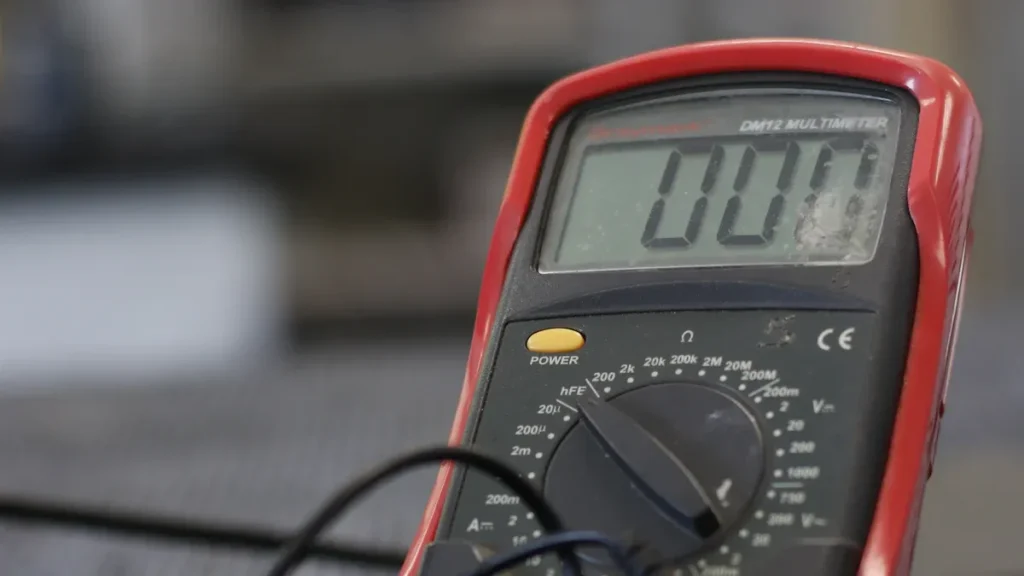
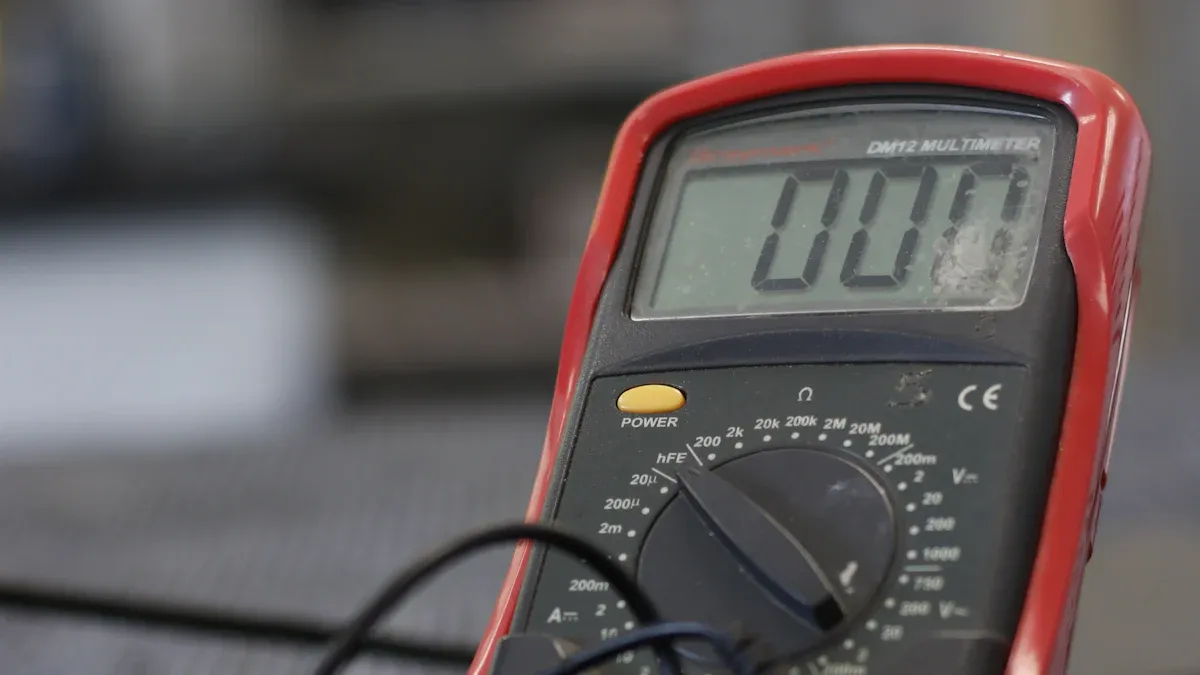
当热水器停止产生热水时,通常是由于热水器加热元件出现故障。您可以在家中进行测试,以定位问题并恢复其运行效率。许多 Thanh gia nhiệt 问题源于磨损,尤其是在 bộ phận làm nóng thiết bị gia dụng. 。像 Hệ thống sưởi điện Jinzhong 这样的可靠品牌供应的组件受到 Nhà sản xuất bộ phận làm nóng. 的信任。借助基本工具并遵循安全步骤,您可以检查热水器加热元件并快速解决加热问题。.
热水器不加热:常见原因
当热水器停止工作时,您希望快速找到原因。多种问题可能导致设备无法产生热水。管道专业人员常报告以下常见原因:
- 温控器问题
- 加热元件问题
- 引火火焰问题
- Sự tích tụ trầm tích
- 热电偶故障
- Cầu dao ngắt mạch
热水器加热元件失效
元件失效的迹象
当热水器中的加热元件失效时,您可能会注意到几个警告信号。水龙头流出冷水是最明显的线索。有时,即使等待水箱加热后,您也只能得到温水。水温不稳定或热水供应突然下降也表明元件存在故障。如果您的电热水器跳闸,这可能表明元件短路。.
Mẹo: 如果您听到水箱发出爆裂声或嘶嘶声,元件上的矿物质积聚可能导致其过热并失效。.
元件为何会损坏
加热元件会随着时间的推移而磨损。硬水中的矿物质沉积物会覆盖在元件上,导致其过热。频繁的循环、电涌或制造缺陷也可能缩短这些部件的使用寿命。如果您忽视定期维护,水垢会积聚并隔热,使元件工作更费力,最终烧毁。.
恒温器和电气问题
温控器故障
故障的恒温器可能会阻止热水器正常工作。您可能会注意到 温水或冷水 如果恒温器未能启动加热元件。有时,卡住的恒温器会导致水温过高,从而触发安全关断。水温波动通常表明恒温器故障。.
温控器校准错误导致加热异常。测试并重新校准,或寻求专业帮助。
电气问题也可能导致热水器无法加热. 。接线松动、腐蚀或断路器跳闸可能会中断设备的电源。电气短路或烧毁可能损坏内部组件,导致系统故障。在更换部件之前,请务必检查电源。.
Ghi chú: 及早处理电气问题可以防止日后进行更昂贵的维修。.
测试热水器元件前的安全步骤
在开始 测试热水器加热元件, 之前,您必须优先考虑安全。使用电器设备会带来风险,因此您需要遵循严格的程序来保护自己和您的家。.
Tắt nguồn điện cho bình nước nóng
Xác định vị trí của bộ ngắt mạch
您应首先确定热水器对应的正确断路器。大多数电热水器连接到主配电板上的专用断路器。查找与热水器匹配的标签,或查阅用户手册以获取指导。如果找不到标签,请从热水器到配电板追踪线路。此步骤可确保您在工作时不会意外让设备保持通电状态。.
Xác minh nguồn đã tắt
关闭断路器后,您必须确认电源确实已断开。使用非接触式电压测试仪或万用表检查热水器上的端子。将测试仪靠近电线,查看是否有电压指示。如果测试仪显示无电,您可以继续操作。切勿仅依赖拨动断路器;务必使用工具进行验证。.
您还应牢记以下安全预防措施:
- 佩戴绝缘工作手套,以保护手部免受尖锐部件和碎屑的伤害。.
- 在光线充足的地方工作,并保持工作区域整洁,以最大程度减少危险。.
- 切勿用湿手操作内部零件;确保工作区域干燥。.
- 在处理化学品或碎屑时佩戴安全眼镜。.
准备检测工具
万用表选择
MỘT 万用表对于测量电阻、电压和电流至关重要。. 选择一款显示屏清晰、探针可靠的数字万用表。您需要一款能够以欧姆为单位测量电阻的型号,这对于诊断热水器加热元件是必需的。如果您有非接触式电压测试仪,在接触任何电线之前,请使用它作为额外的安全层。.
螺丝刀与安全装备
您需要一把螺丝刀来拆卸热水器的检修面板和绝缘层。选择与设备螺丝相匹配的螺丝刀,以避免滑丝。电工胶带用于固定连接并防止意外接触裸露的电线。个人防护装备,如绝缘手套和安全眼镜,可降低被锋利边缘划伤或触电的风险。.
| Dụng cụ | Mục đích |
|---|---|
| Đồng hồ vạn năng | 测量电压、电阻和电流。. |
| Tua vít | 用于接触热水器组件。. |
| 电工胶带 | 用于固定连接并确保安全。. |
| Máy kiểm tra điện áp không tiếp xúc | 测试过程中用于增加安全性的可选工具。. |
在处理电气组件时,安全至关重要。. 您应确保工作区域整洁,以最大程度减少危险,并在处理电气系统时佩戴个人防护装备,包括绝缘手套和眼部防护。这些步骤有助于您避免事故,并使您能够自信地专注于诊断问题,例如故障的恒温器或加热元件。.
Truy cập vào bộ phận làm nóng nước
当您需要 测试或更换热水器加热元件时, ,必须安全高效地操作。此过程涉及拆卸检修面板、处理绝缘材料以及断开加热元件的导线。您应仔细遵循每个步骤,以避免受伤并防止损坏热水器。.
非接触式测试仪
拧开面板
首先找到热水器上的检修面板。大多数电热水器都配有用螺丝固定的金属面板。使用与螺丝头匹配的螺丝刀,以避免滑丝。拆下每个螺丝并将其放在安全的地方。您应记录所有硬件,以确保顺利重新组装。.
Mẹo: 将螺丝放入小容器或磁性托盘中,以防止在此过程中丢失。.
移除绝缘层
拆下面板后,您会看到一层覆盖内部组件的绝缘层。轻轻拉开绝缘层,露出恒温器和加热元件。如果您的热水器使用玻璃纤维绝缘层,请戴上手套和安全眼镜以保护皮肤和眼睛。避免撕裂绝缘层,因为在测试或维修后您需要将其放回原位。.
定位并断开热水器加热元件
识别端子和电线
在获得清晰的通道后,识别加热元件端子。您会看到两根电线连接到元件上的螺丝或接线柱。这些电线为加热元件供电。检查该区域是否有任何腐蚀、变色或连接松动的迹象。如果发现损坏,您可能需要更换电线或端子。.
| Thành phần | Sự miêu tả |
|---|---|
| Thanh gia nhiệt | 带有两个端子螺丝的金属棒 |
| Bộ điều nhiệt | 元件附近的扁平装置 |
| 线缆 | 通常为黑色和红色或白色 |
安全断开电线
在测试或更换元件之前,您必须断开电线。使用螺丝刀松开端子螺丝。轻轻将电线从元件上拉开,注意不要弯曲或损坏它们。在接触任何电线之前,务必使用电压测试仪确认电源已关闭。.
请遵循以下步骤以确保安全并防止损坏:
- 切断电热水器的断路器,或关闭燃气型号的燃气阀门。.
- 使用电压测试仪确认电源已完全断开。.
- 关闭冷水进水阀,排空水箱直至流出的水变凉。.
- Ngắt kết nối các dây điện khỏi các cực của bộ phận gia nhiệt.
Ghi chú: 若热水器重量较大或难以移动,, 请寻求他人协助,以防受伤。.
您应始终有条不紊地操作,避免仓促行事。正确断开导线并排空水箱可降低触电和烫伤的风险。完成这些步骤后,您即可 自信地测试热水器加热元件的电阻.
如何测试热水器加热元件电阻
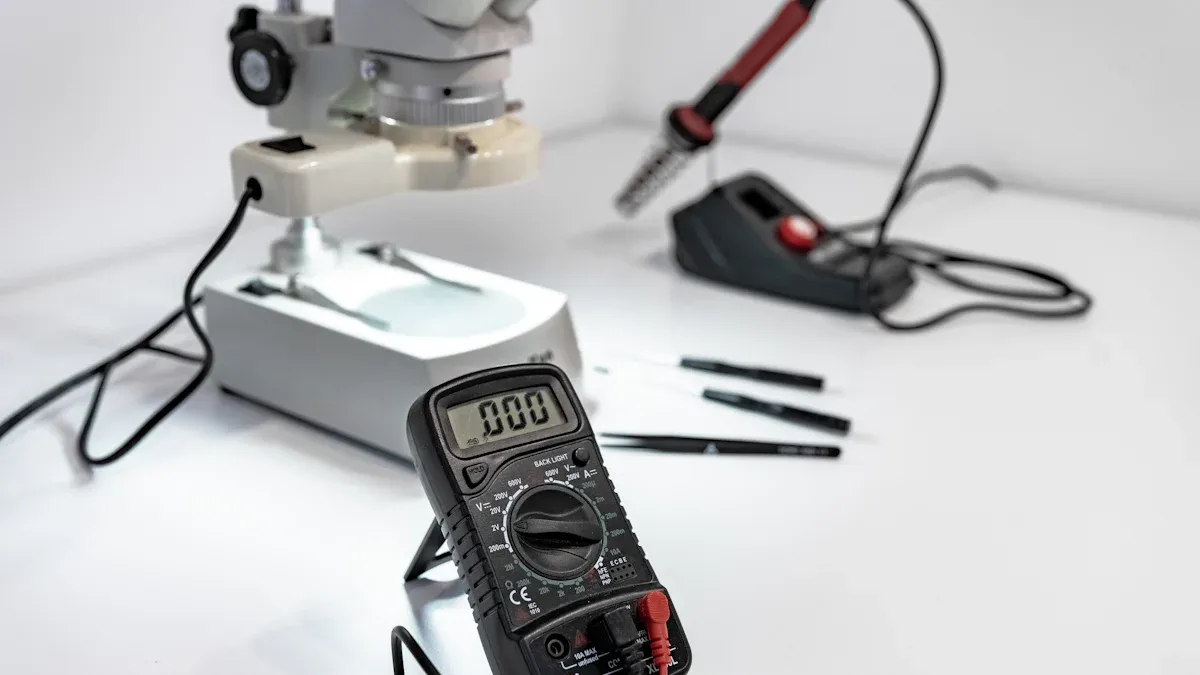
检测 bộ phận làm nóng nước 当您使用正确的工具并仔细遵循每个步骤时,这是一个简单的过程。您可以诊断加热 测试热水器中的加热元件 问题并确定是否需要更换。本节将指导您设置万用表并测量 热水器加热元件的电阻。 元件的安装过程。.
Cài đặt đồng hồ vạn năng
选择正确的电阻测量档位
在开始测试之前,您必须在万用表上选择正确的设置。大多数数字万用表都配有用于选择测量类型的旋钮或按钮。为了 测试加热元件, 将万用表调至欧姆(Ω)档。此模式用于测量电阻,这是判断热水器加热元件是否正常工作的关键指标。.
- 将万用表旋钮转至欧姆符号(Ω)。.
- 确认表笔相互接触时显示屏读数为零或显示微小数值。.
- 使用最低的电阻量程以获得最精确的读数。.
Mẹo: 正常的加热元件电阻值应在 10 và 30 ohm. 对于上部加热元件,读数在5至25欧姆之间表明状态良好。.
测试万用表功能
在 测量加热元件的电阻值, 应首先确认万用表工作正常。将两支表笔相互接触并查看显示屏。功能正常的万用表会显示接近零的读数,这表明设备已准备好进行测试。.
若万用表无反应,请检查电池和表笔连接。必要时更换电池,并确保表笔连接牢固。可靠的读数依赖于万用表的正常运行。.
测量热水器加热元件电阻
将表笔置于接线端子上
现在可以测量热水器加热元件的电阻。将两支表笔分别接触元件两端的接线螺丝。确保已断开接线端上的电线且电源已关闭。保持手部稳定以防滑动,确保表笔与金属螺丝良好接触。.
按以下步骤测量电阻:
- 在断路器处 关闭热水器电源。.
- 拆卸金属盖板和绝缘层以接触加热元件。.
- 断开每个加热元件的电线连接。.
- 将万用表调至欧姆档。.
- 将表笔置于加热元件的螺丝上。.
⚡ Báo động: 切勿尝试 测试加热元件 在通电状态下进行操作。务必确认电热水器已与电源断开连接。.
记录电阻值
放置好表笔后,读取万用表显示数值。记录每个加热元件的电阻值,并与建议范围进行对比。若电阻值在10至30欧姆之间,则加热元件可能状态良好。超出此范围的读数可能表明元件故障。.
| 元件位置 | 预期电阻值 (欧姆) |
|---|---|
| 上部元件 | 5 – 25 |
| 下部元件 | 10 – 30 |
需对热水器中的每个加热元件重复此过程 精确测试有助于确定需要更换的部件,并确保热水器高效运行。. 检查标准.
解读热水器加热元件电阻读数
热水器加热元件的正常电阻值
按功率划分的典型欧姆范围
完成加热元件测试后,需将结果与标准值进行对比。大多数家用加热元件具有特定的正常电阻范围。您可参考以下典型值作为基准:
- 标准家用热水器加热元件的典型电阻值 通常在10至30欧姆之间.
- 具体电阻值取决于设备中加热元件的功率。.
- 读数在此范围内通常表示加热元件工作正常。.
若测量值超出此范围,则热水器可能存在问题。.
低读数、零读数或高读数的含义
理解电阻读数有助于准确定位问题。不同读数的含义如下:
- 电阻读数为零表示元件已烧毁. 这称为短路,需要更换元件。.
- 读数大于零但在正常范围内,表明元件工作正常。.
- 读数极高或完全无读数,表明元件内部电路断路。这意味着加热元件无法加热水,需要更换。.
- 低读数或零读数通常表示加热元件已失效。.
Mẹo: 务必使用万用表测量元件两端子间的电阻以获得准确结果。.
诊断故障的热水器加热元件
元件烧毁或损坏的迹象
通过观察热水器性能并检查元件本身,通常可发现故障迹象。常见表现包括:
- 预期热水时仅有冷水.
- 热水迅速耗尽。.
- 顶部温控器上的红色复位按钮频繁跳闸,这可能表明过热。.
- 热水供应不均,热水消耗速度快于正常情况。.
- 即使加热器设为最高档,水温仍仅温热。.
若出现任何上述症状,应检查加热元件的电阻。.
何时更换元件
目视检查可验证电气测试结果。请关注以下问题:
| 裂纹>0.5毫米 | 异常噪音 |
|---|---|
| 存在安全隐患;需立即更换 | 腐蚀(点蚀/锈蚀). |
| 表明存在电解腐蚀;可能导致故障。 | 必须紧固至12–15牛·米;影响性能。. |
| 松动或故障的接头和管道连接可能导致水渗出。随着时间的推移,振动和热膨胀可能使这些连接变松。您应检查所有进出水口接头以及排污阀,确保它们保持紧固。即使是很小的缝隙也可能导致持续泄漏。 | 若发现裂纹、腐蚀或连接松动,应更换热水器加热元件。即使电阻读数看似正常,可见损伤也可能导致突发故障。务必按推荐扭矩紧固所有松动连接以确保安全运行。. |
切勿忽视可见损伤或异常电阻读数。更换故障元件可恢复热水器性能并避免后续问题。.
⚠️ Báo động: 通过测试热水器加热元件可解决大多数加热故障.
若加热元件无故障的应对措施
若已检测加热元件并确认其状态良好,则需排查导致热水器无法供应热水的其他潜在原因。恒温器通常是下一个需要检查的部件。该装置负责控制温度,并确保加热元件在需要时获得电力供应。.
Kiểm tra bộ điều nhiệt của máy nước nóng
如何测试温控器
可通过系统化方法检测恒温器:首先切断热水器电源,拆卸两个检修面板、绝缘层及塑料安全罩。检查复位按钮是否跳闸。使用小螺丝刀将上层恒温器调至最高温度档,下层调至最低档,随后恢复供电。.
接着,, 检测复位按钮上方的两条电线 确认是否存在电压。将万用表探针接触上层加热元件的接线螺丝。若检测不到电力输入,则需更换恒温器;若存在电压,则将上层恒温器调至最低档,此时应听到恒温器关闭的咔嗒声。再将下层恒温器调至最高档,检测下层加热元件的电压。若存在电压,待水温升高后调低恒温器温度,注意是否再次出现咔嗒声。若下层加热元件无电压,则需检测下层恒温器的电压状况。.
Mẹo: 拆卸面板或接触电线前务必确保电源已关闭,此步骤可防止触电事故。.
其他电气检查事项
若恒温器工作正常,需考虑其他电气问题。跳闸的断路器会导致热水器停止工作,复位断路器后检查是否存在电力过载迹象。排查线路连接处是否腐蚀或松动。对于燃气型号,需确认燃气阀门处于开启状态且供气稳定。若发现供气问题,可能需要专业人员进行检修。.
以下是恒温器之外的其他故障排查要点:
- 检查恒温器功能是否正常.
- Khởi động lại bất kỳ cầu dao điện nào bị ngắt.
- 排查电线是否损坏或腐蚀.
- 确认燃气阀门处于开启状态(适用于燃气型号).
何时应为热水器寻求专业帮助
Các vấn đề điện phức tạp
部分问题需由专业人员处理。若发现 燃气泄漏或电气故障等安全隐患, 切勿自行维修。此类问题可能引发严重健康风险。当出现明显泄漏或设备周围积水等严重损坏时,需由专业人员进行评估。在此类情况下擅自维修可能导致保修失效并产生更高维修费用。.
专业更换服务
若遇到持续泄漏、异常噪音、锈水或水质浑浊、热水供应不稳定等情况,也应联系专业人员。能源费用上涨可能意味着存在隐藏故障,只有经过培训的技术人员才能准确诊断。专业人员具备处理复杂维修的工具与经验,可确保热水器安全高效运行。.
⚠️ Báo động: 自行维修可能导致保修失效,且可能无法解决根本问题。进行重大维修或对操作步骤存在疑虑时,务必咨询持证技术人员。.
Thay thế bộ phận máy nước nóng bị lỗi
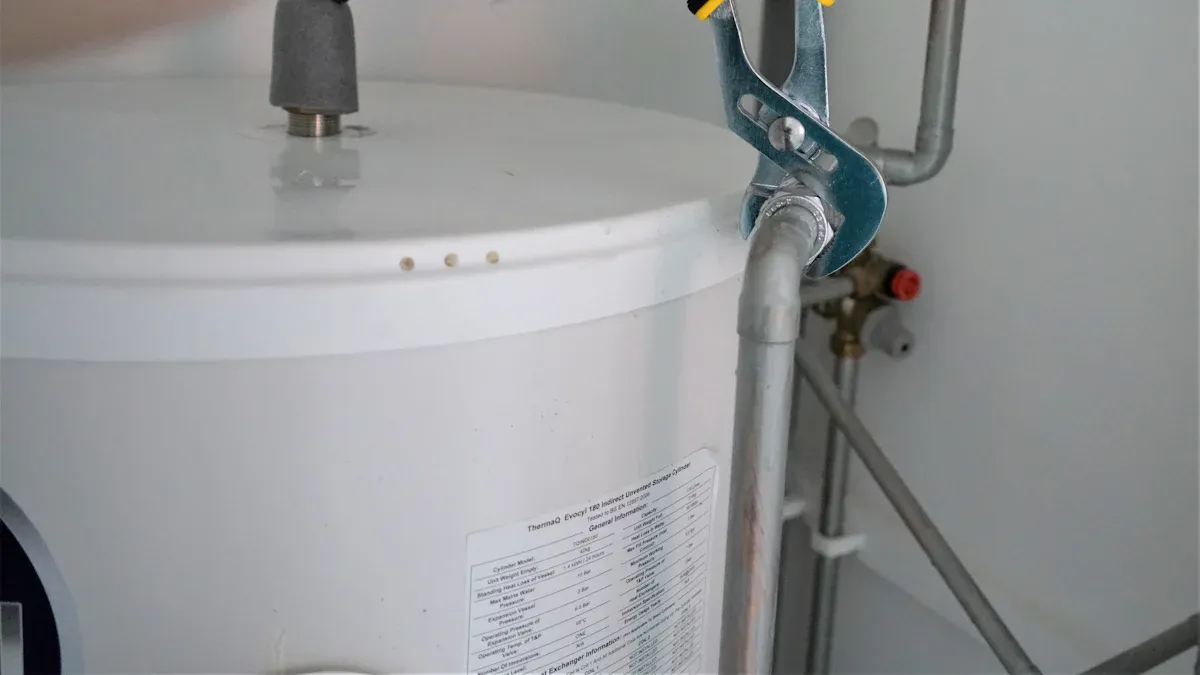
如何选择适用的热水器加热元件
匹配功率与尺寸
选择正确的替换元件可确保热水器安全高效运行。需根据现有系统匹配功率与电压参数,多数家用热水器采用 240伏元件,功率范围在1000至6000瓦. 。小型或即热式热水器通常需要120伏的低功率元件。务必核对热水器标签或说明书上的精确规格参数。.
| Điện áp | 功率范围 | 常见用途 |
|---|---|---|
| 240伏 | 1000 – 6000瓦 | 多数家用热水器 |
| 120伏 | 1000 – 2500瓦 | 小型及即热式热水器 |
同时需确认插座尺寸。多数元件适配 标准的1-1/2英寸套筒, 标准接口,但最终需参照制造商说明。元件材质也至关重要:不锈钢、铜和黄铜根据水质与环境条件各有优势。不锈钢耐腐蚀,铜材质加热迅速但在硬水环境中使用寿命可能较短。.
选择热水器元件时安全为首要原则。经认证的元件符合严格安全标准,例如1978年的召回事件表明,未经认证的浸入式加热器可能导致致命触电事故。.
元件采购渠道
可在五金店、管道供应商店或在线零售商处购买替换元件。携带旧元件或记录型号可确保兼容性。选择具有安全认证和明确保修期的产品。若有特殊需求,可咨询热水器制造商获取认证零件。.
热水器加热元件更换步骤详解
Loại bỏ thành phần cũ
拆卸故障元件请按以下步骤操作:
- Tắt nguồn điện tại cầu dao. 使用万用表进行验证.
- 关闭供水并等待水箱冷却.
- 通过软管或水桶排空水箱.
- Tháo bỏ tấm chắn và lớp cách nhiệt.
- 使用元件扳手旋出并取下旧加热元件。.
- 使用1-1/2英寸套筒或元件扳手旋下旧元件.
- 若橡胶垫圈磨损或损坏需及时更换.
提示:排水前务必确保水箱完全冷却,避免热水烫伤.
Cài đặt thành phần mới
安装新元件时先手动旋入定位,再用扳手紧固(避免过度拧压导致垫圈变形引发泄漏)。必要时重新安装橡胶垫圈,将电线按原端子接回并确保连接牢固。.
- 使用错误工具可能导致泄漏.
- 过度拧紧可能压坏垫圈,导致泄漏。.
- 螺纹错扣损坏螺纹,也可能造成泄漏。.
恢复供电与测试
关闭排水阀,开启冷水进水阀注满水箱。检查新元件周边是否泄漏。水箱注满后恢复断路器供电,待水温升高后测试热水龙头确认运行正常。若发现泄漏或电气问题,立即切断电源并检查安装步骤。.
恢复供电前务必确保水箱完全注满,干烧会导致元件立即损坏。.
Bạn có thể 操作前务必遵守安全步骤。若发现元件故障,更换成本远低于购买新设备。. Always follow safety steps before you begin. If you find a faulty element, replacement costs much less than buying a new unit. 定期维护的多重优势:
| Lợi ích | Giải thích |
|---|---|
| 效率提升 | 防止水垢沉积以提升性能 |
| Tuổi thọ kéo dài | 及早发现问题可延长设备寿命 |
| 降低高额维修风险 | 及时处理小问题节省开支 |
- 建议每年进行一次系统检查.
- 若发现热水供应异常应增加检查频率.
Câu hỏi thường gặp
Bạn nên kiểm tra bộ phận làm nóng nước thường xuyên như thế nào?
热水器加热元件应每年检测一次。定期检查有助于及早发现问题,维持系统高效运行。.
Bạn có thể kiểm tra bộ phận gia nhiệt của bình nước nóng mà không cần tháo nó ra không?
是的,您可以在不拆卸元件的情况下进行测试。断开端子上的电线,使用万用表直接在已安装的元件上测量电阻。.
Bạn cần những dụng cụ gì để kiểm tra bộ phận làm nóng nước?
您需要一台数字万用表、一把螺丝刀以及绝缘手套和安全眼镜等安全装备。使用非接触式电压测试仪可提供额外的安全保障。.
电阻读数为零意味着什么?
电阻读数为零意味着元件已发生短路。您需要更换热水器加热元件以恢复正常功能。.
Liệu bộ phận gia nhiệt của bình nước nóng có thể hỏng mà không có dấu hiệu hư hỏng rõ ràng không?
是的,加热元件可能在内部损坏而不显示任何可见迹象。务必使用万用表确认元件的状态。.
Có an toàn khi tự thay thế bộ phận làm nóng nước không?
如果您遵循所有安全步骤,可以自行更换热水器加热元件。开始前务必关闭电源和水源。如果您不确定,请联系专业人员。.
如果新更换的元件不加热水,您应该怎么做?
Mẹo: 恢复供电前,请仔细检查所有电气连接并确保水箱已注满水。如果问题仍然存在,请测试恒温器或咨询持证技术人员。.

