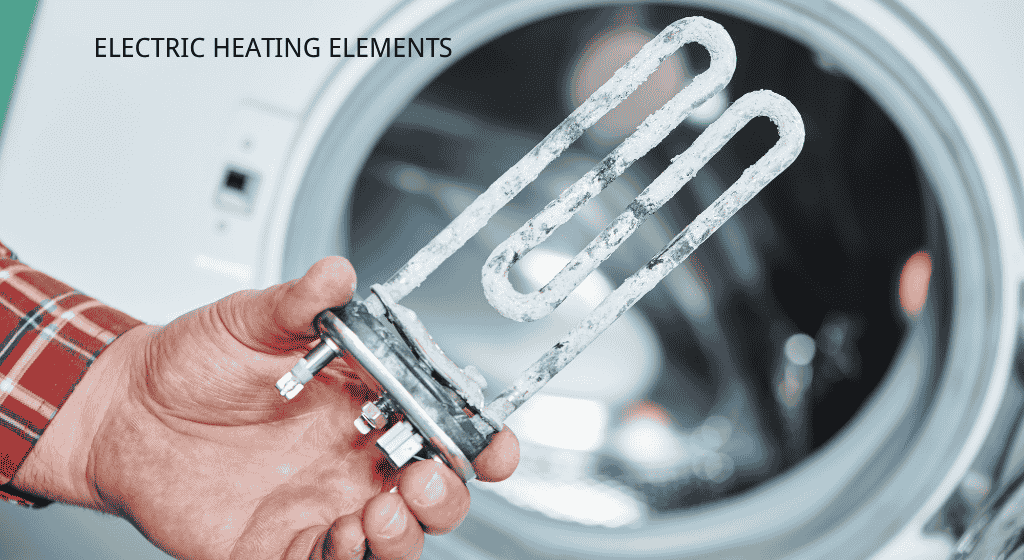
In electric water heaters, ovens, hair dryers, rice cookers, and other home devices needing heating, the main component is the нагревательный элемент. Its only purpose is to change electrical energy into thermal energy, hence influencing the heating efficiency, safety, and service life of the appliance directly. Picture this: if the electric water heater’s heating element is chosen wrongly, the water boil would lag, but it might also double the power cost and generate safety concerns—hence, it is so crucial to select the appropriate heating element!
Three main considerations to bear in mind when buying are:
Common materials are ceramic (corrosion-resistant but pricey) and nickel-chromium alloy (long-lasting but simple to oxidize). For instance, electric water heaters are exposed to scale for a long time; ceramic components may better resist corrosion; the high temperature environment of the oven is more suited for the heat resistance of nickel-chromium alloy.
Greater heating results from greater power; however, it must fit the home voltage (e.g., 220V). For example, while a 3,000W oven heating element uses more power, it heats 50% quicker than a 2,000W one.
Temperature resistance limit: 200°C to 600°C is often required for common household appliances. The heating wire of a hair dryer must endure a high temperature of 200°C; the heating plate of an electric rice cooker must operate for a long period at approximately 100°C.
Let’s consider a real scenario:
A user grumbled that his electric water heater’s water temperature wouldn’t rise. He ultimately discovered that the heating element was aging and resulted in increased resistance. Not only did the heating speed rebound after changing to a ceramic heating element, but the monthly electricity bill also dropped 15%!
Classification of heating elements and home application scenarios
Classification by material – which one is more suitable for your home appliance?
| тип | Применимые сценарии | Advantages and disadvantages comparison |
| Nickel-chromium alloy components | Oven, hair dryer | Durable but easily oxidized (lifespan about 5 years) |
| Ceramic heating elements | Electric water heater, health kettle | Corrosion resistant but high cost (lifespan about 8 years) |
| Stainless steel components | Washing machine heating module | Rust-proof but slow to heat (needs more power) |
Purchase suggestions:
Electric water heaters: Give priority to ceramic elements (anti-scaling performance is improved by 40%), especially in areas with hard water.
Ovens: Nickel-chromium alloys are more cost-effective (35% lower price at the same power), but grease needs to be cleaned regularly.
Common problems and solutions for heating elements of household appliances
How to determine whether the heating element needs to be replaced?
Three self–checking indicators:
The heating rate is markedly slowed down; for instance, the 20-minute boil time for an electric water heater to 100°C water increases from 10 minutes.
Reason: The surface oxide layer on the component gets thickened and the resistance rises.
Data support: Contact resistance rises by 200% and failure rate jumps by three times when the oxide layer thickness goes beyond 0.5mm.
An abnormal power use is when the electric bill rises suddenly by more than 20%.
Case: A user discovered their electricity cost doubled and learned that the heating element’s resistance value variation was 15%.
Equipment error: The oven, for instance, shows the E10 fault code (the component overheating protection is kicked 8l).
Cut off the power right away and get in touch with after-sales for inspection.
Tips for avoiding pits:
Beware of “universal” components: non-original accessories may cause temperature control failure or even cause short circuit.
Testing is required after installation: After filling with water and running for 30 minutes, the surface temperature should be ≤85℃ (can be verified with an infrared temperature gun).
Guide to choosing heating elements for different home appliances
How to choose heating elements for electric water heaters?
Important variables:
For a 20L water heater (20℃-30℃ rise in temperature per hour), it is advisable to select 2,500W-3,500W.
Actual measured figures: A 3,000W element would boil 100℃ water in 12 minutes; a 2,000W element would take 25 minutes.
Material selection:
Nickel-chromium alloy: Suitable for areas with hard water (strong anti-scaling ability), but needs to be cleaned once a year.
Ceramic elements: Suitable for frequent use scenarios (longer life), but the price is 30% higher.
Key points for choosing oven heating elements
Spiral vs. sheet:
| тип | Heating uniformity | Difficulty of cleaning | Применимые сценарии |
| Спираль | ±5℃ | Difficult (internal blind spot) | Professional baking needs |
| Chip | ±8 °C | Easy (planar structure) | Homemade Baking |
Maintenance tips:
Clean grease every six months (can be removed by soaking in white vinegar) to avoid clogging the heat dissipation holes.
Avoid empty burning (temperatures exceeding 300℃ will accelerate the aging of the elements), and preheating before use will save more electricity.
How to choose the heating element of the hair dryer?
Balance between wind speed and temperature:
Negative ion hair dryer: You need to choose high-temperature resistant ceramic elements (1,200℃), combined with intelligent temperature control to reduce hair damage.
High-power hair dryer: Although the nickel-chromium alloy element (2,000W) heats up quickly, it may get hot after long-term use.
Guide to avoiding pitfalls:
Beware of “low-priced brands”: a user bought a 59 yuan hair dryer, and the heating element burned out in one month.
Выбирайте изделия с защитой от перегрева: при превышении температуры 200°C питание автоматически отключается, что повышает безопасность на 50%.
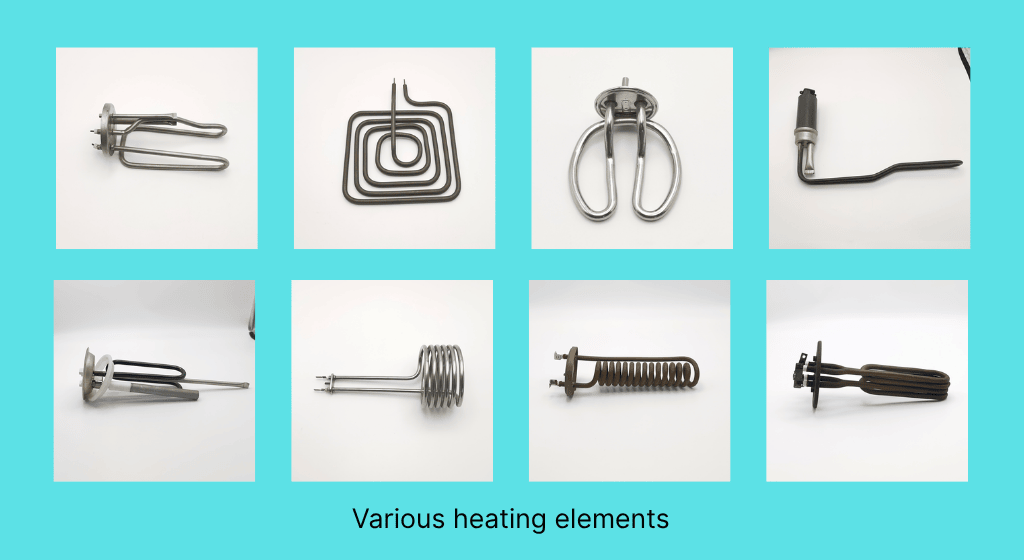
Zhongshan Jinzhong Electric Heating Technology— ваш эксперт в области нагревательных элементов для дома
Почему выбирают нас?
Специализация в области бытовой техники: 15 лет опыта, сотрудничество с такими брендами, как Midea и Gree.
Индивидуальные решения: Поддержка нестандартных размеров (например, специальные разъёмы для нишевых брендов) и даже изготовление корпусов с мультяшными принтами!
Гарантия качества:
100% тестирование на старение (имитация 5-летнего цикла использования, 10 включений/выключений в день)
Предоставляется 3-летняя гарантия (бесплатная замена при повреждениях не по вине пользователя)
Реальные примеры сотрудничества:
Разработаны керамические нагревательные элементы для известного бренда электрических водонагревателей, что снизило процент брака с 3% до 0,5%.
Создан нагревательный модуль для мини-печи (плотность мощности увеличена на 20%), габариты уменьшены на 30%, что особенно востребовано в малогабаритных домах.