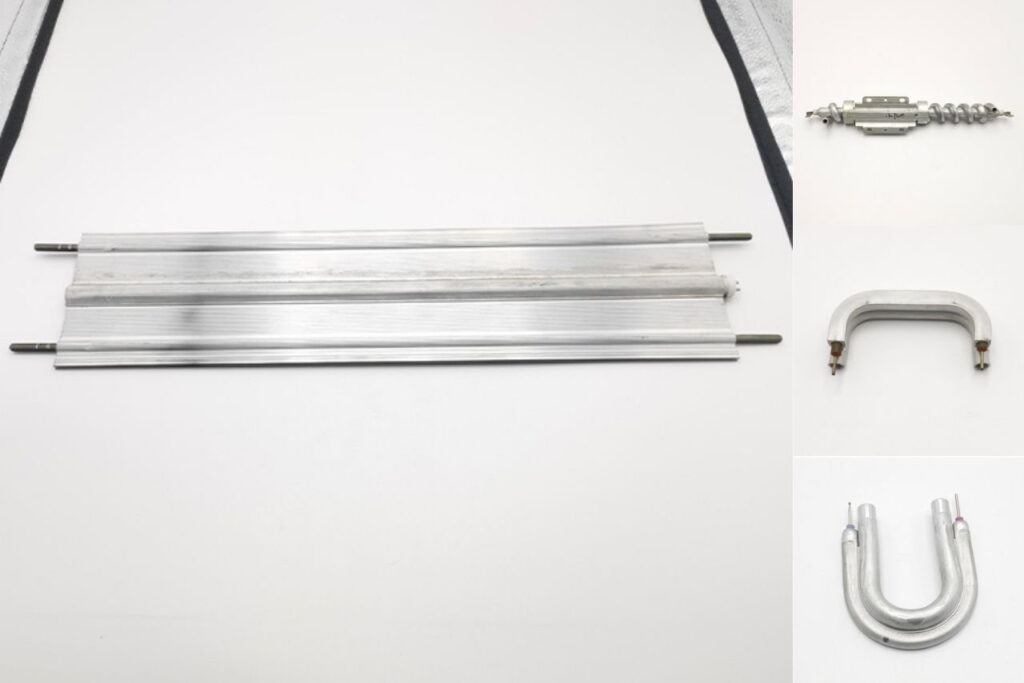
The longevity of your appliance is directly proportional to the structural integrity of its heating core.
As a critical thermal component, a Нагревательный элемент operates under extreme temperature fluctuations that cause metal expansion and contraction. Drawing from the manufacturing insights of Camewould (Jin Zhong) a global Производитель нагревательных элементов with over 40 years of expertise this guide provides a professional-grade maintenance protocol to prevent oxidation, energy loss, and premature component failure.
Maintenance Roadmap
Safe Cleaning Protocols for Tubular Elements
Accumulated grease and carbonized food particles do more than create smoke; they create localized thermal gradients. When a portion of the element is insulated by debris, the Завод по производству нагревательных элементов engineers warn that the internal Nichrome wire can overheat in that specific spot, leading to a catastrophic “burn-out.”
The 3-Step Cleaning Method
- De-energization & Cooling: Ensure the oven is unplugged. Never clean an element that is even slightly warm, as rapid cooling from cleaning agents can cause thermal shock and microscopic fractures in the metal sheath.
- Dry Debris Removal: Use a soft-bristled nylon brush to gently sweep away loose ash. For stubborn carbonized bits, a plastic scraper may be used. Never use steel wool or metal scrapers, as these can leave conductive fragments that cause electrical arcing.
- Surface Wipe: Use a solution of warm water and a drop of dish soap. Wipe the Нагревательный элемент with a damp microfiber cloth. Rinse with a second cloth dampened only with water to ensure no soapy residue remains, which can smoke during the next use.
Professional Visual Inspection Techniques
A proactive maintenance routine includes a monthly visual check of the element’s surface. High-quality elements from a certified Производитель нагревательных элементов like Camewould use Incoloy 800 or high-grade stainless steel to resist oxidation, but environmental factors can still take a toll.
What to Look For:
- Pitting: Small, dark “craters” on the sheath. This indicates that the metal is thinning and a breach into the Magnesium Oxide (MgO) insulation is imminent.
- Волдыри: Bubbles on the metal surface. This suggests a failure of the internal insulation, causing the resistive wire to heat the sheath directly.
- Terminal Discoloration: Blackening at the points where the element connects to the stove wires. This is a sign of a loose connection and potential arcing.
Element Health Diagnostic Chart
| Observation | Technical Meaning | Action Required |
|---|---|---|
| Uniform Dull Gray/Black | Healthy Oxidation Layer | None – Normal Operation |
| White Chalky Residue | MgO Insulation Leakage | Immediate Replacement |
| Bright Red “Hot Spots” | Internal Coil Displacement | Immediate Replacement |
Maintaining Die Casting & Specialized Solutions
Modern high-end appliances often utilize Решения по нагреву при литье под давлением. In these systems, the heating element is encased in aluminum or another alloy. Maintenance here differs:
- Avoid Impact: The cast metal can crack if struck with heavy cookware.
- Thermal Uniformity: Because the heat spreader is metal, avoid using aluminum foil on the oven floor, as this can trap heat and warp the die-cast assembly.
- Moisture Control: Ensure the seals around the die-cast plate are intact to prevent liquid from reaching the electrical terminals underneath.
Preventative Measures for Industrial Longevity
At Suli Technology (Camewould), our CNAS-accredited laboratory tests elements under accelerated aging conditions. To mimic these results in your kitchen:
- Minimize Self-Cleaning Cycles: The extreme heat (up to 900 F) of self-clean cycles is the leading cause of element stress. If possible, clean manually.
- Ensure Dry Storage: If the stove is in a high-humidity environment or a vacation home, run it once a month to “bake out” any moisture that may have been absorbed by the MgO insulation.
- Voltage Stability: Fluctuations in power can damage the NiCr wire. Using elements that meet ISO9001 and VDE standards ensures the component has the necessary tolerance for standard grid variations.
Expert Maintenance FAQ
Q1: Can I use commercial oven cleaner on my heating element?
No. Most commercial cleaners contain sodium hydroxide (lye), which is highly corrosive to the stainless steel and Incoloy alloys used in a Нагревательный элемент. If you must use a cleaner on the oven walls, cover the element with plastic wrap or aluminum foil (removed before use) to prevent contact.
Q2: Why does my element smell like it’s burning after I’ve cleaned it?
This is usually due to microscopic soap residue or remaining moisture. Ensure the element is completely dry and wiped with a water-only cloth before turning the oven back on. The smell should dissipate within 10 minutes.
Q3: How do I know if the internal insulation (MgO) is failing?
A tell-tale sign is if your kitchen’s GFCI (Ground Fault Circuit Interrupter) trips when the oven is turned on. This indicates that current is “leaking” through the insulation to the outer sheath a clear sign that maintenance has failed and replacement is required.
Q4: Are “Hidden Bake” elements easier to maintain?
Visually, yes, because they are protected under the oven floor. However, they still require “burn-off” periods to remove moisture. If you notice slow preheating times, the hidden element may have failed without visual cues, requiring a multimeter test.
Global Precision in Every Component
Supplying 3 million units monthly to the world’s leading brands, Camewould is the expert in clean heat technology. Trust our 40 years of engineering to keep your life warmer.
References & Technical Data Sources:
- [1] Camewould Electrical Technology – Maintenance Standards for Heating Tubes and Plates (2025). jinzho.com
- [2] Wikipedia – Material Science of MgO Insulation and NiCr Coils. en.wikipedia.org
- [3] IQS Directory – Best Practices for Industrial Heating Component Longevity. iqsdirectory.com
- [4] Sears Home Services – Comprehensive Guide to Oven Component Care. searshomeservices.com