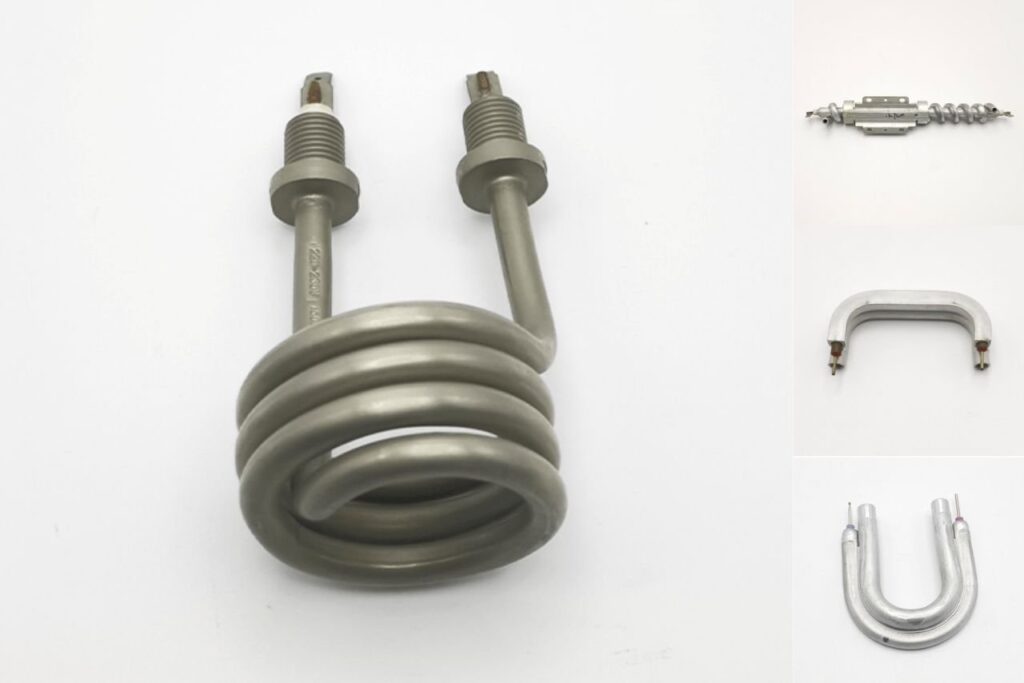
Данное руководство описывает последовательность тестирования нагревательного элемента электрической сушилки Kenmore в стиле технического специалиста с использованием мультиметра.
Kenmore сушильная машина может нормально вращать барабан, но не вырабатывать тепло. В большинстве случаев причина относится к одной из четырёх категорий:.
- Безопасность прежде всего (перед любым измерением мультиметром)
- Необходимые инструменты
- Что такое нагревательный элемент на самом деле (почему тестирование — это не просто проверка провода)
- Поиск корпуса нагревателя в типичных компоновках Kenmore
- Тест 1 — Целостность элемента (проверка спирали на обрыв)
- Тест 2 — Замыкание на корпус (элемент на корпус)
- Тест 3 — Целостность цепи безопасности (тепловые предохранители/термостаты)
- Проверка воздушного потока (повторяющаяся причина неисправности)
- Таблица интерпретации: что означает каждый результат
- Часто задаваемые вопросы (7)
- Ссылки и внешние ссылки
- Отключить питание: отключите сушилку от сети или выключите автомат в щитке.
- Убедитесь, что питание отключено Перед касанием любых клемм.
- Дайте корпусу нагревателя остыть, если сушилка недавно работала.
- Установите крышки обратно перед любым тестовым запуском под напряжением.
Если изоляция проводов оплавлена или автоматический выключатель срабатывает, следует обратиться к квалифицированному специалисту.
- Цифровой мультиметр (Ом + режим прозвонки)
- Отвертки / торцевые ключи (зависит от модели)
- Длинногубцы (для клемм типа «лопатка»)
- Пылесос + щетка (удаление ворса)
- Телефон/камера (для документирования положения проводов)
- Рабочие перчатки (острые кромки листового металла)
Нагревательный элемент — это не просто кусок резистивного провода. Компания TUTCO определяет его как нагревательный элемент как компонент, состоящий как из электропроводящего, так и из изоляционного материала, предназначенный для нагрева, и обсуждается, почему окружающая среда, удельная мощность и интеграция влияют на надежность и срок службы. токопроводящий и изолирующий материал, предназначенный для целей нагрева. Источник.
Сушилка Kenmore не греет, тест целостности нагревательного элемента, проверка термопредохранителя, термостат максимального ограничения, короткое замыкание на корпус, симптомы засорения вентиляционного канала.
Сушилки Kenmore производятся на нескольких платформах. Многие электрические модели обеспечивают доступ к корпусу нагревателя сзади; некоторые требуют доступа спереди/снизу.
Это эвристический метод обслуживания. Подтвердите, проследив путь воздушного потока и определив корпус нагревателя с прикрепленными термостатами/предохранителем.
- При отключенном питании получите доступ к корпусу нагревателя.
- Сфотографируйте проводку.
- Снимите два провода нагревателя с клемм элемента (захватывайте корпус разъема, а не провод).
- Установите мультиметр в режим измерения сопротивления (Ом).
- Измерьте сопротивление между двумя клеммами элемента.
- OL / бесконечное сопротивление: элемент имеет обрыв (неисправен).
- Коснитесь другим щупом вывода A элемента; затем повторите для вывода B. Спираль не оборвана; переходите к Тесту 2 и Тесту 3.
Хороший показатель целостности не гарантирует безопасную работу. Спираль может замыкать на корпус, или цепь безопасности может быть разомкнута.
- Оставьте провода элемента отключенными.
- Установите мультиметр в режим прозвонки (звуковой сигнал) или низкого сопротивления (Ом).
- Прикоснитесь одним щупом к оголенному металлу на корпусе нагревателя.
- Прикоснитесь другим щупом к клемме A. Повторите для клеммы B.
- Нет прозвонки: normal (no short to housing).
- Прозвонка / низкое сопротивление: элемент закорочен на корпус — замените элемент и проверьте спираль на затирание или деформацию корпуса.
Предохранительные устройства могут размыкаться для предотвращения перегрева. Сушилка с ограниченной вентиляцией может перегреться и вызвать обрыв теплового предохранителя или срабатывание защиты от превышения температуры.
- Определите тепловой предохранитель / термовыключатель и термостаты (обычно на вентиляторе или корпусе нагревателя).
- Отсоедините как минимум один провод от каждого устройства, чтобы избежать измерения через цепь.
- Проверьте целостность цепи на выводах устройства.
- Замкнуто/целостность: устройство пропускает ток.
- Обрыв/отсутствие целостности: устройство блокирует нагрев; замените его по мере необходимости и устраните первопричину (часто — воздушный поток).
Инструкции Whirlpool замена нагревательного элемента (в контексте водонагревателя) подчёркивают необходимость проверки правильных номиналов замены (напряжение/мощность),. Ссылка.
- Осмотрите и очистите корпус фильтра для ворса (не только сам фильтр).
- Проверьте вентиляционный шланг на наличие пережатий, перегибов или чрезмерной длины.
- Убедитесь в сильном воздушном потоке на внешнем выходе вентиляции во время работы.
Воздушный поток является механизмом охлаждения нагревателя сушилки. Снижение воздушного потока увеличивает температурные циклы и ускоряет отказы.
| Что показывает измерительный прибор | Вероятный диагноз | Следующий шаг | Коренная причина, которую следует рассмотреть |
|---|---|---|---|
| Сопротивление между выводами элемента — OL | Нагревательный элемент в обрыве (вышел из строя) | Замените узел элемента; проверьте выводы и корпус | Перегрев, старение, повреждение спирали |
| Элемент показывает конечное сопротивление, но между выводом и корпусом есть проводимость | Короткое замыкание элемента на землю (небезопасно) | Замените элемент; проверьте на затирание спирали/деформацию корпуса | Перегрев + провисание спирали; повреждение при установке |
| Элемент исправен; термопредохранитель в обрыве | Сработало защитное устройство | Устраните проблему с воздушным потоком; замените предохранитель; проверьте работу | Ограничение вентиляции — наиболее частая причина |
| Элемент и защиты исправны; нагрева всё равно нет | Проблема с управлением/проводкой/электропитанием | Проверьте питание и выходы управления; осмотрите жгут проводов | Ослабленные выводы, реле/таймер, неполное питание |
Таблица 1. Эта таблица предотвращает распространённую ошибку замены исправного элемента.
Да. Цепь двигателя может работать, пока цепь нагревателя разомкнута из-за неисправности предохранителя, термостата, проводки или элемента.
Нет. Профессиональная проверка также включает тест на короткое замыкание на корпус нагревателя (землю) и подтверждение замкнутости защитной цепи.
Это указывает на небезопасный контакт (затирание/провисание спирали). Элемент следует заменить, а корпус проверить на деформацию.
Чаще всего из-за перегрева, связанного с ограничением воздушного потока (скопление ворса, сдавленный воздуховод, заблокированное вентиляционное отверстие).
Распространённые причины: не устранённое ограничение вентиляции, ослабленные/обгоревшие выводы или неправильная установка, вызывающая контакт спирали.
Это преобразование электрической энергии в тепло при протекании тока через резистивный сплав. Компания TUTCO описывает этот механизм в своём обзоре нагревательных элементов. Ссылка.
Каталоги поставщиков иллюстрируют, насколько широким может быть ассортимент нагревательных элементов (трубки, пластины, плёнки, интегрированные модули). Например, категории продукции Jinzhong включают Нагревательный элемент а также интегрированные Решения по нагреву при литье под давлением.
- TUTCO-Farnam — определение нагревательного элемента, структуры, материалы и вопросы срока службы: https://tutco.com/conductive/heating-elements
- Поддержка Whirlpool (замена элемента водонагревателя) — проверка номиналов и принципы безопасного восстановления питания: https://www.whirlpoolwaterheaters.com/support/help/element-was-out-of-range/24
- Ссылки на каталоги Jinzhong, предоставленные для требуемых якорей: Производитель нагревательных элементов, Завод по производству нагревательных элементов, Нагревательный элемент, Решения по нагреву при литье под давлением
Примечание об оригинальности: Данная статья представляет собой оригинальное руководство по диагностике и не копирует текст источников. Источники цитируются для определений и переносимых принципов безопасности.
Отказ от ответственности: Только образовательный контент. Конструкции сушилок Kenmore различаются в зависимости от модели. Следуйте инструкциям по обслуживанию для конкретной модели и местным правилам электробезопасности.