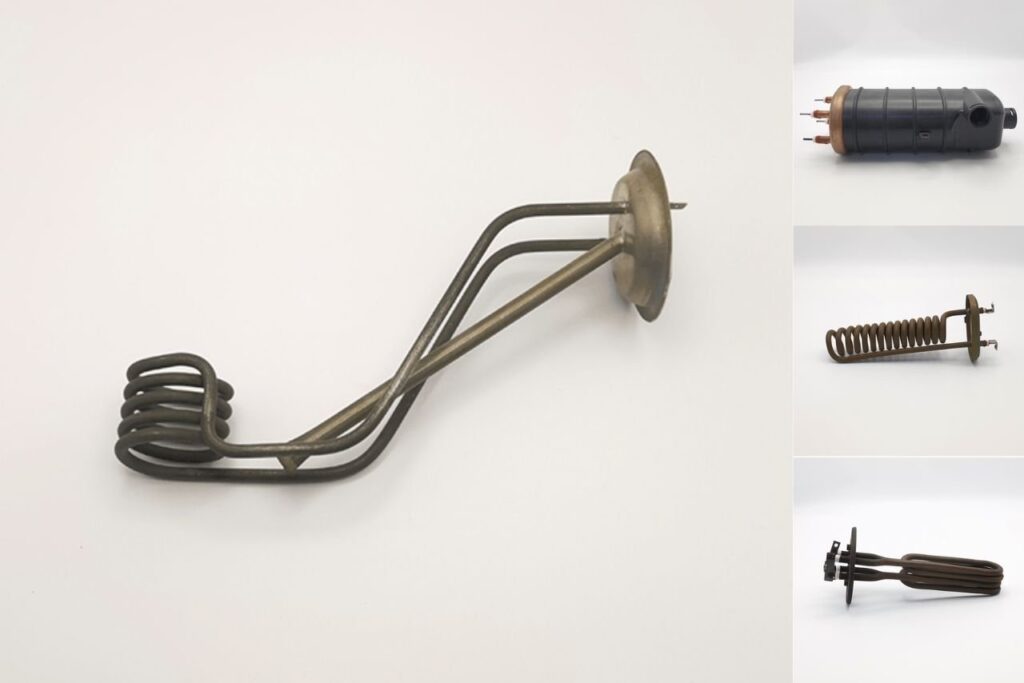
Проблемы с нагревом сушильных машин Kenmore лучше всего решать путем проверки цепи нагревателя, а не слепой замены деталей: проверьте воздушный поток, проверьте цепочку безопасности нагревателя (термопредохранитель/термостат с высоким пределом), и только затем подтвердите, находится ли нагревательный элемент в обрыве или коротком замыкании. Данное руководство объясняет наиболее распространенные сценарии отсутствия нагрева, как безопасно их проверить и какие исправления предотвращают повторные отказы.
- Краткий ответ: что обычно выходит из строя в первую очередь
- Как работает нагрев сушильной машины Kenmore (системный обзор)
- Правила безопасности и «не подавайте напряжение преждевременно»
- Карта «симптом–причина» (быстрая сортировка)
- Диагностические тесты (порядок работы с мультиметром)
- Исправления, которые действительно работают (нагревательный элемент, предохранитель, термостаты, воздушный поток, проводка)
- Предотвращение повторных отказов нагревателя
- Выбор правильного нагревательного элемента
- Для продуктовых команд: типы нагревательных элементов и варианты производства
- Часто задаваемые вопросы (7)
- Ссылки и внешние ссылки
Это не набор гарантийных данных – это практическое взвешивание причин на основе распространенных полевых закономерностей.
- Восстановление воздушный поток Полный цикл (корпус фильтра для ворса → вентилятор → воздуховод → наружный выход).
- Проверьте цепочку безопасности: тепловой предохранитель и термостаты.
- Проверьте нагревательный элемент для обрыва цепи и короткого замыкания.
- При необходимости отремонтируйте проводку/клеммы; затем выполните проверку с контролируемым циклом нагрева.
Нагревательный элемент – это не просто «проволока, которая нагревается». Инженерные источники по нагревателям определяют его как узел из электропроводящего материала и изолирующего/поддерживающего материала с безопасными соединительными выводами, предназначенный для выполнения функции нагрева. В приборах с нагревом воздушным потоком (например, электрические сушильные машины) нагреватель охлаждается движущимся воздухом, поэтому температура элемента, а следовательно, и его срок службы, сильно зависят от воздушного потока. (TUTCO: Heating Elements)
- Узел нагревательного элемента (резистивный нагреватель внутри корпуса) Устройства безопасности: термопредохранитель / тепловое реле; термостат с высоким пределом; циклический термостат
- Система воздушного потока: вентилятор, воздуховоды, вентиляционный канал, наружное окончаниеЭлектропитание и соединения: правильное напряжение, плотные клеммы, неповрежденная изоляция проводов
- Охват LSI-ключевых словДанное руководство ориентировано на распространенные поисковые запросы, связанные с:
- Сушильная машина Kenmore не греетСимптомы термопредохранителя
Опасность высокого напряжения + высокого тока Электрические сушильные машины работают при опасных напряжениях и токах. Если техник не обучен работе с электроприборами, следует привлечь квалифицированного специалиста. Питание должно быть отключено, и его отсутствие должно быть проверено перед снятием панелей или работой с проводами., нагревательный элемент сушилки замена, Почему концепция «сухого включения» важна даже для сушильных машин, термостат максимального ограничения, Засорение вентиляционного канала сушилки, и Рекомендации Whirlpool по замене элемента для водонагревателей подчеркивают необходимость проверки напряжения/мощности замены и предупреждают о недопустимости подачи питания до обеспечения безопасных условий работы (они отмечают, что верхний элемент перегорит, если на него подать напряжение до полного заполнения бака – «сухое включение»). Для сушильной машины эквивалентным небезопасным условием является работа нагрева при:.
Отключите питание на розетке/автомате и подтвердите это с помощью измерительного прибора.
Не шунтируйте предохранители/термостаты в качестве «теста». Замените вышедшее из строя защитное устройство и устраните коренную причину. ограниченном потоке воздуха, Установите все крышки и изоляцию на место перед началом нормальной эксплуатации.Справочная информация от Whirlpool)
- Наиболее быстрое подтверждение.
- Направление исправления.
- Нет нагрева, барабан вращается.
- Разомкнут термопредохранитель; обрыв элемента; проблема с питанием.
| Симптом | Наиболее вероятные причины | Заменить неисправную деталь; исправить воздушный поток при перегреве | Греет, затем останавливается / срабатывает защита |
|---|---|---|---|
| Ограничение вентиляции; срабатывание термостата с высоким пределом | Проверка наружного выхода | Проверка целостности цепи; проверка подачи питания | Очистка вентиляции; проверка термостатов |
| Ограниченный воздушный поток (наиболее распространено) | Воздушный поток на наружном выходе | Очистить/укоротить вентиляционный канал; удалить скопления ворса | Визуальный осмотр плоских клемм |
| Длительное время сушки | Заменить клеммы/хвостовик; затянуть соединения | Сильное ограничение вентиляции; замыкание/трение спирали | Воздушный поток + осмотр корпуса |
| Burning smell near rear panel | Loose terminal / overheated connector | Обеспечить воздушный поток; убедиться в правильной посадке элемента | Replace terminals/pigtail; tighten connections |
| Быстрый перегрев | Severe vent restriction; coil rubbing/short | Airflow + housing inspection | Clear airflow; ensure correct element seating |
Таблица 1 Карта триажа, предназначенная для сокращения необоснованной замены деталей.
- В первую очередь — воздушный поток: убедиться в наличии сильной вытяжки наружу; проверить вентиляционный шланг на наличие перегибов/смятий.
- Термопредохранитель: должно показывать «разомкнуто/непрерывно» при комнатной температуре.
- Термостат максимального предела и циклический термостат: проверить целостность цепи при необходимости.
- Нагревательный элемент: проверить целостность (обрыв = неисправность) и, если возможно, проверить на короткое замыкание на корпус.
- Клеммы/проводка: проверить на наличие обесцвечивания, ослабления, оплавления изоляции.
Производительность нагревателя зависит от свойств материалов и интеграции. TUTCO описывает конструкции нагревателей (подвесные/встроенные/опорные) и отмечает, что условия эксплуатации и окружающей среды влияют на долговечность.Источник)
При проверке целостности отсоедините хотя бы один провод от тестируемого компонента, чтобы мультиметр не считывал показания через альтернативные пути цепи.
- Подберите правильный элемент в соответствии с номером модели и номинальными характеристиками.
- Убедитесь, что спираль не касается корпуса; неправильное положение может вызвать короткое замыкание/образование горячих точек.
- Установите всю изоляцию и крышки обратно для обеспечения безопасного воздушного потока и снижения риска поражения током.
В контексте поиска компонентов: Нагревательный элемент.
- Если предохранитель разомкнут, замените его и восстановите воздушный поток; иначе замена может снова выйти из строя.
- Проверьте вентиляцию, область вентилятора и корпус фильтра для ворса на наличие сильного скопления ворса.
- Очистите весь вентиляционный канал до наружного выхода.
- Замените смятый или чрезмерно длинный гибкий воздуховод.
- Убедитесь, что наружная вентиляционная заслонка открывается свободно.
- Замените обесцвеченные от нагрева клеммы типа «лопатка»; не используйте ослабленные разъемы повторно.
- Скорректируйте прокладку проводов так, чтобы изоляция не касалась горячих поверхностей.
Диаграмма приоритетов для работ по надежности, основанная на обслуживании.
- Очищайте фильтр для ворса после каждой загрузки; периодически проводите глубокую очистку корпуса фильтра.
- Проверяйте вентиляционный канал сезонно (или чаще при интенсивном использовании или длинных воздуховодах).
- После любого ремонта нагревателя проведите контролируемый тест нагрева и проверьте силу наружной вытяжки.
Нагревательный элемент — это спроектированная сборка, а не универсальный товар. TUTCO объясняет, что элемент включает токопроводящий сплав, а также изоляционную/опорную структуру и выводные соединения, и что свойства материалов и окружающая среда влияют на производительность.Источник)
В других инструкциях по замене нагревателей Whirlpool прямо указывает, что необходимо проверить правильность нового элемента, сверяясь с табличкой с данными по напряжению и мощности; эта дисциплина выбора применима и к нагревателям сушилок.Источник)
Вставной элемент, предназначенный для радиаторов/полотенцесушителей, указывает такие характеристики, как 1000 Вт, степень защиты IP67,, и Одобрение UL, а также материалы, такие как ABS + нержавеющая сталь. нагревательных элементов сушилок. (Список Hudson Reed)
Решения для нагрева в приборах выходят далеко за рамки воздушных нагревателей сушилок. Проектные группы часто выбирают между трубчатыми нагревателями, нагревательными пластинами, толстопленочными нагревателями и интегрированными литыми нагревательными модулями в зависимости от требований к теплопередаче и ограничений по компоновке. Нагревательные трубки, Нагревательная пластина, Нагревательная пленка, Решения по нагреву при литье под давлением и Электрический котел-нагреватель.
Jinzhong описывает себя как Производитель нагревательных элементов с более чем 30-летним опытом в электронагревательной промышленности, полным циклом возможностей (проектирование, разработка пресс-форм, точное производство),.
Требование к контексту ссылки на завод: Завод по производству нагревательных элементов.
Цепь нагревателя может быть разомкнута, в то время как цепь двигателя все еще работает. Распространенные причины включают разомкнутый термопредохранитель/термостат верхнего предела, разомкнутый нагревательный элемент или неисправность питания/соединения.
Ограниченный воздушный поток (скопление ворса или засор вентиляции) является частой коренной причиной. Это снижает эффективность сушки и может вызвать перегрев, который размыкает защитные устройства.
Многие термопредохранители сушилок являются одноразовыми устройствами и должны быть заменены при размыкании. Следует устранить основную причину (обычно перегрев из-за ограничения воздушного потока).
Распространенные причины включают неустраненное ограничение вентиляции, ослабленные клеммы, вызывающие локальный нагрев, затирание/короткое замыкание спирали или использование неправильного номинала/посадки элемента.
Это сборка из электропроводящего материала и изоляционного/опорного материала с клеммами, предназначенная для конкретного применения. TUTCO подчеркивает, что конструкция и выбор материалов определяют производительность, срок службы и безопасность.Источник)
Да. В воздухонагревательных приборах воздушный поток определяет температуру элемента и защищает компоненты. Плохой воздушный поток является частой причиной повторных срабатываний тепловых защит и повреждения нагревателя.
Если электрическое тестирование незнакомо, если проводка обгорела, если выбивает автомат или если после ремонта происходят повторные отказы, рекомендуется обратиться за профессиональной помощью.
- TUTCO-Farnam (определения, типы нагревателей, материалы, условия эксплуатации и вопросы долговечности): https://tutco.com/conductive/heating-elements
- Поддержка Whirlpool (дисциплина замены: проверка напряжения/мощности; надежность соединений; не подавать напряжение в небезопасных условиях): https://www.whirlpoolwaterheaters.com/support/help/element-was-out-of-range/24
- Категории продукции Jinzhong и позиционирование производителя (возможности, сертификаты, заявленные мощности): https://jinzho.com/, Нагревательный элемент, Завод по производству нагревательных элементов, Решения по нагреву при литье под давлением
- Hudson Reed (пример спецификаций нагревательного изделия, используемый исключительно для иллюстрации документации, специфичной для применения): https://usa.hudsonreed.com/1000-plug-in-watt-electric-heating-element-76309
Примечание о цитировании: Данная основная страница представляет собой оригинальный синтез, составленный для целей диагностики и принятия решений по ремонту. Она не воспроизводит исходный текст; в ней используются ссылки на источники для определений, принципов безопасности и опубликованных технических характеристик.
Отказ от ответственности: Данный материал носит образовательный характер. Платформы сушильных машин Kenmore различаются в зависимости от модели и года выпуска. Всегда следуйте руководству по обслуживанию для конкретной модели и местным требованиям электробезопасности.