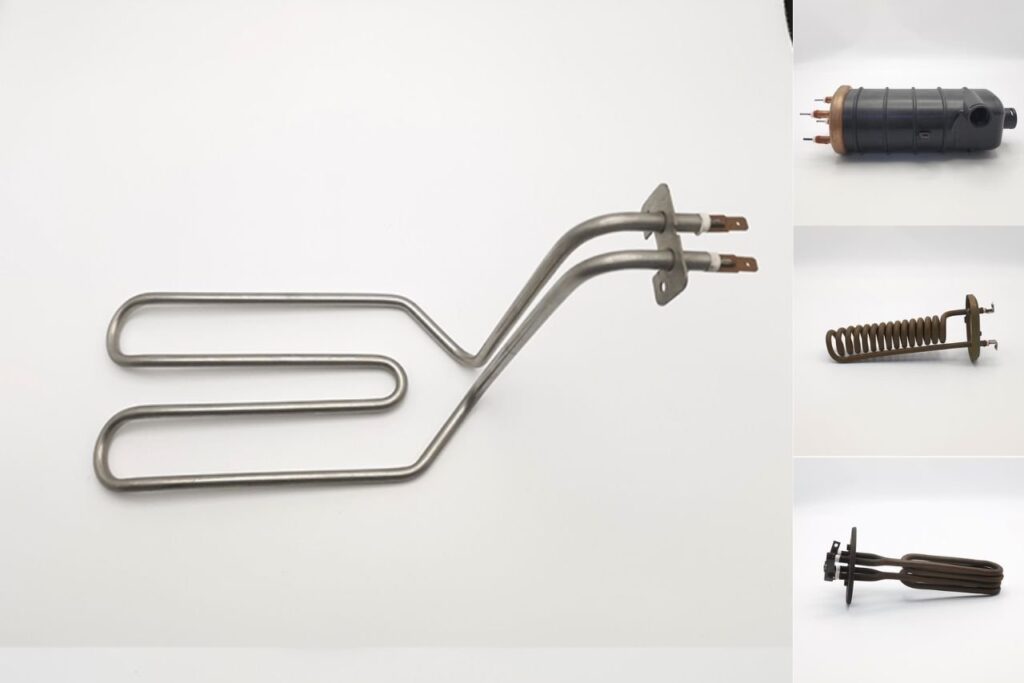
Замена неисправного нагревателя сушилки обычно является ремонтом с высокой окупаемостью, поскольку стоимость детали невелика по сравнению с ценой новой сушилки, а остальные компоненты машины (барабан, двигатель, корпус) часто имеют еще несколько лет ресурса. Решение меняется, когда в сушилке одновременно возникает несколько неисправностей, хронический перегрев из-за **ограниченного воздушного потока** или признаки повторяющихся электрических повреждений — условия, повышающие вероятность второго ремонта и увеличивающие общую стоимость владения.
- Решение за 60 секунд (ремонт или замена)
- Практическая модель затрат (что люди забывают включить)
- Типичные диапазоны стоимости: ремонт нагревательного элемента против новой сушилки
- Сравнение сценариев (5 реальных профилей)
- Факторы риска, превращающие дешевый ремонт в дорогостоящий цикл
- Как сделать ремонт **долговечным** (избежать повторного перегорания)
- Если вы приобретаете нагревательные компоненты: как выглядят **хорошие характеристики**
- ЧаВО (5)
- Ссылки и внешние ссылки
- Сушилка в остальном работает нормально (стабильное вращение барабана, отсутствие громкого шума подшипников, отсутствие запаха гари).
- Имеется единичная неисправность (разрыв спирали нагревателя), и проводка не повреждена нагревом.
- Воздушный поток может быть восстановлен (вентиляционный канал чист; отсутствуют смятые или чрезмерно длинные воздуховоды).
- Стоимость ремонта ниже **порога комфорта** (многие домохозяйства используют 25 % от цены новой сушилки в качестве эмпирического правила).
- Имеются видимые повреждения жгута проводов (оплавленные клеммы) или повторные срабатывания защитных устройств.
- Отказ нагревателя сочетается с другими серьезными симптомами (проблемы с двигателем, неисправности управления, износ опор барабана).
- Сушилка имеет хронический перегрев из-за неустраненного **ограничения вентиляции** и постоянно выбивает тепловую защиту.
- Общая смета ремонта приближается к половине стоимости замены, особенно если задействовано несколько деталей.
Сравнение — это не **цена детали против цены новой сушилки.** Реалистичная модель включает:
- Запчасти (нагреватель, комплект термопредохранителя/термостата, клеммы при тепловом повреждении)
- Труд (время самостоятельного ремонта или оплата услуг техника)
- Резерв на риск (вероятность повторного вызова из-за того, что первопричина не была устранена)
- Стоимость простоя (поездки в прачечную, потеря рабочего времени для окон обслуживания)
- Энергетический штраф при плохом воздушном потоке (более длинные циклы увеличивают расход кВт·ч)
Справочные материалы по конструкции нагревателей подчеркивают, что окружающая среда и условия эксплуатации (воздушный поток, загрязнители, удельная мощность) влияют на срок службы нагревателя — то есть **резерв на риск** не является теоретическим.Источник)
Эта приоритизация отражает типичную экономику обслуживания: не устраненная проблема с воздушным потоком может вызвать повторные отказы и увеличить общую стоимость.
Цены варьируются в зависимости от страны, модели и доступности обслуживания. Цель — сравнить категории затрат и логику принятия решений, а не обещать универсальную цену.
| Статья затрат | Путь ремонта (замена деталей цепи нагревателя) | Путь замены (покупка новой сушилки) | Примечания / на что обратить внимание |
|---|---|---|---|
| Основное оборудование | Нагревательный элемент + (опционально) комплект предохранителя/термостата | Новая сушилка | Выбор элемента должен соответствовать номиналу/посадке; термостаты часто выходят из строя после перегрева. |
| Труд | Время самостоятельного ремонта или вызов техника | Доставка + установка + вывоз старой (различается) | Ремонт может быть экономически эффективным, если самостоятельное выполнение безопасно и компетентно. |
| Скрытые затраты | Очистка вентиляции, ремонт клемм, риск повторного визита | Регистрация гарантии, комплекты аксессуаров, плата за утилизацию | Повторный отказ нагревателя часто связан с **ограниченным воздушным потоком**. |
| Время ожидания | Зависит от наличия запчастей | Зависит от складских запасов/окон доставки | Простой может доминировать в общей стоимости для больших домохозяйств. |
Таблица 1 — Используйте эту структуру для построения реалистичного сравнения для вашего региона и модели.
Многие покупатели принимают решение о замене, когда стоимость ремонта достигает примерно 50% от стоимости замены, особенно если ремонт включает несколько высокорисковых элементов.
Это эвристика бюджетирования, а не гарантийное правило. Риск надежности и время простоя оборудования могут перевесить ее.
Если в сушилке имеется один явный отказ (обрыв нагревателя) и вентиляционный канал чист, замена нагревателя обычно является наиболее выгодным решением. С точки зрения конструкции нагревателя, элемент работает в предполагаемых условиях (поток воздуха и рабочий цикл), поэтому ожидаемый срок службы более предсказуем.
Этот сценарий часто указывает на **ограничение вентиляции**. Ремонт должен включать устранение неисправностей вентиляции, а не только замену предохранителя или нагревателя. Если улучшить поток воздуха невозможно из-за конструктивных ограничений здания, риск повторных отказов возрастает, и замена становится более привлекательной.
При перегреве разъемов стоимость ремонта возрастает, поскольку он превращается в восстановление жгута проводов/клемм, а не просто замену детали. Ослабленные соединения создают горячие точки с высоким сопротивлением; их устранение необходимо для безопасности и надежности.
Если отсутствие нагрева сопровождается шумом подшипников, износом опор барабана или проблемами с двигателем, нагреватель вряд ли будет единственной статьей расходов. В таких случаях множественных неисправностей замена часто обеспечивает меньший риск и предсказуемые результаты.
Повторные отказы являются сигналом не устраненной первопричины: ограничение потока воздуха, несоответствие элемента, замыкание/истирание спирали, проблемы с питанием или управлением. Рекомендации по проектированию нагревателей отмечают, что окружающая среда и условия эксплуатации сильно влияют на срок службы нагревателя. Второй отказ должен вызвать оценку на уровне системы перед повторными затратами.Источник)
Плохой поток воздуха повышает температуру элемента и может привести к срабатыванию тепловой защиты. Это также увеличивает время цикла и потребление энергии. На практике деталь стоимостью 30–80 долларов может превратиться в повторный ремонт стоимостью 200–400 долларов, если не устранить проблему с вентиляцией.
Замена нагревательного элемента водонагревателя Whirlpool включает четкую инструкцию проверить соответствие нового элемента напряжению и мощности по паспортной табличке, поскольку несоответствие вызывает преждевременный отказ. Та же дисциплина применяется при выборе нагревательных узлов сушилок: соответствие по посадке и электрическим характеристикам.Рекомендации Whirlpool)
- Подтвердить сильный поток вытяжного воздуха на улицу после сборки (а не просто «воздух сзади сушилки»).
- Заменить любые обесцвеченные перегревом клеммы; обеспечить плотные соединения (избегать горячих точек с высоким сопротивлением).
- Проверить выравнивание корпуса нагревателя, чтобы спираль не могла тереться или замыкать.
- Провести контролируемый цикл нагрева и подтвердить стабильное циклическое поведение.
Предыстория: нагревательные элементы представляют собой узлы, срок службы которых определяется конструкцией, материалами и условиями эксплуатации. (См.: TUTCO.)
Понимание категорий нагревателей помогает избежать некорректных замен. Каталог JINZHO демонстрирует, насколько широким является термин нагревательный элемент «нагреватель», охватывая трубки, пластины, плёнки и интегрированные литые нагревательные решения — каждое из которых оптимизировано для различных режимов теплопередачи и компоновки.
- Нагревательные трубки (например, трубка для нагрева воды, трубка для нагрева котла, пучковые стержневые нагреватели)
- Нагревательная пластина (например, алюминиевые нагревательные пластины, нагревательные пластины кофеварок)
- Нагревательная пленка (семейства толстопленочных / тонкопленочных нагревателей)
- Решения по нагреву при литье под давлением (литые алюминиевые сплавы подложек + технология толстопленочных резисторов во многих позициях)
Контекст компании: Jinzhong Electric Heating представляет себя как Производитель нагревательных элементов с более чем 30-летним опытом и масштабируемыми мощностями (они указывают ~3 миллиона единиц в месяц), а также множеством сертификатов (системы ISO, UL/VDE/RoHS на сайте).
Страницы продуктов в других категориях нагревателей показывают, как выглядит качественная документация. Нагреватель Hudson Reed мощностью 1000 Вт со штекером указывает мощность (1000 Вт), материал (ABS и нержавеющая сталь), степень защиты IP67 и одобрение UL, а также гарантию 2 года.Источник)
2) Каковы самые большие скрытые затраты при ремонте нагревателей?.
3) Следует ли заменять термопредохранители/термостаты одновременно?.
4) Каково самое простое правило для решения «ремонт против замены»?.
5) Можно ли использовать «похожий» нагревательный элемент, если он подходит по размеру?.
Цитируемые источники (внешние)Источник)
- Whirlpool Water Heaters — порядок замены с акцентом на правильный номинал элемента (напряжение/мощность) и безопасное восстановление питания: https://tutco.com/conductive/heating-elements
- Водонагреватели Whirlpool — замена рабочий процесс с акцентом на правильные параметры нагревательного элемента (напряжение/мощность) и безопасное восстановление подачи питания: https://www.whirlpoolwaterheaters.com/support/help/element-was-out-of-range/24
- JINZHO (Jinzhong Electric Heating) — контекст категорий продуктов нагревательных элементов и позиционирование производства: https://usa.hudsonreed.com/1000-plug-in-watt-electric-heating-element-76309
- Примечание об оригинальности: Данная статья представляет собой оригинальную структуру сравнения затрат и не копирует текст из источников. Источники используются для поддержки определений, принципов безопасности и примеров спецификаций. https://jinzho.com/ и https://jinzho.com/product-category/heating-element/
Требуемые внутренние ссылки (анкорный текст).