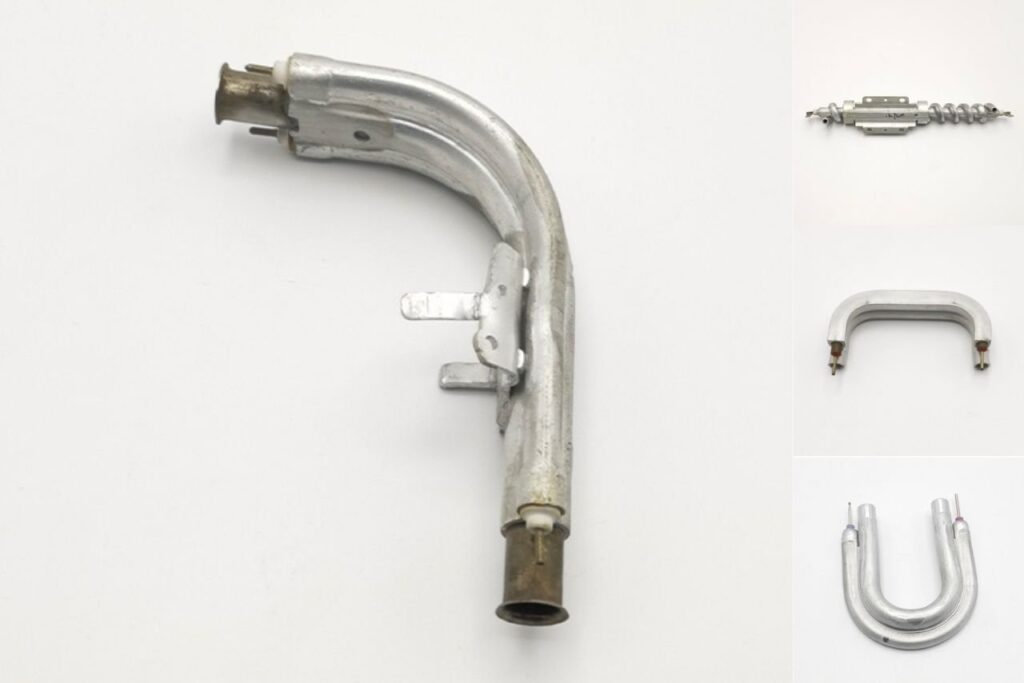
Whirlpool Cabrio Dryer Heating Element Replacement Walkthrough

Whirlpool Cabrio heaters are simple in principle an electrically resistive element converts electricity into heat but repairs fail when airflow, wiring integrity, and part matching are ignored. This walkthrough covers a practical, technician-style sequence to replace the heater assembly and reduce repeat failures, using evidence-based checks (airflow, tight connections, correct ratings) rather than guesswork.

Article type: Cluster Page 市場:グローバル Audience: knowledgeable DIY + service techs Focus: safe replacement + validation
Quick diagnosis: confirm it is the heating element
A Cabrio that tumbles but won t heat is not always a bad element

Before replacing anything, confirm the failure is actually in the heater assembly. Many electric dryers can still run the motor while the heater circuit is interrupted by a thermal fuse, thermostat, wiring fault, or a supply issue. Restricted venting can also trip thermal protection and mimic an element failure.

Symptoms that strongly suggest a failed element
  • No heat and the element tests open (no continuity).
  • Visible coil break (if the housing allows inspection).
  • Repeated short cycling after a glowing hot event can indicate a distorted coil touching metal.

Best practice: test rather than assume.

Symptoms that often point elsewhere
  • No heat right after an overheating event thermal cut-off/fuse may be open.
  • Long dry times + very hot cabinet airflow restriction is likely.
  • Intermittent heat + burning smell near rear panel loose/burnt terminals.

Airflow is a root cause in many repeat failures.

Chart 1 What commonly causes repeat heater failures (service prioritization)
Restricted venting / lint
最高
Wrong element rating/fit
高い
Loose/overheated terminals
ミディアム
Thermostat/fuse open
ミディアム
Assembly damage/rubbing
より低い

Note: a practical troubleshooting weighting used by service teams (not a warranty dataset).

Tools, parts, and what correct element really means
Recommended tools
  • Nut driver / socket set (common sizes vary by model)
  • プラスドライバー
  • ニードルノーズプライヤー
  • Multimeter (continuity + resistance)
  • Vacuum + brush (lint removal)
  • Camera/phone (document wiring positions)
Parts to consider (not just the element)
  • Heating element assembly (model-specific)
  • Thermal fuse / thermal cut-off (if open)
  • Thermostat(s) (if failed or heat-damaged)
  • High-temp wire terminals (if any spades are discolored/loose)
Why correct replacement is a non-negotiable requirement

Whirlpool s heater replacement guidance in a different appliance category explicitly instructs users to verify the new element by checking the unit s data plate for 電圧と電力, and to ensure wire connections are tight. While the procedure is for water heaters, the underlying principle match ratings and avoid energizing under unsafe conditions applies to dryers as well. (Whirlpool support reference)

For broader component literacy, TUTCO describes a heating element as an assembly of conductive and insulating materials designed to serve a heating purpose, and discusses tradeoffs like support type and environmental contaminants. (TUTCO ヒーティングエレメントの概要)

Safety rules that prevent shock and repeat burnout
Critical safety rules
  • 電源を切る (unplug or breaker off) and confirm with a meter before touching wiring.
  • Do not run the dryer with covers removed except for controlled, supervised testing and only when safe.
  • Never energize a heater system when the safe operating condition is missing. In a dryer, the equivalent of dry firing is running heat with blocked airflow.
Whirlpool Cabrio heating element replacement walkthrough (step-by-step)
Step 1 Confirm model and heater location

Cabrio configurations vary. Many Whirlpool electric dryers provide rear access to the heater housing and thermostats. Use the model tag to confirm the correct parts list and panel access.

Step 2 Remove lint and restore airflow before installing a new heater
  • Vacuum lint at the lint screen housing, blower intake area, and around the heater duct.
  • Inspect the entire vent run to the exterior; remove restrictions and replace crushed ducting.

This step prevents new element, same failure.

Step 3 Open the access panel and document wiring

Photograph each connector position before removal. Label wires if necessary. The goal is zero ambiguity during reassembly.

Step 4 Test thermal fuse and thermostats

With power off and at least one wire removed from each device, use continuity testing. An open thermal fuse/thermal cut-off means the dryer may never energize the element even if the element is new.

Technician habit: If a thermal device is open, do not stop at replacement identify why it opened (most often airflow restriction).
Step 5 Remove the heating element assembly
  • Disconnect element terminals carefully (do not pull on wires; pull on connectors).
  • Remove screws holding the heater housing/element bracket (varies by model).
  • Slide out the element assembly and inspect for coil breaks or coil-to-housing contact.
Step 6 Inspect terminals and wiring; replace heat-damaged connectors

Any connector showing discoloration, looseness, or melted insulation should be replaced. Loose terminals increase resistance and create localized heating a common cause of intermittent heat and harness damage.

Step 7 Install the new element and reassemble airflow components
  • Ensure the element sits correctly in the housing and the coil cannot rub or touch metal.
  • Reinstall all baffles/ducts/insulation as designed (they guide airflow and protect wiring).
  • Reconnect wires firmly Whirlpool s guidance for heater replacement emphasizes tight connections as a safety requirement.
Post-install validation tests (no-callback checklist)
Step 8 Controlled heat test
  1. Confirm the vent is reconnected and unobstructed.
  2. Run a timed dry heat cycle and observe normal heating behavior.
  3. Verify strong exhaust flow outdoors.
  4. After a few minutes, stop the cycle and check for abnormal connector heating smell near the heater area.

If the dryer overheats or airflow is weak, stop and correct venting before continued operation.

Check良いこととはIf it fails考えられる原因
Outdoor exhaust airflowStrong, steady flowWeak flowVent restriction, crushed duct, lint clog
Heat productionHeats and cycles normallyNo heatOpen thermal fuse/thermostat, power/supply issue, wiring fault
Connector temperatureNo burning smell; connectors not overheatingBurning smell / hot connectorLoose/oxidized spade terminal, damaged harness
Cabinet temperatureWarm but not excessively hotVery hot quicklyAirflow restriction, incorrect assembly, coil rubbing

Table 1 Post-repair validation checks that reduce repeat failures.

How to prevent the new element from failing early
Five reliability rules
  • Restore airflow first: venting and lint removal are primary controls of element temperature.
  • Match ratings: use model-correct parts; avoid close enough heaters.
  • Replace overheated terminals: do not reuse burnt spade connectors.
  • Prevent coil rubbing: ensure correct seating and no deformation of the housing.
  • Validate under load: run a controlled heat cycle and confirm exhaust airflow.
Chart 2 Heater families across appliances (why a heater is not interchangeable)
Air heating (open/supported)
Dryers, air heaters
Tubular / sheathed
Ovens, liquids
Heating plate
Kettles, warmers
Thick/thin film
Compact devices

Dryer heaters are designed for airflow cooling; do not substitute unrelated heater products based on size alone.

Relevant product categories (for sourcing & comparison)

Manufacturer context: Jinzhong describes itself as an electric heating element manufacturer with 30+ years of experience, international certifications (ISO systems and others listed), one-stop processes, and scaled capacity. (発熱体メーカー)

よくある質問(5)
1) Do Whirlpool Cabrio dryers have a reset button for no heat ?

Many no heat conditions are caused by an open thermal fuse/thermal cut-off that does not reset and must be replaced. The correct diagnostic step is continuity testing rather than searching for a reset.

2) Why did the new element burn out quickly?

The most common drivers are restricted airflow, wrong element rating/fit, loose terminals, or coil rubbing the housing. Address venting and connection quality before and after replacement.

3) Should terminals be replaced when replacing the heater?

If spade connectors show discoloration, looseness, or heat damage, replacement is recommended. High-resistance connections generate heat at the terminal and can damage the harness.

4) Can a plug-in heating element be used as a dryer heater?

No. A plug-in element designed for radiators/towel warmers has different mounting, safety approvals, and operating assumptions. For example, a retail plug-in element listing specifies 1000W power, IP67 ingress protection, UL approval, and materials (ABS + stainless steel) for that application these specs do not make it interchangeable with a dryer heater. (Hudson Reed 1000W プラグイン式エレメント)

5) What is the most important check after reassembly?

Confirm strong exhaust airflow outdoors during a heated cycle. Airflow is the primary control of heater temperature in dryers and a leading indicator of whether the repair will last.

参考文献 & 外部リンク
Cited sources used for definitions, safety principles, and specifications

Originality statement: This walkthrough is an original, service-oriented synthesis written for reliability and safety. It does not copy text from the sources; sources are cited to support definitions, safety principles, and specific published specifications.

Safety disclaimer: Electrical repairs should follow local codes and manufacturer service documentation. When in doubt, consult a qualified technician.

Mari Chengの写真

マリ・チェン

皆さん、こんにちは、私は金中電熱技術の「電熱担当」の成真理です。私たちの工場は電熱部品に携わって30年になり、国内外1000社以上のお客様とお取引させていただいております。以下のブログでは、電熱部品の本当の知識、工場での生産ストーリー、お客様の本当のニーズについてお話します。何か質問があれば、コメントするか、直接私を突いてください。

お困りですか?

ご不明な点がございましたら、お気軽にお問い合わせください。また、最新のお見積もりと無料サンプルもご提供いたします。
