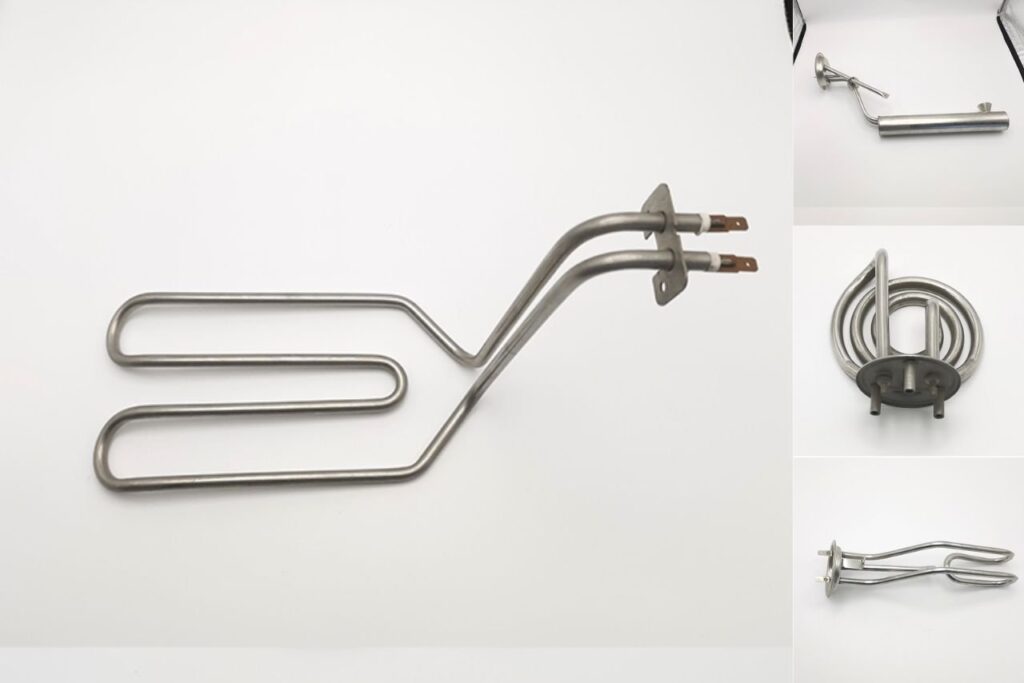
電気オーブンおよびコンロ加熱要素メンテナンスガイド

電気オーブンおよびコンロ加熱要素メンテナンスガイド

Pillar Page ? ~4000 words ? Global ? Maintenance + early warning signs ? FAQ: 6

Electric ovens Electric stoves/ranges Prevent premature element failure Safer troubleshooting mindset
Why maintenance matters

Heating elements in electric ovens and stoves are durable, but they are still consumable components. Their service life depends on temperature, cycling frequency, connection quality, and the environment inside the appliance. Good maintenance reduces mystery failures, improves cooking consistency, and helps you spot wiring hazards early before they become bigger repairs.

Engineering reference: TUTCO describes a heating element as a component composed of electrically conductive and insulating material with lead connectors, designed to serve a heating purpose, and notes heater life is limited by oxidation, resistance changes, damage, and deformation over time. https://tutco.com/conductive/heating-elements

Heating element basics (what it is, why connections matter)
A heating element is more than a coil

Per TUTCO, a heating element is an assemblage: the resistive alloy where electrical load occurs plus an insulating framework and connectors. In practical maintenance terms, you re maintaining the whole system: element surface, mounts, terminals, insulation, and safe airflow/clearances.

出典: TUTCO heating elements article.

Why loose terminals cook elements

A loose connector increases resistance at the contact point, creating localized heating (a hot spot). That can discolor terminals, damage wiring insulation, and cause intermittent heating or complete failure. This is why tight connections is a repeated theme in heater replacement instructions.

Example safety language: Whirlpool s element replacement steps instruct to ensure wire connections are tight and to follow safe energizing procedures. 参考.

Tubular elements are typical in electric ovens

TUTCO describes tubular heaters as a coil surrounded by insulating powder encased within a metal sheath and notes a common location is inside an electric kitchen oven. ソース.

Element / heater formatWhere you see itHeat transfer emphasisMaintenance focus
Tubular bake/broil elementMost electric ovensRadiation + convectionKeep clean, prevent physical contact with liner, check terminals
Open coil (supported/suspended in a frame)Some specialty heaters and air heaters (conceptual reference)Convection + radiationAirflow and spacing; prevent sagging/contact (per TUTCO framework discussion)
Thick film / thin film surface heatersVarious appliances and compact heating modulesConduction-dominant at the interfaceProtect surfaces; avoid scratches; verify sensors/controls

Table 1 Ovens most often use tubular elements; other heater technologies exist across appliances and product families.

Product-family context (for sourcing and design)

JINZHO organizes heater products under 加熱エレメント, を含む 加熱管, ヒーティングプレート, そして 加熱フィルム. Integrated modules for certain appliances are grouped under ダイカスト加熱ソリューション.

Routine maintenance schedule (weekly/monthly/quarterly)
頻度What to doWhat it prevents
After spills (as needed)Wipe spills once cool; remove burnt-on residue gentlyHot spots from carbonized debris; smoke/odor; corrosion
毎月Inspect bake element and broil element for blisters, cracks, or sagSudden open-circuit failure; liner contact/arcing
四半期Check door seal condition; verify racks slide smoothly; verify preheat behaviorHeat loss, extended preheat times, uneven cooking
Annually (or at first symptom)Power off; inspect terminals and wiring condition behind element mounts (if accessible)Connector hot spots; brittle insulation; intermittent heat

Table 2 Maintenance is mostly inspection and gentle cleaning; the biggest payoff is catching wiring/terminal degradation early.

Cleaning best practices (and what to avoid)
Recommended cleaning habits
  • Let the oven cool fully before wiping.
  • Use a non-abrasive sponge/cloth for routine cleaning.
  • For stuck residue, use manufacturer-approved cleaners and allow dwell time instead of heavy scraping.
  • Keep cleaners away from terminals and wire pass-through openings.
Avoid
  • Abrasive pads on element surfaces (can damage protective oxide layer).
  • Soaking or spraying cleaners directly into rear-wall openings (can reach terminals/insulation).
  • Bending tubular elements to straighten them (can crack internal insulation/powder packing).

TUTCO notes heater materials and life are influenced by environment and contaminants; harsh chemicals can accelerate failures in some alloys. 参考.

Performance checks: preheat time, temperature stability, uneven cooking
Simple performance baselines you can track
  • Preheat time trend: If preheat slowly gets longer over weeks/months, suspect a weakening element or heat loss (seal/door issues).
  • Evenness: One side consistently browns faster can be airflow/rack position, but also can indicate a partially failing element.
  • Broil strength: Weak browning can point to a broil element or control problem.
When to stop testing and service instead

If you see sparks, hear buzzing at terminals, or smell burning insulation, shut the unit down and have the wiring inspected.

Early warning signs of element or wiring problems
Warning signWhat it might meanWhat to do
Blistering or bubbled spot on elementLocalized overheating; impending open failurePlan replacement; inspect terminal tightness
Element sagging toward the linerMechanical deformation; possible contact/arcing riskStop using if contact likely; replace element
Terminal discoloration (blue/black/brown)Connector hot spot due to loosenessReplace terminal and element if heat-damaged; ensure tight fit
Breaker trips when heating startsShort to chassis, damaged insulation, or element failureStop; inspect safely or call a technician

Table 3 These signs often appear before a total no heat failure.

Quick troubleshooting decision tree
Use this order to avoid guesswork
1
Identify the symptom

No heat at all, bake-only failure, broil-only failure, slow preheat, or uneven temps.

2
Visual check (no disassembly)

Look for cracks, blisters, sagging, or burn-through spots on the element.

3
If safe and capable: continuity test (power off)

Confirm whether the element is open. If the element is good, move upstream to wiring and controls. (Exact ohms vary by element design; the key is open vs continuous.)

4
If replacing: correct part + correct connections

Verify rating and geometry, and rebuild any weak terminals. Tight connections prevent repeat overheating.

Reminder: Whirlpool s heater replacement steps explicitly include Verify New Element against the data plate (voltage/wattage) and Make sure all wire connections are tight. ソース.

Replacement readiness: how to prevent repeat burnouts
Before you install a new element
  • Match the replacement to the appliance data plate/model.
  • Inspect and replace heat-damaged spade terminals.
  • Ensure element mounts are secure so the element can t contact metal.
Engineering note: why hotter shortens life

TUTCO explains that oxidation and cycling stresses drive heater wear, and that reducing watt density (lower element temperature) can extend life in some applications. In ovens, you typically can t change watt density without changing the design, but you can avoid extra heating at loose connectors and keep the element surface free of insulating burnt-on deposits. 参考.

FAQ (6件)
1) How long do oven heating elements last?

It varies by usage and conditions. TUTCO notes all resistance heating elements eventually burn out due to oxidation, resistance changes, damage, and deformation. Good maintenance and stable operating conditions extend life. ソース.

2) Is it safe to clean the heating element directly?

Light wiping when cool is usually fine, but avoid abrasives and harsh chemicals. Don t bend the element, and don t soak areas near terminals.

3) Why does my oven take longer to preheat?

Common reasons include a weakening bake element, a door seal leak, or temperature sensing/control issues. Start with visual inspection of the bake element and the door gasket.

4) What does a bad terminal connection look like?

Discolored spade connectors (brown/blue/black), brittle insulation, or a connector that feels loose on the element tab. Replace weak terminals loose connections create hot spots.

5) What should I verify before buying a replacement element?

Match the model, voltage/wattage, and geometry. Whirlpool s Verify New Element step (water heater) highlights checking the data plate for voltage and wattage carry that habit to ovens. 参考.

6) What element types exist besides tubular oven elements?

Across appliances, there are heating tubes, plates, and films, plus integrated die-cast heater modules. JINZHO s categories show examples of these families: 加熱管, ヒーティングプレート, 加熱フィルム, そして ダイカスト加熱ソリューション.

参考文献 & 必須内部リンク
必要な内部アンカー
主な情報源

免責事項: 本ガイドは情報提供を目的としています。必ず家電製品メーカーのサービス指示および地域の電気安全要件に従ってください。.

Mari Chengの写真

マリ・チェン

皆さん、こんにちは、私は金中電熱技術の「電熱担当」の成真理です。私たちの工場は電熱部品に携わって30年になり、国内外1000社以上のお客様とお取引させていただいております。以下のブログでは、電熱部品の本当の知識、工場での生産ストーリー、お客様の本当のニーズについてお話します。何か質問があれば、コメントするか、直接私を突いてください。

お困りですか?

ご不明な点がございましたら、お気軽にお問い合わせください。また、最新のお見積もりと無料サンプルもご提供いたします。